• Link to X
  • Link to Facebook
  • Link to Instagram
  • Link to TikTok
  • Link to Youtube
  • About
    • About Us
      • President
      • Board of Directors
      • Board of Advisors
      • Financials
      • Our Methodology
      • Success Tracker
      • Contact
  • Act Now
    • 30 Ways to Help
      • Email Congress
      • Call Congress
      • Volunteer
      • Courses & Certificates
      • Be a Donor
    • Internships
      • In-Office Internships
      • Remote Internships
    • Legislation
      • Politics 101
  • The Blog
  • The Podcast
  • Magazine
  • Donate
  • Click to open the search input field Click to open the search input field Search
  • Menu Menu

Archive for category: Development

Information and stories on development news.

Development, Economy, Global Poverty

Reducing Poverty in Grenada: Social and Economic Reforms

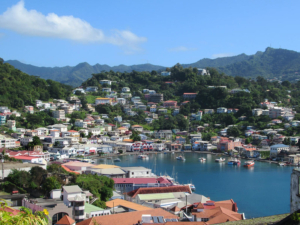
Poverty in GrenadaNestled in the West Indies of the eastern Caribbean Sea, the small island of Grenada is home to approximately 117,300 people. Affectionately known as “Spice Island” for its nutmeg, cinnamon and mace export, Grenada is a popular tourist destination in the Caribbean. However, it is not widely recognized that Grenada has a staggering poverty rate of 25%, which has shown little reduction over the last 15 years. According to the World Bank, despite some progress, poverty levels have remained relatively unchanged since the early 2000s, with the most recent development indicators estimating that one in four Grenadians continues to live below the national poverty line.

Grenada’s Economy and the Face of Poverty

Grenada spans just 132.8 square miles, making it smaller than the United States’ tiniest state, Rhode Island. Its economy is primarily driven by the services sector, especially tourism, which accounts for most of its GDP and employment. Agriculture still plays a role, especially in rural areas, where spices, cocoa and bananas are key exports.

Yet, high unemployment and underemployment continue to drive poverty. Unemployment remains at 11.1% as of 2023, with informal work, seasonal jobs and low-wage employment common across the island. Many Grenadians engage in informal sectors such as tourism services, market vending, salons, agricultural labor and small-scale entrepreneurship. Agriculture employs 13.8% of the labor force, contributing only 2.75% of GDP.

Infrastructure, Social Protection and UN-Led Development

Grenada has partnered with international institutions on several large-scale development projects to address systemic poverty. Infrastructure development is a key pillar in the island’s poverty reduction strategy. In 2015, the World Bank approved a $15 million Development Policy Credit and Loan. It aimed to improve disaster resilience, upgrade public sector management and boost the economy through improved agricultural and tourism networks.

Social protections have also been expanded. During the COVID-19 pandemic, Grenada implemented an emergency stimulus package with unemployment benefits, tax relief and support for small businesses. These efforts were backed by more than $28 million in financing from the International Monetary Fund (IMF) and Caribbean Development Bank.

Rural Development and the SEED Program

In rural communities, targeted interventions have shown promising outcomes. One major initiative is the Market Access and Rural Enterprise Development Program (MAREP), co-funded by the International Fund for Agricultural Development (IFAD), the Caribbean Development Bank and the Government of Grenada. With a total budget of $7.5 million, this project helped train and fund small-scale rural entrepreneurs, especially among youth and women.

The Support for Education, Empowerment and Development (SEED) Program is critical to Grenada’s social safety net. This program provides conditional cash transfers to low-income families, especially those with school-aged children. SEED supports vulnerable populations by ensuring continued access to education and basic needs while incentivizing school attendance and health checkups. According to The Borgen Project, SEED has been central in reducing short-term poverty and fostering long-term social development in Grenada.

The United Nations Country Implementation Plan (CIP) 2024–2025 also recognizes the SEED program as a pillar of Grenada’s social protection network. The CIP supports Grenada in enhancing climate resilience, economic stability and social inclusion, with 38% of plan funding directed toward economic resilience and 10% toward social and justice systems.

Conclusion

Grenada’s efforts to combat poverty reflect a multi-pronged approach—addressing infrastructure gaps, improving social safety nets and supporting rural livelihoods. International aid and government programs have made measurable impacts, from the World Bank’s investment in the nation to the SEED program’s day-to-day support for families. Yet, challenges remain. Persistent unemployment, informal labor and climate vulnerabilities still threaten progress on the Spice Island.

– Jamaya Newton

Jamaya is Philadelphia, PA, USA and focuses on Business and Good News for The Borgen Project.

Photo: Flickr

August 29, 2025
https://borgenproject.org/wp-content/uploads/borgen-project-logo.svg 0 0 Lynsey 2 https://borgenproject.org/wp-content/uploads/borgen-project-logo.svg Lynsey 22025-08-29 07:30:462025-08-29 05:23:31Reducing Poverty in Grenada: Social and Economic Reforms
Development, Global Poverty, Government

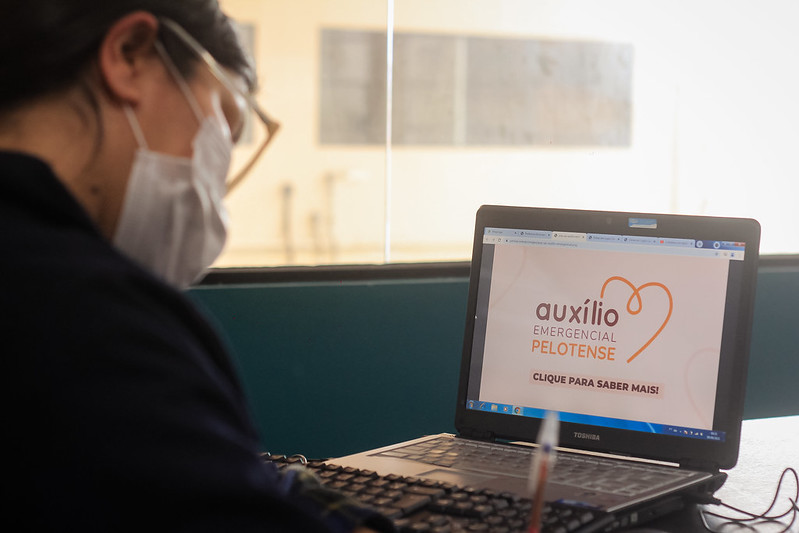
Auxílio Emergencial: Brazil’s Solution To Poverty

Auxílio EmergencialFor a long time, many citizens of Brazil have been born into and lived in poverty for most, if not all, of their lives. Poverty rates remain high across the country, ranging from 47% in Pernambuco and Paraíba to 51% in Acre and Maranhão.

Other recent statistics highlight ongoing challenges for the country. In 2022, 8% of people lived below the poverty line. Of those workers, two out of every five were not officially employed by the places where they worked. This leaves families vulnerable, as they do not receive employee benefits and protections such as retirement savings, paid time off or family leave that formal jobs offer. There is also a lack of food supplies in the average household. As of 2023, nearly 60% of households led by women suffer from food insecurity and similar cases are prevalent across the country. 

Bolsa Família and Social Support

With so many people suffering from poor living conditions and below the poverty line, intervention from those in positions of power appears to be necessary. Ongoing incentives are already in place to support the people of Brazil. In 2003, the Bolsa Família program took off, providing aid to families living in poverty and quickly became popular. By 2023, 19% of all registered homes in Brazil were on the Bolsa Família program. 

Emergency Aid During COVID-19

Every country felt the impact of COVID-19, and Brazil was no exception, as those living in poverty had little defense against deadly diseases. In March 2020, the government launched the Auxílio Emergencial program to address the sharp decline in jobs and the loss of income that followed. The program was available only to people in poverty who were unemployed, informal workers or self-employed while living at or under 50% of the national minimum wage. Because much of the population’s data was already stored by the government, officials were able to swiftly and effectively distribute resources to those who needed them most. The program continues to support the Brazilian people.

Looking Ahead

The Auxílio Emergencial program was highly effective. After its launch, poverty in Brazil dropped by 23.7% from pre-pandemic levels, lifting 15 million people out of poverty. The efforts to address poverty do not stop there; the Brazilian government is continuing to create new social programs and update both the Bolsa Família and Auxílio Emergencial initiatives to ensure that even more people can rise out of poverty.

– John Menechino

John is based in Marietta, GA, USA and focuses on Technology and Politics for The Borgen Project.

Photo: Flickr

August 25, 2025
https://borgenproject.org/wp-content/uploads/borgen-project-logo.svg 0 0 Precious Sheidu https://borgenproject.org/wp-content/uploads/borgen-project-logo.svg Precious Sheidu2025-08-25 01:30:562025-08-22 16:58:52Auxílio Emergencial: Brazil’s Solution To Poverty
Development, Global Poverty

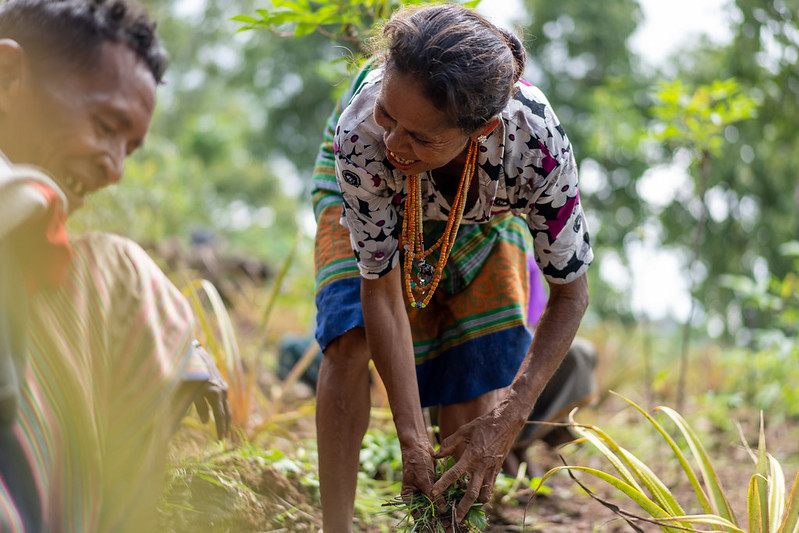
Timor Leste’s Community Infrastructure For Resilience Project

Timor Leste’s Community InfrastructureLocated in Southeast Asia to Australia’s north, Timor-Leste occupies half of the island of Timor. It is a peaceful, democratic nation which emerged after decades of conflict, gaining sovereignty in May 2002.
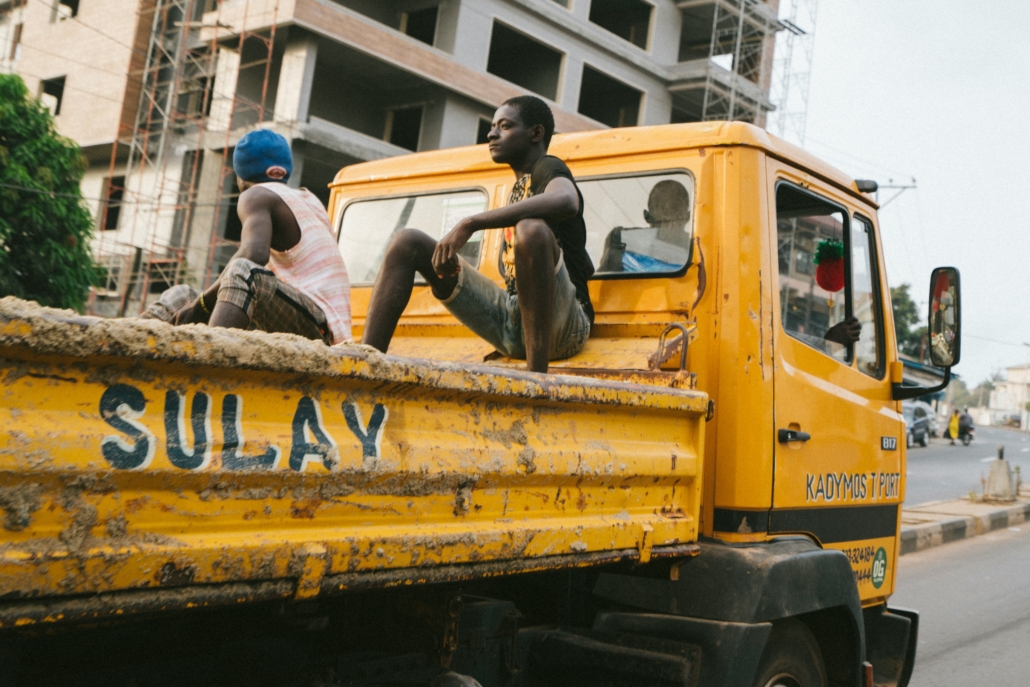
Since gaining independence, Timor Leste’s community infrastructure has been a central focus on the country’s development, this includes roads, ports, airports, water and sanitation systems and government facilities. By focusing on building up the country’s infrastructure, the number of Timorese living below the national poverty line has declined each year.

Building Community Resilience

In 2023, the UNDP became the implementing agency of the Community Infrastructure for Resilience Project (CIREP), which focuses on rural communities in Timor-Leste by strengthening their resilience by improving infrastructure and “access to basic services for health, education, markets, irrigation, water and sanitation.”

The project period is from 2023 to 2027 and commits itself to the construction and rehabilitation of 46 community infrastructures in the areas of Bobonaro, Ermera, Liquica, and the Special Administrative Region Oe-Cusse Ambeno (RAEOA). This is paralleled with the Cash-For-Work program operating at the project sites, engaging with 4,000 community members, particularly youth, women, people with disabilities and LGPTIQ+.

The Cash-For-Work program provides community members with work at the sites that are improving Timor Leste’s Community Infrastructure. They are taught skills and given experience that is able to help them gain further employment. The UNDP estimates that by the end of the project a total of 16,000 households and 75,000 individuals will benefit from the project, according to UNDP.

Sustainable Development Goals

The CIREP targets the U.N.’s Sustainable Development Goals (SDGs), including gender equality, clean water and sanitation and decent work and economic growth. Within Timor-Leste, investing in human capital has been a priority for sustainable development and economic growth. By focusing on infrastructure-centred projects ,the UNDP can tackle multiple SDGs at once, together with its efforts to improve access to clean water and sanitation.

SDG 5: Gender Equality

Gender Equality is a big focus of Timor-Leste’s Community Infrastructure Project, with the assurance that the Cash-For-Work program participants are 50% women, according to UNDP. The program initiatives aim to empower women in these rural areas by teaching them skills that will help employ them in the long term as well as improving their socioeconomic status in the short term through the Cash-For-Work program.

SDG 6: Clean Water and Sanitation

The second SDG that the CIREP focuses on is clean water and sanitation, which is a driver of malnutrition in Timor-Leste. By constructing and renovating water and sanitation sites in the country, it can drastically improve health and increase productivity, which in turn fuels other SDGs.

SDG 8: Decent Work and Economic Growth

The third SDG that the project focuses on is decent work and economic growth, which is the backbone of Timor-Leste’s Community Infrastructure project. By working with the Cash-For-Work program, the UNDP has identified and registered 1,254 community members who will be provided on-the-job training at the different project sites, according to UNDP. By training and paying workers from Timor-Leste the UNDP and the Cash-For-Work program can give decent work to the citizens while simultaneously improving economic conditions.

Looking Forward

As the CIREP continues into March 2027, Timor-Leste’s community infrastructure continues to improve, strengthening the community’s resilience and furthering economic growth.

– Olivia Peters

Olivia is based in Newport, RI, USA and focuses on Good News and Technology for The Borgen Project.

Photo: Flickr

August 20, 2025
https://borgenproject.org/wp-content/uploads/borgen-project-logo.svg 0 0 Naida Jahic https://borgenproject.org/wp-content/uploads/borgen-project-logo.svg Naida Jahic2025-08-20 07:30:222025-08-19 13:53:58Timor Leste’s Community Infrastructure For Resilience Project
Development, Global Poverty

Poverty Eradication in Sierra Leone: Secondary City Development

Poverty Eradication in Sierra LeoneSince emerging from a civil war in 2002, Sierra Leone has experienced positive social and economic growth. The nation’s GDP has more than tripled, and maternal, infant and child mortality rates have largely decreased. However, poverty remains a threat to the country despite these improvements. Almost 60% of the population lives below the national poverty line, living on only $3 a day, and many lack access to food and safe water. Here is information about some innovations in poverty eradication in Sierra Leone.

Major Development Push Across Sierra Leone

However, extreme poverty is concentrated mainly in rural areas of the nation. Outside the capital city of Freetown, nearly 60% of the population lives below the poverty line, compared to just 20% within the capital’s limits. These stark figures reveal a clear imbalance in development and highlight the urgent need for change. In response, the government of Sierra Leone, backed by a £74 million investment from the World Bank, is turning its focus to the country’s often-overlooked secondary cities in an effort to work toward poverty eradication in Sierra Leone.  

 The cities of Bo, Bonthe, Kenema, Koidu, Makeni and Port Loko, as well as areas of Freetown, are experiencing major development projects in an ambitious effort to decentralize opportunity and reduce regional inequality. With the right infrastructure and investment, secondary cities could serve as drivers of development, raising living standards, expanding access to essential services, and creating new opportunities which could lift many Sierra Leoneans out of poverty.

Resilient Urban Sierra Leone Project

 In June 2021, the World Bank launched the Resilient Urban Sierra Leone Project (RUSLP), allocating a budget of $74 million in an attempt to enhance the lives of residents in underdeveloped areas of the nation. The plan presents a transformative vision for the western areas of the country. It lays the groundwork for sustainable urban development through the implementation of improved transportation networks, enhanced disaster preparedness, waste management systems and climate support.

Setting the Development Plan Into Motion

The project’s first major development briefings took place in Kissy, Freetown, on April 10th, 2025. Local government representatives, stakeholders and prospective bidders met to identify the necessary actions to improve the current urban landscape.

The Project Management Unit (PMU) of the RUSLP organized the session and a four-year developmental plan was laid out, with three high-risk communities being identified including Coconut Farm, Moyiba and Portee/Rokupa. Work is to immediately begin, as major environmental and flooding risks threaten these communities.

During the session, technical specifications, bidding procedures, evaluation criteria and social and environmental safeguarding requirements were outlined and discussed. The meeting provided a forum where those involved could ask questions and seek clarification on the project. Under this plan, it is hoped that all secondary cities will see new development, and work will begin at a later stage.

Bridging Cities and Citizens

According to project planners, the benefits of these developments extend beyond physical infrastructure. Roads will link people to jobs, markets and services, aiding poverty eradication in Sierra Leone. Water pumps and improved drainage systems will boost sanitation levels, improving public health immensely and lighting infrastructure across the cities will enhance the safety and accessibility of the population.

These improvements will especially benefit those who live beyond the boundaries of the capital, providing opportunities through connection due to new transportation infrastructure. The aim is to ensure all citizens have access to the same economic prospects and improved living conditions, and urban development is the first step in ensuring this.

– Niamh Trinder

Niamh is based in Leicester, UK and focuses on Good News and Global Health for The Borgen Project.

Photo: Unsplash

August 19, 2025
https://borgenproject.org/wp-content/uploads/borgen-project-logo.svg 0 0 Jennifer Philipp https://borgenproject.org/wp-content/uploads/borgen-project-logo.svg Jennifer Philipp2025-08-19 07:30:482025-08-18 12:58:35Poverty Eradication in Sierra Leone: Secondary City Development
Development, Electricity and Power, Global Poverty

Floating Solar Power in India

Floating Solar Power in IndiaFor the first time, it is predicted that energy investments in solar power will exceed oil and gas in 2025. Solar energy has become a vital way to create jobs, cut carbon emissions and accelerate economic progress. While many new solar installations are found on land, land availability in India is the lowest per capita among G20 countries. To strengthen its green energy capacity, India is turning to floating solar power.

India’s Floating Solar Revolution

India has the potential to generate 280 GW to 300 GW of electricity by installing floating solar panels and the work has already begun. The Ramagundum Floating Solar Project, which has been built over 500 acres and the Kayamkulam Floating Solar Power Plant, which can light up 26,000 households daily, were commissioned as early as 2022.

The Omkareshwar Floating Solar Project is projected to power more than 100,000 houses daily and offset carbon emissions by 1.2 million metric tons annually.

More Than Land Savings

Installing solar panels has other benefits besides land preservation, which is important to India. Floating panels operate more efficiently thanks to the cooling effect of water. Covering large areas of lakes, rivers and reservoirs with plastic solar panels also reduces water loss from evaporation, which has become more of a concern due to increased global temperatures.

Many large countries already use floating solar to generate clean, green energy and India is joining their ranks. Globally, floating solar could supply up to 50% of the world’s electricity.

In addition to advancing India’s clean energy goals, including a net-zero carbon target by 2070, the push for floating solar generates millions of new jobs annually. The renewable energy sector globally created 13.7 million jobs in 2022, rising to 16.2 million in 2023. India alone accounted for an estimated 1.02 million jobs in 2023. With the push towards floating solar panels in 2024, India’s renewable energy job numbers are expected to grow even further.

Floating Solar’s Promise and Roadblocks

India is leading the way in charging for green electricity. However, other countries like the Maldives, Bangladesh, Pakistan and Sri Lanka have been trying to adopt clean energy, particularly floating solar panels.

The cost of installing solar on land in India is cheaper than on bodies of water and there are some unclear eligibility criteria for floating solar sites, as well as a limited manufacturing capacity for floating solar equipment. There are still struggles involved in implementing floating solar technology.

Final Remarks

India depends heavily on its land for agriculture, mining and other vital economic activities. Discovering India could use its abundant bodies of water for floating solar power, rather than sacrificing precious land, was a breakthrough. This approach is generating much-needed energy, cutting CO₂ emissions, reducing evaporation from critical water sources and creating valuable jobs nationwide.

– Gregory Walker

Gregory is based in York, PA, USA and focuses on Technology and Solutions for The Borgen Project.

Photo: Flickr

August 19, 2025
https://borgenproject.org/wp-content/uploads/borgen-project-logo.svg 0 0 Lynsey 2 https://borgenproject.org/wp-content/uploads/borgen-project-logo.svg Lynsey 22025-08-19 07:30:212025-08-18 12:58:06Floating Solar Power in India
Development, Global Poverty

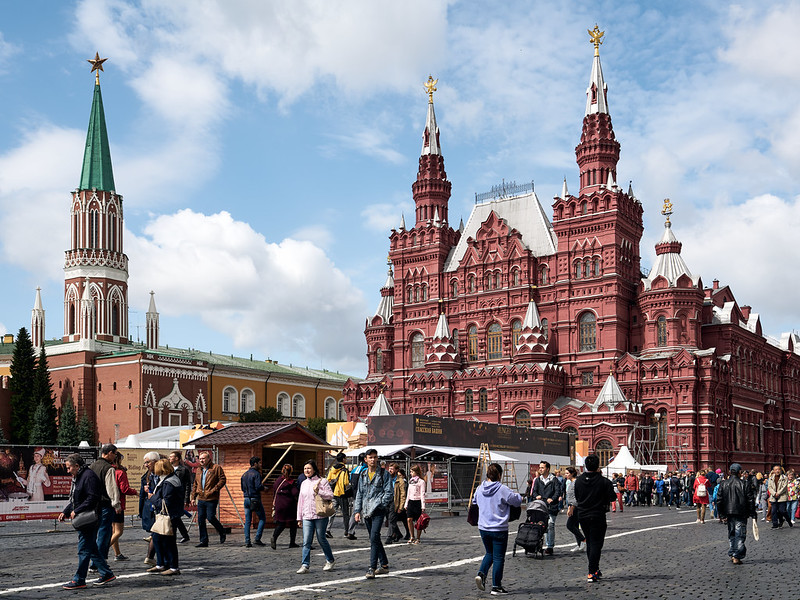
Russia’s Kleptocracy: Domestic Consequences of Corruption

russia's kleptocracyThe Kremlin juggles an imperative to maintain both popular and elite satisfaction. From 2000 to 2008, Russia experienced impressive growth – real GDP increased by 66% and real wages increased by 185%. Benefiting from windfall oil and gas revenues, the government balanced the provision of social services with self-enrichment at the top. The 2008 financial crisis launched Russia into a prolonged period of stagnation. Persistent corruption and a weak rule of law discourage investment and entrepreneurship. Russia’s kleptocracy went from a source of stability to an Achilles’ heel. The aim to keep oligarchs wealthy and happy comes at the cost of national development and welfare. International sanctions and the war in Ukraine in 2022 put greater pressure on the government to minimize the rampant looting of state assets.

Russia’s Kleptocracy

President Vladimir Putin used a recruitment base of KGB veterans (or the siloviki) to fill top posts in the executive branch and the economy. Some run law enforcement agencies – Ministry of Interior (MVD) and Federal Security Service (FSB). Others manage state-owned companies in the energy sector, banking and transportation. The silovarchs use coercive capacities and criminal connections to target businesses and extract corrupt rents.

Putin also dueled out advantages to close friends from childhood, the Ozero dacha cooperative and hobbies. These oligarchs own firms that benefit from state contracts and the public procurement system. Gennady Timchenko and the Rotenberg brothers obtained a fortune building pipelines for Gazprom.

Russia’s kleptocracy not only relies on elite control over state resources, but the lack of rule of law. The Kremlin keeps everyone in permanent legal jeopardy to maintain control. As the regime encourages bureaucrats and businessmen to engage in corrupt schemes, private eyes gather kompromat (evidence of legal wrongdoing) to hold over their heads.

Inequality and Social Policy

Even autocrats care about popular opinion. Social policy is an important tool to win elections. In the run-up to the 2012 presidential election, Putin promised to improve social well-being, build more schools and limit utility expenses, among other things. The Russian newspaper Vedomosti detailed areas the regime fell short. After five years, the number of people below poverty increased by several million, the number of schools declined by 7,000 and costs for heating and electricity rose by 50%.

Corruption adversely impacts economic growth and welfare provisions. The lucrative public procurement system, in which the government hands out state contracts on a non-competitive and personal basis, leads to lower quality of infrastructure and public services. Corruption can also distort the make-up of expenditures. It incentivizes bureaucrats to choose expenditures that provide the best opportunity for self-enrichment. It is easier to collect substantial bribes on large infrastructure projects than on textbooks or teacher salaries.

Anti-Government Protests

The mobilizing potential of inadequate social policy and fraud manifested in 2011 and 2012. The massive anti-government protests put pressure on the Kremlin to fight corruption. Putin launched an anti-corruption drive in 2012. The Kremlin targeted low-level officials and elites with punitive action. Some high profile prosecutions were carried out in the national and regional arenas. The government also attempted to clean up petty corruption in the public sector. They implemented a reduction in the discretion of service providers and harsher penalties for offenders. The performative nature of these measures limited any real impact on corruption.

Russia’s kleptocracy endures. Russia scored 22 on the Corruption Perceptions Index (CPI) in 2023, where 100 means a very clean public sector. The practice of reiderstvo (illegal business raids) grew by 135% in 2019 compared to the previous year. The number of malicious criminal prosecutions of entrepreneurs increased between 2014 and 2019, as well as mistrust in law enforcement and courts.

Positive Role of Civil Society

Opposition leaders and civil society do exist and function in Russia. Activist Alexey Navalny founded the nonprofit Anti-Corruption Foundation (FBK) in Russia to fight rampant kleptocracy. FBK produced powerful and evidence-based documentaries on YouTube. “A Palace for Putin” video generated millions of views.

When law enforcement did not investigate the attempted murder of Navalny in 2020, investigative journalists filled the accountability void. Reporters from Bellingcat and Russia’s The Insider stepped forward to expose government wrongdoing.

Transparency International Russia (TI-Russia) uses non-partisan and non-political activities to fight corruption. The movement believes a government crackdown on corruption is not a substitute for independent scrutiny. TI-Russia holds education workshops, designs artwork to teach citizens how to say no to bribes and works with students to find innovative solutions.

After the invasion of Ukraine in 2020, the crackdown on independent media and opposition actors tightened. The government declared more than 40 journalists and news outlets “foreign agents” in 2021.

Corruption can reduce economic growth and effective social spending, increasing poverty and income inequality. Even in a repressive environment, Russia’s determined civil society continues to fight kleptocracy. With a sustained grassroot effort, the momentum for a more equitable Russia can grow.

– Alessandra Lewis

Alessandra is based in Westport, CT, USA and focuses on Business and Politics for The Borgen Project.

Photo: Flickr

August 17, 2025
https://borgenproject.org/wp-content/uploads/borgen-project-logo.svg 0 0 Naida Jahic https://borgenproject.org/wp-content/uploads/borgen-project-logo.svg Naida Jahic2025-08-17 01:30:542025-08-16 03:24:56Russia’s Kleptocracy: Domestic Consequences of Corruption
Development, Global Poverty, Health

Health Care in Rural Peru: Students Bridging the Gaps

Health Care in Rural PeruPeru, famous to many for the memorable sites of Machu Picchu, is currently fighting a battle against preventable illness. Hepatitis A, typhoid and malaria are just a number of the diseases common among the citizens of Peru. Beyond that, nearly 12% of the population faces major nutrition-related deficiencies. One of the most widespread is anemia, affecting 40% of children. Some health conditions, however, are even more severe.

Prenatal and maternal care are almost nonexistent and pregnancy complications disproportionately affect indigenous women and those living in rural communities. Despite the severe nature of the health complications, all of them are worse because of the lack of knowledge surrounding the issue and little to no access to medical facilities.

However, a group of pre-med students from Duke University and Boston College partnered with Sacred Valley to create a sustainable but realistic solution for these rural communities. They are training women in these communities to be health advocates by informing them about nutrition, pregnancy protocols and when to seek serious help. These individuals are paving a new path to health care in rural Peru.

The Layers of Translation in Peru

One junior, Catherine May, at Boston College had an especially vital position in this operation. The majority of rural communities in Peru speak the Quechua language. Her role is to translate from English to Spanish so local translators can translate from Spanish to Quechuan. The first level of medical access must be language in these rural communities and fluency in English is a rarity.

May, used her extensive background in Spanish to translate medical advice from doctors in Sacred Valley effectively. In turn, this information is bringing health care to rural Peru by training women to look after the well-being of their community in whatever capacity they can. However basic it may seem, being able to translate medical advice from English to Spanish is necessary in bringing health care to rural Peru.

Training Local Women as Health Advocates

One of the main aspects of this program, which is based in Peru, was training women to look after their surrounding community in a medical capacity. While it was not equivalent to medical training, May said, “training them to provide some sort of security to the towns was making a measurable and impactful change.”

The doctors provide these communities with nutritional information, such as the ideal diet to remove many deficiencies and preventable illnesses. They were also provided with ample information regarding maternal and fetal care. From distributing prenatal vitamins to educational materials on childbirth, they received a well-rounded education on basic first aid care and information.

Addressing Anemia in Children

Due to widespread poverty in rural Peru, most diets rely heavily on potatoes. Vegetables, fruits and meats are considered luxuries and are consumed only occasionally. This lack of dietary diversity has led to widespread anemia.

One of the projects May and her fellow students worked on was diagnosing and treating this anemia in children. They visited several schools and used finger-prick technology to measure hemoglobin levels. Since low hemoglobin causes anemia, the results provided insight into both the presence and severity of anemia cases.

Broader Impact Moving Forward

By training women in these rural communities to stand as health advocates, they’re working toward a more realistic solution. Increasing the accessibility of hospitals and medical facilities would take decades and millions of dollars. However, this form of medical treatment is attainable, affordable and has the potential to make a significant change. The fact of the matter is, these efforts would not have been possible without these students dedicating their summers to advocating, working and translating for the underserved in rural Peru. Peru is finally making progress in medical care, thanks in part to these university students.

Bringing health care to rural Peru means taking a step forward in the world’s journey to poverty reduction. Fewer medical issues mean an ability to focus on resolving other underlying issues, such as a lack of infrastructure and social structure. For now, though, these students and NGOs are taking significant steps to bring realistic and sustainable information-based care to marginalized and rural communities. These programs are vitally important for medical progress and their amplification can potentially transform rural medical care internationally.

– Caroline May

Caroline is based in Denver, CO, USA and focuses on Good News and Technology for The Borgen Project.

Photo: Flickr

August 17, 2025
https://borgenproject.org/wp-content/uploads/borgen-project-logo.svg 0 0 Lynsey 2 https://borgenproject.org/wp-content/uploads/borgen-project-logo.svg Lynsey 22025-08-17 01:30:212025-08-16 03:32:05Health Care in Rural Peru: Students Bridging the Gaps
Development, Global Poverty, Health

Public Transportation and Health Access in Malawi

Health Access in MalawiMalawi is one of the least developed countries in the world, ranking 172nd out of 193 on the UNDP’s Human Development Index. Diseases such as AIDS and tuberculosis are rampant and account for a disproportionate number of deaths in the country. As disease is such an issue, accessible health care access in Malawi is a must. Unfortunately, the majority of the population struggles to access these necessary facilities.

Lacking Transportation

Malawi has a population of around 21 million, the majority of whom live in rural areas. Roads lack proper infrastructure and accidents are frequent, and the majority of citizens lack the funds to buy a vehicle.  There are railroads, but they are often insufficient both in convenience and cost. Bikes and taxes are present, but unsafe and costly, so most Malawians must walk to their destinations. Walking is problematic as well, as there is little to no sidewalk present and destinations can take hours to get to. Transportation is even more of a struggle in rural areas, which are often lacking in taxis.

Lacking transportation extends beyond daily activities and into public health care access in Malawi as well. As the population is largely rural, and there is a major lack of funding for health infrastructure, the majority of Malawians must travel long distances to get medical attention.

In 2016, the average travel time between an individual’s home and the nearest health centre was one hour, and 2.5 hours to get to a central hospital. In 2016, roughly 20,000 Malawians died of AIDS and roughly 10,000 of tuberculosis.

Improvement and Aid

Although the state of transportation in Malawi is not ideal by any means, it is not an impossible issue. The South Eastern European Journal of National Health shows that there are multiple paths to improving the standard, such as introducing community funds and increasing the number of hospitals. No solution is simple, however, due to Malawi’s poor economy and the sheer scope of the work that needs to be done.

There are various charity groups that serve Malawi, aiming to improve the state of its health system.  Riders for Health Malawi has been serving Malawi by transporting vital test samples and medical waste since 2011. They have also established a driving school in an attempt to lower the disproportionately high accident rate.

CARE is a group that has a broader approach to aid, but still impacts health services. It provides both access to health services as well as education about health. It also supports hygiene and sanitation, and acts as a major uplifter for women in poverty.

Orant Charities Africa employs highly trained, fully Malawian staff and focuses on health care access.  It established the Kasese Health Care Centre, which acts as the only source for clean medical aid for miles, and provides ambulances when critical patients require higher care. It also sends mobile clinics to rural areas, which struggle most to get care when needed, and has recently renovated its maternity ward, which provides private and clean care for mothers in labour.

Final Remarks

Transportation in Malawi is in a poor state. This affects everything from buying groceries to medical emergencies. With poor funding and lacking infrastructure, establishing proper health connections is a challenge. It is a challenge that can be triumphed, however, and with the aid of those willing to help triumph is certain.

– Cayle Harrison

Cayle is based in Columbia, SC, USA and focuses on Global Health and Politics for The Borgen Project.

Photo: Flickr

August 15, 2025
https://borgenproject.org/wp-content/uploads/borgen-project-logo.svg 0 0 Naida Jahic https://borgenproject.org/wp-content/uploads/borgen-project-logo.svg Naida Jahic2025-08-15 01:30:512025-08-14 07:21:08Public Transportation and Health Access in Malawi
Development, Economy, Global Poverty

How Economic Growth in Albania Is Reducing Poverty

Turning the Tide: How Economic Growth in Albania Is Reducing Poverty In recent years, economic growth in Albania has brought measurable improvements to the lives of many citizens, especially in the wake of structural reforms and increasing European Union (EU) integration. Once among the poorest countries in Europe, Albania is now witnessing a steady reduction in poverty, driven by rising employment, wage growth and private sector investment. As Albania strengthens ties with the European Union, its progress in poverty reduction offers insights for small developing economies worldwide.

Economic Growth in Albania

In 2024, Albania’s economy grew by 3.3%, bolstered by private consumption, tourism and construction. Projections by the World Bank estimate a slight uptick in 2025, with growth expected to reach 3.4%. Inflation has eased significantly and employment has risen, particularly in the private sector, where wages have increased by an average of 12.7% across all industries. As a result, poverty rates are declining steadily, falling by 1.7 percentage points in 2024 alone. This economic growth in Albania is part of a broader regional trend, as Western Balkan economies benefit from increased domestic consumption and improved EU market access. Structural reforms have also played a crucial role, including efforts to enhance regional connectivity and diversify exports.

Addressing the Roots of Poverty

While Albania’s economic trajectory is positive, challenges remain. Rural communities continue to face disproportionately high poverty levels. A 2025 study by the Agricultural University of Tirana emphasizes the need to increase agricultural productivity and address the urban-rural divide through targeted policy reforms. Government initiatives have since focused on macroeconomic restructuring and prioritizing growth sectors like tourism, digitization and agriculture. In particular, improving food security through updated calorie-based consumption baskets and enhancing data collection methodologies has refined poverty measurement and intervention planning.

EU Integration and Long-Term Vision

Albania’s recent progress is also tied to its EU accession efforts. Since opening formal negotiations in late 2024, the government has launched policy overhauls across public procurement, financial management and human capital development. The World Bank’s Country Partnership Framework for Albania (2023–2027) underscores three core goals: creating more and better jobs, strengthening human capital and enhancing resilience to economic shocks. As part of this strategy, Albania signed new development loans and grants totaling more than $600 million, including $80 million for GovTech reforms in April 2025.

Solutions in Action

One critical component of Albania’s poverty reduction strategy is agricultural development. Since rural areas exhibit higher poverty levels, boosting agricultural productivity has direct poverty-alleviation effects. National programs now prioritize training for rural farmers, infrastructure investment and access to regional markets. One of the most visible examples of economic growth reducing poverty in Albania is the World Bank-supported Regional and Local Roads Connectivity Project, which is helping rural communities regain access to essential services and markets.

In the small village of Darëzezë e Re, farmers once spent hours waiting to cross a collapsed bridge. Road rehabilitation and bridge construction have cut travel times dramatically, boosting both safety and productivity.

Additionally, the World Bank emphasizes managing migration effectively as a development tool. Nearly one in four people from the Western Balkans lives abroad. According to the World Bank, migration, when harnessed correctly, can reduce poverty by increasing remittances, encouraging skill development and fostering “brain gain” through returning migrants. Policy recommendations include creating mobility training programs, bilateral social security agreements and diaspora investment channels.

Looking Ahead

While Albania’s economic growth faces risks — such as global trade tensions and domestic fiscal pressures — the current trajectory remains positive. Structural reforms, combined with continued EU integration and targeted poverty reduction policies, are improving lives across the country. With sustained effort, economic growth in Albania is on track to significantly reduce poverty and achieve long-term equitable development. Albania’s progress shows how targeted economic aid can reduce poverty and build sustainable futures.

– Robert Darke

Robert is based in London, UK and focuses on Business and New Markets for The Borgen Project.

Photo: Flickr

August 12, 2025
https://borgenproject.org/wp-content/uploads/borgen-project-logo.svg 0 0 Precious Sheidu https://borgenproject.org/wp-content/uploads/borgen-project-logo.svg Precious Sheidu2025-08-12 07:30:572025-08-11 13:17:03How Economic Growth in Albania Is Reducing Poverty
Development, Economy, Global Poverty

Fighting Poverty in Georgia: The Role of Black Sea

Poverty in GeorgiaGeorgia’s policies aimed at reducing poverty have been successful, especially regarding efforts to modernize the labor market and increase access to assistance for large portions of the population. The country’s gross national income per capita rose from $3,000 in 2010 to $5,702 in 2023, along with reducing poverty in Georgia by roughly 35% in a timespan of over a decade. There is a continued sense of urgency to address and curb poverty.

Despite these efforts, in 2024, the Georgian government backtracked on European Union accession talks. This forced successful policies that reduced poverty to be abandoned, leaving only unproven strategies. The resulting suspension of some foreign aid in the form of investments will harm citizens by hindering national economic growth and slowing trade. Furthermore, some Georgians in rural regions and minority groups, consisting of Azerbaijanis and Armenians, still face high levels of poverty due to the government’s limited current legislation focused on their needs.

Ethnic tensions in Georgia are prevalent, stemming from the need to preserve the unique identity of Georgians, especially from outside invaders, including Russia. Georgia has two breakaway regions, Abkhazia and South Ossetia, both striving for independence. However, the Georgian government and people have been skeptical of foreign influence in the regions and the potential for disruption to the Georgian identity, according to the Carnegie Endowment for International Peace.

This fear, along with the hindrance of the government viewing minorities as lesser members of the nation, has restricted support and Georgia’s hope to curb poverty in predominantly minority regions.

Black Sea Importance and Access

The Black Sea is of great importance to Georgia, allowing access to beneficial trade resources and international partnerships. Partnerships between foreign nations can also enhance security, unify independent countries and provide protection in this dynamic region. Without the Black Sea, Georgia would be unable to utilize ports to facilitate trade and resource distribution.

Also, the Blue Economy or ocean resources used for economic growth, is vital to Georgia. A recent project from the European Climate, Infrastructure and Environment Executive Agency increases support for fisheries, coastal and maritime tourism and maritime transport, according to the European Commission.

Besides ports, oil and gas pipelines also flow through and around the Black Sea, creating a significant trade route from nations such as Russia and Turkey to nations in Europe. The ability for nations to tap into Western markets is key to maintaining national economic growth and potential job growth, ensuring that the nation thrives and that poverty can be reduced.

This is beneficial not only to individual nations in the region but also to the U.S., which has the goal of minimizing adversary movements in conflict zones and areas of high trade interest. Specifically, nations that can rely on Western nations for trade and an economic boost will become less dependent on Russian trade and influence. Additionally, their national independent movements will be protected, according to the Foreign Policy Research Institute.

Georgia’s Ports

Georgia’s unique location between the Black Sea and the Caspian Sea, along with neighboring Azerbaijan, allows the country to connect seven landlocked countries. It promotes trade between Europe and Asia. According to the National Library of Medicine, Georgia maintains aspirations of being a direct hub between Europe and Asia, with added economic growth, infrastructure and development. Trade agreements are vital in preserving and increasing Georgian dominance on the Black Sea to become a significant trade and support nation in a time when foreign influence downplays the nation.

The Batumi Sea Port, located near the southwest corner of the nation, is designed to deal with cereal cargo and petroleum goods. According to the Logistics Cluster, the port transfers goods from land-based transport to ships. It also handles trade vessels and military ships from the U.S. and NATO. These military vessels dock to support regional security through joint exercises and training. By maintaining a strong flow of trade and military ships through their ports, Georgia ensures a positive economic output and strong international cooperation while maintaining security against threats.

Ongoing Strife in the Black Sea

With Russia’s ongoing expanded war against Ukraine, originating in 2014, the Black Sea is still a threatened region, facing military threats, environmental risks and disruptions to vital shipping routes. Primarily at the start of the war, the Russian Navy increased warship presence in the Black Sea and since then, both the Russian Navy and the much smaller Ukrainian Navy have utilized sea mines to deter advances from both sides.

However, with the presence of warships and mines, coastal authorities continue to warn marine traffic of the dangers, ultimately creating uncertainty in trade routes and the potential for disasters, according to the NATO Shipping Center. Environmental risks are also occurring, with mines and oil spills from Russian oil tankers harming the Black Sea shipping lanes and wildlife. Aging tankers in Russia’s shadow fleet, used to evade oil price caps, are at higher risk of spills or navigation failures. Collisions involving these vessels also disrupt trade and daily life in regions like Crimea.

With Russian deals to implement new naval policies and create new bases to house warships, Georgia will be at a disadvantage. Continued disruptions to trade and Russian influence to bar additional Georgian efforts to secure new ports and infrastructure relating to trade will negatively impact the Georgian economy and reduce poverty in Georgia.

A Future for Georgia and the Black Sea

Georgia continues to find new ways to reduce poverty. A report supported by the United Nations Development Programme (UNDP) describes how investments in social security, health care and education will help reduce poverty. To create long-lasting economic growth, the Black Sea’s role must be at the forefront of future deals. Prioritizing investment, tourism and port development will boost jobs, raise incomes and improve regional trade efficiency, key steps toward reducing poverty in Georgia.

– Avery Kachmarsky

Avery is based in Los Angeles, CA, USA and focuses on Business and Politics for The Borgen Project.

Photo: Flickr

August 11, 2025
https://borgenproject.org/wp-content/uploads/borgen-project-logo.svg 0 0 Lynsey 2 https://borgenproject.org/wp-content/uploads/borgen-project-logo.svg Lynsey 22025-08-11 03:00:102025-08-10 10:54:12Fighting Poverty in Georgia: The Role of Black Sea
Page 8 of 163«‹678910›»

Get Smarter

  • Global Poverty 101
  • Global Poverty… The Good News
  • Global Poverty & U.S. Jobs
  • Global Poverty and National Security
  • Innovative Solutions to Poverty
  • Global Poverty & Aid FAQ’s
Search Search

Take Action

  • Call Congress
  • Email Congress
  • Donate
  • 30 Ways to Help
  • Volunteer Ops
  • Internships
  • Courses & Certificates
  • The Podcast
Borgen Project

“The Borgen Project is an incredible nonprofit organization that is addressing poverty and hunger and working towards ending them.”

-The Huffington Post

Inside The Borgen Project

  • Contact
  • About
  • Financials
  • President
  • Board of Directors
  • Board of Advisors

International Links

  • UK Email Parliament
  • UK Donate
  • Canada Email Parliament

Get Smarter

  • Global Poverty 101
  • Global Poverty… The Good News
  • Global Poverty & U.S. Jobs
  • Global Poverty and National Security
  • Innovative Solutions to Poverty
  • Global Poverty & Aid FAQ’s

Ways to Help

  • Call Congress
  • Email Congress
  • Donate
  • 30 Ways to Help
  • Volunteer Ops
  • Internships
  • Courses & Certificates
  • The Podcast
Scroll to top Scroll to top Scroll to top