The Impact of COVID-19 on Youth Poverty in Grenada
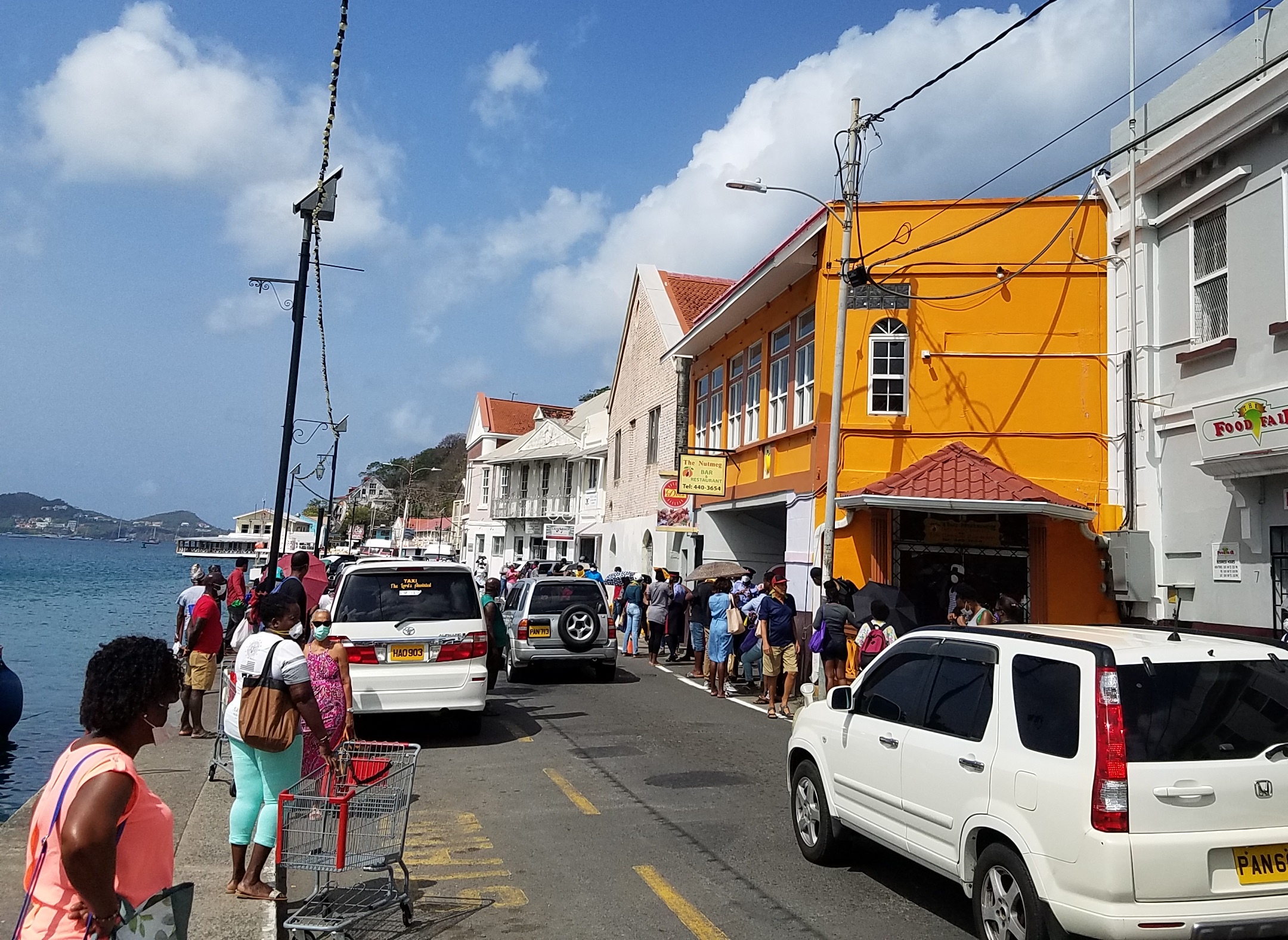 Grenada, an island nation in the Eastern Caribbean, consists of one large island and several smaller ones. Despite its vibrant tropical setting, poverty is a significant issue. Grenada has the highest poverty rate among Eastern Caribbean countries, with youth being the most affected. Half of all children aged 0-17 live in poverty, a rate much higher than the 30% of adults aged 18 and older who face similar conditions. Many youth struggle with unemployment, lack of education and food insecurity, leading them to a state of poverty. However, the United States Agency for International Development (USAID) is working with the Grenada government to diminish youth poverty.
Youth Unemployment
COVID-19 had a devastating impact on Grenadian society. The pandemic led to nearly half of the population becoming unemployed and pushed the extreme poverty rate from 2.4% to 18.4%. The country’s gross domestic product (GDP) also declined due to a drop in tourism. Youth, who comprise about 22% of Grenada’s population, were hit particularly hard. Even before the pandemic, around 26% of young people were unemployed. As of June 2023, more than 36% of Grenada’s youth were unemployed, a situation heavily influenced by the pandemic. With the rise of unemployment, more youth are succumbing to poverty.
Food Insecurity
COVID-19 also led to significant food insecurity in Grenada, with food prices soaring and nearly 40% of the population reducing their food intake. The pandemic further weakened the country’s agricultural economy, struggling to recover from abnormal weather patterns and two hurricanes in 2018. The combined impact of COVID-19 and the 2018 weather events has exacerbated food insecurity among Grenada’s youth, driving many into extreme poverty.
Solutions
Despite the extreme poverty faced by Grenada’s youth, assistance is being provided. In March 2023, USAID funded three new programs to support the country’s young people. The first program, Youth Resilience, Inclusion and Empowerment (Y-RIE), focuses on strengthening government-provided social services and enhancing educational opportunities in schools and the workforce.
The second program, Strengthening Evidence-Based Decision Making for Citizen Security 2.0 (CariSECURE 2.0), will provide resources and technical assistance to build the capacity of youth-serving institutions to collect and analyze data to support youth crime prevention and response. Lastly, the third program, Opportunities to Advance and Support Youth for Success (OASYS) will focus on increasing the diversion of youth away from custodial sentences.
The organization also signed a $30 million Development Policy Credit (DPC) to support Grenada’s economic recovery and enhance its resilience to adverse climatic conditions after the COVID-19 crisis. USAID is working to create a better life and future for the youth of Grenada.
Final Note
COVID-19 increased Grenada’s youth unemployment, food insecurity and poverty rates. However, USAID has implemented three programs to curb the situation and help the country rebuild its economy. With sustained effort, these initiatives could significantly improve the lives of Grenada’s youth and contribute to long-term economic recovery.
– Ellie Buss
Ellie is based in Vancouver, WA, USA and focuses on Good News and Global Health for The Borgen Project.
Photo: Wikimedia Commons
