• Link to X
  • Link to Facebook
  • Link to Instagram
  • Link to TikTok
  • Link to Youtube
  • About
    • About Us
      • President
      • Board of Directors
      • Board of Advisors
      • Financials
      • Our Methodology
      • Success Tracker
      • Contact
  • Act Now
    • 30 Ways to Help
      • Email Congress
      • Call Congress
      • Volunteer
      • Courses & Certificates
      • Be a Donor
    • Internships
      • In-Office Internships
      • Remote Internships
    • Legislation
      • Politics 101
  • The Blog
  • The Podcast
  • Magazine
  • Donate
  • Click to open the search input field Click to open the search input field Search
  • Menu Menu

Archive for category: Development

Information and stories on development news.

Development, Global Poverty, Technology

bKash: Digital Financial Inclusion in Rural Bangladesh

bKashThe inclusion of rural and low-income groups in financial services has been a contentious area of long-term struggle for South Asian economies. However, Bangladesh’s utilization of homegrown fintech company “bKash” is fighting this stigma, revolutionizing digital financial inclusion where typical infrastructure is sparse to lift millions out of poverty.

Changing the System

Launched in 2011, bKash entered a market where most of Bangladesh’s population was unbanked and infrastructure was limited. At the time, cash transactions and informal loans were often the only options available. bKash set out with a clear mission: to expand financial access for the country’s low-income majority. The platform allows users to send and receive money, pay bills and top up mobile credit using their phones. It also provides access to microloans — all without needing a bank account, cash, or informal lenders.

The basic financial tools this system offered millions have impacted the reduction of poverty in the nation. The Bangladesh Bank states that services like bKash have helped boost the country’s financial inclusion rate from less than 50% in 2017 to more than 65% by 2022. The app has increased financial connections between economic centers and the rural majority, leading to a growing trend of urban-to-rural remittance and greater involvement of middle-income investors in agriculture businesses.

Reducing Poverty and Increasing Development

By 2021, the app’s rapid growth had transformed digital finance in Bangladesh. Nearly 45% of people aged 15 and above were making or receiving digital payments. bKash alone had reached 67 million verified users, more than 40% of the country’s population, marking a sharp increase from just 29 million users in 2017. This dramatic growth reflects the platform’s expanding role in national development, particularly providing digital financial inclusion to disconnected rural areas.

The World Bank has especially highlighted bKash’s instrumental role in helping Bangladesh achieve Lower Middle Income Country status in 2015. It also credits bKash with driving progress toward the nation’s 2030 Sustainable Development Goals.

A 2020 report by the Bangladesh Institute of Development Studies (BIDS) further underscores the app’s wide-ranging impact. It highlights that digital financial services like bKash have directly contributed to increased household incomes, improved financial transparency and enhanced access to credit. By creating reliable financial records, bKash has enabled many users to become credit-worthy in the eyes of formal lenders, unlocking pathways to business growth, education and health care and setting the stage for sustainable, long-term poverty alleviation.

During the COVID-19 pandemic, the Bangladeshi government expanded the importance of bKash national infrastructure and relief, leveraging the platform to distribute emergency funds directly to vulnerable and isolated groups. This further highlights the ability of digital financial services to transcend low economic activity and restricted mobility, ensuring that income reaches recipients efficiently and securely.

Looking Ahead

Despite its transformative impact, mobile banking in Bangladesh still faces challenges, chief among them a digital gender gap of women significantly less likely to own phones or access mobile internet. This disparity prevents many women from accessing the full benefits of the growing mobile banking infrastructure. Bridging the gap through targeted education, digital literacy and affordable mobile access is essential to achieving financial inclusion.

As Bangladesh advances, platforms like bKash will remain powerful tools for empowering the impoverished, building financial resilience and driving inclusive, sustainable growth, even in the most remote areas. With the growing use of smartphones nationwide, bKash will remain especially necessary for providing digital financial inclusion to those unable to access traditional services.

– Thomas Finighan

Thomas is based in London, UK and focuses on Business and Technology for The Borgen Project.

Photo: Flickr

July 15, 2025
https://borgenproject.org/wp-content/uploads/borgen-project-logo.svg 0 0 Lynsey 2 https://borgenproject.org/wp-content/uploads/borgen-project-logo.svg Lynsey 22025-07-15 01:30:402025-07-15 02:14:42bKash: Digital Financial Inclusion in Rural Bangladesh
Development, Education, Global Poverty

Education Reform in Malaysia

Education Reform in MalaysiaLocated in Southeast Asia, Malaysia is a country home to more than 35 million people. Since its independence from British colonial rule in 1957, Malaysia has worked to strengthen its education system; starting in 1980, Malaysia’s GDP percentage spent on education reform has been the highest in East Asia. In fact, the government has spent 3.8% of its GDP on education reform, which is higher than the Organisation for Economic Co-operation and Development (OECD) average of 3.4% and equal to or higher than the percentages spent by the highest-performing education systems, including Singapore, Japan and South Korea. 

Problems in the Education System

In Malaysia, the problem of inequity remains. Students in states with a high rural population perform less than states with high urban populations. Additionally, girls perform better than boys, with women comprising 70% of university-level cohorts.

The most prevalent gap remains between socio-economic origins, which can be defined using three points: the parents’ highest education level, the state’s average income per household and the number of students receiving financial aid. Of good schools in Malaysia, only 7% have more than two-thirds of their population receiving financial assistance, versus 52% of underperforming schools. In an effort to further bolster equity through education reform in Malaysia, the Ministry of Education has implemented the Malaysian Education Blueprint 2013-2025.

Shifts to Transform the System

To minimize gaps between students, the Malaysian Education Blueprint 2013-2025 consists of 11 shifts to implement: (1) equal access to quality education; (2) guarantee language proficiency in Bahasa Malaysia and English; (3) inspire a value-driven lifestyle; (4) improve teaching; (5) establish strong leaders in schools; (6) promote school improvement (infrastructure, performance); (7) utilize technology in the classroom; (8) empower state and district education departments; (9) collaborate with parents and community; (10) get best educational results for every ringgit spent and (11) increase transparency in education system.

Malaysia has implemented the 11 shifts through three waves. The plan is to track education reform in Malaysia after each wave (2015, 2020, 2025) to review progress.

Impacts of the Education Blueprint

Currently, Malaysia is in the third wave of its plan as it approaches its final review in 2025. Though some experts have observed that Malaysia has failed to completely implement its shifts, the plan has introduced major improvements in Malaysia’s education system. Within the first two years of the plan’s implementation, Malaysia saw a 31% decrease in the gap between urban and rural states. Additionally, English literacy increased from 63% to 94% in primary school students. Further, Malaysia has exited the bottom third in the ranking of education systems.

Looking Ahead

It appears there is still much work to do if Malaysia is to achieve its initial goals. Challenges remain in three main areas: weak progression in student achievement, dropouts—particularly among minority ethnic groups—and the remaining urban and rural disparity. Though it seems unlikely that Malaysia will be able to fully accomplish everything stated in the Education Blueprint by 2025, an extension of a few years may be enough for it to reach its aspiration of entering the top third in the education system rankings. Malaysia has made measurable progress since 2013 and an extended timeline may help the country meet its education goals.

– Ariana Wang

Ariana is based in Dallas, TX, USA and focuses on Technology and Solutions for The Borgen Project.

Photo: Flickr
July 12, 2025
https://borgenproject.org/wp-content/uploads/borgen-project-logo.svg 0 0 Precious Sheidu https://borgenproject.org/wp-content/uploads/borgen-project-logo.svg Precious Sheidu2025-07-12 01:30:472025-07-11 11:40:20Education Reform in Malaysia
Development, Global Poverty, Technology, Water Crisis

Satellite Technology Combating Yemen’s Drought Crisis

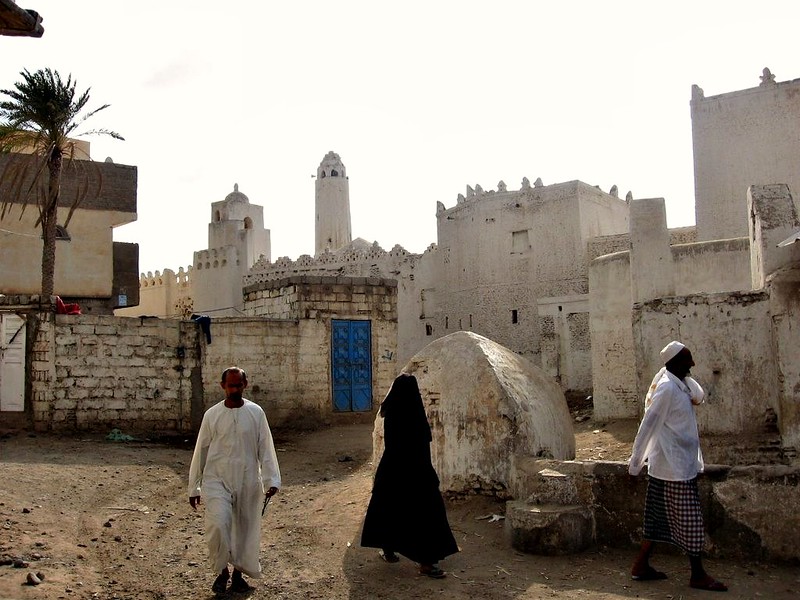
Satellite Technology Combating Yemen’s Drought Crisis Years of conflict in Yemen have destroyed vital infrastructure, leaving 20.7 million people in need of humanitarian aid, including 15 million without reliable access to clean water. The severity of these conditions has raised the demand for innovative solutions such as satellite technology.

Satellite technology sparks hope as a pivotal tool in transforming humanitarian disasters, enabling remote sensing to monitor, assess and respond to water scarcity. It creates access to clean water through satellites capturing vital data on rainfall patterns, soil moisture and land use, providing updated insights in a country with limited on-the-ground access. Thus, integrating satellite technology to combat Yemen’s drought crisis could lay the groundwork for long-term resilience in one of the world’s most water-insecure regions. 

Yemen’s Ongoing Water Shortage

Yemen faces one of the most severe water crises worldwide, with groundwater depletion occurring at twice the natural recharge rate. The cultivation of Qat, which consumes more than 40% of the country’s renewable water resources and 32% of all groundwater withdrawals, is a major driver of the depletion. Nearly 17.8 million people lack access to safe water and adequate sanitation services. Conversely, the national water network reaches less than 30% of the population, forcing many, especially women and children, to walk long distances only to fetch water. Overall, this scarcity has triggered major health crises, including the worst cholera outbreak in modern history, with more than 2.5 million reported cases and at least 4,000 deaths since 2016.

The ongoing conflict and political instability have further exacerbated water access and management, as infrastructure deteriorates and institutional oversight weakens, aggravating the crisis of water scarcity and aridity. The International Committee of the Red Cross has responded to this issue by rehabilitating boreholes and water stations, allocating chlorine tablets and supplying more than 3 million liters of water with 17 generators to prisons, hospitals and water projects to help reduce waterborne disease outbreaks. Despite these critical interventions, the continuous droughts highlight a growing humanitarian call for global concern driven by environmental, social and political challenges that demand urgent, coordinated action through satellite technology to combat Yemen’s drought crisis.

Remote Sensing Water Displacement

Advancements in satellite technology are revolutionizing Yemen’s approach to managing its prolonged water crisis. With nearly 80% of the population requiring humanitarian aid, traditional methods of monitoring groundwater levels have become increasingly challenging due to ongoing conflict and infrastructure degradation. Remote sensing tools, such as the Surface Energy Balance Algorithm for Land, have been pivotal in providing high-resolution data on evapotranspiration and irrigated areas, offering a comprehensive understanding of water usage. For instance, the Groundwater and Soil Conservation Project, founded in 2009, initiated implementing the use of satellite imagery to assess crop water consumption in areas such as Siham, Abiyan, Dhamar and Rada.

 The findings revealed that single-season crops, which constitute 76% of irrigated land, have a significantly higher evapotranspiration rate compared to rainfed crops, highlighting areas where water conservation efforts can be most effective. This data-driven technique, derived from the integration of satellite-based systems, enables real-time monitoring of groundwater recharge and abstraction rates, facilitating the identification of regions most at risk of depletion. This approach empowers local authorities and humanitarian agencies to plan targeted interventions, such as promoting water-efficient irrigation techniques and sustainable crop selection.

NGO Satellite Solutions

A consortium led by HR Wallingford is deploying an advanced satellite-based system to monitor Yemen’s groundwater remotely. Using data on rainfall and cropland, the system estimates groundwater recharge and usage in real-time, providing pivotal information to nongovernmental organizations (NGOs) amid limited ground access due to conflict.

This technology overcomes traditional monitoring challenges by enabling continuous tracking of aquifer depletion and forecasting future water availability under climate change scenarios. It supports preventive measures such as early detection of shortages and promoting efficient irrigation and crop management to reduce water stress. NGOs utilize this data to target vulnerable communities, coordinate relief efforts and implement on-the-ground conservation programs.

By offering transparent, scalable monitoring, the system fosters collaboration between NGOs and international partners, enhancing Yemen’s capacity to manage its severe drought crisis effectively and ensure a more ecologically balanced future. 

What’s Next?

By providing a comprehensive and up-to-date overview of water resources, satellite technology plays a crucial role in mitigating the impacts of Yemen’s water crisis and steering the nation toward a more sustainable future.

– Hibah Iqbal

Hibah is based in Houston, TX, USA and focuses on Global Health for The Borgen Project.

Photo: Flickr

July 11, 2025
https://borgenproject.org/wp-content/uploads/borgen-project-logo.svg 0 0 Precious Sheidu https://borgenproject.org/wp-content/uploads/borgen-project-logo.svg Precious Sheidu2025-07-11 03:00:282025-07-11 04:25:21Satellite Technology Combating Yemen’s Drought Crisis
Development, Economy, Global Poverty

Improving Economic Stability in Bangladesh

Economic Stability in BangladeshSince gaining independence in 1971, Bangladesh has seen impressive economic growth, with an average gross domestic product (GDP) growth of 6.4% between 2010 and 2023. Poverty has even declined to 5% since 2022. However, there is still work to be done to improve the economic stability of Bangladesh so that the country can thrive.

Challenges

Bangladesh faces several obstacles on the path to upper-middle-income status. The financial sector faces numerous issues, including rising inflation and a balance of payment deficit. Private sector credit growth has decreased due to “tighter liquidity conditions, reduced demand for trade finance, and rising uncertainty.” In 2023, Bangladesh Bank’s reports showed an increase in loans written off, unpaid, or rescheduled, a detriment to economic stability in Bangladesh.

The industrial sector has taken a hit in tandem with Bangladesh’s financial woes. Due to disruptions in imports, high energy prices, and power shortages, production has slowed to a crawl. Furthermore, because of rising inflation, demand for products has decreased. GDP growth declined from 7.1% in 2022 to 6% in 2023.

Despite these challenges, Bangladesh’s young population, expanding digital economy, and ongoing infrastructure projects offer a path forward. With strategic reforms targeting financial stability and industrial resilience, the country still has a real shot at breaking free from these constraints and reaching its development goals.

Solutions

Bangladesh needs to strengthen trade competitiveness through reform to improve the financial sector. Suppose Bangladesh expands its export markets, develops trade skills, and monitors performance. In that case, its economy may improve through a diverse collection of imports made by a skilled workforce.

Another way to improve economic stability in Bangladesh would be to enhance domestic resource mobilization by deepening local capital markets. This would promote alternative solutions without a reliance on foreign capital. In addition to reforms necessary to improve stability, a group also aids low-income regions locally where poverty persists.

The Pathways to Prosperity for Extremely Poor People

The Pathways to Prosperity for Extremely Poor People (PPEPP) is a project focusing on poverty reduction within villages in Bangladesh. From October 2022 to September 2025, the project’s mission is to provide low-income districts with three important tools:

  • Sustained livelihoods and income 
  • Improved nutritional habits, primarily among women and children
  • Improved access to agricultural services to promote labor and receive wages

In addition to these objectives, the PPEPP project focuses on clean resources for impoverished districts, working to improve water salinization.

Between the broader solutions for banks and businesses and the narrower solutions taking place in their homes, Bangladesh has the potential to achieve upper-middle income status. Due to the change in government in 2024, Bangladesh has taken strides to improve economic stability. However, the risks to stability are still prominent. Therefore, if Bangladesh hopes to achieve upper-middle income status, its government has to be careful how it conducts itself in the future in these uncertain times.

– Matthew Perduk

Matthew is based in Chantilly, VA, USA and focuses on Good News for The Borgen Project.

Photo: Wikimedia Commons

July 10, 2025
https://borgenproject.org/wp-content/uploads/borgen-project-logo.svg 0 0 Lynsey 2 https://borgenproject.org/wp-content/uploads/borgen-project-logo.svg Lynsey 22025-07-10 01:30:032025-07-10 01:33:22Improving Economic Stability in Bangladesh
Child Poverty, Development, Global Poverty

Things To Know About Child Poverty in San Marino

Child Poverty in San MarinoSan Marino is Earth’s oldest constitutional Republic, named after the legendary stonemason Saint Marinus. Despite its rich history, San Marino continues to face challenges related to child poverty. Of the roughly 5,000 children aged 15 or younger, about 6.1% live below 50% of the national poverty line.

This statistic models an ongoing socioeconomic issue that requires persistent attention and committed action from the government. However, children are protected under the Children’s Rights Convention, which provides a vital foundation for their welfare. San Marino offers accessible resources to all adolescents to ensure that protection and stability are allotted to them. This commitment to their well-being is a cornerstone of the nation’s policy.

Justice

Criminal justice is another major issue in San Marino, particularly regarding the treatment of minors. Under the country’s Penal Code, which defines all criminal offenses, children aged 12 or younger cannot be charged with misdemeanors. Arresting a child at that age is considered both illegal and inappropriate. This legal provision reflects understanding child development and safeguarding children’s rights.

However, any child older than 12 can be prosecuted, which has sparked debate about the appropriate age of criminal responsibility. Adolescents under 18 may be granted a pardon under specific circumstances, such as limited cognitive capacity, allowing for flexibility in sentencing. While San Marino does not have dedicated juvenile detention centers, it has established separate divisions for questioning minors, ensuring a more sensitive and age-appropriate approach to handling such cases.

Infant Mortality Rate

San Marino’s low infant mortality rate is a critical health indicator that demands ongoing attention to prevent any potential rise. Between 2013 and 2023, the mortality rate for children under the age of five stood at 1.4 deaths per 1,000 live births, according to the United Nations Children’s Fund (UNICEF). At that time, the population was approximately 33,733. By 2025, it has declined slightly to around 33,572, reflecting a gradual decrease over two years.

Respiratory infections are the most common cause of under-5 mortality in San Marino, with children experiencing symptoms ranging from mild to severe. In response, UNICEF reported that local health clinics have taken action to stabilize rates by providing targeted treatment. For instance, children experiencing diarrhea are given oral rehydration solutions, including fluid-based or pre-packaged treatment packets. These proactive health care measures support the well-being of San Marino’s youngest residents and help lay the foundation for a healthier future generation.

Conclusion

San Marino stands at a critical point, ready to tackle pressing challenges. Issues like child poverty in San Marino, complexities within the criminal justice system and managing mortality rates highlight the nation’s commitment to its youth. With the country introducing the Children’s Rights Convention and with UNICEF’s support, initiatives and instruction have been adhered to with great commitment. Furthermore, the public remains focused on expanding and improving communities, an essential goal for the country’s future. By addressing these concerns with practical solutions, San Marino can reinforce its legacy as the world’s oldest republic and build a more prosperous, equitable society for all its citizens.

– Janae Bayford

Janae is based in Centennial, CO, USA and focuses on Good News and Global Health for The Borgen Project.

Photo: Unspalsh

July 9, 2025
https://borgenproject.org/wp-content/uploads/borgen-project-logo.svg 0 0 Lynsey 2 https://borgenproject.org/wp-content/uploads/borgen-project-logo.svg Lynsey 22025-07-09 03:00:572025-07-08 14:42:13Things To Know About Child Poverty in San Marino
Development, Employment, Global Poverty

SPOONS Cambodian Restaurant: Transforming Young Lives

Cambodian RestaurantCambodia has seen rapid economic improvement in the past decade, with around 16% of Cambodians living in poverty in 2023, less than half the percentage in 2016, around 37%. However, many in rural areas and provincial regions still experience destitute conditions. One Cambodian restaurant in Siem Reap, however, is giving young individuals a chance to escape these conditions, giving them a sustainable career path and a better life.

SPOONS, operating a cafe and restaurant out of Cambodia’s popular tourist city, Siem Reap, serves traditional and fusion Cambodian dishes alongside coffee and pastries. This would be impressive enough, but SPOONS is not only a Cambodian restaurant. Doubling as a locally-run charity training young people in culinary, hospitality and barista skills, SPOONS specifically recruits from disadvantaged communities across Cambodia.

The Program

Students are chosen from a pool of more than 350, spanning 10 different provinces. Last year, the 12-month program took on 75 students, 23 of whom had not even completed high school. Most come from rural towns and villages, with the SPOONS organization completing in-person interviews and home visits, to get to know the candidates and their conditions. After selection, they go from the remote jungles to Siem Reap’s budding restaurant scene in no time, transforming their lives.

Living in dorms only a few kilometers away from the restaurant, the students pick specializations and begin their hands-on experience, working with customers from across Cambodia and the world. Not only do they learn to cook, serve customers or bake, they practice vital English language skills alongside this. Last year, the program had no drop-outs – all 75 students graduated, according to the 2024 SPOONS report.

The Vision

This process furthers the SPOONS vision: to engage with the community and allow these young people a chance to escape their disadvantaged lives and make a living. Giving back to the Cambodian people remains the key focus, however. Originally U.S.-based Everything is Going to be Okay (EGBOK) organization shut down during the pandemic due to multiple difficulties, but current president Mao Sophany saw an opportunity to take the project back to Cambodia and start from scratch.

Beginning with just 10 students, the organization trained them up and began to involve the project with local community organizations. With this grassroots focus, by 2024, SPOONS gave back to Siem Reap by offering short courses in hospitality for hotels and Community-based ecotourism projects. The SPOONS organization is quickly expanding from a simple Cambodian restaurant to an influential community charity.

All 75 students found employment within just two weeks of graduation last year. Soon, SPOONS plans on continuing the main program whilst expanding community outreach alongside this, promoting local products and sustainability through its partnerships with other local and international nonprofits, according to the 2024 report.

The Focus

For many young Cambodians, education transforms their lives. Many, however, sacrifice this education for work or struggle to find proper infrastructure in rural communities. Struggling to provide for their families, young people drop out of high school and begin earning, rather than getting an education. SPOONS recognises this. After 12 months, graduates have a year’s experience in their chosen field and an education to support this career path.

The focus in the coming years is to prioritize these high school drop-outs who left education for work. Sophany affirms that, as a local charity it keeps focusing on “empowering Cambodia’s youth and creating a more inclusive society,” according to the 2024 report.

Even after these students start their careers, the SPOONS alumni network slowly builds. The program fosters a desire to give back, helping the next generation’s poor. 150 alumni pledge $2 a month, generating an additional $3,600 annually, which the charity puts towards supporting current students, according to the 2024 report. Graduates, through these donations, directly support the next generation of SPOONS alumni in their goals, creating a connection across generations. Through just one Cambodian restaurant, hundreds of lives are affected.

The Impact

Rachana, one of last year’s graduates, went from feeling hopeless and lost in her rural province of Banteay Meanchey to working at a five-star luxury hotel on Song Saa Private Island. She hopes “that the next generation will try their best to complete their study and create a better life for themselves,” SPOONS repots.

Many in Cambodia never complete high school or, like Rachana, feel this lack of opportunity to escape poverty after graduation. SPOONS is more than just a Cambodian Restaurant; it gives these young people security from uncertainty, and hope from their poverty.

– Lee Stonehouse

Lee is based in Newcastle upon Tyne, UK and focuses on Good News and Politics for The Borgen Project.

Photo: Flickr

July 9, 2025
https://borgenproject.org/wp-content/uploads/borgen-project-logo.svg 0 0 Naida Jahic https://borgenproject.org/wp-content/uploads/borgen-project-logo.svg Naida Jahic2025-07-09 01:30:552025-07-08 13:59:42SPOONS Cambodian Restaurant: Transforming Young Lives
Development, Global Poverty, Technology

Hakainde Hichilema’s Push for Digital Inclusion in Zambia

Hakainde Hichilema’s Push for Digital Inclusion in Zambia At the start of 2024, roughly two-thirds of Zambia’s population lacked reliable access to the internet, highlighting a critical barrier to national development. In light of this issue, Hakainde Hichilema, the president of Zambia, has established ambitious goals to connect his nation to the internet and bring Zambia into the digital age. President Hichilema and his government aim for 80% digital inclusion in Zambia by 2026.

What is Digital Inclusion?

Digital inclusion encompasses more than just internet access. It integrates digital literacy training to navigate the internet, high-quality tech support and access to applications that maximize the utility of internet access. Digital inclusion also incorporates measures that combat poverty. For example, easier access to job opportunities that someone without internet access might not discover. President Hichilema has diligently worked to tackle poverty in Zambia by enhancing digital connectivity through a variety of measures.

Hakainde Hichilema and Key Government Initiatives

Hakainde Hichilema has been the leader of Zambia’s United Party for National Development since 2006. He grew up in a rural community in the Monze District of Zambia, a region that he is now helping gain widespread access to reliable internet. His presidency is committed to pioneering how Zambia’s government can fight poverty by improving digital connectivity.

While running for president, he focused on education, jobs and digital inclusion in Zambia. His plan to improve digital inclusion in Zambia includes tax incentives, improvements to digital infrastructure, partnerships with companies for access to satellites, foreign partnerships with wealthier nations and building a free wi-fi network that all Zambians, including the poor, can take advantage of.

The details of these initiatives are as follows:

  • Taxes. President Hichilema has instituted tax waivers on ICT equipment to spur private sector investment. This has yielded $54 million in investment. As companies invest capital in the country, it stimulates the economy. In the long term, it fosters a tax base that can subsequently fund various social programs that address poverty and assist those most in need.
  • Infrastructure. Zambia’s government plans to link itself to all eight of its neighboring countries via high-capacity optic fiber cables. This is in addition to the 379 communication towers Zambia plans to erect, primarily in rural areas. Zambia has also launched a 5G network through collaboration with MTN and Huawei. These measures will greatly improve Zambia’s Wi-Fi network infrastructure, linking every citizen nationwide to the internet and enabling them to obtain information that was once inaccessible.
  • Satellites. Zambia has collaborated with Starlink to deliver affordable internet services to underserved communities. Through this collaboration, many rural communities now access the internet at public libraries, schools and hospitals. Starlink’s satellites provide internet access to hospitals, empowering them to acquire up-to-date information regarding medications or new health guidelines. Doctors can communicate with patients via online communication platforms. This allows them to support their patients should any issues arise after visits. This system closely mirrors practices in the United States (U.S.), where a doctor remains accessible weeks after a visit if issues emerge.
  • National Free Wi-Fi. ZamFree is an initiative to extend free Wi-Fi to Zambians in key public spaces, including markets, schools, airports and hospitals. Liquid Telecom, another organization working to broaden Wi-Fi access in Zambia, champions Hichilema’s plan to link 1,291 secondary schools to the internet. Free Wi-Fi narrows the divide between the rich and the poor. Individuals experiencing poverty can leverage the internet to participate in job training programs or enroll in school. As their skillset grows, they can secure employment and address workforce gaps more easily.
  • International Partnerships. The African Development Bank has considered establishing its headquarters in Zambia. This would not only generate jobs but also transform Zambia into a major hub for expanding internet access across much of Africa. President Hichilema has also initiated collaboration with the Czech Republic. The aim is to establish scholarships for professionals specializing in IT, AI and cybersecurity. These partnerships strengthen Zambia’s relationship with countries worldwide, enhancing diplomacy.

Ending Poverty with the Use of Digital Tools

Improvements to internet infrastructure in Zambia carry the potential to fight poverty by improving digital connectivity and empowering more people to utilize the internet. Indeed, doctors in hospitals can leverage the internet to reach patients, extending health care access to those facing unreliable transportation or mobility issues. Teachers can engage students across all levels of education, from pre-K through college. Overall, these examples, among many others, highlight the potential to fight poverty through improved digital inclusion in Zambia.

– Jeff Mathwig

Jeff is based in Philadelphia, PA, USA and focuses on Global Health and Politics for The Borgen Project.

Photo: Flickr

June 30, 2025
https://borgenproject.org/wp-content/uploads/borgen-project-logo.svg 0 0 Precious Sheidu https://borgenproject.org/wp-content/uploads/borgen-project-logo.svg Precious Sheidu2025-06-30 01:30:532025-06-30 01:08:19Hakainde Hichilema’s Push for Digital Inclusion in Zambia
Development, Global Poverty

Vocational Education Centers in Myanmar

Vocational Education Centers in Myanmar Known as the Golden Land, Myanmar is a vibrant country that is home to 135 different racial groups. The country is actively taking action to bridge the notable skills gap in its workforce. This challenge has led to underqualified citizens in the market. To prevent this issue from getting worse, vocational education centers are being developed in Myanmar, expanding access to training for all Myanmarese citizens.

Vocational Education Centers in Myanmar

The Swiss nongovernmental organization (NGO), Helvetas, partners with organizations in Yangon, Myanmar, to provide medical and humanitarian aid to disadvantaged families. It works to improve family incomes and expand education opportunities. Helvetas shares deep connections with the United States (U.S.) to strengthen networking.

In 2024, 295 implemented projects granted 4.9 million citizens a sustainable life. These projects consisted of skills training, trade marketing, farming and fishing. Some vocational education centers were developed digitally to ensure education access, especially during the COVID-19 Pandemic.

Recent annual tracer studies show that 80% of graduates are employed or self-employed. Helvetas provided digital learning courses that consist of small animations and training videos to meet people’s needs. Women, more specifically, enroll in these courses as they offer more flexibility. These courses monitor people’s progress and make interactions more motivating. 

Government Efforts Through DTVET

The Department of Technical and Vocational Education and Training (DTVET) has led impactful initiatives that have benefited the Myanmar population. It has provided socio-economic advancement opportunities to help workers develop their skills. It seeks to reform international TVET proficiency in methodology and government tech practices. The department aims to link vocational training in high schools and universities to prioritize operational and business needs. Its focus on formal education nurtures a child’s growth and knowledge. Its main objective is to expand education accessibility and support employment opportunities and capital income.

CVT’s Role in Advancing Leadership

The Center for Vocational Training (CVT) opened in 2002, providing access to high-quality education. This education has included various apprenticeships and collaborations with local institutions. Both Germany and Switzerland made efforts to foster the center. The CVT has galvanized approximately 1,502 graduates who earned their diplomas or dual apprenticeship diplomas within one to three years.

Additionally, around 1,164 individuals received short vocational training certificates and 1,068 postgraduates also earned their certificates. Many of these students went on to achieve leadership roles in industry. The CVT inspired the creation of nonprofit social enterprises that focus on advocacy, food security and empowerment. This, in turn, has influenced the Directorate of Investment and Company Administration to build a provincial expert team.

Looking Ahead

Myanmar is actively forging a brighter future, focusing on industrialization and instilling hope and optimism in its people. Through impactful initiatives like vocational centers, many students, including adults, are becoming capable leaders within the nation. With the support of digital vocational training from Helvetas and the integration of education classes in schools, Myanmar is laying a foundation for progress. Ultimately, these strategic goals could guide Myanmar toward a balanced and prosperous future.

– Janae Bayford

Janae is based in Centennial, CO, USA and focuses on Good News and Technology for The Borgen Project.

Photo: Flickr

June 29, 2025
https://borgenproject.org/wp-content/uploads/borgen-project-logo.svg 0 0 Precious Sheidu https://borgenproject.org/wp-content/uploads/borgen-project-logo.svg Precious Sheidu2025-06-29 07:30:502025-06-29 03:00:15Vocational Education Centers in Myanmar
Agriculture, Development, Global Poverty

Ambitious Goals and Quick Results: Mongolia’s Vision 2050

Mongolia’s Vision 2050 Vision 2050 is a long-term policy plan that focuses on a country’s growth by setting up milestones and windows of time to devote resources for specific projects. Multiple countries have a Vision 2050 policy, including Papua New Guinea, Lithuania, and India. Specifically, the policy generally involves making more eco-friendly use of resources, creating more ideal uses of social services, and reducing poverty significantly.

Mongolia’s Vision 2050 was first introduced as a response to the COVID-19 pandemic in May 2020. During 2020, Mongolia experienced an economic reduction of 10%, strikingly fast, unlike previous years. The lockdown on homes also revealed the vulnerability of citizens to poverty, with food insecurity, easy job loss, and a decrease in agricultural products. The policy has three phases: phase one from 2021 to 2030, phase two from 2031 to 2040, and finally from 2041 to 2050.

Mongolia’s Poverty Goals for 2050

Mongolia’s Vision 2050 has many objectives for different parts of the culture and government. For poverty specifically, Mongolia plans to reduce national poverty to 15% by 2030 and 5% by 2050. The first phase, 2021-2030, involves bolstering an economic environment that supports entrepreneurship, expanding the job market by moving many financially unstable citizens to the middle class, and providing at least 75% of herders and farmers with decent equipment and technology to support a stable business flow. On top of this, Mongolia plans to resolve any overdue external debt the government owes while maintaining a stable economy.

By resolving external debt, foreign trade and investment are stronger and less risky, which in turn helps create a steady stream of employment for citizens. If the country improves job opportunities, many Mongolian citizens could transition from poverty into the middle class. One of Mongolia’s Vision 2050 goals is to make the middle class a predominant economic group to encourage job creation and innovation.

The second and third phases, 2031-2050, will foster a competitive nature in business to keep cash flows going smoothly and to prompt innovation among citizens to improve the culture and economy. Alongside these goals is to improve credit ratings and increase national savings. In the last phase, 2041-2050, Mongolia hopes to make the middle class a predominant economic group. With many citizens transitioning to the middle class with a lucrative job environment and encouraging entrepreneurship, inflation should drastically decrease, while employment skyrockets. One of the most ambitious goals in this final stage of Mongolia’s Vision 2050 is to create at least one city completely free of poverty.

Strides in Progress

One of the fastest results that Mongolia’s Vision 2050 accomplished was improved air quality in 2020. This problem partly predated the implementation of Vision 2050, where in 2019, Mongolia’s Voluntary National Review raised the question of growing air pollution, and started taking steps to reduce it. However, thanks to the urgency and efforts of Mongolia’s Vision 2050, in 2020, Mongolia cut air pollution down by 40%.

Halfway through phase one, Mongolia’s Vision 2050 has already yielded some promising results for the rest of the policy plan. The creation of the E-Mongolia app is an e-government service that has been designed for public use. Essentially, the app allows citizens to look up vehicles and property for purchase in a given area. The app also allows citizens to look at personal medical records, prescriptions, and accurate data on floods. The app has made strides in making data, accessibility, and communication easier for citizens and political officials in Mongolia. In other words, the app has improved the quality of life through access and clarification while making political dealings faster and easier.

Value chains for livestock have also improved drastically from 2020 to 2025. Animal husbandry has experienced increases in quality, which has driven down price volatility in Mongolia, specifically for products like cashmere, meat and dairy. The economic potential for livestock bolstering is promising, with many more Mongolian politicians showing an interest in the sector in recent years, and continuing to pour resources and effort into the chain to create a stable pillar of economic income.

The Future

Mongolia’s Vision 2050 continues to work towards the ambitious goals of reducing national poverty to 5% and creating a poverty-free city by 2050. With the swift result of decreased air pollution, the growing focus on the farming economy, and the ease and quality of life improvement brought about by the E-Mongolia app, future success looks tangible and bright for Mongolia.

– Russell Bivins

Russell is based in Phoenix, AZ, USA and focuses on Good News for The Borgen Project.

Photo: Flickr

June 23, 2025
https://borgenproject.org/wp-content/uploads/borgen-project-logo.svg 0 0 Naida Jahic https://borgenproject.org/wp-content/uploads/borgen-project-logo.svg Naida Jahic2025-06-23 07:30:342025-06-23 01:02:26Ambitious Goals and Quick Results: Mongolia’s Vision 2050
Development, Global Poverty

Human Capital Investment Project Targets Poverty at the Roots

Human Capital Investment Project

In January 2025, Guinea-Bissau launched a $20 million Human Capital Investment Project with support from the World Bank. It aims to reduce poverty through education, health care and social protection investments. As one of West Africa’s most impoverished nations, Guinea-Bissau struggles with food insecurity, low school completion rates and limited access to basic services. Guinea-Bissau’s Human Capital Investment Project tackles these problems by strengthening public systems and targeting support to the country’s most vulnerable communities.

The Human Capital Investment Project

The Human Capital Investment Project initiative will deliver cash transfers to vulnerable households, helping families cover food, school costs and medical needs. It will also distribute school kits to more than 111,000 children to encourage classroom attendance and ease financial pressure on parents. These efforts aim to improve student retention in a country where fewer than 30% of students complete primary school.

The project also expands maternal and child healthcare, especially in rural regions with limited access to clinics. It funds new health workers and social service professionals who support expectant mothers and deliver care in hard-to-reach areas. These trained professionals provide care, help families navigate public services and improve trust in local systems.

The project further supports social programs and community outreach initiatives, fostering long-term development, reducing poverty cycles, and strengthening resilience among Guinea-Bissau’s most vulnerable populations.

Lessons From Similar Poverty-Focused Initiatives

Several global examples show how similar investments can improve the quality of life on a mass scale. In Mozambique, a government-led program in 2022 combined cash transfers with nutrition support, which increased school attendance and child health among impoverished households. Similarly, in Bangladesh, the Maternal Health Voucher Scheme provides prenatal care and financial assistance, helping reduce maternal deaths and increase access to health services.

Kenya also offers a strong example of the likely results of Guinea-Bissau’s project. In 2023, the government trained more than 1,000 community health volunteers who now bring basic medical care and health education to rural families. The program improves access to healthcare services and offers career paths for young professionals in underserved areas.

Guinea-Bissau’s Human Capital Investment Project takes a similar approach to these programs, using targeted investments in people to break the cycle of poverty. Indeed, Guinea-Bissau’s initiative will likely see similar successful results. The project will help build a foundation for long-term economic resilience and better quality of life by focusing on education, health care and social support.

Final Remarks

As the project continues, its success will depend on clear coordination and responsiveness to community needs. However, Guinea-Bissau’s Human Capital Investment Project signals an ongoing shift toward people-centered development. It could offer a model for other countries seeking to improve fragile public support systems and combat systemic poverty.

– Kelsey Eisen

Kelsey is based in San Francisco, CA, USA and focuses on Business and New Markets for The Borgen Project.

Photo: Flickr

June 12, 2025
https://borgenproject.org/wp-content/uploads/borgen-project-logo.svg 0 0 Lynsey 2 https://borgenproject.org/wp-content/uploads/borgen-project-logo.svg Lynsey 22025-06-12 07:30:462025-06-14 07:45:01Human Capital Investment Project Targets Poverty at the Roots
Page 10 of 163«‹89101112›»

Get Smarter

  • Global Poverty 101
  • Global Poverty… The Good News
  • Global Poverty & U.S. Jobs
  • Global Poverty and National Security
  • Innovative Solutions to Poverty
  • Global Poverty & Aid FAQ’s
Search Search

Take Action

  • Call Congress
  • Email Congress
  • Donate
  • 30 Ways to Help
  • Volunteer Ops
  • Internships
  • Courses & Certificates
  • The Podcast
Borgen Project

“The Borgen Project is an incredible nonprofit organization that is addressing poverty and hunger and working towards ending them.”

-The Huffington Post

Inside The Borgen Project

  • Contact
  • About
  • Financials
  • President
  • Board of Directors
  • Board of Advisors

International Links

  • UK Email Parliament
  • UK Donate
  • Canada Email Parliament

Get Smarter

  • Global Poverty 101
  • Global Poverty… The Good News
  • Global Poverty & U.S. Jobs
  • Global Poverty and National Security
  • Innovative Solutions to Poverty
  • Global Poverty & Aid FAQ’s

Ways to Help

  • Call Congress
  • Email Congress
  • Donate
  • 30 Ways to Help
  • Volunteer Ops
  • Internships
  • Courses & Certificates
  • The Podcast
Scroll to top Scroll to top Scroll to top