Reducing Poverty in Grenada: Social and Economic Reforms
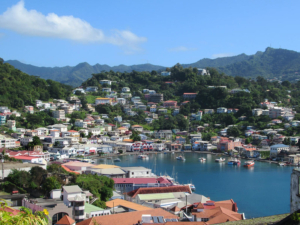 Nestled in the West Indies of the eastern Caribbean Sea, the small island of Grenada is home to approximately 117,300 people. Affectionately known as “Spice Island” for its nutmeg, cinnamon and mace export, Grenada is a popular tourist destination in the Caribbean. However, it is not widely recognized that Grenada has a staggering poverty rate of 25%, which has shown little reduction over the last 15 years. According to the World Bank, despite some progress, poverty levels have remained relatively unchanged since the early 2000s, with the most recent development indicators estimating that one in four Grenadians continues to live below the national poverty line.
Grenada’s Economy and the Face of Poverty
Grenada spans just 132.8 square miles, making it smaller than the United States’ tiniest state, Rhode Island. Its economy is primarily driven by the services sector, especially tourism, which accounts for most of its GDP and employment. Agriculture still plays a role, especially in rural areas, where spices, cocoa and bananas are key exports.
Yet, high unemployment and underemployment continue to drive poverty. Unemployment remains at 11.1% as of 2023, with informal work, seasonal jobs and low-wage employment common across the island. Many Grenadians engage in informal sectors such as tourism services, market vending, salons, agricultural labor and small-scale entrepreneurship. Agriculture employs 13.8% of the labor force, contributing only 2.75% of GDP.
Infrastructure, Social Protection and UN-Led Development
Grenada has partnered with international institutions on several large-scale development projects to address systemic poverty. Infrastructure development is a key pillar in the island’s poverty reduction strategy. In 2015, the World Bank approved a $15 million Development Policy Credit and Loan. It aimed to improve disaster resilience, upgrade public sector management and boost the economy through improved agricultural and tourism networks.
Social protections have also been expanded. During the COVID-19 pandemic, Grenada implemented an emergency stimulus package with unemployment benefits, tax relief and support for small businesses. These efforts were backed by more than $28 million in financing from the International Monetary Fund (IMF) and Caribbean Development Bank.
Rural Development and the SEED Program
In rural communities, targeted interventions have shown promising outcomes. One major initiative is the Market Access and Rural Enterprise Development Program (MAREP), co-funded by the International Fund for Agricultural Development (IFAD), the Caribbean Development Bank and the Government of Grenada. With a total budget of $7.5 million, this project helped train and fund small-scale rural entrepreneurs, especially among youth and women.
The Support for Education, Empowerment and Development (SEED) Program is critical to Grenada’s social safety net. This program provides conditional cash transfers to low-income families, especially those with school-aged children. SEED supports vulnerable populations by ensuring continued access to education and basic needs while incentivizing school attendance and health checkups. According to The Borgen Project, SEED has been central in reducing short-term poverty and fostering long-term social development in Grenada.
The United Nations Country Implementation Plan (CIP) 2024–2025 also recognizes the SEED program as a pillar of Grenada’s social protection network. The CIP supports Grenada in enhancing climate resilience, economic stability and social inclusion, with 38% of plan funding directed toward economic resilience and 10% toward social and justice systems.
Conclusion
Grenada’s efforts to combat poverty reflect a multi-pronged approach—addressing infrastructure gaps, improving social safety nets and supporting rural livelihoods. International aid and government programs have made measurable impacts, from the World Bank’s investment in the nation to the SEED program’s day-to-day support for families. Yet, challenges remain. Persistent unemployment, informal labor and climate vulnerabilities still threaten progress on the Spice Island.
– Jamaya Newton
Jamaya is Philadelphia, PA, USA and focuses on Business and Good News for The Borgen Project.
Photo: Flickr
