• Link to X
  • Link to Facebook
  • Link to Instagram
  • Link to TikTok
  • Link to Youtube
  • About
    • About Us
      • President
      • Board of Directors
      • Board of Advisors
      • Financials
      • Our Methodology
      • Success Tracker
      • Contact
  • Act Now
    • 30 Ways to Help
      • Email Congress
      • Call Congress
      • Volunteer
      • Courses & Certificates
      • Be a Donor
    • Internships
      • In-Office Internships
      • Remote Internships
    • Legislation
      • Politics 101
  • The Blog
  • The Podcast
  • Magazine
  • Donate
  • Click to open the search input field Click to open the search input field Search
  • Menu Menu

Archive for category: Development

Information and stories on development news.

Development, Economy, Global Poverty

Things To Know About the Income Gap in Italy

Income Gap in ItalyAmong European countries, Italy experiences some of the widest income inequality. A deep divide between the North and South shapes access to infrastructure, income levels and health care. Northern Italians benefit from stronger public services and higher wages, while Southern Italians often face limited resources and economic hardship. This inequality has created numerous tensions between the two sides of the country. This tension creates an imperative need to fix the income gap in Italy.

Income Gap in Italy

Italy, as a country, has experienced numerous economic hardships. Italy’s poverty rate exceeds the European Union (EU) average, with nearly one in 12 Italians living in absolute poverty. Southern Italy holds significantly less of the nation’s wealth than the North. More than two million people in the region live in absolute poverty, which is defined as having low incomes to meet basic needs such as food, shelter, education and health care.

Southern Italy holds significantly less gross domestic product (GDP) and wealth than the North. In Lombardy, a northern region, GDP per capita reaches 127% of the EU average. In contrast, Calabria, a southern region, sits at just 56%, a gap of nearly 75%. The South has historically lagged behind in industrial development. It has had limited access to both domestic and foreign markets compared to the North, deepening the economic divide.

Solutions to the Income Gap

To address the country’s income gap, the Italian government has introduced a program called Assegno di Inclusione (Inclusion Allowance). This financial support targets households with at least one member who is disabled, a minor or aged 60 or above. Eligible families can receive up to €6,000 annually (approximately $7,050), with an additional €3,360 per year (around $3,950) to help cover rent. The allowance is issued for 18 months and can be renewed every 12 months thereafter.

Another effort to reduce income inequality in Italy comes from international nonprofit organizations, such as the Italian Food Bank Network. These organizations work to combat poverty and food scarcity via charity and international coalitions dedicated to ending poverty and hunger. The Italian Food Bank collects surplus food from the supply chain and redistributes it through its network of 21 regional organizations. This system supports nearly 9,000 charitable groups across the country, helping deliver essential resources to those in need.

Conclusion

Italy’s regional income divide is more than an economic issue; it’s a social and structural issue. While programs like the Inclusion Allowance and initiatives from nonprofits like the Italian Food Bank offer relief, long-term solutions require systemic investment in Southern infrastructure, job creation and inclusive policy reform. Without bridging this gap, Italy risks deepening the economic and social rift that holds back its national progress.

– Caelan Caukin

Caelan is based in Los Angeles, CA, USA and focuses on Global Health and Politics for The Borgen Project.

Photo: Flickr

August 11, 2025
https://borgenproject.org/wp-content/uploads/borgen-project-logo.svg 0 0 Lynsey 2 https://borgenproject.org/wp-content/uploads/borgen-project-logo.svg Lynsey 22025-08-11 01:30:412025-08-10 10:26:01Things To Know About the Income Gap in Italy
Developing Countries, Development, Education, Global Poverty

Education Reforms in Mexico

Education Reforms in MexicoIn the late ’80s and early ’90s, then-President Carlos Salinas de Gortari launched a nationwide program to modernize Mexico’s education system. He aimed to achieve this by improving textbooks and reforming the curriculum, all while continuing to work to close the equity gap. Since then, successive administrations have attempted various methods of improving educational outcomes, including the expansion of public universities and the establishment of compulsory basic education.

The current President of Mexico, Claudia Sheinbaum, took office in late 2024 and has since introduced a series of education reforms. These education reforms in Mexico fall under the Comprehensive Plan of the National Baccalaureate System, part of the New Mexican School framework originally developed by former President Andrés Manuel López Obrador. The plan is built on three core pillars:

  1. Comprehensive strengthening
  2. Integration
  3. Expansion

Comprehensive Strengthening

Sheinbaum aims to modernize the curriculum through conversations with educators and the establishment of educational equity programs. To achieve these goals, her administration would implement two programs: the Benito Juarez Universal Scholarship and the extension of the School is Ours program.

The Benito Juarez Universal Scholarship encourages students to enroll in upper secondary school by providing financial support to more than 5.6 million secondary school students. In the same vein, Sheinbaum plans to invest around 4.6 billion pesos (about $243 million) into the School is Ours program, which will ultimately benefit more than 6,000 schools nationwide by improving educator salaries and encouraging community involvement.

Integration

In addition to providing scholarships, the plan consolidates the existing 31 systems of secondary education into two: the National General Baccalaureate and the General Technological Baccalaureate. The unification brings about various benefits, including the reduction of administrative barriers when transferring between schools, easier transfer processes for students and teachers and equity in the quality of education.

As a part of the plan, the two systems of education will be validated by the National Polytechnic Institute and the National Technological Institute of Mexico, thus simplifying the transition between secondary and higher education.

Expansion

Sheinbaum hopes to expand educational offerings throughout the nation in an effort to increase equity and access. Through the plan, her administration sets forward to create 37,500 new spaces for students in upper secondary schools. She plans to achieve this by erecting 20 new high school campuses and expanding 30 already-existent but high-in-demand campuses.

In addition, 35 secondary schools that currently only offer morning classes will be converted to afternoon and evening schools, allowing more students to attend at flexible hours. By the end of six years, Sheinbaum hopes to have created more than 100,000 high school spots and 330,000 university slots.

Final Remarks

Though Sheinbaum has only been in office for a few months, her administration has made tangible progress in expanding educational access. With her six-year plan in action, she seeks to create an education system built on unity and equity. Suppose she continues to progress as she has in these past months. In that case, Mexico is on the way to ensuring quality education for its people.

– Ariana Wang

Ariana is based in Dallas, TX, USA and focuses on Technology and Solutions for The Borgen Project.

Photo: Unsplash

August 10, 2025
https://borgenproject.org/wp-content/uploads/borgen-project-logo.svg 0 0 Lynsey 2 https://borgenproject.org/wp-content/uploads/borgen-project-logo.svg Lynsey 22025-08-10 03:00:302025-08-09 23:36:23Education Reforms in Mexico
Development, Global Poverty, Sports

Pedaling to Prosperity: African Cyclists

Africa's cyclistsIn 2024, Biniam Girmay, the Eritrean cyclist, won several stages of the Tour de France; this was the first occurrence of a black rider winning a segment of the race. Further, this was the first time an African obtained the prestige of wearing a green jersey during any tour. In addition, Rwanda is to host the 2025 Union Cycliste Internationale (UCI) Road World Championships, another remarkable development in Africa’s series of firsts.

Racing is making substantial strides for inclusivity, diversity and multilateral cooperation. The inclusion of the African market benefits both the sport and the continent, which is now a great opportunity for material advancement and international investment.

The First Few Stages

The globalization of cycling is accompanying the inevitable march of progress. As companies, ideologies and values leak across the globe, the sport of cycling is pedaling into the limelight; meter by meter, creeping into the center of cultural exchange. The notoriety began in 2022, when Girmay won a stage at the prestigious Giro d’Italia and thrust Black Africans into the center of cycling. Over the past several years, Girmay has remained a successful sprinter, securing various victories across various races and stages.

His acumen was reaffirmed in 2024, with his green jersey, during the Tour de France. Girmay initiated an organized effort from the UCI to breach the African market and has remained an inspiration for many African cyclists. About the state of the presence of African cyclists, Girmay said, “It’s really good for the impact, a good vision for young talent, because if you work on that, especially in the European teams, if they invest a lot in African cycling for sure we can have a more global sport. And that’s always nice to see.”

Pushing Forward

Since then, the UCI has initiated establishing a training center for aspiring Black African cyclists. More than 10 to Brittany, France, to train for future competitions; the athletes originate from many countries, each representing their distinct cultures on the European roads. The aspiration of the program, endorsed by both the UCI and the International Olympic Committee (IOC), is to have local athletes excel in the regional Kigali championship. As such, they have been targeting young riders, hoping that, in two years, sundry successful characters will graduate from this program. The project began in 2023, hoping to prepare a generation of people capable of shining during the Rwandan competition.

The aforementioned World Championship in Kigali, Rwanda, is the axis for this whole affair. Announced in 2024, during the Zurich Championship, the monumental decision possesses the potency to establish a robust cycling community in Africa. With, on average, 124 countries broadcasting the race and more than 330 million viewers, this event is phenomenal exposure for the region.

The Last Few Stages

The tournament itself provides the potency for a thriving tourist industry. Any single international event unleashes a myriad of positive, economy-stimulating effects. This venture hopes to both inspire local athletes and expose the world to Rwanda. With each cyclist, a team, along with several fans and mechanics, will follow in tandem. These individuals will be exposed to the sprawling hills, vibrant grass and vivid culture.

This affair is an opportunity for Rwanda’s tourism industry to thrive, not only for the tenure of the competition but also for the residual effects of exposure. With this, faculties and institutions of commerce will be erected, providing adequate edifices for the constituents to operate, interact with and purchase from. For comparison, there was a 4.8% increase in foreign tourists during the 2016 Rio Olympic Games.

As for the athletes themselves, with the introduction of an additional sports industry, more aspirants will have the opportunity to be sponsored. While it is difficult to establish oneself in a sport requiring substantial infrastructure, heroes grant locals international exposure, thereby revitalizing the sport and the residents. Further, there is debate regarding “muscle drain,” or the impact of physically capable laborers leaving their respective nations for better opportunities.

Despite all of this, professional athletes are given the ability to return to their respective communities with connections and wealth. Potentially inspiring a new generation of athletes, all of whom can escape poverty by being thrust into the limelight. An amalgam of the aforementioned themes is present in Kenya, wherein the town of Eldoret benefited from the reinvestment of the country’s professional athletes.

The Finish Line

The finish line has yet to be crossed and many countries still suffer from poverty. However, as the bike pedals forward, the checkered line becomes more perceptible. The competition, the athletes-in-training and the current stars all provide distinct chances for prosperity.

Progress induced by globalism establishes the possibility of flourishing tourism and hospitality industries and reinvestment from athletes. As the line draws near, the glistening prospect of wealth becomes palpable. The internationalism of cycling is beneficial for the sport, as an abstraction and for the people.

– Jackson Hufman

Jackson is based in Glenwood, MD, USA and focuses on Good News and Celebs for The Borgen Project.

Photo: Flickr

August 7, 2025
https://borgenproject.org/wp-content/uploads/borgen-project-logo.svg 0 0 Lynsey 2 https://borgenproject.org/wp-content/uploads/borgen-project-logo.svg Lynsey 22025-08-07 01:30:532025-08-06 15:49:12Pedaling to Prosperity: African Cyclists
Development, Global Poverty

The Impacts of The Smart Rwanda Master Plan

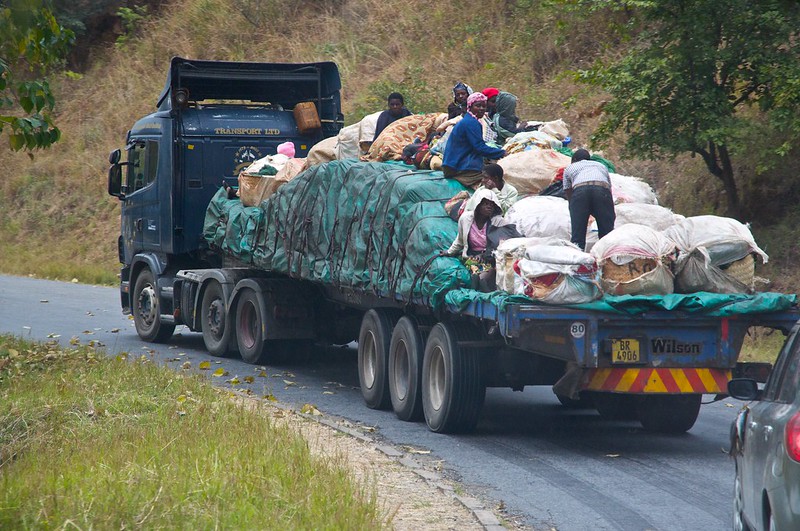
Smart Rwanda Master PlanRwanda continues to make remarkable progress in 2025 by advancing the Smart Rwanda Master Plan. It is a comprehensive national blueprint for the country’s transformation into a knowledge-based economy. This plan coordinates multiple initiatives in clean energy, digital connectivity, education, health and entrepreneurship. Smart Rwanda links urban innovation with rural development to reduce poverty and promote inclusive growth.

While Smart Rwanda serves as the strategic framework, ongoing projects such as the Digital Acceleration Project, Kigali Innovation City (KIC) and the Electricity Access Rollout Program (EARP) demonstrate how Rwanda operationalizes this vision to uplift rural communities and empower youth and women.

Bringing Power to Classrooms and Rural Villages

Through the EARP, Rwanda’s Ministry of Infrastructure aims to electrify nearly 1,000 rural primary schools with off-grid solar power systems by the end of 2025. These installations provide lighting, laptop charging and digital tools that extend study hours and improve learning outcomes in remote regions.

Through public-private partnerships, Rwanda also expanded solar mini-grids to more than 45 villages in the Bugesera District. MeshPower, a key stakeholder, delivers reliable electricity to households and small enterprises. Locals report that access to power has doubled family incomes and created jobs by enabling new economic activities like phone charging stations and tailoring shops.

Expanding Clean Cooking Solutions and Green Model Villages

In partnership with the United Nations Development Program (UNDP) and HomeBiogas, more than 500 Rwamagana and Ngoma Districts households installed biogas digesters. These convert organic waste into clean cooking fuel, reducing firewood use by about 80%. This improvement enhances indoor air quality, reduces respiratory illnesses and saves women and children hours previously spent collecting firewood.

Rwanda scaled its Green Model Village program by upgrading several villages with off-grid solar power systems. These provide reliable electricity and rainwater harvesting installations that ensure year-round clean water access. Furthermore, they provide improve sanitation facilities, eco-friendly toilets and newly built or renovated health posts offering essential medical services. These targeted improvements enable schools to extend learning hours with electricity, reduce waterborne diseases through better hygiene and create local jobs by supporting small-scale agriculture and clean energy enterprises.

Accelerating Electricity Access and Digital Transformation 

Rwanda has rapidly increased electricity access from 6% in 2009 to 75% in 2024 through the EARP. The government leads this effort with strong institutional support from the Ministry of Infrastructure, Rwanda Energy Group and the Development Bank of Rwanda. With more than $1.4 billion in funding, around $750 million from the World Bank, the program combines grid and off-grid solutions to reach underserved areas. Performance contracts ensure accountability as Rwanda moves toward universal electricity access.

Rwanda’s $200 million Digital Acceleration Project, running from 2022 through 2026, further advances Smart Rwanda’s vision. By July 2025, the project reached 55% completion, expanding broadband infrastructure, improving digital public services and fostering innovation ecosystems. This initiative enhances connectivity in rural and urban areas, empowering citizens and businesses to participate in the digital economy.

Building KIC

KIC is a flagship Smart Rwanda project focused on transforming Rwanda into a regional technology and knowledge hub. In May 2024, the Government of Rwanda signed an implementation agreement with the Rwanda Development Board and Africa50 to accelerate KIC’s development. The 61-hectare smart city aims to host universities, research institutions, technology companies and innovation hubs, creating jobs and fostering entrepreneurship for young Rwandans.

Supporting Women and Youth

Smart Rwanda prioritizes gender equality and youth empowerment through targeted skills training and entrepreneurship programs. The World Bank’s $200 million Priority Skills for Growth and Youth Empowerment initiative benefits more than 200,000 young people. The initiative provides young women with market-ready skills and improves access to education.

Projects like Youth Entrepreneurship for the Future of Food and Agriculture generate thousands of jobs and increase female participation in economic activities, aligning closely with Smart Rwanda’s inclusive growth objectives.

A Scalable Model for Rural Development

The Smart Rwanda Master Plan unites infrastructure, digital innovation, energy, education, health and social services into one coordinated framework. The government collaborates closely with international partners, technology providers and communities to ensure that development benefits reach all citizens.

By advancing this master plan, Rwanda offers a replicable blueprint for other countries seeking sustainable and inclusive rural poverty reduction. The continued implementation of Smart Rwanda initiatives in 2025 shows that thoughtful planning and multi-sector collaboration can effectively combat poverty and foster long-term prosperity.

– Kelsey Eisen

Kelsey is based in San Francisco, CA, USA and focuses on Business and Technology for The Borgen Project.

Photo: Flickr
August 4, 2025
https://borgenproject.org/wp-content/uploads/borgen-project-logo.svg 0 0 Lynsey 2 https://borgenproject.org/wp-content/uploads/borgen-project-logo.svg Lynsey 22025-08-04 14:00:552025-08-04 13:45:46The Impacts of The Smart Rwanda Master Plan
Development, Foreign Relations, Global Poverty

10 Facts About Business with The Visegrad Four

10 Facts About Business with The Visegrad Four The Visegrad countries of Central Europe achieved a remarkable transition to democracy and a market economy. The Visegrad Group (V4) – Czechia, Slovakia, Poland and Hungary – declared a commitment to expand political and economic stability in East Europe. Below are 10 facts about business with the Visegrad Four. 

Top 10 Facts About Business with the Visegrad Four

  1. East-West Trade 1989-1993. The European Community normalized trade relations with Czechoslovakia, Hungary and Poland in 1988 and 1999. The Poland and Hungary – Aid to Reconstruct Economies (PHARE) program provided vocational training, food aid and investment promotion. PHARE also removed quantitative restrictions and granted some Visegrad products preferential trade status. The European Bank for Reconstruction and Development (EBRD) promoted private and entrepreneurial activity and encouraged investment in Eastern Europe. The Europe Agreements in 1991 lowered trade barriers and increased financial assistance to the V4. These arrangements laid the foundation for continued East-West trade. 
  2. European Integration. European Union (EU) membership in 2004 meant guaranteed access to the Cohesion Policy and Common Agricultural Policy (CAP). The V4 countries used EU transfers and subsidies to implement projects that promote enterprises, develop human capital and increase overall competitiveness. Accession to the EU also harmonized regulations, streamlined commerce and reduced business risk in the V4 countries. 
  3. The International Visegrad Fund (IVF): The V4 Prime Ministers agreed on an international donor organization at a summit in Bratislava in May, 1999. The Fund promotes projects in the area of culture, education and science. The budget (€11 million) comes from equal contributions from the V4 governments. The Fund provides support to students, nongovernmental organizations (NGOs) and private companies through Grants, Scholarships and Artist Residencies.
  4. Labor Force. The V4 countries recently underwent structural changes. Small and medium enterprises moved to the forefront of innovation and the number of self-employment and small businesses multiplied. The V4 developed intensive productive sectors (mining and agriculture) and increased research and development funding. The Visegrad countries now play an important role in the automotive industry, with an economy based on a blue-collar technical workforce. 
  5. Strong Industrial Base. The V4 built up manufacturing capabilities. The V4’s main exports are transportation and machines, accounting for around 38% in Poland and 60% in Czechia, Slovakia and Hungary. It increased annual car production from 1.4 million to 3.5 million since 2004, with the automotive sector employing around 1.5 million people. The car industry represents a trademark of the Visegrad economy, with many leading brands represented. 
  6. Foreign Direct Investment (FDI). The Visegrad countries dominate in Foreign Direct Investment (FDI) inflows to the region. Access to EU markets, low production costs and favorable conditions granted to multinational firms attract foreign investment. The automotive sector is almost fully foreign-owned – Germany is the primary buyer of imports of cars and car parts. While FDI stimulates technological progress and economic development, it leaves the V4 vulnerable to global business cycles.
  7. Export Orientation. The export orientation of the V4 contributes to economic development. COVID-19 impacted local businesses and created demand for regional support. The Council of Slovak Exporters (CSE) aims to help Slovak firms export and access foreign markets, by facilitating information, providing export related assistance and organizing professional networking events. 
  8. V4 Energy Sector. A number of internal and external factors shape the V4’s energy policy. The V4 faces environmental pressure and vulnerability associated with dependence on Russia’s gas and oil imports. The V4 increasingly supports diversification strategies aimed at changing the energy mix (increasing share of renewables and natural gas) and the supplier countries. Poland opened the LNG terminal in Świnoujście in 2016 and got Qatar as a contractor. The Polish Oil and Gas Company (PGNiG) signed a contract to extract hydrocarbons in the United Arab Emirates. 
  9. V4 Business Conference. The Conference is an annual and nongovernmental forum, where participants share insights and combine know-how to navigate pressing problems and find solutions. The 2025 conference covered trade with America, automotive industry crossroads, V4 and emerging markets and EU competitiveness. 
  10. V4 Network on Entrepreneurship. The V4 governments co-financed the V4 Network on Entrepreneurship project in 2019, which facilitated information sharing on small business. HEFTA Research Institute (HU) partnered with IDEA Development Foundation (PL), University of Economics (CZ) and Slovak Business Agency (SK). They set up an online database for researchers, experts, stakeholders and organizations focused on entrepreneurship. The partners also created a brochure with comprehensive policy recommendations in 2020.

Looking Ahead

The Visegrád Four represents an important forum for teamwork, with a strategic geographical location for business. Through regional cooperation and EU integration, the V4 built competitive economies rooted in industrial strength and foreign investment. While the V4 faces shared challenges in the energy sector and with global market fluctuations, they embrace proactive strategies, such as the V4 Business Conference, to find solutions. 

– Alessandra Lewis

Alessandra is based in CT, USA and focuses on Business and Politics for The Borgen Project.

Photo: Flickr

July 20, 2025
https://borgenproject.org/wp-content/uploads/borgen-project-logo.svg 0 0 Precious Sheidu https://borgenproject.org/wp-content/uploads/borgen-project-logo.svg Precious Sheidu2025-07-20 07:30:182025-07-19 11:23:1410 Facts About Business with The Visegrad Four
Development, Education, Global Poverty

Vocational Education in Russia: A Way Out of Poverty

Vocational Education in RussiaIn the industrial towns of Russia’s Far East and the outskirts of Moscow, vocational training centers are quietly changing lives. For young people who can’t afford university — or who need a faster path to a stable income — these schools appear to serve as launchpads. As Russia grapples with persistent income inequality and rising youth unemployment, vocational education and training (VET) centers are playing a crucial role in helping low-income communities escape poverty. By offering practical skills tied directly to real-world jobs, VET programs are helping thousands find their footing in an unpredictable economy.

A Different Path to Opportunity

In Russia, millions of teenagers finish 9th grade and head straight into secondary vocational colleges, where they study everything from welding and auto repair to IT support and nursing. These programs usually last two to four years and often include apprenticeships with local companies. For many students from rural areas or economically struggling families, VET is the only accessible route to employment. Tuition is often free, funded by the government and students gain practical skills without the burden of long-term debt.

According to the Russian Ministry of Education, more than 3 million students are currently enrolled in vocational training. And the demand is growing — not just among students, but among employers looking for skilled workers.

Vocational Education in Underserved Regions in Russia

The impact of vocational training is especially visible outside of Russia’s major cities — in regions like the North Caucasus, Siberia and the Ural Mountains. In these places, job options are limited and many young people feel left behind. VET centers bridge that gap by preparing students for the jobs that actually exist in their regions — whether it’s agriculture, transportation, construction or mining. These careers give people the ability to support themselves and their families. Some centers also offer tailored programs for vulnerable youth, including orphans, disabled students and ethnic minorities. These offer life skills, confidence and a clear path toward economic independence.

Global Standards and Local Solutions

Russia’s vocational system has also been getting a 21st-century upgrade. Through initiatives like WorldSkills Russia, training centers are adopting international standards, modernizing equipment and partnering with businesses to align coursework with real-world needs. From robotics to renewable energy, students are now learning the kinds of skills that can boost not just their own futures, but the country’s economic resilience. It’s a shift that reflects a broader understanding: vocational education isn’t a fallback — it’s a forward-thinking solution.

Overcoming Stigma and Gaps in Skills Training

Despite recent progress, challenges remain. Some training centers — especially in rural areas — still lack qualified instructors or updated facilities. And there’s still a lingering perception among parents and policymakers that vocational paths are somehow “lesser” than academic ones. But for students who finish school with a job offer in hand, those perceptions don’t hold much weight. What seems to matter to them is getting a skill that pays the bills.

Looking Ahead

In Russia, where economic disparities run deep and social mobility can feel out of reach, the chance to earn a living through skill-based training could be a game-changer. These vocational programs are helping to restore dignity, build communities and create opportunities where few existed before. And as more countries face similar challenges, Russia’s growing investment in vocational education could serve as a model for others.

– Polina Makarova

Polina is based in New York, USA and focuses on Good News and Technology for The Borgen Project.

Photo: Flickr

July 18, 2025
https://borgenproject.org/wp-content/uploads/borgen-project-logo.svg 0 0 Precious Sheidu https://borgenproject.org/wp-content/uploads/borgen-project-logo.svg Precious Sheidu2025-07-18 03:00:042025-07-18 03:51:17Vocational Education in Russia: A Way Out of Poverty
Development, Global Poverty, Innovations

2025 Budget: Reducing the Digital Divide in India

Reducing the Digital Divide in IndiaIndia continues to make progress toward widespread access to technology. Still, there are significant gaps that disproportionately affect its population. According to a National Family Health survey, 72.5% of males and 51.8% of females in urban areas have internet access. Comparatively, only 48.7% of males and 24.6% of females have access to the internet in rural areas. These numbers expose the fact that a large number of individuals across the country are unable to use the internet. 

Digital Gaps and the Risk of Poverty

Lack of connectivity leads to hindered education opportunities, unemployment and reduced digital literacy. For example, without access to technology, it is more challenging to enroll in online courses and use tools like Zoom and this makes education less accessible. Digital literacy is increasingly a requirement for many jobs. Online communication and media navigation are important for most positions, putting those without internet access at a significant disadvantage. Overall, people without reliable access to technology are less likely to seek further education, get a job and face a greater risk of living in poverty. 

The 2025 Budget and How It Helps

The 2025 budget is making four notable efforts toward reducing the digital divide in India. 

  • Expanding Reach to Digital Education. The new allocation of funds for the postal network is making this goal possible. This well-established system in the country is using additional funding to deliver educational resources to remote areas in need. This is effectively reducing the digital divide in India by providing necessary learning material, creating more equitable opportunities for education.
  • Atal Tinkering Labs and Technology Fellowships. Programs are also reducing the digital divide in India by fostering skill development, creating jobs and sparking long-term innovation. The goal, as established by India’s 2025 budget, is to create 50,000 Atal Tinkering Labs. The plan is to set up these labs in government schools across the nation to promote a future in science. Additionally, the budget provides the funds to create 10,000 fellowships to train youth in tech. Overall, creating these jobs means opening up opportunities for innovation and greater digital access.  
  • Bharatiya Bhasha Pustak Scheme. This scheme is reducing the digital divide in India by bringing educational content to populations that speak regional languages. These populations are at greater risk of living in poverty because their native language provides limitations. However, the 2025 Budget aims to implement long-term educational empowerment. The plan is to do so by providing educational content and making key resources accessible in the native languages. This initiative uses these resources to teach necessary skills. Ultimately, this grants beneficiaries a greater chance of joining the workforce. 
  • Investing in AI and Innovation. The 2025 Budget is also reducing the digital divide in India by investing in research and technology. In 2025, there is an increase in funding for AI research and implementation, which creates the potential for new jobs. Also, the increased funding allows the possibility of using digital solutions. AI can potentially create development and improve the standard of living in the country.

From Access to Opportunity

At first glance, efforts to reduce the digital divide in India may seem modest. However, digital inclusion is more than a tech initiative — it is a pathway to poverty reduction. By bringing tech-based educational resources to more people, ongoing efforts create better job opportunities. By creating programs rooted in job creation, unemployment rates drop and regional income increases. Improving the availability of technology promises better access to digital banking, health care and government services.

Granting more people access to the internet could result in long-term economic development, especially among women and in rural regions. India’s 2025 Budget marks a significant step toward inclusive digital growth. Continued funding for such programs could help reshape the country’s digital landscape, create jobs and improve financial security for the estimated 75 million people living in extreme poverty.

– Caroline May

Caroline is based in Denver, CO, USA and focuses on Good News for The Borgen Project.

Photo: Flickr

July 17, 2025
https://borgenproject.org/wp-content/uploads/borgen-project-logo.svg 0 0 Precious Sheidu https://borgenproject.org/wp-content/uploads/borgen-project-logo.svg Precious Sheidu2025-07-17 07:30:202025-07-17 01:16:252025 Budget: Reducing the Digital Divide in India
Development, Economy, Global Poverty

Economic Conditions in Syria After International Sanction Relief

A Look at Economic Conditions in Syria After Sanction Relief Despite continued instability, reinvestment initiatives increased in Syria after international sanction relief. The Syrian civil war has entangled the country since 2011, causing significant loss of life, mass emigration and destruction of the nation’s security and development. Before the conflict, poverty in Syria was 33%. However, it has almost tripled to 90% in 2025. Furthermore, extreme poverty is six times higher than before the conflict, going from 11% to 60%.

On May 21, 2025, the European Union (EU) announced its decision to lift its economic sanctions on Syria. On May 23, 2025, the U.S. Office of Foreign Assets Control (OFAC) issued the Syria General License (GL) 25, authorising transactions previously prohibited by the Syrian Sanctions Regulations. 

Alongside this, the U.S. State Department issued a 180-day waiver of the Caesar Act, effectively lifting sanctions until a bipartisan bill is passed through Congress repealing the act completely. The sanctions existed as a result of human rights violations from the Syrian Assad regime, which was removed from power six months prior. Since the U.S. and EU lifted sanctions on Syria, the country has experienced increased reinvestment in infrastructure and businesses.

Background: Syria’s Long Conflict and Economic Toll

The Syrian Civil War began in 2011, when Arab Spring protests erupted across the nation against the Assad regime. By September that year, it had developed into a militarised conflict. The Civil War consisted of multiple campaigns, including both violence between the government and opposition forces, in addition to coalition efforts against Islamic state forces. Moreover, Turkish operations against Syrian Kurds introduced further conflict. On 8 Dec. 2024, Hay’at Tahrir al-Sham (HTS) forces, supported by the Turkish-backed Syrian National Army, deposed Bashar al-Assad during a major offensive in Damascus.

The Assad family had been in power for 54 years, with Bashar al-Assad succeeding after his father’s death in 2000. Human rights violations, mass atrocities and war crimes characterised the family’s authoritarian rule. Despite his ousting, war continues to flog the country. In a report from the United Nations Development Programme (UNDP), an estimated that $800 billion in GDP has been lost over 14 years of conflict.

Finance Sector Shows Signs of Recovery

In spite of current conflicts in the country, Syria continues to show small signs of economic rejuvenation. After a six-month closure, the Damascus Securities Exchange reopened on June 2, 2025, as the transitional government attempted to bolster the economy in Syria after international sanction relief. On June 17, 2025, Syria announced that the country had completed its first electronic transfer in 14 years with a European bank. The SWIFT system is a global network for electronic transfers between banks, showing that in the wake of recent sanction reliefs, Syria is taking steps back into the international market and community.

The governor of Syria’s Central Bank, Abdulkader Husrieh, said in a statement: “This step represents gradual progress toward reintegrating the Syrian financial system into global financial channels.” 

New Energy Deal Aims to Revive Power Infrastructure

Syria’s 14-year civil war utterly ravaged its power grid, leaving people in daily bouts of blackouts, which can last upwards of 20 hours. Furthermore, the fighting has damaged 70% of power plants and transmission lines, causing a fall in energy production by 80%. On May 29, 2025, the Syrian transitional government signed a $7 billion energy deal with a consortium of Qatari, Turkish and U.S. companies to reinvest and revive Syria’s war-decimated power sector. The consortium, led by Qatar’s UCC Concession Investments, aims to generate 5,000 megawatts of energy as well as create more than 50,000 direct and 250,000 indirect jobs.

Using U.S. and European technology, developments include four gas-powered plants in central and eastern Syria and a 1,000-megawatt solar farm in the south. The U.S. Special Envoy for Syria, Tom Barrack, said: “This agreement represents a landmark step in Syria’s path to reconstruction and energy security. “This consortium will promote  stability, infrastructure development and economic recovery and deliver tangible results for the Syrian people.”

Oil Exports Resume After Years of Sanctions

Syria’s crude oil is typically ‘heavy’ and has a high sulphur content, requiring alternative refinery methods. This made the Syrian economy more dependent on crude oil and gas exports to foreign markets, typically EU markets, accounting for 25% of government income. According to the European Commission, European countries imported more than $3 billion worth of oil from Syria in 2011. Overall, Syria produced 383,000 barrels of oil and 316 million cubic feet of natural gas every day.

Sanctions placed on Syria by the EU, as well as other countries, limited the number of markets available to export to and process Syrian oil. This resulted in a shrinkage of government revenue and worsening of impoverished conditions. On June 18, 2025, Syria resumed exports of refined petroleum products from its main refinery located in Banias after months of closure.

The restarting of oil exports follows the deposition of Bashar al-Assad, as well as interruptions of crude oil supplies from Iran. The state-owned Syria Trading Oil Company (Sytrol) announced that an initial cargo of 30,000 metric tonnes of petroleum products departed from the Banias refinery for foreign markets. It marks an important development in restoring the petroleum industry in Syria after international sanction reliefs.

World Bank Project to Rebuild Regional Power Links

On June 24, 2025, the World Bank approved the Syria Electricity Emergency Project (SEEP), which will restore Syria’s regional connectivity to Jordan and Türkiye through the revival of high-voltage transmission lines, including two vital high-voltage interconnector transmission lines. Likewise, it will repair damaged high-voltage transformer substations near demand centres in the most impacted areas and provide technical assistance and investment plans to inform policy and regulatory reforms for long-term sustainability.

In a statement about SEEP, H.E. Yisr Barnieh, the Minister of Finance at the World Bank, said. “Electricity is a foundational investment for economic progress, service delivery and livelihoods. “This is the first World Bank project in Syria in almost four decades. We hope it will lay the ground for a comprehensive and structured support program to help Syria on its path to recovery and long-term development.”

Looking Ahead

Overall, recent events in Syria suggest that the country is heading down the right path in certain regards. While the country continues to contend with instability from both its transitional government and forces who are still in combat, it has shown resolve and strides of change in Syria after international sanction relief.

Abdallah Al Dardari, the UNDP Assistant Administrator and Director of the UNDP Regional Bureau for Arab States, said: “Syria’s future hinges on a robust development recovery approach. This demands a comprehensive strategy addressing governance reform, economic stabilisation, sector revitalisation, infrastructure rebuilding and strengthened social services. By implementing these interconnected reforms, we can help Syria regain control over its future, reduce reliance on external aid and pave the way for a resilient and prosperous future for all in Syria.”

– Samuel Devine

Samuel is based in Cardiff, Wales and focuses on Business and Politics for The Borgen Project.

Photo: Flickr

July 17, 2025
https://borgenproject.org/wp-content/uploads/borgen-project-logo.svg 0 0 Precious Sheidu https://borgenproject.org/wp-content/uploads/borgen-project-logo.svg Precious Sheidu2025-07-17 07:30:202025-07-17 01:25:40Economic Conditions in Syria After International Sanction Relief
Artificial Intelligence (AI), Development, Global Poverty

How AI in South Africa Fights Poverty

AI in South Africa Fights PovertySouth Africa faces significant socioeconomic challenges that hinder economic growth, increase unemployment and drive poverty levels higher. As of 2025, the World Bank projects that 63.5% of the population will continue to live below the upper-middle-income line of $6.85 per day.

Despite challenges, South Africa leads Africa in harnessing artificial intelligence (AI) to revive struggling industries, boost productivity and drive economic development. Indeed, the 2024 Global Index on Responsible AI ranks it as the continent’s top performer. The implementation of AI in South Africa plays a key role as the country fights poverty, by addressing structural inequalities and innovating health care, agriculture and the workforce.

AI in South Africa Fights Poverty

In 2019, South African President Cyril Ramaphosa announced the establishment of a commission to help the country benefit from the Fourth Industrial Revolution (4IR). The 4IR represents the ongoing technological transformation in society, driven by advances in modern technologies and artificial intelligence. Indeed, the commission’s efforts have opened new opportunities for South African society to integrate more effectively into a technology-driven workforce.

The creation of the AI Institute of South Africa further expands career and educational pathways for both students and professionals. Former IT students founded the institution to equip citizens with the skills needed for a digital workforce. It offers internships, job placements and professional development opportunities in the IT and engineering sectors, helping individuals thrive in a technology-driven economy.

Universities and research institutions also play an important role in building digital and technical skills, offering postgraduate programs focused on AI and data analytics. The University of Pretoria’s Data Science for Social Impact group offers courses in big data and natural language processing, while TVET colleges and Sector Education and Training Authorities deliver programs focused on 4IR. 

These measures aim to directly reduce unemployment in South Africa. They support economic development by enhancing digital skills within the workforce.

AI in Agriculture

South Africa’s agricultural sector faces serious challenges from unpredictable and frequent natural disasters, which reduce crop yields and cause livestock losses. Rising food prices hit rural communities hardest, increasing the risk of food insecurity. Statistics South Africa revealed that by 2023, 19.7% of households had experienced some form of food insecurity. 

Using AI in South Africa through digital agricultural technologies offers a chance to increase productivity and improve resource efficiency. For example, tools like Aerobotics use drone and satellite technology to detect pest and disease outbreaks, providing valuable support to rural communities with limited data access. Insights on irrigation and fertilisation strategies, predicted yields and water usage help farmers allocate resources more effectively, according to the 2024 GSMA report. 

Alongside these technologies, locally led initiatives such as the ITIKI project demonstrate how AI can also strengthen food security by addressing climate-related risks. Led by the Central University of Technology, the project uses AI and indigenous knowledge to forecast droughts and track food security, GSMA reports. Delivering real-time insights to farmers and decision-makers aids in reducing crop loss. Additionally, farmers are guided to interventions and insights combat food insecurity in rural communities.

By strengthening agricultural resilience and efficiency, AI in South Africa plays a vital role in reducing food insecurity and alleviating poverty in vulnerable communities.

AI in Health Care

South Africa has seen significant advances in equal access to healthcare. As of 2025, the World Health Organization (WHO) projects that essential health care services will cover 6.2 million additional people.

The implementation of AI in South Africa further drives innovation in the health care sector by improving diagnostic accuracy, easing workloads and expanding access to services in rural areas. With 62% of health care leaders adopting AI for decision-making and treatment monitoring, South Africa is outpacing the global average in key areas of health tech adoption.

Data-driven decision-making and personalised healthcare initiatives significantly ease pressure on the public health sector. The government-led MomConnect initiative uses AI-powered messaging and virtual symptom assessments to support pregnant mothers. Timely health advice has improving maternal and child health outcomes, GSMA reports.

By expanding access to quality care, AI in healthcare plays a key role in reducing health-related poverty and bridging gaps in vulnerable communities.

The Future of AI in South Africa

Continued implementation of advanced technology in South Africa supports strong economic growth. Furthermore, AI-driven solutions directly address long-standing social challenges effectively by improving the quality of life in vulnerable areas.

South Africa’s National Artificial Intelligence Policy Framework aims to harness the long-term societal and economic benefits of advanced technologies. It sets clear guidelines for integrating AI in alignment with the country’s existing socio-economic goals. By doing so, the framework helps maximize AI’s potential while minimizing associated risks.

To fully realise the benefits of AI in South Africa, active collaboration between policymakers, government and citizens should drive inclusive policies, ensure equitable access to technology and prioritise solutions that address poverty and inequality. Indeed, with a shared commitment to innovation and ethical development, South Africa is well-positioned to shape a future where AI empowers its people and strengthens its society.

– Beatrice Punt

Beatrice is based in Manchester, UK and focuses on Technology and Solutions for The Borgen Project.

Photo: Flickr

July 16, 2025
https://borgenproject.org/wp-content/uploads/borgen-project-logo.svg 0 0 Naida Jahic https://borgenproject.org/wp-content/uploads/borgen-project-logo.svg Naida Jahic2025-07-16 03:00:472025-07-15 13:51:57How AI in South Africa Fights Poverty
Development, Global Poverty, Poverty Reduction

World Bicycle Relief: Upgrading Lives in Communities Worldwide

World Bicycle ReliefWorld Bicycle Relief provides Buffalo bicycles to people to help improve the quality of life for those in need of transportation. The 2024 Impact Report states that organizations distributed 868,300 bicycles globally. Households reported a 63% increase in access to health care, a 43% rise in monthly income, shorter travel times and a high rate of children staying in school.

The two-wheeled organization started in 2005 after a tsunami in the Indian Ocean struck Southeast Asia. F.K. Day and Leah Missbach Day wanted to help those in the community. They soon came to realize that bicycles upgrade lives. When they were in Southeast Asia, they looked at local bicycles but realized they needed something more durable.

Mobility in Sub-Saharan Africa

In the article “How bicycles support the SDGs in Malawi,” by World Bicycle Relief, it talks about the harsh realities of Malawi and how bicycles upgrade lives. In sub-Saharan Africa, millions of people rely on walking as their primary mode of transportation. Tim Petrie said in a verywell health article, “People biking outside at a moderate speed may travel between 12 and 13.9 miles in one hour, while people walking at a moderate pace typically cover about three miles in an hour.” The Buffalo Bicycle is lightweight, made for travel, can carry significant weight and is “easy to repair.”

“What I love most about the bicycle is that it’s multifunctional,” Noralba said in the “Scaling Bicycle Ownership” section of World Bicycle Relief’s 2024 Impact Report. “I can carry heavy things on the grill, go wherever I want and do everything so much faster.”

Theory and Model

World Bicycle Relief believes that people in poverty can improve their quality of life through bicycles. In the organization’s “Theory of Change” section, it mentioned how bicycles upgrade lives in different ways.

“We work globally in underserved markets with millions of people who lack reliable transportation, creating access to affordable purpose-designed bicycles, mechanics and spare parts so that individuals and communities have independence, access to health care, education and economic opportunities,” it mentioned in the “Our theory of change” section.

The organization mentioned that their mission is propelled through the community. The community can assess its needs and have mechanics. World Bicycle Relief creates partnerships to help communities.

The work of World Bicycle Relief takes place in Asia, Africa and South America. The organization sells its bicycles to different places and uses the profits to fund initiatives.

“Sales from Buffalo Bicycles Ltd. support World Bicycle Relief’s programs, allowing us to deliver greater efficiencies, distribute more bicycles per donation, position for scale and generate deeper, long-term impact where we work.”

Training Local Mechanics

Mechanics go through a five-day program that equips them with essential bicycle maintenance and repair skills. Many mechanics rely on this job as a steady source of income and a path toward a better livelihood.

Darlington Rafael, a mechanic, said, “By living in my parents’ home, I am able to save money while helping them out,” says Darlington, 20. “After I pay my parents, I am able to save about $37 (U.S.) each month. After working for another 4 or 5 years, I’ll be able to pay for my studies!”

He currently travels two hours by bus to get to work to help people. As of 2024, 3,657 mechanics had undergone training. The goal is to train a new mechanic for every 50 to 100 new bicycles added.

Looking Ahead

World Bicycle Relief now supports programs in Tanzania with a focus on strengthening the health sector and reaching people in rural areas who often travel long distances on foot. The organization also introduced a new feature to its bicycles called the Utility S2, designed to reduce rider effort. “If you change the gears, it can go faster, even if you are climbing the mountain,” said a Utility S2 rider from Kenya.

– Matthew Restrepo

Matthew is based in Milton, GA, USA and focuses on Good News for The Borgen Project.

Photo: Flickr

July 15, 2025
https://borgenproject.org/wp-content/uploads/borgen-project-logo.svg 0 0 Precious Sheidu https://borgenproject.org/wp-content/uploads/borgen-project-logo.svg Precious Sheidu2025-07-15 03:00:252025-07-15 02:33:54World Bicycle Relief: Upgrading Lives in Communities Worldwide
Page 9 of 163«‹7891011›»

Get Smarter

  • Global Poverty 101
  • Global Poverty… The Good News
  • Global Poverty & U.S. Jobs
  • Global Poverty and National Security
  • Innovative Solutions to Poverty
  • Global Poverty & Aid FAQ’s
Search Search

Take Action

  • Call Congress
  • Email Congress
  • Donate
  • 30 Ways to Help
  • Volunteer Ops
  • Internships
  • Courses & Certificates
  • The Podcast
Borgen Project

“The Borgen Project is an incredible nonprofit organization that is addressing poverty and hunger and working towards ending them.”

-The Huffington Post

Inside The Borgen Project

  • Contact
  • About
  • Financials
  • President
  • Board of Directors
  • Board of Advisors

International Links

  • UK Email Parliament
  • UK Donate
  • Canada Email Parliament

Get Smarter

  • Global Poverty 101
  • Global Poverty… The Good News
  • Global Poverty & U.S. Jobs
  • Global Poverty and National Security
  • Innovative Solutions to Poverty
  • Global Poverty & Aid FAQ’s

Ways to Help

  • Call Congress
  • Email Congress
  • Donate
  • 30 Ways to Help
  • Volunteer Ops
  • Internships
  • Courses & Certificates
  • The Podcast
Scroll to top Scroll to top Scroll to top