Timor Leste’s Community Infrastructure For Resilience Project
 Located in Southeast Asia to Australia’s north, Timor-Leste occupies half of the island of Timor. It is a peaceful, democratic nation which emerged after decades of conflict, gaining sovereignty in May 2002.
Since gaining independence, Timor Leste’s community infrastructure has been a central focus on the country’s development, this includes roads, ports, airports, water and sanitation systems and government facilities. By focusing on building up the country’s infrastructure, the number of Timorese living below the national poverty line has declined each year.
Building Community Resilience
In 2023, the UNDP became the implementing agency of the Community Infrastructure for Resilience Project (CIREP), which focuses on rural communities in Timor-Leste by strengthening their resilience by improving infrastructure and “access to basic services for health, education, markets, irrigation, water and sanitation.”
The project period is from 2023 to 2027 and commits itself to the construction and rehabilitation of 46 community infrastructures in the areas of Bobonaro, Ermera, Liquica, and the Special Administrative Region Oe-Cusse Ambeno (RAEOA). This is paralleled with the Cash-For-Work program operating at the project sites, engaging with 4,000 community members, particularly youth, women, people with disabilities and LGPTIQ+.
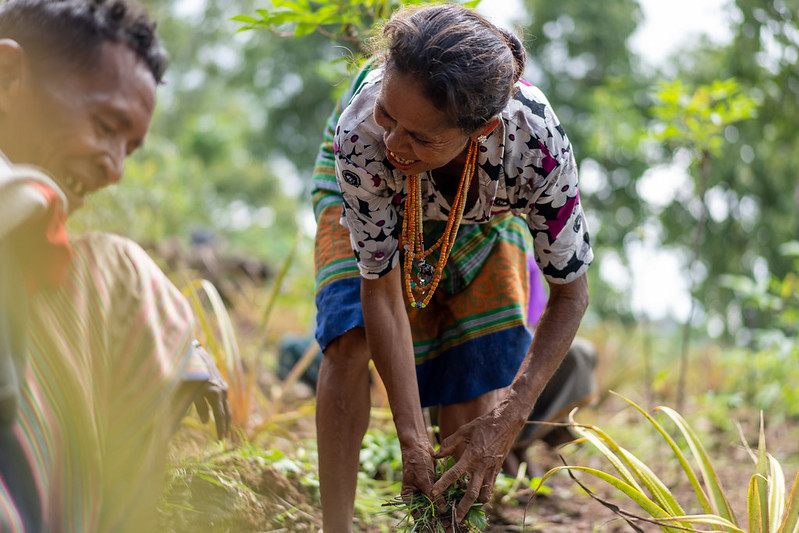
The Cash-For-Work program provides community members with work at the sites that are improving Timor Leste’s Community Infrastructure. They are taught skills and given experience that is able to help them gain further employment. The UNDP estimates that by the end of the project a total of 16,000 households and 75,000 individuals will benefit from the project, according to UNDP.
Sustainable Development Goals
The CIREP targets the U.N.’s Sustainable Development Goals (SDGs), including gender equality, clean water and sanitation and decent work and economic growth. Within Timor-Leste, investing in human capital has been a priority for sustainable development and economic growth. By focusing on infrastructure-centred projects ,the UNDP can tackle multiple SDGs at once, together with its efforts to improve access to clean water and sanitation.
SDG 5: Gender Equality
Gender Equality is a big focus of Timor-Leste’s Community Infrastructure Project, with the assurance that the Cash-For-Work program participants are 50% women, according to UNDP. The program initiatives aim to empower women in these rural areas by teaching them skills that will help employ them in the long term as well as improving their socioeconomic status in the short term through the Cash-For-Work program.
SDG 6: Clean Water and Sanitation
The second SDG that the CIREP focuses on is clean water and sanitation, which is a driver of malnutrition in Timor-Leste. By constructing and renovating water and sanitation sites in the country, it can drastically improve health and increase productivity, which in turn fuels other SDGs.
SDG 8: Decent Work and Economic Growth
The third SDG that the project focuses on is decent work and economic growth, which is the backbone of Timor-Leste’s Community Infrastructure project. By working with the Cash-For-Work program, the UNDP has identified and registered 1,254 community members who will be provided on-the-job training at the different project sites, according to UNDP. By training and paying workers from Timor-Leste the UNDP and the Cash-For-Work program can give decent work to the citizens while simultaneously improving economic conditions.
Looking Forward
As the CIREP continues into March 2027, Timor-Leste’s community infrastructure continues to improve, strengthening the community’s resilience and furthering economic growth.
– Olivia Peters
Olivia is based in Newport, RI, USA and focuses on Good News and Technology for The Borgen Project.
Photo: Flickr
