Health Care in Rural Peru: Students Bridging the Gaps
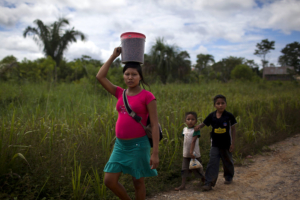 Peru, famous to many for the memorable sites of Machu Picchu, is currently fighting a battle against preventable illness. Hepatitis A, typhoid and malaria are just a number of the diseases common among the citizens of Peru. Beyond that, nearly 12% of the population faces major nutrition-related deficiencies. One of the most widespread is anemia, affecting 40% of children. Some health conditions, however, are even more severe.
Prenatal and maternal care are almost nonexistent and pregnancy complications disproportionately affect indigenous women and those living in rural communities. Despite the severe nature of the health complications, all of them are worse because of the lack of knowledge surrounding the issue and little to no access to medical facilities.
However, a group of pre-med students from Duke University and Boston College partnered with Sacred Valley to create a sustainable but realistic solution for these rural communities. They are training women in these communities to be health advocates by informing them about nutrition, pregnancy protocols and when to seek serious help. These individuals are paving a new path to health care in rural Peru.
The Layers of Translation in Peru
One junior, Catherine May, at Boston College had an especially vital position in this operation. The majority of rural communities in Peru speak the Quechua language. Her role is to translate from English to Spanish so local translators can translate from Spanish to Quechuan. The first level of medical access must be language in these rural communities and fluency in English is a rarity.
May, used her extensive background in Spanish to translate medical advice from doctors in Sacred Valley effectively. In turn, this information is bringing health care to rural Peru by training women to look after the well-being of their community in whatever capacity they can. However basic it may seem, being able to translate medical advice from English to Spanish is necessary in bringing health care to rural Peru.
Training Local Women as Health Advocates
One of the main aspects of this program, which is based in Peru, was training women to look after their surrounding community in a medical capacity. While it was not equivalent to medical training, May said, “training them to provide some sort of security to the towns was making a measurable and impactful change.”
The doctors provide these communities with nutritional information, such as the ideal diet to remove many deficiencies and preventable illnesses. They were also provided with ample information regarding maternal and fetal care. From distributing prenatal vitamins to educational materials on childbirth, they received a well-rounded education on basic first aid care and information.
Addressing Anemia in Children
Due to widespread poverty in rural Peru, most diets rely heavily on potatoes. Vegetables, fruits and meats are considered luxuries and are consumed only occasionally. This lack of dietary diversity has led to widespread anemia.
One of the projects May and her fellow students worked on was diagnosing and treating this anemia in children. They visited several schools and used finger-prick technology to measure hemoglobin levels. Since low hemoglobin causes anemia, the results provided insight into both the presence and severity of anemia cases.
Broader Impact Moving Forward
By training women in these rural communities to stand as health advocates, they’re working toward a more realistic solution. Increasing the accessibility of hospitals and medical facilities would take decades and millions of dollars. However, this form of medical treatment is attainable, affordable and has the potential to make a significant change. The fact of the matter is, these efforts would not have been possible without these students dedicating their summers to advocating, working and translating for the underserved in rural Peru. Peru is finally making progress in medical care, thanks in part to these university students.
Bringing health care to rural Peru means taking a step forward in the world’s journey to poverty reduction. Fewer medical issues mean an ability to focus on resolving other underlying issues, such as a lack of infrastructure and social structure. For now, though, these students and NGOs are taking significant steps to bring realistic and sustainable information-based care to marginalized and rural communities. These programs are vitally important for medical progress and their amplification can potentially transform rural medical care internationally.
– Caroline May
Caroline is based in Denver, CO, USA and focuses on Good News and Technology for The Borgen Project.
Photo: Flickr
