• Link to X
  • Link to Facebook
  • Link to Instagram
  • Link to TikTok
  • Link to Youtube
  • About
    • About Us
      • President
      • Board of Directors
      • Board of Advisors
      • Financials
      • Our Methodology
      • Success Tracker
      • Contact
  • Act Now
    • 30 Ways to Help
      • Email Congress
      • Call Congress
      • Volunteer
      • Courses & Certificates
      • Be a Donor
    • Internships
      • In-Office Internships
      • Remote Internships
    • Legislation
      • Politics 101
  • The Blog
  • The Podcast
  • Magazine
  • Donate
  • Click to open the search input field Click to open the search input field Search
  • Menu Menu

Archive for category: Development

Information and stories on development news.

Development, Economy, Global Poverty

Remittance in Lebanon

Remittance as a Poverty Reduction Mechanism in Lebanon In Lebanon, international worker remittance has been playing an increasingly important role in the economy since the 2019 financial crisis. The International Monetary Fund (IMF) defines remittance as household income from foreign economies arising mainly from migration to those economies. In 2022, international remittances from migrants made up 37.8% of Lebanon’s GDP, surpassing the share of exports in the country’s GDP. In addition, the figure represents the highest remittance to GDP ratio in the Middle East and North Africa region. 

Remittance in Lebanon

The high volume of emigration in Lebanon plays a central role in the size of remittances the country’s citizens receive. While the country has a population of 5.49 million population as of 2022, an estimated 880,000 Lebanon migrants or more than 16% of the population, resided outside the country. Other Arabian countries, North America and Europe are the top destinations for migrants. Before and during the 2008 global recession, remittance composed more than 25% of the country’s GDP, but its share decreased steadily in the decade between 2008 to 2018 until the 2019 financial crisis emerged in Lebanon.  

Since the year 2019, Lebanon’s economy has been grappling with a deep financial crisis that was exacerbated by the COVID-19 pandemic and the Port of Beirut explosion in 2020. The country’s GDP plummeted from around $52 billion in 2019 to an estimated $23.1 billion in 2021, leading to a rapid decline in income and basic services in the country. According to the World Bank estimates, the poverty rate of the country more than tripled since 2012, with 44% of the country’s population living below the poverty line as of 2022. 

A Buffer During Crisis

Against the backdrop of the enduring economic crisis, international remittance acts as a crucial buffer against poverty for families in Lebanon and a hedge against the complete collapse of the economy and social order. In 2022, an estimated 15% of households rely on remittance for income, up from the pre-crisis 10%. A survey by the UNDP also revealed that 29% of households started receiving remittances from their family members abroad as a response to the impacts of the financial crisis. The majority of the remittances were used to pay for food, electricity and medical expenditures, highlighting the importance of the remittance for Lebanese households to maintain their living standards.   

Remittances have become more important in alleviating poverty in the country after the financial crisis. In 2022, receiving remittances reduced a household’s possibility of being poor by five percentage points and the results were significantly robust. In comparison, in the year 2012, the percentage was four points and the statistical correlation was weak. 

Development Aid

From a long-run perspective, before the financial crisis in Lebanon, remittance played an important role in facilitating poverty reduction and economic development. The research found that remittance correlates positively with schooling attendance in Lebanon, indirectly contributing to the development of human capital and the long-run development of the economy. In addition, there is also evidence that the inflow of remittance contributes to the development of the financial market and long-run economic growth. A 2019 study further estimated that every 1% increase in remittance increases economic growth by 2%.

Looking Ahead

International remittances have become a vital lifeline for Lebanon, significantly contributing to the economy and providing essential support for families amid ongoing economic challenges. With remittances comprising a substantial portion of Lebanon’s GDP, their role in alleviating poverty and sustaining living standards remains critical. As Lebanon continues to recover from its financial crisis, the ongoing flow of remittances could be essential for economic stability and future development.

– Wangruoxi Liang

Wangruoxi is based in Ann Arbor, MI, USA and focuses on Business and New Markets for The Borgen Project.

Photo: Unsplash

June 29, 2024
https://borgenproject.org/wp-content/uploads/borgen-project-logo.svg 0 0 Precious Sheidu https://borgenproject.org/wp-content/uploads/borgen-project-logo.svg Precious Sheidu2024-06-29 07:30:352024-06-28 09:28:46Remittance in Lebanon
Development, Global Poverty, Nonprofit Organizations and NGOs

5 Shark Tank Alumni Fighting Poverty

5 Shark Tank Alumni Fighting PovertyShark Tank and its international versions have become a global phenomenon. Hundreds of hopeful entrepreneurs pitch their ideas to a panel of savvy investors. Among these entrepreneurs, some have dedicated their businesses to combating global poverty. Here are a few notable businesses where the worlds of Shark Tank alumni and poverty alleviation have powerfully converged:

5 Shark Tank Alumni Fighting Poverty

  1. Yellow Leaf. Yellow Leaf impressed the Sharks with its mission to strengthen Thailand’s economy. Joe Demin discovered the hammocks during a vacation in Thailand and decided to introduce them to the United States (U.S.) market. The company hires local artisans from the Mlabri tribe, also known as the “people of the yellow leaves,” to craft each hammock. The popularity of these hammocks has even led to its feature on Virgin cruise ships. An estimated 90% of the wages paid contribute to the health, nutrition and education of a Mlabri family.
  2. X-Torch. The X-Torch is a powerful flashlight and solar-powered phone charger. Although it did not secure a deal on the show, the product has succeeded in both profit and philanthropy. Communities without power or those affected by natural disasters often receive X-Torches. Several nonprofits, including Compassion International and Bethany Christian Services, distribute X-Torch products. Compassion International provides them to children in Haiti and Bethany Christian Services gives them to Venezuelan refugees. Together, Bethany Christian Services and X-Torch have supplied more than 1,000 flashlights to refugees on the Colombian border. 
  3. LuminAID. This inflatable solar lantern, designed to be safer than kerosene or candles, sells as a consumer product but originally targeted countries without stable access to electricity. After securing a deal with Mark Cuban, LuminAID expanded its product line to include a variety of solar lanterns, a speaker and other survival products. LuminAID also partnered with the nonprofit Shelterbox to distribute kits containing essential supplies, including LuminAID lanterns, in disaster zones. For instance, in 2016, LuminAID distributed 2,000 lights to earthquake victims in Nepal. Additionally, the company has partnerships with Doctors Without Borders and organizations under the United Nations (U.N.).
  4. Grace and Lace. The company donates a portion of its proceeds to build orphanages in India. After securing a deal with Barbara Corcoran, the venture expanded rapidly. To date, Grace and Lace have constructed 12 orphanages and a school in India, as well as a shelter in Nepal for women and children who are victims of trafficking. Initially selling only socks, the company has grown into a full women’s apparel brand, offering dresses, blouses, bags and more.
  5. TaDAH Foods. TaDAH Foods surprised the Sharks by announcing that it donates 25% of its profits to multiple charities dedicated to social change, notably the Meant 2 Live Foundation, which aims to lift children out of extreme poverty. It specializes in healthy falafel street wraps in various flavors. With more than $10 million in lifetime sales, the brand has thrived with the help of Shark Tank’s guest shark Daniel Lubetsky. Through its donations to Meant 2 Live, it sponsors more than 200 Zambian children.

Looking Ahead

Shark Tank and its international counterparts have showcased entrepreneurs dedicated to fighting global poverty through innovative solutions. Businesses such as Yellow Leaf, X-Torch, LuminAID, Grace and Lace and TaDAH Foods demonstrate how entrepreneurial ventures can potentially make significant social impacts by supporting vulnerable communities and addressing critical needs. These companies have provided sustainable livelihoods, essential resources and humanitarian aid, highlighting the transformative potential of socially conscious business practices. As more entrepreneurs follow suit, the intersection of business and social good promises to foster greater economic and social change worldwide.

– Meredith Wyrick

Meredith is based in Magnolia, TX, USA and focuses on Good News and Global Health for The Borgen Project.

Photo: Flickr

June 25, 2024
https://borgenproject.org/wp-content/uploads/borgen-project-logo.svg 0 0 Precious Sheidu https://borgenproject.org/wp-content/uploads/borgen-project-logo.svg Precious Sheidu2024-06-25 07:30:432024-06-24 14:03:425 Shark Tank Alumni Fighting Poverty
Development, environment, Global Poverty

Tuvalu: Poverty Caused by Natural Disasters

Poverty caused by natural disastersTuvalu, one of the world’s smallest countries, is an island nation vulnerable to natural disasters due to its topography. These disasters not only cause immediate loss of life and displacement but also result in long-term agricultural challenges. Saltwater intrusion renders the land uncultivable, leading to a loss of income and increased dependence on imported food, further entrenching the population in poverty. Cyclones increase the risk of vector and waterborne diseases, which can incapacitate the surviving population and hinder their ability to earn a living. In response, Tuvalu has implemented measures to protect its infrastructure, thereby shortening the restoration process and helping to shield the nation from poverty caused by natural disasters.

Infrastructure and Development Initiatives

The National Strategy for Sustainable Development 2021-2030 and the Tuvalu Coastal Adaptation Project (TCAP) have reclaimed land in the capital city of Funafuti, which has helped keep the island from drowning. Engineers are actively monitoring the site and progressing work in other areas, thus improving working conditions, increasing safety and certainty and raising living standards. The reclamation project also includes a drainage system protecting the city from heavy rains. Another enhancement is the harbor facility that ensures continuous access to the Funafuti Lagoon. Additionally, this initiative has created employment opportunities for citizens that are receiving targeted training to enhance their skills and contribute to the domestic economy.

Strengthening Island Resilience

Further protective measures such as constructing Berm Top Barriers shield the outer islands from high waves and saltwater penetration, safeguarding vital agricultural resources and freshwater supplies. This effort safeguards the harvests of taro, breadfruit, pawpaw and bananas in Nanumea and Nanumaga, thereby preventing food scarcity and hunger. It also prevents groundwater contamination, preserving water quality for home use. The 1,330-meter-long barrier will not only block 10-meter-high waves but also address the displacement of more than 300 people from the last cyclone in 2015.

Revitalization and Environmental Restoration

The TCAP plans to revegetate the land with coconut plants and Pandanus tree seedlings, sourced from local suppliers to stimulate economic activity. Beyond these efforts, TCAP collaborates with the NGO Fuligafou to conserve coral reefs and restore fish populations. Coral destruction has led to the migration of fish, impacting the income and protein sources of local communities reliant on fishing. The restoration process incorporates both modern and indigenous coral restoration techniques. In the long term, these efforts aim to revitalize the local fishing industry and provide new opportunities to alleviate poverty.

Looking Ahead

As Tuvalu fortifies its defenses against the harsh realities of the changing climate, its innovative infrastructure projects provide both immediate relief and long-term sustainability. The initiatives in place, from coastal barriers to environmental restoration, promise to enhance resilience and reduce the potential for poverty caused by natural disasters. With ongoing international support and local commitment, Tuvalu is paving the way toward a more secure and prosperous future for its residents.

– Hafsa Dijoo

Hafsa is based in Sharjah, UAE and focuses on Good News for The Borgen Project.

Photo: Flickr

June 21, 2024
https://borgenproject.org/wp-content/uploads/borgen-project-logo.svg 0 0 Precious Sheidu https://borgenproject.org/wp-content/uploads/borgen-project-logo.svg Precious Sheidu2024-06-21 03:00:452024-06-20 04:11:05Tuvalu: Poverty Caused by Natural Disasters
Child Poverty, Development, Global Poverty

Everything You Need To Know about Poverty in New Zealand

Everything You Need To Know about Poverty in New ZealandMultiple paradigms change and affect poverty in New Zealand, much like the rest of the developed world. Age seems to be a primary indicator of poverty levels in the country. Here we examine everything you need to know about poverty in New Zealand.

Child Poverty

Child poverty in New Zealand is one of the most important issues in the country. Much of the national conversation about poverty surrounds families and children currently experiencing deprivation. One of the most important recent developments in the battle against poverty in New Zealand is the Child Poverty Reduction Act 2018.

The Child Poverty Reduction Act 2018 introduced nine measures to help combat childhood poverty. Eight of these measures had a significant effect on reducing the levels of poverty experienced by New Zealand’s children and families. Another one of the bill’s responsibilities is holding current governments accountable for the state of childhood poverty. Every 10 financial years, the government must evaluate the state of childhood poverty. This is based on the standards set forth in the bill. This bill was instituted as a direct answer to the statistics discovered by the New Zealand government.

In 2017, the New Zealand government studied the nation’s children. It found that 22.5% of the nation’s children were living below the 50% median disposable household income after the deduction of housing costs. Stats New Zealand also found that 12.5% of children were living in material hardship. This means they were unable to afford clothes and healthy food. These statistics were a major force that pushed New Zealand to combat childhood poverty. This war on poverty is not just linked to material hardship but to extreme poverty as well.

Homelessness

In 2018, 0.86% of New Zealand’s population were without homes, that is 41,000 people. The most comparable nation is Australia with 0.48% of the populace being registered as homeless. New Zealand’s failing approach to poverty is another reason the Child Poverty Reduction Act 2018 was put into place, but some are saying that the pressures that COVID-19 put on the country’s support systems as well as the Labour government are resulting in a more desperate New Zealand populace. 

The New Zealand government has spent millions of dollars on emergency housing for the thousands of people living on the street or on the brink of extreme poverty. This massive spending has been spearheaded by the Labour Party, but this has not curbed the party’s loss of support. 

Anecdotal and statistical evidence point toward the Labour Party’s lack of headway in the war against poverty as a major reason they lost support. In the 2020 election Labour won 50% of the vote, but has since lost 23% of their voter base. This massive drop in support is an indication of the disappointment that the people of New Zealand have experienced in their leading governmental party.

Final Thoughts

The situation of poverty, especially childhood poverty, is multifaceted and complex, and so is the solution. The New Zealand Government has worked hard and implemented a few pieces of legislation that have decreased childhood poverty.  The Families Package is a $5.5 billion investment that, among other things, improves parental leave pay, increases financial aid for families and increases tax credits for working families. This paired with increases in minimum wage and free school lunches show the way forward for New Zealanders. 

– Charles McFadden

Charles is based in Glasgow, Scotland and focuses on World News for The Borgen Project.

Photo: Flickr

June 19, 2024
https://borgenproject.org/wp-content/uploads/borgen-project-logo.svg 0 0 Jennifer Philipp https://borgenproject.org/wp-content/uploads/borgen-project-logo.svg Jennifer Philipp2024-06-19 01:30:432024-06-18 13:51:00Everything You Need To Know about Poverty in New Zealand
Development, Global Poverty, Nonprofit Organizations and NGOs

Efforts to Improve Housing in Djibouti

The Efforts to Improve Housing in DjiboutiDjibouti, a small nation in the Horn of Africa bordered by Somalia and Ethiopia, is uniquely situated at the junction of the Red Sea, East Africa and the Gulf of Aden. Its strategic location not only makes it a geological marvel with natural hot water reservoirs but also presents significant challenges in urban development and housing. With a population exceeding one million, the nation faces the critical task of improving living conditions for its residents, particularly in addressing the ongoing housing crisis. In response, the Djiboutian government initiated Vision 2035 in 2015, aiming to enhance the quality of life across the nation. However, as of 2024, with the deadline looming in just 11 years, the government is still grappling with how to effectively support its citizens through adequate housing in Djibouti.

The Persistent Challenge of Poverty

Despite Djibouti’s small population compared to its neighboring countries, gathering detailed data on the extent of poverty is challenging due to limited participation in national censuses. However, some recorded statistics have shown that more than 35% of the population of Djibouti lives in poverty, with at least 21% of the population living below the poverty line as of 2022. Poverty’s impact is most severe in rural areas, where it affects the majority of residents. Although only 15% of Djibouti’s population resides in urban areas, these citizens represent more than half of the country’s extremely poor.

Housing Crisis in Djibouti

Djibouti-Ville, the capital and largest city of Djibouti is home to more than 60% of the population. Numerous slums within the city provide shelter to Djiboutian nationals as well as refugees and asylum seekers, highlighting a nationwide shortage of affordable housing.

Balbala, a slum in Djibouti, accommodates a large portion of the country’s homeless population, many of whom lack access to adequate food and water. The Djiboutian government is addressing these harsh conditions with the Zero Slums Program, which aims to evaluate and resolve homelessness and poor living conditions in slums. Concurrently, the government’s Slum Upgrading Project seeks to enhance living conditions in various settlements nationwide, helping residents move from slums to affordable housing and preventing the necessity of slum living.

Economic Outlook and Community Support

In recent years, Djibouti has seen economic improvements. Despite these gains, homelessness and poor living conditions persist as major concerns for both the government and its citizens. Notably, Djibouti demonstrates significant compassion by supporting refugees and asylum seekers from Ethiopia, Somalia and Yemen. Despite its small geographical size, Djibouti’s generosity is immense. However, the country still faces a shortfall of up to 20,000 houses needed to adequately support its citizens.

On average, Djibouti needs to construct 3,000 new houses each year to meet its housing demand. However, both private and public sectors have limited capacity, managing to establish only enough houses to leave between 15 to 20% of Djiboutian citizens without suitable housing or experiencing homelessness.

Addressing Homelessness Through Aid

Several nongovernmental organizations, including Eevah, are actively supporting Djibouti’s citizens experiencing homelessness by providing humanitarian aid and resources to address the housing crisis. Eevah, known for using profits from jewelry sales to aid children worldwide, campaigns specifically for Djibouti to ensure that children in the country can access clean water, sustainable food and proper housing.

Promoting Sustainable Livelihoods with Penha

Since its establishment in 1994, the organization Penha has been supporting Djiboutian nationals, refugees and asylum seekers alongside government initiatives. Penha aims to alleviate poverty in the Horn of Africa by subsidizing communities to enhance livestock and nonlivestock-based livelihoods. This support is particularly beneficial in Djibouti, where such livelihoods are common in urban areas. Penha collaborates closely with local communities to ensure they play an active role in their development. The organization operates across Djibouti, Eritrea, Kenya, Somalia and South Sudan.

Al-Abrar Foundation

The Al-Abrar Foundation, based in London, also engages with communities in Djibouti, alongside its outreach programs in Ethiopia, Somalia and Tanzania. This foundation delivers educational programs, events and workshops to foster positivity and socioeconomic growth in Djiboutian areas affected by extreme poverty. It focuses on youth projects and strives to provide food resources and suitable shelter for those without sustainable incomes.

Cultural Richness

Djibouti, a small nation, is home to many people who need suitable housing, guaranteed food resources and a supply of clean water. Beyond its poverty statistics, Djibouti boasts attractions like snorkeling with whales and sharks and swimming opportunities. The country also features stunning preserved architecture and a captivating landscape, offering much more than meets the eye.

The wildlife of Djibouti thrives in natural habitats and integrates seamlessly into urban areas, exemplifying the harmony between humans and animals. Despite the pressing housing crisis, the country boasts a rich cultural tapestry. Djibouti serves as a cultural crossroads where Djiboutian, Somali and Ethiopian traditions converge and celebrate a diverse coexistence.

Looking Ahead

Djibouti is poised to harness its unique geographical and cultural assets to further tackle the challenges of poverty and housing. Continued partnerships with NGOs and proactive government programs are key to achieving sustainable improvements in living conditions. With concerted efforts, Djibouti aims to transform its economic landscape and ensure a better quality of life for all its residents.

– Brogan Dickson

Brogan is based in Edinburgh, Scotland and focuses on Good News and Global Health for The Borgen Project.

Photo: Flickr

June 10, 2024
https://borgenproject.org/wp-content/uploads/borgen-project-logo.svg 0 0 Precious Sheidu https://borgenproject.org/wp-content/uploads/borgen-project-logo.svg Precious Sheidu2024-06-10 01:30:002024-06-09 09:30:27Efforts to Improve Housing in Djibouti
Development, Global Poverty, Government, Poverty Reduction, Tourism

How Ethnic Tourism In China Is Alleviating Poverty

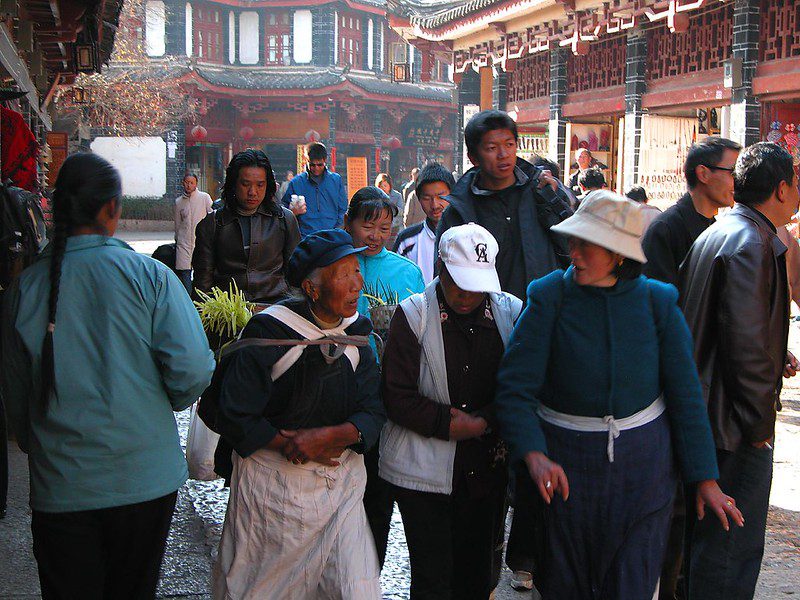
How Ethnic Tourism In China Is Alleviating Poverty Ethnic or cultural tourism involves visiting destinations to explore local cultural elements. In China, where many ethnic groups face poverty, the government is developing tourist attractions to generate revenue and stimulate economic growth in these regions. As a result, ethnic tourism in China is rapidly evolving into an industry aimed at aiding those in need.

The Hunan Province

Hunan is located in South Central China and falls in the middle of the Yangtze River. This province has various tourist destinations, including Fenghuang Ancient Town. The area features Miao architecture, such as stilted houses. It is also home to tourist boat tours. Other sites used as tourist attractions include the villages of Laojia and Zaogang.

Local revenue has skyrocketed due to the inception of ethnic tourism in China. This resulted in the formation of Ming City Tourism Corporation (MCTC), which helps to keep these tourist destinations open and thriving. MCTC has worked to reduce competition and increase profits. The company charges fees for tourists and gives a percentage back to the villages as an annual fee. 

A portion of these fees are given back to residents periodically. Residents can make many due to MCTC hiring them to work as guides, cleaners, salespeople or actors. Some residents have also opened their shops to sell memorabilia to tourists. Each of these acts has helped numerous residents out of poverty. Tourism has greatly increased the number of jobs available, specifically in Fenghuang Ancient Town. 

The Yunnan Province

The Yunnan Province is part of southwestern China and borders Myanmar, Laos and Vietnam at its southern tip. This province is one of the more diverse areas in China, both culturally and geographically. In Yunnan, the most popular tourist destination is Lijiang, one of the centers for silk production in ancient times. 

Lijiang was one of the poorest areas in the Yunnan province before ethnic tourism in China began to have an impact locally. The Dayan Naxi Ancient Music Association is one of its main attractions, which is an orchestra that showcases old music, old musicians and old instruments. It is composed of teachers, farmers and other types of workers. The orchestra has developed a good annual revenue and has a regular large audience. It has played in larger cities and even countries overseas. 

Socio-Economic Transformations in Lijiang

Ethnic tourism in China, particularly in Lijiang, revolves around experiencing the life of these ethnic communities. Tourists coming to this area are likely to visit Luoshui, one of the most popular villages, to participate in the local life of the Naxi and Moro people. These experiences include ceremonies, traditional infrastructure and the ability to partake in conversations with natives, both young and old. Since the establishment of these tourist areas, Luoshui has become one of the top 10 wealthiest villages in Lijiang. 

There has been tremendous economic growth in Lijiang due to ethnic tourism. Data indicates that before the World Heritage induction, agriculture was the main source of income for residents in Lijiang, but even that was a small amount of income. After becoming part of the World Heritage List, Lijiang had a boost in its economy, with tourism becoming its biggest industry. This has helped the overall economy of the area and the income of residents. 

The economy in the Yunnan Province has grown steadily and continues to grow, in part due to ethnic tourism in China. The lives of residents in these villages have also improved, not only financially but also socially. Public health has been made a priority and is being provided to the most rural areas. Providing social security to qualified individuals has also been implemented. Each of these improvements has stemmed from ethnic tourism in China.

Looking Forward

The expansion of ethnic tourism in China continues to drive significant socio-economic benefits for culturally rich yet previously impoverished regions. As communities like Fenghuang and Lijiang flourish, they set a precedent for sustainable development through cultural heritage. Ongoing investment in these areas is poised to further enhance local livelihoods and preserve unique cultural landscapes for future generations.

– Dorothy Howard

Dorothy is based in Greensboro, NC, USA and focuses on Good News for The Borgen Project.

Photo: Flickr

June 5, 2024
https://borgenproject.org/wp-content/uploads/borgen-project-logo.svg 0 0 Precious Sheidu https://borgenproject.org/wp-content/uploads/borgen-project-logo.svg Precious Sheidu2024-06-05 01:30:322024-06-03 13:55:50How Ethnic Tourism In China Is Alleviating Poverty
Development, Economy, Electricity and Power, Global Poverty

How Renewable Energy in Malawi Is Driving Economic Growth

Renewable Energy in MalawiIn Malawi, a landlocked country in southern Africa, economic inequality persists, hindering significant poverty reduction efforts despite consistent growth. Currently, about 70% of the country’s 20 million residents live on less than $2.15 a day and a considerable portion of national income belong to the top 20% of earners. A major factor explaining the persistent economic inequality in Malawi is the low electrification rate. Currently, only 15% of Malawi has access to electricity, one of the lowest rates worldwide, primarily due to inadequate infrastructure in information, communication and energy technology. Renewable energy in Malawi offers a viable solution to increase access to electricity and support economic growth.

The disparity between rural and urban areas is stark, with only 5% of rural regions having electricity access compared to 42% in urban areas. Additionally, even areas with electricity face inconsistent service. Leo Randall-Brown, a volunteer in Bangwe, noted, “We lose power once a week or so,” remarked Leo Randall-Brown, a volunteer in Bangwe, “but [a few months ago] it was worse.” Despite these challenges, optimism grows around Malawi’s emerging energy sector. Innovative and collaborative efforts in renewable energy present a promising pathway to address disparities and support the nation’s poorest communities.

Hydroelectric Power

Hydroelectric power is a crucial element of Malawi’s energy portfolio, generating 90% of its electricity primarily from the Shire River. Yet, this represents only about 17% of the nation’s potential hydroelectric capacity. Modernization efforts are underway to improve this infrastructure. Notably, the rehabilitation of the Nkula Hydropower Plant, a project undertaken by the Austrian company Andritz Hydro and Portuguese firm Mota Engil, has increased energy generation capacity by 50%. Additionally, projects like the Mpatamanga Hydro, supported by a World Bank-backed Public-Private Partnership (PPP), aim to significantly enhance hydroelectric capacity, marking a robust effort to maximize Malawi’s energy resources.

These ongoing initiatives are crucial for enhancing energy security and alleviating poverty in Malawi. Hydroelectric projects catalyze job creation, providing substantial employment opportunities during the construction and operation phases. They also boost agricultural productivity in downstream villages by improving access to electricity for irrigation and agro-processing activities. The development of hydroelectric power in Malawi thus represents a multifaceted approach to combating poverty, fostering economic growth and empowering local communities to thrive.

Solar Power

With an annual daily mean global solar radiation equivalent to 250 million tonnes of oil, Malawi possesses a vast and sustainable solar energy resource. Solar power, a versatile form of renewable energy, facilitates both household-level and large-scale photovoltaic (PV) cell electrification. Across Malawi, tens of thousands of solar home systems (SHS) have been adopted, providing households with reliable lighting, heating, water pumping and radio usage. Mr. Randall-Brown notes, “We have a small solar panel that charges throughout the day. It acts as a kind of backup generator.”

The 2018 Energy Policy in Malawi emphasizes off-grid electricity, highlighting a cooperative effort between the government and the private sector. Companies such as VITALITE Malawi have capitalized on this policy framework, enhancing public-private partnerships (PPPs) to expand solar home system (SHS) services to an unprecedented number of households and communities. This focus on off-grid electrification significantly benefits the nation’s most vulnerable populations, reducing the need for extensive infrastructure investments while ensuring sustainable and renewable energy in Malawi for all.

Malawi has made notable progress in developing utility-scale solar power plants, exemplified by the completion of projects such as the 60 MW Salima, 20 MW Golomoti and 21 MW Nkhotakota. These projects underscore the government’s commitment to expanding grid infrastructure. Collaborative efforts with USAID and other international partners highlight Malawi’s proactive approach to promoting interconnected sustainable development. These ongoing initiatives are creating new income opportunities for both rural and urban households and enhancing agricultural practices with solar-powered irrigation. This technology is particularly crucial for Malawi, which relies heavily on rain-fed agriculture, marking a transformative era of resilience and prosperity for the nation’s agricultural sector.

Geothermal Power

Geothermal energy holds immense promise for Malawi’s energy future, owing to its location in the East African Rift System (EARS), which endows the country with significant reserves. Approximately 55 geothermal sites dot the landscape, with three major ones—Chiweta, Mwankeja and Nkhotakota—identified for detailed investigation, boasting a combined potential of 200 MW. While geothermal efforts are largely in the exploratory phase, a plant in Nkhotakota is planned for construction.

In a concerted effort to harness the vast potential of geothermal energy, the Malawian government is actively pursuing avenues for both public and private investment.  A notable stride occurred in 2013, when the government-owned energy company EGENCO forged a groundbreaking agreement with Kenya’s Geothermal Development Company, fostering intra-African technological collaboration within the East African Rift System (EARS). Beyond its role in sustainable electricity generation, geothermal energy holds the promise of delivering direct community benefits and catalyzing economic growth and technological advancement.

Looking Forward

Malawi is on the cusp of a transformative era in its energy sector, poised to make significant strides in electrification, sustainable development and poverty alleviation. The country boasts vast untapped potential in renewable energy sources such as hydroelectric, solar and geothermal resources. By harnessing these opportunities through pro-growth domestic policies and integration with foreign entities, Malawi is primed to drive inclusive growth and prosperity. As the nation embraces foreign investment in renewable energy in Malawi, it paves the way for collaborative efforts to unlock the full potential of clean energy and propel Malawi toward a brighter, more sustainable future for all its citizens.

– Matthew Candau

Matthew is based in St. Andrews, Scotland and focuses on Business and Technology for The Borgen Project.

Photo: Flickr

June 4, 2024
https://borgenproject.org/wp-content/uploads/borgen-project-logo.svg 0 0 Precious Sheidu https://borgenproject.org/wp-content/uploads/borgen-project-logo.svg Precious Sheidu2024-06-04 07:30:162024-06-03 13:32:11How Renewable Energy in Malawi Is Driving Economic Growth
Advocacy, Development, Global Poverty

One Home at a Time: Building Generational Wealth in Colombia

One Home at a Time: Building Generational Wealth in Colombia On Feb. 12, 2023, Catalina Velasco, Colombia’s housing minister, announced changes to the government’s Mi Casa Ya program, set to take effect in 2024. These modifications aim to help impoverished Colombians purchase their first home. By prioritizing the most vulnerable families, Mi Casa Ya could address homelessness while building generational wealth in Colombia. More than 6.8 million people suffered internal displacement during the country’s 52-year civil war, leading to an extreme housing crisis and a national poverty rate of 28%. The Colombian Ministry of Housing, City and Territory (MVCT) first implemented Mi Casa Ya in 2015 to tackle this housing crisis.

Background and Expansion of Mi Casa Ya

Mi Casa Ya is a government assistance program that serves to aid low-income families with the purchase of their first property by granting housing subsidies. Originally, Mi Casa Ya only served in three cities: Barranquilla, Bogota and Cali. However, under the Petro administration, the MVCT announced that starting in 2024, the program would expand nationwide and prioritize the country’s most vulnerable populations, particularly the homeless. 

Eligibility and Benefits of the Program

To qualify for Mi Casa Ya, the applicant must meet the following criteria. First, the applicant must not own a home in Colombia. Second, they must not have previously received any sort of housing subsidiary. Third, the applicant must have been approved for a mortgage credit. Finally, they must be registered in the Sisbén IV, the System of Identification of Potential Beneficiaries of Social Programs, which classifies Colombian citizens based on their socioeconomic status. 

Sisbén IV separates individuals into four groups: A (extreme poverty), B (moderate poverty), C (vulnerable population) and D (nonpoor, nonvulnerable). An applicant’s ranking in the Sisbén IV determines how much monetary assistance they will receive with the most economically vulnerable granted the highest amount of financial aid. 

Once deemed eligible for the Mi Casa Ya grant, the applicant receives a downpayment subsidy that varies anywhere between 26 million COP and 39 million COP, roughly $6,000 to $10,000. To reduce monthly payments, during the first seven years, Mi Casa Ya grantees will also obtain interest rate coverage of their mortgage credit.

Impact and Importance of Housing Wealth

Since its inception in 2015, the MVCT has allocated 50,000 Mi Casa Ya subsidies annually. This initiative aims to provide the impoverished with the opportunity to own homes and build generational wealth in Colombia. About 90% of the recipients fall under the Sisbén IV categories of extreme poverty, moderate poverty and vulnerable populations.

According to a 2004 study by the U.S. Department of Housing and Urban Development’s Office of Policy Development and Research, low-income families significantly increase their wealth accumulation after purchasing a home. For the impoverished, “housing wealth is total wealth,” meaning it constitutes their entire net worth. Thus, by expanding homeownership opportunities, governments not only tackle poverty and homelessness but also boost generational wealth for their most vulnerable citizens.

Looking Ahead

The expansion of Colombia’s Mi Casa Ya program marks a promising step toward addressing long-standing housing disparities. By focusing on the country’s most vulnerable populations, this initiative is set to empower countless families through homeownership, fostering stability and economic advancement. As the program rolls out nationwide, there are hopeful expectations for the housing crisis resolution and the creation of more generational wealth in Colombia.

– Naima Rasheed

Naima is based in New York, NY, USA and focuses on Good News for The Borgen Project.

Photo: Flickr

May 25, 2024
https://borgenproject.org/wp-content/uploads/borgen-project-logo.svg 0 0 Precious Sheidu https://borgenproject.org/wp-content/uploads/borgen-project-logo.svg Precious Sheidu2024-05-25 01:30:352024-05-25 00:25:22One Home at a Time: Building Generational Wealth in Colombia
Development, Global Poverty, Technology

Comic Republic: A New Comic Book Landscape

Comic RepublicBatman, Wonder Woman and Spider-Man have inspired children and adults alike for decades, grossing billions of dollars in film, TV, video games and comic book sales. Often compared to modern-day myths, these heroes embody enduring values that have transcended centuries. Despite their textual and metatextual differences, these iconic characters all share one common denominator: their origins in the United States of America (USA).

The USA is considered the birthplace of modern comic books. Although many influential comics originate from other nations, Europe and America dominate the comic book and graphic novel landscape. However, some creators and publishers are striving to diversify this art form by incorporating African myths, sensibilities and art styles.

Comic Republic: Pioneering African Comics

Comic Republic, a Nigerian comic book publisher and multimedia company, has been creating characters that resonate globally for seven years. The company has produced dozens of characters featured in hundreds of stories and has collaborated with major corporations like BBC, Samsung and Wakanow to create characters and marketing materials. Committed to reshaping global perceptions of Africa through art and culture, Comic Republic offers all its books for free download on its website. Additionally, Comic Republic is collaborating with Emagine Content and JackieBoy Entertainment to produce a film based on their character Ireti. Announced in 2021, the project has not yet progressed, but future developments are still possible.

YouNeek: Building an African Comic Universe

YouNeek is a rising African comic studio dedicated to transforming African myths and culture into formats that appeal globally, such as comics and animation. Unlike other studios that create various worlds for their characters, YouNeek focuses on developing a shared universe of comic book superheroes, aiming for cross-medium expansion akin to Marvel Studios’ MCU. Roye Okupe, the owner and creative director of YouNeek, leads these efforts. Known for his ambition to build a multimedia empire, Roye has been making significant strides toward this goal. “Malika,” one of YouNeek’s projects, features a 15-minute animated pilot available on YouTube. In 2020, Roye secured a ten-book deal with Dark Horse Comics, a major player in the international independent comic book market and has been actively working on this commitment.

Looking Ahead

Comic Republic and YouNeek exemplify the indomitable spirit long associated with the comic book industry. Icons like Joe Shuster, Jerry Siegel, Bill Finger, Stan Lee, R. Crumb and Will Eisner have harnessed the power of comics to spark the imaginations of millions across all ages. Historically dominated by Western nations, the comic book industry is witnessing a transformative contribution from artists around the world, demonstrating that diverse nations and cultures have much to offer through the beloved artistic medium.

– Charlie McFadden

Charlie is based in Glasgow, Scotland and focuses on Business and Good News for The Borgen Project.

Photo: Unsplash

May 14, 2024
https://borgenproject.org/wp-content/uploads/borgen-project-logo.svg 0 0 Precious Sheidu https://borgenproject.org/wp-content/uploads/borgen-project-logo.svg Precious Sheidu2024-05-14 01:30:312024-12-13 18:03:10Comic Republic: A New Comic Book Landscape
Activism, Advocacy, Development

5 Young Leaders making strides in combating global poverty

Young LeadersThe voices of young people have often been dismissed leaving many feeling powerless in the face of global challenges. Young people are frequently told they are too young to understand or affect meaningful change. Despite these barriers, youth activism is gaining momentum. Young people are driving change and their fresh perspectives have proven instrumental in driving progress on global issues, such as poverty. Youth activism is essential to amplify the voices of the marginalized and create long-lasting, transformative change. Here are five young leaders from around the world who are making significant strides towards combating global poverty.

Kelvin Doe – Sierra Leone

Kelvin Doe is an acclaimed young engineer from Sierra Leone. From the age of 10, Doe would scour trash and discarded materials to find parts to use for his innovative projects. He taught himself how to make items such as lights, generators and radios and even went on to create his radio station. He took on the stage name DJ Focus and used his radio station to share music and news about issues such as youth engagement. In addition, he is the founder of the Kelvin Doe Foundation, an NGO with the mission to “provide creative spaces, to nurture communities, ignite a culture of innovation, and inspire civic engagement.” Even with limited resources, Doe was able to utilize materials at his disposal and facilitate change in his community through his work.

Jose Adolfo Quisocala Condori – Peru

At just 7 years old, Jose Adolfo Quisocala Condori founded a bank that changed the trajectory of many kids in his community. Condori wanted to help eradicate poverty in his community while also protecting the environment, with this in mind he started a groundbreaking initiative called the Children’s Eco-Bank. The initiative incentivized students to recycle materials for monetary rewards that would be deposited into their bank accounts. The children’s Eco-Bank stands as a Beacon of Hope showcasing the remarkable impact that even the youngest individuals can have in fostering economic resilience and social change within their communities.

Webster Makombe – Zimbabwe

Webster Makombe is a global youth leader who focuses on improving nutrition and food security challenges. He began his activism career when he was working as a junior parliament member in high school. Through his activism, he dedicates time to lobbying and advocating for nutrition improvement in his home country of Zimbabwe and across the world. Makombe works closely with the movement Scaling up Nutrition, which works on furthering awareness and knowledge about food and nutrition issues. Now studying at the University of Zimbabwe, he focuses on human rights and global health law to deepen its understanding and drive meaningful change in the field

Kehkashan Basu – India/Canada

Kehkashan Basu is a “champion of women’s and children’s rights.” At the age of 12, she founded the Green Hope Foundation, an organization that works in 28 different countries to empower young people and women globally. The foundation aims to combine grassroots advocacy with policy reform to encourage education, development and sustainability for marginalized communities. Basu is a designated United Nations human rights champion and the youngest person to ever be designated as Global Coordinator for the U.N. Environment Program Major Group of Children and Youth. Through her unwavering support for global advocacy, Basu has shown what hard work and dedication can accomplish.

Jaden Lawen – Canada/Lebanon

Jaden Lawen was 17 years old when an explosion devastated his native city of Beirut, Lebanon. Thousands of miles away, in Ontario, Canada he found out about the drasticity of the situation through pictures and videos from friends who experienced the effects of the explosion, many of whom in hospitals. Moved to do something to help the catastrophe, he began the organization Halifax to Beirut with Love to spread awareness and raise funds. Through this Lawen was able to raise more than $100,000 which the Red Cross later distributed to the citizens. Lawen’s dedication to helping his community helped change thousands of lives, including those of his own family and friends.

Helping Shape Global Communities

Despite facing adversity, young leaders have proved time and time again that they can enact meaningful change throughout the world. Through initiatives that deal with economics, charity and advocacy these five young leaders are only some of many who are helping shape global communities. These young leaders enable the world to see what a future might look like if communities can mobilize their youth and inspire younger generations to make change.

– Adrita Quabili
Photo: Unsplash

April 14, 2024
https://borgenproject.org/wp-content/uploads/borgen-project-logo.svg 0 0 Naida Jahic https://borgenproject.org/wp-content/uploads/borgen-project-logo.svg Naida Jahic2024-04-14 07:30:362024-04-14 00:40:535 Young Leaders making strides in combating global poverty
Page 21 of 163«‹1920212223›»

Get Smarter

  • Global Poverty 101
  • Global Poverty… The Good News
  • Global Poverty & U.S. Jobs
  • Global Poverty and National Security
  • Innovative Solutions to Poverty
  • Global Poverty & Aid FAQ’s
Search Search

Take Action

  • Call Congress
  • Email Congress
  • Donate
  • 30 Ways to Help
  • Volunteer Ops
  • Internships
  • Courses & Certificates
  • The Podcast
Borgen Project

“The Borgen Project is an incredible nonprofit organization that is addressing poverty and hunger and working towards ending them.”

-The Huffington Post

Inside The Borgen Project

  • Contact
  • About
  • Financials
  • President
  • Board of Directors
  • Board of Advisors

International Links

  • UK Email Parliament
  • UK Donate
  • Canada Email Parliament

Get Smarter

  • Global Poverty 101
  • Global Poverty… The Good News
  • Global Poverty & U.S. Jobs
  • Global Poverty and National Security
  • Innovative Solutions to Poverty
  • Global Poverty & Aid FAQ’s

Ways to Help

  • Call Congress
  • Email Congress
  • Donate
  • 30 Ways to Help
  • Volunteer Ops
  • Internships
  • Courses & Certificates
  • The Podcast
Scroll to top Scroll to top Scroll to top