• Link to X
  • Link to Facebook
  • Link to Instagram
  • Link to TikTok
  • Link to Youtube
  • About
    • About Us
      • President
      • Board of Directors
      • Board of Advisors
      • Financials
      • Our Methodology
      • Success Tracker
      • Contact
  • Act Now
    • 30 Ways to Help
      • Email Congress
      • Call Congress
      • Volunteer
      • Courses & Certificates
      • Be a Donor
    • Internships
      • In-Office Internships
      • Remote Internships
    • Legislation
      • Politics 101
  • The Blog
  • The Podcast
  • Magazine
  • Donate
  • Click to open the search input field Click to open the search input field Search
  • Menu Menu

Archive for category: Development

Information and stories on development news.

Aid, Development, Global Poverty

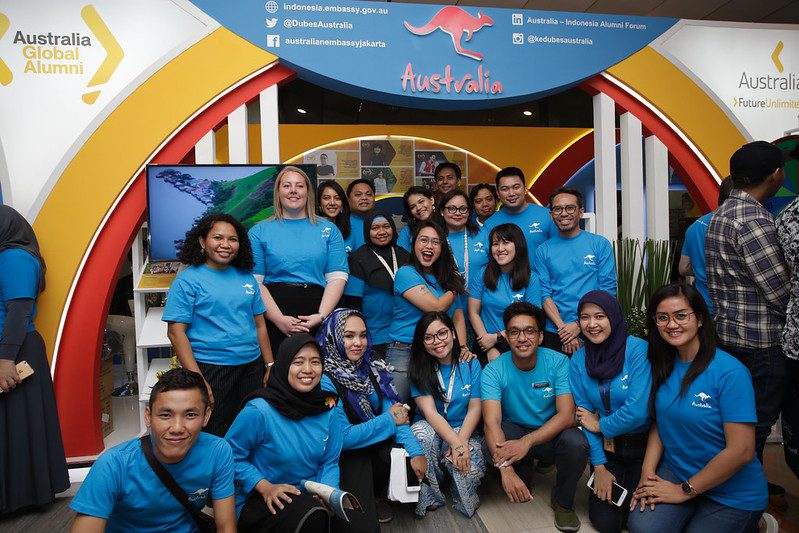
Australia Awards – Direct Aid Programs Impacting Millions

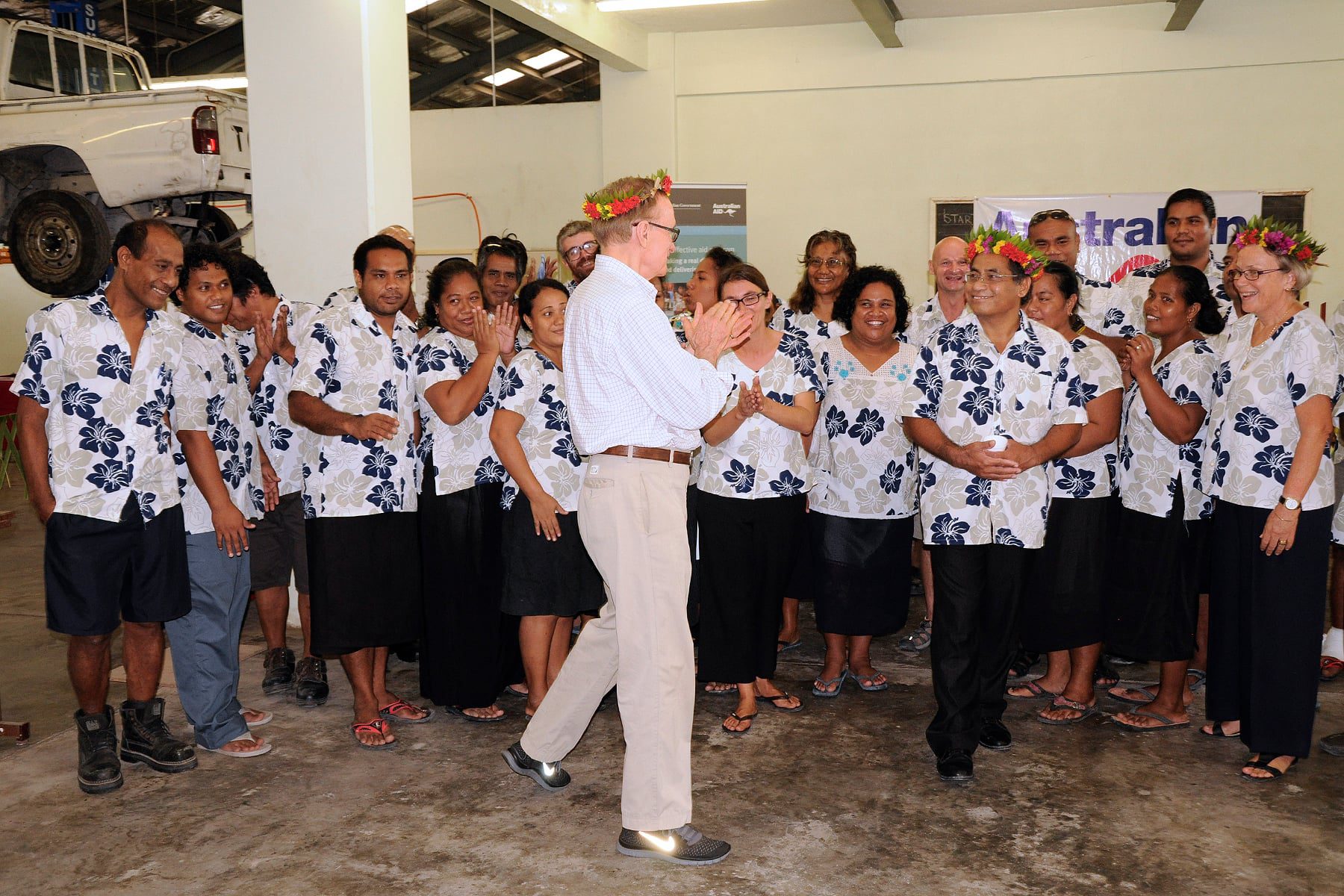
Australia AwardsAustralia has a yearly development budget of $4.96 billion, which is split between international scholarship programs, funding committed to development programs and specific, committed programs dedicated to assisting the progress developing countries make toward their development goals. However, here are some of the ways this budget is used to support developing countries around the world.

Australia Awards – Scholarships for Thousands

The Australia Awards are a scholarship program in Australia designed to recognize the achievements of individuals from underrepresented backgrounds. Australia has historically offered favorable opportunities for individuals seeking higher education in developing countries neighboring Australia. This is part of the agreement with Tuvalu, the Falepili Union, which includes the establishment of a visa allowing Tuvaluans to live, study and work in the country.

What makes the Australia Awards particularly impactful is the targeted nature of the Awards. Applications from often marginalized groups such as women and those with disabilities are encouraged. The Awards also target specific areas of study and the program, in particular, seeks to elevate those studying in fields such as education, tourism and engineering. Providing forward-thinking and relevant fields of study like this, especially in developing countries, allows thousands of individuals across the Pacific to access resources they may not have had the opportunity to come across otherwise.

Australia and the Indo-Pacific

A significant amount of Australia’s development budget is earmarked for Official Development Assistance (ODA). That said, ODA is only one of many ways the country assists the many countries impacted by its outreach. Australia is committed to helping many countries enact their specific development plans. One way these programs are effective is the way Australia is committed to assisting Tuvalu.

In 2023, the two countries announced the formation of the Falepili Union, which serves to strengthen the two-way partnership between the two countries. In a joint effort, Australia allocated $88 million to Tuvalu’s development budget. Out of this amount, $50 million was utilized for the construction of Tuvalu’s inaugural undersea telecommunications cable. This marks a significant milestone for a nation that has historically relied on the internet as a steady revenue stream.

Another example of work being done to extend aid to developing countries is Australia’s dedication to development in Southeast Asia. Australia allocated $1.3 billion ODA toward the region in 2023. Programs targeting specific initiatives such as the Australia-Indonesia Climate and Infrastructure Partnership (KINETIK) and the Aus4Adaptation initiative in Vietnam. Taking a position at the forefront of the development in countries shows that when economic powers commit to developing countries impactful change can be made.

In Summary

Providing educational grants to underrepresented communities and directly putting funding and resources in the pockets of local, boots-on-the-ground programs working to enact lasting change are just a few ways Australia’s Direct Aid Programs can impact millions around the world. This is just a glimpse into how the $4.96 billion Australian developmental budget can create a tangible impact.

– Malik Vega

Malik  is based in Miami, FL, USA and focuses on Good News for The Borgen Project.

Photo: Flickr
July 26, 2024
https://borgenproject.org/wp-content/uploads/borgen-project-logo.svg 0 0 Lynsey 2 https://borgenproject.org/wp-content/uploads/borgen-project-logo.svg Lynsey 22024-07-26 01:30:092024-07-25 07:07:28Australia Awards – Direct Aid Programs Impacting Millions
Business, Development, Economy, Entrepreneurship and Business, Global Poverty

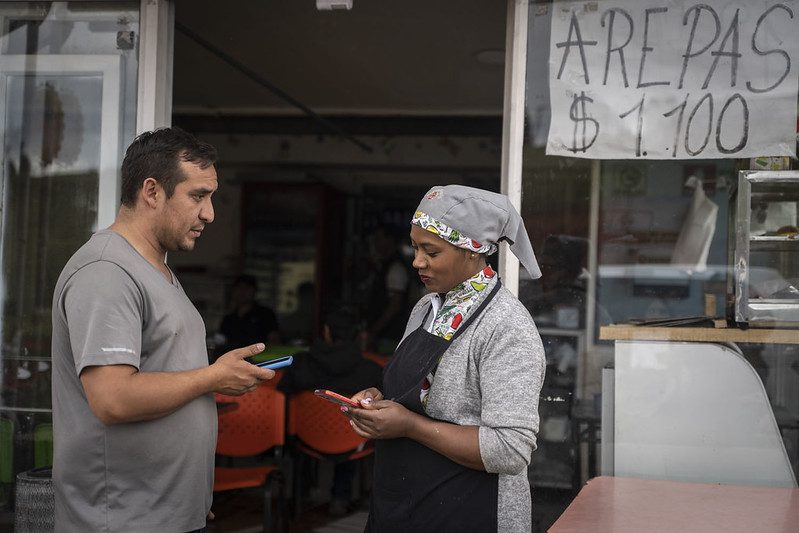
Social Enterprises in Colombia

Social Enterprises in ColumbiaColombia is witnessing a transformative wave of social enterprises addressing pressing social issues while generating employment and reducing poverty. These innovative businesses are tackling critical challenges such as waste management, economic inclusion and sustainable agriculture, all while creating jobs and improving the quality of life for many Colombians. 

Tackling Waste with Innovation

Conceptos Plásticos is a leading example of innovation in waste management and housing solutions. This enterprise transforms plastic waste into building materials for affordable housing. In 2018, Colombia produced approximately 14 million tons of municipal waste daily and only 17% is recycled. Conceptos Plásticos reduces plastic pollution, creates jobs and provides sustainable housing solutions for low-income families. The company has already built more than 1,500 homes using recycled plastic. By converting plastic waste into a valuable resource, Conceptos Plásticos significantly impacts both environmental sustainability and social welfare.

Promoting Economic Inclusion

Fundación Capital is another notable enterprise making strides in Colombia. This organization focuses on economic inclusion by offering financial education and digital tools to low-income individuals. In Colombia, approximately 30% of the population lives below the poverty line. Fundación Capital’s initiatives help individuals manage their finances and improve their livelihoods. The organization has reached more than six million people across Latin America with its programs. By empowering people with the knowledge and tools to achieve financial stability, Fundación Capital plays a crucial role in reducing poverty and promoting economic growth. The initiative highlights the importance of financial literacy in achieving long-term economic sustainability.

Advancing Sustainable Agriculture

SiembraViva, a Colombian social enterprise, addresses environmental sustainability and agricultural innovation. Agriculture accounts for about 6.3% of Colombia’s GDP, with many small farmers struggling to maintain sustainable practices. SiembraViva supports small farmers by providing technology and promoting sustainable farming practices. These ongoing efforts improve crop yields and reduce the environmental impact of agriculture. The enterprise has supported more than 1,000 farmers, reducing waste from 30% to 5% and guaranteeing farmers an income. By focusing on sustainable methods, SiembraViva helps ensure that farming practices contribute to long-term ecological health.

The Broader Impact

These social enterprises in Colombia illustrate the powerful role of entrepreneurship in driving social good. By tackling critical issues such as waste management, economic inclusion and sustainable agriculture, these social enterprises are creating jobs and improving the quality of life for many Colombians. Colombia’s unemployment rate, which stood at 11.3% in 2024, underscores the need for job creation initiatives. The innovative solutions provided by Conceptos Plásticos, Fundación Capital and SiembraViva demonstrate the potential of social enterprises to transform economies and uplift communities. As Colombia continues to support and nurture these initiatives, the positive impact on society is expected to grow, contributing to a more sustainable and inclusive future.

– Chelsea Rasool

Chelsea is based in Stirling, Scotland and focuses on Technology and Solutions for The Borgen Project.

Photo: Flickr

July 25, 2024
https://borgenproject.org/wp-content/uploads/borgen-project-logo.svg 0 0 Precious Sheidu https://borgenproject.org/wp-content/uploads/borgen-project-logo.svg Precious Sheidu2024-07-25 07:30:282024-07-26 05:14:51Social Enterprises in Colombia
Cultural Heritage, Development, Global Poverty

Challenges and Progress of the Ainu People in Japan

Challenges and Progress of the Ainu People in JapanJapan, renowned for its natural beauty and rich cultural traditions, is also home to the Ainu, an indigenous people native to the country’s northern regions. Traditionally, the Ainu inhabited northern Honshu, Japan’s main island, as well as Hokkaido, Sakhalin and the Kuril Islands, the latter two of which are still in a longstanding territorial dispute with the Russian Federation. Currently, most Ainu reside in Hokkaido.

Recognition and Rights of the Ainu

Despite their unique language and culture, the Ainu did not receive formal recognition from the Japanese government until 2008, when the Japanese Diet passed legislation acknowledging them as indigenous people. However, it took another 11 years until 2019 for the Ainu to gain recognition as the native people of Hokkaido.

Historically, past actions of the Empire of Japan during the Meiji Period from 1868 until 1912 made life very difficult for the Ainu and they are still recovering from the consequences at the moment. During this era, the government forbade the Ainu language in schools and banned its traditional hunting and fishing practices. These restrictions quickly marginalized the Ainu socially and economically. In an attempt at rectification in 1899, the government allocated land to the Ainu for farming, but the best farmlands in the region had already been stripped from the Ainu and given to Japanese settlers decades prior.

Economic and Social Advancements

Since the end of World War II, the lives of the Ainu have gradually improved. Organizations such as the Ainu Association of Hokkaido, formed by the Ainu in the 1940s, have strived to overcome the marginalized status of the Ainu. This includes environmental improvement projects and joint workshops in areas inhabited by the Ainu. 

In 2006, a study by the Hokkaido government suggested that the economic living conditions of the Ainu had improved. A decrease in the number of tax-exempt Ainu households in the region suggested that median income had increased amongst the Ainu. The study also revealed that the number of Ainu receiving government assistance had also declined. This meant that the income gap between the Ainu and Japanese peoples had also reduced. 

Educational Achievements and Challenges

In addition to economic improvement, the Ainu have also experienced improvements in access to education in recent years. In 1972, only 41.6% of Ainu attended high school compared to 78.2% amongst Japanese people. This number has significantly increased to 92.6% of Ainu attending high school in 2013. However, that is still behind the number of Japanese in high school at 98.6%. Similarly, the number of Ainu people attending college has risen from 8.8% in 1979 to 25.8% in 2013. While a great improvement, this falls well short of the 42% national average for college attendance.

Looking Ahead

Recent advancements have significantly improved the Ainu people’s economic conditions and access to education in Japan. Although progress is evident, disparities remain, with Ainu high school and college attendance rates still trailing national averages. Continued efforts are essential to close these gaps and ensure the Ainu community achieves full social and economic equality.

– Kaleb Boyer

Kaleb is based in Flint, MI, USA and focuses on Good News and Global Health for The Borgen Project.

Photo: Flickr

July 20, 2024
https://borgenproject.org/wp-content/uploads/borgen-project-logo.svg 0 0 Precious Sheidu https://borgenproject.org/wp-content/uploads/borgen-project-logo.svg Precious Sheidu2024-07-20 01:30:132024-07-19 03:13:16Challenges and Progress of the Ainu People in Japan
Development, Global Poverty, Sustainable Development Goals

An End to Global Poverty by 2030?

End to Global PovertyThe United Nations (U.N.) banded together in September 2015 to solve global problems through the Sustainable Development Agenda. This agenda created a universal call to action to end global poverty while simultaneously promoting peace and prosperity. The U.N.’s Sustainable Development Goal (SDG) list is long. Now, almost nine years later, it begs the question of whether it will meet its goal of ending poverty in all of its forms by 2030.

Good News for Global Problems

The 2030 Agenda for Sustainable Development is not solely focused on ending global poverty. In fact, of the 17 goals of the U.N.’s Sustainable Development, only goals 1 (no poverty), 7 (affordable and clean energy) and 8 (decent work and economic growth) aim to end global poverty and promote good economic decisions specifically. In general, the U.N. Sustainable Development Agenda aims to help countries worldwide achieve peace and financial stability. Renewable energy, wind power and crop rotation are examples of sustainable development practices used around the world. Sustainable development is a critical part of poverty reduction because it ensures longevity in developing countries.

The UN’s Sustainable Development Agenda

The U.N. is an international organization focused on relief and humanitarian aid. Since October 24, 1945, the U.N. has provided philanthropic assistance and promoted international peace. Sustainable Development originated in 1972 at the U.N. Conference on the Human Environment, led by Maurice Strong. The 1987 Brundtland Report, “Our Common Future,” and the Earth Summit Conference in 1992 sparked interest in Sustainable Development. Predictably, when the Sustainable Development Agenda was introduced, it was unanimously adopted by every U.N. Member State back in 2015. Sustainable Development combines the idea of environmentally and economically safe Development for developing countries.

Reaching Sustainable Development Goals

The U.N. has been committed to addressing global poverty through sustainable development despite unaccounted-for economic fragility, climate and health emergencies. Despite these setbacks, sustainable development has improved in the past nine years, with critical improvements in access to electricity and clean water and increased immunity to certain diseases. Notably, global access to electricity rose to more than 90% in 2021 from 87% in 2015. Similarly, 74% of the world’s population has access to safely managed drinking water, compared to only 70% in 2015.

Although progress on the goals stalled, the U.N., through the 2023 SDG Summit, has reignited hope and optimism in member states about achieving the 2030 Agenda. The summit served as a crucial platform for renewing commitments, sharing innovative strategies and fostering international cooperation to overcome the challenges impeding progress. By bringing together diverse stakeholders, including governments, nongovernmental organizations and the private sector, the U.N. aims to accelerate actions and ensure that the ambitious targets of the SDGs are met.

– Audrey Deras

Audrey is based in Clayton, NC, USA and focuses on Good News and Global Health for The Borgen Project.

Photo: Flickr

July 16, 2024
https://borgenproject.org/wp-content/uploads/borgen-project-logo.svg 0 0 Lynsey 2 https://borgenproject.org/wp-content/uploads/borgen-project-logo.svg Lynsey 22024-07-16 07:30:122024-07-16 00:55:39An End to Global Poverty by 2030?
Development, Education, Global Poverty

The Luminos Fund’s Second Chance Program

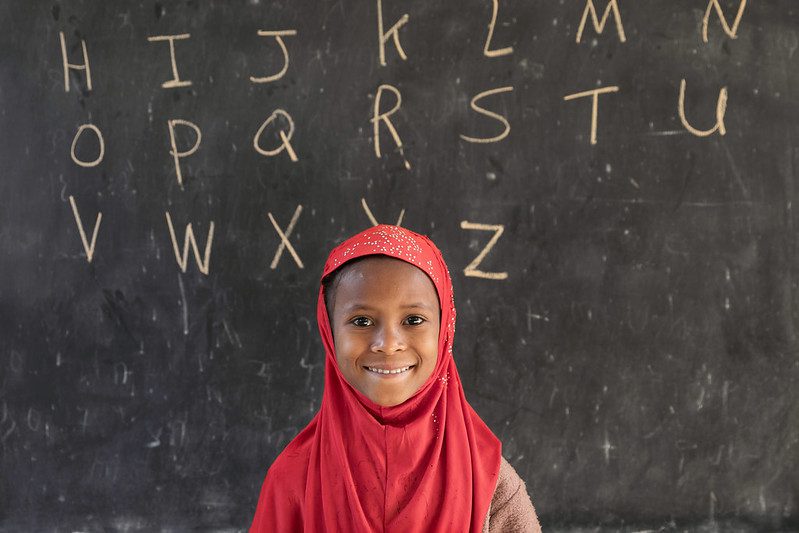
Luminos Fund's Second Chance ProgramThe Luminos Fund’s Second Chance program achieved significant success in Ethiopia, providing accelerated learning opportunities to more than 10,000 out-of-school children affected by COVID-19 and internal conflicts. This initiative, renowned for its innovative, child-centered teaching methods, compresses multiple years of curriculum into one, facilitating rapid reintegration into mainstream education. It addresses urgent educational gaps exacerbated by disruptions, emphasizing holistic child development alongside robust emotional and social support frameworks.

The Second Chance Program

Recent studies demonstrate significant improvements in literacy and numeracy among program participants. For example, a study conducted by the Ethiopian Ministry of Education found that children enrolled in the Second Chance program showed notable progress in their academic skills. Children who participated in the program “outperformed other students by an average of 10% across math, English and the local language (Sidama).”

Hana’s story epitomizes the transformative impact of the Second Chance program. Despite missing two years of schooling due to the pandemic, Hana not only caught up with her peers but also excelled academically. She had become a top-performing student in her class, inspiring her community and demonstrating the program’s effectiveness in restoring educational opportunities to disadvantaged children.

The Education and Life Skills Program

Moreover, World Vision Ethiopia’s Education and Life Skills (EdLS) Program is dedicated to improving developmental outcomes for children in targeted communities. It focuses on enhancing literacy skills, supporting early learning and ensuring readiness for primary education among children aged 7-14.

Throughout 2023, the program was active across 34 Area Programmes (APs), implementing three distinct project models: Learning Roots (LR) in 21 APs, Basic Education Programme (BEP) in 19 APs and Unlock Literacy (UL) in 19 APs, all aimed at achieving these crucial outcomes. With an investment surpassing $4.9 million, the EdLS positively impacted approximately 294,000 children, with a strong emphasis on benefiting more than 150,000 girls.

This significant investment underscores the program’s commitment to enhancing the educational quality and fostering a supportive learning environment, ultimately contributing to long-term educational and social development in these communities.

The Impact of the Programs

The success of the Second Chance and the EdLS programs extend beyond individual achievements to encompass community-wide benefits and offer inspiration to other organizations for a domino effect. Active community involvement and engagement have been integral to the sustainability and impact of the Second Chance and the EdLS programs. Local stakeholders, including parents, teachers and community leaders, play a vital role in supporting children’s educational journey and fostering a conducive learning environment.

The Luminos Fund’s Second Chance program in Ethiopia exemplifies the transformative potential of targeted educational interventions. By equipping disadvantaged children with essential academic skills and comprehensive support systems, the program not only addresses immediate educational challenges but also cultivates long-term resilience and prosperity within communities. Through rigorous academic studies and compelling success stories like Hana’s, the program underscores the critical role of education in empowering children and building a brighter future for Ethiopia’s next generation.

– Demi Olin

Demi is based in Huntington, WV, USA and focuses on Good News for The Borgen Project.

Photo: Flickr

July 16, 2024
https://borgenproject.org/wp-content/uploads/borgen-project-logo.svg 0 0 Lynsey 2 https://borgenproject.org/wp-content/uploads/borgen-project-logo.svg Lynsey 22024-07-16 01:30:472024-07-15 05:01:53The Luminos Fund’s Second Chance Program
Agriculture, Development, Global Poverty

Boosting Sustainable Agriculture in Rural North Macedonia

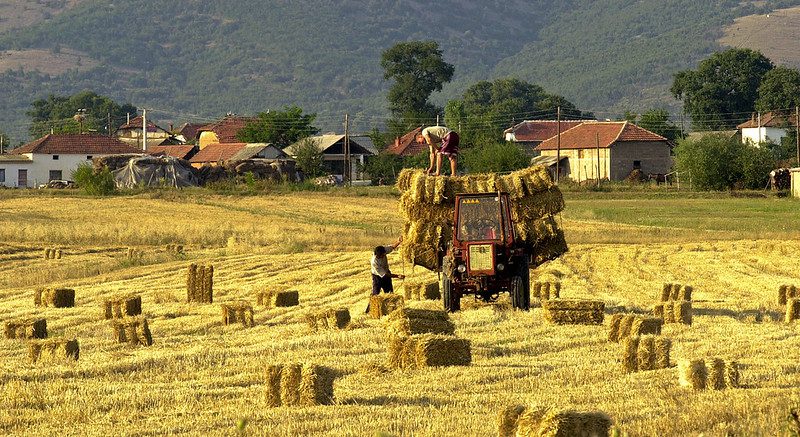
Sustainable Agriculture in Rural North MacedoniaAgriculture is a key part of North Macedonia’s economy, with agribusiness accounting for 7.1% of its gross domestic product (GDP). The country is leading in its exports of tobacco and wine, as well as fresh and preserved fruits and vegetables. However, challenges with water deficit, drought and changing climatic conditions constrain North Macedonia’s growing agriculture sector.

North Macedonia has the immediate opportunity to design and implement green policies, which can increase the resilience of its agriculture sector. The development of agricultural production in North Macedonia is crucial, given its importance for the economy and jobs. Here are some of the key strategies boosting sustainable agriculture in rural North Macedonia.

Crop Yields and Quality

Sustainable farming practices such as organic farming and crop rotation can improve soil health and increase crop yields. By embracing these farming methods and minimizing the use of chemicals, farmers can ensure soil quality and promote environmental sustainability. Organic crop production is an emerging sector in North Macedonia, although there is significant room for improvement. In addition to enhancing crop production both in quality and quantity, organic farming can create the potential for agrotourism and connect agricultural production in North Macedonia with foreign markets.

Furthermore, embracing practices such as agroforestry and integrating animal production with crop production allows the diversification of income sources for farmers. This can reduce risk, enhance food security and potentially lead to increased welfare and economic stability.

Enhancing Water Efficiency

Drip irrigation and rainwater harvesting are water conservation methods that can ensure the adequate hydration of crops without depleting water resources. The North Macedonian agribusiness has been focused on identifying sustainable practices for pest control and disease management while also improving irrigation systems and developing crops that are better suited to local conditions. This is crucial for maintaining agricultural productivity, as water scarcity is one of the main factors that is negatively impacting sustainable agriculture in North Macedonia.

Accessing New Markets

As sustainable farming meets the market demands of organic and fair-trade food standards, farmers can tap into new markets both locally and internationally, increasing their earnings. This was achieved through cooperation with Coop, one of the largest supermarket chains in Switzerland. The Swiss support for organic production allowed North Macedonia to export its products and boost its economy.

Agricultural cooperatives encourage farmers to share resources and collectively market their products, which enhances community cohesion and economic resilience. The Macedonian Association of Agricultural Cooperatives (MAAC) and the Support to Development of Agriculture Cooperatives project provide success stories of community cooperation initiatives where farmers develop opportunities for investment, growth and collaboration.

Attracting Youth to Agriculture

Innovative and sustainable farming can make agriculture more appealing for young people, which helps ensure the future of farming communities. Innovative solutions such as the use of drones, satellite imaging and soil sensors are being increasingly embraced to optimize resource allocation and improve crop production, increasing agricultural productivity and reducing waste. Additional successful projects included innovative climate-smart agriculture (CSA) technologies, which the Food and Agriculture Organization (FAO) has implemented, helping improve productivity, competitiveness, sustainability and resilience.

As North Macedonia embraces sustainable agriculture to revitalize its rural areas, the National Strategy for Agriculture and Rural Development 2021-2027 offers a hopeful vision for the future. This initiative not only supports the transition to climate-smart and ecofriendly farming practices but also aims to support rural communities’ economic resilience. By meeting these national goals, sustainable farming has the potential to drive significant positive change in North Macedonia.

– Ilgın Özkul

Ilgın is based in London, UK and focuses on Business and New Markets for The Borgen Project.

Photo: Flickr

July 16, 2024
https://borgenproject.org/wp-content/uploads/borgen-project-logo.svg 0 0 Lynsey 2 https://borgenproject.org/wp-content/uploads/borgen-project-logo.svg Lynsey 22024-07-16 01:30:472024-07-15 05:22:22Boosting Sustainable Agriculture in Rural North Macedonia
Agriculture, Development, Global Poverty

How Green Finance is Reducing Poverty in Southeast Asia

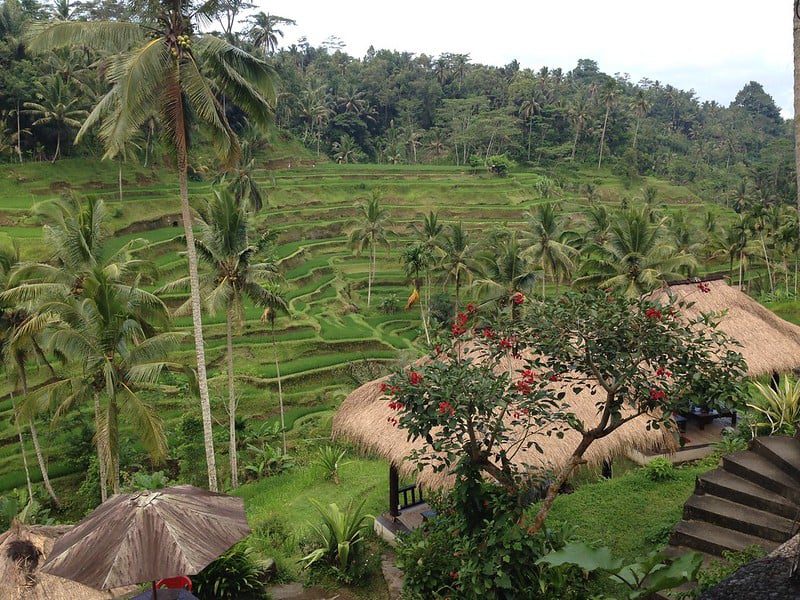
Poverty in Southeast AsiaGreen finance involves financial investments into sustainable development projects, such as renewable energy initiatives and eco-friendly infrastructure developments that aim to minimize environmental risks, promote sustainability and also help to reduce poverty in Southeast Asia. In Southeast Asia, sustainable development is reflected through various national and regional initiatives, including the ASEAN Catalytic Green Finance Facility (ACGF) and the Asian Development Bank (ADB).

Renewable Energy Initiatives

Renewable energy projects are a major part of green finance in Southeast Asia. These projects create long-term energy from renewable sources. They reduce carbon emissions, create jobs and promote energy security, such as expanding solar farms in the Philippines. The country has used its abundance of sunlight to develop large-scale solar farms. These projects are supported by green finance mechanisms that attract investments from both public and private sectors.

Sustainable Agriculture

Sustainable agriculture is another area where green finance is making an impact. Projects that promote eco-friendly farming practices and support small-scale farmers help improve food security and livelihoods but also reduce environmental degradation and climate change. In countries like Vietnam and Thailand, green finance initiatives have included organic farming, agroforestry and sustainable technologies.

Solar Farms in the Philippines

The Philippines has become a leading influence in solar energy development in Southeast Asia. The country’s solar farms, such as the Cadiz Solar Power Plant, are great examples of successful green projects. The Cadiz Solar Power Plant, one of the largest in Southeast Asia, has a capacity of 132.5 megawatts and provides clean energy to more than 167,000 households. By providing reliable and affordable energy, these projects were able to improve the quality of life in rural areas, where access to electricity was limited. Additionally, with the amount of construction and maintenance of solar farms, numerous jobs were created, contributing to local economic development.

Eco-Friendly Infrastructure in Indonesia

Indonesia has also made strides in green finance for sustainable infrastructure development. Its focus is creating an eco-friendly environment with projects like the Green Bond Initiative, which finances green buildings, waste management systems and sustainable transport solutions. The Greater Jakarta Light Rail Transit (LRT), one of the projects, is the development of eco-friendly public transportation systems in Jakarta. The goal is to reduce traffic congestion and lower carbon emissions. The Green Bond Initiative in Indonesia has not only attracted investments but also generated employment opportunities and improved urban living conditions, reducing poverty in Southeast Asia. 

Sustainable Fisheries in Brunei

Brunei has implemented initiatives aimed at conserving marine biodiversity while trying to protect fishing communities. By promoting responsible fishing practices and investing in sustainable technologies, these projects ensure the long-term availability of marine resources. Financial support from green finance initiatives enables small-scale fishers to adopt sustainable methods, securing their livelihoods and improving food security. The ASEAN Catalytic Green Finance Facility (ACGF) supports such initiatives, providing funding and technical assistance to these projects. 

Project Selection Criteria

The selection of these projects is based on their potential environmental and socio-economic benefits. Renewable energy projects, such as solar farms, are chosen to provide clean energy, reduce greenhouse gas emissions and create jobs. Sustainable agriculture projects are selected for their capacity to enhance food security, promote sustainable farming practices and improve people’s livelihoods.

Implementation and Impact

The implementation of green finance projects in Southeast Asia involves project planning, financing and monitoring. Financial institutions, such as the ADB and the World Bank, provide technical assistance and funding to support the execution of these projects. The involvement of local communities is also crucial for varying reasons from gaining support to extra financing. 

Green finance is becoming a crucial part of poverty reduction in Southeast Asia by creating jobs, improving access to essential services and improving the economy. Investments in renewable energy, sustainable agriculture and eco-friendly infrastructure are providing numerous employment opportunities, increasing incomes and reducing the cost of living. As Southeast Asia continues to develop sustainably, its future potentially looks greener.

– Danica Lourdu Nelson

Danica is based in Parker, CO, USA and focuses on Technology and Solutions for The Borgen Project.

Photo: Flickr

July 11, 2024
https://borgenproject.org/wp-content/uploads/borgen-project-logo.svg 0 0 Precious Sheidu https://borgenproject.org/wp-content/uploads/borgen-project-logo.svg Precious Sheidu2024-07-11 03:00:112024-07-11 01:28:45How Green Finance is Reducing Poverty in Southeast Asia
Developing Countries, Development, Global Poverty, NGOs, Nonprofit Organizations and NGOs

Nongovernmental Organizations Operating in Kiribati

Nongovernmental Organizations Operating in KiribatiThe United Nations (U.N.) currently lists Kiribati as a Least Developed Country (LDC). The U.N. defines an LDC as one that requires significant international aid to assist its development. This designation is based on three main criteria: an average income below $1,080, a low score on the Human Asset Index, an index designed to assess multiple factors in a country’s education and health outcomes and a high score on the Economic and Environmental Vulnerability Index. Additionally, the designation must be accepted by the country.

Kiribati has made significant strides in its goal of graduating from this distinction and meeting the economic threshold. However, concerns exist regarding its ability to survive independently without the support of the U.N. Situations like this are when the efforts of NGOs become crucial. With volunteer efforts working within Kiribati on a daily basis to provide its citizens with critical, potentially life-saving information, Kiribati can, in turn, place a greater emphasis on not only meeting its goal of graduation but on progressing the country’s development in order to continue the positive strides it has already made.

Nongovernmental Organizations Operating in Kiribati

The impact of nongovernmental organizations (NGOs) can be felt worldwide. In developing countries like Kiribati, homegrown efforts often arise to make drastic strides in the fight for good. Here are seven nongovernmental organizations operating in Kiribati.

KANGO

The Kiribati Association of NGOs (KANGO) helps to enact the Kiribati Vision 20 plan, a 20-year development program for the betterment of the islands. One way it does this is via one of the many workshops it holds on the island. In these workshops, participants are first educated about the Kiribati Vision 20 plan. The plan is a blueprint for the country’s long-term development goals and the U.N.’s sustainable development goals (SDGs) for Kiribati.

After the lecture, participants participated in activities, including weaving, sewing and making local handicrafts. Though it may seem pedestrian on the surface, learning to craft in this manner helps the community achieve Kiribati’s SDGs by allowing even the unemployed to contribute to the economy.

ICAAD

The International Center for Advocates Against Discrimination (ICAAD) is an advocacy group working within Kiribati to support marginalized communities on the islands. These include the indigenous peoples of Rabi island, the Banaban people. A primary goal of the ICAAD is to ensure that the voices of the native population are heard. Methods it uses to achieve this goal include artivism projects and interviews with members of the population. Highlighting and elevating the stories of these groups serves to pass on their memories and traditions to future generations, a value that can’t be calculated on a chart.

KFHA

The Kiribati Family Health Association (KFHA) works to provide crucial information and resources regarding family planning and sexual health. In addition to this, it advocates for social justice programs for marginalized groups across Kiribati. By hosting programs relating to reproductive health, critical information can be delivered to those in need of it. The most marginalized communities can receive the tools needed to thrive in times of crisis.

KTU

The Kiribati Teachers Union advocates on behalf of teachers across the islands. Providing a voice for a sector of society that is all too often overlooked, the KTU serves as an organization that can organize, negotiate and advocate on behalf of teachers across the islands. In addition, there are also separate wings of the union, including one dedicated to improving conditions for women teachers and one dedicated to those younger than 35.

Teitoiningaina

Teitoiningaina is a group dedicated to providing women on the island with crucial knowledge and resources regarding subsistence methods. Due to scarce water availability, many in Kiribati rely on water tanks for daily subsistence. In these workshops hosted by Teitoiningaina, composting techniques are among the methods taught to produce greater yields of crops. Attendees are given the ability and knowledge to better provide for their families.

KiriCAN

The Kiribati Climate Action Network (KiriCAN) is an NGO dedicated to raising awareness of the nation’s unique climate struggles. Given the Island’s location, climate and weather concerns are often crucial to its development. Mitigating the potential issues faced by its remoteness is key to the Island’s prosperity. Kirican has a long history of cleanup efforts and educational programs and its efforts to advocate for the planet are well appreciated.

Lifebox Foundation

The Lifebox Foundation, an NGO dedicated to distributing lifesaving medical equipment across the world, has a branch focused on Oceania that operates in Kiribati. Its initial goal was to distribute Pulse Oximeters to underserved communities. Though it has since expanded from this initial goal during the COVID-19 pandemic, the Lifebox Foundation demonstrated that this was still a crucial point of its operation.

Pulse oximeters are critical to COVID-19 relief efforts, as a potentially life-threatening symptom of the disease is Hypoxia or an absence of oxygen in the blood. The best tool to detect this lack of oxygen is a pulse oximeter. During the relief efforts, the Lifebox Foundation distributed more than 100 pulse oximeters to medical centers across Oceania, including Kiribati. The help of the Lifebox Foundation was key in such a critical time for Kiribati. Without it, many patients would have been left without this crucial piece of lifesaving kit.

Final Remark

These are just a few ways NGOs can impact the local Kiribati community by directly targeting key issues in the island nation. By addressing these issues on a community level, Kiribati can see its broader goals met in due time. Suppose the finish line is graduating from the LCD status. In that case, nongovernmental organizations operating in Kiribati will be the fuel needed to propel the country to its development goals.

– Malik Vega

Malik is based in Florida, USA and focuses on Good News for The Borgen Project.

Photo: Wikimedia Commons

July 10, 2024
https://borgenproject.org/wp-content/uploads/borgen-project-logo.svg 0 0 Lynsey 2 https://borgenproject.org/wp-content/uploads/borgen-project-logo.svg Lynsey 22024-07-10 03:00:242024-12-13 18:03:13Nongovernmental Organizations Operating in Kiribati
Development, Global Poverty, Technology

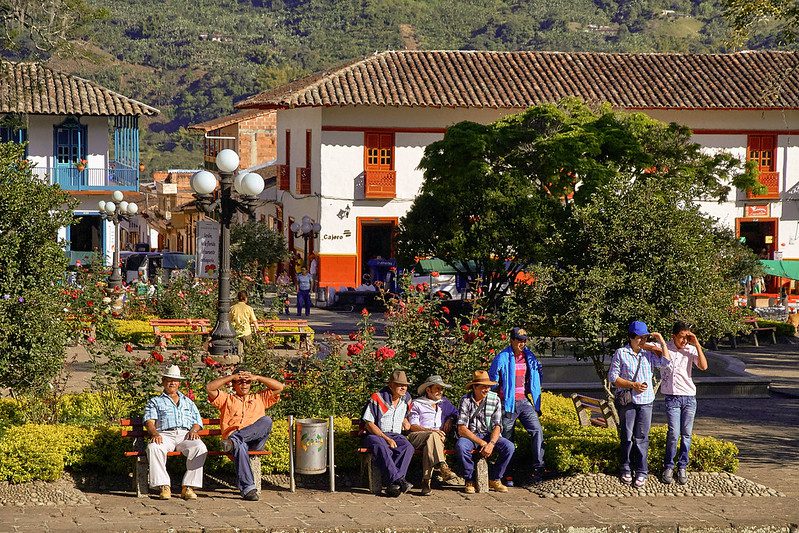
Colombia’s Digital Divide: Internet Access Opens up Opportunities

Colombia’s Digital DivideColombia’s digital divide represents a significant barrier to economic development, especially in rural areas. While urban regions enjoy robust internet infrastructure, rural Colombia often remains disconnected. Only 16.2% of people in rural regions have internet access, compared to 63% in urban regions. This hinders access to information, education and economic opportunities, perpetuating cycles of poverty. Bridging this divide through targeted initiatives can unlock transformative potential, fostering digital inclusion that lifts communities out of poverty.

The Digital Divide in Colombia

Colombia faces significant disparities in internet access between urban and rural areas. Urban centers typically have better internet infrastructure and higher rates of connectivity. In contrast, rural communities often lack access to reliable internet services. This digital inequality exacerbates existing socioeconomic inequalities. The lack of access limits opportunities for rural residents to participate in the digital economy and access essential services such as education, health care and financial resources.

Limited internet access directly impacts economic opportunities. Without reliable connectivity, rural residents face barriers to accessing online job opportunities. They are unable to market their products and services and engaging in e-commerce. This hampers entrepreneurship and economic growth in rural areas, perpetuating cycles of poverty and inequality.

Internet Access and Economic Opportunities

Internet access opens up new avenues for rural entrepreneurs to sell their products and reach a broader market. Online platforms and marketplaces enable farmers, artisans and small businesses to showcase their goods. Accessing the internet allows sellers to connect with customers beyond their local communities. By expanding market access, e-commerce empowers rural entrepreneurs to increase sales and generate higher incomes, thereby contributing to poverty alleviation.

Government Initiatives and Digital Inclusion

The Colombian government has recognized the importance of bridging the digital divide and promoting digital inclusion as a means of fostering economic development and reducing poverty. One such initiative is the Computadores para Educar (CPE) program, which included setting up free public WiFi hotspots at community centers. Previously, the Vive Digital program provided access to computers, photocopiers, scanners, telephones, digital training and affordable internet through 7,000 digital kiosks.

In addition to infrastructure development, the Colombian government has implemented digital literacy programs to enhance digital skills and knowledge among rural residents. For instance, in 2009, the Ministry of Information Technologies and Communications (MinTIC) funded the Citizen Digital Certification program. These programs provide training in basic computer skills, internet usage and online safety, empowering individuals to navigate the digital world effectively. By equipping rural residents with the necessary digital skills, these initiatives enable them to fully participate in the digital economy and access economic opportunities online.

Final Remark

Internet access is a powerful tool for unlocking economic opportunities and reducing poverty in rural Colombia. By bridging Colombia’s digital divide and promoting digital inclusion, rural communities can tap into the vast potential of the digital economy, including e-commerce, remote work and freelancing. Government initiatives such as the CPE program and digital literacy programs play a crucial role in expanding internet access and empowering rural residents to harness the benefits of the digital age. By leveraging technology to overcome geographical barriers and foster economic empowerment, Colombia can build a more inclusive and prosperous future for all its citizens.

– Jennifer Lee

Jennifer is based in Toronto, ON, Canada and focuses on Good News and Technology for The Borgen Project.

Photo: Flickr

July 9, 2024
https://borgenproject.org/wp-content/uploads/borgen-project-logo.svg 0 0 Lynsey 2 https://borgenproject.org/wp-content/uploads/borgen-project-logo.svg Lynsey 22024-07-09 03:00:342024-07-09 03:13:57Colombia’s Digital Divide: Internet Access Opens up Opportunities
Development, Global Poverty, Slums

An Innovative Solution to the Housing Crisis in Ghana

An Innovative Solution to the Housing Crisis in GhanaGhana, located on West Africa’s Gulf of Guinea and home to approximately 30.8 million people, faces significant challenges with multidimensional poverty and a notable housing crisis. According to a 2020 report by the United Nations Development Programme (UNDP), 45.6% of the population or about 13 million people, experience severe deprivation in various aspects of their lives, including inadequate housing. This index highlights the complex nature of poverty beyond mere income levels, illustrating the broad array of hardships, particularly in housing, that affect the daily lives of millions in Ghana.

The Ongoing Housing Crisis

While Ghana has made strides in addressing its housing crisis, the problem persists. In 2021, the Center for Affordable Housing Finance in Africa reported a 33% decrease in housing deficits, from 2.8 million units in 2010 to 1.8 million. This reduction has been largely driven by a real estate boom and a 72.8% increase in residential construction. However, despite these improvements, many Ghanaians still face inadequate living conditions. In 2020, the United Nations (U.N.) identified that 8.8 million people were living in slums, highlighting the ongoing challenge of ensuring access to safe and sanitary housing for all citizens.

Innovative Solutions by Eric Kwaku Gyimah

Eric Kwaku Gyimah, an innovator from Eastern Ghana and one of 17 siblings, founded IWoodz Creation to address Ghana’s housing crisis. Utilizing discarded shipping containers, Gyimah transforms these structures into stylish and comfortable living spaces. Initially intended to create pet-friendly homes, his project evolved to focus on providing affordable housing solutions for people. He told Al Jazeera, “I settled on repurposing shipping containers, typically discarded after their maritime service life, into chic and comfortable living spaces for people to live in.” Gyimah’s approach not only recycles materials but also offers a creative solution to the pressing need for housing in his community.

Cost Efficiency and Expanding Impact

Eric Kwaku Gyimah is revolutionizing Ghana’s housing market with his innovative approach to building homes. According to the Ghana Real Estate Developers Association, traditional brick-and-mortar homes in the country typically cost between $50,000 and $70,000. In contrast, Gyimah’s container homes are significantly more affordable, with simpler models priced between $7,000 and $10,000 and more elaborate designs up to $35,000. His most expensive model is still $15,000 cheaper than the least expensive traditional home. Beyond creating 52 homes, Gyimah is also adapting shipping containers for offices and other commercial spaces. This initiative not only offers a sustainable solution to Ghana’s housing crisis but also demonstrates how innovative, low-cost housing could significantly impact the economy.

Looking Ahead

Ghana’s ongoing housing crisis necessitates innovative solutions to meet the needs of its population. Eric Kwaku Gyimah’s approach of transforming discarded shipping containers into affordable homes offers a sustainable and economical alternative to traditional housing. This initiative, along with increased efforts in residential construction, can potentially improve living conditions for many Ghanaians. As these ongoing solutions continue to develop, they promise to address the severe housing shortages and provide more secure and adequate housing for the nation’s residents.

– Tess Curran

Tess is based in Boston, MA, USA and focuses on Technology and Solutions for The Borgen Project.

Photo: Flickr

July 7, 2024
https://borgenproject.org/wp-content/uploads/borgen-project-logo.svg 0 0 Precious Sheidu https://borgenproject.org/wp-content/uploads/borgen-project-logo.svg Precious Sheidu2024-07-07 01:30:292024-07-09 01:32:32An Innovative Solution to the Housing Crisis in Ghana
Page 20 of 163«‹1819202122›»

Get Smarter

  • Global Poverty 101
  • Global Poverty… The Good News
  • Global Poverty & U.S. Jobs
  • Global Poverty and National Security
  • Innovative Solutions to Poverty
  • Global Poverty & Aid FAQ’s
Search Search

Take Action

  • Call Congress
  • Email Congress
  • Donate
  • 30 Ways to Help
  • Volunteer Ops
  • Internships
  • Courses & Certificates
  • The Podcast
Borgen Project

“The Borgen Project is an incredible nonprofit organization that is addressing poverty and hunger and working towards ending them.”

-The Huffington Post

Inside The Borgen Project

  • Contact
  • About
  • Financials
  • President
  • Board of Directors
  • Board of Advisors

International Links

  • UK Email Parliament
  • UK Donate
  • Canada Email Parliament

Get Smarter

  • Global Poverty 101
  • Global Poverty… The Good News
  • Global Poverty & U.S. Jobs
  • Global Poverty and National Security
  • Innovative Solutions to Poverty
  • Global Poverty & Aid FAQ’s

Ways to Help

  • Call Congress
  • Email Congress
  • Donate
  • 30 Ways to Help
  • Volunteer Ops
  • Internships
  • Courses & Certificates
  • The Podcast
Scroll to top Scroll to top Scroll to top