• Link to X
  • Link to Facebook
  • Link to Instagram
  • Link to TikTok
  • Link to Youtube
  • About
    • About Us
      • President
      • Board of Directors
      • Board of Advisors
      • Financials
      • Our Methodology
      • Success Tracker
      • Contact
  • Act Now
    • 30 Ways to Help
      • Email Congress
      • Call Congress
      • Volunteer
      • Courses & Certificates
      • Be a Donor
    • Internships
      • In-Office Internships
      • Remote Internships
    • Legislation
      • Politics 101
  • The Blog
  • The Podcast
  • Magazine
  • Donate
  • Click to open the search input field Click to open the search input field Search
  • Menu Menu

Archive for category: Development

Information and stories on development news.

Developing Countries, Development, Global Poverty

The Togolese-German Program: Togo’s Path to Development

The Togolese-German ProgramTogo’s political history has impeded the country’s democratic aspirations. The recent parliamentary approval to extend President Faure Gnassingbé’s term, following his father’s 38-year rule, has heightened tensions. However, the government is transitioning from a presidential to a parliamentary system. This promises an end to decades of dictatorship and fosters opportunities for progress.

According to the United Nations Human Development Index (HDI), Togo is one of the most impoverished countries globally. Years of autocratic rule have exacerbated corruption and hindered development. Amid these challenges, Togo’s move toward democratization is reflected in its new partnership with the German Federal Ministry for Economic Cooperation (BMZ).

The Togolese-German Program

This collaboration aims to achieve food security and provide job opportunities. Initiatives include loan programs, infrastructure funding for rural roads and vocational training programs, such as motor vehicle mechanics courses. The aim is to attract private investment and boost the economy.

The Togolese-German program focuses on creating jobs suited to the local market and attracting private investors. Vocational training, including motor vehicle mechanics courses, equips young people with skills to repair motorcycles and engines. Recognizing agriculture’s economic potential, the BMZ program supports the sector with school-based and industry-based training in six cities, enhancing skills nationwide.

Ensuring Food Security While Expanding Opportunities

Agriculture is vital to Togo’s economy. However, it remains largely traditional, with widespread poverty in rural areas driving youth to cities due to limited job prospects. To address this, Germany supports improving key agricultural value chains like coffee, cocoa and fruit through tailored farmer training, which boosts yields, reduces costs and creates income opportunities.

Efforts also include developing financial products for smallholders, improving rural infrastructure and enhancing national food security under the “Transformation of Agricultural and Food Systems” initiative. From 2012 to 2020, more than 80,000 farmers received training, leading to increased incomes for most, the creation of thousands of jobs and significant improvements in food security and rural infrastructure.

Enhancing Local Infrastructure and Services

Germany is focused on strengthening local infrastructure and services in Togo by enhancing public service delivery, increasing municipal revenues and promoting civic participation. Efforts include supporting the construction of markets, town halls and citizens’ affairs offices, modernizing civil registration and training municipal workers.

These initiatives empower local communities, ensure more responsive governance and provide citizens with better access to essential services. As a result, millions of Togolese now benefit from improved public services, active participation in community development and greater access to education through streamlined civil registration processes.

Final Remark

Germany is committed to empowering local communities in Togo by improving infrastructure, enhancing public services and promoting civic participation. These efforts ensure better governance, increased municipal revenue and greater access to essential services, benefiting millions of citizens nationwide.

– Lydie Udofia

Lydie is based in London, UK and focuses on Global Health for The Borgen Project.

Photo: Flickr
August 14, 2024
https://borgenproject.org/wp-content/uploads/borgen-project-logo.svg 0 0 Lynsey 2 https://borgenproject.org/wp-content/uploads/borgen-project-logo.svg Lynsey 22024-08-14 03:00:002024-08-14 01:30:02The Togolese-German Program: Togo’s Path to Development
Development, Economy, Global Poverty

Singapore’s Social Safety Net: A Blueprint for Reducing Poverty

Singapore’s Social Safety NetSingapore, often hailed as an economic miracle, boasts a diverse economy that has propelled the nation to high-income status. Additionally, the country’s financial landscape is distinguished by a blend of globally leading industries, including manufacturing, services and emerging sectors. Manufacturing, a cornerstone of Singapore’s economy, spans electronics, chemicals and biomedical sciences. Furthermore, it contributes significantly to gross domestic product (GDP) and employment.

Meanwhile, the services sector encompasses finance, insurance, tourism and, more recently, data hosting and digital services. The sector has made Singapore a hub for innovation and business. This diversity is a critical factor in Singapore’s resilience. Additionally, it has enabled the country to weather global economic fluctuations and adapt to new trends, such as digital transformation and green technologies. The government’s strategic investments in education, research and infrastructure have further bolstered the economy’s adaptability, ensuring sustainable growth and job creation.

Singapore’s Social Safety Net

Singapore’s approach to social welfare is built on a unique social compact designed to provide opportunities for all citizens, regardless of background. This compact is underpinned by five pillars: asset building, education, health care, housing and employment. These pillars form a robust safety net that protects vulnerable groups, promoting social mobility and financial security.

  • Education: Education is a cornerstone of Singapore’s social policy. Indeed, it reflects the belief that education is a key driver of economic mobility. The government invests heavily in education at all levels, ensuring access to quality schooling and lifelong learning opportunities. Initiatives like SkillsFuture encourage citizens to upgrade their skills continuously, keeping pace with the evolving job market. This emphasis on education equips Singaporeans with the knowledge and skills necessary to thrive in a competitive global economy.
  • Health Care: Singapore’s health care system is renowned for its efficiency and accessibility. The government employs a multi-tiered approach to health care financing, combining personal responsibility with state support. This approach ensures all citizens have access to basic health care services. Programs like MediShield Life and the Community Health Assist Scheme (CHAS) help alleviate the financial burden of medical expenses, particularly for the elderly and lower-income groups. Furthermore, this guarantees that no Singaporean is denied health care due to monetary constraints, contributing to a healthy and productive population.
  • Housing: Homeownership is another key pillar of Singapore’s social safety net. The government’s public housing program, managed by the Housing & Development Board (HDB), provides affordable residences for most Singaporeans. Subsidies and grants allow lower- and middle-income families to own homes. This policy improves living standards and serves as asset-building, helping citizens accumulate wealth over time.
  • Employment: The government has implemented various programs to support lower-wage workers, ensuring they can achieve a decent standard of living. The Workfare Income Supplement (WIS) scheme, introduced in 2007, provides cash and Central Provident Fund (CPF) contributions to supplement the incomes of lower-wage workers. The Progressive Wage Model (PWM), launched in 2012, sets minimum wage levels for specific industries and outlines career progression pathways. These initiatives are part of a broader effort to reduce income inequality and promote social inclusion.

The Many Helping Hands Approach

In addition to government-led initiatives, the Many Helping Hands (MHH) approach supports Singapore’s social safety net. This community-based framework involves government bodies, donors, grantmakers, enablers, volunteers and Voluntary Welfare Organizations (VWOs).

The MHH system ensures that social assistance reaches the most vulnerable members of society, providing comprehensive support beyond just financial aid. One notable program under this framework is ComCare, which was launched in 2005. ComCare consolidates various welfare projects to offer more streamlined and effective support for those in need. It provides financial assistance, medical support and social services, catering to the diverse needs of low-income families, elderly citizens and individuals facing health care challenges.

Looking Forward

Singapore’s success in achieving a high-income and financially secure population is largely due to its diverse economy and comprehensive social safety net. Additionally, the government’s forward-looking policies in education, health care, housing and employment, combined with community-based support through the MHH approach, have created a resilient and inclusive society. This model aims for all citizens to lead fulfilling lives, regardless of socioeconomic background. As Singapore continues to evolve alongside global challenges, its commitment to social equity remains a guiding principle for sustained prosperity and social harmony.

– Asiya Siddiqui

Asiya  is based in Fremont, CA, USA and focuses on Business and Good News for The Borgen Project.

Photo: Flickr
August 11, 2024
https://borgenproject.org/wp-content/uploads/borgen-project-logo.svg 0 0 Lynsey 2 https://borgenproject.org/wp-content/uploads/borgen-project-logo.svg Lynsey 22024-08-11 07:30:242024-08-10 14:44:24Singapore’s Social Safety Net: A Blueprint for Reducing Poverty
AfDB, Development, Global Poverty

AFAWA and Ongoing AfDB Initiatives

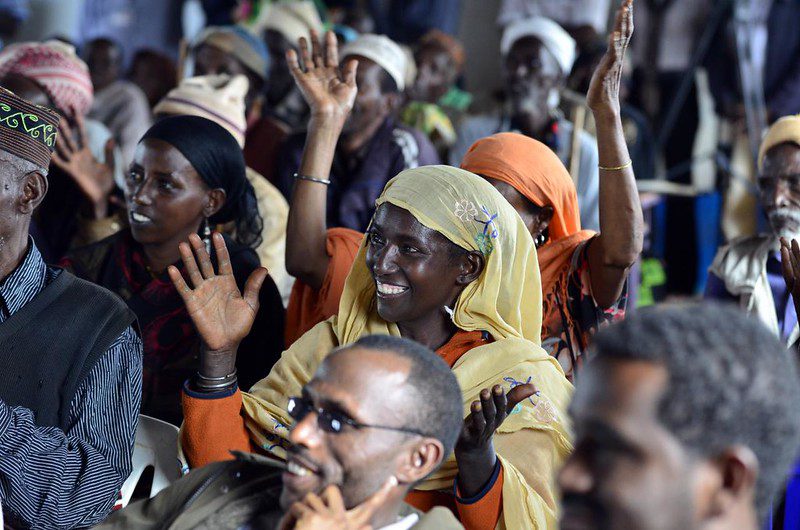
AFAWAThe African Development Bank (AfDB), a multilateral institution, aims to foster sustainable economic development and social progress in its Regional Member Countries (RMCs). Member states signed the agreement establishing the AfDB on Aug. 4, 1963, in Khartoum, Sudan and it became effective on Sept. 10, 1964. The AfDB Group consists of three entities: the African Development Bank (AfDB), the African Development Fund (ADF) and the Nigeria Trust Fund (NTF). Here are six ongoing AfDB project.

Technologies for African Agricultural Transformation

The Technologies for African Agricultural Transformation (TAAT) initiative has assisted more than 13 million farmers across Africa, notably achieving self-sufficiency in wheat production in Ethiopia, which has now become a key exporter. TAAT revolutionizes agriculture by providing farmers with modern technologies and practices, focusing on disseminating proven agricultural technologies, supporting the adoption of best practices and enhancing agricultural productivity and sustainability.

Youth Entrepreneurship Investment Banks

Africa’s youth overflow with innovative ideas and entrepreneurial spirit but often lack the funding to realize their dreams. The Youth Entrepreneurship Investment Banks (YEIB) program, designed by the AfDB, bridges this gap. This initiative provides financial support and resources to young entrepreneurs, empowering them to create thriving businesses that fuel economic growth and innovation across the continent. This program is a game-changer for Africa’s future leaders and job creators, offering essential support such as training, mentorship and access to capital. These resources are crucial for young entrepreneurs to succeed in various sectors including technology, agriculture and manufacturing.

Affirmative Finance Action for Women in Africa

Women in Africa face significant barriers to accessing finance, but the Affirmative Finance Action for Women in Africa (AFAWA) program is changing the narrative. With more than $1 billion mobilized to finance female-owned businesses, AFAWA serves as a beacon of hope and empowerment for women entrepreneurs. The AfDB provides these women with essential financial tools and support, enabling them to build successful businesses, contribute to their communities and drive economic growth. This initiative goes beyond finance; it fosters equality and opportunity. AFAWA collaborates with financial institutions to improve lending practices for women, offers capacity-building programs and advocates for policy changes that support women entrepreneurs.

Desert to Power Initiative

Africa boasts significant solar energy potential and the Desert to Power Initiative, spearheaded by the AfDB, aims to tap into this resource to electrify millions of homes. This ambitious project plans to develop 10 gigawatts of solar energy capacity in the Sahel region by 2025, providing clean, affordable and reliable energy to some of the continent’s most energy-deprived areas. The initiative encompasses more than energy provision; it aims to drive sustainable development and enhance the quality of life for millions. Key components of the project include building solar power plants, developing mini-grids and promoting off-grid solar solutions to ensure widespread energy access.

African Emergency Food Production Facility

In response to global food supply disruptions, the AfDB launched the African Emergency Food Production Facility (AEFPF), The aim of the facility is to boost local food production and reduce import dependency. This program supports farmers in growing staple crops such as wheat, rice and soybeans, aiming to enhance food security and stabilize food prices across the continent. This initiative is vital for enabling African nations to sustain their populations and build resilience against future crises. It provides farmers with seeds, fertilizers and technical assistance, all designed to increase productivity and improve the efficiency of food supply chains.

High 5s Initiative

The High 5s Initiative identifies five key priorities for the AfDB to support the continent’s development goals. These priorities include Lighting up and Powering Africa, Feeding Africa, Industrializing Africa, Integrating Africa and Improving the Quality of Life for the People of Africa. Each priority focuses on critical development aspects such as enhancing energy access, boosting agricultural productivity, promoting industrial growth and fostering regional integration. This strategic framework aims to tackle Africa’s pressing challenges and achieve sustainable development across the continent.

Looking Ahead

The AfDB continues to drive significant progress across Africa through targeted initiatives like AFAWA. From agricultural transformation to youth entrepreneurship and women’s empowerment, the AfDB’s projects address critical development needs. Efforts like the Desert to Power Initiative and the African Emergency Food Production Facility are enhancing energy access and food security. Through its comprehensive High 5s Initiative, the AfDB strategically focuses on improving the quality of life for Africans.

– Clara Tripodi

Clara is based in Salvador, Bahia, Brazil and focuses on Business and Good News for The Borgen Project.

Photo: Flickr
August 5, 2024
https://borgenproject.org/wp-content/uploads/borgen-project-logo.svg 0 0 Precious Sheidu https://borgenproject.org/wp-content/uploads/borgen-project-logo.svg Precious Sheidu2024-08-05 01:30:402024-08-04 09:39:36AFAWA and Ongoing AfDB Initiatives
Children, Development, Global Poverty

Cuna Más: Transforming Early Childhood Development in Peru

 Cuna Más: Transforming Early Childhood Development in Peru The COVID-19 pandemic severely impacted Peru, exacerbating its economic challenges, especially childhood poverty. Estimates reveal that childhood poverty rates stood at 39.9% in 2020 and decreased to 32.1% in 2021. Even before the pandemic, childhood poverty was a significant issue in the country. The Cuna Más program, which translates to “Cradle More,” aims to address this problem by providing enhanced support and resources for children.

Program Delivery

The Cuna Más program, initiated in March 2012, targets children from 6 months to 36 months old. Its primary objective is to enhance cognitive, language, physical and socioemotional development across different regions of Peru. In urban areas, the program operates daycare services that meet children’s basic health, nutrition, safety, protection and learning needs. Conversely, in rural regions, it offers a home visiting service, delivering weekly visits to parents of young children, including expectant mothers, to support early childhood development.

Early Success and Current Challenges of the Program

The Cuna Más program initially revealed significant growth, expanding from serving about 62,000 children in its first year, 2012, to 149,000 by 2016. Before the COVID-19 pandemic, the program gained recognition for its success. The pandemic highlighted the need for further expansion and improvement, a challenging task given existing constraints. Even before the pandemic, the program faced several critical issues identified in a 2017 study. These included confusing and overlapping roles among staff, insufficient and inadequate materials and less appealing compensation when considering the long hours and extensive travel required. These ongoing challenges have increasingly complicated efforts to recruit and retain the necessary workforce in Peru.

Structural Changes and Potential Solutions

The challenges facing Peru’s Cuna Más program largely arise from organizational deficiencies, especially as it tries to expand. Originally scaled without adjustments to its foundational model, the program urgently requires structural reforms to enhance its sustainability and broaden its impact. Additionally, considering the mental and physical well-being of staff is critical; work schedules should be adjusted to avoid excessive hours that contribute to burnout. However, implementing these changes alone may not suffice to attract the necessary workforce. Recruiting volunteers internationally could be a viable solution. Organizations like International Volunteer HQ provide platforms that enable global volunteers to engage in meaningful work, which could help address staffing shortages in the program.

Looking Ahead

While the challenges facing Peru’s Cuna Más program are significant, tackling them is essential for the well-being of the nation’s youngest citizens. The COVID-19 pandemic has intensified existing issues, highlighting the urgent need for comprehensive reforms and enhanced support. Additionally, recruiting international volunteers could supply the necessary manpower and expertise to address current shortcomings. With persistent efforts and global cooperation, the Cuna Más program can potentially reduce childhood poverty and improve early childhood development in Peru.

– Matthew Mendives

Matthew is based in Colonia, NJ, USA and focuses on Global Health and Celebs for The Borgen Project.

Photo: Flickr

August 3, 2024
https://borgenproject.org/wp-content/uploads/borgen-project-logo.svg 0 0 Precious Sheidu https://borgenproject.org/wp-content/uploads/borgen-project-logo.svg Precious Sheidu2024-08-03 01:30:072024-08-02 10:39:32Cuna Más: Transforming Early Childhood Development in Peru
Development, Global Poverty, Women's Rights

Empowering Women in Comoros: Rights and Opportunities

Women in ComorosIn Comoros, where more than half of the population is female, the legal framework generally supports women’s equality and empowerment. Although Islamic culture traditionally associates land and property ownership with men, in Comoros, certain landholdings known as magnahouli are controlled and managed exclusively by women. These properties are inherited solely through the female line, a practice rooted in the region’s matriarchal African traditions.

Employment Equality and Women’s Work Rights

Laws governing wages and employment opportunities for women are highly progressive in the country. The Union of the Comoros recognizes the equality of all citizens before the law, regardless of race, sex, religion or political belief and guarantees the full enjoyment of fundamental freedoms. This legal framework ensures that women have the right to apply for the same jobs as men, reinforcing gender equality in the workplace.

Women face few restrictions in the workplace, bolstering their rights and challenging traditional gender roles. The law mandates equal pay for equal work, regardless of the industry or the perceived danger of the job. This legislative framework supports women’s participation in all types of employment, including night shifts and industrial roles, which historically have been labeled as “manly” jobs. According to United Nations (U.N.) data, over a third of adult women in Comoros are active in the labor force. Halima Said, a 25-year-old working in the accounting unit of the interior ministry, expresses this sentiment of equality, “We have rights and I feel equal to my husband. He’s in teaching and I work in administration.”

Educational Opportunities for Women

Educational access for girls has historically been limited due to male dominance in schooling. However, significant changes occurred after the implementation of the National Gender Equity and Equality Policy (PNEEG) in 2007, which guaranteed equal educational opportunities and control over resources, including reproductive health. By 2014, the effects of this policy were evident: 48.7% of girls, compared to 46.3% of boys, completed lower secondary school. This shift over just seven years marks a significant advancement in promoting women’s educational rights in Comoros.

Marriage Laws and Family Rights

Most men who can afford to get married in Comoros opt for polygynous unions with matrilocal residences, meaning they have multiple wives but live in the wife’s family home. The Code de la Famille, Article 57, requires mutual consent for marriage, safeguarding the rights of both parties. Additionally, the law upholds women’s autonomy by granting them the right to make independent decisions without the obligation to obey their husbands.

Agreements and Women’s Rights Advancements

Comoros ratified the Convention on the Rights of the Child in 1993, setting the minimum age for marriage at 18. This aligns with the Convention on the Elimination of All Forms of Discrimination Against Women (CEDAW), ratified in 1994, which mandates free and full consent for marriage. Women’s rights in Comoros have significantly improved; there are more women in parliament than ever before. The rate of intimate partner violence in Comoros is 27% lower than the global average. Since 1991, conditions in vulnerable work environments have dramatically improved. These developments highlight Comoros’ commitment to advancing women’s rights and making the islands a safer, more thriving place for women.

Looking Ahead

Comoros demonstrates a strong commitment to gender equality through progressive laws and educational advancements for women. The implementation of policies like the National Gender Equity and Equality Policy (PNEEG) has significantly increased educational opportunities for girls. Additionally, the country’s legal framework supports women’s rights in employment and family law, ensuring equal pay and autonomy in marriage. These strides highlight Comoros’ dedication to empowering women and promoting equality across all sectors.

– Sadie Virgin

Sadie is based in Newport, UK and focuses on Good News for The Borgen Project.

Photo: Flickr

August 3, 2024
https://borgenproject.org/wp-content/uploads/borgen-project-logo.svg 0 0 Precious Sheidu https://borgenproject.org/wp-content/uploads/borgen-project-logo.svg Precious Sheidu2024-08-03 01:30:042024-08-03 04:38:57Empowering Women in Comoros: Rights and Opportunities
Development, Global Poverty, Government

Madagascar’s Five-Year Plan

Madagascar Five-Year Plan Targets 3 Primary OutcomesMadagascar, the world’s fifth-largest island, faces significant challenges with an estimated 80% of its 30.3 million residents living in poverty as of 2023. While tourism supports some economic growth, substantial improvements are necessary for the citizens of Madagascar. The World Bank and Country Partnership Framework (CPF) have launched a five-year plan aimed at creating more jobs, enhancing the education sector and health systems and boosting Madagascar’s economy.

The Country Partnership Framework (CPF) for Madagascar targets three primary outcomes. First, it aims to enhance job opportunities to boost incomes. Second, the plan focuses on improving human capital outcomes by making education more accessible, protecting women’s rights and ensuring that hygiene and agricultural standards are met. The final goal is to bolster the overall economy by investing in the socio-economic well-being of the people and strengthening natural disaster preparedness, alongside improving the management of natural resources.

Providing Job Opportunities

Madagascar aims to enhance its economic value and lift more citizens above the poverty line by increasing job opportunities. This effort will focus on vital sectors needing investment, such as agriculture and on mobilizing foreign private investments. As the digital era progresses, strengthening the foundations of the digital economy will transform digital infrastructures and support stakeholders. The Country Partnership Framework (CPF) plans to implement spatial prioritization to gain a regional competitive advantage, stabilizing rural livelihoods and creating new opportunities for residents. By improving the fundamentals of agricultural land, the economy and job opportunities, the CPF commits to a long-term strategy to strengthen Madagascar’s future.

Improving Human Capital Outcomes

The World Bank is supporting the government in enhancing early childhood education. Strategies include improving teacher quality and adopting a broader digital approach to elevate educational standards. Additionally, the Country Partnership Framework (CPF) aims to bolster female empowerment and protection, enhancing support services and expanding opportunities for girls to continue their education and access contraception products. There is also a strong commitment to advancing agricultural practices and food security systems by ensuring clean sanitation and water. Further commitments include reducing disease transmission and promoting nutrition in schools.

Transforming the Natural Landscape

The final goal of the World Bank and Country Partnership Framework (CPF) five-year plan focuses on protecting Madagascar’s natural resources and leveraging local environmental assets to enhance community resilience against natural disasters. The plan includes expanding economic reserves as a precautionary measure and strengthening disaster preparedness programs. Additionally, it emphasizes enhancing societal support by promoting economic inclusion and sustainability.

Looking Ahead

Madagascar’s comprehensive five-year plan, spearheaded by the World Bank and Country Partnership Framework (CPF), targets significant improvements in job creation, education and health systems. By focusing on these key areas, the plan aims to lift more citizens out of poverty and stimulate economic growth. Strengthening agricultural practices, enhancing digital infrastructure and promoting environmental sustainability are integral to this strategy. Through these ongoing efforts, Madagascar seeks to create a more resilient and prosperous future for its people.

– Charlotte Johnston

Charlotte is based in London, UK and focuses on Good News for The Borgen Project.

Photo: Flickr

July 30, 2024
https://borgenproject.org/wp-content/uploads/borgen-project-logo.svg 0 0 Precious Sheidu https://borgenproject.org/wp-content/uploads/borgen-project-logo.svg Precious Sheidu2024-07-30 01:30:492024-07-29 05:49:05Madagascar’s Five-Year Plan
Business, Development, Global Poverty

Microfinance: Firms Providing Small Loans to Fight Poverty

Microfinance: Firms Providing Small Loans to Fight PovertyMicrofinance provides small loans, savings, insurance and other financial services to underbanked individuals, families, entrepreneurs and small businesses that lack access to conventional financial sources. The 2023 Microfinance Social Performance Report by BNP Paribas reports that 156.1 million borrowers globally benefited from these services in 2022. Here are three companies that offer small loans to fight poverty, along with success stories of people who have used these loans to expand their businesses.

KIVA and Rachel’s Story

Kiva offers banking services to the international community, functioning similarly to a crowdfunding platform. As a lender, individuals can browse various projects globally and choose whom to lend to. In 2023, Kiva facilitated loans for more than 190,000 people, distributing more than $176 million with an impressive 96.2% repayment rate. Additionally, Kiva has partnered with Novica, an e-commerce platform that allows people in developing communities to sell their products internationally. This partnership has generated more than $130 million for individuals, enabling them to share their skills and products worldwide and drive tangible change.

Rachel, who grew up attending the Odwira Festival in Abiriw, Ghana, was captivated by the colorful garments and accessories celebrated during the harvest. Inspired, she learned to create similar items from a friend and began selling her wares. Although she experienced modest growth, Rachel sought to accelerate her business. Partnering with Kiva, she received $100 from four donors, which she used to buy raw materials, effectively doubling her production and profit. Rachel now employs others, imparts valuable skills and runs outreach programs that teach underprivileged youths how to make tie-dye and batik at no cost.

Micro-loan Foundation and Lydia’s Story

The Micro-loan Foundation has been empowering women in Malawi, Zambia and Zimbabwe since 2002 by providing business training and small loans. To date, it has assisted more than 450,000 women, enhancing food security, health care access and educational opportunities and boosting women’s roles in their communities. Lydia, a single mother of four and caregiver to her mother-in-law, turned her passion for baking into a sustainable business. With a micro-loan of 500 Kwacha (about $30), she invested in her bakery, quadrupling her daily bread production and significantly boosting her income. This increase allowed Lydia to reinvest in her business, repay her loan and improve her family’s living standards while contributing more to her community.

BRAC and Sharmin Akter

BRAC, originally an NGO in Bangladesh, has evolved to provide small loans aimed at alleviating poverty and promoting financial inclusion. Since 2023, BRAC has disbursed more than $6 billion in loans, mainly focusing on women, who constitute 90% of its beneficiaries. These ongoing efforts empower women and address the root causes of poverty, particularly in urban areas of Bangladesh.

Sharmin, who worked for a decade in a toy factory, acquired valuable skills that she leveraged to start her own business. Her high-quality toys quickly garnered demand, but she struggled to keep up with growth. Realizing the need for investment, Sharmin secured a $3,750 loan from BRAC to purchase 12 new sewing machines. This capital infusion allowed her to expand production by hiring staff and increasing output. At the moment, Sharmin’s business is one of the largest soft toy manufacturers in South-West Dhaka.

Looking Ahead

Small loans continue to play a crucial role in the fight against poverty and economic empowerment worldwide. Success stories like those of Rachel, Lydia and Sharmin highlight the transformative potential of these financial services. As microfinance institutions like Kiva, the Micro-loan Foundation and BRAC expand their reach, they can potentially create sustainable livelihoods and foster economic growth in underbanked regions.

– Philip Mundy

Philip is based in Bristol, UK and focuses on Good News for The Borgen Project.

Photo: Unsplash

July 27, 2024
https://borgenproject.org/wp-content/uploads/borgen-project-logo.svg 0 0 Precious Sheidu https://borgenproject.org/wp-content/uploads/borgen-project-logo.svg Precious Sheidu2024-07-27 03:00:342024-07-26 08:17:26Microfinance: Firms Providing Small Loans to Fight Poverty
Development, Global Poverty, Legislations and Policies

Transforming Lives in Rwanda’s Progressive Legislation

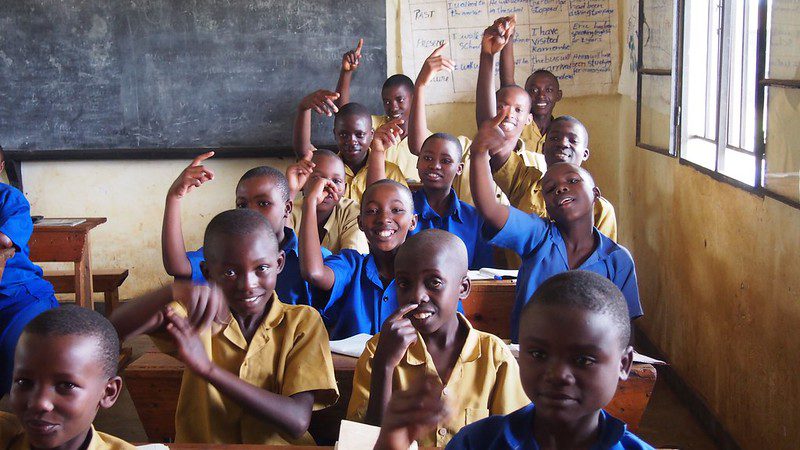
Rwanda's Progressive LegislationIn recent years, Rwanda’s enacted progressive legislation aimed at significantly improving living standards and reducing poverty. Central to these efforts are the 2023 National Strategy for Transformation (NST1) and the Economic Recovery Fund (ERF), both designed to accelerate economic growth and ensure sustainable development. Here are how these groundbreaking initiatives are not only transforming lives but also setting a powerful example for the rest of the continent.

Economic Rebound of Rwanda

The NST1 is a pivotal framework designed to boost Rwanda’s economic growth and sustainable development. Key initiatives under NST1 include promoting industrialization, creating jobs and enhancing agricultural productivity. These initiatives have significantly contributed to Rwanda’s economic progress, with the World Bank reporting a 7.6% gross domestic product (GDP) increase in the first three quarters of 2023 despite external challenges and inflation control measures.

Moreover, educational reforms have led to universal enrollment in primary schools and substantial improvements in secondary education attendance and completion. Completion rates have increased by 57% in students and if we count late completion, this number jumps to 71%. This multifaceted approach underscores the effectiveness of NST1 in driving Rwanda’s economic and social advancements.

Securing the Future in Rwanda

To secure its upward projection, Rwanda implemented the Economic Recovery Fund (ERF). The Rwandan government’s initiatives under the ERF, particularly its focus on supporting key sectors like tourism, have indeed shown significant results. The first phase of the ERF, which included substantial support for the tourism sector, helped many businesses survive the impact of COVID-19. This support, along with continued funding, allows for more jobs to be created; it is estimated that 1,328 additional jobs will arise from tourist-based activities per million invested. As ERF fulfilled its duties, the second phase of the fund launched $250 million to increase access to finance and to continue the economic recovery that the country still feels.

Protection for Everyday

In 2024, Rwanda introduced the Social Protection Transformation Project (SPTP), a new initiative aimed at enhancing the country’s social protection system. Funded by the World Bank and coordinated by the Ministry of Local Government (MINALOC) and the Local Administrative Entities Development Agency (LODA), the SPTP focuses on strengthening social safety net programs, supporting economic inclusion and improving delivery systems.

The project includes various components such as direct support, nutrition-sensitive programs, public works, early childhood development and skills development. It aims to ensure that vulnerable households have better access to human capital and economic opportunities, thereby improving their overall resilience and well-being.

The Role Model

When compared to other African nations, Rwanda’s approach to social and economic development stands out due to its innovative use of Information and Communication Technology (ICT) in governance and service delivery. Unlike many of its peers, Rwanda has integrated ICT into nearly all facets of public administration, which has streamlined processes and increased transparency. Initiatives such as the Irembo platform allow citizens to access a wide range of government services online, reducing bureaucratic inefficiencies and fostering greater civic engagement.

This digital transformation is a key reason why Rwanda’s model is considered progressive and effective; it not only improves service delivery but also supports data-driven decision-making and policy implementation. Additionally, Rwanda’s focused and comprehensive strategies, like the NST1 and the ERF, have led to measurable successes in poverty reduction and economic growth, further distinguishing its approach from other nations on the continent.

Rwanda’s innovative and effective strategies position it as a potential model for other nations striving for sustainable development and poverty reduction. The country’s success underscores the critical role of community resilience and Rwanda’s progressive legislation in driving economic and social progress. By learning from Rwanda’s experience, other nations can adopt similar approaches to foster inclusive growth and enhance the well-being of their citizens.

– Demi Olin

Demi is based in Huntington, WV, USA and focuses on Good News for The Borgen Project.

Photo: Flickr

July 26, 2024
https://borgenproject.org/wp-content/uploads/borgen-project-logo.svg 0 0 Lynsey 2 https://borgenproject.org/wp-content/uploads/borgen-project-logo.svg Lynsey 22024-07-26 01:30:322024-07-25 07:18:41Transforming Lives in Rwanda’s Progressive Legislation
Aid, Development, Global Poverty

Australia Awards – Direct Aid Programs Impacting Millions

Australia AwardsAustralia has a yearly development budget of $4.96 billion, which is split between international scholarship programs, funding committed to development programs and specific, committed programs dedicated to assisting the progress developing countries make toward their development goals. However, here are some of the ways this budget is used to support developing countries around the world.

Australia Awards – Scholarships for Thousands

The Australia Awards are a scholarship program in Australia designed to recognize the achievements of individuals from underrepresented backgrounds. Australia has historically offered favorable opportunities for individuals seeking higher education in developing countries neighboring Australia. This is part of the agreement with Tuvalu, the Falepili Union, which includes the establishment of a visa allowing Tuvaluans to live, study and work in the country.

What makes the Australia Awards particularly impactful is the targeted nature of the Awards. Applications from often marginalized groups such as women and those with disabilities are encouraged. The Awards also target specific areas of study and the program, in particular, seeks to elevate those studying in fields such as education, tourism and engineering. Providing forward-thinking and relevant fields of study like this, especially in developing countries, allows thousands of individuals across the Pacific to access resources they may not have had the opportunity to come across otherwise.

Australia and the Indo-Pacific

A significant amount of Australia’s development budget is earmarked for Official Development Assistance (ODA). That said, ODA is only one of many ways the country assists the many countries impacted by its outreach. Australia is committed to helping many countries enact their specific development plans. One way these programs are effective is the way Australia is committed to assisting Tuvalu.

In 2023, the two countries announced the formation of the Falepili Union, which serves to strengthen the two-way partnership between the two countries. In a joint effort, Australia allocated $88 million to Tuvalu’s development budget. Out of this amount, $50 million was utilized for the construction of Tuvalu’s inaugural undersea telecommunications cable. This marks a significant milestone for a nation that has historically relied on the internet as a steady revenue stream.

Another example of work being done to extend aid to developing countries is Australia’s dedication to development in Southeast Asia. Australia allocated $1.3 billion ODA toward the region in 2023. Programs targeting specific initiatives such as the Australia-Indonesia Climate and Infrastructure Partnership (KINETIK) and the Aus4Adaptation initiative in Vietnam. Taking a position at the forefront of the development in countries shows that when economic powers commit to developing countries impactful change can be made.

In Summary

Providing educational grants to underrepresented communities and directly putting funding and resources in the pockets of local, boots-on-the-ground programs working to enact lasting change are just a few ways Australia’s Direct Aid Programs can impact millions around the world. This is just a glimpse into how the $4.96 billion Australian developmental budget can create a tangible impact.

– Malik Vega

Malik  is based in Miami, FL, USA and focuses on Good News for The Borgen Project.

Photo: Flickr

July 26, 2024
https://borgenproject.org/wp-content/uploads/borgen-project-logo.svg 0 0 Lynsey 2 https://borgenproject.org/wp-content/uploads/borgen-project-logo.svg Lynsey 22024-07-26 01:30:092024-07-25 07:07:28Australia Awards – Direct Aid Programs Impacting Millions
Business, Development, Economy, Entrepreneurship and Business, Global Poverty

Social Enterprises in Colombia

Social Enterprises in ColumbiaColombia is witnessing a transformative wave of social enterprises addressing pressing social issues while generating employment and reducing poverty. These innovative businesses are tackling critical challenges such as waste management, economic inclusion and sustainable agriculture, all while creating jobs and improving the quality of life for many Colombians. 

Tackling Waste with Innovation

Conceptos Plásticos is a leading example of innovation in waste management and housing solutions. This enterprise transforms plastic waste into building materials for affordable housing. In 2018, Colombia produced approximately 14 million tons of municipal waste daily and only 17% is recycled. Conceptos Plásticos reduces plastic pollution, creates jobs and provides sustainable housing solutions for low-income families. The company has already built more than 1,500 homes using recycled plastic. By converting plastic waste into a valuable resource, Conceptos Plásticos significantly impacts both environmental sustainability and social welfare.

Promoting Economic Inclusion

Fundación Capital is another notable enterprise making strides in Colombia. This organization focuses on economic inclusion by offering financial education and digital tools to low-income individuals. In Colombia, approximately 30% of the population lives below the poverty line. Fundación Capital’s initiatives help individuals manage their finances and improve their livelihoods. The organization has reached more than six million people across Latin America with its programs. By empowering people with the knowledge and tools to achieve financial stability, Fundación Capital plays a crucial role in reducing poverty and promoting economic growth. The initiative highlights the importance of financial literacy in achieving long-term economic sustainability.

Advancing Sustainable Agriculture

SiembraViva, a Colombian social enterprise, addresses environmental sustainability and agricultural innovation. Agriculture accounts for about 6.3% of Colombia’s GDP, with many small farmers struggling to maintain sustainable practices. SiembraViva supports small farmers by providing technology and promoting sustainable farming practices. These ongoing efforts improve crop yields and reduce the environmental impact of agriculture. The enterprise has supported more than 1,000 farmers, reducing waste from 30% to 5% and guaranteeing farmers an income. By focusing on sustainable methods, SiembraViva helps ensure that farming practices contribute to long-term ecological health.

The Broader Impact

These social enterprises in Colombia illustrate the powerful role of entrepreneurship in driving social good. By tackling critical issues such as waste management, economic inclusion and sustainable agriculture, these social enterprises are creating jobs and improving the quality of life for many Colombians. Colombia’s unemployment rate, which stood at 11.3% in 2024, underscores the need for job creation initiatives. The innovative solutions provided by Conceptos Plásticos, Fundación Capital and SiembraViva demonstrate the potential of social enterprises to transform economies and uplift communities. As Colombia continues to support and nurture these initiatives, the positive impact on society is expected to grow, contributing to a more sustainable and inclusive future.

– Chelsea Rasool

Chelsea is based in Stirling, Scotland and focuses on Technology and Solutions for The Borgen Project.

Photo: Flickr

July 25, 2024
https://borgenproject.org/wp-content/uploads/borgen-project-logo.svg 0 0 Precious Sheidu https://borgenproject.org/wp-content/uploads/borgen-project-logo.svg Precious Sheidu2024-07-25 07:30:282024-07-26 05:14:51Social Enterprises in Colombia
Page 19 of 163«‹1718192021›»

Get Smarter

  • Global Poverty 101
  • Global Poverty… The Good News
  • Global Poverty & U.S. Jobs
  • Global Poverty and National Security
  • Innovative Solutions to Poverty
  • Global Poverty & Aid FAQ’s
Search Search

Take Action

  • Call Congress
  • Email Congress
  • Donate
  • 30 Ways to Help
  • Volunteer Ops
  • Internships
  • Courses & Certificates
  • The Podcast
Borgen Project

“The Borgen Project is an incredible nonprofit organization that is addressing poverty and hunger and working towards ending them.”

-The Huffington Post

Inside The Borgen Project

  • Contact
  • About
  • Financials
  • President
  • Board of Directors
  • Board of Advisors

International Links

  • UK Email Parliament
  • UK Donate
  • Canada Email Parliament

Get Smarter

  • Global Poverty 101
  • Global Poverty… The Good News
  • Global Poverty & U.S. Jobs
  • Global Poverty and National Security
  • Innovative Solutions to Poverty
  • Global Poverty & Aid FAQ’s

Ways to Help

  • Call Congress
  • Email Congress
  • Donate
  • 30 Ways to Help
  • Volunteer Ops
  • Internships
  • Courses & Certificates
  • The Podcast
Scroll to top Scroll to top Scroll to top