• Link to X
  • Link to Facebook
  • Link to Instagram
  • Link to TikTok
  • Link to Youtube
  • About
    • About Us
      • President
      • Board of Directors
      • Board of Advisors
      • Financials
      • Our Methodology
      • Success Tracker
      • Contact
  • Act Now
    • 30 Ways to Help
      • Email Congress
      • Call Congress
      • Volunteer
      • Courses & Certificates
      • Be a Donor
    • Internships
      • In-Office Internships
      • Remote Internships
    • Legislation
      • Politics 101
  • The Blog
  • The Podcast
  • Magazine
  • Donate
  • Click to open the search input field Click to open the search input field Search
  • Menu Menu

Archive for category: Development

Information and stories on development news.

Development, Global Poverty, UNICEF

Multidimensional Poverty in the Maldives

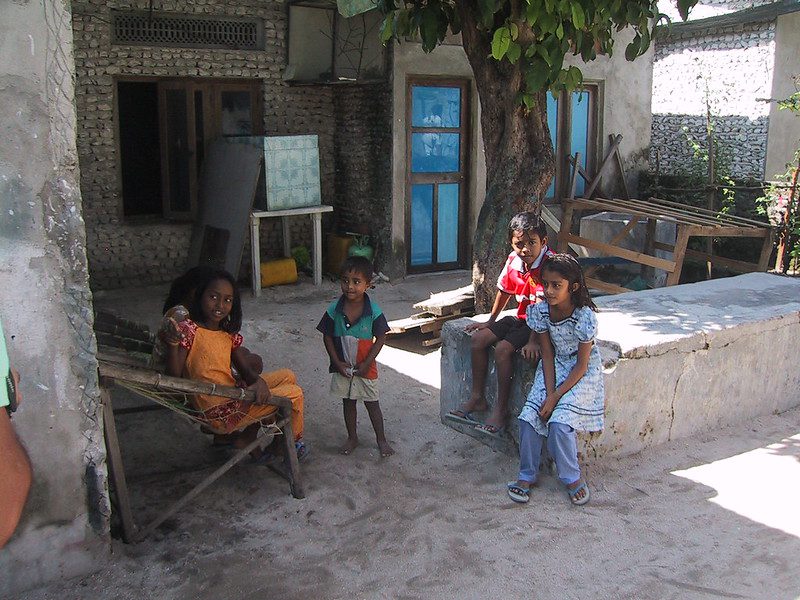
Multidimensional Poverty in the MaldivesIn Maldives, 0.8% of the population lives in poverty and 4.8% are at risk. These stats might suggest that poverty is not a major issue in the country. However, these percentages translate into thousands or even millions of individuals, significantly altering the perceived scale and impact of poverty. The multidimensional poverty index (MPI) reveals that poverty in the country is more complex and widespread than traditional measures suggest, indicating that monetary sufficiency does not equate to a lack of suffering. A broader understanding underscores that multidimensional poverty in the Maldives remains a significant concern.

Broadening Poverty Measures

A 2020 United Nations International Children’s Emergency Fund (UNICEF) report revealed that 28% of people in the Maldives are considered multidimensionally poor, meaning three out of 10 people are affected. This indicates significant deprivations beyond mere income. Multidimensional poverty encompasses those who exceed the monetary poverty threshold but lack access to essential services, thereby impacting their overall quality of life. A broader measure of poverty considers various factors, such as health, education and living standards. It offers a more comprehensive understanding of individuals’ challenges in achieving a decent standard of living.

The Invisible Struggles Beyond Income

Studies show that individuals can face significant quality-of-life challenges without being in traditional poverty. Monetary sufficiency does not shield individuals from barriers in areas often overlooked, such as mental and dental health coverage, internet access and more. These factors broaden the understanding of what constitutes deprivation, beyond just financial constraints, impacting a person’s overall well-being.

The lack of public visibility for Multidimensional Poverty Index (MPI) data may contribute to an inflated perception of living standards, thereby lessening the urgency for policy intervention. Acknowledging a country’s MPI appears to be necessary, particularly in regions like the Maldives where the poverty rate is potentially misleading. Without acknowledging multidimensional poverty, the complexities of deprivation remain unaddressed, fostering an inaccurate perception of well-being. In addition, the oversight could hinder the necessary push for comprehensive policy solutions, essential for addressing the nuances of poverty not captured by traditional metrics.

Advancing Poverty Reduction Strategies in Maldives

Maldives has shown considerable progress in addressing poverty by adopting innovative strategies that other nations could emulate. A pivotal moment came in 2020 when President Ibrahim Mohamed Solih implemented the MPI for policy formulation, marking a departure from traditional resource allocation methods. The government’s commitment, supported by insights from the Oxford Poverty and Human Development Initiative (OPHI) and UNICEF, has been key to these advancements.

Enhancing Digital and Mental Health Access

The country’s crucial need for stable internet access, highlighted by the COVID-19 pandemic is proof of multidimensional poverty. With its expansive archipelago, maintaining internet connections for basic needs is vital. Efforts to address this aspect of multidimensional poverty have been propelled by nongovernmental initiatives like Ookla for Good, which advocates for reliable global internet access, and underlines the importance of digital connectivity in contemporary society.

Furthermore, the perception that mental health care is as essential as access to clean water and food is not yet widespread in the Maldives. Multidimensional poverty extends beyond traditional health care needs to include mental health, which often goes unaddressed. To recognize the additional stress poverty places on individuals who need extra care, the Maldives Health Ministry and the World Health Organization (WHO) implement initiatives to advocate for mental health rights. Its ongoing initiative, Central and Regional Mental Health Services and Development Plan aims for completion by 2025 and seeks to meet the crucial needs of mental health patients.

Looking Ahead

As efforts to tackle multidimensional poverty in the Maldives continue to evolve, the nation stands at a pivotal juncture, embracing a holistic approach to eradicating deprivations that extend far beyond mere financial constraints. By addressing the nuanced challenges of multidimensional poverty, from access to health care and education to digital connectivity, the Maldives sets a promising precedent for integrated poverty alleviation strategies. In addition, with sustained commitment from both governmental and nongovernmental sectors, the Maldives is poised to make significant strides in enhancing the well-being of its residents, ensuring that progress encompasses all dimensions of poverty.

– Antonio Muhs

Antonio is located in Springfield, OR, USA and focuses on World News for The Borgen Project

Photo: Flickr

April 1, 2024
https://borgenproject.org/wp-content/uploads/borgen-project-logo.svg 0 0 Precious Sheidu https://borgenproject.org/wp-content/uploads/borgen-project-logo.svg Precious Sheidu2024-04-01 03:00:382024-03-31 09:26:47Multidimensional Poverty in the Maldives
Development, Global Poverty

Addressing Youth Unemployment: YEISA South Africa

YEISA South AfricaWith 59.4% of 15 to 24-year-olds unemployed or not in school, South Africa has one of the worst rates of youth unemployment in the world. Young people are the first to lose their jobs during economic downturns and the last to get them again. Moreover, the effects of working poverty, vulnerable employment, unemployment and underemployment have disproportionately afflicted young people. Even during periods of strong economic expansion, the job market is frequently unable to absorb a large number of youths. Youth Employment Initiative South Africa (YEISA) in South Africa has taken steps to help young unemployed people.

Youth Employment Initiative South Africa (YEISA)

In a country plagued by high youth unemployment rates, a new initiative called the Youth Employment Initiative South Africa (YEISA) established in 2018 has emerged as a beacon of hope for the country’s young people. To address the critical issue of youth unemployment, YEISA is dedicated to equipping young individuals with the skills are resources needed to secure meaningful employment opportunities.

In addition, the organization actively collaborates with young individuals, helping them participate in decisions that impact their lives. It offers a range of services and programs designed to support young people in their journey toward employment. These include job readiness training, career counseling, mentorship programs and networking opportunities. By providing these resources, YEISA strives to bridge the gap between job seekers and employers, ultimately creating a more efficient and effective job market for the youth in South Africa.

Skills Development and Leadership Initiatives

YEISA offers educational programs that empower young people with relevant skills. One of the key strengths of the organization is its focus on creating sustainable solutions to youth unemployment. Moreover, by emphasizing skills development, career guidance and ongoing support, the initiative aims to not only help young people secure immediate employment but also build a solid foundation for long-term career success.

In addition, the organization recognizes that leadership skills are essential for career advancement. It organizes leadership initiatives, fostering qualities like teamwork, communication and problem-solving. Empowered youth are more likely to contribute positively to the economy and job market. YEISA believes that today’s youth are tomorrow’s leaders. Furthermore, by nurturing their potential, the organization ensures a pipeline of capable individuals who can drive economic growth and create jobs.

YEISA Empowering South Africa’s Youth

Since its inception, YEISA has already seen success in connecting young individuals with job opportunities across various industries. It continues to develop distinct talents, views and life experiences that diverse young people bring to businesses, fostering creativity and challenging them to do things differently.

Subsequently, as the organization continues to expand its reach and impact, it is clear that the initiative is making a tangible difference in the lives of young people in South Africa. By empowering the youth with the skills and resources they need to succeed in the workforce, the initiative is not only helping to address the issue of youth unemployment but also contributing to the economic growth and development of the country as a whole.

Looking Forward

The Youth Employment Initiative South Africa (YEISA) stands as a pivotal force in combating the high rates of youth unemployment in South Africa, offering young individuals a ladder to climb toward employment success. Moreover, through its comprehensive approach to skill development and leadership training, YEISA is nurturing a generation equipped to navigate and thrive in the workforce.

Looking ahead, the continued efforts of the initiative promise to transform the landscape of youth employment in South Africa, fostering a future where every young person has the opportunity to achieve their full potential.

– Oyinkansola Adewumi
Photo: Unsplash

March 21, 2024
https://borgenproject.org/wp-content/uploads/borgen-project-logo.svg 0 0 Precious Sheidu https://borgenproject.org/wp-content/uploads/borgen-project-logo.svg Precious Sheidu2024-03-21 07:30:462024-03-20 04:40:30Addressing Youth Unemployment: YEISA South Africa
Development, Economy, Global Poverty

IFAD’s Plans to Transform the Rural Economy of Uganda

IFAD's Plans to Transform the Rural Economy of Uganda In 2020, reports indicated that 84% of Uganda’s population lived in rural areas, with the majority earning their livelihood through farming. Despite being the primary food producers for their nation, rural residents disproportionately face poverty. In 2022, about 30% of the rural population, approximately 10 million men, women and children, lived below the national poverty line. The rural economy of Uganda is pivotal to the nation’s overall economic health.

A continued focus on agricultural productivity is essential to sustain and accelerate Uganda’s economic growth, for a large amount of Uganda’s population agriculture is the main pathway out of poverty. The International Fund for African Development (IFAD) is dedicated to eradicating poverty and hunger in rural areas of developing countries. IFAD plans to transform the rural economy of Uganda and involves multiple projects working to increase the income and livelihood of the rural population.

The National Oil Seed Project

The National Oil Seed Project (NSOP), which will span from 2019 to 2028, has an estimated total cost of $160.69 million, with IFAD financing $99.56 million of it. This project represents IFAD’s commitment to transforming the rural economy of Uganda by reducing oilseed and their product imports. It aims to address the domestic production shortfall of oilseeds used in making vegetable oil and other by-products.

By reducing imports, the project boosts national production to satisfy demand. It targets at least 120,000 smallholder farmers to foster rural transformation by sustainably developing the oilseed sector. Additionally, the initiative will create opportunities for private sector investment in oilseed and by-products like animal feed. This effort seeks to build a competitive oilseed industry in Uganda, significantly benefiting the rural economy.

The National Oil Palm Project

IFAD’s plan to transform the rural economy of Uganda also includes the National Oil Palm Project (NOPP). This ongoing project will run from 2018-2029 and has a total project cost of $216.2 million, with IFAD financing $77.03 million. NOPP aims to support inclusive rural transformation through strategic investment in oil palm.

Establishing an efficient oil palm industry will sustainably boost rural livelihoods through generated opportunities. The National Oil Palm Project is estimated to directly benefit 30,800 poor and vulnerable rural households. Additionally, the project aims to minimize market risks for smallholder oil palm growers by ensuring their access to investment credit, technical expertise and quality inputs.

Rural Development

Investing in agriculture in Sub-Saharan Africa proves up to 11 times more effective in reducing extreme poverty compared to other sectors. This effectiveness stems from small farms hiring unskilled laborers, generating income that boosts rural communities and strengthens the rural economy.

IFAD’s plans to transform Uganda’s rural economy are pivotal in alleviating poverty. Central to efforts to eradicate hunger and poverty, rural development encompasses not only economic transformation but also social change and the promotion of gender equality and inclusiveness. This holistic approach aims to enhance the overall well-being of rural communities.

Looking Ahead

With initiatives like the National Oil Seed Project and the National Oil Palm Project, Uganda is on the cusp of an agricultural revolution that promises to uplift its rural population. IFAD’s targeted investments aim to transform the rural economy, fostering a sustainable pathway out of poverty for millions. In addition, these efforts, centered on enhancing agricultural productivity and promoting inclusivity, herald a brighter future for Uganda’s rural communities, driving economic growth and improving lives.

– Arabella Wood-Collins
Photo: Flickr

March 7, 2024
https://borgenproject.org/wp-content/uploads/borgen-project-logo.svg 0 0 Precious Sheidu https://borgenproject.org/wp-content/uploads/borgen-project-logo.svg Precious Sheidu2024-03-07 07:30:382024-05-30 22:32:51IFAD’s Plans to Transform the Rural Economy of Uganda
Development, Global Poverty, Innovations

Innovations Against Poverty: Prosperity Through Cooperation

Innovations Against Poverty (IAP): Prosperity Through Cooperation Poverty rates in a region often hinge on specific local conditions, necessitating tailored solutions. Innovations against poverty are essential in this context. Yet, other factors affecting socio-economic well-being, like infant mortality and global food security, present uniform challenges across different areas. Establishing a fund dedicated to innovation in combating poverty can tackle both specific and widespread issues.

It enables the development of creative solutions for unique challenges and fosters large-scale collaboration among diverse stakeholders to address global problems. As a World Bank official emphasized in 2015, “Without collaboration that is both broad and deep, we have little hope of ending extreme poverty by 2030 and to boost shared prosperity.”

The Innovations Against Poverty (IAP) Challenge Fund

The program aims to carefully select innovative projects for their potential to benefit large numbers of people living in poverty and their scalability. It challenges private sector companies in the agriculture, energy, wash and ICT sectors across Cambodia, Ethiopia, Uganda and Zambia to innovate products.

Acting as a risk-sharing mechanism, the fund effectively supports innovative producers, offering them economic protections otherwise unavailable. This approach assists companies that fall between the cracks of microfinance and commercial lending. The top proposals receive up to €200,000 in funding per company.

The Challenge Fund is financed by the Swedish International Development Cooperation Agency (SIDA). It aims to support ambitious entrepreneurs overcome a lack of capital to innovate. The fund works via an announcement that the fund is looking for proposals for the best solution to a pre-defined development problem that is not addressed by market forces.

Competitors are assessed against each other. The businesses that best fill several pre-set criteria are given a grant to implement their ideas. Following the first round of investments in companies from the four countries, more than 1.5 million people were calculated to have benefitted from improved access to basic goods and services, as well as more than 500,000 benefitting from cost savings and income, with knock-on effects for the wider communities.

The multi-stakeholder partnership approach plays a crucial role in reducing poverty. It brings together innovators, NGOs and investors, each contributing unique skills and experiences. Numerous instances document the success of this process through the Innovations Against Poverty program.

Agriculture: Afriseed

The  IAP program demonstrates its effectiveness through the financing of Afriseed. IAP not only provides initial funding but also helps entrepreneurs build relationships with local financiers. With an IAP grant exceeding €300,000, Afriseed expanded its legume production. It engaged more smallholder farmers and aimed to enlarge its market share in Southern Africa. Consequently, smallholder farmers enjoyed better access to quality seeds, higher crop yields and incomes, better integration into value chains and new market connections.

Sustainable Business: Raising Gabdho Foundation (RGF)

RGF, a social enterprise, provides clean cooking solutions and energy-efficient products. Through its collaboration with the IAP, RGF launched a new factory in June 2023 to develop effective ways to reduce air pollution from production. This partnership has already led to more than a doubling of the enterprise’s bio-briquette production capacity, with potential for even more expansion.

Furthermore, RGF introduced its Zeed Energy brand in Uganda, serving as a community marketplace for clean energy products. As the business expands, it will create more jobs, increase local revenue and benefit the environment by reducing the carbon footprint and promoting more sustainable practices among consumers and producers.

The initial opportunity presented to RGF has grown and grown into something with huge potential. RGF aims to establish a waste collection system to secure the biomass needed for briquette production. The foundation also aims to expand its sales routes beyond the capital city.

Looking Ahead

When we challenge creative individuals and small companies to innovate, the results can be transformative. Supporting anti-poverty innovations through targeted ventures that unite stakeholders seeking profit with workers aiming to improve their living conditions enhances the well-being of entire communities.

An independent impact assessment measured the success of the IAP. It revealed customers experienced better quality of life and access to new products and services. Additionally, 80% of female customers generating income from these offerings reported improved decision-making power over their earnings.

Incentivizing innovations against poverty among various stakeholders yields widespread and significant benefits for local communities. Encouraging and initiating creative solutions to persistent poverty-related issues across the developing world is well-supported by evidence.

– Arshiya Eslamdoust
Photo: Pixabay

March 5, 2024
https://borgenproject.org/wp-content/uploads/borgen-project-logo.svg 0 0 Precious Sheidu https://borgenproject.org/wp-content/uploads/borgen-project-logo.svg Precious Sheidu2024-03-05 01:30:232024-03-04 02:15:31Innovations Against Poverty: Prosperity Through Cooperation
Development, Global Poverty

Micro-Hydro in Uttarakhand and the Ripple Effect on Communities

Micro-Hydro in Uttarakhand and the Ripple Effect on Communities In Uttarakhand, a region where electricity is a lifeline yet a luxury for many, the advent of micro-hydro power is turning the tide on energy accessibility. Through the ingenious use of Himalayan streams, remote villages are witnessing a transformation, as clean, renewable energy lights up their lives for the first time. The empowerment of Uttarakhand’s communities through localized energy solutions showcases a path forward, where innovation meets the critical needs of the underserved, promising a brighter, more equitable tomorrow.

Micro-Hydro Power in Uttarakhand

Nestled in the majestic Himalayas, the Indian state of Uttarakhand grapples with a constant challenge: ensuring reliable access to electricity. However, a quiet revolution is brewing in remote villages, offering a glimmer of hope, through its ripple effect on communities. Micro-hydro dams, harnessing the power of gushing mountain streams, are bringing clean and sustainable energy to communities for the first time.

Micro-hydropower plants utilize the energy of flowing water to generate electricity on a small scale. These dams are typically constructed on tributaries or streams, minimizing environmental impact while harnessing a renewable source of energy. In Uttarakhand, micro-hydro projects are proving to be a game-changer for remote villages, where conventional grid extension is often impractical or uneconomical.

Catalyst for Community Transformation

The World Bank estimates that around 759 million people globally lacked access to electricity in 2019, with the majority residing in low- and lower-middle-income countries. This lack of access hinders economic development, education and health care, perpetuating the cycle of poverty. Micro-hydropower offers a decentralized and sustainable solution, particularly in geographically remote areas where grid extension is challenging.

By illuminating homes, micro-hydropower projects are transforming lives in Uttarakhand. Families can now enjoy basic conveniences like lighting after sunset, enhancing their quality of life and safety. Children can extend their study hours beyond daylight, improving their educational opportunities. Moreover, the ripple effect on communities makes us witness the emergence of small businesses powered by micro-hydro-generated electricity, creating income-generating opportunities and fostering local economic development.

Environmental and Economic Progress

Furthermore, micro-hydropower contributes to environmental sustainability. Unlike traditional fossil fuel-based electricity generation, micro-hydro plants produce minimal greenhouse gas emissions and air pollution. This aligns with India’s ambitious goals of transitioning toward a cleaner and greener energy future. The International Renewable Energy Agency (IRENA) emphasizes that micro-hydropower plays a crucial role in achieving universal access to electricity, particularly in remote areas. By embracing innovative solutions like micro-hydropower, Uttarakhand is demonstrating a promising pathway toward a brighter future, empowered by clean energy, economic growth and environmental responsibility.

Looking Ahead

Uttarakhand’s journey toward energy sustainability, marked by the implementation of micro-hydro projects, heralds a new era of empowerment and environmental stewardship. Furthermore, these initiatives not only light up homes but also spark economic and educational advancements, offering a brighter future for remote communities. Moreover, as this clean energy revolution continues to unfold, it stands as a testament to the potential of innovative solutions in overcoming challenges and driving progress.

– Vincenzo Marino
Photo: Unsplash

March 4, 2024
https://borgenproject.org/wp-content/uploads/borgen-project-logo.svg 0 0 Precious Sheidu https://borgenproject.org/wp-content/uploads/borgen-project-logo.svg Precious Sheidu2024-03-04 01:30:072024-03-03 05:28:49Micro-Hydro in Uttarakhand and the Ripple Effect on Communities
Development, Education, Global Poverty

Education for the People of Guyana

Education for the People of Guyana In 2023, the United Nations Educational, Scientific and Cultural Organization (UNESCO) initiated a significant educational reform in Guyana. Funded by a System Capacity Grant from the Ministry of Education, this reform aims to enhance the skills of school and district leaders and to overhaul the mechanisms for allocating resources to schools and districts. This initiative seeks to provide further education for the people of Guyana.

The Evolution of Educational Media

The technical lead of UNESCO’s reform includes placing middle-tier actors in the space of education systems including classrooms. Alongside these actors, maybe having a television system can help provide education for the people of Guyana. In the 1950s, Boston University President Dr Daniel L. Marsh warned about the television craze turning young Americans into a nation of morons.

However, National Educational Television (NET) emerged just four years after his claim, challenging its uniqueness. Educational television aims to blend learning with entertainment and as of 2024, social media has surpassed television as the primary learning source for the youth. Popular children’s programs like Sesame Street and Bluey now offer educational content through YouTube channels, granting free access to young viewers.

Technology Gaps in Guyana

Unfortunately, many areas do not have access to the internet or a television license. The country of Guyana, whilst it does have access to both TV and the internet, is reportedly below the regional benchmark for example despite a significant increase from 13.8% in 2007 to 37.3% in 2019 the overall internet usage is minimal indicating a gap in technology advances between Guyana and other countries.

In many countries, a television license is not required unless one watches taxpayer-funded or local television, such as the BBC in the U.K. or Fox News in the USA, which is available for free viewing.

Guyana’s primary television network, Channel One, offers its audience news, talk shows and events at no cost. The nation also features a variety of channels available either through subscription or for free. While areas like Guyana’s capital, Georgetown, enjoy relatively better access to technology and current events, rural regions face significant challenges. These hardships are often a result of poverty exacerbated by climate change impacts on the natural environment and oil spills in Guyana’s waters.

Bridging Guyana’s Educational Gap

For regions impacted by poverty with limited access to technology, such as televisions or the internet, portable televisions equipped with VHS or DVD inputs can prove invaluable. Video-based learning enhances communication skills through visual and auditory stimulation and supports the acquisition of fundamental academic skills in reading, writing and mathematics.

The Common-Sense Census: Media Use by Tweens and Teens reports that television media educates and entertains 62% of children globally, with 58% of teenagers also acquiring many of their skills from television. Despite a minor decrease, a significant majority of young people worldwide still rely on television for learning. Therefore, equipping educational settings with a DVD or VHS player connected to an electric cable can provide access to numerous educational videos without the need for Wi-Fi or internet access.

The country of Guyana makes primary education mandatory with approximately 1000 students enrolled a year. The idea of using visual materials in education seems to be becoming a reality as in 2011, Guyana’s Ministry of Education set up an organisation called the Guyana Learning Channel which became widely available to Guyana families providing them with a mixture of physical and virtual education content.

The Learning Channel, unlike private schools in Guyana, offers its educational services for free, dedicating itself to enhancing resources through the recruitment of teachers and community outreach that involves students’ families. Since 2020, the Learning Channel has broadened its curriculum beyond basic math and literacy to include science, chemistry and language classes. During the COVID-19 pandemic, it offered online classes for students with Wi-Fi access and with support from the Guyana Ministry of Education, it provided radio and television programs for students without internet access.

Looking Forward

The education of young people is considered worldwide as a vital importance as it goes beyond teaching Maths and Literature. It also provides them with social interaction, promises them a higher-paid job in the future and keeps them away from destructive influences. Education for the people of Guyana is also receiving a focused push.

The ongoing efforts by the Guyana Ministry of Education, alongside partners like Learning Channel and UNESCO, shine as crucial steps toward securing a brighter future for Guyana’s youth. By investing in education, these initiatives not only aim to reduce poverty and criminal activity but also open up global opportunities for all children. As this collaboration continues, it holds the promise of crafting a safer, more prosperous world for the next generation.

– Phoebe Vaughan
Photo: Unsplash

March 2, 2024
https://borgenproject.org/wp-content/uploads/borgen-project-logo.svg 0 0 Precious Sheidu https://borgenproject.org/wp-content/uploads/borgen-project-logo.svg Precious Sheidu2024-03-02 01:30:512024-06-11 00:12:43Education for the People of Guyana
Development, Education, Global Poverty

UNESCO Global Education Monitoring Report’s Call to Action

UNESCO Global Education Monitoring Report’s Call to Action Throughout our human history, education has always stood as a fundamental pillar for progress, equity and empowerment. However, as we progress into the 21st century, a formidable chasm emerges—one that threatens to jeopardize the very foundations of this cornerstone. The United Nations Educational, Scientific and Cultural Organization (UNESCO) Global Education Monitoring Report’s Call to Action serves as a critical reminder of the urgent need to bridge this gap.

In fact, the UNESCO Global Education Monitoring Report highlights a critical concern—a $97 billion funding shortfall necessary to meet the ambitious Sustainable Development Goal 4 (SDG 4) by the year 2030. This analysis delves into the critical need to address this educational funding gap and the intricate challenges introduced by the COVID-19 pandemic, identifying key strategies for creating a more equitable future in education.

The $97 Billion Question

The 2023 UNESCO Global Education Monitoring Report illuminates a significant financial shortfall obstructing the achievement of global educational goals by 2030. To guarantee universal access to quality education at the pre-primary, primary and secondary levels in low and lower-middle-income countries from 2023 to 2030, an additional $97 billion in funding is necessary. This figure is particularly concerning compared to the initial annual financing gap of $39 billion estimated for the period from 2015 to 2030.

This shortfall poses a risk of leaving numerous countries behind in their commitment to SDG 4. This dire financial situation necessitates a comprehensive reassessment of how education is financed globally, with sub-Saharan Africa most in need, facing a $70 billion yearly shortfall to meet its educational needs: it is estimated, that around 20% of children of primary school age and nearly 60% of upper secondary school age are currently not attending school.

A Crisis Within a Crisis

The onslaught of the COVID-19 pandemic has deepened pre-existing educational inequities, bringing to the forefront additional complexities in both funding and educational access. On top of the GEM Report, insights from UNESCO and the World Bank shed light on the significant toll the pandemic has taken on educational outcomes, with projections indicating potential losses amounting to $21 trillion in lifetime earnings for learners at the moment.

This alarming scenario underscores the critical need for a substantial increase in pre-primary teaching staff in economically disadvantaged countries and a concerted effort to address the widespread learning deficits that have emerged globally as a result of the pandemic.

A Rallying Cry for Action

Responding to emerging crises, the World Bank has outlined a five-pillar strategy to revitalize global education. This strategy focuses on preparing and motivating learners, enhancing teacher skills, improving the relevance and availability of learning resources, creating safe and inclusive schools and managing education systems effectively.

This plan demonstrates the Bank’s dedication to systemic reform and outcomes-based methods, providing a guide to navigate the current challenges toward a future where everyone has access to quality education.

Furthermore, the UNESCO Global Education Monitoring Report emphasizes the crucial role of technology in unlocking the full potential of education systems worldwide. This includes digital learning platforms, online resources and teacher training in ICT, aiming to reduce the pandemic-induced funding gap by up to 75%.

It highlights three foundational pillars necessary for the effective integration of technology in education:

  1. Access to Technology: Ensuring universal access to digital tools and the internet is fundamental. In fact, without widespread access, the benefits of educational technology cannot be fully realized, perpetuating existing inequalities.
  2. Governance and Regulation: The establishment of robust governance frameworks and regulatory mechanisms is essential to guide the use and integration of technology in educational settings. These frameworks should address quality assurance, data privacy and equity concerns.
  3. Teacher Preparation: Teachers are at the heart of educational transformation, and preparing them with the necessary skills and resources to integrate technology into teaching practices is vital. This includes training in digital pedagogies and providing ongoing professional development opportunities.

Investing in the Future

The UNESCO Global Education Monitoring Report highlights a journey fraught with challenges yet brimming with opportunities for transformative reforms. Tackling these obstacles requires evidence-based policymaking and enhanced international cooperation, now more critical than ever.

These actions represent a worldwide commitment to ensure education is an inalienable right, available to everyone regardless of their socioeconomic status.

– Matilde Liboni
Photo: Pixabay

March 1, 2024
https://borgenproject.org/wp-content/uploads/borgen-project-logo.svg 0 0 Precious Sheidu https://borgenproject.org/wp-content/uploads/borgen-project-logo.svg Precious Sheidu2024-03-01 07:30:122024-02-29 03:23:57UNESCO Global Education Monitoring Report’s Call to Action
Development, Global Poverty, Health

The Growth of E-Health Startups in Southeast Asia

The Growth of E-Health Startups in Southeast Asia Southeast Asia, a region known for its vibrant cultures and dynamic economies, is also home to some of the most innovative health care transformations in the world. Among these, the rise of e-health startups in Southeast Asia stands out as a critical development, leveraging technology to bridge significant gaps in health care services. Furthermore, this surge reflects a broader trend of digitalization in the health care sector, driven by the urgent need to improve access, affordability and the quality of health care services across diverse populations.

New Path to Health Care: E-Health Startups

E-health startups in Southeast Asia are pioneering a variety of solutions that address the region’s unique health care challenges. These innovations range from telemedicine platforms that connect patients with medical professionals remotely, to AI-driven diagnostic tools that provide faster and more accurate assessments. The accessibility of mobile technology and internet connectivity has been a key enabler, allowing these startups to reach underserved communities in remote areas.

In addition, one of the most significant impacts of e-health startups is its ability to provide essential health care services to those who previously had limited or no access. By offering consultations, health monitoring and access to medical information through smartphones and computers, these startups are making health care more inclusive. This is especially critical in regions with a shortage of health care professionals and facilities.

Case Studies of E-Health Startups Impact

  • Halodoc, Indonesia. Halodoc is a leading example of how e-health startups are revolutionizing health care in Southeast Asia. It offers an online platform where patients can consult with doctors via video calls, purchase medication and even book hospital appointments. Halodoc has made health care services more accessible and convenient for millions of Indonesians, significantly improving patient outcomes.
  • MyDoc, Singapore. MyDoc is a digital health platform that simplifies the health care journey for patients by offering a seamless connection with health care providers, diagnostic services and pharmacies. It emphasizes preventive health care, managing chronic conditions and facilitating efficient health care delivery through technology.
  • Docquity, Regional. Serving as a specialized social network for doctors, Docquity provides a platform for health care professionals across Southeast Asia to share knowledge, discuss cases and stay updated with the latest medical advancements. This not only enhances professional development but also improves the quality of care provided to patients.

Challenges and Limitations

Despite the promising growth, e-health startups in Southeast Asia face several challenges. Regulatory hurdles, data privacy concerns and the need for digital literacy among both health care providers and patients are significant barriers. Additionally, ensuring the quality of health care services delivered through digital platforms remains a priority.

Looking Forward

The future shines bright for e-health startups in Southeast Asia, as innovation flourishes and investment surges in the sector. The COVID-19 pandemic catalyzed the rapid adoption of digital health services, underscoring its vital role in contemporary health care systems. As these startups continue to develop, they are poised to significantly influence the region’s health care landscape, making it more resilient, accessible and efficient.

The growth of e-health startups in Southeast Asia represents a pivotal shift toward more accessible, efficient and inclusive health care services. Through innovation and technology, these startups are bridging significant gaps in health care delivery, offering hope and improved care to millions. Furthermore, as the sector continues to mature, it holds the promise of transforming health care in once unimaginable ways, making a lasting impact on the health and well-being of the region’s diverse populations.

– Hosna Hossain
Photo: Unsplash

February 29, 2024
https://borgenproject.org/wp-content/uploads/borgen-project-logo.svg 0 0 Precious Sheidu https://borgenproject.org/wp-content/uploads/borgen-project-logo.svg Precious Sheidu2024-02-29 07:30:472024-02-28 03:31:16The Growth of E-Health Startups in Southeast Asia
Development, Global Poverty

The Future of Sustainable Tourism in Bhutan

Bhutan: Founding the Future of Sustainable Tourism Secluded away in Southern Asia, nestled in the Himalayas, is an environmental paradise state, preserved by sustainable tourism policies based on Buddhism to protect Bhutan’s biodiversity. With stunning mountains and rich forests, sustainable tourism policies have been crucial to preserving the natural beauty of Bhutan. Consequently, Bhutan has become a model for balancing development with ecological conservation, attracting tourists who value both adventure and environmental stewardship.

High Value, Low Impact

Bhutan has adopted a ‘high-value, low-impact’ tourism strategy to minimize the environmental footprint of tourism as much as possible. This strategy includes the Sustainable Development Fee (SDF), which requires tourists to pay a charge of $100 per person to support Bhutan’s development and environmental conservation. The revenue from this fee has led to numerous successes, significantly enhancing infrastructure, services and facilities for both nationals and tourists. Additionally, the funds help finance overseas university education for Bhutan’s brightest students. This approach clearly shows that sustainable development in Bhutan extends beyond the non-economic aspects of society.

Gross National Happiness

Jigme Singye Wangchuk, the 4th King of Bhutan conceptualized the idea of sustainable development independent from economic agendas, insisting that ‘Gross National Happiness (GNH)’ was more important than economic progression. Since 1972, the four pillars of GNH have been viewed with equal importance as economic development; these goals are environmental conservation, preservation and promotion of culture, sustainable socio-economic development and good governance.

Sustainable development in Bhutan has achieved its goals, notably by mandating tour groups for all travelers, as the country bans solo traveling. This policy ensures a minimum profit from every tourist entering Bhutan, fostering sustainable economic development and creating jobs in the tourism sector for Bhutanese nationals. Indeed, tour companies employ cleaning squads to remove litter left by tourists in forests and on mountain trails, thus preserving Bhutan’s pristine environment and providing more opportunities for locals. The tours also immerse travelers in Bhutanese culture and traditions, offering them genuine insights into the daily lives of tribal communities.

Sustainable Energy

Environmental conservation in Bhutan does not only preserve the natural environment but has incredible benefits globally; as one of the three carbon-negative countries globally with 70% of the land covered by forestry, Bhutan acts as a large carbon sink for global emissions. Bhutan also has low emissions as they generate hydroelectric power through their many rivers, instead of using environmentally harmful fossil fuels. This renewable energy is free, making it a very popular and ecological choice. Environmentally friendly energy is a key aspect of sustainable development in Bhutan, with plans to reach zero net greenhouse gases and produce zero waste by 2030 through increasing renewable energy sources such as implementing stronger wind, biogas and solar power infrastructure.

A Refreshing Perspective

Bhutan is governed by the principles of Buddhism, as opposed to business. It is one of the few countries prioritizing the well-being and future of civilians and the environment over economic progression. Bhutan is living and breathing evidence that countries do not have to make the trade-off between economic progression and environmental conservation; this new approach to sustainable development in Bhutan has showcased the environment and economy can co-exist and flourish.

– Abigail Tidball
Photo: Unsplash

February 21, 2024
https://borgenproject.org/wp-content/uploads/borgen-project-logo.svg 0 0 Precious Sheidu https://borgenproject.org/wp-content/uploads/borgen-project-logo.svg Precious Sheidu2024-02-21 15:00:292024-02-20 05:11:41The Future of Sustainable Tourism in Bhutan
Development, Global Poverty, Technology

UK AI for Development Program

UK AI for Development Program Aims to Boost AI Benefits in AfricaOn November 1st and 2nd 2023, the United Kingdom (U.K.) in collaboration with a host of different international partners, such as The Bill and Melinda Gates Foundation, the government of Canada and local partners in Africa launched the U.K. AI for development program. The initiative unveiled at the AI safety summit at Bletchley Park, seeks to utilize AI to alleviate some of the most salient challenges felt by developing nations, harnessing this technology to speed up drug development, tackling food insecurity and using cutting-edge technology to create a more equitable and prosperous future.

The U.K. AI for development program pledged £80 million to be able to achieve its goals with the U.K. providing £38 million worth of funding to tackle the aforementioned issues and to spur technology-led innovation within the African population, facilitating long-term development.

Tackling Food Insecurity

Sub-Saharan Africa experiences the most severe effects of undernutrition, with some countries seeing a regression in nutritional improvements contrary to global trends, including rising cases of conditions like stunting. The COVID-19 pandemic and the war in Ukraine have significantly hindered progress in addressing food insecurity. The pandemic has disrupted supply chains, while the conflict has driven up global food prices. Additionally, climate change with its most acute impacts in the global south, threatens food security by disrupting the factors necessary for food production.

U.K. AI for development program will aid in alleviating these challenges by integrating AI into Sub-Saharan African practices, in which farmers are generally operating through non-mechanized practices. The introduction of AI will allow for the uptake of the different facets of ‘precision farming’ which allows for more food production through the reduction of wastage and accurate allocation of resources, more reactive and informed planting decisions with regards to conditions induced by climate change, the reduction of inputs (conservation) and improved market efficiency and technology such as geographic information systems, microcomputers, and global navigation satellite systems to inform the farmers on optimal seed selection, crop rotations, irrigation and various other decision processes in the production process.

AI-led soil fertility measurement systems can identify yield-limiting factors, guiding farmers on the optimal locations for planting crops to maximize production and advising where to avoid planting until chemical balances become more favorable. Moreover, this boost in production can complement AI-based market tools that enhance communication among market participants. As a result, consumers gain access to more affordable and diverse food options, while reducing wastage that often results from overestimating market size. Together, these innovations contribute to mitigating the factors that lead to food insecurity.

AI for Development: Medical Innovation

In part, £100 million in funding will be used to accelerate the use of AI in health care and medical sciences. AI when used in conjunction with medical practices can have significant positive impacts on tackling disease, hospital function and inefficiencies in drug development, all of which contribute to mortality rates, disability rates and hospitalization all of which have the potential to stifle the prosperity of a nation.

Through the U.K. AI for development program, Africa can benefit, by reducing the traditionally protracted timeline associated with drug production, which is typically 10-15 years and costs approximately $2.5 Billion. Furthermore, Africa is primarily an importer of foreign medicines, relying on Asian-made supplies, but utilizing AI will allow these barriers, such as the high cost to be reduced and so will allow Africa to participate in the pharmaceutical development process.

Additionally, health care services can access crucial patient data in a more streamlined, contextual and timely manner. Efforts are underway to facilitate remote consultations via AI, especially in rural areas where distances from health care facilities pose challenges.

Technology Fluency and AI Innovation

The U.K. AI for Development Programme acknowledges the critical role of African nations in the discourse on AI and its future. It mirrors the U.K.’s aim to use AI as a ‘force for good.’ Paula Ingabire, Rwanda’s Minister of Information Communication Technology and Innovation, emphasizes the power of inclusivity. This approach enables Africans to transition from merely consuming high technology and AI to producing it. The initiative specifically aims to ensure that at least five African nations become influential in the global conversation about AI.

They must be able to keep pace with this AI ‘revolution’ and not fall victim to previous lags in technological advances due to a lack of local capacity and knowledge, to be able to experience self-determined social growth. Examples of how this will be achieved are through investment in post-graduate study programmes in Nigeria and the provision of locally focussed data sets which are open to use for the country.

Leap Forward in Sub-Saharan Africa

The U.K. AI for Development program, in collaboration with African partners, recognizes the essential criteria for the success of AI technologies: relevance, affordability and usability within the communities they aim to benefit. By actively engaging with local organizations that share their vision, the project is significantly enhancing technological literacy in Sub-Saharan Africa. This initiative stands as a beacon of innovation, demonstrating the profound impact that tailored, accessible AI solutions can have in transforming lives and fostering sustainable development across the region.

– Tevin Muendo
Photo: Unsplash

February 17, 2024
https://borgenproject.org/wp-content/uploads/borgen-project-logo.svg 0 0 Precious Sheidu https://borgenproject.org/wp-content/uploads/borgen-project-logo.svg Precious Sheidu2024-02-17 07:30:532024-02-16 23:18:03UK AI for Development Program
Page 23 of 163«‹2122232425›»

Get Smarter

  • Global Poverty 101
  • Global Poverty… The Good News
  • Global Poverty & U.S. Jobs
  • Global Poverty and National Security
  • Innovative Solutions to Poverty
  • Global Poverty & Aid FAQ’s
Search Search

Take Action

  • Call Congress
  • Email Congress
  • Donate
  • 30 Ways to Help
  • Volunteer Ops
  • Internships
  • Courses & Certificates
  • The Podcast
Borgen Project

“The Borgen Project is an incredible nonprofit organization that is addressing poverty and hunger and working towards ending them.”

-The Huffington Post

Inside The Borgen Project

  • Contact
  • About
  • Financials
  • President
  • Board of Directors
  • Board of Advisors

International Links

  • UK Email Parliament
  • UK Donate
  • Canada Email Parliament

Get Smarter

  • Global Poverty 101
  • Global Poverty… The Good News
  • Global Poverty & U.S. Jobs
  • Global Poverty and National Security
  • Innovative Solutions to Poverty
  • Global Poverty & Aid FAQ’s

Ways to Help

  • Call Congress
  • Email Congress
  • Donate
  • 30 Ways to Help
  • Volunteer Ops
  • Internships
  • Courses & Certificates
  • The Podcast
Scroll to top Scroll to top Scroll to top