The Local Production of Medical Supplies in Developing Countries
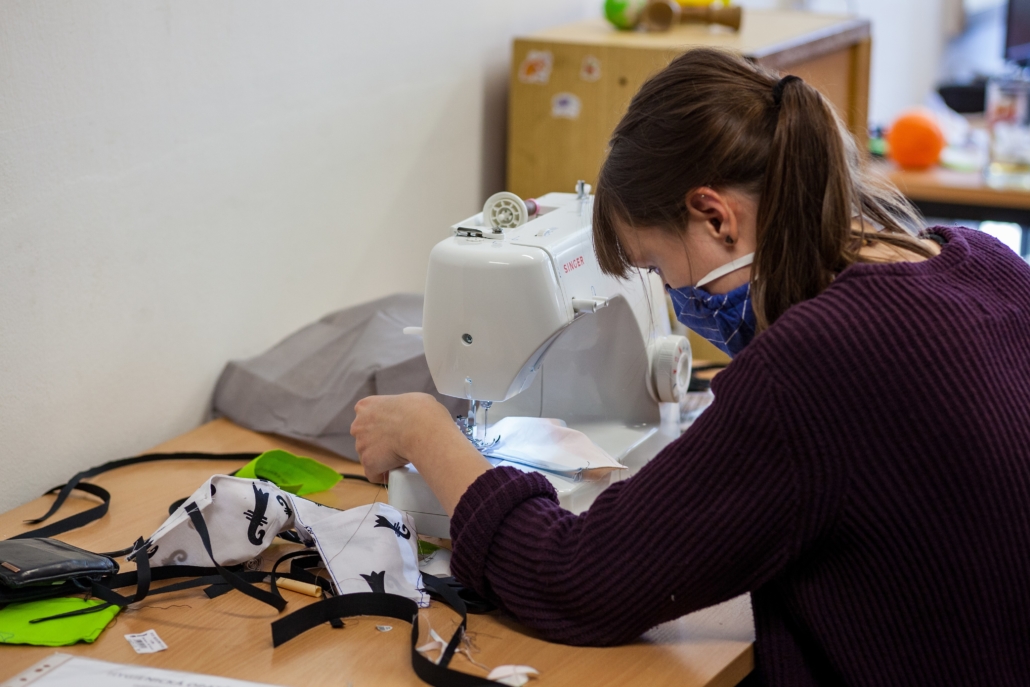 As developing countries struggle to meet their medical supply needs, many organizations have attempted to address these needs through the global supply chain. However, this system is often inefficient and inadequate for helping developing countries. Empowering struggling communities through the local production of medical supplies may be the key to improving medical care throughout the world.
Not Enough Oxygen
When working to improve healthcare in developing countries, aid organizations often struggle to supply adequate medical supplies in a timely manner. Supply shortages mean that these organizations fail to provide enough medical resources for these countries.
This lack of medical supplies is especially problematic during a pandemic such as COVID-19. While the pandemic has increased the need for oxygen in medical care, developing countries face the worst oxygen supply shortages. Estimates place the annual number of newborn deaths due to lack of oxygen at around 500,000.
In regions struggling with COVID-19, like Africa and the Middle East, oxygen shortages can be disastrous. Transporting oxygen tanks to these countries from the U.S. and Europe is often not efficient in cost or time. As such, the global supply chain for oxygen cannot supply these countries with what they need in a timely manner.
Not Enough Equipment
What’s more, the current response assumes that developed countries have enough supplies to meet global medical needs. This is not the case, however. According to the WHO, the global supply of personal protective equipment needed to effectively prevent the spread of COVID-19 only meets 60% of global demand. The WHO estimates that the world needs 89 million medical masks and 76 million medical gloves each month to combat the virus effectively.
These global supply chain shortages affect access to vaccines in impoverished communities in particular. More than a quarter of all vaccines have three or fewer distributers. This severely limits the access that poorer communities have to vaccines. Further, these distributors often headquarter exclusively in developed countries. This can make it even more difficult for developing countries to acquire enough vaccines to meet their own medical needs. Africa, for example, only has one vaccine manufacturer that is a member of the Developing Countries Vaccine Manufacturers Network.
Encouraging the Local Production of Medical Supplies
Rather than relying on an already struggling global supply chain, it may help more to encourage the local production of medical supplies in these countries. Having local manufacturing plants would allow vital medical equipment to reach impoverished communities much more quickly and efficiently than it otherwise could.
Since April 2020, an organization called Assist International has worked with manufacturing plants in Kenya, Rwanda and Ethiopia. These plants provide a local source of oxygen tanks to hospitals in these countries. So far, the program has helped more than 40 hospitals in Africa, creating a cheap and efficient system for the local production of medical supplies.
Implementing Additive Manufacturing
Additive manufacturing also provides a possible solution to the problem of medical supply shortages. This style of manufacturing allows for the quick and cost-effective production of important medical supplies. These may include mechanical parts for ventilators, surgical equipment and even prosthetics. 3D printing is a particularly versatile tool, since it can produce different kinds of equipment without unique machinery for each. Once installed in local production facilities, 3D printers can then support a variety of production purposes. They would therefore streamline the process of the local production of medical supplies in impoverished communities.
Medical supply shortages for developing countries are an especially pressing issue. As the world faces a pandemic and global supply chains begin to fracture, many developing countries cannot meet their medical needs. Working to empower impoverished communities through the local production of medical supplies and additive manufacturing may alleviate the strain on these countries’ medical systems.
– Marshall Kirk
Photo: Wikimedia
