Children with Disabilities in Kyrgyzstan
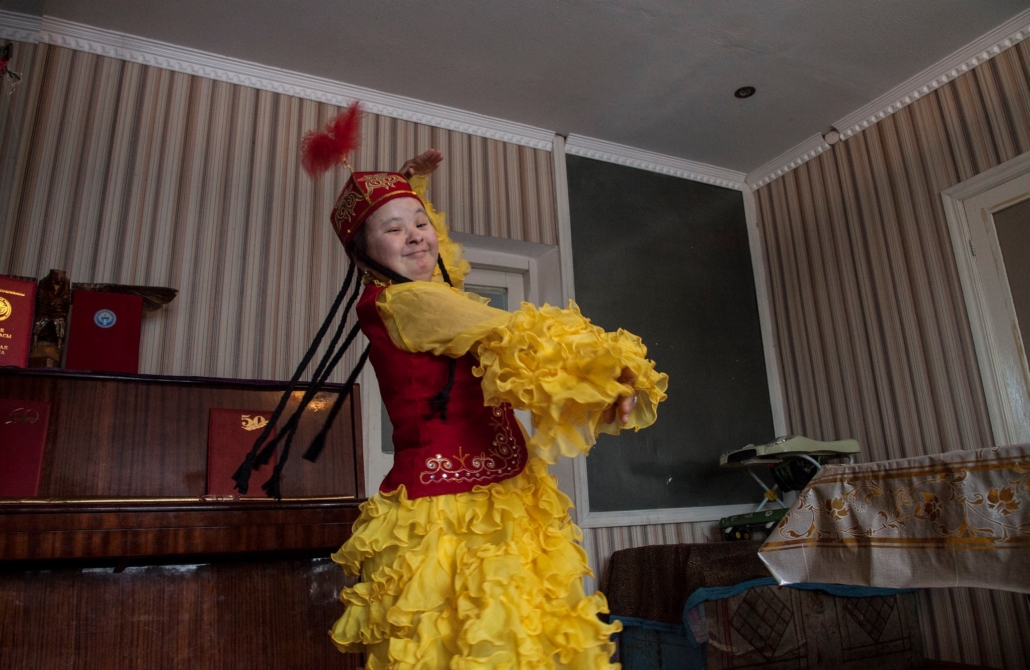
Kyrgyzstan is a small nation in Central Asia. It is west of China and south of Kazakhstan. In 2019, this former Soviet country ratified the United Nations Convention on the Rights of Persons With Disabilities (CRPD). Kyrgyzstan is now part of it along with 180 other countries. The approval of the CRPD showcases the progress that various organizations have made in recent years toward creating a more inclusive Kyrgyzstan. This is of vital importance to more than 31,000 registered children with disabilities in Kyrgyzstan who often lack basic civil rights.
Barriers to Inclusion
Since Soviet rule, the prevailing mindset in Kyrgyzstan is that people with disabilities require fixing. This has led to the development of stigmas against people with disabilities, and in turn, their exclusion from daily life. This can take the form of the children not receiving an education, and having limited access to health and rehabilitation services and institutional placement. According to UNICEF, in 2012, more than 3,200 children and teenagers with disabilities were living in institutions. Here, they often face inhumane treatment. For example, Human Rights Watch documented that staff use “psychotropic drugs or forced psychiatric hospitalization to control children’s behavior and punish them.” This kind of treatment is harmful and can result in an overdose.
Learning Better Together
In 2018, the Kyrgyzstan government launched several initiatives with the intention of fostering inclusion. One of these initiatives is the Learning Better Together Initiative. This is a partnership between USAID, the Ministry of Education and Science of Kyrgyzstan and UNICEF. UNICEF is responsible for placing children with disabilities or special needs in local schools. Teachers received training on how to work with children with disabilities and how to identify areas in which students need extra help.
There were 20 schools that participated in the pilot program. Each one received grants to use as they best saw fit. For example, the school in Kok-Sai used the grant to build a dance room and purchase exercise equipment to help children with disabilities improve their physical health.
While the main focus of the Learning Better Together Initiative is children with disabilities, it also implemented multilingual education. At least 20 school settings practiced this concept during the pilot program. These programs are important for a multiethnic nation like Kyrgyzstan.
Open the Door to the Child!
“Open the door to the child!” is a UNICEF public campaign. It is in partnership with the Osh and Bishkek Mayor’s office that informed the public about children with disabilities in Kyrgyzstan. Billboards displayed advertisements that talked about accepting those with disabilities. Similar posters and banners hung on bus stops and city lights. The stories of children with disabilities in Kyrgyzstan, including their trials and victories, aired on local television throughout the Osh Oblast (region).
Additionally, kindergartens handed out bilingual pamphlets to parents, outlining how to connect with children with disabilities. Psychology and sociology students came to kindergartens to teach how to make friends with others, including those who have disabilities.
UNICEF’s Early Identification and Early Intervention Programme for Children with Disabilities is a program that sends health care workers to homes with newborns and children to screen for health issues and disabilities. Currently, UNICEF is striving for early detection in children 8-years-old and under to ensure they get adequate health services. UNICEF is also aiming to prevent a child’s health from worsening.
Buchur
Buchur is a daycare center in Osh, Kyrgyzstan, which specializes in working with children with disabilities. Founded by UNICEF, the city now runs and finances the daycare center itself. Here, children with disabilities between the ages of 2 and 16 can learn skills and interact with one another instead of facing isolation at home. Furthermore, it facilitates a smooth integration into kindergarten or school. Buchur also tutors children from mainstream schools who need help with homework. Similar facilities are uncommon in Kyrgyzstan.
Basketball for All
Inspired by a similar Ukrainian program, Basketball for All teaches kids with down syndrome or autism the skills and teamwork needed to play basketball. Administered by World Link and FLEX alumni, this is the first project of its kind in Kyrgyzstan. Organizers integrate parent and student feedback into the program to ensure it has the desired effect on students. Though the COVID-19 pandemic cut the initial run of the program short, the organizers have expressed interest in continuing the program after the pandemic.
Kelechek Plus
Kelechek Plus is an organization that focuses on issues surrounding children with disabilities in Kyrgyzstan. One of its programs focuses on building inclusive playgrounds for children. These playgrounds help expose non-disabled children to children with disabilities and vice versa. This is important to the mental and emotional needs of the children. Kelechek Plus has built playgrounds in various cities around Kyrgyzstan, such as Osh and Karakol. A wheelchair-accessible merry-go-round is an example of the type of structures that parents could find at one of Kelechek Plus’ playgrounds.
The progress that Kyrgyzstan has made over the last few years has been valuable in regard to the inclusion of children with disabilities in Kyrgyzstan. However, most NPO and government initiatives affect mainly the cities, leaving the rural areas in need of social and academic services. Government assistance in rural areas needs to occur. However, the success of current inclusive programs could serve as a roadmap throughout Kyrgyzstan.
– Riley Behlke
Photo: Flickr
