4 Things to Know About Nigerian Infrastructure
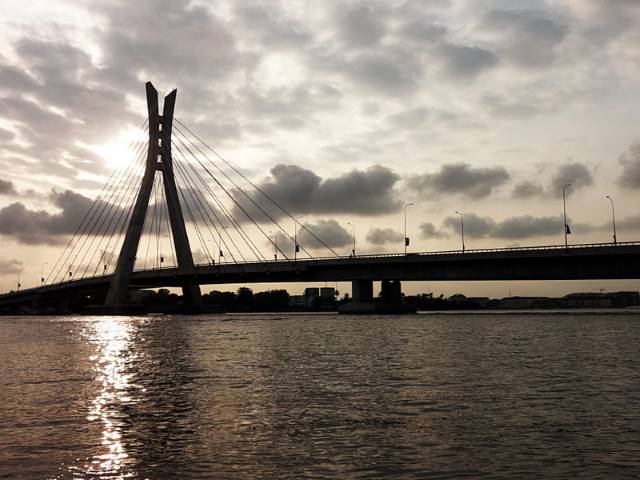 Nigeria is located in West Africa and shares a border with Niger to the north and the Atlantic Ocean to the south. The hundreds of different languages spoken in the country characterize its diverse population. The country benefits from a relatively large population and economy but it still has a high poverty rate. Reducing the poverty rate will require better Nigerian infrastructure that will expand the economy to reach the countries rural population.
4 Facts About Nigerian Infrastructure
- A public-private partnership is the core strategy. The government has acknowledged the importance of private sector help to reduce the infrastructure deficit which has been a thorn in the side of an economy that shows immense potential. The Nigerian vice president, Yemi Osinbajo, clearly outlined what the government believes the role of the private sector should be as it pertains to improving Nigerian infrastructure. He pointed out that the private sector, which accounts for 92% of the country’s GDP compared to the public sector accounting for a mere 8% of the GDP, shows the limits of public expenditures and budgetary allocations. Osinbajo says it could require $3 trillion over 30 years in infrastructure investment to resolve the infrastructure deficit. Osinbajo included that the country would see a lot of benefit from large investments from the private sector whether it be from local or foreign resources.
- The president is promoting private investment in infrastructure. President Muhammadu Buhari of Nigeria recently approved the creation of a new development firm called Infra-Co, which will be backed by an infrastructure fund worth $2.63 billion. The hope is to improve the transportation and power networks that have held back the 40% of Nigerians living below the poverty line — a staggering number for a country that boasts the biggest economy and population in Africa. It has been reported that KPMG will serve as the transactional advisor to the fund which further legitimizes the government’s plan to boost Nigerian infrastructure through partnership with the private sector.
- Nigeria is investing heavily in railway construction. The construction of the Lagos-Ibadan rail created history in West Africa as being the first double-track standard gauge rail in the region. The Lagos-Calabar railway is another large project costing $11 billion and running 1,400 kilometers long, which connects the western and eastern parts of the country.
- Other key infrastructure projects. Other infrastructure projects in Nigeria include the World Trade Centre, the Lekki Free Trade Zone and the Abuja Gateway Airport. The World Trade Centre and Lekki Free Trade Zone will create more business opportunities for foreign and local investors and increase tourism and entertainment. It will also boost commercial and residential real estate development. The Abuja Gateway Airport will be an architecturally appealing addition to the Abuja Airport. Its design will include features that symbolize the countries diverse culture. The use of solar power, green roofs and locally made laterite clay will help contribute to an environmentally friendly and modern design. All three of these projects seem to be an attempt to bring about more economic opportunities by making Nigeria’s richest cities more welcoming and luxurious for foreign investors.
The increased business opportunities created by the heavy investments in Nigerian infrastructure will significantly help the economy. The railways will allow more Nigerians across the country to work better jobs in wealthier cities such as Lekki city. But, the infrastructure spending still needs to expand to the country’s rural parts so that every Nigerian can be involved in the rapidly growing economy. Nevertheless, Nigeria is making developmental strides and its rapid economic progress should be viewed as a success.
– Stephen Blake Illes
Photo: Flickr
