• Link to X
  • Link to Facebook
  • Link to Instagram
  • Link to TikTok
  • Link to Youtube
  • About
    • About Us
      • President
      • Board of Directors
      • Board of Advisors
      • Financials
      • Our Methodology
      • Success Tracker
      • Contact
  • Act Now
    • 30 Ways to Help
      • Email Congress
      • Call Congress
      • Volunteer
      • Courses & Certificates
      • Be a Donor
    • Internships
      • In-Office Internships
      • Remote Internships
    • Legislation
      • Politics 101
  • The Blog
  • The Podcast
  • Magazine
  • Donate
  • Click to open the search input field Click to open the search input field Search
  • Menu Menu

Archive for category: Developing Countries

Information and stories about developing countries.

Developing Countries, Global Poverty, Women's Empowerment

3 Projects Advancing Women’s Rights in Grenada  

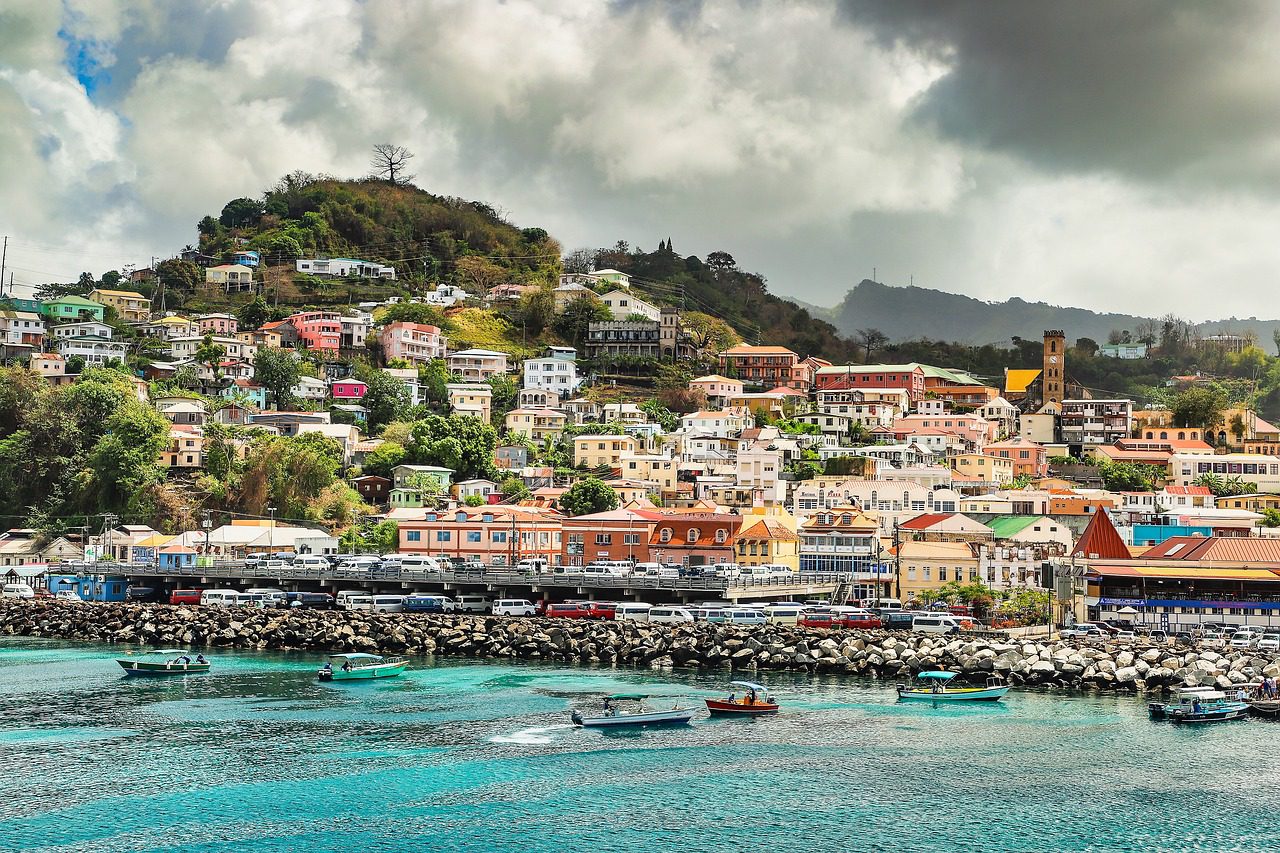
Women’s Rights in GrenadaLocated in the eastern Caribbean Sea, Grenada is an island country with approximately 125,000 people. Like other Caribbean countries, Grenada faces several challenges related to women’s rights. For example, one-third of young women in Grenada, Saint Lucia and Jamaica do not participate in education, employment or training due to family responsibilities.

Though the country has made significant strides towards gender parity, such disparities extend to women’s political representation. Additionally, women in Grenada are more vulnerable than men to financial loss from natural disasters and domestic violence. In response to these women’s rights issues in Grenada, the government and nongovernmental organizations (NGOs) are confronting gender-based oppression head-on. Here are three key projects advancing gender equality and women’s rights in Grenada today.

Gender Equality Policy and Action Plan

GEPAP is one of the Grenadian government’s most comprehensive efforts to improve women’s rights thus far. As the project completes its final year, GEPAP strives to invite the participation of women in every aspect of “all political, economic, social, cultural and environmental [programs] and projects.”

In January 2023, GEPAP took a focus on gender-based budgeting. Prepared by the Ministry of Finance, the Gender Budget Statement expressed the government’s continued commitment to women’s rights in Grenada by ratifying numerous anti-discrimination conventions. The document underlines the importance of gender-responsive budgeting, as the government is allocating financial resources to “address gender gaps in all sectors and at all levels.”

With GEPAP, more women have also taken on leadership positions, particularly in politics, schools and courts. In the 2018 elections, women made up 47% of Parliamentary representatives. In the same year, women held the titles of Head of State, Head of Public Service and the Head of the Treasury.

EnGenDER

Led by multiple organizations such as the United Nations (U.N.) Women, Enabling Gender-Responsive Disaster Recovery, Climate and Environmental Resilience in the Caribbean (EnGenDER) is a collaborative effort confronting the disproportionate effects of natural disaster risk on women in Grenada. In the program, food security within the agriculture sector and health and disaster management are highlighted by the National Decision-Making Mechanism for Grenada. Public health crises generally affect women’s food security more than men’s. For instance, during the COVID-19 pandemic in February 2022, the CARICOM Food Security & Livelihoods Survey found that 69% of men “had no difficulties eating” compared to 45% of women.

Changing weather patterns and natural disasters impact Grenadian women similarly, as they are often expected to take on greater household responsibilities. For example, many female farmers accounted for the need to provide for their families when they reported “having less money to spend on climate risk insurance.” The initiative found that this was less of a consideration for male farmers. Single Grenadian women face the impacts of changing weather patterns and natural disasters alongside poverty, making up the “largest segment of the poorest quintile of the population in the country.”

In addition, EnGenDER examines disparities in the medical system in Grenada, as women seek less medical attention but face more reproductive and menstrual health concerns. With its analysis across these sectors, EnGenDER has contributed necessary context to the government’s work on climate resilience for women, encouraging recent developments such as the National Climate Change Policy and the National Adaptation Plan that work in tandem with GEPAP.

GrenadaInfoSPACE

In 2018, a national survey showed that 29% of Grenadian women would experience gender-based violence during their life. The survey was one of few at the time exploring domestic violence but revealed a prevalent struggle among Grenadian women. The Spotlight Initiative to End Violence Against Women and Girls launched GrenadaInfoSAFE in June 2023 to help combat this issue. A digital data system, GrenadaInfoSAFE, is working to gather more information about domestic violence experiences throughout the country.

The platform’s surveys and statistics that follow will help quantify the gravity of the problem. By analyzing the collected data, the project hopes to put a spotlight on domestic violence, which is underreported and neglected in the Caribbean. With more tangible evidence of the specific types of gender-based violence occurring, leaders are better equipped to understand and address the domestic violence challenges undermining women’s rights in Grenada.

As efforts such as GEPAP, EnGenDER and GrenadaInfoSPACE work to bolster women’s rights in Grenada, they empower women everywhere, creating a world and future of greater gender equality.

– Estelle Lee
Photo: Pixabay

March 30, 2024
https://borgenproject.org/wp-content/uploads/borgen-project-logo.svg 0 0 Jennifer Philipp https://borgenproject.org/wp-content/uploads/borgen-project-logo.svg Jennifer Philipp2024-03-30 01:30:452024-03-29 05:40:373 Projects Advancing Women’s Rights in Grenada  
Developing Countries, Global Poverty, Poverty Reduction

Understanding Poverty Reduction in the Philippines

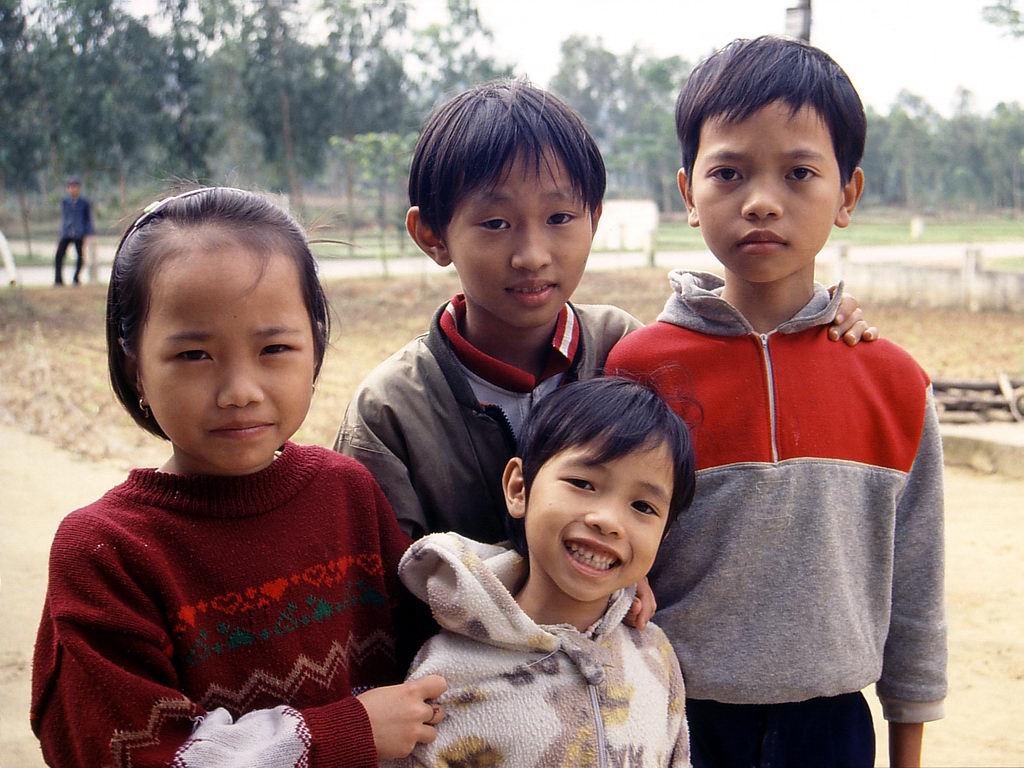
Poverty Reduction in the PhilippinesIn the Philippines, poverty has been prevalent in the lives of millions, with 22.4% of its population living below the national poverty line and 9.79 million Filipinos unable to meet their basic food needs. However, due to the efforts of poverty reduction in the Philippines, there has been a notable decrease from 2021, which saw a poverty rate of 23.7%.

With increasing urbanization and a growing middle class, poverty reduction in the Philippines is a crucial pathway toward understanding development goals and uncovering opportunities for advancement. This article will delve into the multifaceted approaches in the Philippines’ poverty reduction, analyze the strategies put in place so far and identify challenges to achieving President Ferdinand Marcos Jr’s plan to bring poverty in the Philippines down to 9% by 2028.

Current State

As evidenced by the Philippine Statistics Authority (PSA) and the Asian Development Bank (ADB), the current state of poverty in the Philippines is one of slow but resilient progress. According to the PSA, the Proportion of Poor among families has fallen from 18% to 16.4% between 2021 and 2023, highlighting some initial progress in poverty reduction efforts.

However, the PSA’s data also indicates that urban areas, such as Manila, which has a Poverty Incidence of 5.7%, have much lower levels of poverty than rural areas, such as Leyte, which has a Poverty Incidence of 31.3%, indicating a significant urban-rural gap. By addressing factors such as access to education, health care and employment opportunities and recognizing these disparities between urban and rural areas, we can implement effective policies to foster inclusive poverty reduction in the Philippines.

Government Initiatives

Regarding government initiatives, the Philippines’ Department of Social Welfare and Development (DSWD) has implemented a program known as the Pantawid Pamilyang Pilipino Program (4Ps). This program promises to provide conditional cash grants to poorer households to improve the health and education of children living below the national poverty line. As of August 2015, program recipients received P27.15 billion ($0.48 billion) in cash grants.

Meanwhile, another government initiative, the Sustainable Livelihood Program (SLP), started in 2011. This program generated employment among poor households and moved highly vulnerable households into more sustainable livelihoods, intending to expand poverty reduction in the Philippines. The program has grown from serving 46,000 families in 2011 to serving 166,000 families in 2017. Despite these efforts, challenges such as limited resources persist. However, sustainable poverty reduction is possible through monitoring and evaluating program performance and fostering transparency.

Nongovernmental Efforts

In addition to government initiatives, several nongovernmental organizations (NGOs) play a crucial role in poverty reduction in the Philippines. Organizations such as the Zero Extreme Poverty PH 2030 (ZEP) are actively involved in addressing the root causes of poverty, focusing on eight themes: Health, Education, Environment, Livelihood and Employment, Agriculture and Fisheries, Housing and Shelter, Peace and Human Security and Social Justice.

Zero Poverty PH has achieved many notable accomplishments in poverty reduction efforts. It installed a water system in Tayabasan, benefiting more than 215 families by giving them clean drinking water. Moreover, its goal to have two million Opportunity Youth in employment or self-employment by 2030 is already in progress. For example, Jonalyn, age 17, who had to drop out of school to support her family, is now receiving support from ZEP to continue her education at Hilamonan Elementary School, along with 300 other students. By working closely with communities, nongovernmental organizations can implement targeted goals that address specific needs and challenges.

Economic Challenges and Future Directions

However, alongside socioeconomic disparities, the Philippines also faces several environmental challenges from changing weather patterns, like typhoons and floods. These disasters have tragic consequences for people experiencing poverty, resulting in loss of livelihoods or homes and further deprivation. Furthermore, environmental factors such as pollution and deforestation threaten food security and create health risks.

As the lead plastic polluter in 2019, the Philippines is responsible for 36.38% of global oceanic plastic waste. Undoubtedly, this is having dire effects on those in poverty. Whether through water-transmitted illnesses or threats to livestock due to the endocrine-disrupting chemicals in the plastic, which are linked to several issues such as infertility, cancer, diabetes and increased risk of cardiovascular disease and strokes.

Moreover, government initiatives such as the Extended Producer Responsibility Act (EPRA), introduced in 2022, which requires companies to create EPR programs for plastic waste reduction, recovery and diversion, have set an expectation for an 80% decline in their plastic product footprint. Furthermore, the Philippine government has implemented a National Plan of Action for the Prevention, Reduction and Management of Marine Litter to achieve zero waste in Philippine waters by 2040. This plan will create a wide range of policies, such as improving public awareness about marine pollution and participating in international coastal clean-ups, highlighting a wide approach towards their goal.

This is important for poverty reduction as plastic pollution can affect health through cancer, cardiovascular disease and more. Furthermore, plastic pollution affects farm animals and fish through choking or entanglement, which affects not only the amount of food around but also causes a massive dip in income for those who rely on this livelihood and fishing for income.

Final Remark

Poverty reduction in the Philippines requires multifaceted approaches that cover social, economic and environmental angles. While progress is being made through government and NGO initiatives, challenges continue to persevere. By prioritizing inclusive and sustainable policies, there is a strong chance that the Philippines will continue striving toward a prosperous future.

– Emily Weir
Photo: Flickr

March 30, 2024
https://borgenproject.org/wp-content/uploads/borgen-project-logo.svg 0 0 Jennifer Philipp https://borgenproject.org/wp-content/uploads/borgen-project-logo.svg Jennifer Philipp2024-03-30 01:30:142024-03-29 05:36:39Understanding Poverty Reduction in the Philippines
Developing Countries, Global Poverty, Poverty, Poverty Reduction

Disability and Poverty in Russia

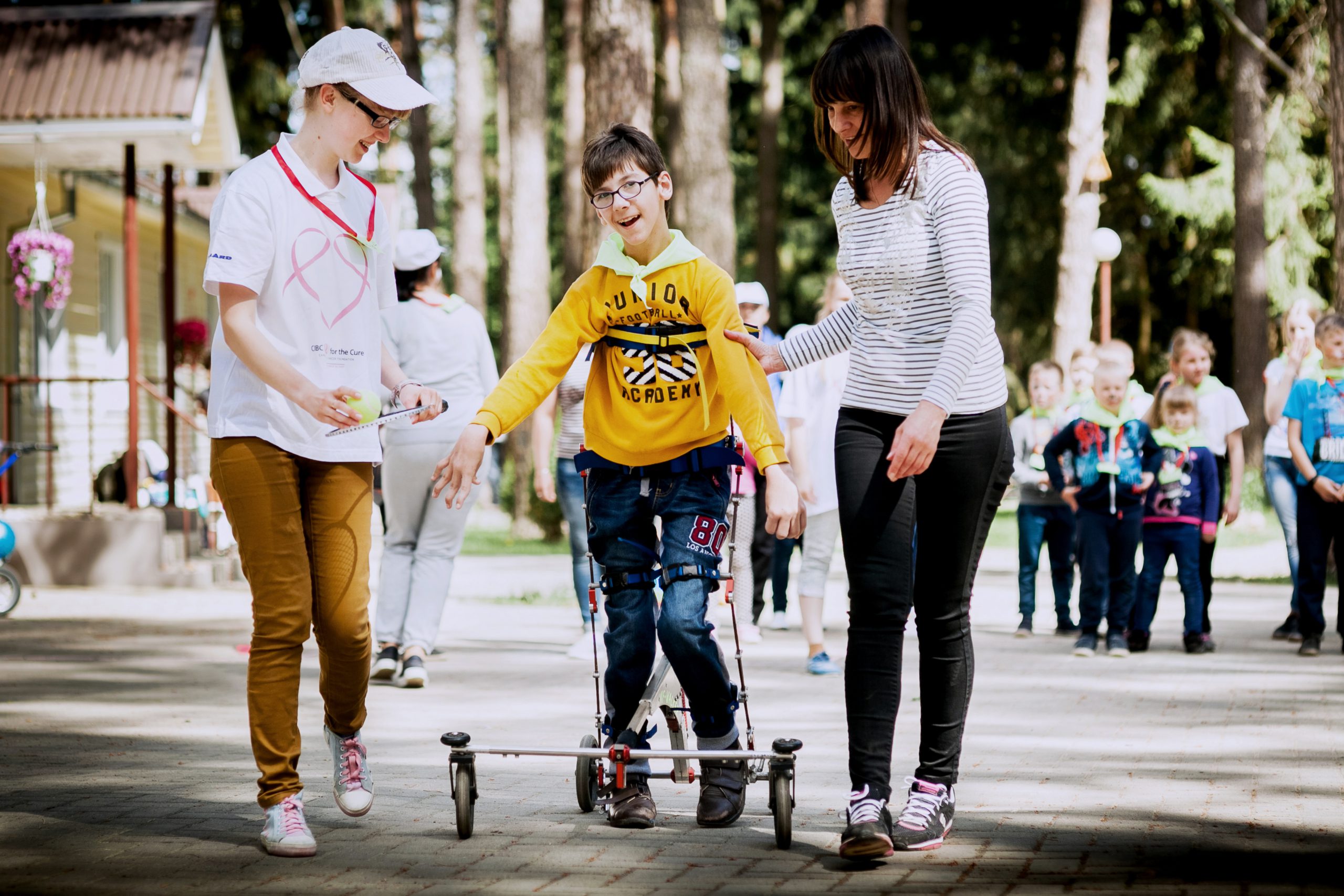
Disability and Poverty in RussiaRussia’s poverty rate across all demographics sits at 12.1% as of 2020, per the World Bank. Further, 13 million Russians have disabilities, which is roughly 9% of the total population. In lower and middle-income countries, which includes Russia, disabled people are twice as likely to live in poverty than non-disabled people. As with many countries, disability and poverty in Russia are linked to each other; Russia’s history of discrimination against disabled people relegates many of them to live in poverty and this marginalized demographic faces discrimination in modern-day Russia.

History

Historically, the Russian government has treated its disabled citizens with disregard for their well-being. The current Russian Federation’s former governing state, the Soviet Union, outright denied their existence in the country, infamously declining to participate in the first iteration of the Paralympic Games in 1980, claiming that no disabled people existed in the country.

Before this, the Soviet government assigned disabled World War II veterans to low-paying jobs upon their return from war, thus relegated to poverty. These new jobs assigned to the now-disabled Russian veterans often disregarded their previous careers and skill sets. They reduced them to being defined by their disability.

This practice of job reassignment created an association between poverty and disability in Russia and disabled citizens were given little opportunity to better their conditions beyond their low-wage occupations.

Modern Problems

In addition to the higher rates of poverty among disabled Russians, discrimination against people with disabilities is still pervasive in the country. In 1995, the Russian Federation passed a law outlining a federal definition of disability, a step forward from the Soviet Union’s denial of disabled Russians.

Despite the federal acknowledgment of disabled citizens, the country still lacks adequate resources for them. Disabled people in Russia, particularly children with disabilities, are mistreated. For example, according to Human Rights Watch (HRW), Russian orphanages have been caught transferring their disabled residents to state-run institutions without their consent once they have turned 18 when they instead should be transitioned into living independently.

This comes in tandem with allegations of abuse inside Russian orphanages, where an estimated 30% of disabled Russian children live. These orphanages hold children for extended periods despite being intended only for temporary stays. Former residents have accused these children’s homes of tying patients to beds, sedating them and temporarily transferring them to mental institutions against their will as punishment.

Solutions

The violence and adversity faced by disabled people are still pervasive. However, some organizations are working to alleviate the issues that come from disability and poverty in Russia. To combat the adversity faced by disabled Russians, some citizens have started their own charities and nonprofits to improve the quality of life for people with disabilities and give support to their families.

For example, Perspektiva is a Russian nonprofit that works to improve the quality of life for people with disabilities, including helping them find employment to diminish the number of people living with both disability and poverty in Russia. Perspektiva has helped Russians with disabilities complete internships with international companies, such as Ernst and Young, L’Oreal and SAP and it lists hundreds of jobs on its employment portal for disabled job applicants.

Final Remark

The social acknowledgment of disabled Russians and the work of charities like Perspektiva have helped improve the status of disabled Russians living in poverty. However, this vulnerable demographic still needs assistance and advocacy to improve further.

– Elizabeth Nelms
Photo: Wikimedia Commons

March 29, 2024
https://borgenproject.org/wp-content/uploads/borgen-project-logo.svg 0 0 Jennifer Philipp https://borgenproject.org/wp-content/uploads/borgen-project-logo.svg Jennifer Philipp2024-03-29 01:30:332024-03-28 03:58:30Disability and Poverty in Russia
Developing Countries, Global Poverty, Humanitarian Aid, NGOs

The Impact of Concern Worldwide in Pakistan

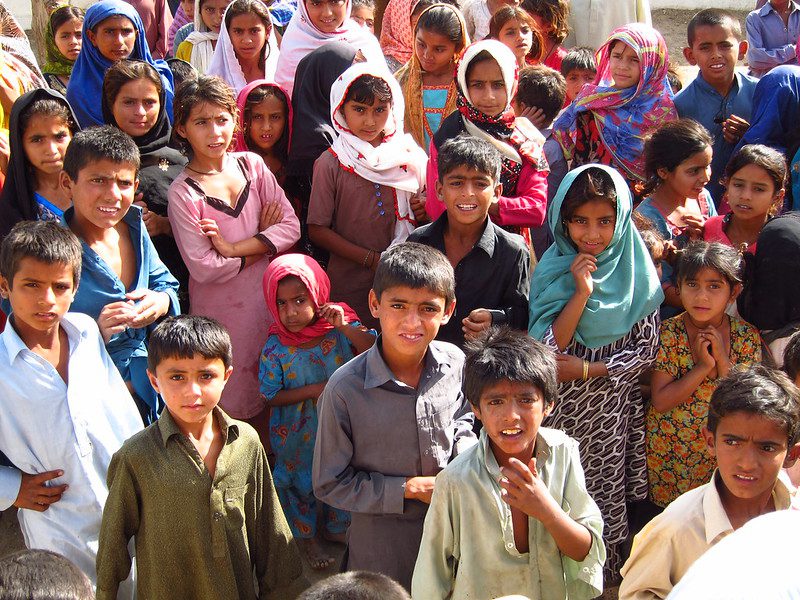
Concern WorldwideConcern Worldwide, an international nongovernment organization “that strives for a world free from poverty, fear and oppression,” has been pivotal in driving positive change and significantly impacting Pakistan through its range of programs and initiatives. With a commitment to addressing the most pressing needs of communities across the country, Concern Worldwide has established itself as a key player in the realm of humanitarian aid and development. From health care and education to livelihood support and emergency response, the organization’s multifaceted approach aims to uplift and empower individuals and communities in Pakistan, ultimately contributing to a brighter and more sustainable future for all.

Why Is Concern Worldwide Helping Pakistan?

Pakistan faces a significant risk of natural disasters, including droughts, earthquakes, floods and landslides. These events often lead to mass displacement, increased humanitarian needs and worsened food insecurity and malnutrition. In fact, from June to September of 2022, Pakistan experienced significant impacts from heavy monsoon rains and glacial lake outbursts, which led to widespread flooding and landslides. Approximately 33 million people were affected, with more than 1,700 reported deaths, nearly 12,900 individuals injured and an estimated 7.9 million people displaced.

Additionally, more than 2.3 million houses and millions of acres of agricultural land and crops were damaged or destroyed. As of 2023, according to the latest Global Hunger Index (GHI) report, Pakistan has been placed 99th out of 129 nations and has classified its hunger level as “serious.” The intersection of political conflict, the changing climate and the COVID-19 pandemic has placed millions at risk of food insecurity.

What Is Concern Worldwide Doing To Help?

Concern Worldwide is making an impact in Pakistan and creating substantial positive changes. Through community empowerment and enhancing education and health care accessibility, its efforts focus on building a better tomorrow for those most in need. In partnership with local entities in the South Asian nation, its efforts are concentrated on building resilience to natural challenges, swift responses to crises, tackling malnutrition and encouraging the development of skills, livelihoods and economic self-reliance.

Health and Nutrition Programs

By improving access to health care services, providing nutritional support to children and pregnant women and raising awareness about hygiene and sanitation practices, the organization is helping to improve the overall health and well-being of communities in Pakistan.

Its Community Management of Acute Malnutrition (CMAM) Surge strategy is geared towards improving the health care system and enhancing the skills of health care professionals. The nonprofit has trained medical officers, nutrition assistants and paramedical staff in 28 health facilities to provide essential care to malnourished children, pregnant women and nursing mothers.

Emergency Responses

One of the main ways in which Concern Worldwide is making an impact in Pakistan is through its emergency response efforts. From distributing food and water to offering medical assistance, its emergency response teams work tirelessly to ensure that individuals and families have the support they need during times of crisis. For example, the initiative’s Responding to Pakistan’s Internally Displaced (RAPID) Fund Program helps those affected by natural or artificial disasters nationwide.

The organization also tackles the underlying factors contributing to emergencies by emphasizing disaster risk reduction and building resilience. In 2018, the initial phase of the DFID-funded Building Disaster Resilience Program (BDRP) was completed successfully, improving resilience at the community and household levels in districts prone to flooding.

Economic Opportunities and Gender Equity

Using the Building Disaster Resilience program, Concern Worldwide is working to empower individuals to create lasting income sources through Climate Smart Agriculture by providing workshops for both women and men. These workshops include male and female farmers learning climate-smart practices to improve their crop production, leading to better incomes.

However, these interventions were specifically targeted at women. In fact, in 2018, 2,250 nutritious and locally-grown vegetable packages were provided to women, along with the necessary tools to help them create home-based kitchen gardens. These initiatives aim to enhance women’s economic prospects and boost their confidence and motivation to assist in making their communities a better place.

Agriculture

Furthermore, Concern Worldwide is impacting Pakistan through its efforts to promote environmental sustainability and climate resilience. By working with communities to implement sustainable agricultural practices, conserve natural resources and adapt to the changing climate, the organization helps protect the environment and build resistance against the impacts of the changing climate in Pakistan.

This has benefited the environment and improved the livelihoods and well-being of vulnerable communities in the country. In 2019, more than 200 sessions were held on Climate Smart Agriculture. Additionally, 129 training sessions on livestock management were conducted for households relying on livestock for their income. Furthermore, 240 community livestock extension workers were trained to ensure the availability of cost-effective livestock services.

Conclusion

By focusing on education, health care, emergency response, livelihoods, gender equality and environmental sustainability, Concern Worldwide is positively changing the lives of millions of people in Pakistan and helping to create a more stable society for future generations.

– Sara Hatab
Photo: Flickr

March 28, 2024
https://borgenproject.org/wp-content/uploads/borgen-project-logo.svg 0 0 Lynsey 2 https://borgenproject.org/wp-content/uploads/borgen-project-logo.svg Lynsey 22024-03-28 01:30:592024-03-31 08:38:45The Impact of Concern Worldwide in Pakistan
Developing Countries, Global Poverty

Hive Earth’s Community Development in Ghana

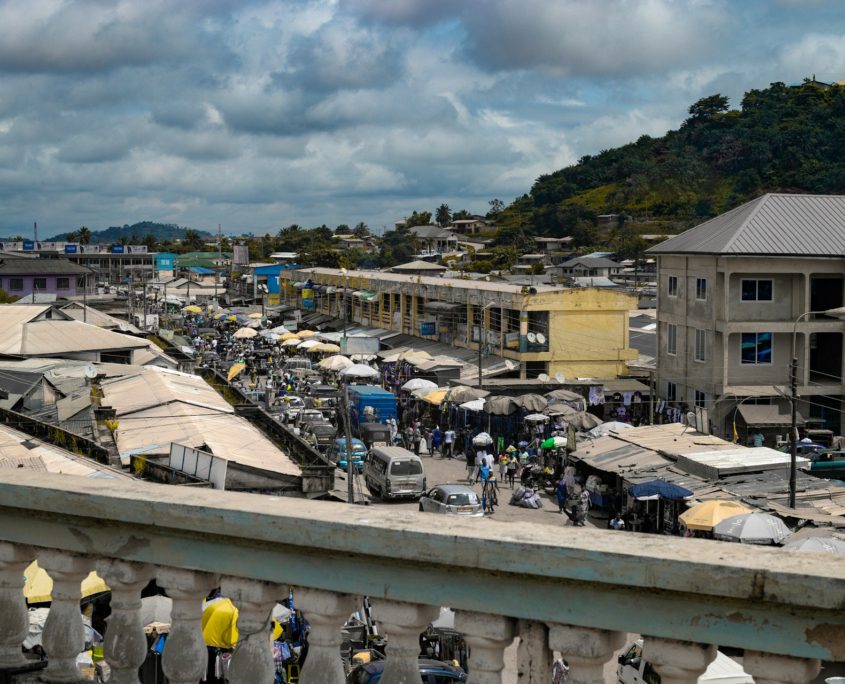
Hive Earth’s Community Development in Ghana In 2020, an estimated 6.6 million poor Ghanaians needed affordable, sustainable infrastructure and community development. Hive Earth’s community development in Ghana has become a model in the construction industry and beyond, hosting workshops and blogging about eco-friendly construction techniques.

Poverty in Ghana

Ghana saw notable poverty reduction between 1991 and 2012 but has faced stagnation since then. In recent years, slow economic growth and high inflation have driven up poverty rates. Additionally, there are increased disparities across different demographics and regions.

According to an interview with Hive Earth’s co-founder Joelle Eyeson, there is a demand for low-cost building methods to increase access to housing and other resources among people in poverty. This is how Hive Earth’s community development in Ghana comes into play.

How Hive Earth is Supporting Ghana’s Poor

As Eyeson explained, Hive Earth supports Ghana’s poor by “actively engaging with communities.” This engagement consists of training programs teaching self-sufficiency regarding building and maintaining homes. Eyeson emphasized that the objective of Hive Earth’s community development in Ghana is to “create sustainable solutions that uplift communities and break the cycle of poverty.” Throughout the past year, Eyeson explained that this work has consisted of large-scale community projects such as constructing a family center in central Ghana.

Moreover, Eyeson advocates for Hive Earth’s approach to sustainable and affordable housing as a vital strategy to mitigate the housing crisis and support impoverished communities. However, she underscores the importance of a comprehensive strategy, highlighting that the full benefits of eco-friendly and cost-effective construction materials can only be realized when complemented by targeted political and educational efforts.

In addition, Eyeson is focused on expanding the reach and impact of Rammed Earth construction, anticipating a growth in demand. She envisions establishing more Rammed Earth companies across Africa, incorporating training programs and partnerships into Hive Earth’s business model to foster sustainable building practices and knowledge sharing.

Similar Initiatives

Hive Earth’s community development in Ghana is not the only instance where innovative methods and materials are being used to make housing and other community resources more accessible for impoverished people. Another up-and-coming unique technique to make housing more affordable is 3D printing homes.

Furthermore, companies like Tvasta Manufacturing Solutions in India, in collaboration with nonprofit organizations such as Habitat for Humanity have successfully 3D printed homes. These homes are 30% cheaper and can be built in five days or less.

Housing and Poverty Solutions

Eyeson encourages individuals passionate about reducing poverty and improving housing access to consider internships, volunteering or partnering with local projects and organizations. She highlights the Stewards of Affordable Housing for the Future (SAHF) as a key resource for those in the United States (U.S.) interested in making a difference in this field.

In addition, SAHF operates as a collaborative network involving 12 organizations dedicated to enhancing access to affordable and sustainable housing. Spanning the nation, alongside its advocacy efforts, SAHF serves as a key resource for individuals seeking to contribute to this cause.

Furthermore, Eyeson emphasizes the value of further education, whether formal or community-based, for deepening engagement in sustainable housing. She finds immense satisfaction in changing perceptions about natural building materials traditionally linked to poverty. Eyeson’s work with Hive Earth demonstrates the significance and value of building with Earth, challenging and transforming people’s associations with mud and similar materials.

– Madison Paulus
Photo: Unsplash

March 3, 2024
https://borgenproject.org/wp-content/uploads/borgen-project-logo.svg 0 0 Precious Sheidu https://borgenproject.org/wp-content/uploads/borgen-project-logo.svg Precious Sheidu2024-03-03 07:30:212024-03-20 04:34:11Hive Earth’s Community Development in Ghana
Developing Countries, Development, Education, Global Poverty

8 Key Ways to Strengthen Global Supply Chains

8 Key Ways to Strengthen Global Supply Chains Reliable and consistent global supply chains are essential for the maintenance of life-saving services in some of the world’s hardest-hit developing countries. In fact, they provide the key foundations of sanitation and hygiene, water, education, nutrition and health systems in countries that need the most charitable support.

The United Nations International Children’s Emergency Fund (UNICEF) has committed greater resources to ensure the protection of these crucial supply chains. Hence, working with governments to ensure that all the crucial stages of product selection, strategic procurement and the contracting of logistics services meet as few hindrances as possible.

In addition, UNICEF outlines that post the COVID-19 pandemic, the value of equitable and resilient supply chains is more crucial than ever to ensure access to lifesaving supplies to countries most in need of humanitarian support.

UNICEF Tackle Insecure Supply Chains

In a recent report, UNICEF outlines two key objectives to address the issue:

  1. To create a collection of resources to deal with the most critical hindrances that directly affect supply chains.
  2. To analyze key areas affecting supply chain barriers that affect access to services, products and treatments that are essential.

As a result, UNICEF has compiled data based on the knowledge of key organizations and governments to address these two objectives. These include the Bill and Melinda Gates Foundation, the Global Alliance for Vaccines (GAVI), the United States Agency for International Development (USAID), the Global Fund, the African Centre for Disease Control, the World Health Organisation (WHO), United Nations Population Fund (UNFPA) as well as the private sector.

Ways to Strengthen Global Supply Chains

Furthermore, after compiling the experiences and knowledge of its partners, UNICEF has outlined eight key ways to strengthen global supply chains. Also, these recommendations aim to enhance access to essential, high-quality and life-saving services and supplies in the future.

The following are the eight key ways to strengthen global supply chains:

  1. Foster global sharing partnerships.
  2. Empower supply chain workforces.
  3. Enhance private sector involvement, multi-partner coordination and governance.
  4. Assist local manufacturing supplies and local production, using ‘market shaping’ as a key method. This could include pooled procurement and tools like volume guarantees on products.
  5. Reform fiscal policies and increase funding for the public financing of supplies.
  6. Create a strong service delivery system ensuring quality of care for supplies to their end user.
  7. Ensure the sustainability of social, economic and environmental elements connected to the supply chain.
  8. Quicker access to reliable data and technology to support decision-making.

Global Supply Chain Improvements

Therefore, UNICEF’s investment and collaboration with the mentioned partners and governments have resulted in the implementation of supply chains through projects such as:

  • Nutridash, an online interactive platform that analyzes, stores and captures data from nutritional programs of more than 100 countries.
  • The Vaccine Independence Initiative, a $234 million fund accessible to many governments for procuring nutrition and health supplies, benefiting tens of millions of children annually.
  • The Traceability and Verification System, developed by the organization to authenticate health products including vaccines to ensure patient safety.
  • The Effective Vaccine Management Initiative and Maturity Model, the EVM initiative is a tool that monitors how vaccine supply chains help developing countries improve resource allocation and identify key areas that need development.
  • People that Deliver, this is a branch of UNICEF’s supply chain workforce that supports countries in developing the supply chain workforce through its close association with private and public partnership networks.

These initiatives and projects have helped raise $7.2 billion in supplies and services, enhancing the provision for supply storage and the transportation of vaccines, medicines and other critical supplies. In addition, they have also resulted in increased procurement of Ready-to-use Therapeutic Food (RUTF), a crucial item for treating severe wasting in children. Through these efforts, UNICEF met two-thirds of the global demand for RUTF production.

Progress and Promise

Despite facing significant challenges, the strides made in improving child survival rates in developing countries offer a beacon of hope. UNICEF’s call to action for strengthening global supply chains highlights a path forward to addressing critical needs, from vaccine accessibility to combating severe wasting and enhancing sanitation in schools. Furthermore, with concerted efforts and continued focus, the gap in essential services can be bridged, promising a healthier, more secure future for millions of children around the world.

– Domenico Palermo
Photo: Flickr

February 15, 2024
https://borgenproject.org/wp-content/uploads/borgen-project-logo.svg 0 0 Precious Sheidu https://borgenproject.org/wp-content/uploads/borgen-project-logo.svg Precious Sheidu2024-02-15 15:00:082024-02-14 03:49:378 Key Ways to Strengthen Global Supply Chains
Developing Countries, Global Poverty

Addressing Elderly Poverty in Albania

Addressing Elderly Poverty in Albania For years, Albania has grappled with the pervasive issue of elderly poverty, where inadequate social security systems, limited access to health care and the burden of intergenerational economic disparities have compounded the challenges faced by older citizens. The pension amounts in Albania continue to fall short of the relative poverty line, which stands at $6.7 per day or roughly $201 per month. Here are some of the factors that play a role within the issue of elderly poverty in Albania.

Post-Transition Albania

Today’s elderly in Albania have borne the brunt of the country’s tumultuous political economic transition back in 1991. The abrupt shift to market capitalism left many elderly people without savings or social safety nets, exacerbating their vulnerability. Additionally, the rapid aging of Albania’s population presents a looming demographic challenge. In 2022, Albania counted 630,000 people over the age of 60 years, comprising 22.5% of the national population, with projections indicating a rise of 26% in the coming years.

Economic Hardships and Pension Issues

Economic difficulties, invigorated by pension issues, further contribute to elderly poverty in Albania. Despite efforts to bolster economic development through foreign investments and seasonal tourism, poverty, unemployment, corruption and political instability persist. In 2019, approximately 33% of Albania’s population lived on less than $5.50 per day, marking it as the Western Balkan nation with the highest poverty rate.

Expensive living conditions and a lack of education opportunities are common reasons for young Albanians to leave the country. This exodus of young Albanians has led to high unemployment rates. With 60% unemployment among individuals aged 18 to 34, the workforce is dwindling, contributing to fewer contributions to the pension system. Consequently, there are fewer funds available to sustain pensions. Besides, the pension alone is often not enough to cover all one’s expenses, increasing the likelihood of elderly poverty. Health care costs, especially for chronic illnesses, pose a significant financial burden for older individuals, with around 91,000 elderly people in need of long-term care.

The government’s response to these challenges has been mixed. While there have been increases in social security spending, informal employment and irregular contributions present challenges in maintaining pension levels. Additionally, geographical disparities in social care provision mean that rural areas often have fewer health care services available.

Addressing Elderly Poverty in Albania

Despite these challenges, there are efforts underway to address elderly poverty in Albania. A non-profit called World Vision – World Vision is a global humanitarian organization that works to empower communities, alleviate poverty and provide assistance in areas such as education, health care and economic development – and municipalities have launched projects to extend health care services to remote areas, while the government has approved a National Action Plan aimed at combating elderly poverty.

The plan includes goals such as establishing daily care centers, residential centers and specialized buildings for vulnerable elderly individuals, as well as appointing nurses and social workers for home visits.

Looking Ahead

As Albania confronts the complexities of elderly poverty, initiatives led by World Vision and supportive government strategies are paving the way for meaningful progress. The establishment of care centers and expansion of health care services promise a more secure and dignified future for the nation’s elderly population. Through these collaborative efforts, Albania is taking significant steps toward alleviating the challenges of elder care, signaling a hopeful shift toward comprehensive social support and inclusion.

– Naomi Ronner
Photo: Flickr

February 13, 2024
https://borgenproject.org/wp-content/uploads/borgen-project-logo.svg 0 0 Precious Sheidu https://borgenproject.org/wp-content/uploads/borgen-project-logo.svg Precious Sheidu2024-02-13 03:00:132024-02-11 13:08:11Addressing Elderly Poverty in Albania
Developing Countries, Global Poverty

A Spotlight on StrongMinds’ Mental Health Initiatives in Africa

StrongMinds' mental health initiativesOften overlooked in the broader landscape of global health initiatives, mental health plays a pivotal role in shaping communities and individuals. With competing health and development priorities, mental health often takes the backseat, with more visible health ailments taking the stage. As of 2021, 66 million women suffer from depression and anxiety disorders in Africa, while 85% of women do not have access to treatment. With a firm grip on the complexities of mental health, StrongMinds’ mental health initiatives have fostered an inclusive environment where communities can address mental health in a culturally relevant way.

Specifically dedicated to addressing the frequently overlooked issue of depression, particularly impacting women in the region, StrongMinds sets itself apart as a singular organization scaling a cost-effective solution to the prevailing mental health challenges. Established in 2013, the organization operates strategically in Uganda and Zambia. What distinguishes StrongMinds is its dedication to the cause and its unique position as the sole organization implementing a scalable and cost-effective solution to the depression epidemic in Africa. Through partnerships and collaboration with NGOs and government entities, StrongMinds efficiently scales access to depression treatment, reaching communities utilizing a priceless resource — the community. 

The Borgen Project had the opportunity to speak with StrongMinds’ Acting Uganda Country Director, Vincent Mujune, who is actively involved in the organization’s mission. In the interview, Mujune delves into the inspiration behind StrongMinds’ exclusive focus on women, the vital role of community health volunteers, the importance of mental health in development, destigmatization strategies, the success of group therapy and the organization’s unique approach.

Impact of Depression on Women’s Lives

The foundation of StrongMinds is rooted in recognition of the staggering impact of depression on women’s lives – about twice as many women as men experience depression. “When a woman is depressed, she works less, she may experience physical ailments, and she will even disengage from her family and community. And when a woman is depressed, the negative outcomes can extend to her children, who are more likely to miss school or have poor physical and mental health themselves,” Mujune says.

Tailored Therapy and Women Empowerment

Mujune discussed how the benefit of tailored therapy for women stems much further than just the women themselves in the community, “Conversely, when a woman recovers from depression, our data show that she is able to work more, provide her children with more regular meals and schooling, and she will generally feel more connected to others in her community.” Women from StrongMinds’ mental health initiatives further reduce the stigmatization in the community by speaking out on their personal experiences with mental health and opening a space in which others can reach out to receive help. “We like to say that when a woman recovers from depression, she changes the world around her.”

The Role of Community Health Workers

StrongMinds’ mental health initiatives not only utilize health professionals to treat depression but also the community as a whole. The involvement of community members, mainly community health volunteers, is integral to the success of StrongMinds’ therapy model. “Through psychoeducation and awareness-raising, community members help create a safe space that reduces stigma and encourages women with depression to seek help. Social support is a crucial element to helping women overcome isolation and enhancing the overall effectiveness of group therapy,” Mujune explains. 

The Interconnectedness of Mental and Physical Health 

While infectious diseases are often pressing matters to address, StrongMinds brings awareness to the interconnectedness of both mental and physical health. Depression is linked bidirectionally with infectious diseases, impacting behaviors and adherence to health care. Addressing mental health contributes to overall development by breaking the cycle of poverty perpetuated by depression-induced limitations in education, job opportunities and economic participation. 

Overcoming the Stigmatization of Mental Health 

One of the most significant barriers to mental health is stigmatization in low-income countries where the same notion of mental health isn’t recognized as it is in the West. StrongMinds implements various strategies to relay the impact of mental health and the importance of speaking on the issue. Psychoeducation provided through mobilization and therapy efforts aims to educate individuals and communities about mental health disorders, fostering understanding and empathy. The organization extends psychoeducation to parents and teachers, creating a support network that aids recovery and reduces stigma at school and home.

Success and Impact 

Measuring the effectiveness of mental health can vary; in the context of StrongMinds’ group therapy programs, a successful outcome is defined by a clinically significant reduction in the “depression score” measured by the PHQ-9 depression screening tool. Approximately 75-85% of clients achieve a depression-free status by the end of therapy, as indicated by a minimal depression score. 

The success of group therapy is illustrated through countless impactful stories. Years after their treatment, women express gratitude for life-changing experiences. Some become volunteer peer therapy facilitators, leveraging their experiences to help others. The collaborative nature of group therapy empowers women to overcome seemingly insurmountable barriers, leading to transformative outcomes such as starting businesses and turning their lives around.

Organizations like StrongMinds contribute to breaking the cycle of poverty perpetuated by untreated depression. The initiative creates a transformative domino effect that reaches families, communities and societies by changing individual lives. As Mujune emphasizes, “mental health is foundational to overall health and is a fundamental human right.” Mental health may display itself differently among communities; nevertheless, StrongMinds’ mental health initiatives have proven that finding solutions is possible, and its effects ripple into the community. The organization’s commitment to this principle promises even more significant positive change. The trajectory of StrongMinds invites anticipation and excitement as it continues to lead the way in mental health treatments, undoubtedly leaving a mark and inspiring other organizations on the global landscape.

– Bella Oliver-Steinberg
Photo: Flickr

January 24, 2024
https://borgenproject.org/wp-content/uploads/borgen-project-logo.svg 0 0 Lynsey 2 https://borgenproject.org/wp-content/uploads/borgen-project-logo.svg Lynsey 22024-01-24 15:00:582024-01-24 08:15:24A Spotlight on StrongMinds’ Mental Health Initiatives in Africa
Children, Developing Countries, Development

How Leave No Girl Behind is Empowering Marginalized Girls

Marginalized GirlsThousands of marginalized girls in developing countries have been impacted by the Leave No Girl Behind (LNGB) initiative. On top of literacy, numeracy and vocational skills, many have developed a stronger sense of agency. Yet, a recent report shows that without wider collaboration and context-specific support, social and economic barriers may continue to stunt girls’ newfound confidence and skills. Shifting community and stakeholder perceptions emerges as a vital focal point, with successes in this area offering hope for progress beyond the program. 

The Evaluation

The independent evaluation analyzes a U.K.-funded program targeting out-of-school girls in low-income countries. The LNGB initiative provides education pathways for marginalized girls, with options to transition into formal schooling or work environments. Reaching 230,000 adolescents across 10 African and South Asian countries, it focuses on those who have never attended school or dropped out early, mostly from impoverished backgrounds. Many are early brides, teenage mothers or face additional challenges due to disabilities. 

The Research for Equitable Access and Learning (REAL) Centre at the University of Cambridge led the report. The Borgen Project interviewed the study’s lead researcher, Dr. Asma Zubairi, who shared insights about key findings and recommendations. 

Girls’ Perspectives

An estimated 122 million girls are out of school worldwide, and women account for two-thirds of all adults unable to read. In low-income countries, girls are more likely to be out of school than boys, according to the UNESCO Institute for Statistics. The recent evaluation focuses on LNGB case studies from Nepal, Kenya and Ghana, where the compounded effects of poverty and gender norms impact education outcomes. Female youth not in education, employment and training is estimated at 25.3% in Ghana, 25% in Kenya and 45.8% in Nepal. 

Foregrounding female adolescent perspectives was at the heart of the study, and Dr. Zubairi emphasized the significance of participatory research methods to mitigate power imbalances and center marginalized voices. “River of Life” exercises allowed participants to chart their personal experiences visually, encouraging nuanced perspectives to emerge. 

Some of the data collected was quantifiable; for instance, 91% of girls interviewed identified the basic literacy and numeracy lessons as the most positive aspects of the projects. Meanwhile, powerful stories of personal change were spotlighted through individual responses. In Ghana, for example, a 17-year-old girl who had become less shy after the LNGB program stated: “No matter the number of people available, I will be able to speak in their midst.” Meanwhile, a 19-year-old from Kenya, forced into marriage at 14, described how the project taught her to protect herself and start a business. 

Contexts and Marginalization

Marginalization, according to Dr. Zubairi, has “no set definition”. While many projects focused on girls coming from ultra-poor households, others, such as in Nepal, targeted early brides. Nepal presented additional issues of familial and cultural resistance to female youth traveling to the learning centers unaccompanied. 

Successes, therefore, varied according to context. One aim was to shift social norms, like perceptions of girls entering traditionally male fields. In Garissa, a county in Kenya bordering Somalia, there was “not the appetite to focus on male-dominated vocations,” Dr. Zubairi said. Instead, the program led to girls opening up tailoring businesses, a more traditionally female endeavor. In a different Kenyan town, Kilifi, girls had more success choosing non-traditional specializations, including mechanics and plumbing.

Furthermore, levels of marginalization vary within the female adolescent category according to age. “The cultural barriers that a 10-year-old will face are very different to those an 18-year-old comes across in accessing education,” Dr. Zubairi said, emphasizing older adolescents’ increased domestic responsibilities.  

Community Change

Community and household sensitization programs were a significant aspect of the program. In Nepal, the project worked closely with community agents termed ‘change champions’ to sustain commitment to girls’ education. These included religious leaders from temples and mosques as well as government stakeholders. 

For example, religious leaders received messages about the importance of delaying early marriage and pregnancy, with emphasis that girls should not be married until 21. With government stakeholders, a lack of “political will” to finance the projects was addressed. Dr. Zubairi said, “Funding for this type of schooling is really, really, low.” Less than 1% of the education budget is designated to education pathways outside of formal schooling across Kenya, Ghana and Nepal. 

Shifting community perceptions was successful in some cases. A vocational training provider in Garissa said: “We didn’t know the importance of educating a girl child before, but now we know. They taught our village girls different skills in their program. They also discouraged FGM in our community.”

Meanwhile, in Kilifi, female youth taking up careers like plumbing and mechanics resulted in changed community perceptions of the propriety of these paths for women. Previously, investing in girls was seen as a waste of money, whereas now the community sees girls opening up their businesses as elevating household incomes and proving their competence.

Dr. Zubairi said the projects “try to communicate why investment and political will for these programs are crucial. These projects are only six to nine months, but changing community norms — that takes a generation.”

Empowerment

Empowerment is a central theme in the new report, assessing changes in girls’ decision-making. In Nepal, a female aspiring doctor whose father had initially supported her in attending the Learning Centre faced hinderance due to his changed attitude once she left the center. Now 15, he forbade her from attending school. Empowered by the program, she vocalized her desires and attended school secretly while her father worked elsewhere, stopping whenever her father returned. 

The study also assessed household decision-making. Approximately one-third of the participants reported feeling confident in making informed life choices, including the ability to go to the market alone and decide what to purchase. An older girl from Kenya shared that the project had provided her with the skills to make independent decisions, allowing her to gain empowerment through her newfound income in her daily life.

Unfortunately, in some cases, empowerment increases the risk of reactionary violence. “These girls suddenly feel empowered. But often, they’re still contained within contexts where perceptions around girls’ agency have not moved. So there is a risk that if projects don’t continue to support them, girls are at extreme risk because the tools are incompatible within the community, to some degree,” the research lead said. 

In Kenya, women gained independence through sewing machines that helped them generate income. However, this new empowerment sometimes created tension within the community. Although the women became self-reliant, some men held onto traditional gender roles, leading to conflict and resentment. Consequently, a few men chose to damage their wives’ sewing machines.

Continued Investment

Ongoing investment and long-term commitment are crucial to sustain female empowerment. Most participants highlighted financial barriers as a hindrance to their aspirations after leaving the program. Girls transitioning to formal school often lacked the means to acquire equipment, and some starting businesses could not afford to buy tools. 

The study recommends developing multi-stakeholder relationships to ensure progress does not end with the LNGB program. The need to develop community contexts in which girls can thrive is clear. The report provides hope and actionable proposals for long-term change in this direction. “These girls are absolutely worth continuing to invest in,” Dr. Zubairi said. 

Centering on personal stories, the study illustrates both the program’s successes and its current limitations, illuminating the barriers marginalized girls face and the profound potential for their empowerment. 

– Anum Mahmood

Photo: unsplash

January 21, 2024
https://borgenproject.org/wp-content/uploads/borgen-project-logo.svg 0 0 Yana Chukur https://borgenproject.org/wp-content/uploads/borgen-project-logo.svg Yana Chukur2024-01-21 07:30:312024-01-19 02:06:51How Leave No Girl Behind is Empowering Marginalized Girls
Developing Countries, Development, Global Poverty, Health

The prevention of malnutrition and IDA in the Philippines

The prevention of malnutrition and IDA in the PhilippinesA significant proportion of the Philippines suffers from malnutrition, and more than 18% of the population lives below the poverty line. Iron deficiency anemia (IDA) is one of the most prominent micronutrient deficiencies among infants and young children in the Philippines, and it can be easily prevented via the consumption of fortified and iron-rich foods. IDA causes significant health care costs and can result in disability and loss of productivity.

The Impact of Cost

Fortification provides a better solution to IDA and other nutrient deficiencies than supplementation or treatment and would be effective in treating malnutrition in the Philippines. However, many individuals from lower-income backgrounds experience IDA or malnutrition because most nutrient-rich foods are not affordable.

Infants and Children

Infants aged 6-11 months have the highest prevalence of nutrient deficiency in the Philippines, with approximately 56.5% suffering from IDA. This is followed by approximately 41% of children aged 12-23 months also suffering from IDA. Increasing iron uptake would improve overall health and provide a positive impact on both physical and cognitive ability. As a result, these infants and children could grow up to have a more positive contribution to society, both socially and economically, a step toward ending malnutrition in the Philippines.

Women

An additional group of individuals who benefit from food fortification is women of reproductive age. IDA can be caused by an increased demand for iron in the body, as a result of menstruation or pregnancy. Consuming enough iron to prevent IDA is much easier than curing it during pregnancy. Iron needs to be readily available, alongside education that promotes the necessity of an iron-rich diet.

The Philippines Multisectoral Nutrition Project

In 2022, the government of the Philippines launched the Philippines Multisectoral Nutrition Project, “To increase the utilization of a package of nutrition-specific and nutrition-sensitive interventions and improve key behaviors and practices known to reduce stunting in targeted local government units.” Financed by the World Bank, the plan aims to significantly reduce malnutrition in the Philippines within four years, thereby increasing the number of the population able to contribute to the country’s financial success.

One goal is to increase the amount of pregnant women receiving prescribed antenatal care and iron-folic supplementation for IDA by 50%. It also aims to increase the number of infants aged 6-23 months who are consuming an age-appropriate adequate diet by more than 50%. It additionally aims to introduce nutrition-specific and nutrition-sensitive interventions to help educate communities on the importance of a balanced diet and nutrients such as iron.

This program targets 235 towns in the Philippines, with the aim of providing children and pregnant women with nutritional support and essential health care. Strategies that are part of the plan include providing fortified food and access to clean sanitation to families with infants and young children, and providing supplements and health care support to pregnant women suffering from IDA and other nutrient deficiencies.

Looking Ahead

The Philippines is making great efforts toward reducing and preventing malnutrition and nutrient deficiencies among poorer communities. Using supplementation to provide support for those already suffering, especially vulnerable individuals such as pregnant women, alongside making fortified foods accessible to the poorer communities, provides great hope for a healthier, more productive country.

– Charlotte Campion
Photo: Flickr

January 17, 2024
https://borgenproject.org/wp-content/uploads/borgen-project-logo.svg 0 0 Lynsey 2 https://borgenproject.org/wp-content/uploads/borgen-project-logo.svg Lynsey 22024-01-17 01:30:472026-04-16 10:21:52The prevention of malnutrition and IDA in the Philippines
Page 28 of 157«‹2627282930›»

Get Smarter

  • Global Poverty 101
  • Global Poverty… The Good News
  • Global Poverty & U.S. Jobs
  • Global Poverty and National Security
  • Innovative Solutions to Poverty
  • Global Poverty & Aid FAQ’s
Search Search

Take Action

  • Call Congress
  • Email Congress
  • Donate
  • 30 Ways to Help
  • Volunteer Ops
  • Internships
  • Courses & Certificates
  • The Podcast
Borgen Project

“The Borgen Project is an incredible nonprofit organization that is addressing poverty and hunger and working towards ending them.”

-The Huffington Post

Inside The Borgen Project

  • Contact
  • About
  • Financials
  • President
  • Board of Directors
  • Board of Advisors

International Links

  • UK Email Parliament
  • UK Donate
  • Canada Email Parliament

Get Smarter

  • Global Poverty 101
  • Global Poverty… The Good News
  • Global Poverty & U.S. Jobs
  • Global Poverty and National Security
  • Innovative Solutions to Poverty
  • Global Poverty & Aid FAQ’s

Ways to Help

  • Call Congress
  • Email Congress
  • Donate
  • 30 Ways to Help
  • Volunteer Ops
  • Internships
  • Courses & Certificates
  • The Podcast
Scroll to top Scroll to top Scroll to top