Poverty Alleviation in Vietnam with 3 Doi Moi Methods
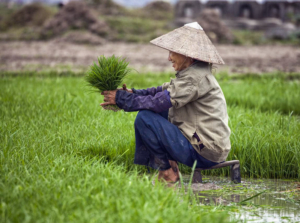 By 2004, the Socialist Republic of Viet Nam, commonly known as Vietnam, accomplished its Millenium Development Goal (MDG) of halving extreme poverty rates a decade before the United Nations Deadline. In 1993, 58.1% of households in Vietnam lived under the international poverty line. By 2004, that number had dropped to 19.5%. This was done by refining social indexes such as health care, education enrollment and amenity access.
Since then, the percentage of Vietnamese people living in poverty has decreased. As of 2020, only 4.8% of the nation lives in poverty.
Doi Moi Method for Poverty Alleviation in Vietnam
This fiscal achievement is difficult for a country that suffered decades of war. After an economic collapse in the late 1900s, Vietnam faced 700% inflation and an economy that survived off of foreign aid from the Soviet Union.
The nation began its successful poverty alleviation with the Doi Moi reforms, loosely translated to “rejuvenation,” in 1986. The Doi Moi method utilized three effective strategies for policy alleviation, most of which centered around stimulating economic growth through open-door trade.
Agricultural Reformation
The restoration plan was initially focused on aiding the agriculture industry, which 70% of Vietnamese worked in at the time. Doi Moi abolished collective farming and provided smaller farmers with land through 20-year leases. The government also removed price control, allowing for more profitable sales for industrial producers and farmers. Furthermore, subsidizing the irrigation system created more plantable areas, significantly aiding agricultural production.
Simultaneously lowering the barriers to international trade and revamping agriculture helped the inflow of goods, money and tourists flourish. Within two decades, Vietnam soon resurfaced as one of the largest rice exporters in the world, trading 3 to 4 million tons of rice annually.
Establishment of Private Businesses
To mitigate inflation, Vietnam encouraged the founding of private businesses by scaling back on government monopolies and devaluing the currency. In addition, they provided service industries for individuals and families. From 1989 to 2016, the country reduced its state-owned corporations from over 12,000 to less than 600.
National Targeted Programs
Finally, the Vietnamese government invested in national target programs. The Education for All plan focused on putting education first by investing in teachers, curriculum and the overall quality of the schools. The program built basic infrastructure like electricity, school and healthcare facilities while extending forestry and the agriculture industry.
Other programs, such as the National Targeted Program for Poverty Reduction (NTPPR) work to aid those who live in rural areas. The NTPPR is consistently re-evaluated. As of 2022, the NTPPR will focus on women to generate better gender-based equality and lessen violence against women.
While there are still challenges to overcome in poverty alleviation in Vietnam, such as the widening wealth gap and poverty disparities between ethnic groups, the Doi Moi policy has proved to be successful in various ways in combating extreme poverty and served a crucial role in its successful poverty alleviation story that has been recognized by many.
– James Bao
Photo: Flickr
