• Link to X
  • Link to Facebook
  • Link to Instagram
  • Link to TikTok
  • Link to Youtube
  • About
    • About Us
      • President
      • Board of Directors
      • Board of Advisors
      • Financials
      • Our Methodology
      • Success Tracker
      • Contact
  • Act Now
    • 30 Ways to Help
      • Email Congress
      • Call Congress
      • Volunteer
      • Courses & Certificates
      • Be a Donor
    • Internships
      • In-Office Internships
      • Remote Internships
    • Legislation
      • Politics 101
  • The Blog
  • The Podcast
  • Magazine
  • Donate
  • Click to open the search input field Click to open the search input field Search
  • Menu Menu

Archive for category: Developing Countries

Information and stories about developing countries.

Developing Countries, Global Poverty

Movement to Decriminalize FGM in Gambia

FGM in Gambia
Gambia stands at a crucial crossroads of tradition, human rights and progress, navigating the delicate path of decriminalizing FGM. Female genital mutilation/cutting (FGM), also referred to as female circumcision, is a harmful and invasive but very traditional practice of the partial or complete removal of a woman’s external genitalia for non-medical reasons. FGM is performed as a tradition and social norm as a symbol that a girl is ready for marriage. According to the United Nations Population Fund (UNFPA), at least 200 million women and girls today have undergone the process of FGM. FGM is harmful due to immediate risks such as pain, trauma and infection, as well as long-term consequences including childbirth complications, chronic pain and psychological trauma. This practice violates human rights, infringing on autonomy and contributing to stigmatization and gender inequalities. 

Movement to Decriminalize FGM 

In August 2023, the conviction of three women in Gambia for FGM reignited a contentious debate surrounding the existing ban on FGM. The women had to pay either 15,000 dalasis (around $1,000 USD) or serve up to a year in jail. The three women received charges under the reasons of the country’s Women’s Amendment Act of 2015.

In a National Assembly session in September 2023, support arose for Sulayman Saho, a National Assembly Member advocating for the repeal of the 2015 law banning FGM. This support was backed by many political and religious leaders actively working for the decriminalization of FGM, with Parliament and the Supreme Islamic Council in Gambia openly supporting the practice. Saho’s remarks coincided with tensions between Islamic leaders, led by Imam Abdoulie Fatty. Saho emphasized the need to examine both the legal and cultural aspects surrounding FGM. Political figures such as Saho and many others believe FGM decriminalization in Gambia preserves cultural and traditional practices that infringe on their rights of personal choice.

Impact of Decriminalization of FGM in Gambia 

Those who oppose the decriminalization of FGM in Gambia, such as the Civil Society and NGO Coalition, emphasized the Gambian government’s legal obligation to protect the rights and health of women and girls. In a statement, they strongly condemned those exploiting social and religious beliefs for personal agendas, highlighting the lasting impact on the lives of affected women. Despite some pushback, women in Gambia are at risk of becoming victims of FGM.

Resistance to the Decriminalization of FGM 

Despite efforts toward the decriminalization of FGM in Gambia, significant opposition has emerged. Established in 1984 as a nonprofit organization, the Gambia Committee on Traditional Practices Affecting the Health of Women and Children (GAMCOTRAP), operating in Bakau, Gambia, is at the forefront of this initiative. 

GAMCOTRAP formed in 1984 as a nonprofit at the International Seminar on Traditional Practices Affecting the Health of Women and Children in Senegal with help from the World Health Organization (WHO). The seminar brought together 28 African countries discuss issues impacting the health of girls and women, including traditional practices such as FGM.

GAMCOTRAP focuses on addressing the adverse effects of traditional practices on women and girls, with a particular emphasis on combating FGM and considering the gender dimensions of HIV/AIDS. Employing a strategic approach, GAMCOTRAP has engaged in a critical campaign against harmful traditional practices. This comprehensive effort includes community-based programs, collaboration with other nonprofit organizations, educational initiatives, and advocacy campaigns. 

GAMCOTRAP partners with prominent entities such as UNICEF, U.N. Women and the Global Fund for Women. Together, these groups work to eradicate FGM, employing a multifaceted strategy encompassing awareness-raising, community engagement, and collaboration with internal and international organizations.

The UNFPA provided support to GAMCOTRAP to start the ‘“dropping of the knife” initiative, “an effort that engages circumcisers and custodians of FGM in their families and communities to enhance their understanding of the negative implications of the practice, thus influencing voluntary abandonment.”

Since the beginning of the program, more than 1,000 circumcisers in Gambia have stopped the practice of FGM and are igniting community action to end FGM in Gambia entirely. On October 2, 2021, GAMCOTRAP hosted its sixth “dropping of the knife” ceremony for 27 circumcisers from 25 communities across Gambia.

The Power of Education 

Banning FGM has shown positive outcomes — as evidenced by the 2019-20 Gambia demographic and health survey. The survey revealed a decline in the belief that FGM should continue, dropping from 65% in 2013 to 46% in 2019-20. Notably, this decrease was most significant among women who had undergone FGM. This data underscores the significance of national bans and educational initiatives in preventing FGM. 

In navigating this complex landscape, Gambia faces profound decisions at the intersection of tradition, human rights and progress, with the influence of education emerging as a strong force in reshaping perceptions and fostering societal change. 

– Bella Oliver-Steinberg
Photo: Flickr

January 16, 2024
https://borgenproject.org/wp-content/uploads/borgen-project-logo.svg 0 0 Lynsey 2 https://borgenproject.org/wp-content/uploads/borgen-project-logo.svg Lynsey 22024-01-16 07:30:352024-01-11 18:32:13Movement to Decriminalize FGM in Gambia
Developing Countries, Global Poverty

Think Pacific’s Work Supporting Developing Communities

Developing Communities
Think Pacific is a volunteer enterprise that caters to university students and young adults in the U.K., encouraging them to participate in educational and community outreach projects in the Fijian Isles. It intends to expand its reach by launching similar programs in Bali, Indonesia. This expansion aims to further the opportunities for Balinese youth through funding and resource creation to be redistributed to increase opportunities locally. Such opportunities will aim to reduce poverty across developing communities in the Bali province and the wider nation in the long term.

History of Think Pacific

Headquartered in Leeds, U.K., Think Pacific can trace its origins to the experiences of its co-founders Harry Hunter and Simon Darker. Following their respective tenures as volunteers in the Fiji Isles and integrating with the local culture, they established Think Pacific in 2009 to provide young adults from the U.K. the chance to engage in cultural exchanges in Fiji. The purpose of this project is to enhance the futures of Fijian youths and villagers with limited opportunities by implementing the core values of Think Pacific. These values include partnerships, learning and local design. Such values translate into volunteer projects encompassing community building, youth empowerment/education, mental health awareness and sports development.

Think Pacific maintains a partnership with several U.K.-based universities, including Cardiff, Glasgow, Nottingham and others, offering incentives to students through each institution’s respective careers center. These include scholarships and bursaries to make such a mission a reality. 

Over the 15 years since its establishment, the charity’s progress has included providing more than 500 community projects for rural communities, investing more than $15 million into the Fijian economy and utilizing $8.2 million to facilitate the training skills and development of Fijian youths. Think Pacific has recently received an award for best study abroad and global exchange program by professionals in international education at the 2023 PIEoneer Awards. Such progress extends towards pupil engagement in class, where 98% of Fijian teachers agree that Think Pacific’s programs have led to increased pupil engagement within classes and improved literacy rates among children (through testing pupils pre and post-project). These education programs have also led to the development of 83+ work-based training placements organized for unemployed Fijian youths. 

Think Bali

In October 2023, Think Pacific confirmed its plans to extend its values and core beliefs to Indonesia, engaging in outreach projects beginning with Bali in 2024.

Like its operations in Fiji, Think Pacific intends to assist the development of Bali’s youth and wider community through the efforts of volunteers from the U.K. and through funding and resource generation to redistribute to the local populace who possess limited financial resources. 

Furthermore, Think Pacific’s outreach scheme in Bali will prioritize promoting ‘‘positive mental health’’ for communities lacking the same avenues of support available within the Western world. Such activities will consist of sessions focusing on therapeutic exercises and community ventures for school children and elderly residents, respectively. 

Through enabling cultural immersion by housing volunteers within Balinese villages like volunteers participating in the Fijian programs, Think Pacific intends for this program to impart knowledge of local customs to volunteers while simultaneously encouraging the growth of developing communities within Bali. 

Bali Overview

Statistics reveal that the poverty rate within Indonesia overall stands at 9.7% as of September 2021, with the country’s GDP revealing a growth of 5.1% in 2022. One can attribute an increase in community exports and an accommodative fiscal policy to mitigate the impact of the COVID-19 pandemic to this level of growth.

The most recent study from the World Bank reveals that Indonesia’s literacy rate is 96%. Think Pacific is now looking to expand upon this progress in the Bali province by addressing literacy and poverty. Through this outreach scheme, Think Pacific seeks to develop personal transferable skills for volunteers to showcase to employers and expand the opportunities accessible to Balinese youth from developing communities.

Think Global

Think Pacific and Think Asia will become part of a more prominent family of locally registered organizations, Think Global, according to a spokesperson from Think Pacific.

The organization’s expansion into Indonesia reflects its intention to establish a global exchange between volunteers and developing communities within regions across the globe. As with Fiji and Indonesia, the goal will remain to achieve student engagement and educational support and maintain support for communities from humble origins with fewer avenues of support available to them.

– Thomas Perry
Photo: Flickr

January 16, 2024
https://borgenproject.org/wp-content/uploads/borgen-project-logo.svg 0 0 Yuki https://borgenproject.org/wp-content/uploads/borgen-project-logo.svg Yuki2024-01-16 07:30:032024-01-11 18:05:22Think Pacific’s Work Supporting Developing Communities
Developing Countries, Education, Global Poverty

Oprah Winfrey Supports Education in Developing Countries

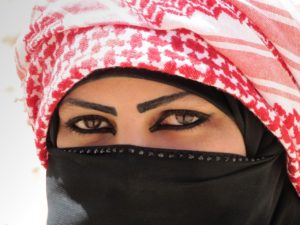
Oprah WinfreyTelevision personality and philanthropist Oprah Winfrey (“Oprah”) has set up several foundations and networks with charitable causes. Through these foundations, Oprah has helped educate some of the most vulnerable communities within the United States and beyond.

Oprah’s Angel Network

Oprah established a public charity called Oprah’s Angel Network in 1998. During its 12-year history, the charity garnered more than $80 million in donations, all of which went toward supporting charitable causes across the world. According to the Oprah Winfrey Charitable Foundation website, Oprah’s Angel Network dedicated funds towards bettering the lives of people around the world, including helping establish 60 schools in 13 countries, creating scholarships, supporting women’s shelters, and building youth centers and homes.

The Angel Network concluded in 2010 after distributing $1 million in donations to six charter schools to support the improvement of quality public education for children.

Seven Foundations Primary School

In 2007, Oprah’s Angel Network provided funding for the Seven Fountains Primary School located in KwaZulu Natal, South Africa. Situated in a poor, rural community, the initial school building had no electricity, limited water access, few sanitation facilities, and stood in a dilapidated state. Donations from the network allowed for the construction of an entirely new and sustainably built school building with proper facilities for both learning and recreation. An approximate 1,000 students were provided with educational resources that they and their instructors had previously not had access to, including computers and SMART Boards.

Designed to impact the whole community, the school also granted adults access to use its facilities to further their education or host workshops. Amenities made available to them consisted of a night school, the computer lab, and the library.

Oprah Winfrey Leadership Academy for Girls

The Oprah Winfrey Leadership Academy for Girls (“OWLAG”) was established by Oprah in 2007 in Johannesburg, South Africa. Inspired by former South African president Nelson Mandela and his passion for education, Oprah made a promise back in 2002 to provide the best possible education opportunities for marginalized women in South Africa. The OWLAG, a result of that pledge, is active to this day.

Entry criteria for the academy requires that the applicant has had to overcome childhood poverty and trauma, yet also possesses a resilience, courage and spirit that establishes them as a leader among their peers. With features such as 21 state-of-the-art classrooms, six labs, and a 10,000 volume library, the OWLAG provides chosen girls with access to world-class resources dedicated towards improving their education and supporting them to seek out substantial careers.

As of 2023, 528 girls have graduated from the academy. Out of this number, 90% have pursued college education, some attending top universities around the world.

Improving Education: Looking Ahead

Through Oprah’s charitable work over the years, even the most disadvantaged communities have been able to receive an education that will allow them to gain the skills and knowledge needed to break the cycle of poverty.

In October 2023, Oprah pledged $2.5 million to the U.S. Dream Academy to assist in their efforts to provide after-school and mentoring programs to children with incarcerated parents. With youth education being a priority for her philanthropic deeds, she hopes to continue to provide marginalized groups with the resources they need to be able to shape a better future for themselves.

– Ella Bushell
Photo: Flickr

January 16, 2024
https://borgenproject.org/wp-content/uploads/borgen-project-logo.svg 0 0 Yana Chukur https://borgenproject.org/wp-content/uploads/borgen-project-logo.svg Yana Chukur2024-01-16 06:12:282024-03-04 03:21:38Oprah Winfrey Supports Education in Developing Countries
Developing Countries, Global Poverty

Wheels of Change: Motivation’s Wheelchair Initiative

Wheelchair InitiativeThe current proportion of international aid going towards disabled people is insufficient. Only 0.1% of all aid in 2021 went towards projects primarily focusing on disability. Therefore, Motivation, an international development charity and social enterprise focusing on wheelchair provision and assistive technology (AT) in low-income countries, is so important.

The Stats

The WHO’s Global Report on Assistive Technology states, “Access to assistive technology is a human right and a precondition for equal opportunities and participation.” Around the world today, more than 75 million people need appropriate wheelchairs and services to enable mobility and unleash their full potential in society. Four in five people live in developing countries, and sadly, less than 10% have access to the support they are entitled to, preventing millions of people from contributing to society. Furthermore, without AT, disabled people and their families encounter restricted opportunities for education and employment, leading to diminished health and well-being, as well as heightened rates of poverty.

Poverty and disability exist in a vicious cycle, with poverty leading to disability and disability worsening poverty. Delivering wheelchair services to those who need them can, therefore, help break the link between poverty and disability as well as a long list of societal benefits. The majority of the world’s disabled people live in the Global South, and only 0.5% of international aid emphasizes disability inclusion. This is where Motivation’s wheelchair initiative comes in.

Motivation

Motivation, registered as a U.K. charity in 1992, launched several projects last year in Kenya, Malawi, Uganda and India. They implement a “user-focused and user-led” approach to their programs and products. It has a long and successful history of providing appropriate wheelchairs, their most widespread AT product. Appropriate wheelchairs suit the user’s needs and their living environment. A one-size-fits-all approach using the cheapest wheelchair can cause secondary injuries or disabilities and be discarded quickly. Motivation, therefore, designs and supplies wheelchairs that fit correctly are safe, durable and affordable. It also hires physiotherapists, clinicians and professionals for mobility training and maintenance so users can modify and repair their chairs. 

Motivation had an incredibly impactful 2022. More than 1,300 disabled people received wheelchairs that fit their needs, along with mobility and life skills training. The absence of AT for children with disabilities results in lower school completion and poverty later in life. Motivation’s efforts saw more than 430 disabled children regularly attend primary school, develop improved eating habits, and become more included in their families and communities. Disability is rarely just a burden for one person; families, dependents, schools and local government are also affected. Therefore, on a grand scale, Motivation impacted at least 99,000 lives last year — a testament to the power of assistive technology and Motivation’s wheelchair initiative in developing countries. 

Why Motivation’s Wheelchair Initiative Matters 

Motivation’s wheelchair provision unleashes human potential. Through assistive technology, countless individuals gain the ability to actively contribute to the workforce, unlocking untapped potential and broadening the talent pool. Proving appropriate wheelchairs can also foster more significant social and political stability. By reducing the association between disability and poverty, people’s economic conditions improve, leading to greater social harmony. Additionally, empowering individuals to lead independent lives alleviates stress on strained health care and welfare systems in developing countries.

Fighting poverty creates jobs and market expansion, and Motivation’s vision is no different. Access to wheelchairs drives market activity for products and services, fostering job growth in the technology sector and its affiliated industries. This cycle generates economic advantages and is pivotal in global economic development. It improves cooperation among nations, promoting global trade in the disability needs sector.

– Sam Waterkeyn
Photo: Flickr

January 15, 2024
https://borgenproject.org/wp-content/uploads/borgen-project-logo.svg 0 0 Lynsey 2 https://borgenproject.org/wp-content/uploads/borgen-project-logo.svg Lynsey 22024-01-15 07:30:572024-05-30 22:32:46Wheels of Change: Motivation’s Wheelchair Initiative
Developing Countries, Disease, Global Poverty

Stroke in Low- and Middle-Income Countries

Stroke in Low- and Middle-Income CountriesThe World Stroke Organization reported in 2022 that more than 85% of stroke-related deaths worldwide occur in low- and middle-income countries. Strokes also happen at a lower average age in these countries than in high-income countries, often during peak working years. Strokes can cause death and disability and create an economic burden in low- and middle-income countries. The occurrence of strokes in impoverished people in developing countries can severely impact them and worsen their lack of essential resources. A stroke is an abrupt death of brain cells caused by a shortage of blood flow and oxygen to the brain. Key factors contribute to the burden of stroke in low- and middle-income countries, and global organizations implement strategies to improve outcomes. 

Hypertension in Low- and Middle-Income Countries

Low- and middle-income countries have a high incidence of hypertension, or high blood pressure, which leads to stroke. The poorest people in developing countries often experience hypertension. The link between poverty and hypertension is counter to the common assumption that people in poverty have low body weight and high physical activity levels. Still, other environmental and lifestyle factors can cause hypertension in poor populations. Hypertension damages blood vessels and can cause them to leak or clog, increasing the chances of a stroke. High blood pressure in developing countries is linked to various factors, including environmental conditions and diets high in salt and low in fruits and vegetables. 

There is less awareness and treatment of hypertension in low- and middle-income countries compared with high-income countries. Research published in 2019 by Pascal Geldsetzer and others showed that 26% of people with hypertension in 44 low- and middle-income countries had never received a blood pressure check. Furthermore, merely one in 10 of the hypertension cases had attained control. People in poverty with hypertension often cannot access quality treatment and heavily depend on good health to support themselves financially. 

Air Pollution and Stroke

Air pollution is a significant contributor to stroke and causes 21% of worldwide stroke deaths, according to a report from Dean Schraufnagel and others in 2019. The World Health Organization (WHO) reported in 2016 that more than 85% of air pollution-caused deaths occur in low- and middle-income countries. Lower-income groups in developing countries often work outdoors and endure more air pollution exposure, creating a relationship between poverty and air pollution. Jun Rentschler and Nadezea Leonova reported research in 2023 showing that more than 700 million people living on less than $2 per day experience unsafe levels of air pollution exposure. Air quality standards are typically less strict in developing countries than in high-income countries. The sources of air pollution include older models of machines and cars, city transportation systems, industrialization and the clearing and burning of land for farming. 

Both short-term and long-term exposure to air pollution increases the risk of stroke. Over the long term, tiny pieces of air pollutants affect internal organ function, leading to increased blood clot formation and a potential stroke. 

Health Care Access and Stroke Outcomes

Health care access affects the outcomes of stroke in low- and middle-income countries. A research study by Peter Langhorne and others published in 2018 showed that people in low- and middle-income countries had reduced access to evaluation and treatment when experiencing a stroke. Poverty is also linked to decreased access to quality care for strokes and other cardiovascular events. 

According to a study by Mohammad Rabhar and others published in 2022, access to health care contributes to the lower average age of stroke in low- and middle-income countries. Health care facilities in these countries do not always start preventative stroke measures, such as treating hypertension and measuring blood lipids. Developing countries often lack the imaging capabilities necessary to diagnose stroke effectively. Improving access to health care before, during and after stroke is a potential strategy to reduce stroke incidence and death in low- and middle-income countries. 

The Fight To Improve Stroke Outcomes in Low- and Middle-Income Countries

With an increased understanding of stroke in developing countries, organizations are acting to reduce the burden. In 2017, the International Society of Hypertension began a global campaign to screen people for hypertension. Over two years, the effort resulted in the blood pressure evaluations of 4.2 million people. 

There are also regional groups fighting stroke, including the Middle East and North Africa Stroke Organization, the African Stroke Organization, the European Stroke Organization and the Asia Pacific Stroke Organization. In 2022, the American Heart Association recognized the Middle East and North Africa Stroke Organization for its efforts to educate citizens and health care professionals about stroke and its advocacy for stroke health services. 

The World Stroke Organization—Lancet Neurology Commission Stroke Collaboration Group published a multi-pronged practical strategy for improving worldwide stroke outcomes in October 2023. The commission outlines a path to improve stroke outcomes in developing countries, including increasing surveillance, and access to preventative health care, acute stroke care and rehabilitation therapies. To encourage research on global stroke prevention and treatment, the World Stroke Organization announced funding for four pilot research projects in 2024, prioritizing projects focused on stroke in low- and middle-income countries. 

Looking Ahead 

Stroke in low- and middle-income countries is a complex and multifaceted issue. People in poverty can experience increased exposure to the risk factors of stroke and have fewer resources to cope with stroke. International organizations continue researching and implementing practical strategies to reduce stroke in impacted countries. Improvements in the prevention and treatment of stroke can potentially improve citizens’ quality of life and economic contributions.

– Kelly Carroll
Photo: Unsplash

January 7, 2024
https://borgenproject.org/wp-content/uploads/borgen-project-logo.svg 0 0 Lynsey 2 https://borgenproject.org/wp-content/uploads/borgen-project-logo.svg Lynsey 22024-01-07 01:30:392024-06-11 00:18:04Stroke in Low- and Middle-Income Countries
Developing Countries, Development, Global Poverty, Women and Female Empowerment

UN Women’s Oasis Program tackles gendered poverty in Jordan

UN Women’s Oasis Program
In 2016, U.N. Women reported that the majority of women living in Jordan were unemployed, with only
19% of Jordanian women and female Syrian refugees living in Jordan participating in the labor market. The U.N. Women’s Oasis Program has helped more than 30,000 Jordanian women and female Syrian refugees develop skills and become financially independent by working in Oasis centers — overcoming the multitude of barriers to employment that exist for women in Jordan.

Gendered Poverty in Jordan

Providing security and rehabilitation for 700,000 Syrian refugees, Jordan has become a safe haven for women and girls fleeing the violence and destruction that has plagued Syria since 2011. However, without the support of husbands, sons, or brothers, many of them are now experiencing the effects of gendered poverty in Jordan. In 2022, the World Bank found that 14.7% of Jordanian women are employed. One can accredit this low figure to obstacles such as a lack of job opportunities and limited access to higher education and skill development.

Security and Opportunity: The UN Women’s Oasis Program

The U.N. Women’s Oasis program is a humanitarian mission with 22 centers in Jordan, all of which are aimed at combating gendered poverty by empowering Syrian refugees and vulnerable Jordanian women. Originally established to aid women and young girls in refugee camps, such as Za’atari and Azraq, the program expanded its goals by incorporating cash-for-work schemes and training women in labor markets such as home maintenance and childcare. 

Not only does the U.N. Women’s Oasis program help women become financially independent and break down structures of gendered poverty, but it also supports and protects women against gender-based violence. This is accomplished by creating accessible training programs where women can earn money and enter the labor market, supporting themselves and their children without being stuck in dangerous domestic situations.

A Brighter Future for Jordan

Since 2012, the U.N. Women’s Oasis program has had an array of positive effects on Jordanian women and Syrian refugees living in Jordan who seek to improve their financial position. According to a study carried out by the program, 70% of the participants experienced a decrease in domestic violence and 78% felt that they could take on more decision-making responsibility in the household. The Oasis centers also offer a safe, empowering space for women to interact and build social relationships, which 98% of women in the program feel improves their self-esteem, reducing loneliness and depression.

Women in Jordan also cited childcare and housework responsibilities as limiting their ability to access employment. The Oasis centers are working to mitigate this by including nurseries and childcare areas in their facilities. Allowing women to bring their children to work also empowers their children to develop skills and continue their education, further contributing to breaking down gendered poverty cycles.

Conclusion

The U.N. Women’s Oasis program in Jordan equips women with valuable skills that not only motivate them to start their own microbusinesses and further their careers once leaving the centers but also empower them through workshops built around raising awareness on human rights and gender-based violence. With increasing numbers of women able to access skill development services and safe spaces to network, the gendered poverty in Jordan can, with hard work and determination, perish. 

– Zara Brown
Photo: Pixabay

December 21, 2023
https://borgenproject.org/wp-content/uploads/borgen-project-logo.svg 0 0 Yuki https://borgenproject.org/wp-content/uploads/borgen-project-logo.svg Yuki2023-12-21 07:30:462024-01-02 04:36:48UN Women’s Oasis Program tackles gendered poverty in Jordan
Children, Developing Countries, Global Poverty

Operation Christmas Child: Hope and Global Poverty

Operation-Christmas-
In a world fraught with challenges and uncertainties,
Operation Christmas Child is a ray of hope, spreading joy and tackling global poverty one shoebox at a time. This heartwarming initiative, spearheaded by Samaritan’s Purse, has gained international acclaim for its impact on children in need. With a mission to deliver gift-filled shoeboxes to children in more than 100 countries, Operation Christmas Child has become a powerful force in alleviating the burdens of poverty while brightening countless young recipients’ lives.

The Essence of Operation Christmas Child

At its core, Operation Christmas Child is a simple yet profound scheme that invites individuals, families and communities to pack shoe boxes with gifts and essentials for children in need. These festive parcels are shipped to some of the most impoverished regions globally, bringing holiday magic to those who may never experience such joy. The impact of this initiative is far-reaching, transcending borders and cultures. By providing children with a tangible expression of love and generosity, Operation Christmas Child delivers material goods and fosters a sense of hope and belonging. Since 1990, more than 209 million children in more than 170 countries have received shoeboxes from the charity. These small shoeboxes, filled with toys, school supplies and hygiene items, are potent symbols of compassion, reminding recipients that they are not forgotten.

Tackling Global Poverty Through Gift-Giving

Operation Christmas Child is a unique and impactful thread in the myriad efforts to tackle global poverty. The act of giving, especially during the holiday season, has the power to transcend socioeconomic barriers and create a sense of unity among diverse communities. The beauty of the operation lies in its simplicity and inclusivity. Anyone can participate, and every shoebox contribution becomes a building block in the collective effort to make the world a better place for children in need. This approach ensures that the initiative’s impact is widespread and deeply personal, as each donor contributes to the larger narrative of compassion and solidarity.

A Ripple Effect of Joy and Compassion

As these festive shoeboxes traverse the globe, they carry the spirit of giving and the promise of a brighter future. Operation Christmas Child’s ripple effect of joy and compassion is immeasurable. In tackling global poverty, addressing not only the material needs but also the emotional and psychological aspects of deprivation is crucial. Operation Christmas Child accomplishes this by fostering a sense of community and reminding children that they are part of a global family that cares for their well-being.

A Worldwide Movement of Generosity

Operation Christmas Child has evolved into a worldwide movement, engaging people from all walks of life to pursue a more compassionate and equitable world. In conclusion, is more than a seasonal charity; it is a testament to the boundless potential of human kindness.

– Genevieve Martin
Photo: Pexels

December 21, 2023
https://borgenproject.org/wp-content/uploads/borgen-project-logo.svg 0 0 Yuki https://borgenproject.org/wp-content/uploads/borgen-project-logo.svg Yuki2023-12-21 01:30:402024-12-13 18:03:05Operation Christmas Child: Hope and Global Poverty
Developing Countries, Global Poverty

Social Change and Public Displays: Durga Puja Pandals of India

Durga Puja Pandals of India
In India, the month of October brings festivities and celebrations to each part of the country. In a nation full of people belonging to diverse religions and cultures, one witnesses the coming together of lights, colors and veneration with every festive season. One such festival celebrated in India is the nine-day-long Durga Puja, a worship of the nine avatars of the goddess, one on each day. Durga Puja pandals in India is paving the way for a fresh channel of social transformation.

Durga Puja for Social Purposes

Majorly celebrated in Eastern India, in the state of Bengal, Durga Puja has slowly permeated into being celebrated all over the country, complementing the migration of people to different states. On the other hand, the biggest celebration is still restricted to the state of West Bengal and its capital, Kolkata. Makeshift pavilions, known as pandals, are set up and decorated around the city with idols of the goddess being placed in them for worshipping. These huge spectacles of creativity are a magnificent sight to behold and the bright lights and traditional drum music only add to their imagery of grandeur. More often than not, the pandals are created around a specific theme that changes from year to year and pandal to pandal, becoming a way to make social statements in recent years.

In an interview with The Borgen Project, Priyanka Mukherjee, who recently visited Kolkata, India, during the festive season said “I think Durga Puja pandals in Kolkata have been a means to make a statement through art in the society, over the years. There was a pandal this year on the theme of menstruation with depictions of the uterus system and with the interior of the pandal showcasing the entire process. Apart from that, over the years, some pandals have taken ‘Sindoor Khela’ –a ritual only restricted to married women– to widows, pandals on the theme of child malnourishment, premature children, acid attack survivors and even pandals talking about mental health issues.” One of the pandals that gained popularity due to its theme was the one at Kashi Bose Lane, focusing on the theme of child trafficking and sexual abuse.

Child Trafficking in India

According to the 2023 Trafficking in Persons report, traffickers often target those who belong to the most disadvantaged groups, such as tribals and the poor. Nearly 8 million people are trapped in human trafficking in India as per an article published by the Exodus Report in 2022.

“Trafficking has become a terrifying shadow throughout the world as an organized crime. We wonder if children of all ages will ever be able to return to society after being auctioned off and sold into child labor, begging or sexual exploitation,” said Somen Dutta, general secretary of the pandal, in conversation with Kolkata Tales.

In the intersection of poverty and gender, the threat becomes much worse. According to the data by the National Crime Records Bureau of India in 2022, out of the 2,189 cases of human trafficking filed with 6,533 victims involved, 4,062, that is more than half, were female. Thus, it becomes more important than ever to address the issue of human trafficking in India. With the end goal being better policy and implementation, the first step needs to be to create awareness within the general public.

An Avenue for Awareness and Inspiring Change

This is where such public displays with a social message come in. Themed pandals have increasingly transformed into a platform for the artists of India to send a bold message to society. The pandal at Kashi Bose Lane, with its bright colors and intricate work, was imprinted in the mind and heart of every onlooker–inspiring them to think, if not take action, on the issue that plagues millions.

In an interview with The Borgen Project, Prerana Paul, who visited the pandal at Kashi Bose Lane this year, mused, “Something that stayed with me? Well, in the pandal there were models of girls in cages and swings–a depiction of their inability to move even though they wanted to, suggesting the experience and feeling that those who are trafficked go through.”

In his book “Brain Rules,”  John Medina says that (three days later) humans only remember 10% of what they hear but will remember 65% of information if they consume it visually. This means that such extravagant public displays, which talk about the things that matter and issues that might usually be ignored, go a long way in impacting people’s minds and thinking.

Thus, these Durga Puja pandals in India become an inspiration for the art world, opening up a whole new avenue for social change. After all, when art speaks, people listen.

– Manasvi Kadian
Photo: Flickr

December 20, 2023
https://borgenproject.org/wp-content/uploads/borgen-project-logo.svg 0 0 Kim Thelwell https://borgenproject.org/wp-content/uploads/borgen-project-logo.svg Kim Thelwell2023-12-20 07:30:282024-06-11 00:18:02Social Change and Public Displays: Durga Puja Pandals of India
Developing Countries, Development, Global Poverty

Thailand’s Increased Minimum Wage Will Help Alleviate Poverty

Thailands minimum wage.
Thailand recently announced plans to increase its daily minimum wage. This proactive measure will benefit millions of workers across multiple industries, reducing income inequality and promoting economic growth. Thailand’s increased minimum wage is vital to aiding economic recovery from the financial effects of the COVID-19 pandemic.

The Increase

On December 8, 2023, a committee of representatives, labor unions and employers met, unanimously agreed on and announced Thailand’s increased minimum wage. The daily pay is expected to rise by 2.37%, making the new minimum wage 330 to 370 baht per day — roughly $9.33 to $10.38. The exact numbers will vary depending on the specific region, according to the Ministry of Labor. Government officials say this increase will begin on January 1, 2024, with another increase to 400 baht per day expected by the end of 2024. This promise of the ruling Pheu Thai Party is creating a bright future for the country.

Thailand’s Workforce

Thai workers have faced numerous challenges in the past years. The COVID-19 pandemic triggered widespread job losses, especially in sectors reliant on international tourism. Unfortunately, the Thai economy and workforce have still not recovered from the impacts of the pandemic. 

Reports from the World Bank show that the overall labor force participation rate is expected to decrease by 5%, or 14.4 million people, by 2060. Additionally, employees endure reduced working hours, inadequate job security and labor rights issues. These struggles, accompanied by an increasing cost of living, intensify the burden on households and reduce the quality of life for Thai workers.

Thailand’s increased minimum wage will help combat these struggles and support workers by providing increased financial stability and access to resources.

The Impact on Poverty Rates

Thailand grapples with persistent poverty, primarily due to drought and extreme weather. Though Thailand reduced its poverty rate from 58% in 1990 to 6.8% in 2020, 79% of those living in poverty work in the agriculture sector. Studies found that almost 40% of Thai farmers live below the national poverty line. The Equitable Education Fund estimates that 1.8 million Thai students come from extremely low-income families which earn just 34 baht, or $0.95, per day.

By elevating the minimum wage for the nation’s workforce, Thailand’s government is raising living standards for millions. A higher minimum wage will improve access to basic needs, such as health care, education and housing. Additionally, the increase will stimulate consumer spending, resulting in a boost to the economy. These factors may help break the cycle of intergenerational poverty, creating a promising future for the country. 

Conclusion

As Thailand strives to lift its citizens out of poverty, the increased minimum wage stands as a pivotal point in fostering a sustainable future for the country. Thailand’s increased minimum wage is the key to countering worsening economic conditions and poverty rates.

– Trisha Borde
Photo: Flickr

December 20, 2023
https://borgenproject.org/wp-content/uploads/borgen-project-logo.svg 0 0 Yuki https://borgenproject.org/wp-content/uploads/borgen-project-logo.svg Yuki2023-12-20 07:30:282024-06-11 00:18:03Thailand’s Increased Minimum Wage Will Help Alleviate Poverty
Developing Countries, Global Poverty

Community-Based Mental Health Care in Developing Countries

Community-Based Mental Health CareMental health care is a fundamental human right that significantly impacts our ability to work, connect with others and lead fulfilling lives. Despite its importance, mental health care in developing countries often remains a marginalized aspect of the global health agenda. Nearly 1 billion people globally endure a mental disorder. This global statistic, however, reveals an unequal distribution of mental health care. Seven out of every 10 individuals with psychosis receive treatment in high-income countries, while only 12% receive care in low-income countries.

While one might attribute this disparity to the shortage of mental health professionals, such as psychiatrists, according to a 2017 OECD report, low-income countries (with only two per 100,000 people), compared to the United States, where there are 45,000 psychiatrists for 340 million people, addressing this issue necessitates looking beyond the numbers. The solution may not solely lie in increasing the number of psychiatrists but in transitioning from Westernized institutional mental health treatments to robust community-based systems that offer culturally relevant care in regions where mental health remains stigmatized.

The Global Mental Health Crises

Low-income countries bear a disproportionate burden of the global mental health crises, accounting for 80% of the mental disease burden. However, the prevalence of stigma within low-and middle-income countries often acts as a significant barrier to seeking help. While the reasons for stigmatization may vary across communities, the universal presence of stigma remains evident. The World Mental Health Survey Initiative conducted in 16 countries spanning the Americas, Europe, the Middle East, Africa, Asia and the South Pacific reported 22.1% of participants from developing countries experienced shame and embarrassment due to a mental illness. Moreover, 63% of Africans viewed depression as a “personal weakness.” These statistics underscore the importance of addressing mental health through a culturally specific lens. 

What is Community-Based Care? 

Community-based mental health care represents a holistic approach to providing services and support rooted in the communities where individuals live. This approach recognizes developing countries’ unique challenges and needs, including limited resources, infrastructure, trained mental health professionals and cultural differences. Mental health care in developing countries has challenges as it is often perceived as a sign of weakness, danger, or having supernatural origins. Westernized approaches to mental health can unintentionally be harmful. 

To bridge this gap, presenting mental health care services in a culturally sensitive way is crucial. Community-based mental health care is a system that delivers mental health services through community health care workers (CHWs), individuals within the community with limited training but specific expertise in particular treatment areas. The World Health Organization (WHO) has played a prominent role in advocating for developing community-led mental health services globally.

The Role of Community-Based Care in Low-Income Countries 

CHWs play an essential role within the framework of community-based care. These individuals, typically members of the community they serve, are familiar with the local cultural stigmas and norms – bridging the gap between institutional health care and underserved populations. CHWs provide essential services to patients with less severe mental health needs, such as basic therapy and house-to-house medication distribution. At the same time, medically trained professionals can focus on patients with more acute symptoms. 

Examples of Community-Based Mental Health Care: StrongMinds Success Stories

Founded in 2013, StrongMinds is a social enterprise dedicated to treating depression among low-income women and children through group interpersonal therapy facilitated by CHWs. StrongMinds originated in Kampala, Uganda, and currently operates in four districts of Uganda. The organization is one of the few organizations addressing depression in Africa – a leading cause of disability among women in Africa. StrongMinds leverage unity over individualism. Over eight weeks, women come together to share their experiences of mental health issues, ultimately empowering each other and building a supportive community.

Through peer-to-peer therapy, public education, CHWs and global partnerships, Strongminds has provided group talk therapy to 260,000 women and children in Uganda and Zambia. About 80% of clients remain depression-free six months post-treatment. Recovery from depression not only benefits individual women but has a ripple effect on their communities and families. Women who received treatment reported a 16% increase in economic activity and a 30% increase in regularly sending their children to school.

Call to Action

Organizations such as StrongMinds show the potential of community-based programs in creating locally-led initiatives equipped to address their community’s unique mental health needs. Mental health is subjective, and there is no silver bullet to address these complex issues. The essential starting points are initiating community dialogue, nurturing relationships and providing support and resources. Community-based care can effectively facilitate mental health care in developing countries.

– Bella Oliver-Steinberg
Photo: Flickr

December 14, 2023
https://borgenproject.org/wp-content/uploads/borgen-project-logo.svg 0 0 Yuki https://borgenproject.org/wp-content/uploads/borgen-project-logo.svg Yuki2023-12-14 07:30:522023-12-11 10:35:22Community-Based Mental Health Care in Developing Countries
Page 29 of 157«‹2728293031›»

Get Smarter

  • Global Poverty 101
  • Global Poverty… The Good News
  • Global Poverty & U.S. Jobs
  • Global Poverty and National Security
  • Innovative Solutions to Poverty
  • Global Poverty & Aid FAQ’s
Search Search

Take Action

  • Call Congress
  • Email Congress
  • Donate
  • 30 Ways to Help
  • Volunteer Ops
  • Internships
  • Courses & Certificates
  • The Podcast
Borgen Project

“The Borgen Project is an incredible nonprofit organization that is addressing poverty and hunger and working towards ending them.”

-The Huffington Post

Inside The Borgen Project

  • Contact
  • About
  • Financials
  • President
  • Board of Directors
  • Board of Advisors

International Links

  • UK Email Parliament
  • UK Donate
  • Canada Email Parliament

Get Smarter

  • Global Poverty 101
  • Global Poverty… The Good News
  • Global Poverty & U.S. Jobs
  • Global Poverty and National Security
  • Innovative Solutions to Poverty
  • Global Poverty & Aid FAQ’s

Ways to Help

  • Call Congress
  • Email Congress
  • Donate
  • 30 Ways to Help
  • Volunteer Ops
  • Internships
  • Courses & Certificates
  • The Podcast
Scroll to top Scroll to top Scroll to top