• Link to X
  • Link to Facebook
  • Link to Instagram
  • Link to TikTok
  • Link to Youtube
  • About
    • About Us
      • President
      • Board of Directors
      • Board of Advisors
      • Financials
      • Our Methodology
      • Success Tracker
      • Contact
  • Act Now
    • 30 Ways to Help
      • Email Congress
      • Call Congress
      • Volunteer
      • Courses & Certificates
      • Be a Donor
    • Internships
      • In-Office Internships
      • Remote Internships
    • Legislation
      • Politics 101
  • The Blog
  • The Podcast
  • Magazine
  • Donate
  • Click to open the search input field Click to open the search input field Search
  • Menu Menu

Archive for category: Developing Countries

Information and stories about developing countries.

Developing Countries, Global Poverty, Nonprofit Organizations and NGOs

Practical Action Addresses Youth Unemployment in Kenya

Practical Action Addresses Youth Unemployment in KenyaPractical Action, a development charity, works alongside communities to develop sustainable solutions to tackle youth poverty. It revolutionizes agricultural solutions, job opportunities and water management through teaching, training and supporting communities. Its volunteers work across Bangladesh, Kenya, Peru, Nepal, Sri Lanka, Sudan and Zimbabwe. The organization is tackling youth unemployment in Kenya through its ongoing project, Resilient Agriculture that Works for Young People (RAY). Launched in November 2022, the project aims to meet its key goals by October 2027.

RAY: A Beacon of Hope for Kenyan Youth

Centered in West Kenya, the RAY project seeks to provide young individuals with training in regenerative agriculture and business management, empowering them to pursue job opportunities. It aims to reduce the high rate of youth unemployment in Kenya. While the expansion of agricultural opportunities has great potential for creating dignified jobs and income, young people in the country face significant challenges due to limited access to land and the skills necessary for succeeding in agribusiness.

Practical Action reports that four out of 10 young Kenyans are unemployed. Of this, women comprise six out of every 10 unemployed youth. To fight this, Practical Action’s RAY project has partnered with the Mastercard Foundation to offer unemployed Kenyan youth employment opportunities. In addition, this partnership provides access to critical resources such as finance, land and markets, aiming to enhance job prospects and reduce poverty.

Collaborative Efforts

In its earlier project in Kenya, Transforming Rural Economies and Youth Livelihoods (TREYL) from 2019 to 2022, Practical Action helped 6,000 young people, 46% of whom were women, to enter agribusiness. Its main goal is to transform agriculture in Western Kenya into an appealing and sustainable source of employment for the youth. Practical Action seeks to offer unemployed Kenyan youth a new perspective on rural economics. It tackling the obstacles they encounter in accessing job opportunities. Beyond equipping young people with essential skills to boost their employment prospects, Practical Action is working to forge strong partnerships with county governments.

The ongoing collaborations aim to enhance opportunities and connections between employed youth and their suppliers. Furthermore, Practical Action’s partner, the Mastercard Foundation, offers vital networking opportunities for young people in Africa, to overcome socio-economic challenges. Since its launch in 2012, the Mastercard Foundation Scholars Program has helped more than 45,000 young Africans gain access to education.

Reducing Poverty Through Agribusiness

Practical Action employs several key strategies to achieve its goal. The strategies are as follows:

  • Providing Mentorship to young entrepreneurs. A central aspect of the project is providing youth with transferable skills and knowledge. This is achieved through peer-to-peer learning to enhance their understanding of the agricultural business.
  • Planet-Friendly Methods. Practical Action’s eco-friendly methods give Kenyan youth a forward-thinking understanding of environmentally friendly practices that enhance productivity. This new knowledge not only helps in restoring degraded land but also shapes the youth into valuable, conscientious employees.
  • Youth Savings and Loans Associations (YSLA). The project aims to teach youth the importance of personal finance as a means to reduce youth unemployment in Kenya. It believes providing young people with access to affordable capital equips them with the essential knowledge to break the cycle of poverty.
  • Gender Transformative Actions. A major initiative of the project is changing gender attitudes to empower female youth. It enables them to seize opportunities in agribusiness and achieve employment equality.

Focused and Positive Future

Practical Action’s 2023 Annual Report states that by 2025, the charity aims to positively impact 20 million people by reducing poverty through various employability projects. In Kenya, the project involves current farmers as mentors. These mentors work to guide young people toward finding career paths in the agricultural sector. The objective is for trained youths to become the next generation of mentors, contributing to the reduction of youth unemployment in Kenya.

– Kasia Flisiuk

Kasia is based in London, UK and focuses on Good News for The Borgen Project.

Photo: Flickr

April 15, 2024
https://borgenproject.org/wp-content/uploads/borgen-project-logo.svg 0 0 Precious Sheidu https://borgenproject.org/wp-content/uploads/borgen-project-logo.svg Precious Sheidu2024-04-15 01:30:192024-04-15 01:16:14Practical Action Addresses Youth Unemployment in Kenya
Charity, Developing Countries, Global Poverty, Poverty Reduction

Spotlight on Danceaid

DanceaidDanceaid is a charity based in the United Kingdom (U.K.) that uses the energy of dance to transform the lives of children. Using dance-based activities, the charity raises funds to alleviate certain hardships that are often experienced by orphaned, poor and disabled children, both in the U.K. and abroad. The programs it runs focus on things such as food insecurity and education, with the aim of helping children in need reach their full potential.

Founded in 2009, Danceaid uses slogans such as “dance a little, live a little, save a life” and wants to get everyone involved, from “tiny tots to groovy grannies shaking a leg to make a difference.” DanceAid runs a whole range of dance-based events and activities to raise funds. For example, it runs dance competitions and shows, a “design your own medal hanger” scheme, triathlons and danceathons and has celebrity endorsement from JLS star Aston Merrygold.

The Main Aim of the Charity

The main aims of the charity are education and training, the prevention and relief of poverty, overseas aid and famine relief. It does this by providing finance, human resources, buildings, facilities, open space and aid services. The charity primarily operates throughout England and Wales, the Philippines, South Africa, Syria, Turkey and Ukraine.

Impacts

A key example of Danceaid’s work is in the city of Manila, the capital of the Philippines. In Manila, children are forced to live and work in the streets from as young as 3 years old and face serious problems such as food insecurity. In August 2013, Danceaid launched a “feeding program,” just after the city had been hit by monsoon floods, leaving the community without food. The charity currently feeds 100 children every day in Manila. A year later, in 2014, it launched a feeding and support program for Manila entitled Mama and Me. This program is for mothers who are so malnourished that they cannot produce breast milk and for babies who are malnourished, underweight and unwell.

Danceaid also runs projects in rural South Africa, with a focus on young people affected by HIV and AIDS. Its preschool for children aged 3 to 6 provides children with food, toys, books, education on topics such as colors, numbers and patterns and language education in both local languages and English. The charity also runs a drop-in center for affected families, which not only provides cooking utensils and food but also basic fuel to cook.

Also in South Africa, Danceaid currently runs a football program for 100 young boys, with under 13, under 15 and senior teams. The funds Danceaid raises get to put toward footballs, football boots, registration fees for players, transport to games and a healthy meal before engaging in the sport. Since Danceaid initiated this program, one of its players has subsequently been elevated to the South African Premiership, indicating its significant success.

– Eva McMonigle
Photo: Pexels

April 14, 2024
https://borgenproject.org/wp-content/uploads/borgen-project-logo.svg 0 0 Lynsey 2 https://borgenproject.org/wp-content/uploads/borgen-project-logo.svg Lynsey 22024-04-14 01:30:292024-04-14 00:35:55Spotlight on Danceaid
Africa, Developing Countries, Electricity and Power, Global Poverty

Hydropower in Namibia

Hydropower in NamibiaNamibia, a small nation in Southern Africa, has begun making strides toward renewable energy, which has dominated its market. The country has a demand of 600 MW but only a generation capacity of 486.5 MW, which is expected to grow as the population increases year after year. The government of Namibia wishes to boost its generation to fulfill its requirements and provide electricity to all educational institutions and health care facilities by 2020. However, in 2024, the country still doesn’t generate even half of what it consumes.

Additionally, Namibia has an electrification rate of 50%. However, this doesn’t display the full picture as there is a huge disparity between urban and rural areas. Urban areas have an electrification rate of 72% and the rural regions only have a rate of 21%. With more than 46% of people living in rural areas, many citizens lack options. At the time, there was truly no hope for the Namibia population. However, all hope is not lost. The International Renewable Energy Agency researched the situation of South Africa and Namibia in particular and found that focusing on renewable energy could be the solution to Namibia’s energy poverty. With nearly 21.6% of Namibians unemployed, equipping these workers with the training required could also ease the unemployment rate.

Namibia’s Renewable Energy Initiative

In 2021, the government of Namibia passed the Second Harambee Prosperity Plan (HPPII). The HPPII is a government-powered group of targeted policies aimed at providing enhanced services, boosting the economy, combatting poverty and engendering inclusive growth. The push for this campaign came after the country was found struggling after the pandemic.

This initiative was intended to completely reform the country from how it handled conflict with other countries to how to deliver electricity to its people. The initiative also builds on Namibia’s current energy production while ensuring that the country prioritizes clean, renewable energy.

Currently, Namibia produces most of its energy in a renewable fashion through hydropower. Roughly two-thirds of the country’s energy production comes from hydropower. Specifically, four power stations produce approximately 60% of the country’s energy, leaving the population vulnerable if one shuts down. The current plan is to slowly build more solar and hydropower projects to boost the country’s production and decrease the reliance on any project and other countries for energy. 

Namibia has a unique geographical advantage that makes it perfect for solar projects. With a lack of dense areas and an abundance of flat land that receives a lot of sunlight, Namibia can drastically increase its production through the use of solar farms. Additionally, this can bring in many new high-skilled jobs.

Conclusion

While renewable energy in Namibia is still an emerging market, it has the potential to completely shift the narrative of the country. It can provide millions of jobs and lift many people out of poverty while providing clean electricity to the population. By harnessing its unique hydropower and solar advantage, Namibia can meet its energy needs and achieve much more.

– Aman Chaudhary
Photo: Wikimedia Commons

April 14, 2024
https://borgenproject.org/wp-content/uploads/borgen-project-logo.svg 0 0 Lynsey 2 https://borgenproject.org/wp-content/uploads/borgen-project-logo.svg Lynsey 22024-04-14 01:30:222024-05-30 22:32:55Hydropower in Namibia
Africa, Developing Countries, Global Poverty

From Pond to Plate: Aquaculture in Zambia Is Transforming Lives

Aquaculture in ZambiaIn Zambia, a landlocked country in southern Africa, fish serve as more than just sustenance; they are the very foundation of livelihoods. More than  30% of the country’s animal protein is derived from fish. As the population grows, the imperative of cultivating aquaculture in Zambia grows ever more pronounced, emerging as a pivotal conduit for securing food security and economic stability, especially within rural communities.

With the strategic interventions of the United States Agency for International Development (USAID) and the collaborative efforts of government initiatives, Zambia is poised to harness the potential of its growing aquaculture sector. The nation aims not only to meet the nutritional needs of its populace but also to drive sustainable development while safeguarding its resources for generations.

The Prospects of Aquaculture in Zambia

Zambia is a prominent figure in Sub-Saharan Africa’s aquaculture landscape, standing as one of the continent’s leading producers of farmed fish. Within the agricultural sector, fisheries contribute significantly, constituting 3.2% of the country’s gross domestic product (GDP). The nation boasts an annual production of 75,500 tons of tilapia, marking a nearly 10,000% increase since 1986. Despite this impressive growth trajectory, the demand for fish shows no signs of abating. Projections indicate a need for an additional 71,591 tons of fish by 2030 to meet the country’s surging population demand.

Zambia remains a net importer of fish, highlighting the persistent challenge of bridging the supply-demand gap in this vital sector. Therefore, the country stands to reap substantial macroeconomic benefits from expanding its aquaculture industry. By fostering growth in fisheries and enhancing common practices, the nation is primed not only to attain agricultural independence but also to address the pressing challenge of food insecurity, which affects 48% of the population. Recent research by the University of Stirling demonstrates the pivotal role aquaculture plays in bolstering food security in Zambia.

However, the expansion of the aquaculture industry holds promise beyond enhancing food production; it has the potential to alleviate poverty by creating employment opportunities and increasing incomes directly. Moreover, it facilitates coherent community development measures, offering a new avenue for revenue generation for entire lakeside towns. Aquaculture in Zambia often synergizes with crop agriculture, leveraging the fertile conditions and irrigation opportunities provided by lakes, fostering income diversification and growth. To ensure that farmers and fishermen can fully harness the benefits of aquaculture, various domestic and international initiatives are in place to provide support and assistance.

Zambian Government Initiatives

For decades, the Zambian government has played a pivotal role in fostering the growth of the aquaculture industry. In 2004, the introduction of the National Aquaculture Development Strategy (NADS) signaled a concerted effort to provide guidelines and support for private sector-led growth aimed at promoting entrepreneurship and bolstering production. Additionally, the establishment of the centralized Department of Fisheries underscores the government’s commitment to the sector, with five aquaculture centers positioned across the country.

These centers are tasked with conducting feasibility studies and research, particularly concerning fish nutrition and species selection, to drive innovation and sustainable development. Moreover, the Agriculture Commercialization Programme (ACP) offers low-risk financial services to farmers and fishermen, as well as provides a gateway to access relevant technologies.

Ultimately, the Zambian government’s commitment to empowering its fisheries and rural population is not only a testament to its dedication to food security but also to uplifting its most vulnerable citizens. By providing entrepreneurial and employment opportunities, initiatives like the ACP contribute significantly to poverty alleviation in Zambia.

Foreign Investment in Aquaculture

Foreign aid, particularly from USAID, plays a crucial role in fortifying aquaculture in Zambia as well. Through initiatives like feasibility tests, USAID provides invaluable insights into the profitability of aquaculture ventures, demonstrating that even modest investments can yield substantial returns.

For example, one such test revealed that the input costs for a 500 square meter pond, approximately $1,000, offer an impressive 42.38% internal rate of return.

USAID’s aquaculture initiatives in Zambia extend beyond research. For instance, the Farmer-to-Farmer (F2F) program facilitates access to emerging technologies, enhancing the quality and quantity of fish and produce available in local markets.

Similarly, FishFirst! Zambia and the USAID-Mississippi State University partnership at Zambia’s Feed The Future Innovation Lab for Fish prioritize research on fish nutrition and the development of fish-based products, such as instant porridge, which has notable potential for both domestic consumption and international export. These efforts not only promote entrepreneurship but also contribute directly to improved nutritional outcomes for rural communities.

Additionally, USAID programs equip rural Zambians with educational resources, imparting knowledge on the nutritional benefits of various fish species and offering practical guidance through recipe handbooks. Ultimately, foreign investment plays a pivotal role in augmenting food security and reducing poverty in Zambia by fostering innovation, education and economic opportunities.

Final Remark

Aquaculture in Zambia offers a promising avenue for sustainable economic growth and poverty alleviation as the country moves into the future. With support from domestic and international channels, there is immense potential for the expansion of the vital industry. With continued investment and collaboration, Zambia’s fisheries can play a pivotal role in achieving broader development goals and alleviating poverty through the creation of long-term, sustainable and profitable employment opportunities.

– Matthew Candau

Matthew is based in St. Andrews, Scotland and focuses on Business and New Markets and Politics for The Borgen Project.

Photo: Flickr

April 13, 2024
https://borgenproject.org/wp-content/uploads/borgen-project-logo.svg 0 0 Lynsey 2 https://borgenproject.org/wp-content/uploads/borgen-project-logo.svg Lynsey 22024-04-13 07:30:002024-04-12 15:31:48From Pond to Plate: Aquaculture in Zambia Is Transforming Lives
Developing Countries, Global Poverty, Health

Project HOPE: Primary Care Amid Haiti’s Health Care Crisis

Project HOPEAs the largest island in the western Atlantic, Haiti lies at the core of the Caribbean hurricane belt. Its treeless landscape amplifies its susceptibility to natural disasters, making it particularly prone to cyclones, floods, droughts and landslides. With a population of roughly 11.4 million, these environmental hazards pose significant risks to more than 96% of the island’s residents. Project HOPE radiates a beacon of hope across oceans with its unwavering commitment to tackling some of the globe’s most pressing public health challenges.

Haiti: A Brief History of Health Care Challenges

Since the ’80s, Project HOPE has been dedicated to aiding the people of Haiti, encompassing initiatives in maternal and child health alongside emergency interventions. Through its swift mobilization of emergency relief efforts and sustained commitment, Project HOPE has played a pivotal role in facilitating the recovery of Haiti’s health care system for enduring resilience.

The organization remains unwavering in its dedication to fortifying Haiti’s fragile health care infrastructure amid the island’s tumultuous history and prevailing struggles. As a steadfast ally, Project HOPE extends a lifeline of aid to a nation teetering on the brink of a humanitarian crisis.

Natural Disasters

The catastrophic 2010 earthquake, which claimed the lives of more than 300,000 people and obliterated 60% of the health care facilities, continues to cast a long shadow over the Caribbean island. In 2016, Hurricane Matthew compounded the damages by decimating thousands of homes and vast swathes of the region’s farmland.

Cholera Outbreaks

Frequent floods and vulnerability to earthquakes have exacerbated cholera outbreaks on the island. The disease thrives in conditions of poor water quality, inadequate waste disposal and declining hygiene standards. According to Relief Web,  more than 820,000 cholera cases were reported in Haiti between October 2010 and February 2019.

In 2022, another cholera outbreak prompted Project HOPE to take action. Its efforts included supplying clinics with essential water, sanitation, and hygiene (WASH) materials, distributing hygiene kits, and training community health workers. Additionally, in January 2023, the organization initiated a multi-sectoral program funded by the United States Agency for International Development (USAID) in response to the epidemic.

Since August 2021: Project Hope’s Impact

In recent years, the nonprofit organization has adapted its strategies to address the evolving needs of the community amid the rise of gang warfare. Haiti’s health care crisis extends far beyond its disaster-prone geography, deeply rooted in a tumultuous history of political turmoil and the pervasive presence of gangs. Recent reports indicate that approximately 80% of the capital city, Port-au-Prince, is now under gang control. This multifaceted crisis has resulted in hospitals being set ablaze, medical personnel facing targeted violence, widespread roadblocks disrupting health care access, soaring malnutrition rates and alarming increases in maternal and elderly mortality.

In May 2023, Project HOPE undertook a thorough assessment of Haiti’s Grand Sud region, uncovering significant findings. More than half of the participants reported journeys of an hour to access health care facilities, with limited financial resources identified as the main hindrance. Additionally, nearly half of the surveyed women lacked access to health service facilities for childbirth. It grappled with recurrent shortages of vital medications and deficiencies in staff training. Moreover, health facilities encountered challenges in reaching areas afflicted by high malnutrition rates due to the lack of mobile medical units.

Mobile Health Care Units: A Beacon of Hope

Project HOPE’s mobile medical units (MMUs) have emerged as indispensable assets, especially in areas controlled by gangs where access to traditional health facilities is hindered, exacerbating poverty and further impeding access to essential services. These MMUs have become lifelines for communities grappling with such challenges.

Transportation routes crippled by roadblocks have made it difficult for Haitians to reach health care centers and for facilities to acquire necessary medical supplies, fuels and pharmaceuticals. A surge in internal displacement, particularly from the capital toward the southern regions, has intensified the demand for assistance.

Amid understaffed, underfunded and underresourced health facilities, mobile clinics have played a crucial role in providing essential services to vulnerable and rural communities. These include protective services and hygiene promotion activities. Additionally, Project HOPE’s MMU offers medical consultations, prescriptions and care for mental health patients and victims of gender-based violence.

From October to December 2023, Project HOPE’s MMU operated almost daily, treating more than 45,000 patients in the Sud, Nippes and Grand’Anse departments. With sustained support from USAID, two mobile clinics will be held weekly in the Nippes department, ensuring access to vital health care services for the community.

– Irene Suvillaga
Photo: Flickr

April 13, 2024
https://borgenproject.org/wp-content/uploads/borgen-project-logo.svg 0 0 Lynsey 2 https://borgenproject.org/wp-content/uploads/borgen-project-logo.svg Lynsey 22024-04-13 01:30:002024-05-30 22:32:55Project HOPE: Primary Care Amid Haiti’s Health Care Crisis
Africa, Developing Countries, Disability, Global Poverty

Tackling Poverty Among People With Disabilities in Niger

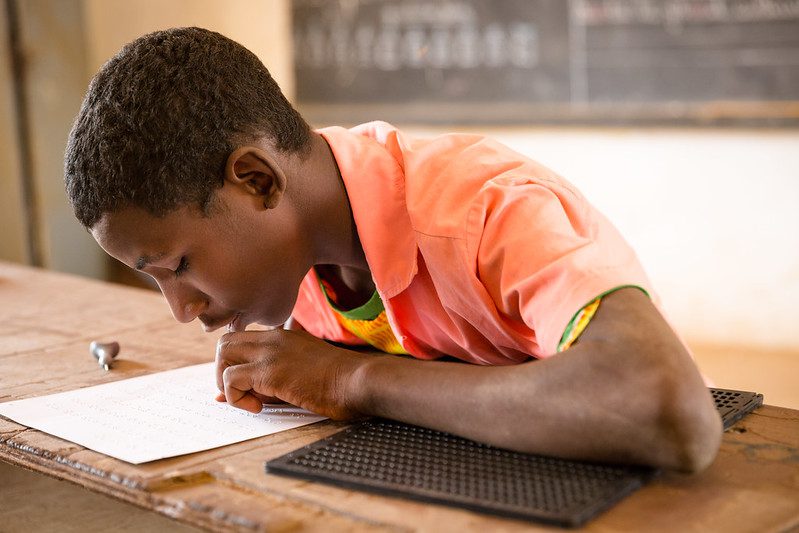
People With Disabilities in NigerIn Niger, disability affects a significant portion of the population, with approximately 4.2% of individuals living with disabilities, according to the African Disability Rights Yearbook. Sadly, these individuals often face social exclusion, hindering their ability to thrive and participate fully in economic activities. However, various initiatives are underway to promote inclusivity and empower people with disabilities in Niger. From targeted programs focusing on children and girls to collaborative efforts with international organizations, the country is striving to ensure equal opportunities for all its citizens, regardless of ability.

Societal Inclusion as a Strategy in Niger

Humanity & Inclusion (HI) is actively expanding its efforts in Niger to support individuals affected by armed conflicts and natural disasters. The organization is working to facilitate the socioeconomic advancement of people with disabilities through greater societal inclusion. It involves conducting research studies to identify the specific needs of individuals with disabilities and understand the barriers they encounter in achieving success when these needs are unmet.

The objective of these studies is to foster broader societal awareness of the challenges faced by people with disabilities. HI collaborates closely with local organizations, institutions and humanitarian actors to advocate for the integration of people with disabilities into society. Additionally, the organization is dedicated to ensuring that children with disabilities have access to primary education and the opportunity to pursue secondary education upon completion of their studies.

Programs for People With Disabilities in Niger

The government of Niger, along with international institutions, has implemented initiatives to support education and employment programs for individuals with disabilities. The Niger Learning Improvement for Results in Education Project, backed by $230 million, aims to improve educational access by constructing learning facilities, training educators and refining teaching methods nationwide.

Specifically, the project allocates funds for the construction of boarding schools and classrooms to facilitate girls’ access to education. Additionally, the Disability Inclusion Strategy, integrated into the International Organization for Migrant’s existing efforts, outlines the rights and needs of individuals with disabilities. This strategy emphasizes enhancing educational opportunities, particularly for girls who historically faced barriers to schooling.

Niger is committed to ensuring that individuals with disabilities have the necessary resources and opportunities to thrive and contribute to the economy. Furthermore, initiatives such as the Committee on the Rights of Persons with Disabilities, one of many policies in Niger, strive for equal opportunities and societal integration by aligning with the Convention on the Rights of Persons with Disabilities.

International Organization for Migration

In Niger, the International Organization for Migration (IOM) has organized various initiatives to connect individuals with disabilities to employment opportunities. One notable event was the observance of the International Day of Persons with Disabilities on December 3, 2019. Collaborating with local organizations in Agadez and Tahoua, the aim was to promote the societal inclusion of people with disabilities as outlined in the 2030 Agenda. The event featured conferences, presentations by local organizations, film screenings, bicycle races and poetry readings, all aimed at fostering integration and awareness.

– Ryan Patrick
Photo: Flickr

April 12, 2024
https://borgenproject.org/wp-content/uploads/borgen-project-logo.svg 0 0 Lynsey 2 https://borgenproject.org/wp-content/uploads/borgen-project-logo.svg Lynsey 22024-04-12 07:30:102024-04-11 15:37:03Tackling Poverty Among People With Disabilities in Niger
Charity, Developing Countries, Global Poverty

5 Charities Operating in Bangladesh

Charities Operating in BangladeshBangladesh has made significant strides from poverty to becoming one of the world’s fastest-growing economies. The poverty rate has gone from 41.6% to 18.7% in the past decade. While improvements in health care and education are notable, many areas still lack essential resources. Bangladeshis living in poverty-stricken areas have inadequate access to healthcare, education and food, with about 25% of the country being food insecure.

In addition, Bangladesh has the fourth highest child marriage rate in the world, primarily affecting rural populations living in poverty. These populations often turn to child marriage as they are unable to provide for their daughters. Despite progress, disparities persist, leaving some regions underserved.

To address these challenges, several charities are actively working on the ground in Bangladesh. They aim to ensure equitable access to vital resources for all citizens. These organizations play a crucial role in bridging the gap and empowering communities through supporting health care, education and poverty alleviation. Here are five charities operating in Bangladesh:

Save the Children

Save the Children is a global nongovernmental organization (NGO) that stands as a vigilant guardian for children worldwide, committed to shielding them from potential harm. Operating in Bangladesh since 1970, its initiatives encompass essential programs such as health, education and protective measures.

Noteworthy achievements include spearheading the United States Agency for International Development (USAID) MaMoni Maternal Care Strengthening Project, a five-year program that began in 2018. It aimed to increase access to quality maternal and newborn health care and to reduce the maternal and neonatal mortality rate for marginalized communities.

Additionally, there’s the Reading Enhancement for Advancing Development (READ) project, a five-year program that took place from 2013 to 2018. This initiative provided training for teachers and reading materials for students, impacting more than one million learners. Moreover, Save the Children’s efforts extend to aiding Rohingya refugees residing in southeastern Bangladesh by building facilities such as toilets, health care centers and learning centers, exemplifying its unwavering commitment to the well-being and production of vulnerable children in the region.

Jaago Foundation

Jaago Foundation is a nonprofit organization founded in 2007 that is dedicated to empowering underprivileged individuals across Bangladesh, with a focus on education, youth development and women’s empowerment. Currently, its endeavors include blistering technological skills among students and expanding access to education through digital platforms.

In addition, it provides scholarships to women, ensuring they can pursue and continue their education, thus fostering a more inclusive and equitable society. Through its efforts, it has helped provide access to education to more than 3,500 students and engaged 16,000 children in reading initiatives. Through these initiatives, the Jaago Foundation is catalyzing transformative change and paving the way for a brighter future for all.

Thrive Global

Thrive Global has been on a mission to combat child hunger in Bangladesh by providing nutritious meals to schools. It has collaborated with local NGOs since 2012. USAID approximates that 25% of Bangladesh remains food insecure, including 36% of kids under 5 years of age. Children remain one of the most vulnerable populations to malnutrition.

Thrive Global’s targeted efforts are concentrated in underprivileged areas, particularly urban slums, where access to adequate nutrition is often scarce. Each day, it provides meals to about 2,100 students at 11 different schools across Bangladesh; 20 more schools are currently on the waiting list to receive daily meals.

Recently, Thrive Global has extended its reach to the Philippines, expanding its impactful initiatives beyond borders to address the pressing issue of childhood malnutrition in more communities. Through dedicated work, the nonprofit is sowing seeds of hope and nourishment for a brighter future for children in need.

Girls Not Brides

Another of the charities operating in Bangladesh is Girls Not Brides, an international organization that is at the forefront of the global movement to eradicate child marriages. Launched in Bangladesh in 2013, it focuses on nurturing youth leadership and empowering young activists, as well as advocating for increased investment in programs aimed at ending child marriage.

In 2017, the organization was involved in the technical revision of the Child Marriage Restrain Act, a law intended to make sure that girls under the age of 18 and boys under the age of 21 are protected from unlawful marriage. It continues to lobby the government for the enforcement of the act while simultaneously striving to raise public awareness throughout the country.

Girls Not Brides has reached nearly 50,000 girls across Bangladesh through its efforts to end child marriage. This nonprofit is driving meaningful change toward a future free from child marriage in Bangladesh and beyond.

Brackett Refugee Foundation

Brackett Refugee Education Fund is a nonprofit foundation established in 1997 and dedicated to providing education for refugees, particularly internally displaced children. It supports children in poverty-stricken regions by providing financial contributions so they can go to school. With a focus on Burma, Bangladesh, India and Thailand, it supports students at various levels, including to hundreds of university students, offering them a chance at a brighter future amid adversity.

In Bangladesh, the organization supports educational assistance to Rohingya refugees in Cox’s Bazar through the Children on the Edge program, which sets up learning centers and digital initiatives. By focusing on providing access to education, it empowers these vulnerable populations to foster resilience and opportunities for a brighter future.

Looking Forward

Bangladesh’s progress in tackling poverty is evident, but challenges persist, particularly regarding regional disparities in access to essential resources. Charities operating in Bangladesh play a vital role in bridging these gaps and fostering a more equitable society. As Bangladesh continues to develop, ongoing efforts to address inequality are essential for ensuring that all citizens have the opportunity to thrive in the country’s evolving landscape.

– Adrita Quabili
Photo: Wikimedia Commons

April 10, 2024
https://borgenproject.org/wp-content/uploads/borgen-project-logo.svg 0 0 Jennifer Philipp https://borgenproject.org/wp-content/uploads/borgen-project-logo.svg Jennifer Philipp2024-04-10 01:30:012024-04-09 13:59:195 Charities Operating in Bangladesh
Developing Countries, Global Poverty, Nonprofit Organizations and NGOs

Nonprofits Address Elderly Poverty in Georgia

Elderly Poverty in GeorgiaGeorgia, a country known for its unique architecture and mountainous landscape, has advanced significantly in poverty reduction and health care accessibility over the last decade. As life expectancy increases exponentially, there is an increased need for resources and programs to accommodate the aging population better.

Elderly Poverty in Georgia and Medical Accessibility

Social programs, such as government-provided subsidies and universal health care, have created optimistic results in the last quarter century. However, poverty is still a large burden for many Georgians. Though life expectancy has risen, the quality of life for the aging population has not improved satisfactorily.

The government offers retired Georgians a pension, but this rarely covers all of their expenses. In recent efforts, Georgia has invested in a universal health coverage plan. Despite this, the policy is not widely accessible and the cost of co-payments is still too high for many working-class households: “The high cost of outpatient medicines is the biggest barrier to accessing care for the lowest income households.”

Poverty is least prevalent in the elderly population (14.4%) compared to children (25.5%) and the working-age population (19.5%). However, as a vulnerable population, older people suffer disproportionately from a lack of medical accessibility and unemployment, especially in rural areas. Challenges in health care accessibility include low pension, job scarcity and an inability to commute.

Proposed Solutions

A large issue in modern-day Georgia is that people do not see elderly workers as valuable. This view is due to the idea that age causes physical deterioration and a lack of skill. In addition, there is a belief in Georgia that the youth should have uninhibited access to the job market and that the older generations should not be impeded. However, this has created a rise in the poverty of older adults in Georgia. Older Georgians are not expected to partake in the workforce. However, because health care and other social services are not widely accessible to them, especially in rural areas, many still require an income.

Many older Georgians also require more health care than the average citizen due to their age, which increases medical expenses. Despite this, employers are hesitant to hire older Georgians due to age-related discrimination. The United Nations (U.N.) suggests that the Georgian government establish programs that aid older workers through education and training. It also notes that the government could create more jobs suitable for older workers, as well as provide tax-related incentives to employers hiring older workers.

In addition, the U.N. stresses that government-provided pensions are not sufficient means to live off of and that citizens be encouraged to accumulate private savings earlier in life. As discrimination against the elderly population is prevalent in the workforce, the U.N. notes that the Georgian government could implement stricter measures to forbid workplace and hiring discrimination. The U.N. necessitates a shift in this negative view of older generations: “Awareness-raising should target employers, helping them to understand the benefits of an age-balanced workforce, encouraging them to employ and retain older workers and to provide age-friendly workplaces.”

Beacons of Positive Change

A key way that Georgia has improved health and wellness accessibility for elders is by establishing free senior care centers. Though these are largely independent, nonprofit organizations, they have tremendously impacted communities. They provide resources to meet the needs of aging citizens and combat elderly poverty in Georgia.

One such provider is Catharsis: The House of Charity. A pioneer in its field, it was established in 1990 as the economy took a hit. Unfortunately, this affected various social services and worsened poverty rates. It focuses primarily on senior care and offers free medical assistance, food, clothing and other enrichment resources. The organization advocates elderly independence and expression by cultivating a “warm, family-like setting.” It has multiple branches operating in several regions of Georgia and has helped more than 1500 individuals since its establishment.

Another essential elderly care provider is American Friends of Georgia, working out of Tbilisi. It is a nonprofit organization that provides free care to vulnerable populations. This includes the sick, the disabled, children and the elderly. It is also focused on furthering education and aims to diversify accessibility through technology donations, higher-education scholarships and a basketball academy. For older patients, the initiative has created a hospice program and in-home care. It has tended to more than 800 elderly patients since 2003. It also focuses on empowering elderly Georgians in their careers through skill-building and job training.

The Future

Though there are barriers to job and social service accessibility in Georgia, steps are being taken to care for the growing elderly population and to ensure their wellness. Though organizations specializing in these efforts are largely privatized, normalizing programs that aid in elderly welfare will instigate the growth of such resources. Finally, there are several plausible solutions, as suggested by the U.N., to help alleviate financial disparities among Georgians, thus alleviating elderly poverty in Georgia.

– Anna Williams
Photo: Flickr

April 9, 2024
https://borgenproject.org/wp-content/uploads/borgen-project-logo.svg 0 0 Jennifer Philipp https://borgenproject.org/wp-content/uploads/borgen-project-logo.svg Jennifer Philipp2024-04-09 01:30:452024-06-11 00:12:44Nonprofits Address Elderly Poverty in Georgia
Africa, Child Poverty, Child Soldiers, Children, Developing Countries, Global Poverty

Child Soldiers in Sudan

Child Soldiers in SudanSudan has been rife with conflict since its first civil war in 1955 when the north and south clashed. In 2005, they agreed to stop fighting and in 2011, South Sudan became its own country. But in the meantime, there have been ongoing tensions, especially in the Darfur region since 2003. Even though they made another peace deal in 2020 to have a temporary government, there was a military coup soon after and the fighting started again in 2023.

Across Sudanese conflicts, child soldiers are a consistent humanitarian concern, with most nongovernmental organizations (NGOs) emphasizing their recruitment in the South. However, according to the United Nations Children’s Fund (UNICEF), approximately 6,500 children served in armed groups in northern Sudan during the civil war, with around 70% serving in Darfur alone. This trend continued with armed groups recruiting more than 400 children between 2011 and 2020 and an 11% increase in recruitment just in 2023.

The Multi-Faceted Reality of Child Soldiers in Sudan

Children become soldiers for a variety of reasons. While some are forced into service by armed groups, many, especially those separated from their parents, do so “voluntarily.” Sudan’s conflict has caused extreme poverty and widespread violence, leaving children with few alternatives than to turn to the armed forces simply out of a need for their resources and protection.

Though some children may become soldiers consensually, such activity is still a violation of international humanitarian law. It can have severe long-term consequences on child soldiers, ranging from physical to psychological illness. The experiences of child soldiers, which are often the drivers of such trauma, are characterized by violence during an age when development is most vulnerable.

Child soldiers are not only combatants but may, in fact, serve a variety of roles. Recruitment may mean a child is utilized in the armed forces as a cook, porter, messenger or spy; many sexually exploit children, too. Limiting the scope of what a child soldier is to exclude these distinct forms of abuse can leave certain victims out of the reintegration process.

Understanding this nuance is crucial not only for grasping how child soldiers in Sudan serve but also for pinpointing where they serve. Though initially conscripted in areas like Darfur, many armed groups train child soldiers in Sudan for the sole purpose of being sent to combat zones elsewhere. Several reports indicate that dangerous conflicts ranging from Yemen to Libya may employ child soldiers from Sudan.

Solutions

Several organizations have played key roles in aiding child soldiers in Sudan and Darfur. In 2007, the United Nations (U.N.) initiated the African Union-United Nations Hybrid Operation in Darfur (UNAMID) to mediate hostilities, aiding child soldiers’ transition back into society through a process known as Disarmament, Demobilization and Reintegration (DDR). UNAMID oversaw several releases of child soldiers for reintegration. In 2011, The Sudan Liberation Army / Historical Leadership (SLA/HL) released 70 child soldiers, of which 24 were girls. Similarly, the Sudanese government released 21 child soldiers in 2016. Following the 2020 peace agreement, UNAMID ended its operations.

Subsequently, the United Nations Integrated Transition Assistance Mission (UNITAMS) was created to uphold the peace agreement and oversee Sudan’s transition to democratic rule. Continuing much of UNAMID’s goals, UNITAMS had “a strong child protection mandate,” which allowed for the monitoring of any human rights violations against children and the further facilitation of DDR. However, a military coup stopped the democratic transition in 2021, preventing UNITAMS from fulfilling this mandate. UNITAMS ultimately ended its operations on Feb. 29, 2024.

NGOs have also been essential to ending the recruitment of child soldiers in Sudan, with one of them being War Child. War Child is known for many campaigns, but in 2019, it launched its Can’t Wait to Learn program in Sudan, intervening in children’s education as early as possible to dissuade them from becoming soldiers. This targets the issue of recruitment at its source, bringing quality education to an impoverished population. War Child reached 2,667 children in 2019 alone but ended its operations following the resumption of conflict.

Final Remark

Despite the challenges, supporting organizations working toward ending poverty and the recruitment of child soldiers remains one of the best strategies to ensure the future of reintegration and demobilization in Sudan.

– Jacob Rampino
Photo: Wikimedia Commons

April 9, 2024
https://borgenproject.org/wp-content/uploads/borgen-project-logo.svg 0 0 Jennifer Philipp https://borgenproject.org/wp-content/uploads/borgen-project-logo.svg Jennifer Philipp2024-04-09 01:30:402024-04-08 15:26:18Child Soldiers in Sudan
Developing Countries, Global Poverty, NGOs, Poverty Eradication

Landesa: Breaking the Poverty Cycle Through Land Rights

LandesaOver the last few centuries, many Western political philosophers, such as John Stuart Mill, have argued that property security is essential for humankind to maximize its potential for liberty and productivity. While almost all land and property are now legally protected in the Global North, only 30% of the world’s population has a legally registered title to their land and property, stifling economic growth and perpetuating poverty and marginalization. This is where Seattle-based organization Landesa comes in. To learn more about the organization’s work, The Borgen Project was privileged to speak with Tyler Roush, the Communications Director at Landesa.

About Landesa

Established as the “Rural Development Institute,” Landesa is a unique nongovernmental organization (NGO) aiming to tackle poverty through the power of formally and legally recognized Land Rights for individuals in the Global South. Worldwide, its valued work has helped to secure land rights for hundreds of millions of families. The NGO is a true inspiration, setting exceptionally high standards for working with and understanding the regional contexts in which it operates.

Landesa in Liberia: Land Rights Act 2018

One case highlighting the lengthiness and success of Landesa’s work is Liberia and the Land Rights Act, described as “one of the most progressive pieces of land rights legislation on the African continent.” Landesa began work in 2010 and, eight years later, had helped garner support for the Act through approval and ratification, “working alongside Liberian civil society, NGOs and the government.”

The significance of the Act was multidimensional, granting land rights to all Liberians for the first time and including strong provisions for women’s land rights. This was hugely significant since Landesa finds that “when women have stronger rights to land, they have more access to household resources, the family budget and decision making both within the household and in their local community.”

Furthermore, “women have unique insights into how land can be sustainably managed based on the types of responsibilities that they have in farming and growing food.” A large body of literature from credible organizations worldwide supports the idea that more land rights provisions for women specifically lead to increased gender equality, improved living conditions, food security, economic empowerment and reduced rates of domestic violence.

Landesa in Liberia: Post-Reform Work

Landesa’s work does not end with the successful passing of groundbreaking legislation. In fact, “after the passage of the Land Rights bill, even more work begins because now the law is in place, it needs to be implemented.” In many developing countries, a lack of education and low literacy rates can hinder land rights. So, Landesa’s next task in Liberia was to raise awareness about the new law. The Amplio Talking Books program does exactly that.

The talking book is a “durable, handheld audio device technology, developed by a Seattle-based partner, that has pre-recorded messages in local languages,” containing information about the newly found land rights and how individuals can utilize these. Community members will use and share these devices for several weeks before Landesa returns to assess what individuals have learned and answer questions. The Talking Books are then collected and taken to the next community. They have become “a really successful way to educate communities about their new rights.”

Landesa’s comprehensive education and support methods help promote peace, stability and sustainable economic development that will benefit all Liberians. Beyond the Talking Books, the organization is “supporting community land formalization, offering ongoing technical assistance for law and policy reform, strengthening government and community implementation capacity and building an evidence base to disseminate lessons to broader stakeholders.”

Projects for the Future

Roush explained to The Borgen Project that Landesa is an optimistic and bold organization that goes above and beyond in multiple regions. Another exciting effort is the Coastal Livelihoods and Mangroves Project, which “strengthens coastal land rights and promotes policies in six countries to reduce overuse of mangrove resources and protect both community livelihoods and ecosystems indispensable to confronting climate change.”

The significance of these mangrove forests is clear for both locals and non-locals, with more than 120 million individuals depending on the highly productive ecosystems for their livelihoods. Additionally, the ecosystems act as natural carbon sinks and shoreline protection from natural disasters. Landesa’s initiative is building momentum, with the organization working alongside “six countries, as well as with the Association of Southeast Asian Nations (ASEAN), on improving law and policy around coastal access, coastal use rights for communities and helping to conserve and restore mangrove forests.”

Conclusion

Landesa is setting the standards of cultural understanding and sensitivity toward potentially divisive issues with a wholehearted commitment to the demanding work. The organization has assisted “720 million people in just the past five years.” With continued patience, hard work and long-term planning, there is no reason why the organization can’t help many more in the next five years.

– Arshiya Eslamdoust
Photo: Flickr

April 8, 2024
https://borgenproject.org/wp-content/uploads/borgen-project-logo.svg 0 0 Lynsey 2 https://borgenproject.org/wp-content/uploads/borgen-project-logo.svg Lynsey 22024-04-08 07:30:152024-04-07 14:00:33Landesa: Breaking the Poverty Cycle Through Land Rights
Page 26 of 157«‹2425262728›»

Get Smarter

  • Global Poverty 101
  • Global Poverty… The Good News
  • Global Poverty & U.S. Jobs
  • Global Poverty and National Security
  • Innovative Solutions to Poverty
  • Global Poverty & Aid FAQ’s
Search Search

Take Action

  • Call Congress
  • Email Congress
  • Donate
  • 30 Ways to Help
  • Volunteer Ops
  • Internships
  • Courses & Certificates
  • The Podcast
Borgen Project

“The Borgen Project is an incredible nonprofit organization that is addressing poverty and hunger and working towards ending them.”

-The Huffington Post

Inside The Borgen Project

  • Contact
  • About
  • Financials
  • President
  • Board of Directors
  • Board of Advisors

International Links

  • UK Email Parliament
  • UK Donate
  • Canada Email Parliament

Get Smarter

  • Global Poverty 101
  • Global Poverty… The Good News
  • Global Poverty & U.S. Jobs
  • Global Poverty and National Security
  • Innovative Solutions to Poverty
  • Global Poverty & Aid FAQ’s

Ways to Help

  • Call Congress
  • Email Congress
  • Donate
  • 30 Ways to Help
  • Volunteer Ops
  • Internships
  • Courses & Certificates
  • The Podcast
Scroll to top Scroll to top Scroll to top