Food Systems in Myanmar
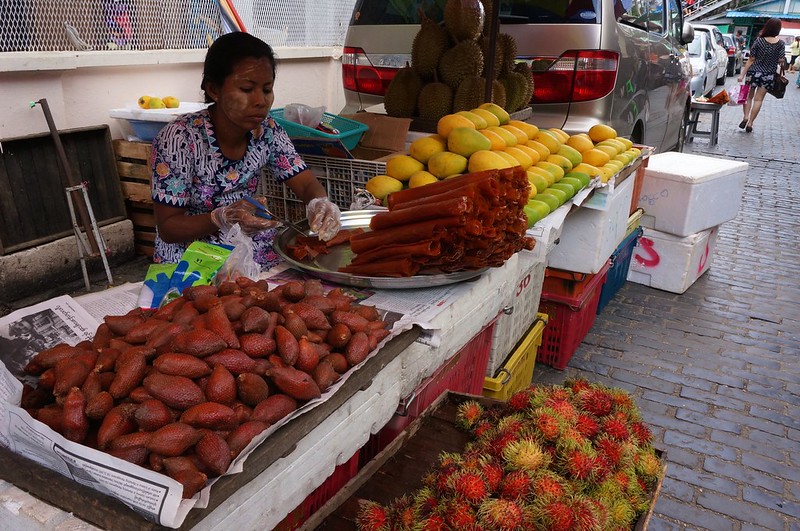 Myanmar continues to face severe food insecurity exacerbated by the 2021 coup, economic slowdown and natural disasters. Some pre-existing challenges have worsened, and the ongoing conflict and climate-related challenges have intensified the situation. Recent reports highlight soaring food prices and limited supplies. In response, UN agencies and the World Food Programme have provided crucial aid. Despite efforts, the crisis persists, demanding sustained international support for food systems in Myanmar.
Food Scarcity
Food scarcity is not new in Myanmar. Before the 2021 coup, 2.8 million people were considered food insecure in the country. In pre-pandemic Myanmar, the World Food Programme estimated that 4% of the country had poor food consumption, and an additional 21% were on the borderline. By April 2021, on the heels of the coup and economic slowdown, up to 3.4 million extra people were facing food insecurity.
There are several key factors driving food insecurity, as predicted by the World Food Programme in 2021:
- Job losses: WFP assumes a more considerable loss in sectors worked by those in poverty. It was predicted that stalled foreign investment, protests, and strikes would significantly impact food insecurity for workers and their dependents.
- Remittance losses: With the halting of services from most banks, remittance also halted. In 2021, remittances made up a significant amount of income.
- Challenges to agriculture: The rippling effect of agriculture is palpable, with many unable to prepare for the upcoming crop season.
- Economic concerns: WFP flagged major economic concerns from the downturn in foreign investment and predicted economic recession.
Conflict and Food Systems in Myanmar
Since 2021, Myanmar has endured ongoing conflict, climate-related blows such as Cyclone Mocha, and unprecedented flooding in October 2023, alongside the political crisis, exacerbating pre-existing poverty. The UN Humanitarian Needs Overview in 2022 estimated that “14 out of 15 states and regions [were] within the critical threshold for acute malnutrition.”
In an April 2024 update from OCHA, food insecurity was underlined as a significant concern. Ongoing fighting between the Myanmar Armed Forces and the Arakan Army combined with a deepening humanitarian crisis have caused soaring food prices and “limited market supplies in many locations.”
The UN and WFP have implemented crucial aid amid this increasing food insecurity crisis. The Food and Agriculture Organization of the United Nations provided 4,700 vulnerable farming households with emergency assistance by April 2022. Additionally, The FOA trained 1759 households in Chaungzon township in agriculture practices and provided fertilizer.
Severe floods, economic turmoil and food insecurity impacted U Ohn Myint, a 65-year-old smallholder farmer in Kalawt Kanai village. With the help of the UN FAO, he bought medicine, a rice bag, and cooking oil to address his and his family’s immediate hunger needs. He was also able to restore his livelihood and hope.
Food Assistance
The World Food Programme continues efforts, providing monthly assistance to 360,000 people in border areas who have been displaced. For thousands of people, the WFP has also launched emergency food and nutrition programs in harder-to-reach locations like Kayah State, Shan State and Bago Region.
Despite the daunting challenges, international efforts offer hope for Myanmar’s food insecurity. Vulnerable communities receive vital aid through emergency assistance, training programs, and ongoing support. As seen through U Ohn Myint, livelihoods and renewed hope exemplify the impact of these efforts. While the road ahead remains challenging, these efforts demonstrate the power of solidarity and the effect of global action on complex humanitarian crises.
– Lydia Young
Lydia is based in Glasgow, Scotland and focuses on Global Health and World News for The Borgen Project.
Photo: Flickr
