• Link to X
  • Link to Facebook
  • Link to Instagram
  • Link to TikTok
  • Link to Youtube
  • About
    • About Us
      • President
      • Board of Directors
      • Board of Advisors
      • Financials
      • Our Methodology
      • Success Tracker
      • Contact
  • Act Now
    • 30 Ways to Help
      • Email Congress
      • Call Congress
      • Volunteer
      • Courses & Certificates
      • Be a Donor
    • Internships
      • In-Office Internships
      • Remote Internships
    • Legislation
      • Politics 101
  • The Blog
  • The Podcast
  • Magazine
  • Donate
  • Click to open the search input field Click to open the search input field Search
  • Menu Menu

Archive for category: Developing Countries

Information and stories about developing countries.

Developing Countries, Global Poverty, Sustainable Development Goals

Updates on SDG 1 in Algeria

SDG 1 in AlgeriaPoverty is a global issue as its consequences of disease and instability do not have borders and therefore, achieving SDG 1 is an important step not only for individual countries but the global community. Algeria has been steadily working to eradicate extreme poverty, and efforts to reduce multidimensional poverty are still ongoing. This article discusses updates on SDG 1 in Algeria, what the Sustainable Development Goals are and some of the projects that have contributed to achieving SDG 1 in Algeria.

Sustainable Developed Goals (SDG)

In 2015, the U.N. developed 17 Sustainable Development Goals (SDG) to “ensure that by 2030 all people enjoy peace and prosperity,” covering not only poverty but also hunger, disease and discrimination against women and girls among other issues. 

SDG 1 in Algeria and globally targets the poverty line and extreme poverty. Across different countries, there are different official poverty lines based on what is needed to survive in each country. However, extreme poverty is defined generally as having less than $2.15 per person per day and the poverty line is set at $3.65 (at 2017 purchasing power parity). 

Poverty in Alegria

According to the UNDP, in 2021 1.4% of Algeria’s population was multidimensionally poor, with another 3.6% vulnerable. This means that portions of the population while over the monetary poverty line may still have low standards of living, education and health.

For example, 43% of households have at least one child either not in education or training, or without the mandated nine years of free education, according to the Economic Research Forum (ERF). This is particularly significant as the poverty rate reduces in the population with higher levels of education, with rates being between 13% and 16% for those with only a primary education whereas rates are 1% and 2% for those with high education, ERF reports. Further, increased education reduces the difference in poverty rates between male and female Algerians. 

With regards to distribution, multidimensional poverty is not evenly spread throughout the country, with rural areas much more affected than urban areas with rates of more than 30% in the High Plateau Center, High Plateau East and High Plateau West regions, according to the ERF.

Achieving SDG 1 in Algeria

According to the SDG Index, SDG 1 in Algeria has been achieved, and the country is on track to maintain its (monetary) poverty headcount ratio at $2.15. Moreover, Algeria has reduced the percentage of the population living on less than $3.65 per day from 4.06% to 1.78% between 2010 and 2023. 

Algeria achieved SDG 1 through continued efforts that included investing in infrastructure, social politics and diversifying the economy away from relying on hydrocarbon production which currently accounts for 19% of GDP and 93% of exports, according to the World Bank.

Algeria has invested in several projects that aim to lift rural communities out of poverty and keep them there. One such project is the “integrated management project of the Guerbes Wetlands,” where the Algerian Ministry of Agriculture, Rural Development and Fisheries collaborated with the General Forest Authority, the UNDP and the WWF.

The U.N. Global Compact calls it “vital to the well-being of the local people and species” because of the impact on food sources as well as empowering rural women and youth economically, alongside its positive environmental benefits.

While the project mainly covered SDG 6, it did have positive outcomes for SDG 1. According to UNDP Algeria, Nadira Boukerma, a rural project manager, took about 10 unemployed young people and trained them in beekeeping. With their new knowledge and the introduction of modern hives, honey production in the region could significantly increase.

Utilizing Natural Ecosystems

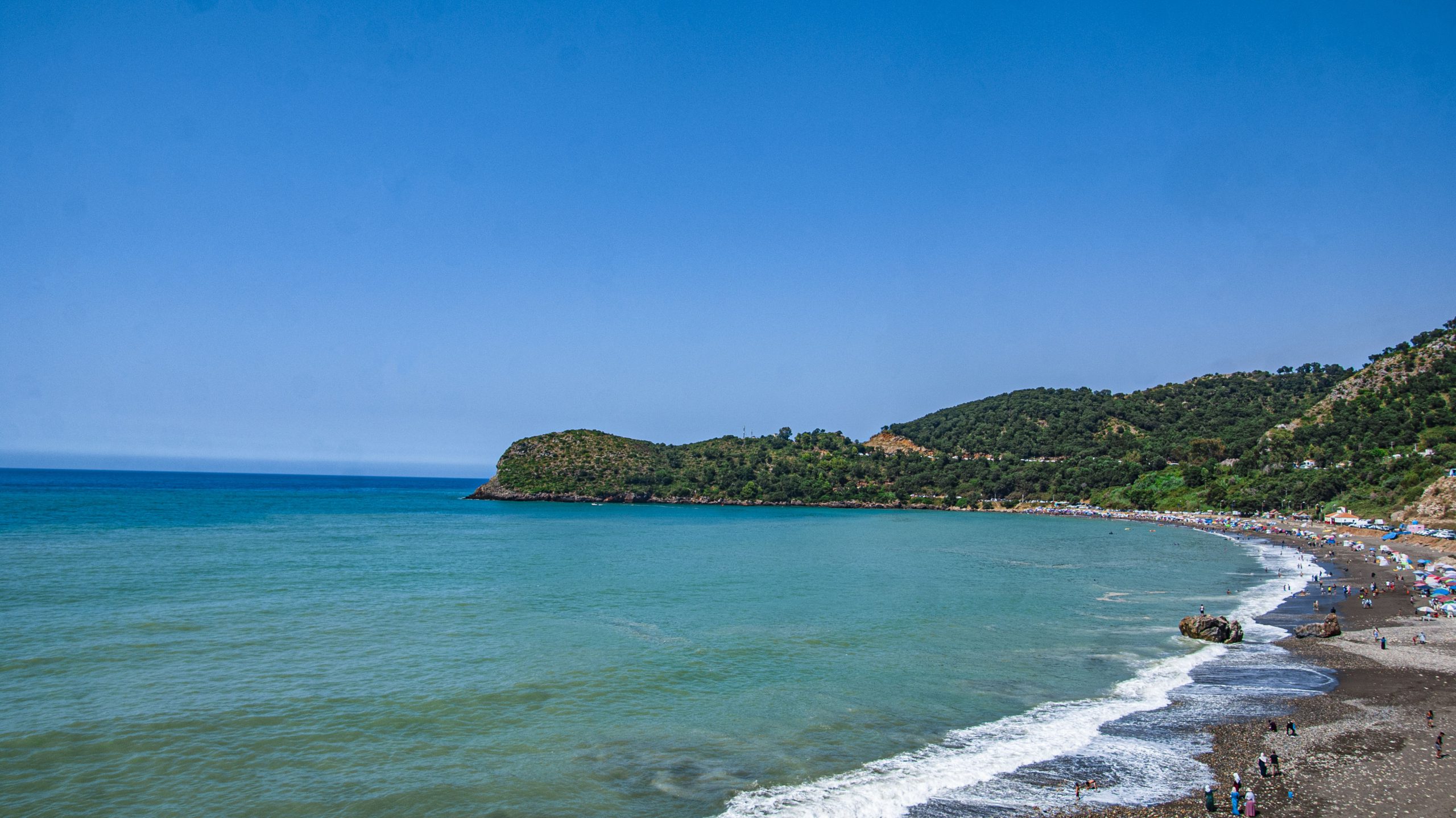
Algeria’s push towards a more diversified economy also involves utilizing natural ecosystems to promote eco-tourism. Taza National Park, through the SEA-Med project, implemented sustainable tourism practices that had positive effects on the local people and engaged both private and non-profit stakeholders. Some achievements are; 

  • Nine new diving clubs established 
  • 412 dive certifications achieved 
  • 19 dive shops opened
  • Eight training courses with 15 people per course
  • Two exchange visits to France totalling 14 participants

While the area received more than 5 million visitors a year, the SEA-Med project also encouraged tourism from within Algeria. For example, in 2011 local diving clubs organised the first underwater photo and video contest on the Jijelian coast in collaboration with park authorities, according to the World Wildlife Fund (WWF) report.

The Future

According to WorldPoverty.io, in 2023 Algeria had 15%% of its population categorized as “living in highly vulnerable conditions” i.e. under $6.85 per day per person. A reduction of this percentage could be the next step in continuing to achieve SDG 1 in Algeria. 

– Rachael Denton-Snape
Photo: Wikimedia Commons

May 3, 2024
https://borgenproject.org/wp-content/uploads/borgen-project-logo.svg 0 0 Jennifer Philipp https://borgenproject.org/wp-content/uploads/borgen-project-logo.svg Jennifer Philipp2024-05-03 01:30:382024-12-13 18:03:10Updates on SDG 1 in Algeria
Developing Countries, Electricity and Power, Global Poverty

The Future of Renewable Energy in Kosovo

Renewable energy in KosovoIn 2024, Kosovo is at a crossroads. Its antique coal power plants cannot meet demand and need refurbishment. Many people see this as the perfect opportunity to expand the use of renewable energy in Kosovo. However, any renewable future in Kosovo has to contend with the state’s large coal reserves.  

The Current Energy Situation

Europe’s newest country is ranked 166th by size. But, within its 4,203 square miles, there are 12.44 Megatons of lignite coal. Kosovo has the world’s fifth-largest proven reserve of this type of coal. Kosovars have been dependent on this lignite coal since Yugoslav times. Even today, two lignite coal power plants – Kosova A and Kosova B – produce over 90% of Kosovo’s electricity. This current setup is facing problems in 2024. 

Ageing Infrastructure and Energy Importation

Yugoslavia built Kosova A in 1962 and B in 1983, respectively. Today, the plants are inefficient and in need of modernization. There are frequent blackouts at the two plants as they struggle with demand. 

The power grid is also in bad condition. Some rural villages report that they do not receive electricity for six months of the year. Two-thirds of people in poverty in Kosovo live in the countryside. Economic growth is nearly impossible without a reliable energy supply. Kosovo’s current energy problems are trapping people in the cycle of poverty. 

Kosovo has had to import energy as the power plants cannot provide the required levels in their current state. In 2022, Kosovo spent 12.5% of its GDP on importing energy, according to the International Monetary Fund (IMF) paper. This is a high percentage for a growing economy like Kosovo. It harms their ability to provide basic services for their citizens. For example, Kosovo only spends 3.5% of its GDP on health care while the EU average is 19.5%. Energy importation is a large burden on the Kosovo economy. 

Furthermore, expensive energy importation is having a subsequent effect on citizens as well. Many reports estimate that 40% of Kosovars live in energy poverty, according to a 2022 article by Ana Krstinovska. Energy importation drives the price of energy up in Kosovo and leads to locals not being able to afford basic energy necessities. 

Poor Air Quality

Kosovo has some of the most polluted air in Europe. Kosovo’s carbon intensity – CO2 emissions released per unit of electricity- is four times the rest of Europe, according to the IMF paper. The consensus is that Kosova A and B are the sources of this poor air quality. Their inefficiency and high usage make them two of Europe’s most polluting power plants, according to Intellinews.

Next to these coal power plants is the town of Obiliq. The citizens here suffer due to bad air quality. In 2020, environmental NGO Bankwatch studied dust concentration in Obiliq. The level of harmful toxins in the air surpassed the EU-required limit in 17 of the 26 days of the study.

Bankwatch specifically measured dangerous particulate matter (PM2.5) in the air. Long-term exposure to PM2.5 can lead to respiratory, pulmonary and heart diseases. In 2019, long-term PM2.5 exposure caused 4.14 million deaths worldwide.   

In 2024, Kosovo has made some steps towards a more sustainable energy grid already. Two years ago, Kosovo opened its biggest wind farm. The Selac Wind Farm has 27 turbines and provides electricity for around 10% of Kosovars. 

The project employed mostly workers from the local communities around the wind farm site. Contractors were contractually obliged to limit the amount of foreign workers during the project and the project brought much-needed jobs to this region. 

The Future of Energy in Kosovo

The Kosovo leadership has provided mixed messages on its commitment to a renewable future. The current government wants to modernize Kosova B and two units of Kosova A. A refurbishment would make the plants less polluting and increase energy production. This plan would allow Kosovo to be less reliant on importing energy. Bankwatch says the plans “would be an improvement, though less optimal than investment into renewable,” Intellinews reports.

The refusal to phase out coal is a controversial decision. In 2023, an environmental watchdog called it a “critical gap in Kosovo’s commitment to decarbonization,” according to Reuters. Kosova A and B are likely to remain in use beyond 2040.  

The strategy, whilst controversial for what it does not include, does provide proof of plans for a more renewable future. The Kosovo government set out these targets for 2031:

  • Reduce greenhouse gas emissions in the energy sector by 32%
  • Increase the share of renewable energy sources up to 35% 
  • Develop new solar, wind and biomass energy infrastructure.

The World Bank describes this strategy as “laying the foundations for greener growth in Kosovo,” Intellinews reports. Renewable energy in Kosovo could provide a safer and healthier environment. A renewable future in Kosovo could have a lower level of PM2.5 in the air than any future with fossil fuels. 

The refurbishment of Kosova A and B means they could become less polluting and produce more energy. This could mean better air quality and less energy imports. However, it could keep coal part of Kosovo’s energy production for the foreseeable future. The emergence of renewable energy in Kosovo is exciting but could continue to be alongside coal instead of replacing it.  

– Richard Sartor
Photo: Flickr

May 3, 2024
https://borgenproject.org/wp-content/uploads/borgen-project-logo.svg 0 0 Jennifer Philipp https://borgenproject.org/wp-content/uploads/borgen-project-logo.svg Jennifer Philipp2024-05-03 01:30:132024-06-11 00:12:45The Future of Renewable Energy in Kosovo
Africa, Developing Countries, Global Poverty

The $10 Billion Plan to Combat Rural Poverty in Egypt

Rural Poverty in EgyptIn response to the persistent challenge of rural poverty in Egypt, the government has unveiled an ambitious initiative known as the “$10 Billion Plan.” This comprehensive strategy aims to tackle the multifaceted issues underlying rural impoverishment by targeting key sectors and implementing various initiatives. With a substantial budget allocation of $10 billion, the plan focuses on revitalizing the agricultural sector, improving infrastructure, implementing social welfare programs and fostering entrepreneurship in rural communities. By addressing systemic barriers and investing in sustainable development, the plan seeks to uplift rural populations, enhance livelihoods and promote inclusive economic growth across Egypt’s rural landscape.

Since its inception, the Decent Life Initiative has garnered high expectations. In 2021, the Egyptian prime minister hailed it as Egypt’s mega project of the 21st Century, drawing parallels to iconic national endeavors like the Suez Canal and the Aswan High Dam.

Over the years, the initiative has begun to fulfill the promises made by Egyptian leadership. Branded as “Haya Kareema,” the Decent Life Initiative represents a comprehensive strategy to eradicate rural poverty in Egypt, encompassing many projects to foster sustainable growth in rural areas. Praised by the United Nations (U.N.) for its meticulous planning, Decent Life targets various facets of rural life, benefiting from broad support beyond governmental realms, with private sector entities and humanitarian organizations actively participating. With a combined funding of 500 billion Egyptian Pounds ($10.5 billion), Decent Life demonstrates a concerted effort to uplift rural communities and foster enduring socio-economic progress.

Rural Poverty in Egypt

A stark contrast exists between the quality of life in rural and urban Egypt. In 2011, 30% of the rural population struggled to afford necessities, compared to 10.6% in urban areas. Similarly, poverty rates mirrored this discrepancy, with 9.6% of rural Egyptians unable to access adequate food, while only 2.6% faced such challenges in urban locales. The Decent Life initiative represents a concerted effort to ease the impoverished conditions experienced by many rural Egyptians.

The Logistics of Decent Life

Decent Life commenced its official launch in 2019, marking the beginning of a transformative initiative. Initially, the government undertook a comprehensive survey of every rural village, employing an algorithm to identify the disadvantaged communities. These villages were ranked based on various criteria, including access to water and sanitation, education rates, health care accessibility, transportation infrastructure and poverty levels. The inaugural phase of Decent Life, from 2022 to 2024, concentrated on addressing the needs of identified communities. During this phase, a remarkable 23,000 projects were implemented across 1,477 villages, resulting in approximately 18 million Egyptians benefiting from the initiative.

The First Phase

Decent Life integrates vital life-saving interventions with projects aimed at fostering growth. Here are some notable achievements of the initiative thus far: access to water and sanitation: The government constructed 169 water stations, resulting in a significant increase of 24,000 households gaining access to clean water. Additionally, nine sewage treatment plants and 739 sanitation projects under Decent Life were inaugurated. These efforts led to a notable rise in household access to the sewage system, benefiting 287,000 individuals.

The Impact of the Decent Life Initiative

Decent Life, an initiative in Egypt, has made substantial contributions across various sectors. In education, it has constructed more than 14,000 classrooms across 1,242 schools, reducing classroom density in 35% of schools and eliminating the need for shifts due to overcrowding. Health care access has also seen significant improvements with the opening of 382 health units, a new hospital in the Aswan Governance and more than 300 new ambulance services.

Further, transportation infrastructure has been upgraded by paving 45 roads, including 15 main thoroughfares, refurbishing 60 railway stations and enhancing public transport services. Addressing rural poverty is another focus of Decent Life, achieved through initiatives like enhancing financial access. This includes establishing 12 new bank branches, renovating 112 existing branches and installing 563 ATMs, leading to more than 200,000 new bank accounts opening. Efforts to improve internet connectivity have connected more than 180 villages to a fiber optic network and installed more than 1,000 network towers, expanding internet access and economic opportunities for rural communities.

The Future of Decent Life

The completion of the first phase is slated for 2024, with the second phase poised to commence shortly after that. Encompassing more than 1,600 villages and impacting the lives of 20 million Egyptians, the Decent Life Initiative represents a monumental endeavor to eradicate rural poverty in Egypt. The ongoing efforts of the initiative have already yielded substantial benefits for millions of Egyptians, underscoring the imperative of its continuation. With a steadfast focus on sustainable growth, there is optimism that the initiative will provide a lasting solution to rural poverty in Egypt rather than a temporary fix.

– Richard Sartor
Photo: Flickr

May 1, 2024
https://borgenproject.org/wp-content/uploads/borgen-project-logo.svg 0 0 Lynsey 2 https://borgenproject.org/wp-content/uploads/borgen-project-logo.svg Lynsey 22024-05-01 07:30:002024-05-01 01:30:59The $10 Billion Plan to Combat Rural Poverty in Egypt
Developing Countries, Disability, Global Poverty

The Impact of Poverty in the Maldives

Poverty in the MaldivesThe Maldives, a South Asian country, has managed to elevate itself from a middle-income status despite facing significant geographical challenges. In the past five years, the economy has experienced an average growth rate of 4.5% per year, which is a considerable improvement mainly due to the booming tourism industry. The transport, communication and construction sectors have also contributed to this growth. The Maldives heavily relies on tourism to grow its per capita income. However, this industry is quite risky. Therefore, to maintain its growth and overcome the challenges of poverty, the country needs to have a more balanced economy. As of 2019, about 20,000 people or 5.4% of the population in Maldives, lived below the national poverty line, according to the Asian Development Bank (ADB).

Although the Maldives has one of the lowest poverty rates in South Asia, concerns remain regarding the vast differences in per capita income, literacy rates, access to health and education services, levels of industrialization and relatively high-income inequality. Separately, as a small island developing state, the effects of changing weather patterns and the risk to the tourism sector can also be a big concern if not addressed.

The Impact of the 2004 Tsunami

The impact of the 2004 tsunami was devastating. The financial damage was estimated to be around $470 million, which accounted for 44% of the country’s GDP in 2004. This estimate, however, does not include the environmental costs, such as the loss of topsoil and land that was washed away into the sea. The tourism industry was severely affected, with a 34% shrinkage and the economy as a whole shrank by 8.7%.

Despite the impacts of the tsunami and global financial crisis, the Maldives government reduced poverty by implementing the regional development policy. This helped distribute the social and economic infrastructure equally and resulted in the country bringing national poverty to 15% in 2010 from 21% in 2003. 

UNICEF’s Impact in the Maldives

The United Nations International Children’s Emergency Fund (UNICEF) collaborated with the National Bureau of Statistics and Oxford University to create the country’s first Multidimensional Poverty Index (MPI), helping the government identify vulnerable children and provide assistance. Additionally, it developed a child-focused MPI to identify issues in education, health and future living standards for children in the Maldives.

To increase children’s access to education, UNICEF has also partnered with other organizations to “educate local island councils, parents, school staff and members of other institutions to promote disabled children’s right to education.” Furthermore, the organization supports the Maldives government to research other challenges affecting children in the nation. This is in addition to providing evidence-based solutions to some issues, such as child marriage, among young people in the Maldives.

– Mayra Sahu
Photo: Flickr

April 30, 2024
https://borgenproject.org/wp-content/uploads/borgen-project-logo.svg 0 0 Jennifer Philipp https://borgenproject.org/wp-content/uploads/borgen-project-logo.svg Jennifer Philipp2024-04-30 07:30:192024-04-30 01:23:10The Impact of Poverty in the Maldives
Developing Countries, Global Poverty, Health, Mental Health

5 Facts About Mental Wellness in Bulgaria

Mental Wellness in BulgariaBulgaria is a country known for its rich cultural heritage and picturesque landscapes. The population is roughly seven million and the nation is part of the North Atlantic Treaty Organization (NATO) and the European Union (EU). It is a hotspot country for historians and anthropologists alike, as it is one of the first European countries in existence. Bulgaria is dotted with mountains and dense with forests and it borders the sea, so there are several tourist attractions and opportunities for outdoor adventure. Here are five facts about mental wellness in Bulgaria.

5 Facts About Mental Wellness in Bulgaria

  1. Historically, Bulgaria has not prioritized the mental health of its citizens, with very few mental health facilities in existence before the ’50s. After the regime change in 1944, psychiatrists in Bulgaria began to advocate the “dispensary system,” which meant to integrate and normalize psychiatric intervention in the broader citizen sphere. This mentality was born at a time when psychiatrists began to see the direct influence of “social conditions” on the mental well-being of citizens. Thus, psychiatry and outpatient treatments were introduced more readily to accommodate mental wellness in Bulgaria.
  2. Social stigma is a significant barrier to addressing mental health in Bulgaria. Despite psychiatric efforts in the 20th century to incorporate psychiatric care into society, attitudes surrounding mental illness and disabilities in Bulgaria do not reflect these efforts. Seeking help can often target individuals and warrant social scrutiny – “Mentally ill are socially discriminated.” It is believed that the mentally ill themselves are guilty of their doom and they should not expect society to share the burden of disease with them.”
  3. Regardless of rampant social stigmas, mental illness is highly prevalent in Bulgaria. According to the United Nations Children’s Fund (UNICEF), about 20% of children and adolescents experience mental health complications each year. Bulgarian youth are also ranked number one in Europe for unhealthy coping mechanisms, such as nicotine intake and drug/alcohol abuse.
    Though many doctors are not readily diagnosing mental health disorders in Bulgaria, it is estimated that nearly one in five Bulgarians experience depression to some degree: “People are told to just snap out of it and get on with their lives and are branded as sensitive and fragile.” Every year, nearly eight hundred Bulgarians succumb to suicide.
  4. Several factors contribute to poor mental health in Bulgaria, the foremost being the lack of assistance for those in need, as previously mentioned. The health care system in Bulgaria does not prioritize mental wellness, which is often seen as separate from physical well-being and not as immediate. Additionally, though substance abuse is usually a result of mental health disorders, it can also be an instigator of such ailments.
    “According to data from the Bulgarian Methadone Association and the Bulgarian Institute for Addictions, there are more than 300,000 drug addicts in Bulgaria.” Health care is also widely inaccessible, with almost half of all medical payments requiring “out-of-pocket” compensation. Finally, nearly 40% of the population is impoverished to some degree, which amplifies mental health struggles disproportionately.
  5. Luckily, steps are being taken to combat social stigmas around mental health disorders and provide resources to those affected. In 2018, the World Health Organization (WHO) implemented mental wellness interventions in Bulgaria. These interventions included providing mental health training to medical professionals, donating funds to support mental health services, creating programs to raise awareness and collaborating with policymakers to establish sustainable solutions. 

WHO’s initiative made a sizeable impact: “In 2018 and 2019, the suicide rate in Bulgaria decreased by 7% compared to the previous biennium.” Similarly, UNICEF is creating an app for young Bulgarians to provide information about mental struggles, personal care advice, links to mental health resources and more. It also strives to create a website that connects Bulgarian youths with mental health professionals.

Though efforts are being made to promote mental wellness in Bulgaria, more can be done to address the ongoing mental health crisis. Government intervention, as well as assistance from WHO, UNICEF and related organizations, is essential in steering the population to a more healthy and optimistic future. With the reduction of social stigmas, a decrease in barriers to health care and the integration of psychiatric care into everyday medicine, Bulgarians can begin to heal themselves holistically for years to come.

– Anna Williams

Anna is based in Burlington, VT, USA and focuses on Good News and Global Health for The Borgen Project.

Photo: Flickr

April 29, 2024
https://borgenproject.org/wp-content/uploads/borgen-project-logo.svg 0 0 Lynsey 2 https://borgenproject.org/wp-content/uploads/borgen-project-logo.svg Lynsey 22024-04-29 01:30:402024-06-11 00:12:465 Facts About Mental Wellness in Bulgaria
Developing Countries, Global Poverty, Nonprofit Organizations and NGOs

Urban Poverty in Nigeria: Addressing the Plight of the Poor

Urban Poverty in Nigeria: Approaches to Address the Plight of the PoorThe Federal Republic of Nigeria, located in West Africa between the Sahel and the Gulf of Guinea, is a multi-ethnic and culturally diverse federation with 36 autonomous states and the Federal Capital Territory. Despite the government’s goal to eliminate urban and rural poverty in Nigeria by 2030, rapid urbanization presents significant challenges. While urban centers often drive socio-economic development, many large cities in the country lack the necessary infrastructure and social services, exacerbating poverty among those who migrate to these areas.

Drivers of Urbanization and Its Impact

Several interrelated dynamics are driving large-scale and extensive urbanization in Nigeria. Unlike many Sub-Saharan African countries, Nigeria has undergone urbanization since pre-colonial times. This early urbanization, combined with erratic colonial development focused on mining and petrochemical projects, has created complex urban subsystems. These systems continue to hinder economic development and worsen poverty.

Demographic Pressures and Migration

Currently, the World Bank estimates that 53% of Nigeria’s 213 million people reside in urban areas, a figure expected to rise to 70% by 2050. Declining mortality rates and persistently high fertility rates are the primary drivers of this rapid urbanization, supplemented by rural-urban migration contributing to urban growth. Nigeria’s increasing population places demographic pressure on rural natural resources, prompting many to move to cities in search of higher incomes and new economic opportunities.

Environmental Challenges and Conflict-Driven Migration

Human-induced deforestation and climate change are significantly affecting agricultural productivity in rural areas, which has traditionally been the main economic activity for low-income and peasant farmers. Additionally, conflict and insurgency from recognized terrorist organizations such as Boko Haram and the Islamic State’s West African Province, particularly in northeast Nigeria, are forcing residents to relocate to urban areas, thereby contributing to urban population growth.

Urban Growth and Its Challenges

While most analysts focus on Lagos, Nigeria’s most populous city with an estimated 18 to 20 million residents, other cities like Ibadan, Kano and Abuja are also experiencing rapid population growth. Urbanization can stimulate local economic growth but also strain social services and infrastructure, particularly impacting the poor. The country’s reliance on oil and gas revenues makes its economy vulnerable to global price fluctuations and corruption, which hampers its ability to develop other revenue streams, enhance governance and invest in robust urban infrastructure and public services for the poor.

Poor urban planning policies, along with other factors, have led to increasing rates of urban poverty in Nigeria. The national multidimensional poverty rate stands at about 63%, with roughly 42% of urban residents living in poverty. These individuals face disproportionate challenges such as social exclusion, gender inequality, underemployment and limited access to education, housing and health services. They often live in urban slums, making them vulnerable to diseases, crime, environmental hazards and insecurities related to food, water and energy.

Government Initiatives and Collaborations

To address urban poverty in Nigeria, the national government has implemented numerous projects in conjunction with local grassroots organizations and international development institutions. While many previous projects failed to produce their intended results, recent initiatives appear more promising. 

In 2016, the Government of Nigeria implemented the National Social Safety Net Project (NSIP), which was complimented by a civil society-led implementation effort that is now known as the Enhancing Social Protection Policies in Nigeria Project (ESPPIN).

The NSIP was created to help low-income and vulnerable individuals in Nigeria gain access to financial transfers and basic services through an expanded social safety net in urban areas. This initiative led to the creation of a National Social Registry and has supported more than 3.2 million beneficiaries across the country, 49% of whom are women. Additionally, in partnership with the World Bank and various civil society organizations, the Government of Nigeria launched the Community and Social Development Project to provide impoverished and internally displaced people with improved infrastructure and basic services such as health care, food, water and housing in urban settings.

The Role of NGOs in Alleviating Urban Poverty

Nongovernmental organizations (NGOs) and civil-society networks also serve as crucial agents of change in cities throughout Nigeria because they often operate relatively independently of bureaucratic constraints, enabling them to respond to the multifaceted needs of impoverished urban communities.

Global organizations such as Cities Alliance, the Justice and Empowerment Initiative and Slum Dwellers International have contributed to mitigating urban poverty in Nigeria. They have achieved this by profiling urban slums, preventing evictions, fostering partnerships for knowledge sharing and providing essential services like clean water, food, housing and health care. Similarly, local entities like the Ambience of Hope Exceptional Foundation and the AMAC Council play key roles in alleviating urban poverty. They use their local insights and establish inclusive networks to effectively meet the changing needs of the urban poor.

Looking Ahead

Nigeria’s multifaceted approach to urban poverty alleviation—incorporating government action, NGO support and international collaboration—promises significant progress. The ongoing initiatives lay a strong foundation for sustainable urban development and enhanced quality of life for its urban poor.

– Campbell Clarke

Campbell is based in New York City, NY, USA and focuses on Technology and Solutions for The Borgen Project.

Photo: Unsplash

April 28, 2024
https://borgenproject.org/wp-content/uploads/borgen-project-logo.svg 0 0 Precious Sheidu https://borgenproject.org/wp-content/uploads/borgen-project-logo.svg Precious Sheidu2024-04-28 01:30:472024-06-11 00:12:46Urban Poverty in Nigeria: Addressing the Plight of the Poor
Charity, Developing Countries, Global Poverty

5 Charities Operating in El Salvador

Charities in El SalvadorAs the smallest country in Central America, El Salvador is home to 6.3 million people. Among the Salvadoran population, 27% live below the national poverty line. Despite ranking as the 17th highest country in global crime, factors, such as poor access to education, and a recent increase in immigration also contribute to El Salvador’s high poverty rate. As the country’s economy grows, economic disparity continues to challenge El Salvador. According to the World Bank, the rate of extreme poverty rate increased by 4% in 2022. The most vulnerable populations, including women, children, Indigenous people, the LGBTQI+ community and those with disabilities, still face economic challenges that sustain the cycle of poverty. The work done by nonprofits, such as the following five charities operating in El Salvador, address poverty and strive to improve the lives of impoverished Salvadoran.

Salvadoran American Humanitarian Foundation

The Salvadoran American Humanitarian Foundation (SAHF) is a Miami-based non-profit that provides humanitarian aid to Salvadorans in need. The foundation collects donations from the United States and distributes them to hospitals, clinics, orphanages, nursing homes, libraries and schools in El Salvador. In partnership with its sister organization, the Salvadoran Foundation for Health and Human Development (FUSAL), SAHF shipped more than $19 million in aid to El Salvador in 2022, directly helping 62,535 Salvadorans and 157 organizations.

FUSAL

Established in 1986, the Salvadoran Foundation for Health and Human Development (FUSAL) is the Salvadoran-based sister organization of SAHF. FUSAL is responsible for receiving the goods shipped by SAHF. They distribute items, such as medicine, medical supplies, hygienic products, clothing, food and educational goods to vulnerable Salvadorans across the nation’s 14 states. Since its conception, FUSAL has distributed about $850 million of donations to 630 beneficiaries, including hospitals, schools, care and community centers, and other Salvadoran NGOs.

The Poma Foundation

The Poma Foundation is a Salvadoran organization that aims to promote the social, economic and personal development of the impoverished. Through various educational, cultural and wellness programs, such as FUSAL and the Higher School of Economic and Business (ESEN), the Poma Foundation creates opportunities for vulnerable Salvadorans to break the cycle of poverty. Since 1984, the organization has granted more than 1,300 scholarships, donated $1 million dedicated to the distribution of COVID tests and produced over 329 national theater shows.

Americares

Americares is a global nonprofit that provides relief and health care to developing countries. Their presence in El Salvador began in 1984 and increased following the 1986 earthquake. Americares works alongside FUSAL to provide medicine and medical supplies to Salvadorans in need. In 2003, the organization built the Americares Family Clinic. The clinic, located in Usultan, sees about 30,000 patients yearly and offers low-cost, high-quality medical care to local families in El Salvador.

Nuestros Pequeños Hermanos

Since 1999, the Salvadoran chapter of Nuestros Pequeños Hermanos (NPH) continues to provide support to vulnerable Salvadoran youth. NPH’s main house, Casa Sagrada Familia, offers shelter, education and food for 373 children emancipating from difficult environments. In addition to its internal programs, NPH’s external programs provide educational tools, such as primary education and scholarships, to low-income Salvadoran students. 

Despite a third of the country’s population living in poverty, these charities operating in El Salvador are dedicated to improving the lives of poverty-ridden Salvadorans. According to a study conducted by the World Bank Group, the national poverty rate decreased from about 40% in 2009 to 26.6% in 2022. Through various educational programs, cultural opportunities and humanitarian aid provided by non-profits, El Salvador is advancing in the fight against poverty.

– Naima Rasheed
Photo: Flickr

April 27, 2024
https://borgenproject.org/wp-content/uploads/borgen-project-logo.svg 0 0 Jennifer Philipp https://borgenproject.org/wp-content/uploads/borgen-project-logo.svg Jennifer Philipp2024-04-27 01:30:482024-04-27 02:26:315 Charities Operating in El Salvador
Aid, Developing Countries, Innovations, Poverty Reduction

Water Poverty in Zimbabwe: Save the Children’s Approach

Water Poverty in Zimbabwe: Save the Children’s ApproachZimbabwe, situated in southern Africa, grapples with serious poverty-related issues, including widespread water poverty. The World Bank reported that 42% of the country’s population lived in extreme poverty in 2019, primarily in remote, poorly connected and densely populated rural areas susceptible to poverty traps. The COVID-19 pandemic may have been responsible for the rise in poverty levels in the country.

The Water Problem

Save the Children emphasizes that water is a basic human right and that the absence of clean, safe water increases the risk of contracting preventable diseases. In April 2024, Zimbabwe’s President, Emmerson Mnangagwa, declared a national disaster over the drought gripping the country, requesting $2 billion in aid to secure food and safe water for millions. The drought has severely impacted not only food and water supplies but also electricity production, which relies heavily on hydroelectric power. Furthermore, the scarcity of clean, safe water led to a significant cholera outbreak, underscoring the urgent nationwide need for constructing boreholes.

Save the Children’s Efforts

Save the Children collaborated with the Beitbridge District Water and Sanitation Sub Committee to provide clean and safe water for drinking and household use. This effort received financial backing from the European Union (EU) through UNICEF as part of the Enhanced Resilience for Vulnerable Households in Zimbabwe (ERVHIZ) project. The initiative focused on rehabilitating dysfunctional boreholes, enabling local access to clean water without the need for long-distance travel.

This safe and clean water serves multiple purposes beyond drinking. Communities can use it to grow vegetables, enhance their diet and improve both health and well-being. Additionally, selling surplus produce can generate profit, creating employment opportunities for many women and girls.

Empowering Communities Through Water Access

Projects like the ERVHIZ have not only improved access to clean water but also empowered communities to take ownership and manage their resources. With functioning boreholes, some communities have established Water Point Management Committees comprising both men and women. Save the Children has provided training to ensure the boreholes are well maintained. A functioning and well-maintained borehole protects the community from cholera and enhances safety for women and girls.

Overall, the rehabilitation of 45 dysfunctional boreholes has improved access to clean water for more than 125,000 people. Moreover, this is just one example of the impactful work Save the Children undertakes to alleviate poverty. It illustrates the transformative effects that providing safe and clean water can have on communities.

Looking Forward

The revitalization of water resources by Save the Children and its partners promises a sustainable path toward community resilience and economic stability. The effective management and maintenance of these resources could be pivotal in breaking the cycle of water poverty in Zimbabwe and ensuring long-term health benefits for the communities involved.

– Cordelia Moore

Cordelia is based in Lewes, UK and focuses on Good News for The Borgen Project.

Photo: Flickr

April 25, 2024
https://borgenproject.org/wp-content/uploads/borgen-project-logo.svg 0 0 Precious Sheidu https://borgenproject.org/wp-content/uploads/borgen-project-logo.svg Precious Sheidu2024-04-25 01:30:232024-04-24 03:50:20Water Poverty in Zimbabwe: Save the Children’s Approach
Developing Countries, Food Insecurity, Global Poverty

Innovative Solutions to Hunger in Gurugram

Hunger in GurugramGurugram, also referred to as Gurgaon, is a city located in northern India, just 32km outside India’s capital city, New Delhi. Until recently, Gurugram was an agricultural wasteland, but it has, for the most part, regenerated itself into an affluent town, which is home to offices of some of the world’s largest companies, such as Google and Nokia. Alongside these wealthy corporations and white-collar jobs, however, exists poverty-stricken villages and slums, where individuals did not adapt to this change, living in poverty with poor infrastructure, overcrowding and sewage contamination. Therefore, despite the city’s recent reformation, there are still prevalent rates of poverty, where communities are struggling with necessities.

Hunger in Gurugram

In its poorest areas, hunger in Gurugram is rife, which has now been exacerbated by COVID-19 and lockdowns. Since COVID, a large number of people rely on dry food rations, meaning many do not have access to a hot cooked meal. This is where the work of a nongovernmental organization (NGO), Rasoi on Wheels, which was set up in 2016, becomes relevant. The nonprofit is a grassroots initiative with a small number of team members who work to alleviate hunger in Gurugram.

As the name suggests, the charity exists as a mobile food truck, which prepares meal boxes in kitchens in the morning and delivers them straight to areas in need the same day. This increases access to healthy, safely cooked meals for less privileged communities. Rasoi on Wheels has served more than 50,000 meals since the foundation started, evidence of its positive impact in alleviating hunger.

Positive Outcomes of Mobile Food Resources

A result of food insecurity in Gurugram means that individuals are desperate to eat and they often consume out-of-date leftover foods, such as leftovers and scraps from bins. This dangerous practice leads to illness and severe cases of food poisoning, which negatively impacts the health and cleanliness of these areas. Therefore, as well as reducing hunger in Gurugram, Rasoi on Wheels also increases access to safe, fresh and nutritious foods, preventing individuals from resorting to dangerous methods of accessing food. The nature of mobile food resources is often praised as a driving force of positive change, commending the work of Rasoi on Wheels, as it “effectively expands food distribution to highly vulnerable populations.”

The Future of Gurugram

Gurugram is an example of how a city can be home to two extremes: rich and poor. Although its transformation to wealth is promising, we must also acknowledge that poor communities still lack basic amenities and resources, such as food. However, with the efforts and hard work of NGOs, there lies hope for a more equitable future for Gurugram, where prosperity is shared more equally.

– Amelie Bunce

Amelie is based in the UK and focuses on Good News and Global Health for The Borgen Project.

Photo: Pexels

April 24, 2024
https://borgenproject.org/wp-content/uploads/borgen-project-logo.svg 0 0 Lynsey 2 https://borgenproject.org/wp-content/uploads/borgen-project-logo.svg Lynsey 22024-04-24 07:30:262024-04-24 03:43:00Innovative Solutions to Hunger in Gurugram
Developing Countries, Global Poverty

Everything You Need To Know about Poverty in Bangladesh

Poverty in BangladeshBangladesh is a country in South Asia that neighbors India to the West, North and East and the Bay of Bengal to the South. Formerly known as East Pakistan, Bangladesh first received recognition in 1971 when the two parts of Pakistan split after a bitter war for independence. In 1975, Bangladesh entered the United Nations (U.N.) as a Less-Developed Country (LDC) under President Sheikh Mujibur Rahman.

In recent years, Bangladesh has reduced population growth, improved health care and education and is on track to transition into U.N. Developing Country status by 2026. Still, limited resources and a volatile political sphere have hindered progress. This is everything you need to know about poverty in Bangladesh.

 Top 10 Facts About Poverty in Bangladesh

  1. Land is vulnerable to flooding and cyclones – The rivers overflow their banks each year and inundate the countryside from June to October. Known as Monsoon Season, slow drainage and continuous rainfall have caused the mean precipitation amount to be more than 1,700 millimeters during these months.
    Severe floods damage crops, ruin villages and take a heavy toll on human and animal populations. In turn, this causes a strain on agricultural production and the supply of food. In August of 2023, 24% of households in Bangladesh suffered from food insecurity due to the rainfall and heat waves.
  2. Public systems require additional global investment – The Intergovernmental Committee of Experts on Sustainable Development Financing (ICESDF) found that all countries will require additional global investments in the range of $5 trillion to $7 trillion per year till 2030 to meet the U.N.’s Sustainable Development Goals (SDGs). This will help countries like Bangladesh improve their basic infrastructure, power stations, water systems, sanitation and rural development.
  3. Intraregional religious tensions are rising – Bangladesh is a predominantly Muslim country but has held a tradition of tolerance with large pockets of religious minorities, such as Hindus and Christians, living among one another. However, from 2014 to 2017, Islamists carried out a campaign of violence against atheists and secular intellectuals. Tensions have receded in the years since, but the densely populated nature of Bangladesh makes it predisposed to intraregional conflict, increasing its vulnerability to poverty.
  4. Development goals are not involved in national planning – Development goals have not been properly integrated into the national planning process. Funding is not allocated toward developing public systems, which leads to continued pressure on resources. As of 2018, Bangladesh has at least 14 national plans and strategies, with 20% of the U.N.’s SDGs not included.
  5. There is a lot of neighboring conflict – Bangladesh shares its southeastern border with Myanmar and in recent decades, this border has been marked by an unprecedented humanitarian crisis. In August 2017, Myanmar’s military executed an ethnic cleansing of the Rohingya Muslims, sending hundreds of thousands of refugees into Bangladesh. Kutupalong, the world’s largest refugee settlement, holds more than 600,000 Rohingya Muslims in the Cox’s Bazar region of Bangladesh. In 2019, Bangladesh announced it would no longer accept refugees due to insufficient resources.
  6. The economy relies on the textile industry – The ready-made garment (RMG) industry accounted for more than 84% of Bangladesh’s total exports in 2021. Bangladesh is the second-largest garment-producing country in the world. Still, it has come at the expense of the labor conditions for the estimated four million workers in the RMG industry, the majority of whom are women.
  7. It is not expensive to live in Bangladesh – Even though the monthly salary in Bangladesh is on par with the average of other U.N. LDCs, the cost of living is low. Bangladesh ranks 192nd out of 197 countries in terms of cost of living. https://livingcost.org/cost/bangladesh But, to counter that, the monthly salary after tax is roughly $275 per month, which only accounts for the cost of living for 0.7 of a month.
  8. Bangladesh is ranked 129th according to the Human Development Index (HDI) – Bangladesh’s HDI of 0.661 is higher than the HDI regional value of South Asia. The index measures a country’s development based on factors such as life expectancy, the standard of living and education. Bangladesh is now in the medium development category. However, inequality poses a significant challenge and when adjusted to account for inequality, Bangladesh’s HDI value drops to 0.503, losing 23.9% of its original value.
  9. Infant Mortality Rate (IMR) has continued to decline – IMR is the number of infant deaths before his or her first birthday for every 1,000 live births. It is a key indicator for not only maternal and infant health but the overall health of society as well. Bangladesh’s IMR peaked in 1971 with a rate of more than  200 infant deaths, but it has continued to decline. In 2021, Bangladesh had a rate of 23 infant deaths. This is done with the help of Bangladesh NGO Unity Through Population Service (UTPS), which has celebrated 40 years of improving socioeconomic conditions through reproductive health assistance, education services and individual economic development.
  10. Bangladesh is experiencing one of the fastest reductions in poverty – Since its induction to the U.N. in 1975, Bangladesh has witnessed one of the fastest reductions in poverty worldwide due to its continued SDGs. In 2018, Bangladesh succeeded in reducing the proportion of its population below the national poverty line to 18.6%, three years ahead of projections through government programs, such as the Bangladesh Economic Zones Authority (BEZA). In 2010, BEZA began introducing 97 Economic Zones, opening new textiles and international trade industries.

The situation may look pessimistic based on some of these 10 facts about poverty in Bangladesh. However, despite its challenges, Bangladesh has vastly improved and continues to improve. The cultural environment is rich and diverse and citizens continue to work toward a better future for Bangladesh. Overall, everything you need to know about poverty in Bangladesh highlights that, while there is room for improvement, the country has great potential to continue developing into a prosperous member of the U.N. and international realm.

– Anjum Alam
Photo: Pixabay

April 24, 2024
https://borgenproject.org/wp-content/uploads/borgen-project-logo.svg 0 0 Jennifer Philipp https://borgenproject.org/wp-content/uploads/borgen-project-logo.svg Jennifer Philipp2024-04-24 01:30:592024-06-04 01:09:00Everything You Need To Know about Poverty in Bangladesh
Page 24 of 157«‹2223242526›»

Get Smarter

  • Global Poverty 101
  • Global Poverty… The Good News
  • Global Poverty & U.S. Jobs
  • Global Poverty and National Security
  • Innovative Solutions to Poverty
  • Global Poverty & Aid FAQ’s
Search Search

Take Action

  • Call Congress
  • Email Congress
  • Donate
  • 30 Ways to Help
  • Volunteer Ops
  • Internships
  • Courses & Certificates
  • The Podcast
Borgen Project

“The Borgen Project is an incredible nonprofit organization that is addressing poverty and hunger and working towards ending them.”

-The Huffington Post

Inside The Borgen Project

  • Contact
  • About
  • Financials
  • President
  • Board of Directors
  • Board of Advisors

International Links

  • UK Email Parliament
  • UK Donate
  • Canada Email Parliament

Get Smarter

  • Global Poverty 101
  • Global Poverty… The Good News
  • Global Poverty & U.S. Jobs
  • Global Poverty and National Security
  • Innovative Solutions to Poverty
  • Global Poverty & Aid FAQ’s

Ways to Help

  • Call Congress
  • Email Congress
  • Donate
  • 30 Ways to Help
  • Volunteer Ops
  • Internships
  • Courses & Certificates
  • The Podcast
Scroll to top Scroll to top Scroll to top