5 Causes of Poverty in Nicaragua
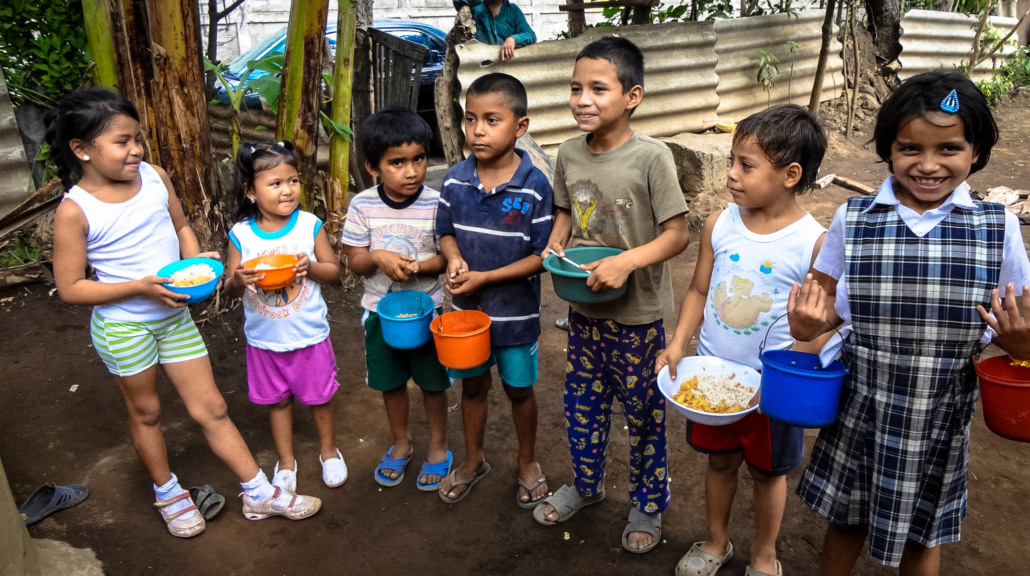
Nicaragua is one of the poorest nations in the continental Americas. With a population of 6.5 million, the country’s chronic cycle of poverty has links with consistent political instability and conflict, high inequality between urban and rural populations, dependency on agricultural exports and natural disasters. Nicaragua’s unusual response to COVID-19 — which has entailed no formal quarantine measures and an underreporting of infections — will surely impact its level of poverty as well. Here are five causes of poverty in Nicaragua.
5 Causes of Poverty in Nicaragua
- Political Instability and Conflict: Since the turn of the 20th century, Nicaragua has experienced three authoritarian dictatorships, a period of U.S. occupation, a revolution and civil war. The Somoza family dictatorship — which lasted for 43 years, from 1936 to 1979 — created extreme economic inequality. The 1979 Sandinista revolution usurped power from the Somoza family; however, the revolution was short-lived, as a counter-revolution began shortly afterward. That counter-revolution lasted until 1990 and severely ravaged the country. Nowadays, Nicaragua is again experiencing authoritarian rule and state violence under President Daniel Ortega. Initially, Ortega’s government implemented social welfare programs that greatly reduced poverty. The government also created a fruitful business environment that led to high economic growth. However, protests in 2018 prompted a violent response from the government, leading to continued political unrest and economic recession. Nicaragua’s economy shrunk by 4% and 3.9% in 2018 and 2019. In 2020, experts believe that the economy could contract by 4.3%.
- Urban vs. Rural Divide: There is a significant difference between life in Nicaragua’s cities and in rural areas. Overall, 30% of Nicaraguans live in poverty and 8% live in extreme poverty. However, 50% of the population in rural areas live below the poverty line, and 11.5% live in extreme poverty. This inequality manifests not only in GDP per capita but also in access to resources such as water, electricity, telephone, mobile phone service and paved roads.
- Dependency on Agricultural Exports: Historically, many economies in Latin America and the global south have geared toward exporting agricultural goods to industrialized countries. Such economies tend to be entirely dependent on one or two crops. Nicaragua is no exception — coffee and cotton have been the country’s principal cash crops. Today, 70% of the Nicaraguan population still works in agriculture. Although agriculture accounts for 20% of the country’s GDP, food insecurity is high, which signals that the country still exports a large proportion of crops. Certain NGOs, such as EcoAgriculture Partners and Self-Help International, work to help alleviate food insecurity and other problems that result from the agricultural system in Nicaragua.
- Natural Disasters: Nicaragua’s topography includes many lakes and volcanoes. Situated along the Caribbean Sea, the country is highly susceptible to natural disasters such as earthquakes, volcanic eruptions, hurricanes and drought. In April 2014, Nicaragua suffered from two earthquakes in two days, hitting Managua and Granada and measuring 6.1 and 6.6 in magnitude, respectively. Natural disasters have repeatedly infringed on the development and maintenance of the country’s infrastructure.
- COVID-19 and Future Predictions: As in other countries, experts expect that the COVID-19 pandemic could increase poverty levels in Nicaragua. Nicaragua’s government has not implemented any social distancing measures. In fact, it has done the opposite, keeping schools open and promoting social gatherings like sporting events and beach activities. The pandemic has already reduced remittances, trade and tourism. On top of Nicaragua’s political situation, the pandemic also greatly increases the risk for investment in the country.
Concluding Thoughts
While these five causes of poverty in Nicaragua determine that poverty and inequality could increase in upcoming years due to COVID-19 and political turmoil, the people of Nicaragua should still have hope. The country experienced great success in slashing poverty from the mid-2000s to the mid-2010s. In 2005, 48.3% of the population lived below the poverty line, with 17.2% living in extreme poverty. Those percentages have since decreased by 18 and nine points, respectively, thanks to the current government’s investment in social welfare programs. These programs include Hambre Cero, which offers plants and animals to women heads-of-household; Usura Cero, which provides women micro-loans; Plan Techo, which provides roofing materials for families in need; and Agua Segura, which provides clean water. In addition, NGOs such as Self-Help International are working to advance agriculture, feed children, empower women and provide community nutrition for the people of Nicaragua.
– Tirza Morales
Photo: Flickr
