• Link to X
  • Link to Facebook
  • Link to Instagram
  • Link to TikTok
  • Link to Youtube
  • About
    • About Us
      • President
      • Board of Directors
      • Board of Advisors
      • Financials
      • Our Methodology
      • Success Tracker
      • Contact
  • Act Now
    • 30 Ways to Help
      • Email Congress
      • Call Congress
      • Volunteer
      • Courses & Certificates
      • Be a Donor
    • Internships
      • In-Office Internships
      • Remote Internships
    • Legislation
      • Politics 101
  • The Blog
  • The Podcast
  • Magazine
  • Donate
  • Click to open the search input field Click to open the search input field Search
  • Menu Menu

Archive for category: Developing Countries

Information and stories about developing countries.

Developing Countries

October 11: International Day of the Girl Child

Day of the Girl ChildOn October 11, the U.N. celebrated its annual Day of the Girl Child, which focuses on advancing the status of girls worldwide by celebrating their potential when combating the forces that endanger and repress them, such as child marriage, education inequality and health issues.

Since its inception in 2011, the Day of the Girl Child centers on a different topic each year. In 2016, the theme “Girls’ Progress = Goals Progress: A Global Girl Data Movement,” emphasizes the use of technological advances to acquire comprehensive data on girls worldwide, their unique struggles and the forces that oppress them.

In an address at the U.N. headquarters on October 11, 2016, Executive Director of U.N. Women Phumzile Mlambo-Ngcuka spoke on the importance of this movement: “Working with our partners, we are supporting countries to strengthen national capacity and systems to collect, analyse and disseminate gender data to improve statistics on priority issues for girls — including gender-based violence, adolescent pregnancy and reproductive health, informal employment, entrepreneurship, and unpaid work.”

Much of the U.N.’s efforts regarding the Day of the Girl Child centers on the practice of child, early and forced marriage, all of which remain prevalent issues in the world’s poorest countries.

Child marriage not only leaves psychological and physical scars that inhibit girls from personal fulfillment but also perpetuates cycles of poverty that trap families in situations with little or no education, economic disadvantages and poor health conditions.

Families often seek the temporary financial relief of a “bride price,” money given to them in exchange for marriage to their daughter. This practice, however, only continues the cyclical nature of poverty in their communities – it denies girls the opportunity for education, and ultimately, cripples new and developing families in the same way.

The other option — education for girls — helps to solve this long-term problem. A girl who has received just one additional year of primary education is 15 percent more likely to boost their future earnings, and this figure only increases with each additional year of education.

The U.N. has already made some advancements in the for fight for girls’ equality. After drawn-out and passionate lobbying in Malawi, the country passed the Marriage, Divorce and Family Relations Act in 2015, which restricts the age of marriage without parental consent to 18.

Thanks to advancements in data collection, the lives of girls and women across the globe may now be much easier to improve. U.N. Women has continued to push for the end of child marriage, and thus, a step toward ending deeply entrenched poverty in some of the world’s poorest countries. As U.N. Assistant Secretary-General Lakshmi Puri phrased it, “Humanity can’t afford to lose half of the world’s creativity, passion and work. When you invest in a girl everyone benefits.”

– Emily Marshall

Photo: Flickr

December 3, 2016
https://borgenproject.org/wp-content/uploads/borgen-project-logo.svg 0 0 Borgen Project https://borgenproject.org/wp-content/uploads/borgen-project-logo.svg Borgen Project2016-12-03 09:27:002024-12-13 17:56:15October 11: International Day of the Girl Child
Developing Countries, Global Poverty

Fighting Cancer in Resource-Poor Countries for $1.72

Cancer in Resource-Poor Countries
In 2012, 3.5 million women died from cancer. Women are diagnosed with cervical and breast cancer at a rate of about 2 million per year, and the diseases’ outcome can largely be predicted by geography. According to The Lancet, 62 percent of deaths resulting from breast cancer occurred in low- and middle-income countries. Similarly, 87 percent of deaths due to cervical cancer occurred in resource-poor countries. Clearly, fighting cancer in resource-poor countries can be difficult.

These trends are even more concerning given that the number of cancer-related deaths among women is expected to increase to 5.5 million by 2030. Over this same time period, the number of women diagnosed with breast cancer is expected to nearly double, and the number of women diagnosed with cervical cancer is expected to increase by 25 percent.

Most global health efforts targeted toward women focus on sexual and reproductive health. However, non-communicable diseases like cancer, cardiovascular disease, respiratory disease, diabetes, dementia, depression and musculoskeletal disorders constitute the greatest threats to women’s health. Indeed, breast cancer and cervical cancer result in three times as many deaths as childbirth and pregnancy complications do.

Further, the global economic burden of cancer is sizable ($286 billion in 2009), primarily because it keeps people out of the workforce and can lead to premature death. Addressing the burden of cancer on women’s health could lead to increased female participation in activities that benefit countries’ economies.

Even in more developed countries, cancer screenings and appropriate treatments are not equally available to all groups. Women belonging to ethnic and cultural minorities, in particular, may not have access to essential health care.

However, cancer screening and treatment is not as costly as is often assumed. As little as $1.72 per person could provide essential medical interventions to diagnose and treat cancer effectively. This amount is about 3 percent of current health care spending in resource-poor countries.

Mammograms for breast cancer screening and radiography for cancer treatment are not often available in low- and middle-income countries. A series of articles from The Lancet recommended increasing the availability of the HPV vaccine for girls and providing cost-effective screening procedures like clinical breast examinations and cervical cancer screenings through visual inspection with acetic acid.

The articles also called for mastectomy and tamoxifen treatments to be made available to people fighting cancer in resource-poor countries by 2030. The Lancet cited Mexico and Thailand as examples of countries where universal health care coverage has improved the diagnosis, treatment and outcome of cancer in women.

– Madeline Reding

Photo: Flickr

December 3, 2016
https://borgenproject.org/wp-content/uploads/borgen-project-logo.svg 0 0 Borgen Project https://borgenproject.org/wp-content/uploads/borgen-project-logo.svg Borgen Project2016-12-03 01:30:102024-12-13 17:56:11Fighting Cancer in Resource-Poor Countries for $1.72
Developing Countries, Global Poverty

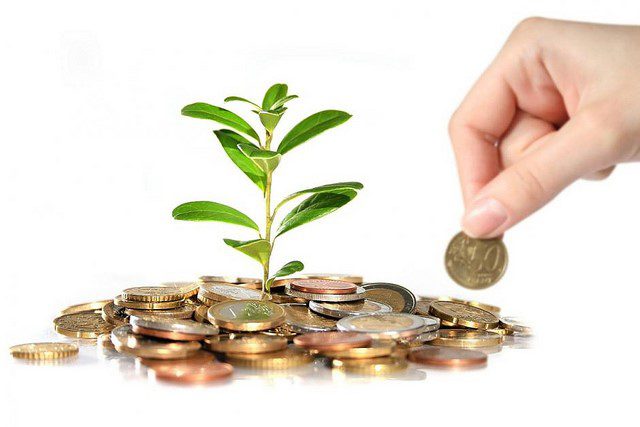
Five Companies Investing in Developing Countries

Investing in Developing Countries
While some view developing countries as hopeless, others see in them the potential for investment. Despite their struggles, many developing countries are growing at faster rates than wealthy and middle-income countries as their working age populations increase and larger shares of people gain access to education. Below are five American companies that are investing in developing countries.

  1. Amazon
    In June 2016, Amazon’s CEO Jeff Bezos pledged that Amazon would up its planned direct investment in India from $3 billion to $5 billion. Amazon has already built 21 fulfillment centers and has employed large numbers of Indians in positions ranging from courier to researcher and developer. According to Bezos, India is Amazon’s fastest growing market.
  2. Enviro Board
    Enviro Board is a New Jersey-based company that specializes in producing cheap and environmentally friendly panels, “e-boards,” that can be used to construct houses. In 2014, Enviro Board agreed to launch a joint venture with a local Zambian corporation, Africapaciti Investment Group. The agreement involved building over 6,000 houses a year and re-investing a significant portion of the profits into worthy causes.
  3. Cummins
    Cummins is an American manufacturer of power generation equipment. Since 1962, it has been present in India via a joint venture, and today it employs almost 10,000 workers there. It also has a broad footprint in Africa, with representation in 51 out of 54 African countries. It has supported technical education and gender equality in Africa as well.
  4. IBM
    In 2012, IBM set up a global research lab in Nairobi, Kenya. The lab’s researchers focus on finding solutions to the challenges Africa faces, particularly those relating to education, human capital development and sanitation. In 2015, IBM Research Africa added a South African branch through collaboration with a local university. The researchers there are making use of Watson, IBM’s signature cognitive computing system, as they address the continent’s major issues.
  5. Coca-Cola
    Reduced to being one of the poorest countries in Asia by decades of autarkic military rule, Myanmar has courted foreign aid aggressively since it began to open up to the outside world in 2011. In 2012, Coca-Cola entered Myanmar after a 60-year hiatus by opening a new bottling plant there. The plant put the cap on an ambitious plan for $200 million in direct investment in the country over five years.

Whether it be through research and development, direct investment in production facilities or support for training programs, American companies investing in developing countries can help improve people’s lives. As potential consumers, people living in developing countries may also become major assets to the American economy in the future.

– Jonathan Hall-Eastman

Photo: Flickr

November 30, 2016
https://borgenproject.org/wp-content/uploads/borgen-project-logo.svg 0 0 Borgen Project https://borgenproject.org/wp-content/uploads/borgen-project-logo.svg Borgen Project2016-11-30 01:30:592024-12-13 17:55:54Five Companies Investing in Developing Countries
Developing Countries, Health, Technology

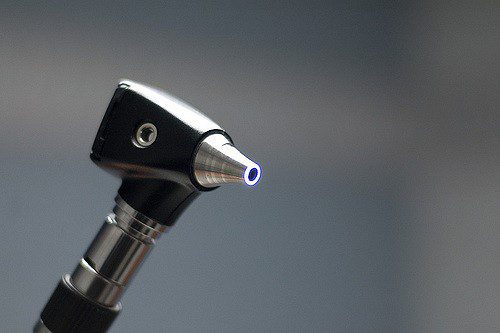
Digital Otoscope: Can a Smartphone Detect Ear Infections?

Digital Otoscope
Ear infections are very common among young children and can be easily treated. By the age of three, a majority of children would have already experienced at least one ear infection. The problem emerges when ear infections go untreated. It can possibly cause serious medical issues. Researchers from Umea University in Sweden and the University of Pretoria in South Africa wanted to make diagnosis easy and affordable for people in developing countries. They created a software-based smartphone system along with a digital otoscope that can diagnose ear infections.

Claude Laurent, a researcher at the Department of Clinical Sciences at Umea University, says “Because of lack of health personnel in many developing countries, ear infections are often misdiagnosed or not diagnosed at all. This may lead to hearing impairments, and even to life-threatening complications.”

A digital otoscope is connected to a smartphone and takes photos of the eardrum. Then it is displayed on the smartphone. Since the software is cloud-based, the image is uploaded to the cloud. It is then analyzed and compared to archived images. The system automatically places it into one of the five diagnostic groups.

The system is completely portable allowing it to be used directly in the homes in villages and small towns.

Laurent says “Using this method, health personnel can diagnose middle ear infections with the same accuracy as general practitioners and pediatricians.” This is extremely important, as there tends to be a shortage of ear specialist in developing areas.

Traditionally, a pneumatic otoscope is used by doctors to view how much fluid is behind the patient’s eardrum. Although this method has been used for a long time, it is not always accurate. Often ear infections are misdiagnosed which may cause harm to the patient.

However, the software could possibly fix the problem of misdiagnosis. The digital otoscope has an 80.6 percent accuracy rate, while traditional otoscopes have an accuracy between 64 to 80 percent.

“This method has great potential to ensure accurate diagnoses of ear infections in countries where such opportunities are not available at present. Since the method is both easy and cheap to use, it enables rapid and reliable diagnoses of a very common childhood illness,” Laurent says.

Once widely available, this software-based smartphone system, with the use of cloud technology and a digital otoscope, will provide relief for children in various parts of the world.

– Karla Umanzor

Photo: Flickr

November 29, 2016
https://borgenproject.org/wp-content/uploads/borgen-project-logo.svg 0 0 Borgen Project https://borgenproject.org/wp-content/uploads/borgen-project-logo.svg Borgen Project2016-11-29 01:30:162020-05-09 11:38:00Digital Otoscope: Can a Smartphone Detect Ear Infections?
Charity, Children, Developing Countries, Global Poverty

The Smile Train: How Kylie Lip Kit Helps the Developing World

Kylie Lip Kit
Recently, Kylie Jenner has used her fame to put a smile on the face of children in developing countries. Earlier in October, Jenner released a brand new shade of her famous Kylie Lip Kits. One hundred percent of the proceeds went straight to the non-profit organization Smile Train, which funds surgeries for cleft lip, one of the leading birth defects that children in many developing countries suffer from. Raising nearly $160,000 in sales, hundreds of people will be able to afford the treatment that they need in order to eat and speak properly.

Clefts involve the lip and the palate, or roof of the mouth, and occur when there is a split as a result of certain structures not fusing together during fetal development. The cause of cleft lip is relatively unknown, but a genetic connection is an assumed possibility. Outside forces such as exposure to drug and alcohol use, smoking, maternal illness, infections or lack of vitamin B are also factors.

According to Smile Train’s website, cleft lip is an easily treatable issue. Though more than 170,000 children in 85 developing countries suffer from it, all it takes is $250 and 45 minutes for a surgery that will change a child’s life.

Children that don’t receive adequate medical care will often live in isolation, and struggle with carrying out basic physical tasks such as eating, breathing and speaking. As a result, most of these children don’t attend school or ever hold a job. Jenner has helped bring further attention to this issue and the launch of the Kylie Lip Kit will serve to ensure that hundreds of children can go on to lead better and healthier lives.

The light pink shade, “Smile,” was dropped on the Kylie Cosmetics website on Oct. 3 in recognition of World Smile Day. Incredibly popular, selling quickly like the other products in Jenner’s makeup collection, the unique Kylie Lip Kit collected a massive amount of money for the international organization.

As a new Smile Train Ambassador, Jenner presented a check for $159,500 to the organization’s CEO Susannah Schaefer. The money will fund cleft lip and palate surgeries for 638 children in need. On her collaboration with Smile Train, Jenner stated, “I’m excited to continue my relationship with Smile Train and see the difference we make together […] I wanted to use my social media platforms to help inform my fans about clefts and raise money to give these young kids the surgeries they need to get the smiles they deserve.”

In situations where the fulfillment of proper solutions is lacking, it is significant to note successful methods for giving back to those who are disadvantaged and ones that anyone can get involved in. The Kylie Lip Kit exemplifies this, acknowledging the generous efforts and tremendous effects that can come from the purchase of one simple product.

– Mikaela Frigillana

Photo: Flickr

November 24, 2016
https://borgenproject.org/wp-content/uploads/borgen-project-logo.svg 0 0 Borgen Project https://borgenproject.org/wp-content/uploads/borgen-project-logo.svg Borgen Project2016-11-24 01:30:472024-12-13 17:56:12The Smile Train: How Kylie Lip Kit Helps the Developing World
Developing Countries, Global Poverty, Health, Women and Female Empowerment

Low-Income Communities Deserve Sanitary Menstrual Products

Low-Income Communities Deserve Sanitary Menstrual Products
In 2015, 18 percent of Rwandan females didn’t go to school or work because they couldn’t purchase sanity menstrual products.

Sustainable Health Enterprises (SHE) recycles trunk fiber from banana farmers to be cut, carded, washed, fluffed and solar dried for menstrual pads. The company supplies farmers with the necessary equipment and training services for production. They offer health and hygiene education to the community through schools.

SHE believes it’s a personal injustice that menstrual hygiene is seen as a luxury item. In Rwanda each year, the country has roughly a gross domestic product (GDP) loss of $115 million for women needing to take sick leave due to their periods. The company is fighting for the removal of value-added taxes on menstrual pads.

“We’re creating a blueprint to franchise globally. It’s a sustainable system that can be rolled out anywhere. We think it’s straight up common sense,” SHE outlined on the company’s website.

Most U.S. food stamp programs do not define sanitary menstrual products as an essential item. In India, people believe menstruation makes women impure. Most of the time females who are on their period are banished from completing their household obligations such as cooking, or even from inhabiting their homes at all.

In the largest slum, Mukuru, in Nairobi, Kenya, a study found that girls 10 to 19 years old were having sex with older men to gain access to sanitary menstrual products, according to Dignity Period.

In Burkina Faso, 83 percent of girls don’t have a sanitary menstrual changing area, and more than half of schools in the poorest countries lack private toilets, according to UNICEF.

Diana Sierra, a founder of Be Girl Inc., created a pair of underwear with a menstrual, mesh pocket that females can fill with any type of recyclable materials, such as cotton, grass or fabric, depending on the materials readily available in their geographic location.

After Sierra finished a master’s program in sustainability management at Columbia University, she traveled to Uganda for her internship. While conducting research on a coffee farm and cultural arts, she was working on the side to create a prototype for the most effective sanitary pad.

“So I said okay I’m going to hack this material with what I have handy. I took an umbrella for the layer on the bottom, I took like a mosquito net and cut it in pieces and stick it all together and created a kind of a universal pocket, a mix-proof pocket for a certain material,” said Sierra.

Sierra took her product to a school and the children found it successful, but they didn’t like the color black because they found it boring. In Tanzania and Malawi, the stigma associated with menstruation is more than a negative connotation. It is considered a curse.

“When we were asking them, they were talking about how they can’t touch an animal because the animal would just drop dead, and they cannot touch a baby because the baby can die. They cannot go through the crops because the crops will die,” said Sierra.

Sierra realized that she spent years working for global companies, designing for about 10 percent of the population with their extra TVs and face steamers, but she wondered about the other 90 percent of the world who feel that they aren’t deserving of a sanitary product.

Be Girl was launched in the U.S. to fiercely distinguish between and within genders. Sierra is mining a conversation of equality worldwide. It’s a product not exclusive to any socioeconomic status. She wants women to educate themselves about their options and teach others in every country so that generations that follow will spread the knowledge.

“They have the same value as a human being, but they’re completely overlooked. So that was the very first thing that I said I have to go and see this for myself and experience firsthand what it is that a designer can do for this type of scenarios,” said Sierra.

– Rachel Williams

Photo: Flickr

November 15, 2016
https://borgenproject.org/wp-content/uploads/borgen-project-logo.svg 0 0 Borgen Project https://borgenproject.org/wp-content/uploads/borgen-project-logo.svg Borgen Project2016-11-15 01:30:432024-12-13 17:56:01Low-Income Communities Deserve Sanitary Menstrual Products
Developing Countries, Global Poverty, Nonprofit Organizations and NGOs

SunSaluter: Energy, Water and Jobs Rolled Into One

SunSaluter: Energy, Water and Jobs Rolled Into One
There are upwards of 780 million people in the world who do not have access to clean water. On top of this, an estimated 1.2 billion people lack access to electricity — that is nearly 17 percent of the world’s population. Individuals living under such circumstances suffer chronic exposure to waterborne illnesses, and hundreds of millions more must walk hours each day to collect potable water.

SunSaluter, a 501(c)(3) non-profit organization dedicated to improving energy and water access in the developing world, aims to remedy these issues in a simple and affordable way.

The goal of SunSaluter is to make energy and water more accessible through one simple device. The SunSaluter device itself uses gravity and water, rotating a solar panel throughout the day. The device generates 30 percent more electricity, is 30 times cheaper and is far more durable than motorized solar trackers.

The SunSaluter has been deployed in 16 countries and has impacted nearly 8,000 people worldwide. By boosting solar panel efficiency by 30 percent, fewer solar panels are needed and the overall system costs are reduced by 10-20 percent. This lowering of cost alone has helped the impoverished families eliminate the use of kerosene gas.

How does it work? The SunSaluter enables solar panels to produce energy more consistently through the day, beginning earlier in the morning and lasting later at night. This is critical for rural families who often wake early in the day. It helps decrease the need for batteries to store energy that is usually produced mostly around high noon.

The SunSaluter also contains a water purifier within its system. Each day the device is capable of producing four liters of clean drinking water. By combining both energy and water collection into one simple device, the SunSaluter kills two birds with one stone. It improves consistent usage of the purifier as well, which tends to be the biggest hurdle to overcome for clean water programs.

Consequently, SunSaluter is not just working to help with the lack of energy and water in the developing world. “Our goal is to provide entrepreneurial opportunities for individuals in underdeveloped countries,” Eden Full told Business Insider in a recent interview. “We give them guidance, mentorship, and some funding, and the idea is to spread this technology.”

Currently, the company’s core manufacturing operations are in India. It is looking to move into Malawi as well. SunSaluter and its impact on the developing world have only just begun!

– Keaton McCalla

Photo: Flickr

November 11, 2016
https://borgenproject.org/wp-content/uploads/borgen-project-logo.svg 0 0 Borgen Project https://borgenproject.org/wp-content/uploads/borgen-project-logo.svg Borgen Project2016-11-11 12:20:082024-12-13 17:56:00SunSaluter: Energy, Water and Jobs Rolled Into One
Developing Countries, Global Poverty, Technology

Find the Good, Tell the People

Find the Good, Tell the People
First person to create a Snapchat story inside The White House. Professional at sixteen. Good News Storyteller. Find the good, tell the people.

These are just a few ways of describing the positive power that is Branden Harvey, a twenty-something-year-old from the Northwest on a mission to find the good in the world and tell it to anyone who will listen. There are plenty of devastating facts and statistics that have their place and often inspire people to action, but what effect, Harvey wondered, will the good news have?

In an interview by Isabel Thottam of Moment, Harvey begged the question, “What if we just didn’t say bad things? What if we went out and created things in the world that are only filled with good?”

This talented, driven professional has worked with some of the biggest names in the industry: Disney, Skype, Paramount, Sony and more. He learned from some of the greatest photographers and turned this passion into his main source of income.

But somewhere along the way, passion started to fade. He realized what was missing when he discovered his desire to be a storyteller. Through a podcast, weekly newsletter, Instagram, Snapchat and global travel, Harvey is accomplishing what he set out to do: find the good, tell the people.

Harvey’s travel has taken him to Africa several times, and here he has worked with a non-profit called These Numbers Have Faces. This organization believes “educated, empowered, and community driven young people are the best vehicles for social change.” They pay for the brightest students of Africa to attend university on the condition that they will stay on the continent after receiving their education.

Harvey told Mashable in an interview that he is thankful for the CEO of These Numbers Have Faces, Justin Zoradi, because “he doesn’t see Africa as full of problems, but full of potential.”

Harvey’s desire to find potential instead of problems is manifested in his weekly newsletter. He works to deliver five relevant pieces of news in the midst of seemingly hopeless situations such as natural disasters and this presidential election.

Tapping even further into his storyteller roots, “Sounds Good with Branden Harvey” is a weekly podcast where Harvey sits down with some of the happiest people in the world to discover “what makes them tick” and where they find the good amongst the bad.

Harvey recently interviewed award-winning Australian photographer Nirrimi Firebrace, conversing about what it means to remain honest while searching for the positive. Firebrace explained that vulnerability in her work has been met with a lot of hate. The good news, though, is that the people who appreciate her genuineness only lean in closer to keep hearing the narratives she has to tell.

In writing his own narrative and traveling to Rwanda, Uganda, the Philippines and beyond, Harvey has seen plenty of the bad. He told Moment when discussing the people he met who had been pushed into crime and women who had lost their children, “these are all terrible situations, yet I see good come from them. Good comes from people who rise out of poverty.”

Harvey connects with the people he meets in these countries by learning their language, pulling out his phone before his camera and only going where he is invited. All of these together allow him to connect with the people he meets and tell their stories from an honest and engaging perspective. He says, “I won’t share a photo if I don’t know their name because I’d be taking from them without knowing anything about them. It’s about adding value.”

Harvey urges those with an eye for the good news to share what they see with others. People are searching for it, explicitly or not, and if we focus on the good, consider how much more there could be. “For the people who can see that, pay attention and share that in a way that feels creative and compelling to you.”

Branden Harvey is working hard to find what is good and shout it from the rooftops. And some of the best news? The world is listening.

– Rebecca Causey

Photo: Flickr

November 10, 2016
https://borgenproject.org/wp-content/uploads/borgen-project-logo.svg 0 0 Borgen Project https://borgenproject.org/wp-content/uploads/borgen-project-logo.svg Borgen Project2016-11-10 09:40:482024-12-13 17:56:00Find the Good, Tell the People
Developing Countries, Development, Global Poverty, Poverty Reduction

African Development Bank: Youth and Women Support in Sahel

African Development Bank Embarks on Youth and Women Support in Sahel
The African Development Bank has been ardent in their commitment to support women’s empowerment and employment opportunities for youth in Sahel. Alberic Kacou, vice president for Corporate Services and Human Resources at the African Development Bank, noted that the prevailing global economic challenges were a harbinger for African countries to diversify their economies and reduce poverty during a recent speech.

Affirmative Finance Action for Women in Africa (AFAWA)

The African Development Bank launched the Affirmative Finance Action for Women in Africa (AFAWA). This program will invest $300 million in funded support for women. There is also an additional $3 billion to support African countries with women involved in business. Women will have an opportunity to empower themselves and create an independent path for other young African girls to pursue.

Jobs for Youth in Africa

In collaboration with the International Institute of Tropical Agriculture (IITA), the African Development Bank launched the Jobs for Youth in Africa program to put an end to youth unemployment by creating 8 million agribusiness jobs within a five-year span.

The program will stimulate the creation of 25 million jobs within the next ten years. A total of $3 billion will be used to fund young entrepreneurs in Africa and facilitate the enhancement of skills to better network youths with industrial development.

Program Offers Youth Training

The training centers and facilities provided by the African Development Bank and the IITA will assist African youths to tackle work in the agricultural sector. The initiative also seeks to encourage unemployed African youths to become involved in agriculture in order to make it a catalyst for development in Africa.

Second Strategy in Effect

Akinwumi Adesina presented five development priorities for the institution in September 2015. The “Feed Africa” initiative is aimed to amplify job creation and make the agriculture sector a lucrative industry. The African Development Bank plans to reduce Africa’s imported food dependency by 2025.

The Benefit of Farmers

Another solution to improve the agricultural sector in Africa is to support local farmers by forming partnerships in the production of goods and reduce the amount of food being imported. This will enable the country to “feed itself” and decrease the high levels of youth unemployment. The removal of regional trade barriers will help to maximize Africa’s agricultural potential in food production.

These dynamic programs created by the African Development Bank will prove influential towards the welfare and positive development of African communities for youth and women.

– Shanique Wright

Photo: Flickr

November 1, 2016
https://borgenproject.org/wp-content/uploads/borgen-project-logo.svg 0 0 Borgen Project https://borgenproject.org/wp-content/uploads/borgen-project-logo.svg Borgen Project2016-11-01 01:30:332024-12-13 17:55:52African Development Bank: Youth and Women Support in Sahel
Developing Countries, Food Aid, Global Poverty

What is Food Aid Reform?

Food Aid Reform
In February 2015, the Food for Peace Reform Act was reintroduced and pitched as something that could “free up as much as $440 million annually” by making the delivery of aid to foreign nations much more efficient. While this is impressive and exciting news, it prompted many to ask the question: “What is food aid reform?”

To answer this question, it’s important to first understand the way U.S. food aid functions. Following World War II, the U.S. launched a food aid program intended to combat world hunger by taking any surplus in U.S. grain and shipping it overseas.

This program had very good intentions, and it has made an incredible impact for many people living in areas rife with humanitarian or natural crises. However, many agree that it is now time for this program to be modernized.

One of the main problems with the current food aid program is that the current law requires the government to purchase its donated food from American producers and ship food aid out on American ships. This law prevents food aid programs from cutting out the middlemen and simply purchasing food from the regions that it would be delivered to.

In the vast majority of cases, that means that the country receiving aid is given less food. Not only is this hitch in the food aid program bad for the people receiving aid, but it also adds an unnecessary extra cost to the program. A study done in 2009 by the Government Accountability Office discovered that it costs 34 percent less to buy food in Sub-Saharan Africa than to have it shipped there.

Additionally, an estimate given by the U.S. Agency for International Development states that purchasing food within the region could provide starving populations with food 11 to 14 weeks sooner than they would otherwise receive it.

So, what is food aid reform? Food aid reform is an initiative to fix some of the most pertinent problems regarding how U.S. foreign aid functions. By changing some of the laws that hinder food aid reform, this program can become timelier, more efficient and more beneficial to those who depend on it.

– Jordan Little

Photo: Flickr

October 29, 2016
https://borgenproject.org/wp-content/uploads/borgen-project-logo.svg 0 0 Borgen Project https://borgenproject.org/wp-content/uploads/borgen-project-logo.svg Borgen Project2016-10-29 01:30:432020-05-28 09:43:31What is Food Aid Reform?
Page 135 of 157«‹133134135136137›»

Get Smarter

  • Global Poverty 101
  • Global Poverty… The Good News
  • Global Poverty & U.S. Jobs
  • Global Poverty and National Security
  • Innovative Solutions to Poverty
  • Global Poverty & Aid FAQ’s
Search Search

Take Action

  • Call Congress
  • Email Congress
  • Donate
  • 30 Ways to Help
  • Volunteer Ops
  • Internships
  • Courses & Certificates
  • The Podcast
Borgen Project

“The Borgen Project is an incredible nonprofit organization that is addressing poverty and hunger and working towards ending them.”

-The Huffington Post

Inside The Borgen Project

  • Contact
  • About
  • Financials
  • President
  • Board of Directors
  • Board of Advisors

International Links

  • UK Email Parliament
  • UK Donate
  • Canada Email Parliament

Get Smarter

  • Global Poverty 101
  • Global Poverty… The Good News
  • Global Poverty & U.S. Jobs
  • Global Poverty and National Security
  • Innovative Solutions to Poverty
  • Global Poverty & Aid FAQ’s

Ways to Help

  • Call Congress
  • Email Congress
  • Donate
  • 30 Ways to Help
  • Volunteer Ops
  • Internships
  • Courses & Certificates
  • The Podcast
Scroll to top Scroll to top Scroll to top