• Link to X
  • Link to Facebook
  • Link to Instagram
  • Link to TikTok
  • Link to Youtube
  • About
    • About Us
      • President
      • Board of Directors
      • Board of Advisors
      • Financials
      • Our Methodology
      • Success Tracker
      • Contact
  • Act Now
    • 30 Ways to Help
      • Email Congress
      • Call Congress
      • Volunteer
      • Courses & Certificates
      • Be a Donor
    • Internships
      • In-Office Internships
      • Remote Internships
    • Legislation
      • Politics 101
  • The Blog
  • The Podcast
  • Magazine
  • Donate
  • Click to open the search input field Click to open the search input field Search
  • Menu Menu

Archive for category: COVID-19

COVID-19, Water Crisis

Elderly Poverty in Haiti Needs More Attention

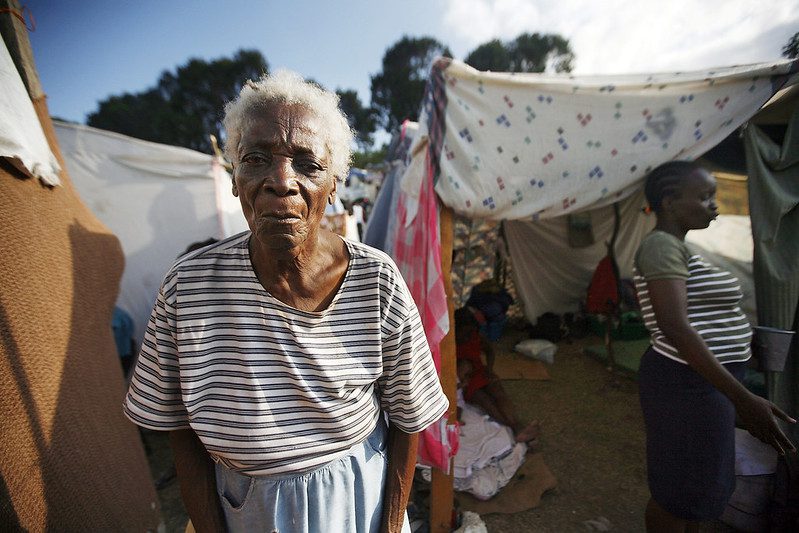
Elderly Poverty in HaitiIn 2020, the average life expectancy worldwide was 72 years; in Haiti, it was 64 years. The majority of the 500,000 Haitians over age 60 are economically dependent and nearly 80% of the population is forced to survive on less than $2 a day. Haiti is the most impoverished country in the Western Hemisphere and the older generation is not immune to this crisis. Elderly poverty in Haiti is an imperative issue in need of increased advocacy and aid.

Natural Disaster Created Major Need

The devastating earthquake of 2010 demolished Port-au-Prince, which led to about 250,000 deaths and more than 1.5 million displacements. In the aftermath of the disaster, many elderly Haitians went without shelter, proper clothing and sanitation. Age is the main factor contributing to the immense vulnerability of this population after a disaster. Often, the young and healthy receive vital aid during catastrophes rather than the elderly. As a result, the lack of food and water has hit Haitian elders exceptionally hard.

Water can come with a hefty price tag that some cannot afford. Unfortunately, Haitians living in poverty often walk for miles to streams or ponds to obtain water. If that fails, people sometimes resort to “garbage-filled rivers” to supply their households with water for daily use. This can be an impossible task for an elderly Haitian struggling with mobility. The task of accessing clean water is even more of a challenge for those living in Haiti’s countryside. A majority of Haitians live in rural areas and almost 70% are deemed “chronically poor” in comparison to only about 20% living in urban areas.

Elderly Poverty in Haiti During COVID-19

In the fight against the COVID-19 pandemic, it is important to remember all groups need assistance. Different segments of society often receive help unequally. Those left behind in terms of aid tend to be the impoverished elderly, many of whom do not have the resources to help protect themselves. An October 2020 assessment found that 98% of older adult Haitians did not know the location of the nearest COVID-19 testing site or treatment facility. Soap and basic sanitary needs are now luxuries. Additionally, almost 90% reported having less than two days’ worth of food at home. Further, nearly half say the consequences of COVID-19 are impacting their mental health and worry plagues them most, if not all of the time. The pandemic has worsened the situation of elderly poverty in Haiti amid recovery from the 2010 earthquake.

Aid for the Elderly

Nonprofits and NGOs are stepping up to aid the elderly in Haiti. One nonprofit committed to solving this need is Mission-Haiti, founded in 2005. Within its first year, the organization was able to build the Mission-Haiti Orphanage. The organization then furthered its efforts by opening the SAM Home for the Elderly, a Haitian-led elderly care program. The SAM Home for the Elderly provides elders in need with a safe place to live, access to medical care and three meals a day. Mission-Haiti also began an Advocates for Elders program, which allows anyone to sponsor an elderly Haitian in need for $35 a month.

Increased housing is one of many solutions to ending elderly poverty in Haiti. The World Bank’s projects in Haiti provide an array of other types of aid, including sanitation and water. One of the World Bank’s water projects has seen major success. In its efforts to build, extend and improve drinking water supply systems, more than 70,000 Haitians in rural areas now have better access to clean drinking water.

In response to COVID-19, the World Bank collaborated with UNICEF and OREPA to set up more than 2,100 hand-washing stations. The organization has also helped to build 50 sanitation blocks in various public schools and markets, helping 26,000 people gain access to sanitation facilities. In the first three months of the pandemic, health care facilities received protective equipment, including 3.5 million masks. Additionally, around 750 oxygen concentrators were installed to aid in treatments for COVID-19 patients. The World Bank has also established awareness campaigns on the importance of good hygiene practices and regular hand-washing to help prevent the spread of COVID-19.

Looking to the Future

The extensive list of adversities that elderly Haitians face will continue to require resilience. However, ongoing activism can eradicate elderly poverty in Haiti. But, in order to achieve this, efforts must be inclusive of all. Increased efforts to end elderly poverty in Haiti will allow the country’s life expectancy to continue its upward trend.

– Sarah Ottosen
Photo: Flickr
January 14, 2021
https://borgenproject.org/wp-content/uploads/borgen-project-logo.svg 0 0 Kim Thelwell https://borgenproject.org/wp-content/uploads/borgen-project-logo.svg Kim Thelwell2021-01-14 05:49:422022-04-26 06:20:25Elderly Poverty in Haiti Needs More Attention
Child Poverty, COVID-19, Global Poverty, Poverty Eradication

Innovations to Reduce Poverty in Iraq

Poverty Reduction in Iraq
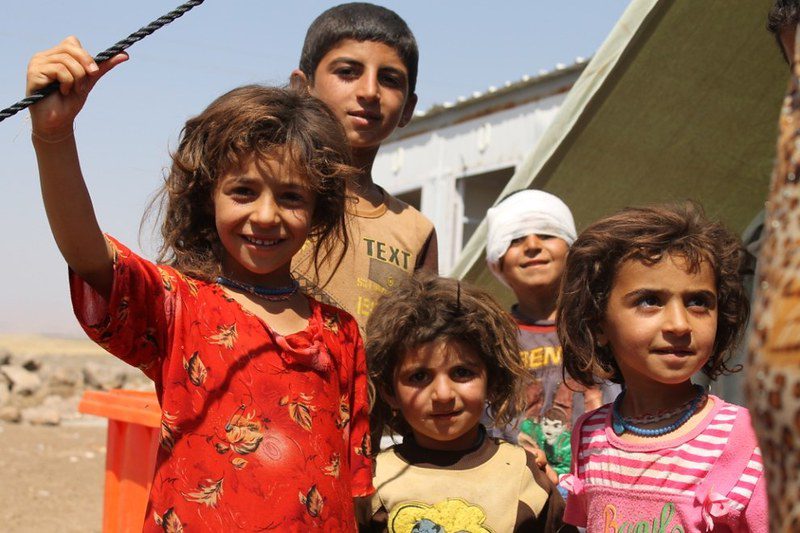
The Middle East has been one of the world’s hardest-hit regions to date when it comes to COVID-19. Unfortunately, Iraq, and other low-income countries, bear the brunt of the damage resulting from economic recession and humanitarian woes. Since the summer of 2019, 4.5 million Iraqis have fallen into extreme poverty, increasing the total number of people in poverty to more than 11 million. The majority of those falling into poverty are children, with reports claiming two out of every five children in Iraq live in desolate conditions. Nevertheless, despite new challenges, the international community and regional actors are preparing to jump-start new innovations to reduce poverty in Iraq.

Previous Progress

Over the past 10 years, Iraq has undergone a series of changes. In 2015, the Committee on World Food Security (CFS) outlined a series of initiatives designed to reduce Iraq’s poverty and hunger. From creating job opportunities to building a more robust social safety net, the CFS set the groundwork for crucial innovations to reduce poverty in Iraq.

Additionally, in 2018, Iraq worked with regional and international partners such as the World Bank to introduce a $300 million social fund designed to reduce poverty and inspire sustainable development.

While previous efforts are laudable, in the wake of COVID-19 and the recent economic recession, global and local actors need to do more to reduce Iraqi poverty. This is especially true when considering how, in 2020 alone, Iraqi poverty was expected to double to 40% of the population.

Poverty Reduction Innovations for Refugees

In an effort to reduce poverty in Iraq, many international and regional actors have banded together to create innovative approaches. For instance, the U.N. High Commissioner for Refugees (UNHCR) recently launched a water, sanitation and hygiene (WASH) program. The WASH program sets up water sanitation systems in vulnerable refugee camps, Iraq hosting many of them. According to the UNHCR, “The system uses a series of networked, ultra-sonic water-level sensors that are installed in the tanks of water delivery trucks as well as static water tanks in refugee settlements to provide real-time data on water deliveries and consumption. It is based on the ‘Internet of Things.’ Physical objects are fitted with sensors in order to connect and exchange data over the Internet.”

The system maximizes inter-regional coordination and saves Iraq money, all while minimizing the effect of Iraqi poverty. Although these programs are now widespread across other countries, Iraq is one of the ‘pilot phase’ countries. The UNHCR is thus allowing Iraq to harness the findings and help one of its largest groups of victims of poverty, refugees.

While crumbling infrastructure and lack of access to food are primary causes of poverty, the inability to care for Iraqi refugees has hindered any development progress. In essence, in order to reduce poverty in Iraq, one must also consider poverty among Iraqi refugees.

Innovating Through Technology

Another innovation in poverty reduction is a medical app designed to connect Iraqis to affordable medication. The military conflict in Iraq has destroyed numerous hospitals, so medical care in the country is exceedingly scarce. This led Ameen Hadeed and developer Ammar Alwazzan to create the Pharx Pharmacy app. The app connects patients to more than 200 Iraqi pharmacies. This eliminates the private medical middleman that makes drugs so expensive. Moreover, the Iraq Response Innovation Lab recently decided to sponsor the future development of the Pharx app. This will allow it to expand all across the country, far beyond urbanized areas such as Mosul.

As technological innovations become more frequent in Iraq, the fight against poverty is a primary focus for tech innovators. Take, for example, Miswag, the Middle East’s oldest online market platform. Miswag has recently taken a new direction in Iraq. The market members made the market more affordable to buy food, groceries, clothing, books and many other daily necessities. While Miswag was not explicitly designed for poverty alleviation, its growing market of 700,000 customers makes goods more affordable while allowing locals to sell their products more efficiently, which helps innovate the fight against poverty.

Looking Forward

Building more robust markets that encourage investment and innovation is crucial to continue poverty reduction in Iraq. It will also ensure sustainable growth in the long term. Poverty is not a simple problem and Iraq has weathered many conflicts in the past couple of years. However, if the international community works together, the world can make a difference in reducing global poverty.

– Juliette Reyes
Photo: Flickr

January 13, 2021
https://borgenproject.org/wp-content/uploads/borgen-project-logo.svg 0 0 Jennifer Philipp https://borgenproject.org/wp-content/uploads/borgen-project-logo.svg Jennifer Philipp2021-01-13 12:38:532022-04-22 08:29:09Innovations to Reduce Poverty in Iraq
Aid, Child Poverty, Children, COVID-19, Education, Global Poverty, Homelessness

Child Poverty in Argentina: A Crisis that Needs Action

Child poverty in ArgentinaPrior to the COVID-19 pandemic, many children in Argentina had been living in poverty. The pandemic has caused poverty numbers to soar due to COVID-19’s many negative effects. When considering the long-term presence and future impacts of poverty, it is all the more critical to help the children in this country and around the world. This article highlights facts about child poverty in Argentina and the work of some organizations on the ground helping such children.
The Current Situation

There has never been a more critical time for action than now. UNICEF estimates that 63% of Argentinian children will be living in poverty by the end of 2020 due to COVID-19. In August 2019, child poverty reached more than 50%, with 13% of children in a state of hunger. As compared to the year prior, this is an 11% increase. UNICEF estimates that, at the end of 2020, there will be an increase of 18.7% in extreme poverty among children and teenagers.

Child Poverty Statistics

The above figures depict that one in every two Argentinian children lives in poverty, which amounts to 5 million children. One million of these children are homeless. Those who do have homes often deal with difficult household circumstances. Many children are subject to child labor, which includes work as domestics or “house slaves.” These children end up working in illegal textile workshops, mining, construction or agriculture. The exploitation of child labor is commonly related to sexual exploitation. In response, Argentina has passed laws and social programs to end child labor and sexual exploitation. However, the fight to end these practices must continue.

As of 2017, nearly 20% of Argentinian children do not attend school. After the collapse of the economy nearly 20 years ago, funding for education was heavily reduced. Children living in poverty were the first to be affected as they had to work in order to provide for their families. There are also issues with violence occurring in schools. Corporal punishment still takes place when young school children misbehave, which can cause further behavioral problems while instilling the belief that violence is the norm.

As compared to the rest of the population, native children are at high risk for poverty, illiteracy and unemployment. For example, in the province of Tucumán, the Indigenous children and families live well below the poverty line and also endure illegal evictions from their ancestral lands. Additionally, these children are exposed to violence, malnutrition, disease and a lack of proper education.

Child Poverty Aid

Child poverty in Argentina seems rather defeating considering these statistics. However, there are multiple organizations that are on the ground fighting for the human rights, safety, health and happiness of Argentinian children.

One is Mensajeros de la Paz, a temporary home for vulnerable girls. Another is the Sumando Manos Foundation, which extends pediatric visits out to more than 7,000 at-risk children and their communities. The foundation also supplies food, provides critical medical and dental attention and teaches fundamental health care. There is also Fundacion Oportunidad. This organization increases opportunities for economic and social integration of young Argentinian women in situations of social vulnerability. Involvement in these organizations, as well as donation opportunities, are endless.

There are five dimensions of well-being that are vital to the success of childhood development: adequate nutrition, education, safe areas to live and play, access to health services and financial stability. The fight cannot stop until there is an end to child poverty in Argentina and until each child has access to the resources necessary for a healthy and prosperous life.

– Naomi Schmeck
Photo: Flickr

January 12, 2021
https://borgenproject.org/wp-content/uploads/borgen-project-logo.svg 0 0 Yuki https://borgenproject.org/wp-content/uploads/borgen-project-logo.svg Yuki2021-01-12 01:31:332022-04-22 05:58:20Child Poverty in Argentina: A Crisis that Needs Action
COVID-19, COVID-19, Global Poverty

Dr. Walensky and the Global COVID-19 Response

Global COVID-19 Response
President Joe Biden’s selection of Dr. Rochelle Walensky to run the Centers for Disease Control and Prevention (CDC) will be instrumental in strengthening the agency’s global COVID-19 response moving forward. By strengthening the agency in three key ways, Dr. Walensky will benefit the CDC’s pandemic response both at home and abroad.

3 Ways Dr. Rochelle Walensky Will Benefit COVID-19 Global Response

  1. Dr. Walensky’s previous work improving access to HIV testing brings hope that, under her leadership, the CDC will strengthen the global COVID-19 response by determining effective testing measures and increasing access to testing. Scientists continue to call for increased testing to effectively manage and control the spread of COVID-19 as the number of confirmed cases remains uncertain due to insufficient testing worldwide. Dr. Walensky has received international recognition for prior work on cost-effective HIV testing, care and prevention. Her previous research has emphasized the importance of providing treatment to those living with HIV while also highlighting the need for greater access to HIV testing in order to reduce the spread of the disease. Given Dr. Walensky’s knowledge and experience demonstrating the cost-effectiveness of increased access to HIV testing, expectations have determined that she will similarly advocate for more accurate COVID-19 testing as the head of the CDC.
  2. A study by Dr. Walensky and other researchers demonstrates the need for greater investments in overall vaccine distribution if countries hope to control the spread of the coronavirus through immunization. While Dr. Walensky’s expertise in HIV prevention will prove to be essential as COVID-19 vaccines become available, growing concerns exist regarding vaccine distribution in low-income countries. The wealthiest countries have purchased the two leading COVID-19 vaccines, threatening to delay access to vaccines in poorer nations. This situation could be devastating for developed and developing countries alike, as even countries that achieve herd immunity could be vulnerable to outbreaks if the world’s poorest countries do not bring the virus under control. While the researchers’ research centers on vaccine distribution within the United States, the concerns they present apply to vaccine distribution in developing countries, where proper investments in vaccination campaigns will be necessary to ensure equitable distribution of vaccines to all people. By placing these concerns at the forefront of vaccine distribution, the CDC under Dr. Walensky will benefit the agency’s ability to assist vaccination campaigns internationally.
  3. Dr. Walensky’s colleagues and mentors have praised her for her ability to bring cultural sensitivity to her work, a practice that will endure as she leads the CDC. Her previous work has equipped Dr. Walensky with the experience necessary to provide tailored knowledge and COVID-19 support to developing countries within the respective contexts. With limited COVID-19 funding, the CDC will benefit from Dr. Walensky’s guidance, as she recognizes the importance of addressing underlying factors that contribute to the spread of COVID-19, including poverty and the living conditions of the impoverished. Additionally, others know her for her effective communication within underserved and marginalized communities.  By improving adherence to CDC guidelines in communities that have historically experienced exclusion or mistreatment by Western medical professionals, Dr. Walensky will further benefit the CDC’s response.

Although the CDC has previously lacked in its ability to respond to the pandemic both domestically and internationally, Dr. Walensky’s leadership will benefit the global COVID-19 response by strengthening the agency’s focus on adequately combating the virus globally. Her prior experience and research insights will help shine a light on those at risk of being left behind.

– Emely Recinos
Photo: Flickr

January 3, 2021
https://borgenproject.org/wp-content/uploads/borgen-project-logo.svg 0 0 Kim Thelwell https://borgenproject.org/wp-content/uploads/borgen-project-logo.svg Kim Thelwell2021-01-03 12:44:212021-03-31 12:44:35Dr. Walensky and the Global COVID-19 Response
Aid, COVID-19, Global Poverty

The World Bank Group Announces a $12 Billion Initiative

The World BankThe World Bank Group has announced a $12 billion initiative that would allow COVID-19 vaccines, testing and treatments to be readily available for low-income countries. This plan will positively affect up to a billion people and signals the World Bank’s initiative to ensure that developing countries are equipped to distribute vaccines and testing to citizens. The plan is a part of the overall $160 billion package by the World Bank Group, which aims to support developing countries in the fight against the pandemic.

A Multitude of Goals

Since early March 2020, the World Bank Group has provided grants to low-income countries to help with the distribution of health care equipment. Recognizing that the pandemic disproportionately impacts the impoverished and has the potential to push up to 115 million more people into poverty, the World Bank Group has been active in financing an early, timely response to the COVID-19 pandemic in low-income areas. As of November 2020, the World Bank Group has assisted more than 100 developing countries in the allocation of medical supplies and technologies.

With the spread worsening all across the globe, the next step is to administer vaccinations. This new initiative hopes to strengthen health care operatives while also providing economic opportunities within those communities. Other expectations are increasing awareness of public health, training health care workers and focusing on community engagement. As a result, the four primary goals of the World Bank Group’s Crisis Response are to save lives that are endangered by the COVID-19 virus, protect the impoverished and vulnerable, retain economic stability and facilitate a resilient recovery to the pandemic.

Moreover, the World Bank Group has extensive experience with dispersing vaccines, specifically for combating infectious diseases like tuberculosis and malaria. Through these experiences, the World Bank Group understands the importance of quick, tailored distribution based on individual country needs. As a result, countries will have flexibility in how to receive and administer vaccines — for example, through the improvement of health care infrastructure, procurement with the support from varying, multilateral mechanisms or reshaping policy and regulatory frameworks.

Partnerships and Funding

Funding for this project will consist of “$2.7 billion new financing from IBRD; $1.3 billion from IDA, complemented by reprioritization of $2 billion of the Bank’s existing portfolio; and $6 billion from IFC, including $2 billion from existing trade facilities.”

The IDA will provide grants to low-income countries while the IBRD will be supplying grants to middle-income countries. The World Bank’s private sector arm, the IFC, will be the main donor for continued economic stability within its clientele. The IFC’s support will specifically aid in the continuation of operating and sustaining jobs. The total funding will cover a broad scope to strengthen the health care sector. These solutions hope to reduce the harmful economic and social impacts of COVID-19.

World Bank Group president, David Malpass, has been working extensively with these institutions on this project. Malpass pointed out that the need for economic backing is significantly important when it comes to receiving this vaccine. Manufacturers might not deem these low-income communities as important as those in more advanced economies. Hence, it is extremely important to provide this funding to ensure global vaccine equity.

Moving Forward

Many countries have been able to discover viable vaccine treatments. It is important to distribute future doses globally and equitably as COVID-19 pushes more and more people into extreme poverty. Malpass wrote, “The pandemic is hitting developing countries hard and the inequality of that impact is clear … The negative impact on health and education may last decades — 80 million children are missing out on essential vaccinations and [more than] a billion are out of school.”

As the number of global cases increases each day, it is becoming even more important to provide relief to all countries. Low-income countries and communities are the most vulnerable. For this reason, the World Bank Group makes it transparent that its main mission is to provide extended relief to these countries during the pandemic.

– Natalie Whitmeyer
Photo: Flickr

January 1, 2021
https://borgenproject.org/wp-content/uploads/borgen-project-logo.svg 0 0 Jennifer Philipp https://borgenproject.org/wp-content/uploads/borgen-project-logo.svg Jennifer Philipp2021-01-01 07:30:522022-04-12 06:48:37The World Bank Group Announces a $12 Billion Initiative
COVID-19, Global Poverty

Why Humanitarian Aid is Critical in Lebanon Today

Why Humanitarian Aid is Critical in LebanonHumanitarian aid is of vital importance to a country such as Lebanon. As of August 2020, the U.N. reported that more than half of the population in the country lives in poverty. It is estimated that somewhere above 55% of the population is impoverished. This is due in part to the economic and political crisis that has been plaguing the country long before the current global COVID-19 pandemic or the explosion in Beirut earlier this year. However, because humanitarian aid is critical in Lebanon, numerous donors throughout the world are pledging to offer assistance to Lebanon so that the nation can survive its current hardships.
Why is Humanitarian Aid for Lebanon Important Today?

The main reason humanitarian aid is critical in Lebanon today is because of the large number of Syrian refugees that have flooded the country. These Syrian refugees have fled Syria due to the ongoing civil war. Lebanon hosts the largest amount of Syrian refugees in the world, with a total of 1.5 million Syrian refugees residing in Lebanon. It is this high increase in population within Lebanon that is causing a strain on vital services for refugees. Because of this, Lebanese authorities are restricting more refugees from coming into the country. Lebanese authorities have also refused to build camps for the refugees. These factors have all led to worsened conditions for the refugees.

Doctors of the World: Aiding Refugees in Lebanon

One humanitarian organization offering aid in Lebanon is the French Médecins du Monde or Doctors of the World. The organization is providing substantial help to the refugees within the country. The group mainly operates in five health care centers that are located in the Lebanon Mount region and the Baqqa Valley of Lebanon. These two areas have a high concentration of refugees. Just in 2019 alone, Médecins du Monde was able to provide 98,390 health consultations, 3,577 sexual and reproductive health care sessions and 30 training sessions to health care workers. Médecins du Monde is also able to provide medication to the most vulnerable of refugees and mental health support.

The Beirut Explosion

The Beirut explosion only exacerbates the need for humanitarian aid in Lebanon. Fortunately, the European Civil Protection and Humanitarian Aid Operations rose to the challenge, able to provide humanitarian aid in the form of 50 tons of medical supplies and food items. The European Council was able to obtain pledges of up to €252.7 million for humanitarian aid to Lebanon. Of all the contributors, the EU was the largest contributor, offering €63 million. Since 2011, the EU has in total offered €660 million to the refugees in Lebanon.

Additionally, 60% of the EU humanitarian aid provided for refugees in Lebanon is multi-purpose cash assistance. The other 40% of EU assistance addresses other emergencies and needs. Cash assistance allows refugees to avoid the vulnerability that comes with a worsening socio-economic crisis in the country. In just 2019 alone, this type of assistance was able to provide aid to more than 338,000 people within the country. Much of this type of aid went toward purchasing essential items and services.

Lebanon faces several challenges, one of them being its large population of refugees. However, many humanitarian organizations are offering assistance to the country and its refugees. Today, humanitarian aid is critical in Lebanon. As members of the international community, individuals must do their part to help Lebanon and Syrian refugees in their time of need.

–Jacob E. Lee
Photo: Flickr

December 25, 2020
https://borgenproject.org/wp-content/uploads/borgen-project-logo.svg 0 0 Yuki https://borgenproject.org/wp-content/uploads/borgen-project-logo.svg Yuki2020-12-25 01:30:362022-03-29 04:31:26Why Humanitarian Aid is Critical in Lebanon Today
COVID-19, Global Poverty, NGOs, Women's Empowerment, Women's Rights

Female Health Care in Kenya Reduces Gender Inequality

Female Health Care in KenyaPoverty affects genders differently, with women often being more disadvantaged than men. Meeting the strategic needs of those living in poverty must be accompanied by fulfilling practical gender needs. This will ensure equal access to economic progress for all. One NGO is working to reduce gender discrimination by providing female health care in Kenya.

Girls in Danger

In the wake of COVID-19, mass closures of schools and businesses have further hindered the economic development of remote Kenyan districts. The strict COVID-19 guidelines implemented by local authorities have resulted in the closing of safe homes and centers for girls. The preoccupation with COVID-19 regulations led authorities to respond with minimal effort to address increased levels of violence against women and girls. On top of the pandemic, the country has fallen victim to other disasters. Extreme droughts and flooding, as well as a locust invasion, have lowered the food supply for rural areas.

These desperate circumstances leave low-income families with limited financial options. Some families have resorted to employing their young children and marrying off their daughters in exchange for money and cattle. This incites increased gender-based violence as child marriages leave girls vulnerable to sexual and physical violence.

Dr. Esho, who works on-site for Amref Health, said, “Including community systems in the prevention of and response to FGM/C (female genital mutilation and cutting) and child marriage is more important than ever. More women and girls are now at risk of harmful practices and gender-based violence.”

Centering Women in Health Care

Amref Health Africa is an NGO based in Nairobi, Kenya. It has been a crucial part of introducing health care services and technology to sub-Saharan Africa. Established in 1957, the organization has a long history of bringing modern medicine to rural African communities.

Amref Health Africa is proving how female empowerment is not just a social movement but a crucial factor in women’s livelihoods. The NGO dedicates much of its work to improving female health care in Kenya. Women often lack education on their sexual health, which impedes prudent, informed decisions regarding their futures. Advancements in female health care in Kenya can empower women to take control of their bodies and pregnancies. Additionally, it can offer better support to these women in their chosen paths.

Amref also aids women suffering from violence. Organization members, such as Dr. Esho, work jointly with local activists and health workers to construct a plan of action. The community members have firsthand knowledge and experience working with survivors of FGM/C and other cruelties, which Amref acknowledges and utilizes. Therefore, the NGO ensures victims are getting proper care and refuge from their abusive situations.

How to Help

Amref strives to bring awareness to gender-based violence and the positive effect of proper female health care in Kenya. With the hashtag #EndFGM, Amref is trying to engage international activists through social media. The organization is also accepting direct donations through its website.

One may feel powerless during times of international emergencies. However, this must not stop global citizens from doing their part to assist. Those who want to help can contact their congressmen and congresswomen as well as other representatives to protect the U.S.’s foreign aid budget. This will benefit NGOs, similar to Amref Health, that work closely with impoverished communities to identify unique problems and solutions.

– Lizt Garcia
Photo: Flickr

December 23, 2020
https://borgenproject.org/wp-content/uploads/borgen-project-logo.svg 0 0 Yuki https://borgenproject.org/wp-content/uploads/borgen-project-logo.svg Yuki2020-12-23 17:02:052024-05-30 07:53:27Female Health Care in Kenya Reduces Gender Inequality
COVID-19, Global Poverty, Technology

AI Fights Against COVID-19 and Global Poverty

AI fights against COVID-19 COVID-19 has endangered the lives of millions of people around the world. Worse, the disease incites greater implications beyond itself. Its impact is threatening to turn back the World Poverty Clock for the first time this century. This would backtrack on the progress made in the past 20 years toward eliminating global poverty. However, artificial intelligence (AI) fights against COVID-19 in two very important ways.
A Basic Overview of AI

Originating in the 1950s, the field of artificial intelligence has become ubiquitous in our everyday lives: from determining our shopping habits to facial recognition to helping doctors diagnose patients before symptoms manifest. The computer performing tasks that we thought needed human intelligence is a very broad understanding of AI. Using a combination of programming, training and data, researchers who work with AI teach computers how to solve complex problems more quickly and efficiently than humans. In a similar process, AI fights against COVID-19.

The World Poverty Clock

The World Poverty Clock is a real-time estimate of the number of people living in poverty across the globe. Its interactive website provides a variety of statistics and demographics about those who are living in extreme poverty, including geographic locations and age ranges. Calculations are made using publicly available data to estimate the number of people living in extreme poverty and the rate at which that number is changing.

According to the World Bank, in a worst-case scenario, COVID-19 could push 100 million people into poverty. However, scientists are working hard to contain and eliminate the virus, AI being one of their strategies. AI fights against COVID-19 by predicting, detecting and eliminating the coronavirus in many parts of the world. In turn, protection from COVID-19 impacts lessens global poverty.

How AI Fights Against COVID-19

AI fights against COVID-19 in a two-pronged approach. It focuses on both detection of the virus and the development of vaccine options.

In late December 2019, the program BlueDot detected a cluster of pneumonia-like illnesses in Wuhan, China. This was the beginning of the COVID-19 outbreak. The program detected the virus nine days before the World Health Organization announced the emergence of a novel coronavirus. BlueDot software has the ability to sift through massive amounts of data to find patterns in the location and movement of a virus. Further developments in virus detection have been made by Alibaba Cloud with the creation of analytical software for computerized tomography (CT) scans. The software can detect coronavirus pneumonia in seconds with approximately 96% accuracy.

AI systems, like Google’s AlphaFold, are aiding researchers by creating predictive models of the protein structure of coronavirus. Models like these can then be used by researchers to design novel vaccine prospects. Overall, these systems enable scientists to reduce the time needed to begin clinical trials and find viable vaccines.

Under human oversight, AI systems can potentially control the spread of the coronavirus. The longer it takes to control and eradicate coronavirus the greater the number of people pushed into poverty. The use of swift and efficient AI applications could not only help curb the spread of COVID-19 but, in turn, fight global poverty as well.

– Hannah Daniel
Photo: Flickr

December 23, 2020
https://borgenproject.org/wp-content/uploads/borgen-project-logo.svg 0 0 Kim Thelwell https://borgenproject.org/wp-content/uploads/borgen-project-logo.svg Kim Thelwell2020-12-23 11:00:022020-12-28 09:35:00AI Fights Against COVID-19 and Global Poverty
COVID-19, Global Poverty, Women and Children, Women's Rights

5 Ways COVID-19 is Disproportionately Impacting Women Worldwide

5 Ways COVID-19 is Disproportionately Impacting Women WorldwideThe COVID-19 pandemic has socially, mentally and economically impacted billions of people across the world. However, COVID-19 is disproportionately impacting women worldwide, including factors such as mental health, income loss and inadequate food provisions. As the pandemic continues to affect populations, it is becoming more apparent that women are facing greater hardships and systemic inequalities. This article discusses how COVID-19 is disproportionately impacting women across the globe, and how governments can go about fixing these inequalities. Although women have persevered and have adapted in inspiring ways, this pandemic has exposed structural gender inequalities in health, economics, security and social protection.
5 Ways COVID-19 is Disproportionately Affecting Women

  1. According to a survey by the non-profit CARE, 55% of women reported that they lost their jobs and/or their primary source of income due to the COVID-19 pandemic. Additionally, women are more likely to be employed in service and informal sectors, such as vendors and traders, that COVID-19 is hitting the hardest. Even within the formal sectors of employment, women are facing the impact of unemployment at greater rates than men. For example, in Bangladesh, women are six times more likely to lose paid working hours than men. Women also have fewer unemployment benefits. In Zimbabwe and Cameroon, women make up 65% of the informal workforce—a workforce not entitled to unemployment benefits.

  2. A lack of access to online education is significantly affecting Indigenous, refugee and low-income household communities and greatly adding to education inequalities. Young women and girls are greatly impacted by gender-based violence due to movement restrictions, especially without access to schools and public services. This gender-based disparity is largely due to boys being prioritized in many poverty-stricken countries. Because of this, girls are likely to be pulled out of school before boys in order to compensate for increased domestic work and care and to alleviate the economic burden of schooling.

  3. Women are nearly three times more likely to report mental health impacts from COVID-19. This statistic is backed by multiple reasons, including how women are facing the burden of unpaid care work, increasing mobility restrictions and increased threats of violence. In fact, the CARE survey showed that 27% of women are experiencing an increase in mental health issues, anxiety and stress due to COVID-19, compared to 10% of men. In Lebanon, 14% of men spend their time on housework and care, as opposed to 83% of women. Gender roles and expectations of women have increased during this pandemic, thus causing a greater gap in mental health issues between men and women.

  4. Female refugees are at greater risk of violence, income loss and mental health impacts. Refugees are already living in precarious situations with a lack of food, income, health security and home safety. When considering various countries, especially those with a large migrant population, it is clear that vulnerable populations are disproportionately impacted by the COVID-19 pandemic. For example, in Afghanistan, 300,000 refugees have returned because they have lost their jobs and income. In Thailand, migrants report losing 50% of their income. Both of these statistics also offer an idea of why mental health issues have increased during this pandemic. COVID-19 has led to a loss of income and jobs for the 8.5 million domestic migrant workers, as well as the dismissal of their health and safety.

  5. As compared to 30% of men, 41% of women reported having an inadequate supply of food as a result of COVID-19. This difference reflects the gender inequalities in local and global food systems, as well as the expectation of women to buy and prepare the food for their families. Additionally, this pandemic is causing many disadvantaged households to make less nutritious food choices. In Venezuela, 61% of people have access to protein-filled foods and vegetables, while 74% only have access to cereal.

Although it is clear that women and girls typically endure a greater burden from the socio-economic impacts of COVID-19, there are ways governments and individuals can help alleviate COVID-19’s disproportionate impact on women. These include investing in women leaders, funding non-profit organizations that work to promote women’s rights and committing to organizations that work to close the gender gap.

– Naomi Schmeck

Photo: Flickr 

December 22, 2020
https://borgenproject.org/wp-content/uploads/borgen-project-logo.svg 0 0 Kim Thelwell https://borgenproject.org/wp-content/uploads/borgen-project-logo.svg Kim Thelwell2020-12-22 07:30:272020-12-17 16:46:225 Ways COVID-19 is Disproportionately Impacting Women Worldwide
Activism, Aid, Child Poverty, Child Poverty, Children, COVID-19, Global Poverty

The Reality of Child Poverty in Haiti

Child poverty in Haiti
Haiti, a small country that borders the Dominican Republic on the Hispaniola island, suffers greatly from poverty. Natural disasters, systemic inequality and diminishing economic opportunities create a dire state of extreme poverty. Specifically, child poverty in Haiti is the major poverty crisis.

More than half of Haiti’s 11.2 million population live on less than $3 a day, and malnutrition affects 65,000 children under 5 years old. Many children under 14 — more than a third of Haiti’s population — do not have ready access to health care, clean water, food security or the right to fair and decent work. The question stands: What does child poverty in Haiti look like today, and what obstacles persist in ending it?

It is easy to forget that statistics reflect the experience of real, living people. Please keep this in mind. Considering this, here are five facts about child poverty in Haiti.

The Statistical Perspective

  1.  Malnutrition: Caloric and nutritive malnutrition affect nearly a third of children in Haiti. Out of every five children, one child is malnourished and one out of 10 is acutely malnourished. Before the age of five, one child out of 14 will die. Those who live deal with the effects of inadequate food supplies. Poor access to vital nutrients means that children are subject to poor health, growth and development.
  2. Education: Despite Haiti’s free publication education, only half of the elementary-aged children are enrolled in school. Millions of disadvantaged parents have very few with little resources to secure education for their children. This is a result of Haiti privatizing 92% of schools.
  3.  Labor and Human Trafficking: Nearly half a million children are orphans in Haiti. A significant proportion of these “lost” children experience exploitation for labor in dangerous conditions. “Host households” take in children whose families cannot provide for them. Many of these children — known colloquially as “restaveks” — end up as victims of human trafficking.
  4.  Health Care: Adequate health care is hard to come by in Haiti. Child immunization has stagnated at 41%. The proportion of children who die before their first birthday has risen by 2% in the last year – from 57% to 59%. HIV, tuberculosis and a variety of other chronic, crippling diseases ail an estimated 20,000 children in Haiti, and treatment is increasingly difficult to obtain.

COVID-19

Haiti is particularly prone to natural disasters, in large part due to its geographical situation in Bermuda. A magnitude 7.0 earthquake ravaged the island of Hispaniola in 2010. A slew of tropical storms, hurricanes and additional earthquakes further compromised Haiti. Nearly 10 years later, Haiti still struggles with recovering from its 2010 earthquake and hurricane Matthew alongside dealing with recent social unrest and COVID-19.

Humanitarian aid efforts are nearing an all-time high for the country, but the efficacy of these programs and endeavors has been questioned. The threats of COVID-19 are not the only ones Haiti must face. The future is increasingly uncertain for millions of Haitians and their children, due to equipment shortages, lack of qualified health care professionals and a worsening economic climate.

Solutions

UNICEF has been implementing relief efforts to provide aid in the aftermath of earthquakes. Additionally, it has helped improve sanitation, nutrition and health care for children. However, if one would like to aid Haiti themselves, for free, they can create momentum on social media to raise awareness about the dire situation in Haiti. A number of ways exist to combat child poverty in Haiti; it just takes action.

– Henry Comes-Pritchett
Photo: Flickr

December 22, 2020
https://borgenproject.org/wp-content/uploads/borgen-project-logo.svg 0 0 Kim Thelwell https://borgenproject.org/wp-content/uploads/borgen-project-logo.svg Kim Thelwell2020-12-22 01:30:352024-05-29 22:53:34The Reality of Child Poverty in Haiti
Page 19 of 30«‹1718192021›»

Get Smarter

  • Global Poverty 101
  • Global Poverty… The Good News
  • Global Poverty & U.S. Jobs
  • Global Poverty and National Security
  • Innovative Solutions to Poverty
  • Global Poverty & Aid FAQ’s
Search Search

Take Action

  • Call Congress
  • Email Congress
  • Donate
  • 30 Ways to Help
  • Volunteer Ops
  • Internships
  • Courses & Certificates
  • The Podcast
Borgen Project

“The Borgen Project is an incredible nonprofit organization that is addressing poverty and hunger and working towards ending them.”

-The Huffington Post

Inside The Borgen Project

  • Contact
  • About
  • Financials
  • President
  • Board of Directors
  • Board of Advisors

International Links

  • UK Email Parliament
  • UK Donate
  • Canada Email Parliament

Get Smarter

  • Global Poverty 101
  • Global Poverty… The Good News
  • Global Poverty & U.S. Jobs
  • Global Poverty and National Security
  • Innovative Solutions to Poverty
  • Global Poverty & Aid FAQ’s

Ways to Help

  • Call Congress
  • Email Congress
  • Donate
  • 30 Ways to Help
  • Volunteer Ops
  • Internships
  • Courses & Certificates
  • The Podcast
Scroll to top Scroll to top Scroll to top