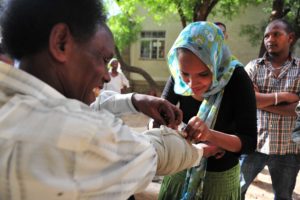
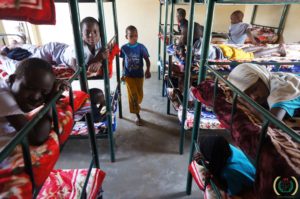
 In the midst of COVID-19 sweeping through Uganda, six children at Open Heart Orphanage have died. However, it was not the virus that claimed their lives. The tragic deaths were a result of hunger and fever, collateral effects of the pandemic.
Food Struggles During the Pandemic
The people of Uganda must fight to stay healthy during the pandemic as well as combat food insecurity. The issue of food affordability is not only an organic result of the pandemic. Back in April, four Ugandan government officials were arrested for conspiring to inflate COVID-19 relief food prices. The effects are far-reaching. According to UNICEF, 6.7 million children under the age of five could suffer from life-threatening malnutrition in 2020.
The Hidden Victims
Uganda has consistently ranked among the countries with the greatest number of orphaned children in the world, and it has not gone without its controversy. Last year, VICE reported that there are at least 300 “children’s homes” operating without government oversight. Four out of five of these orphans have at least one living parent. Questions arise over the exploitation of these children and the quality of the care they receive. During the coronavirus pandemic, the children are even more vulnerable. Orphans are oftentimes the faces of Facebook scams targeting donors from Western countries.
Children are the “hidden victims” of the virus. They are not particularly susceptible to contracting the disease, but they will be the ones to bear its effects on the social and economic systems. Domestic struggles within the family, surging food prices and a shortage of available medical care have led to malnutrition and displacement, especially in developing countries like Uganda. The result is many children are being left in orphanages.
Open Heart Orphanage
The Borgen Project interviewed Hassan Mubiru, a pastor at Open Heart Orphanage in Bulenga, Kampala, Uganda. Its mission is to help orphans experience a full and productive life. Currently, the organization serves 175 “needy” or orphaned children. The Christian nonprofit aims to provide these children with education, medical assistance, housing, clothing, food and water and the love of God. Due to the pandemic, there have been some obstacles in achieving these goals.
“Coronavirus has crippled most of our activities because we were absolutely unprepared when the lockdown was announced,” said Mubiru. The pastor explains that the organization has always worked below its budget and did not store supplies ahead of time. When COVID-19 hit, they did not have enough resources to sustain themselves.
Even more challenging was the shortage of volunteers. Mubiru stated, “Those who used to individually help are no longer helping. We cannot guarantee salary or their payments.” Unstable payments met with mandates to stay in quarantine have deterred many volunteers from coming to Open Heart Orphanage.
Mubiru says that the biggest issue for Open Heart Orphanage is the lack of available food. “It is extremely difficult or impossible to get food as prices went higher and almost nothing was coming into us. We have so far lost six children due to hunger and fever since the pandemic started. These are things we would have prevented if we had enough food and means of getting treatment in time.”
Open Heart Orphanage strives to help children reach their fullest potential. The nonprofit is a stepping stone for the children and not a final destination. Mubiru believes that children are better off in a home than an orphanage, especially in these times. Mubiru emphasized, “We encourage families to adopt even if this is another crisis because the law governing adoption is tough and high fees.”
– Miska Salemann
Photo: Flickr
 The Czech Republic is a Parliamentary Republic bordering Germany, Poland, Austria and Slovakia. The country was founded on January 1, 1993, following a political revolution, and peacefully splitting from the former
  When Estée Lauder founded her makeup company in 1953, she sought to revolutionize the cosmetic world. From essential bath oils to perfumes, Lauder transformed her dreams into a multimillion-dollar company. Recently, this retail empire stepped beyond the makeup counter and did its part to
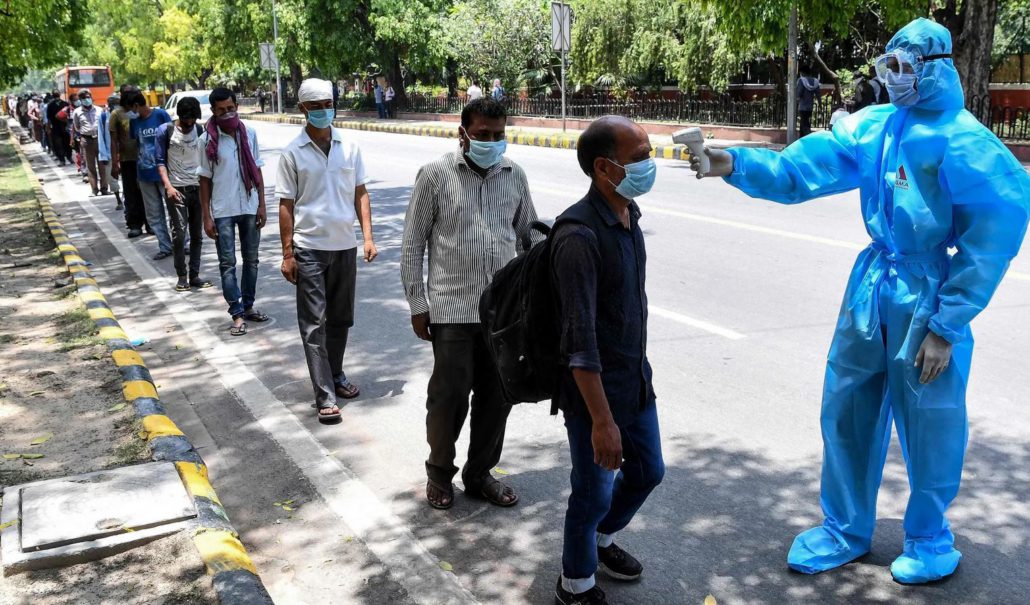 The COVID-19 pandemic has been devastating to nations all over the world, but especially the Global South. India, for example, has an enormous population of 1.3 billion people, with labor forces large enough to create
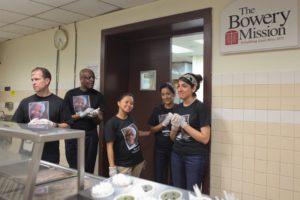 Food insecurity is a significant topic in Africa due to the ongoing coronavirus pandemic and environmental factors, such as drought. Recently, many South Africans have experienced rapid food shortages. However, various hunger initiatives in South Africa are taking off during this time.
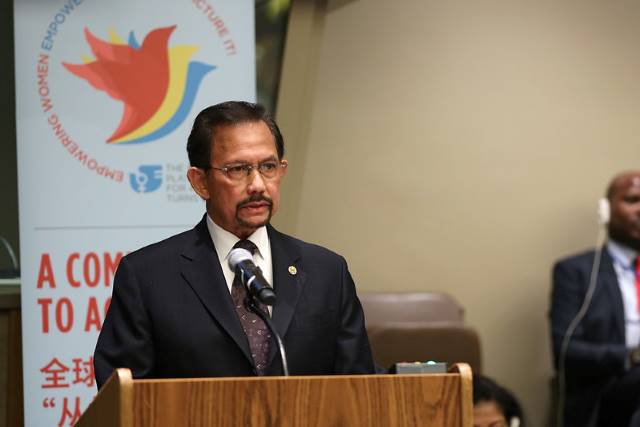 Brunei is an independent Islamic sultanate on the northern coast of the island of Borneo in Southeast Asia. Some statistics about the country still remain unknown, such as the percentage of Bruneians living in poverty. This is due to the fact that Brunei still does not have a poverty line as of 2018. However, one can use other means to measure Brunei’s poverty. Additionally, other data can help ascertain whether or not livelihoods in Brunei are improving citizens’ unquantified impoverished situations.
 The COVID-19 pandemic has greatly affected healthcare in the United States Virgin Islands (USVI) but risks to public safety in the territory go beyond that. Since the beginning of 2020, Governor Albert Bryan Jr. has implemented
  Recently, The Borgen Project spoke with Emilie Elzvik, a 21-year-old student at Northeastern University and former volunteer at Lentil as Anything. Elzvik never imagined herself serving gourmet vegan meals to a table filled with backpackers, refugees and homeless people in Newtown, Australia. But, Lentil as Anything changed everything for her.