• Link to X
  • Link to Facebook
  • Link to Instagram
  • Link to TikTok
  • Link to Youtube
  • About
    • About Us
      • President
      • Board of Directors
      • Board of Advisors
      • Financials
      • Our Methodology
      • Success Tracker
      • Contact
  • Act Now
    • 30 Ways to Help
      • Email Congress
      • Call Congress
      • Volunteer
      • Courses & Certificates
      • Be a Donor
    • Internships
      • In-Office Internships
      • Remote Internships
    • Legislation
      • Politics 101
  • The Blog
  • The Podcast
  • Magazine
  • Donate
  • Click to open the search input field Click to open the search input field Search
  • Menu Menu

Archive for category: COVID-19

COVID-19, Refugees

Refugee Soap Maker Fights COVID-19 in Kenya

Refugee Soap Maker
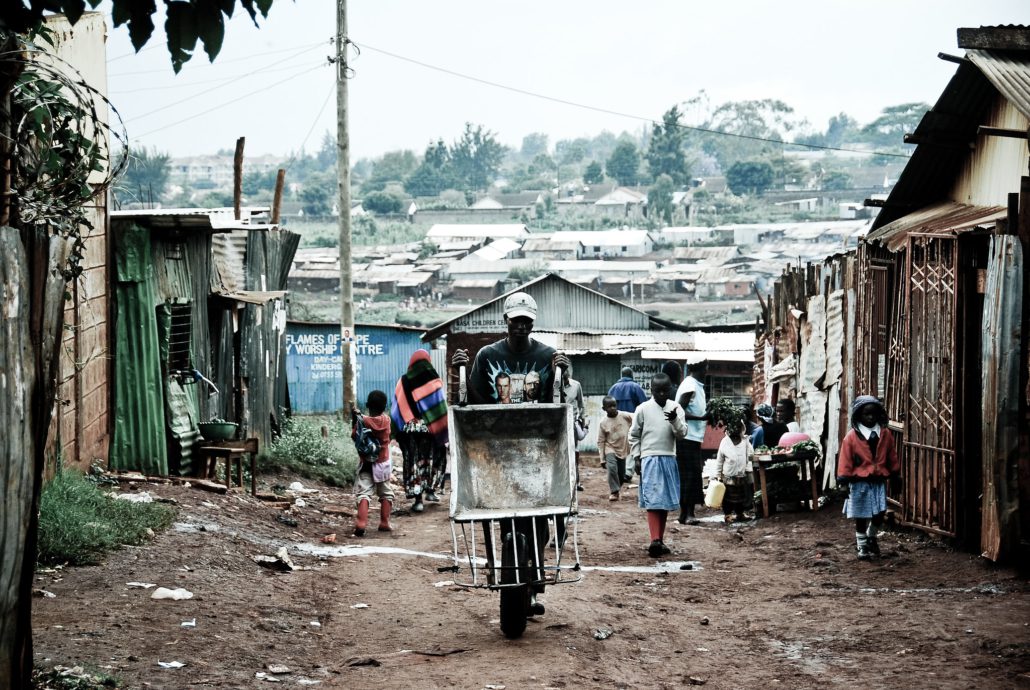
Kenya hosts one of the largest refugee populations in Africa. The country has over 495,000 refugees and asylum seekers fleeing war and violence from Somalia, South Sudan, the Democratic Republic of Congo and Ethiopia. The majority of these refugees are located in camps in Dadaab in the southeast of Kenya, Kakuma in the northwest as well as Nairobi. In what some have referred to as “the forgotten crisis,” many of Kenya’s refugees have spent generations living in camps. During the COVID-19 pandemic, sanitation has become an issue among the refugee population in Kenya, Luckily, a refugee soap maker has emerged to aid with that challenge.

The Situation

The three Dadaab camps, which some originally expected to hold only 90,000, are now home to over 300,000 refugees. Similarly, the Kakuma camp is home to nearly 200,000 people. In the midst of the COVID-19 pandemic, the close quarters and less-than-ideal sanitation standards can be dangerous. Like many others around the world, those in Kakuma have been stocking up on everything from food to sanitation supplies.

A Clean, Helping Hand

Innocent Havyarimana is a refugee soap maker in Kenya. Through his business, he helps to combat COVID-19 at the local level of the Kakuma camp. A former chemistry student from Burundi, Havyarimana fled the country in 2013. Upon arriving in Kakuma, he began to look for a way to support himself. In his search, he noticed that the region did not have a factory to produce soap. Afterward, inspiration struck.

Havyarimana garnered information from the web and took a course on soap making which the World Lutheran Federation aid agency offered. With a loan from a former classmate in Burundi, he was able to begin his soap-making business, Glap Industries, short for God Loves All People. The refugee soap maker then received grants from relief agencies including, UNHCR and NGOs, such as the African Entrepreneur Collective.

Glap Industries supplies soap to local institutions and relief agencies outside of the camp. The business additionally provides classes for refugees on making cleaning products. The company also serves as a way to provide jobs for refugees. A total of 42 employees currently work for Glap industries, the majority of them refugees themselves.

Glap Industries Adapts to COVID-19

With a spike in the need for sanitation products, the refugee soap maker had to increase its production by 75%. Further, Havyarimana started making hand sanitizer with aloe vera in addition to his soap products. The soap maker wanted to ensure access to sanitary supplies, especially for those most vulnerable to COVID-19, such as the disabled and the elderly. To accomplish this, he significantly lowered his prices and began producing smaller, more affordable sizes. Glap Industries offers soap in 100 milliliter to 1-liter containers, the smallest costing only 50 cents. “I lowered prices, as it was more important to protect people than to think of profit,” says Havyarimana.

The Bigger Impact

Businesses and entrepreneurship are a vital part of the economy of Kakuma. According to a 2018 World Bank study, the 2,000 businesses operating in Kakuma bring more than $50 million annually to the local economy. Eujin Byun of the UNHCR in Kenya says that “the refugees are playing a pivotal role in helping contain the spread of COVID-19 in Kakuma.” UNHCR has been working with the government to improve the capabilities of local health facilities to treat patients. Another aim is to spread necessary information concerning the virus, such as the importance of handwashing.

As a refugee soap maker, Innocent Havyarimana encourages other refugees to take precautions against the virus. However, his role stems far beyond fellow refugees. Havyarimana shares the importance of sanitization in stopping the spread of the coronavirus through Kakuma, and subsequently the rest of Kenya. His outreach and business help to minimize the spread of COVID-19 for those all throughout Kenya.

– Nina Eddinger
Photo: Flickr
March 19, 2021
https://borgenproject.org/wp-content/uploads/borgen-project-logo.svg 0 0 Jennifer Philipp https://borgenproject.org/wp-content/uploads/borgen-project-logo.svg Jennifer Philipp2021-03-19 07:32:092021-03-16 15:42:07Refugee Soap Maker Fights COVID-19 in Kenya
COVID-19, Global Poverty

Youth in Nepal Combat COVID-19 Misinformation

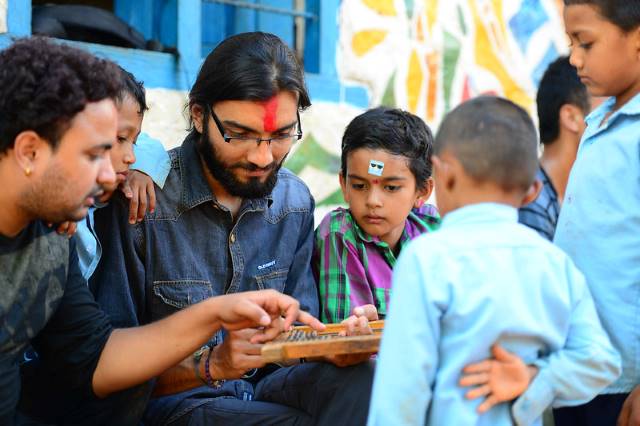
COVID-19 misinformationOne of the issues relating to the COVID-19 pandemic is misinformation about COVID-19 on social media. The spread of misinformation can resemble the spread of a virus. In an interconnected era, information and misinformation on social media and the internet can spread exponentially. COVID-19 misinformation can be dangerous when it impacts human behavior in a way that puts people at higher risk of transmission.
Misinformation and COVID-19

Fighting COVID-19 means fighting its transmission through the use of masks and gloves and social distancing. However, a 2020 research study conducted by Harvard Kennedy School examines COVID-19 misinformation and how it impacts human behavior during the pandemic. The study found a link between misinformation about COVID-19 and lower use of social distancing measures: “We thus draw a clear link from misinformation circulating on social media, notably Twitter, to behaviors and attitudes that potentially magnify the scale and lethality of COVID-19.” However, if social media is perceived as part of the problem, it can also be part of the solution.

COVID-19 in Nepal

Nepal has been strongly affected by the COVID-19 pandemic. The Centers for Disease Control and Prevention (CDC) considers Nepal a high-risk country to travel to in terms of COVID-19 levels, suggesting that travelers avoid all travel to the country. The CDC deems Nepal level 4, the highest designation for COVID-19 risk.

The Asian Development Bank predicted that the onset of COVID-19 would reduce Nepal’s GDP by 0.13% and leave almost 16,000 people unemployed. Nepal’s tourism sector, which contributes 8% to the economy, has been severely hit. Tourism has declined significantly from 70% pre-pandemic to less than 10%. COVID-19’s harsh economic impacts have left the country struggling to recover. As impacts of the COVID-19 pandemic quickly spread, so has COVID-19 misinformation.

Youth Collaboration

The Volunteer for Action (V4Action) group is a collaborative effort by the U.N. Volunteers program, UNICEF, the UNDP, the WHO and the U.N. Resident Coordinator’s Office (UNRCO). It was launched on March 19, 2020, and the group consists of more than 500 youth volunteers across Nepal with the collective goal of curbing COVID-19 misinformation in Nepal.

The tasks of the group include sharing verified and accurate information about COVID-19 on social media platforms and reporting COVID-19 misinformation in Nepal on UNICEF’s Joint Fight Against Misinformation rumor-tracking platform. In total, more than 100 myths were sent to the UNICEF misinformation platform for debunking. Personalizing the response to cater to the demographic, the volunteers made informative videos in local languages to provide COVID-19 education to people.

Social Media to Fight COVID-19

Overall, V4Action harnesses the power of the youth and social media in influencing the public in a positive way. In addition to debunking inaccurate information about the pandemic, the V4Action volunteers also conducted online research. They efficiently tracked online rumors about COVID-19 using surveys and reported them accordingly.

On one hand, social media can be used to spread misinformation and incite panic. On the other hand, social media can help educate populations on important issues. The V4Action volunteers had an essential role in educating the Nepalese population during the COVID-19 pandemic. They used social media to connect with the population and share fundamental information to limit the transmission of COVID-19. Perhaps, more importantly, they underlined the importance of mental health awareness, solidarity and unity during challenging times.

– Soizic Lecocq
Photo: Flickr

March 15, 2021
https://borgenproject.org/wp-content/uploads/borgen-project-logo.svg 0 0 Kim Thelwell https://borgenproject.org/wp-content/uploads/borgen-project-logo.svg Kim Thelwell2021-03-15 04:44:132024-05-30 22:23:37Youth in Nepal Combat COVID-19 Misinformation
COVID-19, Education, Global Poverty, Refugees

5 GlobalGiving Projects Making a Difference

5 More Projects from GlobalGiving
GlobalGiving is a worldwide nonprofit network that connects charities to potential donors. The website primarily acts as a platform for other nonprofits to gain traction in fundraising efforts. Since the organization’s establishment in 2002, it has helped raise over $552 million for projects in 170 countries. GlobalGiving vets each project thoroughly so donors can feel confident their money is going to those who need it most. Here are five GlobalGiving projects.

5 GlobalGiving Projects

  1. Of the top 10 most popular fundraising campaigns on the GlobalGiving website, six have dedicated themselves to natural disasters. Hurricanes, earthquakes and wildfires have created an enormous need for relief in the past several years. In 2018, in the U.S. alone, the cost of natural disasters was $91 billion. The Puerto Rico & Caribbean Hurricane Relief Fund is a campaign that has obtained 71,630 donations totaling over $12 million to provide aid in regard to natural disasters. Following this is the Hurricane Harvey Relief Fund, the Mexico Earthquake Relief Fund, The Island Spirit Fund, the Australia Wildfires Relief Fund and the Hurricane Dorian Relief and Recovery Fund. Initially, the money that these projects raised went toward immediate response efforts. These efforts included search and rescue, medical supplies, food and water. However, with the severity of damage that natural disasters have left in several areas, the long-term needs of impacted communities require additional funding. All the money that these GlobalGiving campaigns now raise goes exclusively toward local organizations helping communities rebuild and improve resources for future challenges. In total, these six disaster response campaigns have received 175,671 donations and raised over $32 million.
  2. The Coronavirus Relief Fund campaign has raised the most money on the GlobalGiving website. This is unsurprising, as COVID-19 has infected over 118 million people worldwide and over 2.6 million have died. Therefore, a definite need for relief exists as a result of the many consequences of the pandemic. That is why GlobalGiving is raising funds for the protective gear for frontline health workers, essential resources for families in need, education on prevention and access to necessary healthcare in low-resource communities.
  3. The Alawite Islamic Charity Organization is currently raising funds through GlobalGiving to provide 24 months of wages for the nurses working in its pediatric wing until it is possible to find new funding for this project. Lebanon is currently experiencing a financial crisis due to the debt that the nation’s government incurred following the country’s 1975-1990 civil war. At its worst, Lebanon’s currency was over L£7,000 to $1. As a result, the Alawite Islamic Charity Organization, which runs a free vaccination program serving over 5,000 people a month, is currently one of many organizations financially suffering amid this crisis. The nurses receiving support are crucial to distributing government-provided vaccinations to children in Lebanon. The name of the project is For Healthy Children & a Better Tomorrow, and it is seeking to raise $10,000.
  4. Educate a Girl, Educate a Nation – Sierra Leone is raising money to help educate young girls and break them out of the cycle of poverty. Girls in African countries often do not have access to the same educational opportunities as boys. In Sierra Leone specifically, the literacy rate for boys and girls over 15 years of age is drastically different at 51.6% and 34.9% respectively as of 2018. The organization running this campaign, Develop Africa Inc., uses the funds it raises to provide scholarships to girls most likely to drop out of school. This project also funds training for girls in vocational, computer literacy and business skills. Currently, GlobalGiving and Develop Africa Inc. have raised over $132,000 toward this initiative.
  5. Lighthouse Relief is responding to this crisis by raising funds for its project Advance Relief Efforts for Refugees in Greece. There are close to 100,000 people living in refugee camps in mainland Greece. Over 15,000 refugees arrived in 2020 alone. Often, people stranded in these camps experience difficult living conditions while having to wait months or years for a decision on their status. The project’s goal is to continue to fund efforts in “safe spaces” in Ritsona Camp. These efforts include building skills through camp volunteer programs, presenting young refugees with the opportunity to advocate for themselves and targetting programs to help grow psychosocial skills. Lighthouse Relief emphasizes the need for response efforts focused on empowering refugees. It has raised almost $100,000 toward its $111,000 goal.

GlobalGiving is an example of the remarkable power of change in the world. Millions of people have donated since 2002 and millions more experienced others’ kindness. To explore the 5,713 current GlobalGiving projects, visit the website.

– Emma Maytham
Photo: Flickr

March 14, 2021
https://borgenproject.org/wp-content/uploads/borgen-project-logo.svg 0 0 Lynsey Alexander https://borgenproject.org/wp-content/uploads/borgen-project-logo.svg Lynsey Alexander2021-03-14 07:31:092024-05-30 07:56:145 GlobalGiving Projects Making a Difference
COVID-19

Mental Health in the Philippines During the Pandemic

Mental Health in the Philippines
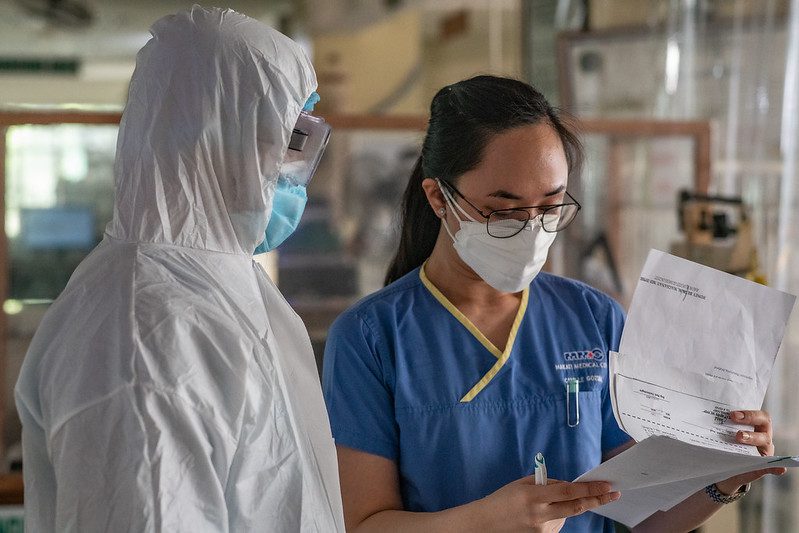
Mental health in the Philippines is worsening during the COVID-19 pandemic. The number of calls for mental health assistance has increased along with higher reports of depression and suicidal thoughts. UNICEF, the Philippine Red Cross and the World Health Organization (WHO) have come together to contribute invaluable resources, such as infographics and a hotline. These two key implementations have been instrumental in reducing the negative mental health effects of these trying times and in unifying isolated Filipinos.

Infographics for Frontline Workers and Filipino Citizens

The WHO updated its Philippines website in September 2020 to include mental health infographics. The graphics portray encouraging messages and quick facts and are all available for download. It tailored the various infographics to specific audiences — among the selections are the elderly, family of COVID-infected patients and frontline workers.

Some images directed toward Filipino citizens include reminders to nurses, doctors and other healthcare professionals to self-care. With the high amount of Filipinos in the healthcare field, a high volume of nurses and doctors are bound to have very particular needs relating to the emotional exhaustion of caring for extremely sick people.

A Mental Health Hotline

The Philippine Red Cross has instituted a special hotline to provide psychological first aid related to the effects of COVID-19. UNICEF is pairing with Red Cross to provide resources and mobilize support systems to improve mental health in the Philippines.

The hotline’s Red Cross workers consist of 14 trained volunteers hailing from mainly social work and mental health backgrounds. They receive training for three days in helping skills and mock calls. The trainees also attend four-hour sessions on self-care for the volunteers’ own mental health benefit. This vital self-care helps fend off emotional exhaustion.

Filipino citizens are able to use this national COVID-19 hotline to tackle their mental health situations. The hotline provides emotional care, such as talking about callers’ problems. Additionally, it functions as a source of information about COVID-19 to prevent misunderstandings surrounding the pandemic’s uncertainty and hysteria.

The Philippine Red Cross has also extended its services during the pandemic. It has utilized social media as a way to provide a more convenient avenue for people to talk about their hardships. On Facebook, a feature exists that allows Red Cross volunteers to chat through an avatar. The chat even allows avatar customizations, such as male, female, LGBTQ and young child settings according to the callers’ preferences. The Philippines’ hotline has helped over 9,000 callers since its creation and continues to support mental health in the Philippines.

Where Mental Health Currently Stands

The pandemic, social isolation and general fear and uncertainty have affected mental health in the Philippines. Both peoples’ stress and rates of depression continue to increase. The pandemic has resulted in distancing and isolation, which has deeply impacted the Philippines — a country where tight-knit families and community-mindedness abound. However, aid from nonprofit organizations has lessened the devastating effects of the pandemic. Support from UNICEF and the WHO has benefited mental health throughout the nation and fostered a much-needed sense of connection.

– Alyssa Ranola
Photo: Flickr

March 13, 2021
https://borgenproject.org/wp-content/uploads/borgen-project-logo.svg 0 0 Yuki https://borgenproject.org/wp-content/uploads/borgen-project-logo.svg Yuki2021-03-13 01:30:352021-03-09 11:51:23Mental Health in the Philippines During the Pandemic
COVID-19, Global Poverty

Virtual Learning in Kenya is Finally a Reality

Virtual Learning In Kenya
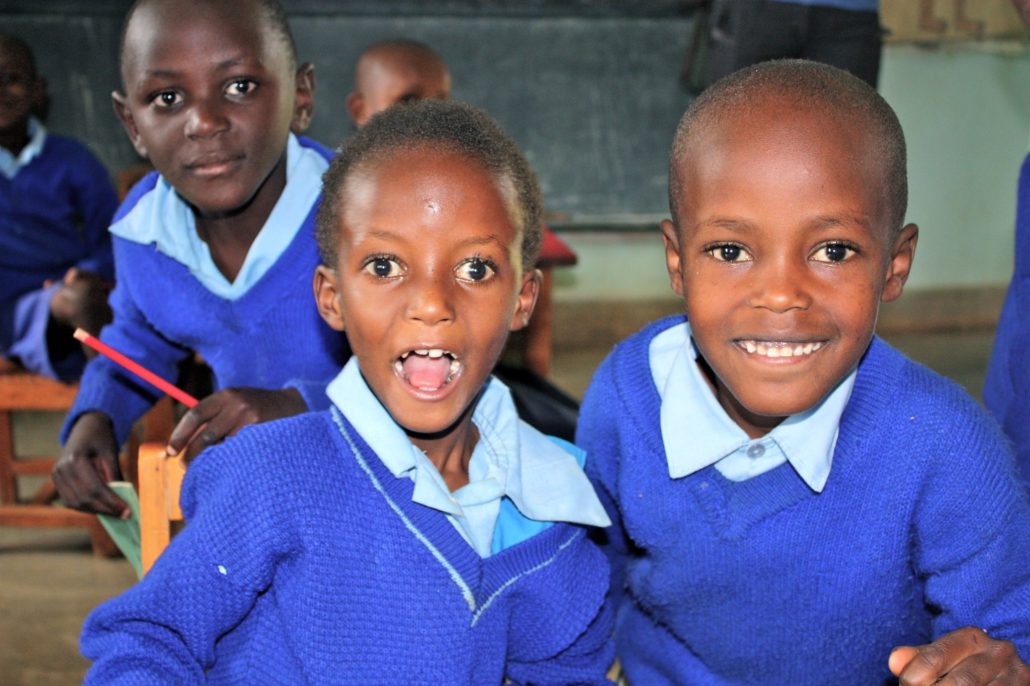
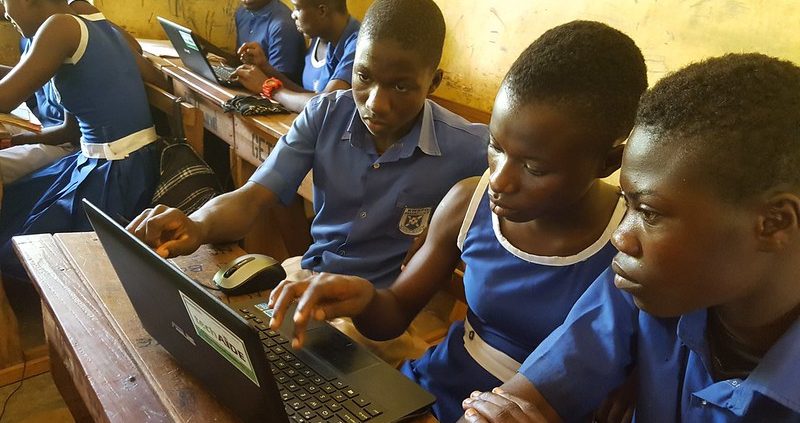
Kenya is a country in East Africa with 26 million children, many of whom do not have the devices or internet access to partake in virtual learning. Schools have been closed for six months due to the COVID-19 pandemic, so children need to attend online classes to stay on track. The government is introducing a new digital learning model to 24,000 public schools so that virtual learning in Kenya is accessible to all children.

Internet for All

After Information and Communications Technology (ICT) Cabinet Secretary Joe Mucheru launched a digital learning program, Kenya’s government spent 15 billion KES so that schools can teach four subjects online. By using the funds, schools are building computer labs, distributing fiber optic cables, training teachers in digital learning and connecting remote areas to the Internet. Virtual learning in Kenya is only possible if every student has an internet connection and a device at home. Mucheru’s program will distribute digital learning devices that local universities will help develop. Most schools in remote areas of Kenya do not have power access. To combat this, Mucheru will implement solar power in these locations.

Many Kenyan students lacked internet access before their schools shut down, so the program has a learning curve. Luckily, public school children will learn how to use computers and the internet. This ensures they will acquire the same digital skills as children in private school.

The Bigger Picture: Worldwide Statistics

Two-thirds of all children under 18 (1.3 billion) do not have internet access at home, yet hundreds of millions of students must learn virtually. In developing countries, one in 20 children has an internet connection at home compared to nine in 10 children from developed countries. This creates a gap in global access to knowledge.

The digital divide worsens existing inequalities. As children from poor households are struggling to catch up with their peers, they are falling behind in school. Lack of internet access isolates children from the world and halts their education and computer-literacy journeys. According to ITU data, people struggle to compete in the modern economy with poor digital skills.

The Fight to Attend Online Class

During 2020, people broke social distancing to find internet access, thus risking their health. Students in China spent hours hiking to mountaintops in freezing temperatures to find a connection and attend online classes. Many developing countries use television to administer online lectures but rural households rarely have TVs. UNICEF recommends that countries include alternative learning sources like radios, homework packages and tablets. In 2019, UNICEF started Giga which aims to connect every school and its community to the internet. The program has succeeded in 800,000 schools in 30 countries.

Persistent Challenges

Even when children have internet access at home, chores and work might take priority over their studies. Since there are not enough devices for everyone, girls receive encouragement to pursue other things such as early marriage and housework. Computer literacy in girls is rare. Until children resume in-person school, these problems will persist. However, brand new computer labs and internet access that Kenya’s government is supplying will be waiting for them upon return. For now, most children can log into online school because virtual learning in Kenya is finally a reality.

– Rebecca Pomerantz
Photo: Flickr

March 7, 2021
https://borgenproject.org/wp-content/uploads/borgen-project-logo.svg 0 0 Kim Thelwell https://borgenproject.org/wp-content/uploads/borgen-project-logo.svg Kim Thelwell2021-03-07 01:30:502021-03-03 10:22:43Virtual Learning in Kenya is Finally a Reality
COVID-19, Global Poverty, Refugees

Jordan’s Vaccine Rollout Includes Refugees

Jordan's Vaccine Rollout
As countries around the world continue their COVID-19 vaccine rollout, refugees have experienced exclusion from nearly half of them. One country that is vaccinating refugees is Jordan. With one of the largest refugee populations in the world, Jordan has set an important example for global vaccine accessibility. Here is some information about Jordan’s vaccine rollout.

Jordan’s Vaccine Rollout for Refugees

Jordan has begun its vaccine distribution plan, promising to provide vaccinations to anyone living in the country, including refugees, free of charge, as the United Nations High Commissioner for Refugees (UNHCR) reported on January 14, 2020. Due to the country’s large refugee population, it needs vaccinations in order to achieve countrywide immunity to the virus. Jordan has received one million doses of the vaccine and two million through the COVAX Facility. The COVAX Facility is an initiative the World Health Organization (WHO) supports. The COVAX Facility implements mass vaccine production in low-income countries. Jordan has already begun vaccinating in clinics across the country.

So far, Jordan has vaccinated a reported 187 refugees. However, a spokesperson for the UNHCR expects that number to be higher. While the UNHCR is not supplying vaccines to countries, it is advocating for refugees to gain access to them.

“We have been advocating for the inclusion of refugees within the vaccination campaign since the pandemic was declared, so we are incredibly grateful they are now included,” said UNHCR spokesperson Kathryn Mahoney. “The main way we are supporting is through raising awareness of the vaccine among refugee populations and transporting refugees who live in camps to their nearest vaccination health clinics when they have appointments.”

COVID-19 Containment in Jordan

Jordan succeeded in preventing a massive spread of the virus in 2020 after imposing a strict lockdown when reports emerged of just a few cases in March 2020. Residents could only leave their homes between 10 a.m. and 6 p.m. and could only leave for necessary, socially distant activities like grocery shopping.

The strict lockdown worked as the number of COVID-19 cases in Jordan remained low. The country reported under 100 cases a day from March to September 2020. September marked a month-long surge of cases, peaking in November with almost 8,000 cases in one day. There were multiple lockdowns in October and November in order to slow the rapid spread, and cases started declining in January 2021.

Jordan’s vaccine rollout will continue the decline of COVID-19. This requires vaccinations to be available for everyone residing in the country.

Refugees in Jordan

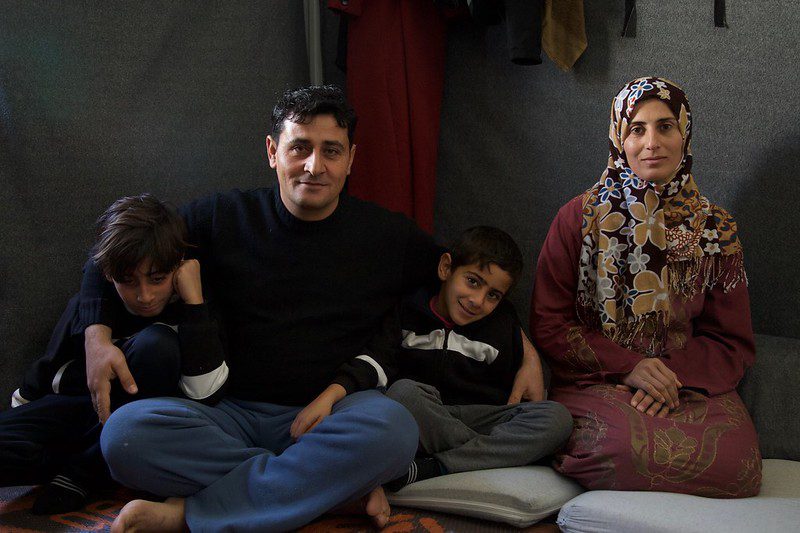
Jordan has one of the largest refugee populations in the world, primarily from neighboring countries. As of May 2019, 755,050 refugees lived throughout the country. Nearly 665,000 of these refugees are from Syria, having fled the country’s civil war. While 84% of Jordanian refugees live in urban areas, 16% live in refugee camps. The two largest refugee camps are Za’atari and Azraq, hosting 80,000 and 40,000 people, respectively.

For the first six months of the pandemic, the camps reported no major outbreaks. The camps had required a 14-day quarantine in an isolation tent specifically for refugees returning from areas of Jordan with COVID-19 cases.

Once reports of cases in the Azraq camp started in September 2020, isolation tents began housing infected people in order to prevent further spread to the rest of the camp population. Cases have remained low with 573 reported cases. However, the close proximity of refugee housing still poses a risk of infection.

Refugee Vaccinations Worldwide

Almost 26 million refugees live around the world, half of whom are children. Out of the 90 countries currently committed to vaccine rollouts, only 51-57% have said they would include refugees. This leaves millions of people at risk.

Without mass vaccinations in vulnerable populations, there will be little defense against the virus, and worldwide protection against it will experience a delay. Jordan’s vaccine rollout sets an important example of refugees receiving access to vaccinations against COVID-19 and increases the vaccine’s availability in clinics across the country.

– June Noyes
Photo: Flickr

March 6, 2021
https://borgenproject.org/wp-content/uploads/borgen-project-logo.svg 0 0 Kim Thelwell https://borgenproject.org/wp-content/uploads/borgen-project-logo.svg Kim Thelwell2021-03-06 14:42:252021-03-31 14:42:38Jordan’s Vaccine Rollout Includes Refugees
COVID-19, Economy, Global Poverty

Economic Growth in Nigeria

Economic Growth in NigeriaNigeria boasts a population of more than 200 million people who are religiously diverse and rapidly growing. The country houses the largest economy on the African continent. It depends heavily on oil production and oil exports, which comprise 80% of its national revenue. In 2015, the Nigerian economy grew at half the rate of the previous decade due to the global oil price recession. The government acknowledges the necessity of a comprehensive plan for sustainable economic growth in Nigeria.
President Buhari

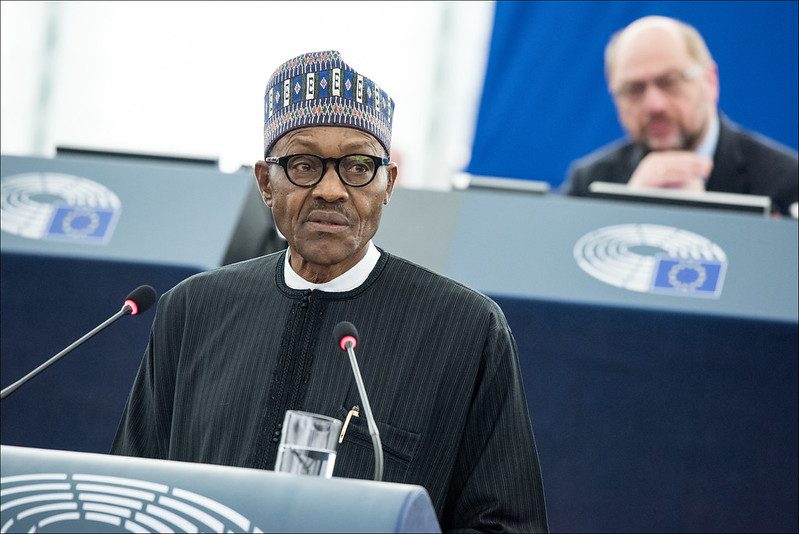
Despite the Human Rights Watch’s claims of human rights abuses, fighting between the government and terrorist group, Boko Haram, as well corruption both within the government and the oil industry, Nigeria is a rapidly growing and dynamic nation. In 2015, a peaceful transfer of power from incumbent Goodluck Jonathan to Muhammadu Buhari took place after a competitive election. President Buhari is a former military head of state and has made vows to improve the living standards of Nigerians. Furthermore, he wants to fight corruption and boost the economy both through the oil industry and outside of it.

Diversifying and Boosting Nigeria’s Economy

A report put out by the International Finance Corporation and the World Bank found that private sector growth strategies could help Nigeria by attracting outside investment and creating more quality jobs for millions of its citizens. The report states that this strategy will require better policy frameworks and reforms to support sectors outside of the oil industry. Nigeria has pledged to lift 100 million Nigerians out of poverty by 2030, which is becoming increasingly challenging with the impacts of the COVID-19 pandemic. This report highlights a hopeful investment strategy that can help foster economic growth in Nigeria.

Nigeria experienced 11 straight quarters of GDP growth since its recession ended, but growth has stalled given the COVID-19 pandemic. President Buhari has set out to diversify the nation’s economic strategy and has focused on agriculture to achieve the poverty reduction goal. In addition to the agricultural industry, President Buhari has sought to revamp the cotton, tactile and garment industry. Furthermore, the nation has focused its efforts on increasing non-oil exports such as cocoa and sesame seeds. Revenue from these exports grew by $79.4 million and $153 million respectively. These examples serve to show the promise of diversifying and strengthening the Nigerian economy amid unstable times.

The Potential of Agriculture

President Buhari met with the Presidential Economic Advisory Council (PEAC) and stated that his administration is committed to implementing “rapid, sustained, sustainable and inclusive economic growth.” President Buhari focused again on agriculture-based strategies and the utilization of more land throughout the country. Nigeria currently only irrigates about 2% of its land, indicating significant room for agricultural development. Buhari says that raising agricultural productivity is vital to address the disparities between regions and “ensure macro-economic stability.”

The PEAC has pledged to help Nigeria with an approach to eradicating poverty that will be multi-dimensional, focusing on aspects such as access to housing, health, education and employment. President Buhari vowed his commitment to reducing poverty in Nigeria but collaboration from all levels will ensure a comprehensive and effective national response.

– Tatiana Nelson
Photo: Flickr

March 5, 2021
https://borgenproject.org/wp-content/uploads/borgen-project-logo.svg 0 0 Kim Thelwell https://borgenproject.org/wp-content/uploads/borgen-project-logo.svg Kim Thelwell2021-03-05 07:30:382024-05-30 22:23:27Economic Growth in Nigeria
COVID-19, Global Poverty

Japan’s Response to COVID-19

COVID-19Japan has handled the COVID-19 pandemic much better compared to other nations. For example, the death rate for COVID-19 in Japan is one death per 100,000 people. This number is much lower than other countries, with the United States death rate at 59 deaths per 100,000 people and the United Kingdom rate at 62 deaths per 100,000. Japan also has a lower rate of infection than other nations. Japan had less than 101 per 1,000,000 new cases of  COVID-19 reported while the US has between 501-1000 per 1,000,000. What is Japan doing differently to make the mortality infection rates so much lower than other high-income nations?

Culture of the Japanese

One reason Japan has so few coronavirus cases is built into the culture of the Japanese. Japanese people have worn face masks since the flu pandemic in 1919. Masks are also common to wear in Japan when it is cold and flu season. So, when the COVID-19 pandemic hit, wearing masks as a protective measure was widely accepted and used by the Japanese population. Also, the Japanese culture is more socially distant. For instance, Japanese do not hug or shake hands when making acquaintances like Americans do. Social distancing and mask-wearing came naturally to the people of Japan, so the infection rate is very low for them.

Japan’s Healthcare System

Japan has a highly regionalized healthcare system that has helped them minimize the impact of COVID-19. Japanese healthcare institutions, called Public Health Centers (PHCs), are similar to the Center for Disease Control but at a much more local level. However, when COVID-19 hit its peak in Japan, the PHCs struggled to keep up with the surge of patients. So, the PHCs reacted quickly and would send patients to available PHCs and resources to the PHCs that had shortages. Japan’s quick actions and regionalized healthcare system allowed the COVID-19 death rates to stay low and spread to be minimum.

Negatives Impacts of the Virus in Japan

Though Japan has a relatively small infection and the death rate for COVID-19, the Japanese people’s lives have been greatly affected. Japan’s suicide rate has risen considerably since the pandemic hit. There have been 13,000 suicide deaths in Japan this year; a number much higher than the 2,000 COVID-19 deaths. The suicide rates for August were 15.4% higher than those of last year. Economic hardship, unemployment and isolation from society as a result of COVID-19

Japanese women have been disproportionately affected by the secondary effects of COVID-19. The suicide rate for women specifically has risen 40%. Also, 66% of people in Japan who have lost their jobs because of the pandemic were women. In response, Japan has increased its funding towards suicide prevention resources by 3.7 billion yen ($35,520,000).

The Future of Japan Amid COVID

Looking into the future, vaccine security looks very good for all Japanese citizens regardless of economic status. The Japanese government recently approved a bill to provide all of the citizens of Japan with COVID-19 vaccines free of charge. Providing a free vaccine will ensure everyone will have the opportunity to receive one. Since the vaccine cost is covered, the vast population of Japan can be protected from COVID-19 in the future.

Not only is Japan thriving in the fight against COVID-19, the country is also providing aid to help other nations overcome this disease. Recently, Japan recently donated $2.7 million to the Pan American Health Organization (PAHO) to help Latin American countries with the fight against the coronavirus. Specifically, this aid will provide Pan-American nations with slowing the spread by implementing preventative measures and providing information for citizens about the disease.

Overall, Japan has handled the pandemic really well. Their unique approach to regionalized healthcare along with their willingness to wear masks have greatly decreased the COVID-19 damage in Japan. Other countries should use the Japanese response to COVID-19 as an example. Japan’s quick and regionalized response to COVID-19 attributed to the small death and infection rate. Countries should also consider providing their citizens with vaccines to ensure everyone is protected from COVID-19. The wealthy nations should take into account the countries that cannot afford to provide vaccines for their citizens. To ensure our world overcomes this pandemic, resources like vaccines, masks and ventilators will need to be allocated to lower-income nations.

– Hannah Drzewiecki
Photo: Flickr

February 28, 2021
https://borgenproject.org/wp-content/uploads/borgen-project-logo.svg 0 0 Jennifer Philipp https://borgenproject.org/wp-content/uploads/borgen-project-logo.svg Jennifer Philipp2021-02-28 07:30:502021-02-26 14:45:31Japan’s Response to COVID-19
COVID-19, Global Poverty

Addressing Mental Health in Italy

Mental health in ItalyItaly is the fourth most populous nation in Europe, with a population of 60.36 million people as of 2019. As it stands, Italy remains one of the most COVID-19 affected countries, and the resulting lockdown has had a noticeable impact on the mental health of the Italian population. However, there is more to the story of mental health in Italy than the effects of the pandemic.
Italy’s Past Relationship with Mental Health

Italy passed Law Number 180 in 1978. Law Number 180 blocked all new admissions to Italian mental hospitals. This subsequently led to all mental hospitals in Italy closing by the year 2000. This change came about so that mental patients would receive similar treatment to other patients with physical ailments. Psychiatric wards that still exist in the country are located inside general hospitals with roughly 10 available beds in these wards per 100,000 people, and only 46 beds per 100,000 people in community residential facilities. These numbers can also vary significantly between geographical areas.

The State of Mental Health in Italy

In the years leading up to the COVID-19 pandemic, Italy had been doing relatively well in terms of mental health. For example, in 2016, Italy had one of the lowest suicide rates among G7 countries, at 6.3 suicides per 100,000 people. This is less than half the rate of the United States in 2016, which was 13.3 suicides per 100,000 people. The World Health Organization (WHO) estimated that in 2017, 5.1% of the Italian population suffered from some form of depressive disorder and 5% of the population suffered from an anxiety disorder.

The Effects of COVID-19

The full effects of COVID-19 on mental health in Italy are unknown. However, psychological studies conducted while lockdown measures were in place provide some clarity on the subject. One online survey issued approximately four weeks into lockdown measures in Italy showed notably increased rates of post-traumatic stress syndrome, symptoms of depression, insomnia, symptoms of anxiety and perceived stress.

The Future of Mental Health in Italy

According to experts, there are going to be psychosocial and economic ramifications resulting from the COVID-19 pandemic. Additionally, due to the trauma associated with being a frontline worker, there is a projected decline in the mental health of frontline doctors and nurses. This decline will also affect members of the Italian population that have undergone any psychological distress because of the pandemic.

Steps have already been taken to help those suffering from COVID-19-related stress. In March 2020, the Italian government launched a national mental health service intended to combat the rise of mental distress in Italy. The program works with institutions and regional associations to provide free emergency help from psychoanalysts and psychologists. The new mental health service can also provide necessary mental resources to low-income families and individuals living independently as they are more at risk of developing mental health disorders.

Additionally, SOS Children’s Villages, an organization that has also taken action on the issue of mental health in Italy during COVID-19, has partnered with the International Federation of Red Cross and Red Crescent Societies, the City University of New York and the WHO to train individuals on how to provide low-intensity psychological interventions to individuals in need of psychological aid.

The “Living with the Times” toolkit made by the Inter-Agency Standing Committee Reference Group on Mental Health and Psychosocial Support also helps to provide adults with the tools necessary to support one’s mental health, as well as the welfare of those around them.

Italy has a unique relationship with mental health treatment, and COVID-19 presents an unusual challenge for the nation. Efforts by the institutions that have partnered with the Italian government, as well as local NGOs and nonprofits, aim to reduce the damage caused by COVID-19 by making mental health care widespread and accessible.

– Brendan Jacobs
Photo: Unsplash

February 27, 2021
https://borgenproject.org/wp-content/uploads/borgen-project-logo.svg 0 0 Kim Thelwell https://borgenproject.org/wp-content/uploads/borgen-project-logo.svg Kim Thelwell2021-02-27 07:30:382021-08-09 16:09:42Addressing Mental Health in Italy
COVID-19, Global Poverty

World of Warcraft’s Fight Against the Pandemic

World of Warcraft's Fight Against the PandemicThe COVID-19 pandemic has caused Activision Blizzard to host their annual gaming convention, Blizzcon, online this year in what was known as Blizzconline. At Blizzconline, Blizzard announced many updates and future releases for the company, as well as this year’s charity event in World of Warcraft. This year’s charity event will aid in World of Warcraft’s fight against the pandemic. In 2021, the popular role-playing game is partnering with Doctors Without Borders to donate to the nonprofit’s COVID-19 Crisis Fund.

Blizzard Charity Events

Since 2010, Blizzard has partnered with charities and nonprofit organizations to donate millions of dollars through player donations. In years past, Blizzard would donate 100% of proceeds made off of player purchases of in-game cosmetic items like World of Warcraft pets or Overwatch skins.

This year, Blizzard is changing the way donations are being made. Players will be allowed to donate however much they want directly to Médecins Sans Frontières (MSF), or Doctors without Borders, and these donations will be tracked by Blizzard. After reaching preset goals, players will be rewarded with in-game pets as a reward for contributing to World of Warcraft’s fight against the pandemic.

Blizzard’s previous charity events have generally gone toward alleviating domestic issues in the U.S. This will be the first time the company partnered with an international humanitarian organization, except for its partnership with WE Charity in 2019. The WE Charity works internationally to end poverty by establishing education access and resources, providing more than one million people with access to clean food and water and empowering women to be self-sufficient.

Doctors Without Borders

Blizzard’s charity event with Doctors Without Borders will have player donations going directly to the nonprofit’s COVID-19 Crisis Fund. Doctors Without Borders is a humanitarian nonprofit organization working in more than 70 countries, providing people with medical aid and assistance. The organization has been combating malnutrition in children, treating preventable diseases and providing people with access to medical services and care since being founded in 1971.

The COVID-19 Crisis Fund has a current target of €150 million, or more than $181 million. All the funds will go directly toward Doctors Without Borders’s global response to the pandemic. For instance, the funding will be used for supplies for patients and staff and research ways to combat the virus. The goals of the COVID-19 Crisis Fund are to help stop the spread of the virus, reinforce food and water systems for at-risk populations and provide medical aid to those suffering from illness in more than 70 countries where the nonprofit works.

To reach its goal of €150 million, Doctors Without Borders will need more donations to its COVID-19 Crisis Fund. By partnering with Blizzard and the World of Warcraft, Doctors Without Borders is one step closer to reaching its goal and contributing to the fight against the COVID-19 pandemic. Moreover, this charity partnership will help improve the current global COVID-19 response and save lives.

– Gerardo Valladares
Photo: Flickr

February 27, 2021
https://borgenproject.org/wp-content/uploads/borgen-project-logo.svg 0 0 Kim Thelwell https://borgenproject.org/wp-content/uploads/borgen-project-logo.svg Kim Thelwell2021-02-27 07:30:112021-05-27 11:37:05World of Warcraft’s Fight Against the Pandemic
Page 17 of 30«‹1516171819›»

Get Smarter

  • Global Poverty 101
  • Global Poverty… The Good News
  • Global Poverty & U.S. Jobs
  • Global Poverty and National Security
  • Innovative Solutions to Poverty
  • Global Poverty & Aid FAQ’s
Search Search

Take Action

  • Call Congress
  • Email Congress
  • Donate
  • 30 Ways to Help
  • Volunteer Ops
  • Internships
  • Courses & Certificates
  • The Podcast
Borgen Project

“The Borgen Project is an incredible nonprofit organization that is addressing poverty and hunger and working towards ending them.”

-The Huffington Post

Inside The Borgen Project

  • Contact
  • About
  • Financials
  • President
  • Board of Directors
  • Board of Advisors

International Links

  • UK Email Parliament
  • UK Donate
  • Canada Email Parliament

Get Smarter

  • Global Poverty 101
  • Global Poverty… The Good News
  • Global Poverty & U.S. Jobs
  • Global Poverty and National Security
  • Innovative Solutions to Poverty
  • Global Poverty & Aid FAQ’s

Ways to Help

  • Call Congress
  • Email Congress
  • Donate
  • 30 Ways to Help
  • Volunteer Ops
  • Internships
  • Courses & Certificates
  • The Podcast
Scroll to top Scroll to top Scroll to top