• Link to X
  • Link to Facebook
  • Link to Instagram
  • Link to TikTok
  • Link to Youtube
  • About
    • About Us
      • President
      • Board of Directors
      • Board of Advisors
      • Financials
      • Our Methodology
      • Success Tracker
      • Contact
  • Act Now
    • 30 Ways to Help
      • Email Congress
      • Call Congress
      • Volunteer
      • Courses & Certificates
      • Be a Donor
    • Internships
      • In-Office Internships
      • Remote Internships
    • Legislation
      • Politics 101
  • The Blog
  • The Podcast
  • Magazine
  • Donate
  • Click to open the search input field Click to open the search input field Search
  • Menu Menu

Archive for category: Children

Information and stories addressing children.

Children, Developing Countries, Development, Education, Global Poverty, Health

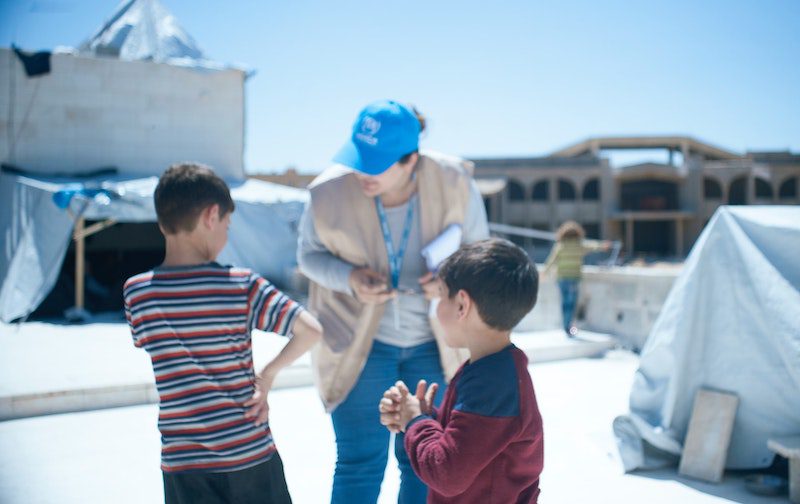
Action Against Rising Child Labor in Jordan

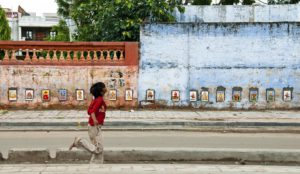
Child Labor in Jordan
After years of combined government and NGO measures to eliminate child labor in Jordan, the country noted a rise in child labor during the COVID-19 pandemic. In 2016, Jordan’s National Child Labour Survey revealed that about 76,000 children were involved in some form of economic activity. About 60% of these children performed dangerous labor including mining, blacksmithing and repairing automobiles. Jordan Labor Watch finds that the COVID-19 pandemic, in particular, has led to an increase in child laborers, mostly due to the increased economic hardships of families.

How COVID-19 Contributes to Child Labor in Jordan

The World Bank predicts that poverty rates in Jordan would reach as much as 27% due to the onset of COVID-19. As with other countries, COVID-19 has led to widespread job losses and reductions in income as some businesses shut down and others struggle to stay afloat. Due to a lack of robust social programs and safety nets, Jordanians struggle with little means to provide for their families. Jordan Labor Watch explains that “As the unmet financial needs of families in Jordan rises, the chances of children working to contribute to their family’s income also rises —  no matter how modest this added income might be.”

In April 2020, a UNICEF assessment found that 23% of “vulnerable households in Jordan” lack internet access. Amid pandemic-induced school closures, children who cannot transition to remote learning are more susceptible to child labor. Parents often push children who are not receiving an education into child labor to add to the household income. This is a common reality in spite of children facing exploitation with low wages, hazardous job conditions and possible sexual and physical violence.

The Characteristics of Child Labor in Jordan

The 2016 National Child Labour Survey reveals specifics on child labor in Jordan. About 43.2% of the 70,000 child laborers ages 5 to 17 work in the agricultural industry while 42.6% work in the services sector and 14.2% work in industry roles. Jordanian children account for about 80% of all these child laborers while Syrian children account for 15%. The latter mostly consists of refugees with few protective barriers guarding them and limited access to education. Furthermore, almost 90% of these child laborers are boys.

Within the services sector, many children engage in hazardous labor such as repairing vehicles and “scavenging scrap metal.” Other children working in this sector wash vehicles, care for animals that transport tourists and complete domestic duties. Child labor within the industry sector primarily consists of mining, quarrying, carpentry, blacksmithing, manufacturing and construction.

Though Jordan has made moderate efforts to eradicate the worst forms of child labor, extreme forms of child labor still exist within the country. The two worst forms of child labor in Jordan are forced begging and soliciting minors for paid sexual activity, sometimes a result of human trafficking.

Efforts to Eliminate Child Labor

Over the last decade, Jordan’s government has taken a variety of measures to end child labor within its borders. By 2016, the country established a database on child labor within the Ministry of Labor. The nation also adopted the National Framework to Combat Child Labor in 2011, a comprehensive child labor policy that “aims to tackle the issue throughout the Kingdom through systematic monitoring of child labor and collective action by key stakeholders, mainly the ministries of Labour, Education and Social Development.” Additionally, Jordan established apprenticeship programs for youths, a training manual for school counselors and more anti-child labor efforts targeting Syrian refugees.

How UNICEF Has Taken Action

UNICEF began a 2021 program to tackle child labor in Jordan in partnership with the Rowad Al Khair organization. The Jordanian government and authorities support the program, which intends to assist “families who are vulnerable to economic shocks, including the negative impact of the COVID-19 pandemic.” Qualified social workers will “work directly with families and communities to identify, prevent and manage the risks of child labor and tailor a response specific to their needs.”

According to UNICEF, “400 of the most vulnerable child laborers, boys and girls, of all nationalities, aged 6-18 years will receive psychosocial support and help to access education, life skills, entrepreneurship opportunities and training.” Vulnerable households will receive “specialized support,” such as cash assistance and education on the detrimental consequences of child labor.

Tamkeen is a local organization within Jordan taking a stand against child labor, among other issues. This NGO is dedicated to raising legal awareness on labor issues while promoting human rights and fighting human trafficking with particular emphasis on the rights of migrants and refugees. Tamkeen also publishes papers on issues like child labor, workplace safety and the working conditions of migrant workers in Jordan.

The Future of Jordan’s Vulnerable Youths

Though child labor is rising in Jordan, the government and NGOs are taking action to quell the illegal practice, improving the lives of children. The nation may feel the impact of COVID-19 for years to come, but Jordan’s ongoing efforts to combat child labor will eventually lead to a decline in the number of child workers.

– Nate Ritchie
Photo: Flickr

December 2, 2021
https://borgenproject.org/wp-content/uploads/borgen-project-logo.svg 0 0 Jennifer Philipp https://borgenproject.org/wp-content/uploads/borgen-project-logo.svg Jennifer Philipp2021-12-02 07:30:042021-11-29 11:32:07Action Against Rising Child Labor in Jordan
Children, Global Poverty, Human Trafficking, Women, Women's Rights

Human Trafficking in Honduras

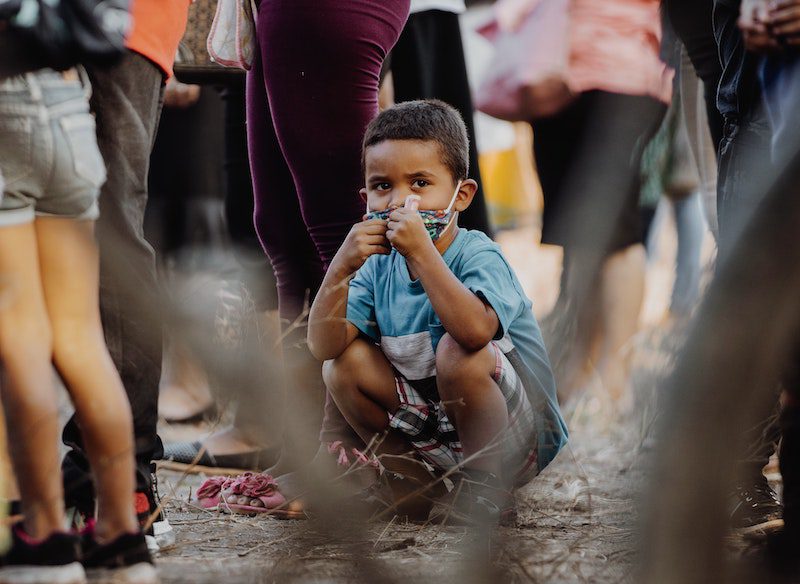
Human trafficking in Honduras
Human trafficking in Honduras is one of the most prominent human rights issues in the country. A 2020 report by the U.S. Department of State identifies Honduras as a Tier 2 country since it is making great strides in reducing human trafficking cases. However, the country still needs to meet the set baselines. With the new legislation, a new anti-trafficking plan and advocacy efforts by government-backed programs, Honduras is on its way to creating a safer society.

Causes of Human Trafficking in Honduras

The main causes of human trafficking in Honduras are unemployment, lack of economic opportunity and family issues. These issues leave people desperate to have a stable income and, unfortunately, make them more vulnerable to human trafficking. According to World Bank data, the unemployment rate in Honduras reached 10.98% in 2020, about a 5% increase from the unemployment rate of 5.7% in 2019. Often, traffickers lure victims to other countries with false promises of an escape from poverty and crime-ravaged areas, according to the 2021 report by the U.S. Department of State.

Honduras is primarily a source country for sex trafficking and forced labor. Oftentimes, traffickers exploit victims within their own communities and homes. Traffickers transport women and children, who are primarily victims of sex trafficking, abroad to experience exploitation in countries such as Mexico, Guatemala, El Salvador and the United States. Additionally, traffickers usually transport people for forced labor to Guatemala, Mexico and the United States.

As the U.S. Department of State reported, traffickers force their victims to beg on the streets, traffick drugs and work in the informal sector. Children have to work in dangerous occupations such as the agricultural, construction, manufacturing and mining industries. The U.S. Department of Labor statistics show that 9% of children from ages 5 to 14 in Honduras are working. Around 53% of these children work in the agricultural sector, 12.7% work in the industry sector (mining, construction and fireworks production, etc.) and 34% work in the services sector.

The COVID-19 pandemic exacerbated the situation, negatively impacting economic opportunity further. This has increased the vulnerability of people to human trafficking in Honduras, according to the 2021 report by the U.S. Department of State.

Government Initiatives

The previously mentioned report shows that the Honduran government is taking action to reduce cases of human trafficking in Honduras in the following ways:

  1. Increasing funding for Inter-institutional Commission to Combat Commercial Sexual Exploitation and Trafficking in Persons (CICESCT): In 2019, the Honduran government increased funding to 5.5 million lempiras (USD 221,400). CICESCT uses this funding to provide assistance to victims such as protection and therapy. In 2020, CICESCT’s immediate response team provided 67 victims with these services. Additionally, CICESCT works with other organizations and NGOs to provide further assistance to victims such as medical care.
  2. Identifying More Victims: Law enforcement and social service providers have certain procedures to follow to identify symptoms of human trafficking and refer suspected victims to the CICEST immediate response team.
  3. Enacting a New Penal Code Provision: The definition of trafficking is now as per international law. However, the new penal code lowered the penalty for trafficking, resulting in the crime not being on par with other serious misdemeanors.
  4. Implementing the 2016-2020 National Anti-Trafficking Plan: This plan includes measures such as providing anti-trafficking training to the public (virtually during the pandemic) and providing awareness-raising campaigns through social media. The Honduran government also formed a network of 32 government agencies and NGOs to help carry the plan out.

UNODC Campaign

In 2019, the Honduran government joined the United Nations Office on Drugs and Crime (UNODC) Blue Heart Campaign. The idea is to raise awareness about human trafficking in Honduras and to prevent these crimes. The Blue Heart Campaign focuses on advocacy and seeks to recruit others to help prevent human trafficking crimes by building political support to take more action against it. The campaign sends its donations to the United Nations Voluntary Trust Fund for Victims of Trafficking in Persons, whose goal is to aid other organizations and NGOs globally to assist victims. According to the UNODC, the campaign resulted in the rescuing of 194 people in 2019.

CICESCT

CICESCT is a Honduran government agency that aims to reduce the number of human trafficking cases and to provide care for victims. Since its formation in 2012, Honduras has increased funding for CICESCT. This allows for more aid and investigations into human trafficking cases. In 2018, more than 300 victims received aid, protection and services (mental health counseling, food, housing, legal care and medical care) to integrate back into society. Also, 28 people received prison sentences with time ranging from five to 15 years for human trafficking.

Moving Forward

There are still critical issues to resolve regarding human trafficking in Honduras. However, the country has made significant progress and is continuing to work on eradicating human trafficking from the country. If this level of progress and awareness continues, Honduras can achieve a trafficking-free society.

– Shikha Surupa
Photo: Unsplash

November 30, 2021
https://borgenproject.org/wp-content/uploads/borgen-project-logo.svg 0 0 Jennifer Philipp https://borgenproject.org/wp-content/uploads/borgen-project-logo.svg Jennifer Philipp2021-11-30 07:30:072024-05-30 22:25:31Human Trafficking in Honduras
Children, Developing Countries, Development, Education, Global Poverty, Health

LEGO Encourages Learning Through Play

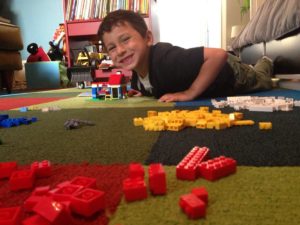
learning through play
As the world grapples with COVID-19, countless indirect consequences and equally urgent issues have gone unnoticed amid the panic and chaos of the pandemic. Although these other aspects of quality of life are not as attention-grabbing as a death count or an infection total, they are still important to recognize. COVID-19 significantly impacts the education of children across the globe, disproportionately affecting underprivileged children. LEGO encourages learning through play to “[empower] children to become creative, engaged, lifelong learners,” especially amid global challenges.

Pandemic-Induced School Closures

UNESCO estimates that, at the peak of the pandemic in March 2020, more than 180 countries imposed nationwide school closures, impacting 87% of the global student population. These closures occurred suddenly, and without adequate funding and infrastructure to transition to different forms of learning while still preserving quality, education systems in low-income nations faced significant challenges.

Even before the pandemic hit, in 2018, UNESCO reported roughly “258 million children and youth” out of school. In 2019, a UNHCR report indicated that 3.7 million refugee children were out of school globally. The World Bank reports that just “63% of refugee children are enrolled in primary school” in comparison “to 91% globally.” Furthermore, just “24% of refugee adolescents are enrolled in secondary schools compared to 84% globally.” In addition, a mere “3% of refugee youth have access to higher education compared to 37% globally.”

Education as a Pathway out of Poverty

For people suffering poverty and crises beyond their control, education is key. Capabilities such as literacy, basic arithmetic skills and writing proficiency serve as stepping stones to success. These skills grant impoverished people access to higher-paying, skilled jobs, creating a pathway out of poverty. The Global Partnership for Education estimates that “171 million people could be lifted out of extreme poverty” if all children had basic reading proficiencies. The way to effectively, efficiently and permanently eliminate poverty is by investing in children’s education.

The LEGO Foundation, the philanthropic arm of the LEGOs brand, is stepping up to combat barriers to education. A nation’s most valuable resources are its people, and therefore, there exists a distinct link between a country’s education system and the general economic and social well-being of the nation’s citizens. Recognizing the far-reaching effects of education and the importance of play in learning, LEGO Foundation began incorporating the concept of learning through play to enrich education systems, mindsets and resources throughout the world.

Learning Through Play

Research finds that “learning through play supports the development of early literacy and numeracy skills in an integrated approach, while also cultivating children’s social, emotional, physical and creative skills.” Studies also find that many traditional forms of education, involving more creatively restricted, socially inflexible and generally unenjoyable training and subsequent assessment, fail to optimally develop and teach children.

However, simply accusing existing education systems of overly didactic and stiflingly structured teaching methods is not enough to encourage change, especially in areas where resources are scarce and change is too expensive. Considering the research of many scientists, engineers, educators, creatives and experts, the LEGO team came together to create engaging play-full activities.

LEGO’s Let’s Build Together initiative is an online experience with games and constructive education activities developed to stimulate development through play. For children and classrooms unable to access this content online, the LEGO Foundation donates Play Boxes to organizations caring for vulnerable children. The boxes promote learning through play with a “variety of elements which are valuable as teaching and learning tools in any curriculum, from early childhood to adulthood.”

Partnering with UNICEF

Beginning in 2015, LEGO chose to partner with UNICEF to support education through play, with a special focus on children in impoverished nations. In 2020, the LEGO Foundation provided $28 million worth of funding to UNICEF to support the education of children, for instance, by supplying LEGO Play Boxes to countries such as “Egypt, Iraq, Jordan, Lebanon, Palestine, Syria and Turkey.” In Rwanda and South Africa, teacher training curriculums now incorporate learning through play.

Through research, action and play, LEGO has found ways to ensure children receive an education, regardless of their economic and social backgrounds. In the face of the effects of COVID-19 and other humanitarian crises, it is important to prioritize children’s education, recognizing that education provides a pathway out of poverty.

– John J. Lee
Photo: Flickr

November 30, 2021
https://borgenproject.org/wp-content/uploads/borgen-project-logo.svg 0 0 Kim Thelwell https://borgenproject.org/wp-content/uploads/borgen-project-logo.svg Kim Thelwell2021-11-30 01:30:552024-06-08 03:31:36LEGO Encourages Learning Through Play
Child Labor, Child Poverty, Child Soldiers, Children, Global Poverty

Reducing Numbers of Child Soldiers in Syria

Child Soldiers in Syria
In June 2021, the United Nations released its yearly 2020 report on children in armed conflict, confirming the ongoing recruitment of children by various Syrian militant groups. These groups include the Syrian National Army, the Syrian Democratic Forces, Hay’at Tahrir al-Sham and other Syrian armed opposition groups. By June 2021, militant groups recruited almost 840 children to work as child soldiers in Syria, among other roles, meaning child soldier numbers will likely increase by the end of the year.

Child Soldiers in Syria

With conflict raging since 2011, these groups turn to child populations to manage their shortage of combatants. By exploiting children in impoverished communities, groups use adults and other child victims to coerce and manipulate children into joining the armed forces. The child soldiers in Syria become spies, combatants and checkpoint guards, among other roles, enduring sexual exploitation and harsh military punishments. By using children as combatants, these groups continue to violate international laws with few repercussions.

Syrian Democratic Forces

The Syrian Democratic Forces (SDF) has a long history as a critical perpetrator of recruiting child soldiers in Syria. In 2019, the SDF signed a United Nations Action Plan intending to prevent the use of child soldiers, making it appear as though the SDF was attempting to adhere to international law. Under this plan, anyone younger than the age of 18 would be unable to join the SDF.

However, the Syrian Justice and Accountability Center reported that the SDF continues to recruit young boys and girls, some as young as age 11. Additionally, a U.N. report in April 2021 explains that the SDF and its branches are responsible for about 35% of confirmed child recruitments in Northern Syria.

Due to the United Nations Action Plan and international pressure, the SDF is increasingly reuniting recruited children with their families, but only after those specific families put constant pressure on the SDF. Since the creation of the SDF’s Child Protection Office, families have complained about the issue of child soldier recruitment 150 times. However, as of March 2021, the SDF has only demobilized 50 children. In December 2020, the SDF held a press conference, reuniting 16-year-old S. Jam Harran and 15-year-old G. Muhyiddin with their families.

Law No. 21 – Child Rights Law

On Aug. 15, 2021, Syrian President Bashar al-Assad presented Law No. 21 to regulate child rights and welfare throughout the country. The law prohibits the practice of trafficking children, including the use of child soldiers in Syria. The government will take action in response to reports of such practices but does not mention specifics in this regard. While this legislation seems like a significant step in the right direction, many groups, such as the Syrian Accountability and Justice Center, are skeptical about the law’s true ability to end the militant groups’ use of child soldiers. This is due to the existence of a vast number of groups that recruit children, including the Syrian government.

Addressing the Issue of Child Soldiers

Despite the skeptics, the new Syrian legislation on child rights and welfare is a promising step for children throughout the country. Enforcing these new laws nationally will take time, but various groups are working to alleviate the current child soldier situation until then.

UNICEF is responsible for aiding more than 8,700 children following their release from armed forces globally through counseling, education, medical services and safe living arrangements. These rehabilitation and poverty-fighting efforts allow for proper healing from trauma, allowing these children to become functioning members of society. Additionally, UNICEF specifically aids Syrian children, thus impacting communities directly by assisting in medical care, education and improving living situations.

In reducing the number of child soldiers in Syria, the investment by wealthy nations through humanitarian aid may be the most powerful tool as those countries could positively influence local dynamics by helping to lift populations out of extreme poverty. Armed groups have a more difficult time recruiting educated children from stable environments. Nonprofits like Save the Children work to aid impoverished child populations. Save the Children establishes programs and services for families to develop economic stability, preventing child exploitation by increasing the standard of living.

Because children are one of the most at-risk populations, militant groups often use them to sustain extreme military operations through indoctrination and community approval. With emerging Syrian legislation and organizations tackling the issue of child soldiers in Syria, the future of Syrian child welfare could be moving in a positive direction. These efforts combined with international advocacy and education on the issue of child use by armed forces could significantly change the lives of children in Syria.

– Hannah Eliason
Photo: Unsplash

November 29, 2021
https://borgenproject.org/wp-content/uploads/borgen-project-logo.svg 0 0 Jennifer Philipp https://borgenproject.org/wp-content/uploads/borgen-project-logo.svg Jennifer Philipp2021-11-29 07:30:382024-05-30 22:25:30Reducing Numbers of Child Soldiers in Syria
Children, Global Poverty, Human Rights, Human Trafficking

Human Trafficking in Curaçao

Human Trafficking in CuracaoEfforts to address human trafficking are now more widespread, but the epidemic continues. Curaçao and other foreign governments are fighting to stop this crime — a consistent battle that requires consistent efforts to eradicate it. Human trafficking in Curaçao stands as a complex issue with no set solution but there is cause for optimism. Many organizations are directing their resources toward human trafficking task forces and prevention. Understanding human trafficking, its origin, prevention measures and progress are the first steps to becoming an advocate.
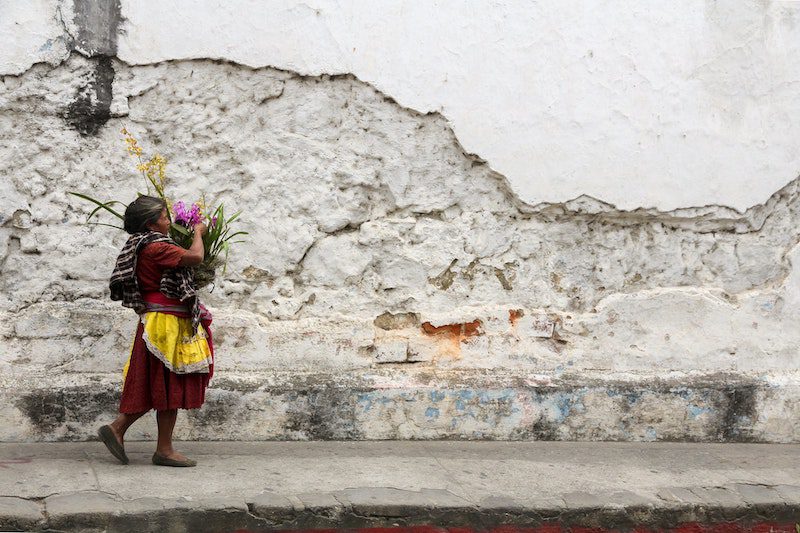
Human Trafficking: The Basics

More than 35% of the world’s population currently lives on less than $2.00 a day. There are “2.5 billion children, women and men are at risk of human trafficking.” Curaçao identified only three victims of trafficking in 2019 compared to 44 in 2018, indicating a backtrack in progress. The government of Curaçao can do more to identify and help victims of trafficking. Prosecution for traffickers is in place; however, without investigations to pinpoint perpetrators, few incidents reach prosecution.

Human trafficking is a form of modern-day slavery that uses force, coercion or fraud to exploit sex or labor from victims. The three most common types of human trafficking are sex trade, forced labor and domestic servitude. Any person is at risk of trafficking, yet women and children are disproportionately vulnerable to sex trafficking. In fact, “women and girls make up 80% of the people trafficked.”

How Trafficking Links to Poverty

Curaçao’s economy relies heavily on tourism, and therefore, faces fluctuations that explain the nation’s 25% poverty rate. This has become worse with the onset of COVID-19 and travel restrictions. This resulted in a 19.1% unemployment rate in 2020. Poverty is dangerous in itself and brings with it several threats to one’s safety and well-being.

Women and girls are the main targets of sex trafficking in Curaçao. According to the U.S. Department of State’s 2021 Trafficking in Persons Report, these female victims come from countries such as Venezuela, Curaçao and the Dominican Republic. “Bar owners recruit women and girls to work as waitresses or ‘trago girls,’ and subsequently, force them into commercial sex.” Individuals faced with poverty struggle to meet necessities, making them extremely vulnerable to human traffickers. Acknowledging poverty and its direct link to sex or labor trafficking vulnerability is the first step to dismantling it.

This Dutch Caribbean island, part of the Kingdom of the Netherlands, is on the Tier 2 Watchlist for human trafficking. This ranking shows that Curaçao is making efforts to alleviate human trafficking within its borders but is still not meeting the minimum standards of elimination. The primary reason for the country’s underperformance is a lack of funding since the implementation of its written plan would meet minimum standards. Curaçao’s government also lacks adequate protection, prosecution and prevention.

Trafficking affects locals and tourists in Curaçao. In 2019, displaced Venezuelans who were working illegally and overstaying their visas held a high risk of trafficking in Curaçao. The Kingdom of the Netherlands’ involvement is crucial for anti-trafficking efforts, which puts it in a position of leadership and funding. The Netherlands is responsible for foreign policy in Curaçao, Aruba and St. Maarten.

Combating Human Trafficking is a Global Effort

Countries should work together to fight human trafficking. Due to these crimes’ international occurrence, it is every country’s responsibility to do its part. Interpol, the global police organization, works exclusively to prevent international crime, making it a significant activist in the fight against trafficking.

Operation Libertad, coordinated by the Interpol Global Task Force on Human Trafficking, joined forces with 13 different countries, including Curaçao. It rescued nearly 350 victims of sexual and labor exploitation in 2018. Interpol exemplified how creating a platform is powerful. It has more than 500 participating police officers arresting traffickers. Efforts and projects like Operation Libertad are in progress around the world.

Other methods of improvement are underway, such as training and educational seminars. In 2021, the Dutch Caribbean Islands received training from the U.S. Department of Justice Human Trafficking Prosecution Unit, solidifying the communal cooperation to fight human trafficking. The Global Alliance Against Trafficking in Women (GAATW) pushes for legislation to combat trafficking with “more than 80 non-government organizations” and support from countries such as the Netherlands. Many more organizations exist and each plays an essential part in eliminating human trafficking in Curaçao.

Help End Human Trafficking in Curaçao

The U.S. Department of State gives 20 different ways one can help fight human trafficking. Human trafficking in Curaçao will improve with consistent efforts. Global efforts present a hopeful future for trafficking victims but stringent measures are the only ways to ensure such hope. Understanding human trafficking, its origin, prevention measures and progress are the first steps to becoming an advocate.

– Anna Montgomery
Photo: Flickr

November 28, 2021
https://borgenproject.org/wp-content/uploads/borgen-project-logo.svg 0 0 Jennifer Philipp https://borgenproject.org/wp-content/uploads/borgen-project-logo.svg Jennifer Philipp2021-11-28 01:30:272022-03-25 06:34:29Human Trafficking in Curaçao
Children, Global Poverty

Mental Health in Guatemala 

Mental Health in Guatemala 
Between 1960 and 1996, Guatemala faced a civil war between the government of Guatemala and several leftist rebel groups, resulting in many deaths due to the destructive violence. This caused many mental health conditions to arise among the people residing in the country. Unfortunately, violence and public security continue to be a concern in Guatemala, which is deteriorating Guatemalan mental health.

The Importance of Mental Health

The Centers for Disease Control and Prevention (CDC) defines mental health as one’s emotional, psychological and social well-being, which affects how one experiences and performs in daily life. To add, mental health can help determine how people cope with stress and make choices. Mental health has significant links to physical health because poor mental health can lead to diseases, such as diabetes, heart disease and stroke.

Guatemalans Facing Mental Health Disorders

More than 3,250,000 people in Guatemala could experience a mental health illness in their lifetime. However, unfortunately, many of them do not seek the help they require. In fact, one in four people between the ages of 18 and 65 have suffered or continue to suffer from a mental health disorder, but only 2.3% took the initiative to consult a psychiatrist to address their mental health issues.

Many people are reluctant to talk about their mental health due to a lack of knowledge on mental health in general and the stigma surrounding mental health in Guatemala. Furthermore, Guatemala’s poverty rate increased from 45.6% to 47% in 2020. As a result, Guatemalans are at greater risk of developing mental health disorders because they endure more poverty-related stress and face many economic difficulties in their daily lives. The limited mental health sources available to them are insufficient to help alleviate the stress that socioeconomic disadvantages cause.

In the United States, most health care providers do not cover expenses for mental health care. Interestingly, Guatemala does not have a universal health care system, let alone dedicated mental health legislation. As a result, Guatemalans have difficulty seeking help because the nation has “0.54 psychiatrists available per 100,000 inhabitants,” according to the American Psychological Association, and only five of these mental health specialists are located outside of the main cities. Guatemala is a low-income country that does not have the resources to make mental health data available to the public, which is why there are few studies and limited public data regarding this issue.

Poor Mental Health Among Guatemalan Children

A study conducted by Rosalba Company-Cordoba and Diego Gomez-Baya analyzes the mental health of children in Guatemala. Interestingly, 50% of Guatemala’s total population is younger than 18 years old, meaning Guatemala is home to a significantly large portion of young people. A child’s mental health is valuable because mental health can have positive or negative long-lasting effects on development.

Unfortunately, Guatemala’s high poverty rate has led to increased levels of violence because of desperation and dire living conditions. Exposure to violence showed significant effects on a child’s mental health, such as depression and anxiety. Although childhood poverty is prevalent in many areas of Guatemala, the quality of life showed little significance in the study. These symptoms were more common in adolescents than in children because adolescents are more aware of their surroundings and environment. On the other hand, children exposed to low violence from urban areas with educated parents described higher qualities of life.

Violence rates have continued to increase with assaults, shootings, threats and robberies, causing many children to fear going to school. Almost 60% of Guatemalan students would prefer not to go to school due to fears of violence. Many students and teachers have received threats and experienced robberies or know victims of violence. Guatemala remains one of the most impoverished countries with high rates of violence, which poses a higher risk of a child developing mental health disorders.

Living in these socioeconomic disadvantaged areas can sway children to join gangs because there are few other options. The previously mentioned study showed the association between greater parental education level and higher income with lower food insecurity. However, many children do not attend higher education schooling because they have to work to help their families afford household essentials. The number of children living in urban areas is increasing, which leads to more children in unsanitary conditions and a high cost of living. Almost all children attend primary school, however, the completion rate is 15%, which leads to low enrollment rates for secondary school.

Solutions for Mental Health in Guatemala

Many people have taken action to improve the state of mental health in Guatemala, especially for children. First, many citizens are taking to the streets to protest against the continuation of violence. The implementation of the International Commission Against Impunity (CICIG) resulted in reductions in homicide rates. For example, there were fewer homicides per 100,000 people each year. The CICIG provided Guatemala with $150 million in international support to help reform its justice system, but President Jimmy Morales thought this violated Guatemalan authority. As a result, he removed the CICIG mandate in 2019, causing setbacks in progress.

Next, people are beginning to seek support for their mental health in Guatemala due to more specialized centers offering psycho-emotional support services to the public, such as Federico Mora National Hospital for Mental Health, for a low cost. According to the American Psychological Association, Guatemala has about seven psychologists for every 100,000 people, which is a number that continues to increase.

Lastly, schools are playing roles in fighting against gang violence to ensure the safety of children in Guatemala and other countries. With support from UNICEF and the Ministry of Education, schools created a Peace and Coexistence Committee. The idea is to promote an environment where schools do not tolerate violence, as Theirworld reported. The schools are trying to lead by example and show their students that violence is not the answer, noting fewer disputes among students.

Guatemala is working toward a better future by spreading awareness about mental health and fighting violent trends.

– Kayla De Alba
Photo: Unsplash

November 27, 2021
https://borgenproject.org/wp-content/uploads/borgen-project-logo.svg 0 0 Jennifer Philipp https://borgenproject.org/wp-content/uploads/borgen-project-logo.svg Jennifer Philipp2021-11-27 07:30:162024-05-30 22:25:29Mental Health in Guatemala 
Children, Developing Countries, Development, Education, Global Poverty, Health

How Improving Financial Literacy Helps Reduce Poverty

Improving Financial Literacy
Financial literacy plays a significant role in reducing poverty and improving financial well-being. The low financial literacy rate in developing countries means cycles of poverty continue, often intergenerationally. However, improving financial literacy rates in developing countries through education can help create pathways out of poverty, improving the financial standing and economic stability of low-income individuals.

What is Financial Literacy?

The Asian Development Bank Institute defines financial literacy as “people’s understanding of financial concepts as well as their skills and ability to manage money and make informed financial decisions.” The financial literacy level of an individual typically influences their financial judgment and resulting actions. Thus, the stability of one’s finances is often dependent upon one’s financial literacy level.

Why Financial Literacy Matters

Financial literacy offers many benefits to a consumer regardless of their level of income. For example, if an individual is financially well-informed, the individual is less likely to make decisions that will harm their finances rather than improve them.

Furthermore, financial literacy encourages people to pay bills on time, increases preparedness for economic difficulties and allows people to avert significant debt. Those who are well-educated on financial concepts are also very likely to set aside savings and pass on financial knowledge to their children.

Poverty-stricken individuals may benefit the most from financial literacy as their economic standing makes them less likely to successfully recover from an economic setback without adequate financial knowledge. This makes smart financial decisions especially important for this population in order to proactively combat any avoidable financial crises. However, despite financial knowledge holding more significance for those with a lower economic status, individuals within this group are less likely to be financially literate.

Financial Literacy in Developing Countries

Financial illiteracy disproportionately affects impoverished developing nations, likely due to a lack of adequate education systems in many of these countries. Data indicates that just 54% of people residing in developing nations have the capability or knowledge to open a bank account and also lack access to banking institutions.

Indonesia provides an example of this concern as a developing nation where financial literacy is a scarcity, and therefore, stands as one of the main barriers to financial inclusion. Data from an Organization for Economic Cooperation and Development (OECD) study indicates that most Indonesians with a low socioeconomic status only have enough financial savings to last seven days in the case of an emergency.

Another example of a country with inadequate financial literacy is Zambia, where approximately half of the population does not utilize any financial services. A survey conducted in South Africa suggests that approximately 60% of respondents lack comprehension of important financial terms such as “interest.” From these statistics, it is apparent that financial literacy is insufficient in several developing countries.

Solutions

As developing nations strive for economic growth and financial products become increasingly complicated, it is imperative to equip people with the knowledge to make economic decisions that are in their best interests. Ultimately, a financially literate population will help stabilize economies in developing countries and contribute to reducing poverty.

The improvement of financial literacy in developing countries will require participation from policymakers, stakeholders, organizations and other important figures. Several of these actors are taking action to support financial literacy in developing nations.

For example, in Indonesia, the Indonesian tech company Tokopedia created the “Rabu Nabung” campaign in 2020, which translates to “Savings Wednesdays.” Purchasing mutual funds through Tokopedia on Wednesdays allows people to amass gift cards and even access cashback rewards for investing in gold. This campaign acts as an incentive for Indonesians to save their money and make investments, thus increasing both financial standing and financial literacy. A study by the University of Indonesia (UI) indicates that roughly “78% of all Tokopedia users surveyed said the program helped them understand the importance of investment.”

Other nations are taking action by implementing financial education programs that target groups with high rates of financial illiteracy. The Bank of Uganda created the second Strategy for Financial Literacy in Uganda 2019-2024, focusing on five major groups: women, the working class, youth, those that reside in rural areas and special interest groups. This program will give individuals a better understanding of savings, investments, managing their money and other important financial components.

Moving Forward

A person’s ability to understand and apply financial concepts plays a key role in their economic decisions. Financial literacy benefits the individual while contributing to long-term economic stability. Thus, improving financial literacy in developing nations is crucial to achieving growth in the financial sector. By enacting various programs and campaigns to empower individuals to make financially sound choices, developing nations should see economic advancement in the future.

– River Simpson
Photo: Unsplash

November 24, 2021
https://borgenproject.org/wp-content/uploads/borgen-project-logo.svg 0 0 Kim Thelwell https://borgenproject.org/wp-content/uploads/borgen-project-logo.svg Kim Thelwell2021-11-24 07:30:422024-05-30 22:25:27How Improving Financial Literacy Helps Reduce Poverty
Children, Developing Countries, Development, Education, Global Poverty, Health

COVID-19’s Impact on Sierra Leone

COVID-19's Impact on Sierra Leone
Sierra Leone is a nation in recovery. As with many countries throughout the globe, COVID-19 has left a lasting mark on the West African nation. In a June to October 2020 survey that Innovations for Poverty Action in Sierra Leone implemented, nearly 50% of respondents reported income reductions and about 60% of respondents reported depleting their savings to secure food for the household. However, in the wake of COVID-19’s impact on Sierra Leone, some sectors are regaining strength.

The After-Effects of COVID-19

Sierra Leone went into lockdown quickly in response to the initial outbreak of the novel coronavirus within its borders in March 2020, declaring a state of emergency prior to any confirmation of infection. Rapid policy changes followed, restricting travel and putting into place extensive testing programs which, coupled with a high level of social compliance, brought the infection and death rates to an early plateau. This impressive effort in containment came at a great economic cost, however, with the nation’s GDP contracting around 3.1% in 2020.

Revitalizing the Economy

Forecasts predict that Sierra Leone’s GDP will grow roughly 4% by the end of 2021, eclipsing the contraction of 2020, with further acceleration predictions in 2022. This projected growth links to a renewed demand for exports, particularly in the country’s mining sector.

World Bank experts state that sustaining this growth will require structural reform, strong monetary policy and a robust vaccination program, allowing businesses and employees alike to return to full-capacity operations both quickly and safely.

To that end, “the World Bank approved an $8.5 million grant” in June 2021 to further vaccination efforts in Sierra Leone, building upon an earlier $7.5 million monetary injection provided by the International Development Association in 2020 to shore up economic deficits resulting from COVID-19’s impact on Sierra Leone. Additionally, The Sierra Leone Central Bank announced a redenomination of the national currency in an effort to combat inflation. However, not all efforts for economic regrowth fall within the confines of the financial sector.

US Assistance

Sierra Leone saw a marked increase in poverty as a result of wage depression and job loss stemming from the pandemic, particularly in urban areas. The remediation of economic damages in these areas is an important step in breathing new life into the Sierra Leonean economy.

The Millennium Challenge Corporation (MCC), a U.S. government-funded agency dedicating efforts to international growth and development, is working to do just that. The MCC completed a $44.4 million project “to improve the water and electrical services in and around Freetown,” Sierra Leone’s capital and largest urban center, in March 2021. The MCC has recently begun talks with government representatives and the private sector to make further, larger investments in the nation’s growth in the form of an economic compact.

Further Help for Citizens in Need

In August 2021, the United Nations Development Programme (UNDP) announced a new program specifically focusing on aiding women and youth affected by COVID’s impact on Sierra Leone. The program will provide grants of $60,000 to $140,000 for distribution by NGOs to women and youth-operated businesses in both rural and urban areas that were forced to scale down or cease operations during the pandemic. The aim is to bring these businesses back into the marketplace and stimulate the local economy. These efforts work in concert with Sierra Leone’s internal efforts to help the nation get back onto its feet in the post-pandemic environment.

Mining Sector Leads Growth

With a return to pre-pandemic GDP levels in sight, Sierra Leone hopes to continue growth in 2022. Forecasts predict the nation’s GDP to grow by as much as 5% by 2022, outpacing its sub-Saharan neighbors, which could grow to 1% to 2% less over the same period. The country’s mining sector is a strong driver of the national economy accounting for 3% of national employment in 2018 as well as “65% of export earnings.” The mining sector is on track for a 34% overall increase, led by a predicted 850% increase in demand for iron ore over 2020.

With such a major market component leading the way, other economic areas may expect revitalization as well. In the agricultural sector, employing about two-thirds of Sierra Leone’s workforce, the government encourages mining companies’ investment in communities local to their operations, furthering citizens’ access to food as well as gainful employment. Predictions estimate that the domestic construction and energy industries, both with close links to mining infrastructure, may see growth as well. This combined push for economic renewal assures better days to come for the sub-Saharan nation.

A Bright Future Ahead

Through ongoing foreign support and careful economic measures, Sierra Leone hopes to breathe new life into industries ravaged by COVID-19. With a renewed encouragement of domestic business, the nation looks to bring its citizens forward into a thriving economy and a safer, healthier society. The culmination of these efforts is proving clear less than two years after the nation’s first lockdown with a strong reemergence from the trials of COVID-19’s impact on Sierra Leone, promising a brighter tomorrow for the Sierra Leonean people.

– Alexander Diaz
Photo: Wikipedia Commons

November 23, 2021
https://borgenproject.org/wp-content/uploads/borgen-project-logo.svg 0 0 Jennifer Philipp https://borgenproject.org/wp-content/uploads/borgen-project-logo.svg Jennifer Philipp2021-11-23 07:30:322024-05-30 22:25:23COVID-19’s Impact on Sierra Leone
Children, Developing Countries, Development, Education, Global Poverty, Health

Global Supply Chain Issues in the Developing World

developing world
More than half of the global population has received at least one dose of the COVID-19 vaccine. The world is slowly recovering from the devastating effects of the virus. However, a serious post-pandemic symptom has emerged: the global supply chain is struggling. While the supply chain affects the whole planet, there is ample evidence of how global supply chain issues are burdening the developing world.

COVID-19 Measures Slow Down the Supply Chain

COVID-19 prevention measures across the globe have shut down processing plants and restricted transportation. They have included export bans or tight quotas to control supplies and prevent the spread of the virus. These measures have all contributed to disruptions in the global supply chain, which have impacted the developing world in a number of ways. Here are a few examples:

  1. Price volatility puts certain countries in jeopardy. Export bans and other restrictions cause prices to spike and drop unpredictably. That is creating price instability in countries that depend heavily on imports. For example, small pacific islands, such as Kiribati, that rely on imports but had grounded all flights have seen the cost of rice increase by 50%.
  2. There is massive food insecurity in the developing world. As Time reported, the World Food Program (WFP) estimated that the number of people who will starve has effectively doubled due to the pandemic. However, evidence suggests that there is not really a food shortage. Instead, transportation restrictions and protectionist trade policies are disrupting the flow of foods such as wheat and rice. Therefore, there may not be a food shortage problem but rather a food access problem.
  3. Humanitarian agencies have also warned of how global supply chain issues are burdening the developing world. They have expressed concerns that disruptions in the global supply chain may affect their abilities to provide commercial aid to developing countries in need. These agencies and nonprofit groups have experienced trouble acquiring necessary inventory and transporting that inventory to target nations. However, such hardship has not gone unnoticed. The IMF recently issued $650 billion in emergency currency reserves. In addition, it urged developed nations to use this money toward developing nations.
  4. There is also a cyclical relationship between global supply chains and poverty. Global supply chain issues exacerbate poverty and deepen inequality. However, the same poverty begets more disorder in the supply chain. For instance, if unable to profit from crop production, younger generations are likely to abandon traditional farming methods, threatening the smooth flow of the supply chain altogether.

Potential Benefits

Supply chain issues have not entirely punished developing nations. Some developing countries are benefitting, as the prices of their exports continue to skyrocket. For example, major oil exporters in the Middle East have benefitted from rising oil prices, according to The New York Times.

Leaders Look to the Future

Post-pandemic growth can be slow. However, government and private sector world leaders are actively working to speed it up. On October 31, 2021, international leaders met to discuss ways that they could improve the supply chain and make it more resilient in the future.

U.S. President Joe Biden urged for fair labor conditions, the end of trade restrictions and communication.“Now that we have seen how vulnerable these lines of global commerce can be, we cannot go back to business as usual,” the President told Reuters.

– Richard J. Vieira
Photo: Flickr

November 23, 2021
https://borgenproject.org/wp-content/uploads/borgen-project-logo.svg 0 0 Jennifer Philipp https://borgenproject.org/wp-content/uploads/borgen-project-logo.svg Jennifer Philipp2021-11-23 07:30:252021-11-22 10:46:06Global Supply Chain Issues in the Developing World
Children, Developing Countries, Development, Education, Global Poverty, Health

The “Great Green Wall” Refugee Camp in Cameroon

Great Green Wall
Refugees in Northern Cameroon have “planted 360,000 seedlings” since 2018 to combat desertification in the Minawao refugee camp. The refugees grew the “Great Green Wall” with help from their host communities, the U.N. and the Lutheran World Federation (LWF). The Dutch Postcode Lottery funded the project with $2.7 million as part of an initiative to plant a continent-wide, 8,000-kilometer barrier of trees to prevent desertification, land degradation and drought. The Great Green Wall now provides ample shade to refugee families in Minawao, allowing them to grow crops and support themselves with a sustainable food supply.

Education and Execution

The Great Green Wall project began with educating the refugees in Minawao on how to plant seedlings using “cocoon technology,” which Land Life Company developed to protect seedlings against harsh environments. Cocoon technology functions by burying water tanks made of recycled cartons in donut shapes around plants’ roots. As a result, the plants have steady access to water, which the plants receive through a string that connects to the water tank. Knowledge of how to plant and sustain seedlings allowed the refugees in Minawao to plant trees in the area without relying too heavily on outside coordinators for help. With the assistance of LWF and the United Nations, the Cameroonian refugees were able to plant a thriving forest to support crops and life in an area that was once bare and dry.

The Wall’s Impact

More than 70,000 refugees have fled to Minawao since 2014 to escape violence from the militant group, Boko Haram, in Nigeria. When the large groups of refugees first arrived in Minawao, the area’s desertification worsened, largely because refugees cut down the few remaining trees in order to survive. The Great Green Wall project committed to addressing deforestation, desertification and land degradation in the area by planting more than 100 hectares, the equivalent of 250 football fields, of trees. Trees from the Great Green Wall project now provide shade, improve soil quality and attract water, all of which improve the quality of life for the refugees living in Minawao.

Development and Sustainability

The next step in the Great Green Wall project is to expand upon its growth and sustainability. The U.N. and LWF are working together to address challenges that arise, in part through reforestation and raising awareness about how the project and planting processes work. LWF has also created a strategy to promote more sustainable energy sources, including eco-friendly briquettes. Briquettes are energy-efficient and pollution-reducing alternatives to firewood. Many women have found new sources of income because of the eco-friendly charcoal, which they sell to refugees and surrounding communities.

The Great Green Wall project is still in progress, but so far, it has provided better living conditions to thousands of refugees in Minawao, Cameroon. Other countries may look to the project as an example of the benefits that arise from addressing desertification in refugee camps. Sustainable reforestation does not only benefit the environment — it can transform communities, offer economic opportunities and improve quality of life.

– Cleo Hudson
Photo: Flickr

November 23, 2021
https://borgenproject.org/wp-content/uploads/borgen-project-logo.svg 0 0 Kim Thelwell https://borgenproject.org/wp-content/uploads/borgen-project-logo.svg Kim Thelwell2021-11-23 01:30:362021-11-19 14:24:13The “Great Green Wall” Refugee Camp in Cameroon
Page 39 of 137«‹3738394041›»

Get Smarter

  • Global Poverty 101
  • Global Poverty… The Good News
  • Global Poverty & U.S. Jobs
  • Global Poverty and National Security
  • Innovative Solutions to Poverty
  • Global Poverty & Aid FAQ’s
Search Search

Take Action

  • Call Congress
  • Email Congress
  • Donate
  • 30 Ways to Help
  • Volunteer Ops
  • Internships
  • Courses & Certificates
  • The Podcast
Borgen Project

“The Borgen Project is an incredible nonprofit organization that is addressing poverty and hunger and working towards ending them.”

-The Huffington Post

Inside The Borgen Project

  • Contact
  • About
  • Financials
  • President
  • Board of Directors
  • Board of Advisors

International Links

  • UK Email Parliament
  • UK Donate
  • Canada Email Parliament

Get Smarter

  • Global Poverty 101
  • Global Poverty… The Good News
  • Global Poverty & U.S. Jobs
  • Global Poverty and National Security
  • Innovative Solutions to Poverty
  • Global Poverty & Aid FAQ’s

Ways to Help

  • Call Congress
  • Email Congress
  • Donate
  • 30 Ways to Help
  • Volunteer Ops
  • Internships
  • Courses & Certificates
  • The Podcast
Scroll to top Scroll to top Scroll to top