• Link to X
  • Link to Facebook
  • Link to Instagram
  • Link to TikTok
  • Link to Youtube
  • About
    • About Us
      • President
      • Board of Directors
      • Board of Advisors
      • Financials
      • Our Methodology
      • Success Tracker
      • Contact
  • Act Now
    • 30 Ways to Help
      • Email Congress
      • Call Congress
      • Volunteer
      • Courses & Certificates
      • Be a Donor
    • Internships
      • In-Office Internships
      • Remote Internships
    • Legislation
      • Politics 101
  • The Blog
  • The Podcast
  • Magazine
  • Donate
  • Click to open the search input field Click to open the search input field Search
  • Menu Menu

Archive for category: Children

Information and stories addressing children.

Children, Developing Countries, Development, Education, Global Poverty, Health

How NFTs can Fight Poverty

NFTs Can Fight Poverty
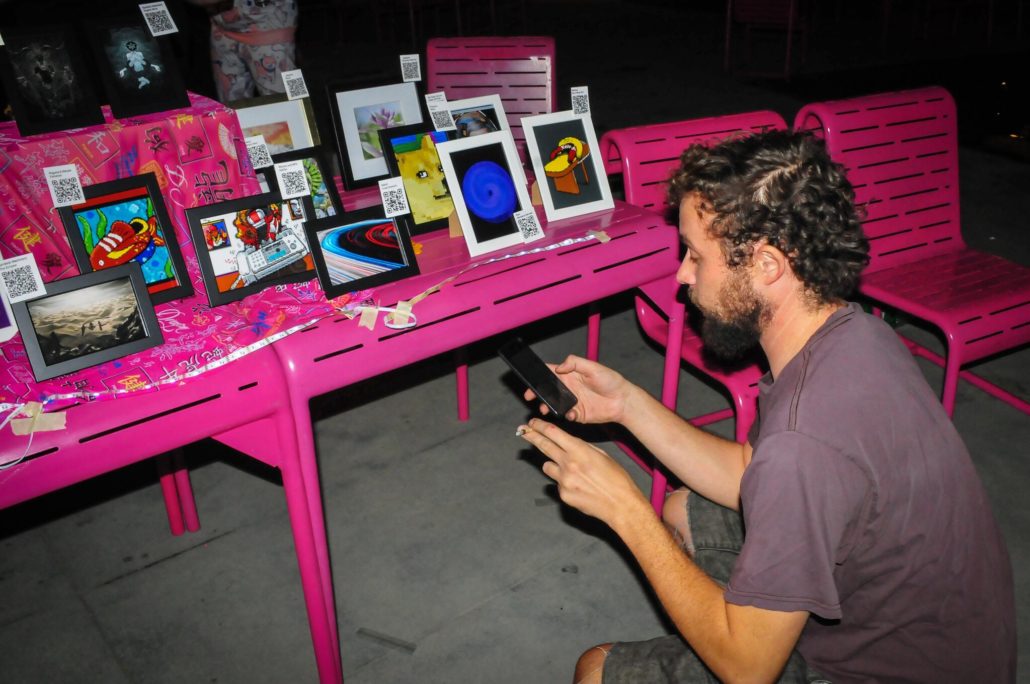
NFTs, or non-fungible tokens, have taken the world by storm as an efficient way to invest and make a profit. In contrast to the also widely known cryptocurrencies such as bitcoin, each NFT is one of a kind, with unique pre-installed code and data. NFTs are not in typical commercial transactions. They are more like art pieces that people can sell, trade or buy. Since bidders and buyers use crypto graphics as displays of wealth and to represent property rights, it might be surprising to think that NFTs can fight poverty.

Twitter CEO Jack Dorsey sold his very first tweet as an NFT for $2.9 million with the intention of donating the sum to GiveDirectly, a charity that supplies cash to various communities in extreme poverty around the world. Pioneering this wonderful use of the NFT, Dorsey conveyed his profits to the Africa Relief Charity through GiveDirectly in March 2021.

What is GiveDirectly?

Paul Niehaus, Rohit Wanchoo, Jeremy Shapiro and Michael Faye founded GiveDirectly in 2008. As the name might suggest, this organization provides direct money transfers to families in need worldwide, especially in African countries.

GiveDirectly operates in Uganda, Kenya, Rwanda, Liberia, Malawi, Morocco, Mozambique, DRC, Togo and the U.S. So far, this program has distributed millions of dollars to 20,000 people within 197 villages and surveyed an extra 100 villages to act as a control group for research purposes.

On top of one-time donations, the charity offers various useful programs and opportunities. One of GiveDirectly’s most beneficial schemes is its Universal Basic Income program, through which willing donors may donate $1 per day per individual.

Donors have the option of supporting one individual, three individuals, 10 people or an entire village. Some recipients will collect ongoing payments for 12 years, making this a great giving opportunity for those who have just scored big with an NFT jackpot.

NFTs, Millennials and Charity

Most, if not all of the time, NFTs sell for large sums of money, leaving the seller with an instant and enormous growth in their wealth. NFTs typically range in price from almost millions to millions of dollars. According to Morning Consult, millennials are the generation most involved in collecting and selling NFTs; a shocking 23% of those involved in NFTs were millennials.

Additionally, millennials suffered the most financially from the COVID-19 pandemic because they also experienced the 2001 recession and the Great Recession. Between the Great Recession and the recession that the pandemic caused, millennials are no stranger to money shortages. They are either on an ongoing job hunt, just lost their job or are unlikely to see a raise. Consequently, it is no surprise millennials swiftly took advantage of the NFT money-making format.

Urging NFT sellers to give to reliable charities like GiveDirectly is thus one avenue through which NFTs could have a significant impact on global poverty. An increasing amount of millennials are telling miraculous rags to riches stories, similar to the stories of the most charitable celebrities and millionaires.

Since competitive bidding systems determine NFTs costs, it is easy to wait for an NFT to reach an exorbitant price. Mike Winklemann sold the most expensive NFT for $69 million. The craziest bids amount to sums the average millennial may never see in their entire lifespan.

Celebrities who come from humble beginnings are the ones who donate the most, most notably Brad Pitt and Kanye West. With this empathy toward the experience of living in a state of prolonged scarcity and uncertainty, along with Jack Dorsey and his sold tweet’s respectable example, more and more NFT sellers may use their gains to aid in fighting poverty.

How NFTs Can Fight Global Poverty

A rapidly increasing number of millennials and zoomers are gaining a keen interest in NFTs, so it is valuable to have conversations with peers about what the funds could go towards, such as charitable endeavors. The young populace in the United States should know that NFTs can help in the fight against poverty.

– Fidelia Gavrilenko
Photo: Flickr

January 19, 2022
https://borgenproject.org/wp-content/uploads/borgen-project-logo.svg 0 0 Jennifer Philipp https://borgenproject.org/wp-content/uploads/borgen-project-logo.svg Jennifer Philipp2022-01-19 07:30:352024-06-04 01:18:03How NFTs can Fight Poverty
Children, Developing Countries, Development, Education, Global Poverty, Health

Child Displacement in Developing Countries

Child Displacement
Child displacement impacts children across all sectors and nations. As of 2020, more than 33 million children are living in forced displacement. This includes 11.8 million child refugees, 1.3 million asylum-seeking children, 20.4 million children displaced within their own country and 2.9 million children living in internal displacement as a result of natural disasters. Here is some information about child displacement in developing nations.

The Types of Child Displacement

A few types of child displacement exist. These include:

  • Internal Displacement: According to the Guiding Principles on Internal Displacement, the definition of an internally displaced individual is “persons or groups of persons who have been forced or obliged to flee or to leave their homes or places of habitual residence, in particular as a result of or in order to avoid the effects of armed conflict, situations of generalized violence, violations of human rights or natural or human-made disasters and who have not crossed an internationally recognized border.”
  • Displacement on a Large Scale: An example of this is the Palestinian exodus in 1948 which resulted in the displacement of more than 750,000 people.
  • Separation From Family: This type of displacement uniquely relates to children in developing nations. When children are working away from family, they are susceptible to kidnapping, human trafficking and violence. For example, there are 10.1 million child laborers in India and one child is declared missing every 8 minutes.

Cognitive Harm

A study that Child Development published tested executive functions, which are the higher-order cognitive skills needed for decision making and complex thought, among Syrian refugees. The study found that the burden of house poverty affected displaced children’s working memory. This has a long-term impact on the ability to succeed in school and make correct decisions. These findings align and have a serious impact on the refugee crisis in Syria where 45% of Syrian refugees are children with more than a third without access to education.

Child Labor and Violence

Children comprise 25% of all human trafficking victims and are at higher risk for forced labor. After displacement, they can experience separation from family and traffickers can force them to work in fields such as agriculture, domestic services or factories. To date, an estimated 168 million children are in forced labor and more than 50% complete dangerous work.

Children who do not have access to safe and regular migration pathways often turn to irregular and dangerous routes, which further puts them at risk for violence and exploitation. According to the U.N., “around 1,600 migrant children between 2016 and 2018 were reported dead or missing, an average of almost one a day.”

A Lack of Data on Child Displacement

There is simply not enough data on child displacement which translates to inadequate information on the causes and long-term effects. For example, only 20% of countries with data on conflict-related internally displaced persons (IDP) break the statistics down by age.

Data disaggregation by age, sex and origin are essential as it will inform policymakers in the regions most directly impacted by child displacement on how severe the issue is. This will allow them to begin to construct resources to support all children. For example, children who cross borders may not receive services such as education and health care because the statistics regarding how many children are out of school and the long-lasting impact on child displacement are insufficient.

The Global Refugee Compact

In December 2018, the U.N. General Assembly adopted the Global Refugee Compact. This is an international agreement amongst nonprofits, the private sector and international organizations to provide objectives to better include refugees in national systems, societies and economies and provide equal opportunity for them to contribute to communities. Through updated guidelines, the U.N. and partner organizations can craft effective modern solutions.

One of the unique features is the digital platform where partners and practitioners can share effective techniques, or Good Practices, to allow others to implement them in another location. The platform also builds a repository of overcoming humanitarian crises through good work that can be studied and implemented across a multitude of sectors.

There are various good practices targeting child displacement shared on the platform. For example, The BrightBox Initiative by the Simbi Foundation began in Uganda in July 2019 with the goal “to enhance access to education for students in UNHCR refugee settlements.” It transforms shipping containers into solar-powered classrooms to“provide access to literacy resources for a community of 6,000 simultaneous learners.” These types of resources are essential as Uganda hosts the largest number of refugees in Africa at about 1.5 million. Additionally, 60% of them are children.

Child displacement across the world exists for various humanitarian issues all rooted in poverty and are detrimental to the well-being of the world’s most vulnerable population. However, through large-scale global action, the world can address the causes of child displacement and begin crafting effective solutions.

– Imaan Chaudry
Photo: Flickr

January 17, 2022
https://borgenproject.org/wp-content/uploads/borgen-project-logo.svg 0 0 Kim Thelwell https://borgenproject.org/wp-content/uploads/borgen-project-logo.svg Kim Thelwell2022-01-17 01:30:002024-06-07 05:08:16Child Displacement in Developing Countries
Children, Developing Countries, Development, Education, Global Poverty, Health

Let Our Girls Succeed Program in Kenya

Let Our Girls Succeed
As Kenya moves closer to its goal of becoming an upper-middle-income country, many girls still lack educational opportunities, leading to gender disparities as the country develops. Girls living in urban slums and “arid and semi-arid lands” (ASALs) are particularly at risk of poverty. To address these issues, U.K. Aid developed a program, which will run from May 2017 to March 2023, called Wasichana Wetu Wafaulu, Swahili for “let our girls succeed,” as part of the Girls’ Education Challenge.

The Let Our Girls Succeed Program

The Education Development Trust has implemented the Let Our Girls Succeed program in “eight counties in [ASALs] and urban slums” in Kenya. The program targets 72,000 marginalized primary school girls, providing assistance for them to finish their current level of education with optimal outcomes and advance to the next phase of learning. The program builds on the original Wasichana Wote Wasome program, meaning “let all girls learn,” which began in 2013. The Let All Girls Learn program aimed to improve “enrolment, retention, attendance and learning.” Overall, the Let All Girls Learn program saw success, benefiting 88,921 girls.

Program Methodologies

The program uses several methods to help girls succeed:

  • Let Our Girls Succeed Considers Girls in All Contexts: The program addresses the needs of girls on an individual level as well as the needs of the girl in her household, in her school and within the community. Intervention at each of these levels allows for “a holistic approach” to confront issues acting as barriers to the girl’s success.
  • In-School Coaching for Teachers: The average primary school class size in Kenya is around 40 pupils. With this large class size, it is imperative that Education Development Trust offers gender-sensitive training to teachers so that they can teach in a way that supports girls, ensuring they feel comfortable and confident enough to return to class. As such, “more than 2,300” educators have received training on improved methodology and models, including gender inclusivity skills.
  • The Deployment of Community Health Workers to the Girls’ Homes: The Ministry of Health sends community health workers to households to talk to girls and their families about the importance of school. From 2013-2017, these workers made more than 15,000 visits to homes, leading to a rising rate of girls’ enrollment. In 2020, during the school closures due to COVID-19, community health workers were “the only education point of contact” for most marginalized girls in Kenya.
  • Community Education and Involvement: The program appeals to community leaders by seeking their involvement in girls’ education. The previous project saw success in this regard. At the beginning of the Let All Girls Learn project, 43% of community leaders did not agree that “vulnerable girls in [the] community should attend school.” At the end of the project, only 16% disagreed.
  • Implementing Catch-Up Centers: The centers allow girls who have dropped out of school to come back and catch up to their classmates. Rasol dropped out of school due to pregnancy but is now attending the catch-up center so she can re-enroll in primary school. The center focuses on girls aged 10-15 mostly. Typically, girls spend between six and 12 months in catch-up centers. By 2019, the center saw more than 650 girls attending these classes.
  • Cash Transfer Program Aids Underserved Households: More than 3,200 “households have received monthly cash transfers” to allow households to secure their basic needs and fund the costs of girls’ education.
  • Alternative Pathways: Let Our Girls Succeed pushes girls to attend secondary school or TVET (technical and vocational education and training) after primary school. Fatuma and her sister finished primary school in 2018, both with the prospect of attending secondary school. However, Fatuma’s parents could only afford the cost of one girl’s education. Fatuma’s sister attended secondary school and Fatuma chose to attend a TVET center to complete a dressmaking course. However, her parents still could not afford these costs. The program gave her a bursary for this course as well as “a start-up kit to enable her to start a business.” The program has given bursaries to more than 3,700 girls for secondary school and vocational training.

Looking Ahead

The Let our Girls Succeed program plays a crucial role in providing a pathway for marginalized girls in Kenya to gain an education so that they can lift themselves out of poverty. With an education, girls are more likely to have access to higher-paying jobs, gaining the ability to support themselves and their families.

– Amy Helmendach
Photo: Flickr

January 16, 2022
https://borgenproject.org/wp-content/uploads/borgen-project-logo.svg 0 0 Kim Thelwell https://borgenproject.org/wp-content/uploads/borgen-project-logo.svg Kim Thelwell2022-01-16 01:30:112024-12-13 18:02:38Let Our Girls Succeed Program in Kenya
Children, Global Poverty

Tackling Childhood Cancer in LMICs

Childhood Cancer
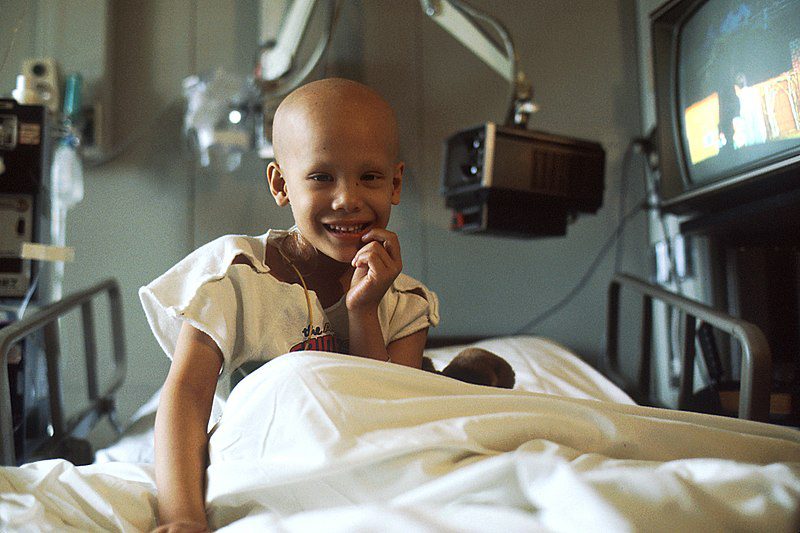
Cancer is a disease that has gripped the nation for decades. Given its aggressive nature and ability to target anyone, the illness has earned significant public attention and resources. In the United States alone, approximately 10,500 children aged 15 or younger were diagnosed with cancer in 2021. Thankfully, the survival rate for children diagnosed with cancer in the U.S. is about 80%. Yet in low- and medium-income countries (LMIC), where this disease is even more prominent, the survival rate is less than 30%. That is why the World Health Organization (WHO) and St. Jude Research Hospital are teaming up to target LMIC with high childhood cancer rates and poor access to cancer medication.

Moreover, pediatric cancer has substantially increased since the 1970s. Since 1975, the cancer rate in children under 19 has increased by 27%. Less mentioned is that 85%-90% of childhood cancer cases occur in LMIC countries that possess less than 5% of the world’s resources.

St. Jude Research Hospital and WHO Partnership

On December 13, 2021, WHO and St. Jude announced the Global Platform for Access to Childhood Cancer Medicines, their partnership to fight cancer in LMICs. St. Jude is a research center and hospital that seeks cures and prevention for diseases that target children. The team pledged $200 million for use between 2022 and 2027. The two-year pilot phase will target 12 countries and after that, the program will expand to 50 LMICs. In addition to aiding countries in need obtain cancer medication, this process includes consolidating and shaping global markets, setting new treatment standards and improving the information systems used to track innovations. While St. Jude and WHO have not yet selected the countries, all will be countries with high rates of childhood cancers and limited access to available treatments.

Program Launch to Raise Awareness

WHO has used this program to shed light on the difficulties that developing countries face when addressing the health of young children. A WHO Noncommunicable Disease Country Capacity survey published in 2020 reported that of all low-income countries, only 29% reported availability of cancer medications within their populations. Contrastingly, 96% of developed countries attested to having consistent and reliable access to cancer treatments.

A Symbol of Hope

The next few years will serve as a pilot period for testing the new program and its distribution methods on a global scale. Childhood cancer rates require a diligent focus given the widespread nature of the disease. Nevertheless, St. Jude Research Hospital and WHO are making history through their dedicated partnership addressing global health needs. The wide scale of the program, although it still has a long way to go, presents significant hope in the long battle against childhood cancer in developing countries.

– Chloé D’Hers
Photo: Wikipedia Commons

January 13, 2022
https://borgenproject.org/wp-content/uploads/borgen-project-logo.svg 0 0 Jennifer Philipp https://borgenproject.org/wp-content/uploads/borgen-project-logo.svg Jennifer Philipp2022-01-13 07:56:132022-01-15 06:29:17Tackling Childhood Cancer in LMICs
Children, Developing Countries, Development, Education, Global Poverty, Health

Creating Solar Farms on Brownfields

solar farms on brownfields
Brownfields are areas of land that are vacant due to contamination. In recent years, solar firms have built hundreds of solar farms on brownfields to utilize the empty space. Brownfields are often located near low-income communities that lack affordable access to power. Installing solar farms on brownfields promotes environmental sustainability and can provide cheap, clean power access to local communities.

Jobs and Access to Power

Building solar farms on brownfields can create jobs and transform abandoned land into an economic and environmental asset for low-income communities. Both site owners and local communities have saved millions in energy costs from transforming brownfields into hotspots of renewable energy, according to the United States Environmental Protection Agency. Affordable access to electricity can help alleviate “energy poverty” in low-income communities that surround brownfields. Energy poverty is the phenomenon in which people experiencing poverty have the least access to power. Therefore, they are more likely to remain impoverished, according to the World Bank. Installing solar farms in brownfields could help provide electricity to the 1.1 billion people worldwide who lack access to it. Transforming brownfields into solar farms is a sustainable method of providing affordable energy to low-income communities.

Land Reuse and Protection

Installing solar farms on brownfields often involves land restoration, reuse and protection, which all serve nearby communities. For example, solar panels can sit atop a landfill without digging into the ground and damaging the land’s foundation, creating unwanted pathways for stormwater or puncturing the top of the landfill. Solar panels can also have a design that complements the pre-existing materials on the brownfield, like mill tailings, without further damaging or contaminating the land. Additionally, solar firms often avoid disrupting the soil as much as they can by mindfully designing, installing and operating their solar farms. Transforming brownfields into solar farms is a non-disruptive, and often even protective, method of utilizing vacant land while simultaneously providing clean, affordable energy to low-income communities.

Benefits of Sustainable Energy

Brownfields can offer solar power as a main source of energy to low-income communities, and renewable energy has a variety of social benefits. For one, renewable energy can be less expensive than non-renewable energy, especially when it comes from a local source. It can also minimize low-income families’ reliance on public utilities to provide them with energy. Solar energy is a reliable source of power that essentially will not run out. Renewable energy also reduces pollution, which creates a healthier environment, especially in places with brownfields and ample contamination. A healthier environment can often lead to a healthier population, both mentally and physically. Additionally, solar farms require people to build, operate and maintain the equipment. Therefore, building solar farms on brownfields can employ people in surrounding communities and help them support their families while also preserving the environment.

Creating solar farms out of brownfields has social, economic and environmental benefits. Countries around the world can utilize vacant, contaminated land to preserve the environment and help lift low-income communities out of poverty. Turning brownfields into “brightfields” could be the next great step in reducing energy poverty.

– Cleo Hudson
Photo: Flickr

January 13, 2022
https://borgenproject.org/wp-content/uploads/borgen-project-logo.svg 0 0 Jennifer Philipp https://borgenproject.org/wp-content/uploads/borgen-project-logo.svg Jennifer Philipp2022-01-13 01:30:492024-05-30 22:25:38Creating Solar Farms on Brownfields
Children, Developing Countries, Development, Education, Global Poverty

Decreasing Poverty by Improving Education in Peru

improving Education in PeruPeru is a South American country rich in history and beauty with famous historical places such as the ancient ruins of Machu Picchu. However, poverty is also very high, standing at 20.2% in 2019, and greatly stems from the poor education system in the country, which impacts economic growth and development in Peru. The Economics Review explains that, by improving education in Peru, the nation will see “improvements in human capital, enhancements in labor productivity and upsurges in economic diversity and growth.” On top of a poor quality education system, the onset of the COVID-19 pandemic led to disproportionate impacts on the education of low-income Peruvians due to widespread school closures and barriers to remote learning. These barriers can lead to further long-term inequality “in a region already among the most unequal in the world.” Fortunately, organizations are taking action aimed at improving education in Peru.
Barriers to Education in Peru

In 2020, 83.7% of youth in urban parts of Peru had access to high school in comparison to 66.4% of youth in rural areas. The nation’s “main barriers toward high-quality education are poor infrastructure, inadequate learning materials, outdated curricula and a lack of well-trained teachers.” When the COVID-19 pandemic began in Peru, nationwide school closures led to an abrupt halt in education for young Peruvians.

Remote learning came as a possible solution for the continuation of education in many countries. However, in developing countries like Peru, due to a lack of resources such as computers and high-speed internet, many students in rural areas are unable to participate in remote learning. When students are unable to participate in education, they become more vulnerable to both child labor and child marriage as well as early pregnancy. In the long run, these circumstances simply serve to continue the cycles of poverty.

Creating Change

In June 2021, the World Bank granted “a $350 million loan to support the development of social, health and education policies that will contribute to promoting human capital accumulation” and help decrease poverty in Peru. The loan forms part of  “a broad portfolio of World Bank projects with the Peruvian government” that aims to “strengthen investment in human capital and increase the population’s resilience to external shocks.” In terms of education specifically, the objective is to ensure that children participate in school and “receive a quality education” from skilled educators.

“Managing the delivery of quality education for all children” in Peru “is a highly complex operation,” according to the World Bank. Communication and cooperation between government structures on all levels are necessary to ensure that resources and staff reach schools in a timely manner and “in the right numbers.”

Even though COVID-19 heavily impacts the education system of Peru, policy changes and funding from the World Bank seek to provide the necessary resources and reforms for students to access quality education. As a proven pathway out of poverty, quality education will help individuals break cycles of poverty and will also help ignite economic growth in the country overall.

– Robert Moncayo
Photo: Flickr

January 13, 2022
https://borgenproject.org/wp-content/uploads/borgen-project-logo.svg 0 0 Kim Thelwell https://borgenproject.org/wp-content/uploads/borgen-project-logo.svg Kim Thelwell2022-01-13 01:30:402022-01-20 07:09:10Decreasing Poverty by Improving Education in Peru
Child Poverty, Global Poverty

The Arab Spring: Addressing Poverty in Sudan

Arab Spring
The term “Arab Spring” characterized a series of upheavals across the Middle East and North African regions (MENA) in which a surge of citizens defied their authoritarian governments. It all started in Tunisia in 2010 when a man set himself on fire in a demonstration against police corruption. Sudan joined the anti-oppression movement in an effort to eradicate oppression and poverty in Sudan soon after. Now, a decade and a new government later, the country finds itself in an ideal position to begin seriously addressing poverty in Sudan.

A Tragic History

For many years, the Sudanese have suffered the brutal dictatorship of an authoritarian regime. In 2003, Sudan People’s Liberation Army (SPLA) and the Justice and Equality Movement (JEM) took up arms against their government in Darfur. These groups launched attacks against government facilities and army facilities in an attempt to obtain more financial and democratic power for the citizens. The subsequent conflict became known as the Darfur Genocide.

Both Sudan’s government, headed by President Omar al-Bashir, and the movements that opposed it were non-Arab. This conflict led to the deaths of around 15,000 people and the uprooting of millions of citizens. Bashir created a country dichotomized into Arabs and Africans, as opposed to a country that acted as a home for all Sudanese people. These conditions laid the foundation for the Bashir administration’s oppression of the Sudanese people. In 2011, the stage was set for the Arab Spring in Sudan. As a result of these protests, violence erupted. Throughout, Bashir retained his presidency.

Economic Challenges

Poverty in Sudan and socioeconomic woes increased following July 2011, when South Sudan gained independence from Sudan after Africa’s longest-running civil war. Considering most oil fields prospered in the south of the country, the most significant price Sudan paid was the loss of oil profits. As a result, Sudan’s inflation went rampant, provoking major upset among the Sudanese. The younger generations found it exceptionally challenging to find a job. Instead of addressing these issues, Sudan used most of its resources for military purposes. Additionally, a drought worsened Sudan’s already restrictive agricultural policies.

The failure of the industrial labor market caused unemployment and poverty to spread. The absence of economic opportunity prompted Bashir to eradicate nearly all civil society organizations. As a result, human rights and labor units shut down. Conjointly, due to Bashir’s Islamic leadership, women experienced extreme restraints. Indeed, Sudanese people experienced their basic rights stripped from them and those they loved, leaving them with exceptionally limited freedom.

Poverty in Sudan prevailed when bread, a basic food, became unaffordable. Violence and economic struggles contributed greatly to the oppression of the Sudanese people. However, the loss of affordable access to the most basic aspect of life, food, triggered the people to rise up and demand change.

New National Solidarity

One catalyst driving the protests was the desegregation of the different factions of Sudan. New national solidarity arose in recent years with the hope of ending Bashir’s rule. It was no longer Arabs verse the Africans. One example illustrating this was the chants throughout the northern and southern parts of Sudan beginning in late 2018. Multi-ethnic protestors chanted “we are all Darfur” while Darfur’s protestors chanted “we are all Khartoum,” demonstrating solidarity across the different religions and ethnicities of Sudan.

As the protests gained momentum, many more joined in hopes of replacing the regime with a government that could recover some of the economic loss. Public opposition groups played a key role in even the poorest communities. This ensured that everyone’s voices were on display despite their economic status. Women also took to the streets to protest the mistreatment they had experienced over the years, proving that all segments of Sudanese society engaged and committed themselves to the revolution.

A Successful Revolution

Sudanese citizens again requested Bashir to resign, but he refused. The government reacted violently, murdering a number of protestors. This only served to further outrage and inspire demonstrators around the country. Finally, the opposition assembled peacefully outside Sudan’s military headquarters in Khartoum, the capital, demanding Bashir’s resignation.

Critically, the revolution attained military assistance despite the military being a fundamental pillar of Bashir’s rule. In the face of the massive scale of the uprisings, the military began wavering in its support of Bashir. Leaders eventually determined that self-preservation was the only choice, and the military deposed the dictator.

Sudan Today

Despite the success in overthrowing Bashir, poverty in Sudan remains a major issue. Some 36% of the population lives below the poverty line. Poverty in Sudan exacerbates other issues, resulting in approximately 1 million children experiencing global acute malnutrition.

Due to its perseverance, Sudan is experiencing rebuilding. Many organizations are addressing poverty in Sudan. The United Nations Children’s Fund (UNICEF) is assisting in the establishment of early childcare programs in Darfur, Sudan. Additionally, the organization is going through an appeal process to raise $211 million to assist in humanitarian efforts. Some of the targeted recipients include 7.4 million children and 2.5 million internally displaced persons. Another organization committed to aiding the next generation of Sudan is Save the Children. In 2020, it helped 374,000 children by addressing poverty in Sudan through nourishment, education, protection and crisis aid. Doctors Without Borders also aims to improve the severely-lacking health care in Sudan.

A Brighter Future

The Sudanese have always fought for human rights and against tyranny. They triumphed due to their tenacity, finally ending a dictatorship that lasted for 30 years. Now, with support from its international allies, Sudan is undeniably on its road to alleviating the effects of poverty.

– Tiffany Lewallyn
Photo: Flickr

January 4, 2022
https://borgenproject.org/wp-content/uploads/borgen-project-logo.svg 0 0 Jennifer Philipp https://borgenproject.org/wp-content/uploads/borgen-project-logo.svg Jennifer Philipp2022-01-04 01:30:332024-12-13 17:51:29The Arab Spring: Addressing Poverty in Sudan
Children, Development, Education, Global Poverty, Health

Eradicating Recidivism Through Restaurants

Eradicating Recidivism
Recidivism is the repeat of criminal activity which often leads the offender back to prison. It is one of the many flaws of today’s prison system because it is costly from both a monetary and social standpoint. Reducing recidivism reconciles the life of those formerly incarcerated as well as their families. When people have something to work toward, it gives them purpose. Despite the challenges that many people face when exiting prison and reestablishing their lives, the restaurant industry might be the answer to eradicating recidivism.

On a larger scale, when crime rates reduce, the overall well-being of the community that experiences that reduction improves. The tax dollars that governments spend on the incarceration process could go toward improving the quality of life in many communities that contain high recidivism rates through improving schooling systems or building more green areas in cities. Substance abuse treatment, education and employment services and education are two of the most successful recidivism reduction strategies that are currently undergoing implementation in several countries. For example, reports have stated that providing education in prisons can reduce recidivism by 29%. These strategies would be beneficial on a global basis with proper standards. One form of employment opportunity that has shown success is the operation of a restaurant. The restaurant industry might be the answer to eradicating recidivism.

The Areas That Need Reform

Prison systems today alienate the incarcerated from society. Post incarceration policies are barriers to reducing recidivism. Some of these include challenges for former inmates when they seek employment as well as the fact that they oftentimes do not have a driver’s license or voting rights. These policies are not harmful at the surface level but they have long-term debilitating effects on inmates’ lives when they leave prison.

Obtaining an educational degree is necessary in most cases when seeking employment. However, when individuals leave prison, it is nearly impossible for them to obtain a degree mostly due to their inability to afford tuition. Additionally, lenders frequently deny ex-offenders loans and they often cannot obtain licenses in human services fields such as social work or health care.

The suspension of a driver’s license from the time of conviction makes for a nearly impossible reapplication process. No driver’s license translates to an inability to drive to job interviews, provide child care or attend necessary probation or doctor appointments. Public transportation is an option, but that is often unreliable. Meanwhile, revoking the right to vote excludes ex-offenders from the opportunity to have a voice in policy, many of which affect them directly. This is a strip of humanity and leads to further alienation of ex-offenders. The restaurant industry might be the answer to eradicating recidivism by implementing more employment opportunity programs in prisons.

InGalera and Brigade

One restaurant named InGalera is changing the lives of prisoners of Bollate prison located in Milan, Italy. InGalera was the result of a collaboration of companies and organizations with one goal in mind: set prisoners up for success when they return home. The restaurant began in 2012 as a small project that had the motto “From the jail to the city: the social restaurant, a business model.” InGalera is now a fully functioning restaurant where the only non-inmates are the head chef and head waiter.

The restaurant is accommodating to any dietary restriction such as gluten allergies or veganism. Additionally, it makes a special children’s menu per request. The in-house bathroom has a ramp to accommodate people with disabilities. These are more accommodations than what most restaurants provide. This shows the dedication the restaurant owners have to ensure the success of both the restaurant and the inmates. The inmates receive salaries, and although they cannot keep the money for themselves, they can transfer it to their families. Recidivism is 10% less likely for the inmates of the Bollate prison.

Brigade is a restaurant located in London with a similar mode of operation. The restaurant trains and employs people who are currently homeless or are just struggling to gain social mobility due to a lack of resources and support. Brigade has trained more than 6,000 people and employed more than 1,000. The restaurant works with The Beyond Food Foundation to ensure a continuation of the success. This is another example of how valuable employment opportunities are. Re-entry into the world whether it is from prison or after struggling to make ends meet is doable when you have work experience which leads to a path of success.

How Reducing Recidivism is Beneficial for Everybody

Recidivism affects where individuals choose to live, where taxpayer dollars go, the quality of children’s schools, the cost of living in communities and so much more. Working to eradicate recidivism could benefit all sectors of society.

The current prison systems around the world are making it nearly impossible for ex-offenders to thrive in society once released. There is an extreme lack of access to institutions to aid them in staying away from crime and being active citizens. Additionally, the system frequently puts a permanent label of convict onto each offender. The more people that experience alienation from contributing to society translates to increasing poverty levels. In fact, homelessness rates increase when ex-offenders cannot afford housing. Additionally, workforce participation rates plummet when jobs are unattainable. Increased numbers of children in the welfare system are a result of ex-offenders not being able to provide for their families. If the current system in place does not change for the better, poverty rates may not either.

In order to work toward eradicating recidivism, the programs in prisons need to be attainable to inmates of all backgrounds. Regardless of whether someone was an inmate or not, it is nearly impossible to uphold a stable life without secure mental health so it is important to aid inmates in every possible way. The restaurant industry might be the answer to eradicating recidivism because it serves a universally loved good and if made accessible, the operation tends to a variety of skill levels. Prisons should aim to help set inmates up for a successful life outside of prison instead of prisons strictly holding and punishing them.

– Maggie Forte
Photo: Flickr

December 29, 2021
https://borgenproject.org/wp-content/uploads/borgen-project-logo.svg 0 0 Jennifer Philipp https://borgenproject.org/wp-content/uploads/borgen-project-logo.svg Jennifer Philipp2021-12-29 01:30:052021-12-29 03:46:19Eradicating Recidivism Through Restaurants
Children, Global Poverty

Zoe Empowers’ Model for Self-Sufficiency

Zoe Empowers
Former U.S. President John F. Kennedy once said that “Children are the world’s most valuable resource and its best hope for the future.” However, the circumstances of the world’s children bring to the forefront a harsh reality. UNICEF estimates that there are 356 million children enduring conditions of extreme poverty globally. With 356 million children surviving on less than $1.90 daily, children go without access to education, proper health care, housing, sanitation and nutritious meals. These circumstances are often worse for orphans who have no familial support. Regions with a high number of orphans, such as Afghanistan, commonly report rampant wars, natural disasters and epidemics. Without the care of an adult and a way to secure their basic needs, many of these children face exploitation, often becoming victims of trafficking and forced labor. Zoe Empowers is an organization that assists orphans and vulnerable children by providing resources and skills training for these children to become self-sufficient and escape the stronghold of poverty.

About Zoe Empowers

In 2004, Zoe Empowers first began as a “relief mission” in Africa working to help orphans during the HIV/AIDS epidemic in Zimbabwe. In fact, the organization’s origins stand as the initial inspiration for its name — Zimbabwe Orphan Endeavor. As time went by, the organization chose to adopt the Greek meaning of the word “zoe” — life. This definition is meaningful because of the organization’s mission to empower vulnerable children in “eight areas of life.” The organization’s overall goal is to create a world where orphans and vulnerable children are able to become self-sufficient, productive members of society, able to use their own skills and knowledge to escape the grips of poverty.

The Strategy

Zoe Empowers implements a three-year empowerment program. This costs a monthly amount of $7.66 per child and a total of $275.76 per child over three years. The program includes several core areas:

  1. Food Stability. To create sustainable solutions to hunger, Zoe Empowers gives the children a modest grant and training to start “a husbandry and farming project” in the first year of the program. In the second year, these animals and crops serve as funding to buy more land to expand on these income-generating agricultural projects. In the final year, the program reaches the ultimate impact: The children now have access to two or three healthy meals a day and share this food “with other vulnerable children in the community.”
  2. Stable Shelter. Within the first year of the program, children with the most urgent housing needs receive financing “through housing grants.” In the second year, “individual and group savings account funds” go toward the reparation or rebuilding of the “homes of deceased parents.” In the last year, the children can purchase land and build their own houses with the extra income from their businesses.
  3. Hygiene and Health. In the first year, staff provided training on personal hygiene and children with severe health issues received emergency medical assistance. In the second year, children gain access to “national health insurance.” Alternatively, Zoe Empowers helps children to finance “medical savings accounts.” In the last year, children earn enough from their business ventures to provide for themselves in terms of food, clothing, “access to health care” and other necessities.
  4. Establishing Education. In terms of learning, in the first year, Zoe Empowers provides children with financial assistance to enroll in school. In the second year, “individual and household businesses” finance the costs of school. During the last year, students can also fund the education of their “younger siblings” and plan for their own tertiary education.
  5. Sustainable Income. In order to generate income, in the first year, the children receive training on economic concepts and how to establish a business with small grants. In the second year, the children receive business loans, which are “paid back to the group bank account” while businesses grow. During the last year, these children lead their families, running several businesses and employing siblings and community members.
  6. Human Rights. In the first year, the organization contacts local officials to conduct training on child rights and build relationships with children so that they are more comfortable reporting abuse. During the second year, as business owners, the children are able to secure a higher social status. Therefore, the community welcomes their voices and opinions. In the last year, with a human rights background, children now know how to enforce their rights in the case of violations.
  7. Community Connections. All three years of this aspect of the program revolve around establishing a sense of belonging in the community as children serve as leaders and entrepreneurs in society.

Impact in Numbers

So far, Zoe Empowers works in seven countries: Kenya, Zimbabwe, Malawi, Rwanda, Liberia, Tanzania and India. Across these countries, the organization has provided assistance to 124,071 vulnerable children since 2007. In a 2020 survey, SAS collected data from 495 graduates of Zoe Empowers empowerment groups in Rwanda and Kenya. Among other results, SAS reports that 100% of graduates own successful, income-generating businesses, 96% can afford the costs of three daily meals and 91% of graduates can fund the cost of their education.

Zoe Empowers hopes to expand further into other regions. With its sustainable model, poverty can reduce as children receive the resources, training and support to become self-sufficient.

– Shikha Surupa
Photo: Pixabay

December 26, 2021
https://borgenproject.org/wp-content/uploads/borgen-project-logo.svg 0 0 Kim Thelwell https://borgenproject.org/wp-content/uploads/borgen-project-logo.svg Kim Thelwell2021-12-26 01:30:152021-12-09 12:31:29Zoe Empowers’ Model for Self-Sufficiency
Children, Developing Countries, Development, Education, Global Poverty, Health

Poverty Reduction Initiatives in Guatemala

Poverty Reduction in Guatemala
Many know Guatemala for its volcanic landscape, Mayan culture and the colonial city of Antigua, a UNESCO World Heritage Site. However, Guatemala has regularly faced high rates of poverty and economic inequality with the effects of the COVID-19 exacerbating it. Fortunately, organizations are coming together to form sustainable poverty reduction initiatives in Guatemala which will protect the environment while creating opportunity within Guatemala. The number of people living in poverty in Guatemala is very high. In fact, according to World Bank data from 2020, 47% of individuals live in poverty. As a result, poverty reduction in Guatemala is very important and the emerging poverty reduction measures are vital to improving public health and improving quality of life.

Reducing Deforestation to Improve Economic Stability

Deforestation is a problem throughout Central America’s rainforests due to the high demand for lumber throughout the world. It has caused negative effects on the agricultural environment leading to challenges for farmers throughout Guatemala. Reaching Sustainable Development Goals (SDGs) while increasing job opportunities is vital to protecting agricultural commodities and decreasing poverty.

Enrique Samayoa, a farmer from El Jute, told Americas Quarterly that environmental challenges and deforestation have led to greater rainfall and flooding. Deforestation leads to this flooding, which trees and vegetation usually absorb, and causes soil erosion. This means that when a flood occurs, it washes away nutrients in the top layer of soil, creating a poor environment for agricultural workers.

Fortunately, organizations like Utz Che’ Community Forestry Association and Sustainable Harvest are leading the effort to create sustainable poverty reduction initiatives in Guatemala. Utz Che translates from the Mayan K’iche language to “Good Tree.” This organization is responsible for protecting more than 74,000 hectares of forest in the mountains of Guatemala.

It is increasing opportunities for Guatemalans by training thousands of families in better farming practices. As the forest provides livelihoods for villagers, Utz Che’ communities are planting trees to improve their lives. Poverty reduction in Guatemala is a key aspect of this Utz Che’s mission because, with a healthy environment, farmers’ livelihoods will flourish as well.

When soil erosion decreases the number of crops that farmers could produce, employees may lose their job which can lead to an increase in poverty. Sustainable Harvest and an organization called ASPROGUATE worked together in 2021 to help decrease gender inequities by focusing on women-owned and sustainably run farms.

Empowering Guatemala’s Youth

Reactiva Guate is a crowdfunding platform for young entrepreneurs which started in 2020. It creates opportunities for young people with business plans to help their communities after the pandemic greatly impacted the economy. This organization appeals to venture capital to invest in young peoples’ ideas to overcome the economic crisis and has successfully raised thousands of dollars.

According to Statista, “31.3% of the employees in Guatemala were active in the agricultural sector, 18.73% in industry and 49.98% in the service sector.” Providing alternative careers for Guatemalans that focus on decreasing the effects of environmental challenges will help improve the quality of life for people there.

A massive vaccination program began in February 2021. Since then, municipal workers have promoted vaccinations by going house to house to reach unvaccinated people. The Guatemala Ministry of Health said that 88.8% of the eligible residents of Guatemala City have received their first dose. These statistics are good news that could bring tourism back into the country. It could create more job opportunities for youth and impoverished individuals.

Revamping Transportation to Improve Accessibility

UNDP is working with Transmetro, a transportation program that began in 2008. It helps expand the bus system in Guatemala City from one bus line to seven. Improving the transit system is vital to creating accessibility to jobs within Guatemala City. Without an available mode of transportation, many individuals are unable to find work. This initiative will create greater access to jobs and education.

These sustainable poverty reduction initiatives in Guatemala are vital to improving the opportunities available to its citizens and while keeping the environment safe and sustainable. This could improve the situation in Guatemala and lead to poverty reduction in the country.

– Robert Moncayo
Photo: Flickr

December 14, 2021
https://borgenproject.org/wp-content/uploads/borgen-project-logo.svg 0 0 Jennifer Philipp https://borgenproject.org/wp-content/uploads/borgen-project-logo.svg Jennifer Philipp2021-12-14 01:30:512021-12-07 09:04:06Poverty Reduction Initiatives in Guatemala
Page 37 of 137«‹3536373839›»

Get Smarter

  • Global Poverty 101
  • Global Poverty… The Good News
  • Global Poverty & U.S. Jobs
  • Global Poverty and National Security
  • Innovative Solutions to Poverty
  • Global Poverty & Aid FAQ’s
Search Search

Take Action

  • Call Congress
  • Email Congress
  • Donate
  • 30 Ways to Help
  • Volunteer Ops
  • Internships
  • Courses & Certificates
  • The Podcast
Borgen Project

“The Borgen Project is an incredible nonprofit organization that is addressing poverty and hunger and working towards ending them.”

-The Huffington Post

Inside The Borgen Project

  • Contact
  • About
  • Financials
  • President
  • Board of Directors
  • Board of Advisors

International Links

  • UK Email Parliament
  • UK Donate
  • Canada Email Parliament

Get Smarter

  • Global Poverty 101
  • Global Poverty… The Good News
  • Global Poverty & U.S. Jobs
  • Global Poverty and National Security
  • Innovative Solutions to Poverty
  • Global Poverty & Aid FAQ’s

Ways to Help

  • Call Congress
  • Email Congress
  • Donate
  • 30 Ways to Help
  • Volunteer Ops
  • Internships
  • Courses & Certificates
  • The Podcast
Scroll to top Scroll to top Scroll to top