• Link to X
  • Link to Facebook
  • Link to Instagram
  • Link to TikTok
  • Link to Youtube
  • About
    • About Us
      • President
      • Board of Directors
      • Board of Advisors
      • Financials
      • Our Methodology
      • Success Tracker
      • Contact
  • Act Now
    • 30 Ways to Help
      • Email Congress
      • Call Congress
      • Volunteer
      • Courses & Certificates
      • Be a Donor
    • Internships
      • In-Office Internships
      • Remote Internships
    • Legislation
      • Politics 101
  • The Blog
  • The Podcast
  • Magazine
  • Donate
  • Click to open the search input field Click to open the search input field Search
  • Menu Menu

Archive for category: Children

Information and stories addressing children.

Children, COVID-19, COVID-19, Developing Countries, Development, Education, Global Poverty, Health

New COVID-19 Antiviral Pill Brings Hope to the Developing World

COVID-19 Antiviral Pill
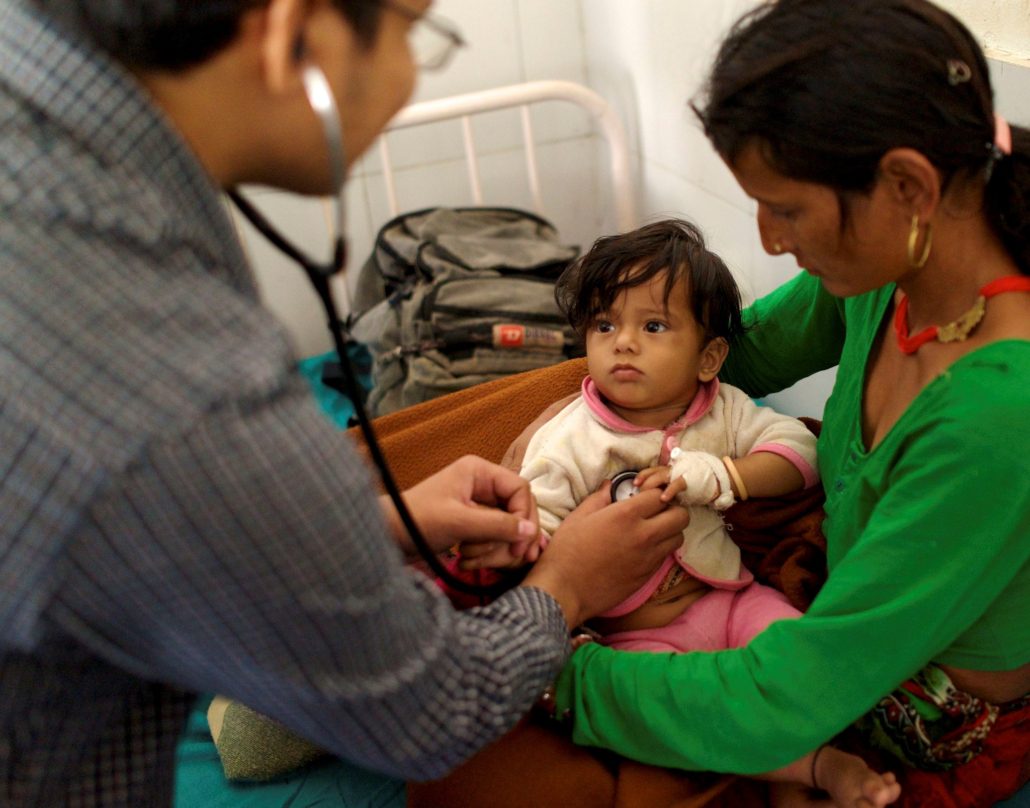
The developing world is fighting for greater access to lifesaving COVID-19 vaccines and therapeutics. If regulatory bodies approve it, a new COVID-19 antiviral pill called molnupiravir could bring relief in the next year because it would be affordable, easy to distribute and easy to administer. Approval is all but guaranteed, however, several NGOs and manufacturers are jumping into high gear to help ensure equitable access to the drug throughout the world.

The Current Situation

No nation, no matter how wealthy, is exempt from the heartache and struggle that COVID-19 brought. According to the World Health Organization (WHO), COVID-19 has led to the deaths of more than five million people worldwide. In addition to the many lives lost, the disease caused by the novel coronavirus, SARS-CoV-2, has also left many survivors with long-lasting negative health effects. Then, there is the economic toll — experts consider the global economic contraction that the pandemic caused to be the most severe since the aftermath of World War II.

Now, nearly a year after the arrival to the market of the first COVID-19 vaccines, the developed world is wondering if the end is near — if the world can get back to a pre-pandemic sense of normal. However, in the developing world, the end does not appear to be near because many developing countries have yet to gain adequate access to vaccines. For instance, in September 2021, WHO Chief Tedros Adhanom Ghebreyesus said that “more than 5.7 billion COVID-19 vaccine doses have been administered globally, but only 2% of them in Africa.” Africa, however, makes up nearly 16% of the global population, making it clear that the push for vaccine equity must continue.

However, the developing world is now finding some hope in a COVID-19 antiviral pill that a partnership between Merck and Ridgeback Biotherapeutics brought to market. Researchers invented the drug, called molnupiravir, at Emory University with research funding from the U.S. government. In the Phase 3 clinical study, the pill proved efficient in reducing risks of hospitalization and death by 50% in at-risk individuals when administered before symptoms increase in severity. Following these promising outcomes, Merck has applied for Emergency Use Authorization from the U.S. Food and Drug Administration (FDA) so that it can bring this promising COVID-19 antiviral pill to the market as soon as possible.

3 Advantages of Molnupiravir for the Developing World

  1. Affordability. Merck and Ridgeback Biotherapeutics have agreed to license the production of their COVID-19 antiviral pill to several generic drug manufacturers in India. In addition, they have signed a royalty-free licensing agreement with the United Nations-backed Medicines Patent Pool (MPP). The agreement remains valid so long as WHO classifies COVID-19 as a global public health emergency. MPP will sublicense production of the molnupiravir to qualifying generic drug manufacturers in the developing world. In turn, those manufacturers will be free to market the drug to a collection of 105 low- to middle-income countries for around $20 per five-day course of treatment. For reference, in its initial purchase agreement for the drug, the U.S. government agreed to pay about 35 times as much per treatment.
  2. Ease of Distribution. Depending on the brand, COVID-19 vaccines require either freezing or refrigeration up until the time of administration. The Pfizer-BioNTech mRNA vaccine even requires sub-zero freezing at -80℃ to -60℃, thus requiring specialized sub-zero freezers. These cold storage requirements for vaccines, while not insurmountable, do provide logistics challenges for the delivery of vaccines in rural areas of low-to-middle-income countries (LMICs). On the other hand, molnupiravir is shelf-stable, meaning its attributes allow for safe storage at room temperature. This element will make distribution much easier in LMICs with limited cold storage facilities.
  3. Ease of Administration. Even in high-income countries, there are many accounts of hospitals stretching themselves dangerously thin on resources because of aggressive surges in infections. The limited clinical capacity of LMICs means that the ideal COVID-19 therapeutic would allow for home-based patient administration instead of clinical administration. Because molnupiravir is an oral medication that is shelf-stable, it would meet this need.

Improving Production Capacity

There is some concern that ongoing COVID-19-induced supply chain disruptions could interfere with the mass global production capacity of molnupiravir should the disruptions result in inadequate supplies of the base ingredients needed for manufacture. For its part, the Bill and Melinda Gates Foundation has pledged $120 million to help ensure equitable distribution of molnupiravir. Part of the initiative is to fund research to look into the most efficient and streamlined manufacturing methods to maximize the production capacity of the drug. These efforts bring hope that production capacity goals will meet their mark. Only time will tell, but for many in the developing world, molnupiravir may bring COVID-19 relief before vaccines do.

– Jeramiah Jordan
Photo: Wikipedia Commons

November 22, 2021
https://borgenproject.org/wp-content/uploads/borgen-project-logo.svg 0 0 Jennifer Philipp https://borgenproject.org/wp-content/uploads/borgen-project-logo.svg Jennifer Philipp2021-11-22 07:30:112021-11-29 01:54:15New COVID-19 Antiviral Pill Brings Hope to the Developing World
Children, Developing Countries, Development, Education, Global Poverty, Health, Technology

Energy Security in Armenia

Energy Security in Armenia
Energy security in Armenia is a serious problem; the country experienced harshly cold and dark years in the early 1990s. It was a time when the newly independent Republic of Armenia experienced an incredibly severe energy shortage. The population only had access to electricity two hours a day, and even hospitals went without heat. The lack of internal energy sources, regional conflict in the Caucuses and the collapse of the Soviet Union contributed to the crisis. Though the country recovered, it has never forgotten the importance of energy security in Armenia.

Post-Energy Crisis Armenia

Today, Armenia depends on the external energy sources it imports from other nations. Having no known internal oil or natural gas sources of its own, these imports satisfy 75% of the country’s energy demand. In 2019, Armenia had a total natural gas energy supply of 89,423 terajoules, a nuclear energy supply of 26,967 TJ and a hydroelectric supply of 8,535 TJ.

Armenia sources its oil from Iran, Georgia, Europe and Russia. The natural gas largely comes from Russia via Georgia. The company Gazprom Armenia holds a monopoly on the imports and distribution of natural gas in Armenia. Gazprom Armenia is a subsidiary of the state-owned Russian gas giant Gazprom, the largest natural gas company in the world.

Because of its heavy dependence on imports and Gazprom Armenia’s monopoly, Armenia experiences price shocks that drive up the cost of energy for its population of nearly 3 million people. This dependence also puts Armenia in a weak position during price negotiations with Gazprom. When the government and the company cannot come to an agreement, it is the people who go without heat and power. The government-owned Metsamor nuclear power plant generates electricity within Armenia. However, Russia is also the country’s main supplier of nuclear fuel, so Armenia is still dependent on Russia.

Lighting the Way to Energy Security

Armenia is focusing on building and improving renewable energy infrastructure to achieve greater energy efficiency and energy security in Armenia. In January 2021, the government implemented the 20-year Energy Sector Development Program intended to boost energy efficiency and diversify the fossil-fuel-dominated power grid.

Additionally, in 2022, the government plans to implement amendments associated with the 2017 Law on Energy. This should liberalize the energy market, which in turn will increase competition between electrical suppliers. Ideally, it will break the monopoly held by Electric Networks of Armenia. The company currently has full control over the nation’s electrical distribution driving up prices for consumers.

With a solar energy flow of 1,720 kilowatt-hours per square meter, Armenia has a higher solar energy potential than most countries. To optimize this, the Armenian government wants to focus on the construction of new solar plants. By 2030, the goal is for solar power generation to have a minimum 15% share of the country’s capacity, at 1.8 billion kilowatt-hours. To achieve its desired level of energy security in Armenia, however, the government also recognizes the need to improve its use of geothermal energy. The country has a 150-megawatt potential regarding geothermal energy, only a fraction of which it is tapping into.

Other Players

The government is not the only one taking action to strengthen energy security in Armenia. In 2017, Shen NGO and the Geghamasar cooperative constructed a greenhouse and a biogas facility. These have been producing food and heat respectively for the community of Geghamasar during each winter since. They manufacture the biogas from manure, and when they are not heating the greenhouse, the biogas facility generates electricity. Both it and the greenhouse created jobs in Geghamasar in addition to inspiring other communities to build similar installations.

Power to the People

As of 2019, 12.3% of Armenians lived on less than $5.50 a day. Many cannot afford the current cost of energy, much less the rises in prices imposed by monopolies. Those who cannot pay go without heat and power because there is no alternative source of energy they can rely on. Energy security in Armenia is a necessity to consistently meet the needs of the people. However, thankfully, the country is working on becoming less dependent on external energy resources and diversifying its energy grid.

– Nate Ritchie
Photo: Flickr

November 21, 2021
https://borgenproject.org/wp-content/uploads/borgen-project-logo.svg 0 0 Jennifer Philipp https://borgenproject.org/wp-content/uploads/borgen-project-logo.svg Jennifer Philipp2021-11-21 07:30:352021-11-19 11:39:08Energy Security in Armenia
Children, Developing Countries, Development, Education, Global Poverty, Health

End Time Worldwide Missions helps Nigerians Fight Poverty

End Time Worldwide Missions
For the past 10 years, Nigeria-native and missionary Abraham Sunday has used his empathy and deep understanding of poverty to help reduce poverty in Nigeria. He has since extended his work to helping people around the continent. Four years ago, he founded End Time Worldwide Missions to spread Christianity. However, he realized the urgency of first meeting basic needs. “You cannot preach to a hungry person,” Sunday said in an interview with The Borgen Project. As a result, he and his team focus on providing things like food, water and shelter for the people they serve. “I know what it means to be poor. I know what it means to be hungry. I know what it means to be homeless,” he said.

How it Started

Growing up in Nigeria, which is a country with a lot of poverty, Sunday had to drop out of secondary school. The way he grew up allows him to understand precisely what it means to live with nothing. He recalled a time when he turned to his mother and asked, “Why is there no one we can go to for help?” Then, she told him that he needed to be that help for other people.

Coupled with the profound poverty around him, the wisdom and encouragement from his mother are largely why he does what he does. Now, he offers the kind of help he desperately needed when he was younger.

Where End Time Worldwide Missions Works

End Time Worldwide Missions began its services in Nigeria. Within the immediate poverty around him, Sunday found an opportunity to do good and help reduce poverty in Nigeria. All of it began with small acts of kindness. For instance, when women came to his door hungry, he fed them. He recalls some widows in his community having nothing. After he gave them what was equivalent to $5, they fell to the ground and wept.

What might seem “small” in the United States is profound in a place like Nigeria, where 40% of the population lives on less than $381.75 each year. While $5 might not seem like much to a U.S. citizen, it can be everything to an impoverished person in Nigeria, or anywhere else in the world, for that matter.

Sunday bought books and taught himself mathematics and science. For years, he has taught at a local school despite not having a degree. When he goes on missions, he spreads knowledge to the children and adults he serves. Now that his organization has grown to about 30 individuals worldwide, Sunday is expanding his horizons. Because of the lack of access to health care in Africa, he wants to study medicine at a U.S. or Canadian university to reduce this issue. This way, he can additionally provide health care to the people in his own community and on missions.

The Organization’s Most Impactful Mission

Nigeria’s neighbor to the left, Benin, is a constitutional presidential republic with a population of 11.8 million people. It relies heavily on trade with Nigeria, which makes up 20% of its GDP. When borders temporarily closed in 2019, Benin’s economy suffered a major blow, likely reversing previous economic success. Poverty remains widespread, with a life expectancy of around 61.2 years old.

In February 2020, End Time Worldwide Missions went into Benin and completed what Sunday feels is its most impactful mission to date. When it got to the destination village, it realized that most of the children did not wear clothes and went around barefoot. Thanks to a U.S. partner that sent used clothes, the Mission distributed more than 1,000 pieces of clothing there. It was also able to provide people with food. Sunday and his organization works to uplift other Africans from poverty and spread the gospel.

Nigerian Poverty and COVID-19

A major factor in Nigeria’s poverty is the nation’s reliance on oil, which accounts for 80% of its exports and half of all government revenue. Consequently, when oil prices dropped during COVID-19, the country experienced the deepest recession it’s seen in decades.

Sunday describes the awful experience of living in Nigeria during the worst of COVID-19. The government enforced a lockdown, but many people staying home did not have food. During this time, Sunday did all he could to help neighbors and community members find a way to cope. Though he planned to go on a mission to Ghana, lockdown prevented that from happening. Still, he did what he could in Nigeria, helping his community in a continued effort to uplift other Africans from poverty.

An Inspiring Example

Sunday and his organization seek to help others, even if they have little to give. His profound empathy after having lived in poverty as a child mobilized him to help those suffering.

Abraham Sunday’s work is bringing the world a little bit closer to equity and prosperity. World powers like the United States also have this power vested in them, at a larger but equally significant scale. All acts of goodness are equally significant. If nothing else, Sunday emphasizes that “I want people to see the good in people. You have to learn to see the good.”

– Cameryn Cass
Photo: Flickr

November 21, 2021
https://borgenproject.org/wp-content/uploads/borgen-project-logo.svg 0 0 Kim Thelwell https://borgenproject.org/wp-content/uploads/borgen-project-logo.svg Kim Thelwell2021-11-21 07:30:172021-11-19 11:15:02End Time Worldwide Missions helps Nigerians Fight Poverty
Children, Developing Countries, Development, Education, Global Poverty, Health

How Sudeikis is Aiding in Ending Malnutrition in Kids

Malnutrition in Kids
Jason Sudeikis, star of the hit Apple TV+ series “Ted Lasso,” is working with Abbott, a U.S. multinational medical device and health care company to end malnutrition in kids all over the world. Sitting down with the Today Show co-hosts, the actor discussed his involvement with Abbot and what made him decide to fight malnutrition in children. Sudeikis stated that “I’m just here to use the platform that I’ve been granted [with] this groovy job that I have, to just support what [Abbott] is doing to help kids with malnutrition, to help with the education of it and ultimately the prevention of it.”

How Does Abbott Plan to End Malnutrition in Kids?

Sudeikis through his role as a paid spokesperson for Abbott helps raise funds to develop new technology for Abbott that will educate kids on malnutrition and ultimately prevent it. The actor has appeared alongside Abbott during an event at the New York Stock Exchange in October 2021 to show support for children’s health after Abbott announced a partnership with the Real Madrid soccer team to support the health and nutrition of children around the world.

Malnutrition is a worldwide problem that global poverty exacerbates. Due to a lack of resources and food insecurity, 690 million people are hungry with one in five children suffering from malnutrition worldwide.

The company has launched its Abbot Center for Malnutrition Solutions. The Center will focus on reducing malnutrition around the world, especially for vulnerable populations, such as mothers, infants and young children, aging adults and people that lack access to good nutrition.

Abbott has invested $45 million annually to help identify, treat and prevent the worldwide problem of malnutrition. Statistics show malnutrition in kids can cause stunting, being underweight and wasting with 149 million children suffering from stunting. This means they have fallen under the healthy height for the age. Of those underweight, 462 million are below a healthy body mass index (BMI).

Abbott’s Work Around the World

The company works in 160 countries and has created medical devices to address malnutrition with the advent of the mid-upper arm circumference (MUAC) z-score tape, which helps detect malnutrition among children around the world. The MUAC z-score tape detects the risk of malnutrition in kids by examining age-specific, color-coded indicators.

Abbott also offers countries the necessary funds to fight malnutrition through its Abbott Fund. For instance, Abbott is helping to fight malnutrition in Haiti by investing $10 million to build a facility in hopes to build local capacity and stimulate the local economy with the help of Partners in Health (PIH). Abbott has provided 50 Abbott specialists from science, manufacturing and engineering to help construct the facility. It also provided more than 14,000 hours of volunteer technical support. The facility will provide Nourimanba, a nutritious, peanut-based food product, for severely malnourished children through 12 PIH hospitals and clinics throughout rural Haiti for free. This will contribute to the health and well-being of two thousand children with severe malnutrition.

Another example of Abbott’s fight against malnutrition has led to the advancement of clinical nutrition in China and Vietnam through the Abbott fund. The result was training for 6,500 health care professionals to provide better care for patients and reduce the malnutrition risk for children admitted into Shanghai Children Medical Center (SCMC) by more than 80%.

Support the End of Malnutrition in Kids

Abbott is fighting malnutrition in kids around the world through its innovations and celebrity partnerships. However, it is important to remember that there are ways that individuals can support the end of malnutrition in kids. It is not necessary to be an Emmy award-winning actor to help end global poverty and malnutrition in kids. Congress has introduced the Global Malnutrition Prevention and Treatment Act, which individuals can support by emailing or contacting their representatives.

– Grace Watson
Photo: Flickr

November 20, 2021
https://borgenproject.org/wp-content/uploads/borgen-project-logo.svg 0 0 Jennifer Philipp https://borgenproject.org/wp-content/uploads/borgen-project-logo.svg Jennifer Philipp2021-11-20 02:35:242021-12-01 08:55:28How Sudeikis is Aiding in Ending Malnutrition in Kids
Children, Developing Countries, Development, Education, Global Poverty, Health

Burundian Refugees Flee Violent Living Conditions

Burundian Refugees
Burundi is a country in East Africa comprising three ethnic groups of the same cultural background, history and language. The Hutu and Tutsi groups are responsible for years of war that plagued the Burundi communities. After 12 years of war, a ceasefire went into effect in 2005, ending the Burundian Civil War. However, Burundian refugees are just now returning to their homes after initially fleeing their violent living conditions.

The Civil War left approximately 200,000 people dead, and many displaced. To prevent attacks, civilians had to enter camps, which resulted in malnutrition, disease and death. The war resulted in a 19% increase in poverty between 1994 and 2006. According to the World Food Program (WFP), Burundi is one of the world’s poorest countries, with more than 50% of the population living in poverty.

The Fleeing of Burundian People

Many Burundians fled to surrounding countries due to the war, political inconsistency and human rights violations. Hundreds of thousands of refugees have fled Burundi since 2015. Many refused to return until it was safe.

The majority of Burundian refugees, more than 200,000, resided in Tanzania. Rwanda hosted more than 80,000 in the Mahama camp, and the Democratic Republic of Congo (DRC) held 45,000.

Underfunding became an increasing problem with many of the refugees living in camps. People had limited access to resources such as food and classrooms, and shelters began to deteriorate. Experts determined that approximately 2 million people in Burundi were food insecure during October 2017.

The Efforts to Make Refugees’ House a Home Once More

Although the United Nations Refugee Agency (UNHCR) and partners have not encouraged refugees to return, they are working with relevant governments to assist those who do return to Burundi. In 2018, UNHCR and its partners launched a Burundi Regional Refugee Response Plan for that very reason of support. More funding is necessary to sustain a large amount of returning refugees.

Included in the refugee return package are household items, three months rations, cash and non-food items. The cash grant increased in 2020 from $75 to $150 an adult and $35 to $75 a child. The increase is to ensure sustainability for three months.

Making a Safe Return Home

President Ndayishimiye’s call for refugees to return home finally occurred in June 2020. Since then, convoys of around 1,500 refugees are arriving in Burundi every week. Now that the political tension has subsided, refugees have the opportunity to return safely.

A 2021 Burundi Joint Refugee Return and Reintegration Plan that UNHCR created is also in place. The 2021 Burundi Joint Refugee Return and Reintegration Plan goals are to implement livelihood projects, increase the value of companies, strengthen programs to access and improve health services, water and sanitation, education, social protection and human rights.

Additionally, the community developed a joint response plan along with Burundian authorities to ensure a stress-free return, a safe environment and access to food, shelter, water and sanitation, education, health and job opportunities.

Even amid the COVID-19 pandemic, UNHCR and partners are working to ensure a safe transition from camps to Burundi. COVID-19 symptom checks, rapid tests and social isolation are all mandated.

Overall, the success of this plan is dependent solely upon funding. Burundian refugees could potentially build their lives and create stability with support from the community itself, UNHCR and partners and the Government of Burundi.

– Destiny Jackson
Photo: Flickr

November 19, 2021
https://borgenproject.org/wp-content/uploads/borgen-project-logo.svg 0 0 Jennifer Philipp https://borgenproject.org/wp-content/uploads/borgen-project-logo.svg Jennifer Philipp2021-11-19 07:30:252024-06-06 01:05:42Burundian Refugees Flee Violent Living Conditions
Children, Developing Countries, Development, Education, Global Poverty, Health

Examining 60 Years of USAID’s Foreign Assistance

USAID's Foreign Assistance
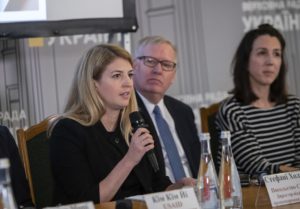
On November 3, 2021, the United States Agency for International Development (USAID) celebrated its 60th year of existence. The Foreign Assistance Act of 1961 made the formation of USAID possible. USAID’s creation stems from President John F. Kennedy’s aim to consolidate the foreign assistance work of several organizations into one main agency. Today, USAID operates in more than 100 nations across the world, fully or partially manages $24.8 billion in accounts and employs roughly 3,450 U.S. citizens to help fulfill USAID’s foreign assistance mission.

Official Mission Statement of USAID

As an agency representing the foreign assistance interests of U.S. citizens, USAID aims to “promote and demonstrate democratic values abroad and advance a free, peaceful and prosperous world.” Ultimately, USAID plays an instrumental role in making a reality the foreign policy values of the U.S. As such, “through partnerships and investments” USAID aims to “save lives, reduce poverty, strengthen democratic governance and help people emerge from humanitarian crises and progress beyond assistance.”

The Birth of USAID

Coming out of World War II, the U.S. stood as the world’s preeminent superpower. However, not long after, in 1947, the Cold War rivalry between the U.S. and the Soviet Union began. Looking to prevent the spread of communism, the U.S. realized its endeavors would require more than just military might — the U.S. would also need to win the hearts and minds of developing countries before the Soviet Union did.

Through diplomacy and goodwill, the U.S. hoped to spread democratic and free-market principles to as many countries as possible, and in return, not only stop the spread of communism but also open up new global markets for trade and shared prosperity. With this goal in mind, President Kennedy felt the U.S. needed a more strategic approach to foreign assistance. Therefore, he pushed Congress to pass the Foreign Assistance Act of 1961, which empowered him to then create USAID via executive order.

USAID Over the Years

USAID’s approach to international development has evolved over the years. In the 1960s, the focus was on large-scale capital and technical assistance projects in select countries committed to economic reforms. Gears shifted in the 1970s when the agency pivoted toward a more humanitarian approach that focused on widespread delivery of food, education and health services to the most impoverished populations. The 1980s brought about the increasing use of U.S. NGOs and for-profit contractors to fulfill USAID’s mission. In the post-9/11 world, development assistance in Afghanistan and Iraq would consume a large share of the USAID budget as the U.S. sought to rebuild these war-torn nations.

The Legacy

In the early years of USAID’s foreign assistance, the U.S. stood as the undisputed leader in international development aid. Through its innovative development and humanitarian efforts over the decades, it is clear that USAID has helped shape a better world with much less hunger, disease, illiteracy, child and infant mortality and all-around suffering than would otherwise be the case. Other advanced nations have since developed similar programs, with several countries now spending significantly more on official developmental assistance than the United States, proportional to their respective gross national incomes (GNI). However, the U.S. still leads in absolute spending, with $47 billion in foreign assistance obligations worldwide in 2019, of which, USAID obligations made up 45%.

In a November 3, 2021, tweet to mark the 60th birthday of USAID, Secretary of State Antony Blinken said, “Now more than ever, as we face historic challenges in global health, climate and other critical issues, it’s vital that our diplomacy and development go hand in hand. That’s why I’m so grateful to the outstanding public servants at USAID…” Ultimately, USAID’s foreign assistance transforms nations, improving the lives of millions of people while contributing to the U.N.’s 17 Sustainable Development Goals (SDGs) and reducing global poverty.

– Jeramiah Jordan
Photo: Flickr

November 18, 2021
https://borgenproject.org/wp-content/uploads/borgen-project-logo.svg 0 0 Jennifer Philipp https://borgenproject.org/wp-content/uploads/borgen-project-logo.svg Jennifer Philipp2021-11-18 01:30:492024-05-30 22:25:26Examining 60 Years of USAID’s Foreign Assistance
Child Poverty, Child Poverty, Child Soldiers, Children, Global Poverty, War, War and Violence

Sam Smith Supports War Child

War Child
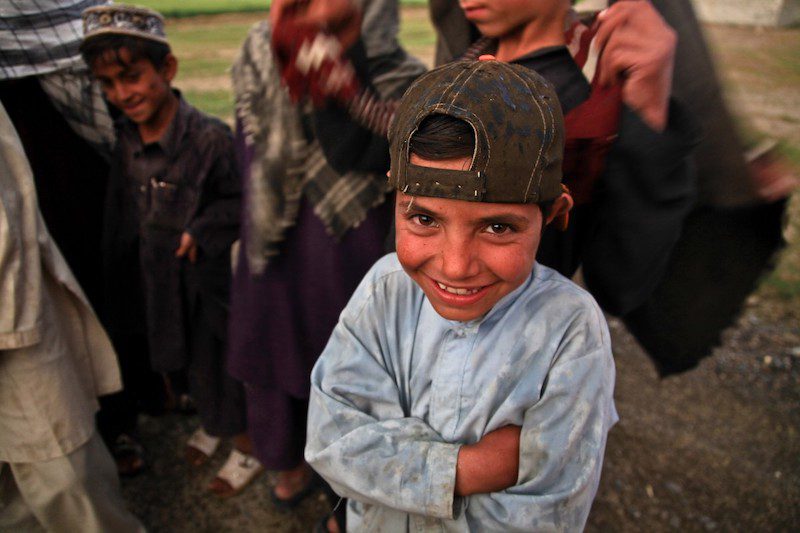
Two filmmakers founded War Child in 1993 after observing the violence that children endured during periods of war. The organization describes itself as “the only specialist charity for children affected by conflict.” With the slogan, “A world where no child’s life is torn apart by war,” War Child works to address the realities children face during war and provide them with prompt support, safety and coping mechanisms. The organization shows children from Iraq, Yemen, Afghanistan, the Democratic Republic of Congo and the Central African Republic that there is more to life than the destructive nature of war.

War Child’s Work

Since the traumatic impacts of conflict and violence on children, War Child takes an approach to help children through four key areas: protection, education, livelihoods and advocacy. Armed groups tear children from their families through false promises of education or money while abducting others. This can leave these children with severe and lifelong psychological problems. The organization’s support includes “setting up children’s helplines,” strengthening child justice systems, “rehabilitating and reintegrating former child soldiers” as well as reuniting children with parents.

More than 75 million children ages 3 to 18 are not in school in 35 countries experiencing war. War Child aims to address this problem in multiple ways, including providing children with early childhood education programs and initiating Education in Emergencies initiatives. The organization also provides teachers with training to best support learners in conflict-ridden environments. By incorporating play into learning programs, the organization attempts to remedy trauma. These initiatives give children a sense of normalcy during a period of time in their lives where chaos surrounds them.

The organization also recognizes the need to provide children with humanitarian aid to address their basic human needs. The organization provides cash assistance to communities for people to use according to “their own priorities and preferences.” To strengthen economic resilience, the organization assists people in securing employment or establishing businesses “by providing them with technical, business and life skills, establishing group-based saving schemes and providing small grants making the best out of existing market opportunities. ”

In many crisis-prone countries, agriculture plays an important role. As such, War Child created Peace Gardens. Peace Gardens allow children to develop agricultural skills while increasing food security as crop produce can provide nutritious school meals for children.

Sam Smith’s Role in War Child

Sam Smith’s global impact extends far beyond his role as a singer-songwriter. Smith became War Child’s Global Ambassador in 2017 after conversing with a child in Jordan who, as Smith put it, “said something that will stay with me forever.”

Smith subsequently took to his social media pages, urging his fans to support War Child. For his 26th birthday, in 2018, Smith asked that his friends, family and fans make donations to War Child instead of buying him birthday gifts. After releasing his hit single “Too Good at Goodbyes,” in 2020, he launched a four-city mini-concert tour, with all profits from the ticket sales going toward supporting War Child.

War ravages land and people, however, children face disproportionate impacts of war. Through the efforts of War Child, children living in conflict-riddled lands can look toward a brighter tomorrow.

– Nia Hinson
Photo: PxHere

November 18, 2021
https://borgenproject.org/wp-content/uploads/borgen-project-logo.svg 0 0 Jennifer Philipp https://borgenproject.org/wp-content/uploads/borgen-project-logo.svg Jennifer Philipp2021-11-18 01:28:152024-06-04 01:03:21Sam Smith Supports War Child
Children, Developing Countries, Development, Education, Global Poverty, Health

Access to Education in Rural Zambia


In the year 2011, Zambia moved up in income status with a reclassification from a low-income country to a middle-income country. The reclassification stems from improvements in Zambia’s economic and social structures. Zambia has made strides in the education realm in particular, with high primary school education completion rates. However, due to geographical barriers and higher rates of poverty, access to education in rural Zambia does not see the same equality as other parts of the country. Acknowledging the role of education in poverty reduction, it is imperative to improve access to education in rural Zambia.

School Completion in Zambia

A point of pride for Zambia is its national primary school completion rate, which stands at 91.8%. However, when comparing the national primary school completion rate with semi-urban or rural regions, regional discrepancies become apparent. In Zambia’s northern region, comprising mostly of rural areas, this rate stands at 81.3%, indicating clear geographic disparities in completion rates.

Despite high national primary school completion rates, just 67% of students go on to attend high school. Barriers to high school attendance include a lack of secondary schools “to accommodate all primary school graduates.” Additionally, school fees are necessary from eighth grade upward, which many impoverished families cannot afford.

Poverty and Access to Education in Rural Zambia

For students living in rural areas, the long distance to educational establishments presents an additional barrier. In fact, rural Zambia faces the most obstacles in keeping children in school because there are few schools, often far from students’ homes. Most rural Zambians cannot afford the costs of transportation to schools because rural areas face a higher rate of poverty.

Furthermore, impoverished families struggle to afford the costs of school fees. According to the World Bank, the poverty rate in rural Zambia stood at 76.7% in 2015 while the urban rate stood at 23.4%. The World Bank also estimates that about 75% of Zambia’s impoverished reside in rural regions.

This has far-reaching impacts. Children who do not go to school often end up in child labor in order to contribute to household income. Furthermore, parents marry off their young girls to ease the economic burden on the family. Access to education in rural Zambia will lower both child labor and child marriage rates while providing a pathway out of poverty.

In order to improve access to education in rural Zambia, the most significant barrier to education, poverty, must stand as a priority in aid efforts. In order to keep more children in school in Zambia, geographical location and financial means must not stand as barriers to education.

CAMFED Zambia Takes Action

CAMFED Zambia began in 2011, initially working in Zambia’s rural areas, such as the northern region. In particular, girls in rural areas face a higher rate of exclusion from education. Thus, CAMFED Zambia “empowers the most marginalized girls in rural Zambia to attain a full secondary school education.” With CAMFED’s efforts, the female students it supports “achieve a completion rate of 96% and a progression rate of 98%.”

CAMFED also supports the education of other marginalized children. Since its beginnings, CAMFED Zambia has helped more than 400,000 children obtain primary and secondary education through donor support. “CAMFED provides holistic support” in the form of “school or exam fees, uniforms, sanitary wear, books, pens, bikes, boarding fees or disability aids” to ensure children remain in school.

Efforts to improve access to education in rural Zambia ensure that children gain the knowledge and skills to rise out of poverty. With an education, these children are able to secure higher-paying, skilled jobs, enabling them to contribute to growing Zambia’s economy overall.

– Hariana Sethi
Photo: Flickr

November 17, 2021
https://borgenproject.org/wp-content/uploads/borgen-project-logo.svg 0 0 Kim Thelwell https://borgenproject.org/wp-content/uploads/borgen-project-logo.svg Kim Thelwell2021-11-17 07:30:312024-05-30 22:25:26Access to Education in Rural Zambia
Children, Developing Countries, Development, Education, Global Poverty, Health

Nome Rotary Club Feeds the Maasai Mara

the Maasai Mara
In the first week of November 2021, the Rotary Club of Nome, Alaska, provided a month’s worth of food resources to the Maasai Mara village of Nkorkorri, Kenya. One of Africa’s most recognizable tribes, the Maasai Mara faced devastation due to COVID-19 restrictions on tourism. The project to assist Nkorkorri village stands as part of the Rotary Club of Nome’s 75-year-long commitment to humanitarianism.

Background Story

It all began in 2018 when Nome Rotary member Marcy O’Neil traveled to Kenya in collaboration with the ME to WE Foundation to provide eye care to patients of the Kishon Health Centre in Narok. The ME to WE Foundation is an enterprise of WE Charity, an organization that partners with communities around the world to create sustainable solutions to poverty, such as supporting small farms, funding education and building hospitals.

During her time in Kenya, O’Neil worked alongside several Maasai warriors whom she kept in touch with after returning to Alaska. In an interview with The Borgen Project, O’Neil explained that “once [COVID-19] shut the world down and tourism came to a halt, most Maasai men who supported their families through tour guiding lost their jobs and income.” Compounding the Maasai’s troubles, Kenya is enduring a severe drought, leading to higher food insecurity rates in villages and starving livestock. “Over the past couple months, two of my Maasai friends reached out to our group that worked with them back in 2018 to see if we could find ways to help their villages,” O’Neil said.

O’Neil worked with Benson Leparan Sankuya of Nkorkorri village to calculate the funds needed to feed 450 people for one month. After finalizing the details, O’Neil made a formal proposal to the Rotary Club of Nome at the club’s November 6, 2021 meeting. The club of 25 Rotarians voted unanimously to approve the project, combining a club donation with two individual member donations.

The Maasai Mara

The Maasai Mara people are semi-nomadic cattle herders native to the Maasai Mara region of Narok, Kenya. Historically, cattle husbandry met all of the Maasai Mara’s needs, but in recent years, wildlife conservation, privatization and commercial development have led to the displacement of the Maasai, among other impacts. A drastic reduction in herd sizes means the Masaai can no longer solely rely on “the cattle economy,” but instead, must look to farming practices or economic endeavors in the tourism industry.

The Maasai Mara National Park is a world-famous destination for wildlife enthusiasts. International visits to Kenya totaled 2 million in 2019, however, the wake of the COVID-19 pandemic decimated the country’s billion-dollar tourism industry, which endured an estimated loss of at least 80 billion Kenyan shillings (about $752 million). In addition, the livestock industry plummeted when pandemic restrictions called for the closure of cattle markets and slaughterhouses, putting intense strain on traditional livelihoods. The combination of factors left tens of thousands of the Maasai Mara without income or food security.

Assisting the Maasai

A collective of 15 nature conservancies located in and around the Maasai Mara National Park helps nearby communities sustainably manage and protect Kenya’s wildlife. During the pandemic, when income from foreign visitors came to a halt, officials at the Nashulai Masaai Conservancy looked to counteract food insecurity through crowdfunding to provide weekly food rations to at-risk Maasai families.

Aiming to decrease the area’s economic dependency on the tourist industry, the conservancy began training Maasai people in beekeeping and farming to increase both food security and income. The conservancy also trained women to make soaps, sanitizers and sanitary pads to sell as local markets.

Whether an organization is small or large, working on-site or helping from afar, humanitarian service projects provide life-saving support to the most vulnerable people. The Rotary Club of Nome President Adam Lust tells The Borgen Project that his hope is for the club’s service to the Nkorkorri village of Maasai Mara to develop into a long-term endeavor. Nevertheless, as it stands, the club of just 25 people has helped reduce the detriments of poverty by providing sustenance to an entire community.

– Jenny Rice
Photo: Flickr

November 17, 2021
https://borgenproject.org/wp-content/uploads/borgen-project-logo.svg 0 0 Kim Thelwell https://borgenproject.org/wp-content/uploads/borgen-project-logo.svg Kim Thelwell2021-11-17 00:32:332021-11-24 11:49:32Nome Rotary Club Feeds the Maasai Mara
Children, Global Poverty

Local Rice Barter-System Fights Hunger in Bali

Hunger in BaliWhen the COVID-19 pandemic limited human connection and disrupted everyday life, human unity and kindness were more valuable than ever. Since the confirmation of its first case in February 2020, Indonesia has recorded more than 4 million coronavirus cases and over 140,000 deaths. The prevalence of COVID-19 in Bali, in particular, harmed the nation’s economy, resulting in a growth in hunger. Fortunately, a new community-based program seeks to help hunger in Bali by helping individuals experiencing food insecurity while also combatting plastic waste.

Effects of COVID-19 on Bali’s Economy

Tourism is an important facet of Bali’s economy. Before the pandemic, Bali welcomed over 6 million visitors per year. However, until the rates of COVID-19 in Bali had sufficiently lowered, tourists could not visit the island. While Bali’s travel ban intended to keep people safe, hunger in Bali grew due to this financial halt. Approximately 92,000 people who worked in the tourism industry were laid off during the pandemic, having little to no means of supporting their families. With this complete loss of income, many tourism employees turned to agricultural business to make ends meet, though workers would sometimes only get $4 a day, barely enough to purchase a single bucket of rice.

Development of Plastic Exchange

Vegan restaurant owner Made Janur Yasa saw the grueling circumstances of unemployed people in his home village of Ubud. He wanted to use and donate his services and resources as sustainably as possible to avoid creating more plastic waste in an already excessively polluted place. Yasa explained to CNN, “I got to thinking, inside the challenge, there is an opportunity.” Thus, the impetus and conception for Plastic Exchange or Plastic for Rice were born. Yasa’s initiative, Plastic Exchange, isn’t just a means of feeding families who couldn’t afford rice, though. It encourages participants to travel down to their local parks and beaches to collect plastic waste. Plastic Exchange upholds three core values: dignity, prosperity, and environment. The first value of dignity is a noteworthy cause, as it is important to sustain a sense of self-worth in individuals who suffered the economic effects of COVID-19 in Bali. Its second core value ties in nicely with the first since people cannot thrive in their environment unless their most fundamental needs are met. Lastly, the hands-on initiative towards alleviating Bali’s plastic waste problem teaches citizens the importance of caring for their planet, reiterating that sustainability is achievable in the direst of circumstances.

Plans for Plastic Exchange

According to a report from the Bali Tribune, in August of 2021, a Plastic Exchange initiative in a village called Saba collected two tons of plastic within a timeframe of two hours. The positive results from plastic exchange programs have inspired Indonesian villagers to embrace small-scale acts as catalysts for large-scale sustainable improvements. Not only is this exchange of plastic an excellent means of recycling — Yasa sends the plastic waste to the island of Java, with a tremendous amount of infrastructure — but it is also a means of stabilizing the island’s economy. Local rice farmers and planters receive a more consistent income again as islanders can afford larger rice supplies again, which also combats high hunger rates in Bali. With more than 500 tons of plastic collected, Yasa is eager to take his successful initiative and encourage its operation in other Indonesian villages and potentially other countries as well.

Conclusion

Plastic Exchange’s website opens with a sped-up count of how many Bali villages have participated in the program, how many kilograms of plastic were collected, and how many kilograms of rice were distributed. It is overwhelming in the best way possible. There is also a PayPal link to donate towards the cause. For example, a $50 donation can buy 50kg of rice that feeds 200 people per day. Ultimately, plastic exchanges are a promising solution to end hunger and plastic waste in Bali.

– Maia Nuñez
Photo: Flickr

November 15, 2021
https://borgenproject.org/wp-content/uploads/borgen-project-logo.svg 0 0 Jennifer Philipp https://borgenproject.org/wp-content/uploads/borgen-project-logo.svg Jennifer Philipp2021-11-15 01:30:152024-06-11 23:16:25Local Rice Barter-System Fights Hunger in Bali
Page 40 of 137«‹3839404142›»

Get Smarter

  • Global Poverty 101
  • Global Poverty… The Good News
  • Global Poverty & U.S. Jobs
  • Global Poverty and National Security
  • Innovative Solutions to Poverty
  • Global Poverty & Aid FAQ’s
Search Search

Take Action

  • Call Congress
  • Email Congress
  • Donate
  • 30 Ways to Help
  • Volunteer Ops
  • Internships
  • Courses & Certificates
  • The Podcast
Borgen Project

“The Borgen Project is an incredible nonprofit organization that is addressing poverty and hunger and working towards ending them.”

-The Huffington Post

Inside The Borgen Project

  • Contact
  • About
  • Financials
  • President
  • Board of Directors
  • Board of Advisors

International Links

  • UK Email Parliament
  • UK Donate
  • Canada Email Parliament

Get Smarter

  • Global Poverty 101
  • Global Poverty… The Good News
  • Global Poverty & U.S. Jobs
  • Global Poverty and National Security
  • Innovative Solutions to Poverty
  • Global Poverty & Aid FAQ’s

Ways to Help

  • Call Congress
  • Email Congress
  • Donate
  • 30 Ways to Help
  • Volunteer Ops
  • Internships
  • Courses & Certificates
  • The Podcast
Scroll to top Scroll to top Scroll to top