• Link to X
  • Link to Facebook
  • Link to Instagram
  • Link to TikTok
  • Link to Youtube
  • About
    • About Us
      • President
      • Board of Directors
      • Board of Advisors
      • Financials
      • Our Methodology
      • Success Tracker
      • Contact
  • Act Now
    • 30 Ways to Help
      • Email Congress
      • Call Congress
      • Volunteer
      • Courses & Certificates
      • Be a Donor
    • Internships
      • In-Office Internships
      • Remote Internships
    • Legislation
      • Politics 101
  • The Blog
  • The Podcast
  • Magazine
  • Donate
  • Click to open the search input field Click to open the search input field Search
  • Menu Menu

Archive for category: Children

Information and stories addressing children.

Children, Nonprofit Organizations and NGOs, Refugees and Displaced Persons

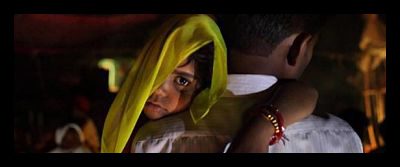
The Hard Knock Life of Syrian Children

Try to imagine back to when you were in elementary school. Most children are happy living without major troubles, or at least children in the United States. Many do not have much to worry about. Most American children are going to school and are living stress-free lives. They are enjoying themselves, playing outside with their friends or playing video games, but the same could not be said for the children of Syria.

Millions on children have been affected by the conflict going on Syria for past three years, 6.5 million, to be exact. Over 2.8 million children are no longer attending school and more then one million are refugees in nearby countries. They no longer live their normal stress-free lives; they do not have “normal” childhoods.

Many Syrian children have endured horrible health issues due to poor sanitation and many are also malnourished. Many also face diseases such as measles and polio due to lack of proper immunizations.

Parents often turn to marrying their daughters off at early ages, as early as 13 years old, so that they do not get molested. Syrian refugee children are more vulnerable to rape and other acts of sexual violence.

In Syria, three million children no longer attend school, mostly because their schools have been destroyed, teachers have left and families are now using schools as homes. Other children quit school to work so that they could help make income to support their families.

The Lebanese government has been trying to help by setting up schools for child refugees but there have been problems such as overcrowding, language barriers and cost of transportation.

UNICEF has been helping since day one and partnering up with others to help. The organization has also immunized more than 20 million children when there was a polio breakout, supplied safe drinking water and provided psychological support.

Save The Children is another organization that has been getting involved and helping child refugees. Anyone could help through UNICEF or Save the Children. Just remember that you would not your children having to go through such horrible living conditions on a day-to-day basis.

– Priscilla Rodarte

Sources: Save the Children, World Vision, UNICEF
Photo: World Vision

July 14, 2014
https://borgenproject.org/wp-content/uploads/borgen-project-logo.svg 0 0 Borgen Project https://borgenproject.org/wp-content/uploads/borgen-project-logo.svg Borgen Project2014-07-14 12:48:592024-12-13 17:50:25The Hard Knock Life of Syrian Children
Child Soldiers, Children, War and Violence

10 Facts about Child Soldiers

child soldier facts -borgen project
When the word “soldier” comes to mind many people think of a strong heroic adult who is fighting for their country. Many people think of a soldier as a person who has voluntarily put their life at risk once again for their country. But many people when they hear the word “soldier” do not think of children. When people hear the words “kids or children” they often think of a young person in school who enjoys playing. People most often think of a child as a young person with few responsibilities and very little stress. But for millions of children around the world this is not the case, many of them are recruited by governments to fight in wars. They are called child soldiers.

Top 10 Facts about Child Soldiers:

  1. Child soldiers are children under the age of 18 who are recruited by armed groups who use children as shields, cooks, suicide bombers, fighters, spies, messengers and/or for sexual purposes.
  2. Some children are under the age of 10 when they are forced to serve.
  3. Children who are forced to serve as soldiers most likely are displaced, poor, have little access to education or live in war zones.
  4. Some children willingly volunteer themselves as child soldiers because they believe it will give them a form of income and/or security.
  5. 10 to 30 percent of kid soldiers are girls. They are used for fighting and are especially vulnerable to sexual violence they are also given to commanders as wives.
  6. The following countries have reported use of child soldiers since 2011: Afghanistan, Colombia, India, Iraq, Israel, Libya, Mali, Pakistan, Thailand, Sudan, Syria, Yemen and more.
  7. In 2007 there were between 7,000 to 10,000 child soldiers in combat although there was a government agreement in the District of Chad to demobilize the recruitment of child soldiers.
  8. Since there have been many technological advances in the making of war weapons they have been made real easy to use, which has contributed to the increase in child soldiers.
  9. Some child soldiers are forced to act violently against their families and communities to make sure they do not return home.
  10. Since 2001 child soldiers have been recruited in 21 armed conflicts all around the world.

Children’s childhoods and human rights are taken away once they are recruited to become child soldiers. Many of them are brainwashed to think it is okay to be serving in war zones at such a young age and often end up having psychological problems.

— Priscilla Rodarte

Sources: Human Rights Watch, Amnesty International, Do Something
Photo: IB Times


z1


July 11, 2014
https://borgenproject.org/wp-content/uploads/borgen-project-logo.svg 0 0 Borgen Project https://borgenproject.org/wp-content/uploads/borgen-project-logo.svg Borgen Project2014-07-11 09:21:322024-12-13 17:50:2410 Facts about Child Soldiers
Advocacy, Children, Education, Global Poverty, Women, Women & Children, Women and Female Empowerment

5 Reasons to Invest in Educating Women

Education is the single most impactive weapon to empower women and save them from the cycle of poverty. While the gender gap in primary education has decreased over the past two decades, significant inequalities still remain. With women comprising two thirds of the illiterate population, and 2.6 million more girls out of school compared to boys around the world, now is not the time to deny females the right to a decent education.

That’s why USAID recently launched Let Girls Learn, an effort to give girls around the world access to quality education, backed by $230 million in new programs.

Based on statistics from USAID and the World Bank, here are five reasons why an investment in a girl’s education is an investment in a better world:

1. Educating Women Saves Lives
According to USAID, 99 percent of maternal deaths occur in the developing world. However, based on data from the World Bank, child mortality is reduced by 18 per thousand births with each additional year of female education. Giving young women access to education will decrease birth related deaths, as well as safeguard the health of all families. Women who complete primary school education are more likely to ensure their children are immunized, meet their children’s nutritional requirements and practice better sanitation.

2. Educating Women Increases GDP
Family earnings are increased when a wife has received an education. Educated women are better able to provide for their families, and help make smarter financial decisions. USAID reports show that one extra year of primary school boosts a girl’s future wage 10 to 20 percent. On the larger scale, USAID data reveals that when 10% more girls go to school, a country’s GDP increases on average by 3 percent.

3. Educating Women Limits Overpopulation
Investing in women’s education keeps girls in school longer. In the developing world, 1 in 7 girls will marry before they are 15. If a girl stays in school for seven or more years, on average, they will get married four years later and have two fewer children. Additionally, when women are educated about birth control, they are equipped to practice safe family planning.

4. Educating Woman Decreases Disease
Women make up nearly 52 percent of the global total of people living with HIV. A girl who completes a basic education is 3 times less likely to contract HIV/AIDS.

5. Educating Women is the right thing to do
The bottom line is: every child deserves the right to a quality education, and girls are no exception. With programs that ensure safe, quality and empowering education –like those implemented by USAID and Let Girls Learn –the world is one step closer to being a more just and equitable place.

– Grace Flaherty

Sources: USAID, USAID 2, USAID 3, World Bank
Photo: Colorado Chamber of Commerce

July 11, 2014
https://borgenproject.org/wp-content/uploads/borgen-project-logo.svg 0 0 Borgen Project https://borgenproject.org/wp-content/uploads/borgen-project-logo.svg Borgen Project2014-07-11 04:00:042024-05-27 09:18:095 Reasons to Invest in Educating Women
Activism, Children, United Nations, USAID

Global March Against Child Labor: Continued Progress

Global March Against Child Labor
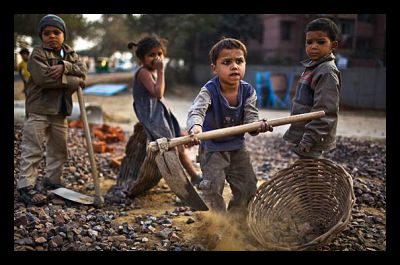
In 1998, a group of forward-thinking activists organized the Global March Against Child Labor. It took groups from over 100 countries to lead a march that crossed 103 countries and ended at the International Labour Organization (ILO) in June 1998, where activists from all over the world rallied to end child labor.

In response, the ILO began the World Day Against Child Labor in 2002. Every year on June 12, governments, citizens and civil societies gather to focus the world’s attention on child laborers and create campaigns to help them.

The movement has lofty ambitions but is still doing a great job of fulfilling them. Before the turn of the millennium, there were nearly 250 million children who were child slaves. The figure has now dropped almost 100 million and is estimated to be around 168 million.

Girls in particular have benefited from this as their numbers have dropped nearly 40 percent since then, while boys have dropped 25 percent. Despite this, some 88 million children still work in potentially fatal jobs.

Like many problems that need to be solved, one method employed in the reduction of child labor is simply raising awareness. The Global March Against Child Labor has proven to governments and civil societies around the world that this is something that needs to be stopped.

The U.S. Department of Labor has played a critical role in producing promotional documents and reports that have been quite successful in raising awareness of this terrible issue. Additionally, USAID acknowledged the power of video and strung together compelling footage in what eventually came to be a feature film about child labor, titled “Stolen Childhoods.”

USAID has played a big role as well in raising awareness. Through the Global Labor Program, USAID has helped workers in Liberia mobilize against employers and has ensured that any exploitative wage practices were discontinued. As children were typically employed in rubber plants in Liberia, USAID managed to ensure that children would not be separated from their parents if they worked, and also oversaw the building of a school on the plant. The employers agreed to pay the adults a living wage.

Another entity that is vital to ending child labor is business. Thanks to the Global March Against Child Labor and USAID’s awareness campaigns, a spotlight has been placed on businesses and their obligation to ensuring that children are not working.

The most prominent advocate of this is the program GoodWeave. This is a system by which companies in India can be certified to ensure that children are not used in the creation of rugs or carpets. Since its inception in 1995, GoodWeave has approved of over 11 million carpets. In that time, the number of children who work in carpet factories has dropped from 1 million to 250,000.

The Global March Against Child Labor was the beginning of a bold social movement, but now we must celebrate and continue its ongoing achievements.

– Andrew Rywak

Sources: USAID Blog, International Labour Organization, U.S. Department of Labor, Global March
Photo: List Top Tens

July 10, 2014
https://borgenproject.org/wp-content/uploads/borgen-project-logo.svg 0 0 Borgen Project https://borgenproject.org/wp-content/uploads/borgen-project-logo.svg Borgen Project2014-07-10 04:00:532024-12-13 17:50:24Global March Against Child Labor: Continued Progress
Children, Global Poverty

Harmful Impact: Children Living in Poverty

Children living in poverty often have negative long-term emotional, educational, health and mental issues.

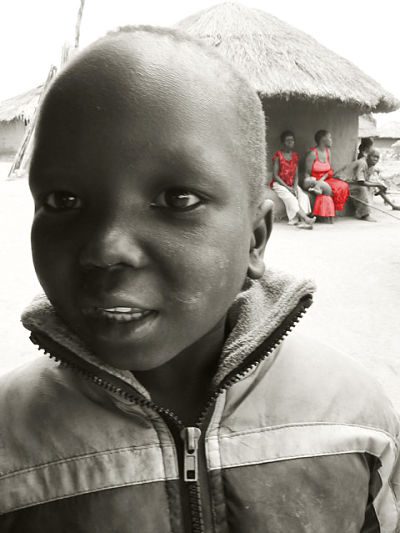
There are billions of children living in poverty throughout the world. Living in poverty directly impacts a child’s education. A child living in poverty is most likely to perform poorly in school and drop out of school at an early age.

Living in poverty also has a social and emotional impact on children. Children develop behavioral and emotional problems often acting on impulse. They are more prone to disobey rules and their elders and may develop problems getting along with their peers. Living in poverty also makes it hard for children to develop normal emotions and creates low self-esteem, making them feel powerless and voiceless. Living in poverty often creates stressful situations for children, which children often do not know how to deal with. Since they do not know how to deal with these situations, children often are led to be more physically violent in stressful situations.

Children living in poverty often carry an antisocial character that is psychologically described as a protection mechanism against their hostile environment.

Children living in poverty are also more likely to have health issues. Newborns are more likely to be underweight which most of the time leads to them be malnourished. They often suffer from poor nutrition because their families and communities do not have the proper resources to get nutritional foods. A lot of times children in developing countries also do not have correct medical care. Children with poor health often end up missing school or drop out of school because they are too sick. There are higher death rates in children living in poverty because of health issues that are curable, which is not okay. One of the most common curable diseases that children die from each year is diarrhea.

It is important to address child poverty at its early stages to stop the poverty cycle and the negative impacts it has on children.

— Priscilla Rodarte

Sources: Poverties.org, CPAG, U.S. News, Livestrong
Photo: Pixabay

July 9, 2014
https://borgenproject.org/wp-content/uploads/borgen-project-logo.svg 0 0 Borgen Project https://borgenproject.org/wp-content/uploads/borgen-project-logo.svg Borgen Project2014-07-09 08:00:332024-06-05 01:57:37Harmful Impact: Children Living in Poverty
Children, Human Rights

Convention on the Rights of the Child

Convention on the Rights of the Child

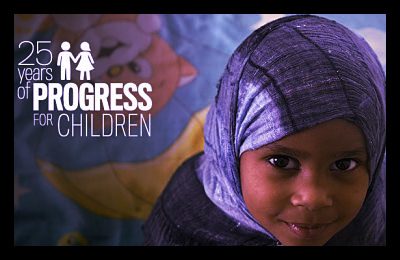
Although they are young, children have rights too. This year will be the 25th anniversary for the Convention on the Rights of the Child (CRC). Twenty-five years ago, certain countries of the United Nations made a promise through CRC that they would protect and promote children’s rights to thrive and survive, to make their voices heard and to allow them to reach to their full potential.

The Convention on the Rights of the Child is a treaty that recognizes the rights of children, including anyone below the age of 18. Since the year 2014, 194 countries have become State Parties to the Convention. It establishes a law that States Parties must ensure that children get health care and education and are able to develop their personalities, abilities and talents to their full potential. It also ensures that they grow up in a happy, loving and understanding environment.

Children should also be able to be informed about their basic human rights and how they should use them. The Convention was one of the first committees to recognize that children deserve human rights and that children are not objects or property of parents. CRC is often a reference that other organizations that work with children often look at to determine their framework.

There has been a lot accomplished through CRC, like declining infant mortality, rising school enrollment and more opportunities for girls. UNICEF has recognized this and has declared the year 2014 as the Year of Innovation for Equity. UNICEF wants to get the world’s attention to help develop solutions for children.

UNICEF promotes the principles and provisions of the Convention and the mainstreaming of children’s rights in a systematic manner, in its advocacy, programming, monitoring and evaluation activities.

– Priscilla Rodarte

Sources: UN Human Rights, UNICEF 1, UNICEF 2 Photo: UNICEF 3

July 8, 2014
https://borgenproject.org/wp-content/uploads/borgen-project-logo.svg 0 0 Borgen Project https://borgenproject.org/wp-content/uploads/borgen-project-logo.svg Borgen Project2014-07-08 04:00:592024-06-05 01:57:36Convention on the Rights of the Child
Children, Global Health, Health

First 28 Days of Life

28 days of life
The first 28 days of life are the most fragile. Because newborns are especially delicate, many child deaths happen within the first 28 days of life. In 2007, out of 9.2 million infant deaths, 40 percent of the deaths were during the newborn stage.

Over half of child deaths occur during the newborn stage in developing countries, as most babies only live a few days after birth. Some of the main causes of early death are serious infections, prematurity, birth asphyxia (a condition arising when the body is deprived of oxygen, causing unconsciousness or death from suffocation) and congenital malformations.

Another major cause of early death is the health of the mother during pregnancy. Some specific examples that lead to early deaths in developing countries are a lack of attention to maternal health because they do not have care from proper skilled caretakers, the lack of knowledge about infant illnesses and the absence of proper birthing facilities.

A committee has been developed specifically for newborn health and development and aims to prevent newborn deaths. This committee is called Every Newborn: an action plan to end preventable deaths. The main partners involved in this community are WHO and UNICEF. Every Newborn (ENAP) is also working with governments who have recently made commitments to look into this issue and come up with solutions. ENAP works to develop solutions. Solutions range  from a wide variety of aid to end preventable deaths in newborns and mothers. The committee claims they have the knowledge, power and skills to prevent two-thirds of newborn deaths.

ENAP’s mission is “a vision of a world in which there are no preventable deaths of newborns or stillbirths, where every pregnancy is wanted, every birth celebrated, and women, babies and children survive, thrive and reach their full potential.”

– Priscilla Rodarte

Sources: Every Newborn, Healthy Newborn Network, WHO 1, WHO 2 UNICEF
Photo: GW Hospital

July 7, 2014
https://borgenproject.org/wp-content/uploads/borgen-project-logo.svg 0 0 Borgen Project https://borgenproject.org/wp-content/uploads/borgen-project-logo.svg Borgen Project2014-07-07 04:00:172024-06-05 01:57:42First 28 Days of Life
Children, Disease, Global Health, Global Poverty

3 Most Infectious Diseases Among Children

infectious diseases among children
Every year, more than six million children die before they reach their fifth birthday due to preventable infectious diseases according to the U.N. In a recent report, USAID revealed that the following three diseases are the greatest contributors to that statistic:

3 Most Infectious Diseases Among Children

  1. Pneumonia is the cause of approximately 17 percent of deaths in children under the age of five. Especially among infants, pneumonia is a serious lung infection. Pneumonia causes more deaths in children than AIDS, malaria, and measles combined according to UNICEF.
  2. Diarrhea is the second most deadly condition for children under five, causing nine percent of deaths. Compared to adults, children are particularly susceptible to diarrhea because a greater proportion of their body weight is made up of water. Even though it is such a dangerous condition for children, only 44 percent of children in developing countries suffering from diarrhea receive treatment according to the World Health Organization (WHO).
  3. Malaria closely follows diarrhea, causing about seven percent of all child deaths. Even though malaria is easily spread through a mosquito bite, this disease can be just as easily prevented through insecticide-treated mosquito nets and effective antibiotics. Although 1.1 million deaths caused by malaria have been averted since the start of the U.N.’s Millennium Development Goals in 2000, malaria is still a major health issue in developing countries.

Pneumonia, diarrhea and malaria together account for about a third of all child deaths globally. The symptoms and effects of these diseases can become severe if the infected person is malnourished or does not receive the proper necessary treatment. As a result, these three diseases are all the more rampant in developing countries.

Similarly to the U.N.’s goal to reduce the child mortality rate by two-thirds, WHO and UNICEF staff members worked together to create the Global Action Plan for Pneumonia and Diarrhea (GAPPD). This integrated plan seeks to end child deaths caused by these two preventable diseases by 2025. The GAPPD will also combine the practices for treating both pneumonia and diarrhea since the causes and treatment for these two diseases are interrelated.

Global poverty is directly related to the spread of infectious diseases in developing countries. This is why The Borgen Project along with so many other organizations work to decrease the multi-layered issue of poverty across the globe.

– Meghan Orner

Sources: Daily Times, WebMD, World Health Organization, World Health Organization
Photo: UNICEF

July 2, 2014
https://borgenproject.org/wp-content/uploads/borgen-project-logo.svg 0 0 Borgen Project https://borgenproject.org/wp-content/uploads/borgen-project-logo.svg Borgen Project2014-07-02 14:41:412024-06-05 01:57:403 Most Infectious Diseases Among Children
Children, Food & Hunger, Women & Children, Women and Female Empowerment

What is 1,000 Days?

1,000 days
The fact remains that undernutrition is completely and indisputably preventable.

Yet this condition continues to claim the lives of 2.6 million children each year. This is more than any other disease, making malnutrition the leading cause of death among young children.

In September of 2010, U.S Secretary of State Hillary Clinton, and then-Irish Minister for Foreign Affairs Micheál Martin, took a stand to fight this deadly disease.

The two diplomats, along with a community of global leaders, launched the 1,000 Days Partnership. This movement promotes action and investment in nutrition during the 1,000 days from the start of a woman’s pregnancy until a child’s 2nd birthday.

Why 1,000 days? Leading scientists, economists and health experts all agree that the proper nutrition in the first 1,000 days of pregnancy and the life of an infant “have a profound impact on a child’s ability to grow, learn and rise out of poverty.”

When a woman is undernourished during pregnancy, her baby has a higher risk of dying in infancy and is more likely to face lifelong cognitive and physical deficits and chronic health problems.

Once the child is born, the first two years are critical to their chance at a healthy and productive life. Undernutrition weakens the immune system, and children not receiving nutritious foods are more susceptible to dying from common illnesses such as pneumonia, diarrhea and malaria.

According to The U.S. Agency for International Development (USAID), a nutrient deficiency is not only dangerous to early childhood health, but also to the long-term success of a child. Lower levels of educational attainment, reduced productivity later in life and lower lifetime earnings are all consequences of a lack of early-nutrition.

In a recent release, USAID reports that “undernutition robs the developing world of critical human capital and capacity, and undermines other development investments in health, education and economic growth.”

According to the 1,000 Days movement, the answer to improving nutrition lies in three strategic, affordable, cost-effect solutions: “ensuring that mothers and young children get the necessary vitamins and minerals they need; promoting good nutrition practices, including breastfeeding and appropriate healthy foods for infants; and treating malnourished children with special, therapeutic foods.”

Evidence shows that providing the proper nutrition to a mother and her newborn has extensive benefits. These advantages include significantly reducing the burden of diseases such as tuberculosis, malaria and HIV/AIDS, increasing a country’s GDP by at least 2-3 percent annually, and, most importantly, saving more than 1 million lives each year.

Since it was created in 2010, over 80 international relief and development organizations have partnered with the 1,000 Movement. Along with its efforts to encourage new actors to invest in maternal and child nutrition, 1,000 Days also encourages support for the Scaling Up Nutrition (SUN) movement. The two organizations work in tandem at a U.S.-based hub formed in June 2011 by InterAction, a coalition of U.S.-based international relief and development organizations and the Global Alliance for Improved Nutrition (GAIN) in collaboration with the U.S Department of State.

1,000 Days founder, Hillary Clinton, appropriately asserted, “Improving nutrition for mothers and children is one of the most cost-effective and impactful tools we have for poverty alleviation and sustainable development.”

— Grace Flaherty

Sources: Daily Times NG, 1,000 Days
Photo: Care

June 26, 2014
https://borgenproject.org/wp-content/uploads/borgen-project-logo.svg 0 0 Borgen Project https://borgenproject.org/wp-content/uploads/borgen-project-logo.svg Borgen Project2014-06-26 18:49:022017-03-20 14:12:57What is 1,000 Days?
Activism, Advocacy, Children, Human Trafficking

UNICEF and the World Cup

This year, UNICEF has been utilizing the global platform that the 2014 World Cup provides as a method to boost advocacy.

While it is true that the competition brings people together and has many positive effects on the nations involved, the World Cup will unfortunately also result in the rise of more sinister practices.

For example, global sporting events like the World Cup almost always result in a significant boost in human trafficking.

Judy Harris Kluger, an affiliate of the nonprofit Sanctuary for Families, describes this phenomenon: “On the most basic level, any location that sees an exponential increase in large numbers of men traveling for entertainment will receive a proportion increase in those who purchase sex.”

In Brazil, where this year’s World Cup is being held, prostitution for those over 18 is legal. Unfortunately, many of the people on the streets selling sex are children, and UNICEF is trying to do something about it.

In order to combat child trafficking, UNICEF Brazil has created an app called Proteja Brasil that allows users to report incidences of exploitation or abuse. Witnesses can use the application to document the time, details and location of incidents. This information is sent directly to the authorities who can respond immediately.

In addition to reporting the exploitation of children, the app contains detailed information about exactly what constitutes child abuse, leaving users better educated and more able to protect youth from harm.

Despite the fact that the World Cup means remarkably high numbers of people will be exploited in sex trafficking, UNICEF still sees the tournament as having the potential to create positive change, saying, “The FIFA World Cup is not only a great sporting event, but a powerful opportunity to share messages about the profound and positive difference sport can make in the lives of children. It provides a chance to focus positive public attention on the special risks children face in host countries like Brazil and around the world and the special efforts we can take to protect them from those threats.”

Hopefully UNICEF’s efforts to protect children during this year’s World Cup will be effective. The tournament is essentially a massive world stage which the United Nations is trying to use to for good.

The U.N.’s Secretary-General Ban Ki-moon attended the first match of this year’s World Cup and released a statement that  highlights the tournament’s significance: “Sport has a unique ability to unite us, and to show us what we have in common…[The World Cup] is an occasion to celebrate the best values of sport: teamwork, fair play and mutual respect.”

— Emily Jablonski

Sources: Huffington Post, UN, UNICEF
Photo: UNICEF USA

June 24, 2014
https://borgenproject.org/wp-content/uploads/borgen-project-logo.svg 0 0 Borgen Project https://borgenproject.org/wp-content/uploads/borgen-project-logo.svg Borgen Project2014-06-24 04:56:442024-06-05 01:57:34UNICEF and the World Cup
Page 122 of 137«‹120121122123124›»

Get Smarter

  • Global Poverty 101
  • Global Poverty… The Good News
  • Global Poverty & U.S. Jobs
  • Global Poverty and National Security
  • Innovative Solutions to Poverty
  • Global Poverty & Aid FAQ’s
Search Search

Take Action

  • Call Congress
  • Email Congress
  • Donate
  • 30 Ways to Help
  • Volunteer Ops
  • Internships
  • Courses & Certificates
  • The Podcast
Borgen Project

“The Borgen Project is an incredible nonprofit organization that is addressing poverty and hunger and working towards ending them.”

-The Huffington Post

Inside The Borgen Project

  • Contact
  • About
  • Financials
  • President
  • Board of Directors
  • Board of Advisors

International Links

  • UK Email Parliament
  • UK Donate
  • Canada Email Parliament

Get Smarter

  • Global Poverty 101
  • Global Poverty… The Good News
  • Global Poverty & U.S. Jobs
  • Global Poverty and National Security
  • Innovative Solutions to Poverty
  • Global Poverty & Aid FAQ’s

Ways to Help

  • Call Congress
  • Email Congress
  • Donate
  • 30 Ways to Help
  • Volunteer Ops
  • Internships
  • Courses & Certificates
  • The Podcast
Scroll to top Scroll to top Scroll to top