• Link to X
  • Link to Facebook
  • Link to Instagram
  • Link to TikTok
  • Link to Youtube
  • About
    • About Us
      • President
      • Board of Directors
      • Board of Advisors
      • Financials
      • Our Methodology
      • Success Tracker
      • Contact
  • Act Now
    • 30 Ways to Help
      • Email Congress
      • Call Congress
      • Volunteer
      • Courses & Certificates
      • Be a Donor
    • Internships
      • In-Office Internships
      • Remote Internships
    • Legislation
      • Politics 101
  • The Blog
  • The Podcast
  • Magazine
  • Donate
  • Click to open the search input field Click to open the search input field Search
  • Menu Menu

Archive for category: Aid

Aid, Food Insecurity, Food Security, Global Poverty

10 Facts About Food Insecurity in Central America

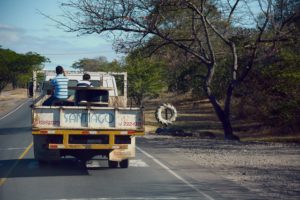
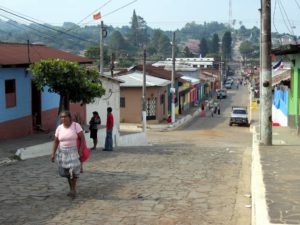
Food Insecurity in Central AmericaThe ability to consistently access nourishment is vital for all people. In regions affected by poverty, like Central America, many families lack this ability. These 10 facts will provide a glimpse at food insecurity in Central America, how it affects the lives of the people who live there and what has been done to address it.
10 Facts About Food Insecurity in Central America

  1. More than 10 percent of Guatemalan children are underweight. About 46.5 percent of Guatemalan children suffer from stunted growth caused by malnutrition. Indigenous children are more likely to suffer from stunted growth; 58 percent of Guatemalan indigenous children under 5 suffer from this condition. Indigenous children are also more likely to suffer from anemia and vitamin deficiencies.
  2. Food insecurity fuels migration to the U.S. Severe droughts, crops destroyed by fungus and persistent poverty all play a role in preventing families from thriving in their home country. USAID and U.N. reports find that poverty and food insecurity in Central America motivates migration more than other factors.
  3. From 2015 to 2018, food insecurity in Central America increased annually. Indigenous populations and women were the groups most impacted by chronic hunger. Poor and rural communities were also likely to suffer from hunger and malnutrition.
  4. USAID’s response to food insecurity is focused on agriculture. USAID funds studies that create solutions to agricultural problems. USAID works with many groups, including governments, universities and American farmers, to bring agricultural solutions to regions affected by food insecurity. USAID also implements initiatives like Feed the Future that directly address food insecurity. Guatemala and Honduras are two of the 12 countries that receive specially targeted assistance through Feed the Future.
  5. Between 2013 and 2017, USAID’s initiative Feed the Future provided assistance to 215,000 Guatemalan children. During this period, Guatemalan agricultural production created $47.8 million worth of profits for the Guatemalan economy. Feed the Future worked to improve agriculture in Guatemala by providing resilient seedlings, higher-quality pesticides and training to prevent the spread of disease among crops. Guatemalan agriculture also became more diverse thanks to the introduction of new crops. In cooperation with USDA, Feed the Future helped Guatemalan farmers learn new methods of planting crops and tracking their growth electronically.
  6. In 2014, USAID implemented new programs in Honduras to fulfill the goals of the U.S. Global Food Security Strategy. In cooperation with the Honduran government, USAID works to decrease rates of stunted growth by 20 percent by 2020. USAID is also working to move 10,000 families out of extreme poverty by 2020. To combat food insecurity in Honduras, USAID is promoting crop diversity, improving infrastructure connecting rural areas to urban areas and improving child nutrition.
  7. The Dry Corridor is experiencing drought. The region referred to as the Central American “Dry Corridor” consists of Guatemala, Honduras, El Salvador and Nicaragua. During the summer of 2018, the Dry Corridor was hit by low levels of rainfall and above-average temperatures. The unusually severe drought of 2018 came after a previous two years of drought that lasted from 2014 to 2016, which required food relief for millions of people.
  8. Food insecurity in Central America has been worsened by severe droughts. For the past year, there has been a severe drought in Nicaragua, Honduras, and Guatemala. 290,322 families in the Northern Triangle countries of Honduras, Guatemala and El Salvador were affected by the 2018 drought. $37 million worth of corn was destroyed in El Salvador alone due to lack of rain.
  9. The Central American drought was caused by the effects of the 2015-16 El Niño Event and by the results of global climate change. After the drought, about 3.6 million people required food-related aid. 50-90 percent of the region’s agricultural production was destroyed.
  10. After the 2014-15 droughts and the following spike in food insecurity, the Central American Dry Corridor received an influx of humanitarian aid. Efforts were made to conserve soil, more closely track data about nutrition and hunger and better prepare for future droughts. In the midst of the 2018 drought, data collection was prioritized in order to maintain stable food prices, combat food insecurity within particularly vulnerable populations and relocate rural families away from the regions most severely affected by the drought.

Central America, a region already affected by poverty, reached the brink of crisis after nearly 5 years of severe droughts. By 2018, food insecurity in Central America had spread throughout the countries of the Dry Corridor. But regional governments, with the assistance of relief agencies, implemented agriculture-based solutions to ensure that future droughts would not have the same disastrous consequences. These innovative solutions pave the way for a more secure future in Central America.

– Emelie Fippin
Photo: Flickr

July 18, 2019
https://borgenproject.org/wp-content/uploads/borgen-project-logo.svg 0 0 Kim Thelwell https://borgenproject.org/wp-content/uploads/borgen-project-logo.svg Kim Thelwell2019-07-18 14:04:382024-05-29 23:09:5110 Facts About Food Insecurity in Central America
Aid, Global Poverty

Hunger and Uncertainty in The Horn of Africa Drought

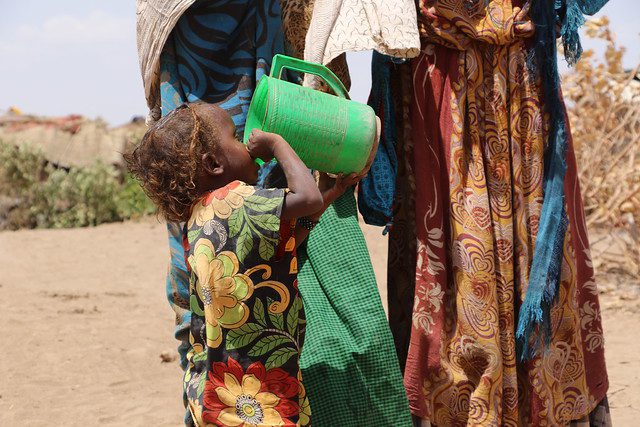
drought in AfricaThe Horn of Africa, a region where nearly 80 percent of the population relies on farming for survival, has been hit with a prolonged and harmful drought. Periods of dry weather are not uncommon in the area. However, such a significant timespan without any rainfall spells disaster for those who require healthy crops to make a living. The Horn of Africa drought is even more dangerous considering climate change and the United States’ reduced foreign aid budget.
The Drought

The Horn of Africa is well acquainted with droughts. The region has faced several in recent years. However, the current dry spell is severely affecting the ability of families to obtain food, making it one of the harshest droughts the region has seen.

The Food and Agriculture Organization of the United Nations (FAO) reports that the ongoing Horn of Africa drought has triggered widespread food insecurity, especially among families raising livestock. Expecting the drought to cause increased hunger, the FAO issued a pre-famine alert for Ethiopia, Kenya and Somalia. The governments of Kenya and Somalia have already declared a national disaster.

The FAO also reports that families are malnourished due to scarce food and a lack of proper nutrients. Since the onset of the drought in 2017, the number of people grappling with food insecurity has increased dramatically. For example, 2.7 million people in Kenya, 2.9 million people in Somalia and 5.6 million people in Ethiopia are suffering from food insecurit.

Climate Change: Another Hurdle

Climate change is a major factor influencing the impact of the African Horn drought. According to the State of Food Security and Nutrition in the World Report 2018, the number of disasters related to climate change have doubled since 1990. These events include flooding, droughts and fires caused by extreme dry heat.

The people who live in the region have remarked on the disastrous consequences of climate change. Birhan, an Ethiopian mother of four, commented, “We have not seen an improvement in the climate situation… The drought is becoming recurrent. But if there is rain, it is excessive and destroys the crops.” Birhan and 1.5 million other people are able to receive emergency rations during the drought thanks to the USAID food program. However, the aid is not enough to quell the rising need for food, livestock and water.

Cutting Back Foreign Aid

In March, the White House proposed the 2020 fiscal budget. This budget aims to cut U.S. foreign food and financial assistance by 24 percent. This funding reduction will exacerbate the adverse impacts of the Horn of Africa drought. Without assistance from developed nations such as the U.S., access to food and clean water will become more difficult for those inhabiting the affected regions.

Matt Davis is the East Africa regional director for Catholic Relief Services, an organization overseeing a U.S.-funded food program in the area. Davis commented on the federal budget’s impact on struggling populations: “We’re very concerned by the deteriorating conditions in the region where we are seeing families–whose lives rely on the land–unable to cope,” he said. “We are concerned the administration’s budget could abandon millions of families around the world just when they need help the most.”

Relief Efforts

Climate hazards and reduced U.S. assistance have worsened the impact of the Horn of Africa drought. Several organizations are working to help families with food and financial aid to combat these issues. In 2017, the European Union decided to further aid the people of Somalia, Kenya and Ethiopia during the recurring drought by offering nearly €260 million in financial assistance.

The Horn of Africa drought is cyclical in nature. The countries most affected by the drought are seeking localized solutions to surviving climate-related issues. Kenya appears to be moving forward in this area, with the government investing in community water sources independent of rain-fueled agriculture.

Ethiopia has also made strides in building a defense against the drought by implementing The Productive Safety Net Programme. This program helps food-insecure communities build stockpiles of food to prepare for drought and ultimately become food self-sufficient.

Coordination between the affected countries and more developed nations is necessary to build resistance to drought and other disastrous climate-related issues. Global financial and food assistance programs, a U.S. budget that does not drastically reduce foreign aid and localized efforts to build resistance against drought are effective approaches. These strategies will help the Horn of Africa move closer to a truly thriving expanse of subsistence farming.

– Holli Flanagan
Photo: Flickr

July 17, 2019
https://borgenproject.org/wp-content/uploads/borgen-project-logo.svg 0 0 Kim Thelwell https://borgenproject.org/wp-content/uploads/borgen-project-logo.svg Kim Thelwell2019-07-17 01:30:442024-05-29 22:59:30Hunger and Uncertainty in The Horn of Africa Drought
Aid

U.S. Foreign Assistance to Central America

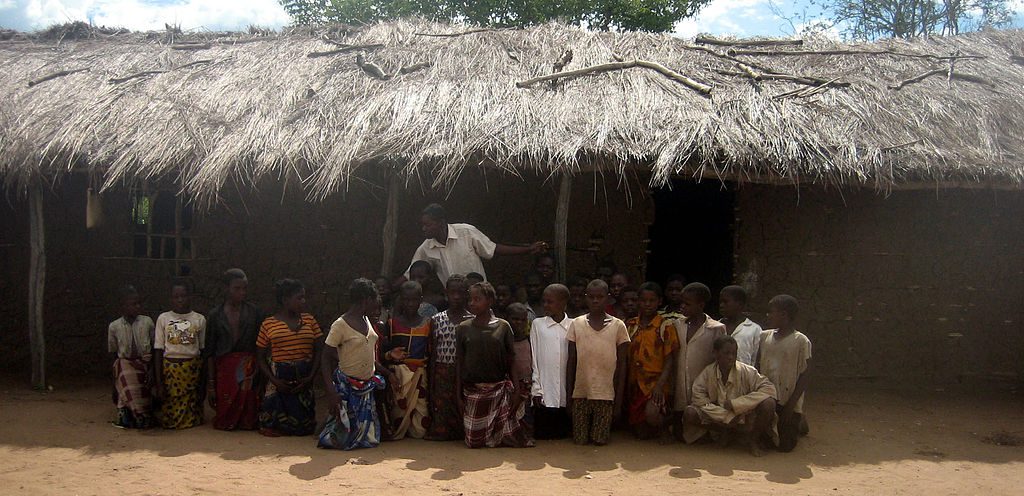
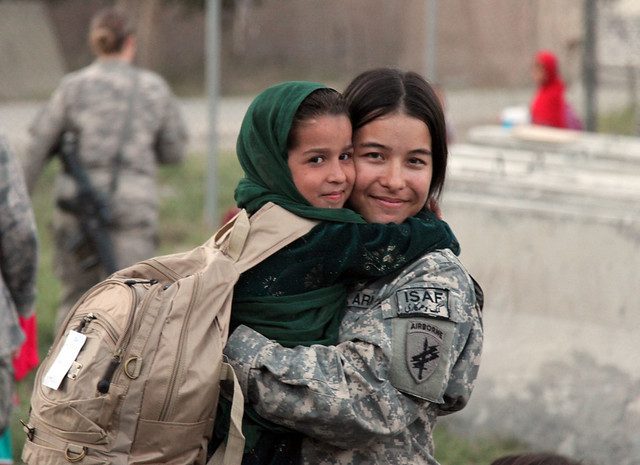
U.S. foreign assistance to Central AmericaRecently, there has been an ongoing debate regarding U.S. foreign assistance to Central America with an emphasis on the countries in the Northern Triangle. The countries include Guatemala, Honduras and El Salvador. This topic has gained recent attention due to the ongoing border crisis at the U.S.-Mexico Border. Some government officials believe cutting aid will improve the crisis while others believe it will enhance the problem.
Foreign Aid

President Donald Trump announced in April 2019 that he would cut aid to countries in the Northern Triangle. President Trump believed that this decision was an appropriate response to limit the number of refugees from these countries who seek asylum in the U.S. He used this tactic as a punishment directed at Central American governments for allowing record levels of displaced persons to migrate to the U.S. border.

On the other side of the debate, U.S. foreign assistance to Central America may actually be what is necessary to curb this problem. In Guatemala, Honduras and El Salvador there are multiple factors that contribute to why people are leaving their homelands. People are seeking asylum in the U.S to escape crime, poverty, corruption and violence.

What Does U.S. Assistance Do in Central America?

The U.S. funds in the Northern Triangle assist a variety of programs. The United States Agency for International Development (USAID) supports increasing security and economic development, ensuring human rights and working towards a more self-reliant population among other projects.

  • El Salvador: In El Salvador, the State Department and USAID projects aided 50 towns by integrating the police force with a community-level crime prevention plan. In these areas, homicide rates shrunk by an average of 61 percent from 2015 to 2017. The El Salvadorian government expanded its yearly revenue by $350 million with the help of a $5 million investment from the U.S. that helped to reform El Salvador’s tax system.
  • Guatemala: In Guatemala, USAID leveraged more than $7 million in private investment, which in turn, helped more than 230,000 children with nutritional support. In the agricultural sector, USAID helped promote the advancement of sales for rural farmers by 51 percent. This aid also helped to create 20,000 new agricultural jobs.
  • Honduras: USAID, in collaboration with Feed the Future, helped lift 89,000 people out of extreme poverty. They also convinced the Honduran government to invest $56 million into the program. USAID and the State Department also helped to drastically reduce homicide rates in dangerous neighborhoods. Through community policing and youth programs backed by the U.S., murder rates dropped by 78 percent between 2013 and 2016 in at-risk communities.

U.S. Strategy for Central America

The U.S. plan for Central America is a bipartisan, multi-year plan that promotes institutional improvements and sparks conversation about developmental challenges. There are three different facets to this strategy.

  1. Promoting prosperity: In the Northern Triangle, USAID projects helped to create nearly 30,000 jobs in 2017 and more than 18,000 in 2018. Furthermore, the U.S. helped facilitate more than $73 million in exports and domestic sales. U.S.-led projects also fostered comradery and interconnectivity between different countries, which led to the formation of new organizations. In May 2016, the Mexico and Central America Interconnection Commission was established. This organization will help to advance power market integration, which will decrease power costs in the territory and increase economic activity.
  2. Enhancing security: U.S. backing makes it easier for regional governments to stop illegal narcotics from reaching the U.S. In 2018, Honduras seized almost 45,000 kilograms of illegal narcotics. U.S. foreign assistance to Central America also helps countries outside of the Northern Triangle. With the help of the U.S., Costa Rica seized more than 35,000 kilograms of illegal narcotics. The enhanced security also got dangerous gang members off the streets. In September 2017, U.S. support helped coordinate an operation that led to the arrests of nearly 4,000 gang members in the U.S. and Northern Triangle countries.
  3. Improving Governance: The U.S. projects help support the improvement of tax collection and fiscal transparency in the countries in the Northern Triangle. This leads to improved effectiveness of public spending and helps professionalize the civil service. In Guatemala, this service limited the number of steps needed to submit a customs and tax complaint, which made it easier to prompt an investigation.

Many politicians believe that it would be a bad idea to cut funding to Central America. “We will work with our colleagues in Congress to do everything in our power to push back on the President’s misguided approach to Central America,” said House Foreign Affairs Chairman Eliot Engel (D-NY). Across the aisle, Senator Marco Rubio (R-FL) tweeted, “Reducing support to CentAm and closing the border with Mexico would be counterproductive.”

U.S. foreign assistance to Central America currently remains a controversial issue in the U.S. But, the statistics don’t lie. Foreign aid has helped the countries in the Northern Triangle. Cutting that aid will not slow the stream of immigrants trying to enter the U.S., but making improvements to the countries through continued aid might.

– Nicholas Bartlett
Photo: Flickr

July 12, 2019
https://borgenproject.org/wp-content/uploads/borgen-project-logo.svg 0 0 Kim Thelwell https://borgenproject.org/wp-content/uploads/borgen-project-logo.svg Kim Thelwell2019-07-12 07:30:452024-05-29 23:00:31U.S. Foreign Assistance to Central America
Aid, Education, Global Poverty

Cyclone Effects on Mozambican Students

Cyclone Effects on Mozambican Students
Six weeks after Cyclone Idai ripped through central and southern Mozambique in March, Cyclone Kenneth added further destruction in the northern portion of the country. Having these consecutive disasters is highly abnormal in the region, and the impact of both storms has left over 650 people dead in Mozambique alone. Time Magazine reported that Mozambique would need $3.2 billion in order to recover after the damage caused by the storms.

The Cyclones

Mozambique is already a developmentally challenged country, suffering from high poverty rates due to high population growth, low agricultural productivity, illnesses and unequal distribution of wealth. These storms have left many citizens with nothing, further impoverishing the country. One of the most impactful yet overlooked aspects of the storms is the influence they have had and will continue to have over students. Cyclone effects on Mozambican students have made it difficult — and sometimes simply impossible — for the young population to continue their educations.

Impact on Students

More than 600 schools in Mozambique were damaged, impacting more than 300,000 students’ access to education. School records have been destroyed, roofs are missing from schools, and the water damage to classrooms is significant. School supplies have also been destroyed, meaning students have no access to notebooks, textbooks or writing utensils. Because of the damage to many classrooms, students are being forced to overcrowd classrooms, forcing multiple teachers to use the same room. This has proven to be highly distracting for students, and their focus is not fully on the content they are learning.

Along with schools being damaged and inadequate, other cyclone effects on Mozambican students come from the storms’ impact on their lives outside of school. With the devastation of the cyclones, many students come from families who have lost their homes, or even someone who had lived with them. As a result, children are unable to attend school, and both the ones who do and don’t attend school are suffering from lack of proper food and water — often going without either.

Additionally, the psychological toll that these storms have taken on kids has led to disruptions in their learning abilities. Many kids have seen the effects of the storms firsthand, having lost family members, neighbors and friends in the floods. School attendance rates are already low, with less than half of children under 15 fulfilling the country’s mandatory primary school program. That number decreases to less than 20 percent when it comes to high school attendance because many families cannot afford to pay school fees.

Aid Organizations

Various organizations have stepped up to provide relief and spread awareness about the disastrous effects of the storms, both in general and specifically for students. The Red Cross was among the first groups to arrive in areas of Mozambique severely affected, providing immediate aid to people in need. World Vision is another organization that has been active in its media coverage of what’s going on within Mozambique, in addition to its relief efforts. In Mozambique specifically, its focus is on providing food, water, child protection services and further education. It has also established two Child-Friendly spaces where kids are sheltered and given activities to do.

Save the Children, an organization based in the U.K., has consulted children and their families on their experiences with the storms. Affected children have shown varying sign of psychological stress, ranging from general anxiety that another storm will come to bedwetting. The organization has been in Mozambique since before the first cyclone made contact, and it has been providing child protection, emergency shelter and healthcare.

Overall, there is much to be done in terms of relief when it comes to Mozambique’s recovery. Much of the aid will go toward providing people with the essentials: food, water and shelter. However, attention should be paid particularly to the cyclone effects on Mozambican students. Access to education should be afforded to all children, regardless of socioeconomic status. Thankfully, there are a number of organizations that recognize that education needs to be prioritized in the aid they give.

— Emi Cormier
Photo: Wikimedia Commons

July 8, 2019
https://borgenproject.org/wp-content/uploads/borgen-project-logo.svg 0 0 Kim Thelwell https://borgenproject.org/wp-content/uploads/borgen-project-logo.svg Kim Thelwell2019-07-08 17:26:042019-07-08 17:57:39Cyclone Effects on Mozambican Students
Aid, Global Poverty, Hunger, Philanthropy, United Nations

High Tide, High Hopes: Flooding in Afghanistan

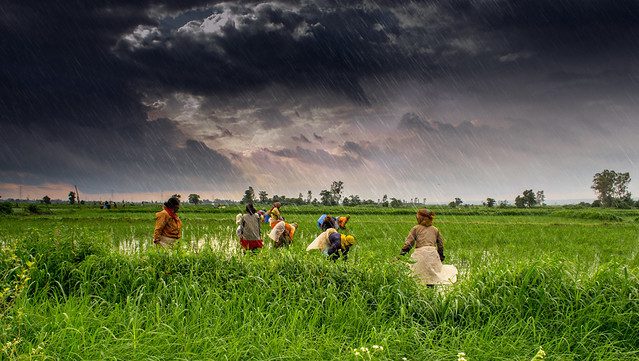
Flooding in AfghanistanAfter suffering through an extreme drought for months, Afghanistan now faces a new crisis: severe flash floods. As many as 112,000 people have been affected by the flooding in Afghanistan and entire homes or villages have been swept away. In light of both droughts and conflict, the U.N. has estimated that 6.3 million people will need humanitarian assistance in Afghanistan in 2019. The country has faced extreme adversity and is in desperate need of crucial and life-saving aid.
Drought and Flooding

The extreme drought the country has been facing has made it more difficult for the soil to absorb water, which makes flooding more likely. The El Niño weather phenomenon is also largely responsible for the extreme amounts of rainfall experienced by Afghanistan. Some forecasters have predicted that due to this chaotic weather pattern, rainfall could increase by 40 to 50 percent through May. These chaotic changes in weather have had disastrous effects on Afghanistan and its neighbors. Although the rain has stopped, many in Afghanistan fear that even worse flooding is yet to come. The region is often hit by flash floods due to its rocky terrain, but many claim this is the worst flooding the country has seen in years.

Humanitarian Aid

The International Federation of the Red Cross requested an emergency appeal of 7 million Swiss francs, which they mean to use to support up to 650,000 people affected by the flooding in Afghanistan who need immediate relief. The IFRC wants to use this money to support the Afghan Red Crescent Society, in providing shelter, health care, water and sanitation to those affected by both extreme drought and flooding. Recently, USAID with support of the Department of Defense airlifted over 200 metric tons of relief items regions in Afghanistan. The U.S. also announced that they would be providing an additional $61 million in aid relief funds to provide food assistance, hygiene and safe water.

World Disaster Report

Every year the IFRC conducts a World Disaster Report in order to provide more insight into the causes and effects of disaster situations. The IFRC, in partnership with ARC, launched a campaign last year to research natural disasters in Afghanistan. The report’s findings found that not enough money was being invested in risk prevention and a majority of financial aid was being spent after disasters rather than before. It concluded that building resilience and preparedness within communities before disaster strikes is one of the most important factors in reducing the effects of natural disasters.

Extreme drought and severe flooding in Afghanistan have left its people in a state of emergency. The flooding has also begun to hit Afghanistan’s neighbors, Iran and Pakistan, and is causing the same kind of destruction and displacement. Thousands have been displaced and even more are in need of immediate humanitarian assistance. Both U.N. organizations and IFRC are providing crucial aid to combat the aftermath of the flooding in Afghanistan.

– Olivia Halliburton
Photo: Flickr

July 2, 2019
https://borgenproject.org/wp-content/uploads/borgen-project-logo.svg 0 0 Kim Thelwell https://borgenproject.org/wp-content/uploads/borgen-project-logo.svg Kim Thelwell2019-07-02 07:30:102024-05-29 22:59:30High Tide, High Hopes: Flooding in Afghanistan
Aid, Global Poverty, Sustainable Development Goals

Artificial Intelligence Helps the Impoverished with Sustainability Goals

Artificial Intelligence Helps the Impoverished
Artificial intelligence has evolved from a futuristic fantasy to our living reality. The possibilities for artificial intelligence-based solutions are continuously developing. Therefore, the potential to expand the reach of various initiatives to help those in poverty is increasing. Recently, companies have recognized that artificial intelligence helps the impoverished by contributing to various sustainability initiatives in impoverished countries. The globally impoverished disproportionately suffer from the negative impacts of environmental issues. Artificial intelligence can help those in poverty restore a sense of empowerment in struggling communities.

How Artificial Intelligence Helps the Impoverished with Sustainability Goals

  • Wadhwani AI – The focus at Wadhwani AI is to bring artificial intelligence to communities in need (and thus that are the least likely to have access to artificial intelligence). One of their current projects focuses on cotton farming. Cotton is the third-largest crop in India with 75 percent grown by small farmers who struggle to have a stable income. Pests are a huge problem for small farmers for both economic and mental health reasons. After 40 percent of cotton crops were destroyed by a pink bollworm attack between 2017-2018, 100,000 cotton farmers committed suicide. As many pesticides have proven unreliable over time, Wadhwani AI is developing technology to detect pests, reducing crop losses and pesticide use.
  • Gringgo – Recycling collection is incredibly limited in impoverished areas. Generally, only 40 percent of trash is collected in South East Asia. Gringgo, based in Indonesia, uses an app to help collect plastic waste. The app connects waste collectors to uncollected recyclables in their area that can be sold for a profit, increasing income for waste workers and cleaning up waste simultaneously. Recycling facilities purchase these recyclables and convert them into various commodities. For example, plastics can be converted into fuel for the cement industry. Selling waste back to recycling industries (effectively taking it out of the waste stream) reduces ocean pollution, as many landfills are located near rivers, causing much of the collected waste to end up in oceans. Gringgo aims to increase recycling rates by 50 percent by 2022 and reduce the plastic in oceans by 25 percent by 2020 in South East Asia.
  • Makerere University – Air pollution causes more than 700,000 deaths in Africa yearly. Additionally, 98 percent of cities in low and middle-income areas do not meet air quality guidelines. Finding solutions to reduce air pollution is imperative. Based in Uganda, Makerere University demonstrates how artificial intelligence helps the impoverished by aiming to improve air quality. By using low-cost technology, Makerere University hopes to obtain more data on air pollution and the communities most at risk. Sensors attached to taxis around Uganda track pollution and will ultimately forecast future air pollution rates. Policymakers will use this data to make informed decisions regarding industrial changes to reduce air pollution. As data on air pollution rates in specific communities is currently lacking. However, this study could raise awareness among citizens about the unhealthy pollution rates in their own communities.

AI expansion is inevitable; it is already happening. While there are many possibilities for how artificial intelligence can help the impoverished, companies may also question the ethics of new technologies and possible impacts. That being said, it is clear that artificial intelligence can help those in poverty when paired with an open dialogue with those involved in terms of how to help.

– Amy Dickens
Photo: Flickr

June 3, 2019
https://borgenproject.org/wp-content/uploads/borgen-project-logo.svg 0 0 Kim Thelwell https://borgenproject.org/wp-content/uploads/borgen-project-logo.svg Kim Thelwell2019-06-03 01:30:342024-06-06 00:15:33Artificial Intelligence Helps the Impoverished with Sustainability Goals
Aid, Global Poverty, Women

How CARE International Changed Its Approach to International Aid

CARE International

From Europe to Everywhere

CARE International is one of the foremost aid organizations in the world. It has a long and distinguished history, having been established in 1945 to help survivors of World War II in Europe. Today, CARE operates in more than 90 countries, runs 1,033 projects that serve more than 80 million people, and holds more than $584,161 in financial resources.

The beginnings of CARE were very different than the organization that exists today. Many people today may not realize that the term care package, now part of the everyday English lexicon, began as a registered trademark of CARE—an acronym that originally stood for “Cooperative for American Remittances to Europe.”

But CARE—which now stands for “Cooperative for Assistance and Relief Everywhere”—has changed dramatically over its more than 70 years of operation. Not only has it grown in size, but it has also changed focus. While CARE started by sending commodities to hungry people in Europe, it has evolved into an organization that is both more global and more local, both broader and more focused.

International and Local

One of the biggest changes CARE has undergone since its inception is a change in scale. In 1979, CARE changed its name to Care International and transitioned from a U.S. organization to an international organization with 14 branches around the world. While the largest branch is CARE USA in Atlanta, CARE International’s central headquarters is in Geneva.

At the same time, CARE International has moved away from one-size-fits-all aid, like the CARE package, and toward locally focused aid. It makes an effort to hire employees from the localities that receive the benefits of aid projects, so the people tasked with implementing programs have a deep understanding of local needs and obstacles.

In the words of CARE USA’s previous CEO, Helene Gayle, “Now instead of just focusing on the consequences of poverty and lack of access to basic needs, we also focus on the underlying causes… We look at how you have a longer-term impact on the lives of the communities in which we work… and we work not only on relief and emergency situations but continuing from relief to recovery to development, and building resiliency so communities that are affected from time to time by emergencies are able to respond and bounce back better.”

Helping Women and Girls

Gayle, as CEO of CARE USA, ushered in another major change, this one a change of focus. Under her leadership, CARE starting focusing its efforts on women and girls.

This is because, in Gayle’s view, “Girls and women bear the brunt of poverty around the world.” She explains elsewhere, “if women and girls have an opportunity, there’s this catalytic effect. A girl who is educated is more likely to marry later, have fewer children, have a greater economic future for her children, get them into school, etc.”

CARE’s focus on the wellbeing of women and girls has generated impressive results. For instance, in one CARE program in Bangladesh designed to reduce malnutrition in children, aid workers realized that the program was most effective “when households also participated in activities that contributed to women’s empowerment.” CARE began by creating programs to increase educational access to women and fight domestic violence, and the nutrition benefits followed.

CARE International is a storied organization that could have continued along the path it started in 1945. In order to have an impact on a changing world, though, the organization decided to change. In the process, it has provided a lesson in flexible, dynamic global aid work in the 21st century.

-Eric Rosenbaum
Photo: Flickr

May 12, 2019
https://borgenproject.org/wp-content/uploads/borgen-project-logo.svg 0 0 Kim Thelwell https://borgenproject.org/wp-content/uploads/borgen-project-logo.svg Kim Thelwell2019-05-12 14:17:472024-12-13 18:01:47How CARE International Changed Its Approach to International Aid
Aid, Global Poverty

The U.N. and Distribution of International Aid Funds

Distribution of International Aid Funds
Established during the 1940s, the United Nations has been responsible for the distribution of international aid funds for decades. As the need for aid increased, the U.N. developed programs to assist in the way they distribute aid across countries in need.

United Nations Refugee Agency

There are four subdivisions, or entities, within the U.N. that regulate the distribution of international aid funds. Following the mission of the U.N., the subdivision, United Nations Refugee Agency (UNHCR), focuses on the well-being of persons identifying as refugees, returnees, stateless people, internally displaced or asylum-seekers. The goal of this subdivision is to ensure the safety and security of those seeking refuge. International aid in this department helps stabilize and rebuild the lives of people forced from the place they call home.

UNICEF and the World Food Programme

There are two entities whose focus is centered around the welfare and well-being of children. History has shown that children displaced by poverty, war, famine or other uncontrollable circumstances, often fare the worst. The United Nations Children’s Fund (UNICEF) and the World Food Programme (WFP) center their international aid efforts around providing food and other services for children and families unable to secure resources in traditional ways. UNICEF helps secure medical resources for countries where hospitals have been destroyed and which have insufficient resources and manpower or where hospitals and medical centers are too far from underserved communities.

UNICEF, however, distributes more than just medical resources. Last year, UNICEF offered mental and psychosocial services to thousands of Rohingya refugee children in Bangladesh.

The war-torn country of Yemen illustrates the need for the distribution of international aid to fund programs like WFP. Due to the war, men find it challenging to find work, which makes it difficult for fathers to provide for their children. Without food and proper nourishment, death is often the bleak future for young children, as was the case for a young boy named Mohamed in Hajjah. Shortly after being photographed, he passed away due to malnourishment. WFP works diligently to provide children around the world with food so that stories like Mohamed’s are anomalies, not the norm.

The United Nations Development Programme

The United Nations Development Programme (UNDP) is the fourth entity which provides strategies and plans to help implement sustainable change. This subdivision acts as an accountability partner for countries across the world, to ensure that governments are actively participating in the rebuilding and stabilizing efforts being produced through the U.N. The UNDP currently has a strategic plan in action supporting government partnerships with businesses. This three-part plan encourages economy growth within underprivileged communities.

Over 70 years later, the U.N. continues to handle the distribution of international aid funds by helping citizens, families, communities and countries across the globe.

– Christina Taylor
Photo: Flickr

March 30, 2019
https://borgenproject.org/wp-content/uploads/borgen-project-logo.svg 0 0 Borgen Project https://borgenproject.org/wp-content/uploads/borgen-project-logo.svg Borgen Project2019-03-30 09:53:192021-12-10 11:31:26The U.N. and Distribution of International Aid Funds
Aid, Global Poverty

Aid in The Holdout Province

the holdout province
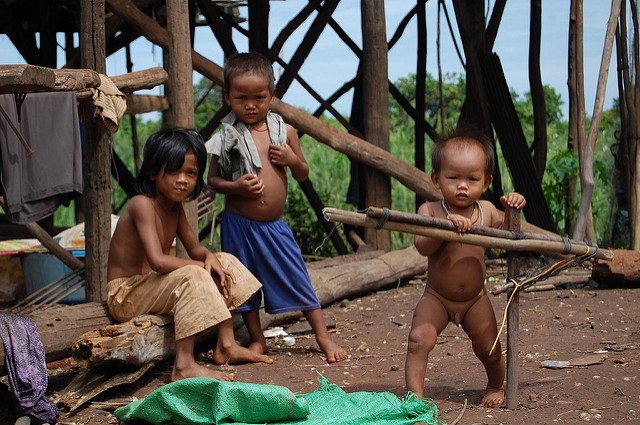
While the world has breathed a collective sigh of relief following the September agreement made by Turkey and Russia – thus halting the advance of troops, the northwestern Syrian province of Idlib has yet to exhale. It remains one of the last rebel strongholds in the conflict. As world leaders work to decide Idlib’s political future, many workers toil to provide aid in the holdout province.

Aid in the Holdout Province

Presently the area known as the holdout province is home to three million people. There are around 1.5 million people living in the area who are internally displaced, having fled to escape previous rounds of fighting. This influx of people has stretched already scarce resources (housing, food and medicine) even more thinly.

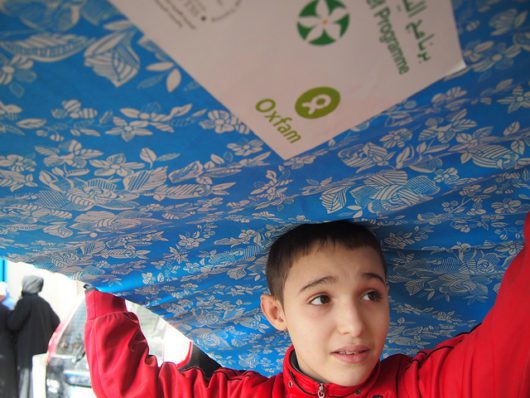
The United Nations has been doing its part to help, both inside and out of the diplomatic arena. By running cross-border operations from Turkey, the U.N. has organized a convoy of more than 1,000 trucks to deliver winter supplies, such as blankets, coats, boats, gas stoves and plastic shelter materials. As winter approaches and nightly temperatures become cold – especially for those without proper housing – many will be glad to have the extra warmth.

Through its food assistance arm (The World Food Program or WFP), the U.N. is also doing what it can to give food aid in the holdout province. In October alone, the WFP was able to feed 3.2 million people. Food deliveries were able to reach 14 Syrian provinces, including the more isolated areas of Syria like the Aleppo, rural Damascus and Ar-Raqqa governorates, which fed almost 291,865. Specific packages addressing malnutrition and nutrient deficiency were provided to more than 100,000 children – reaching many in the holdout governorate.

Medical and Psychological Care

Medical attention is difficult to find in any conflict; keeping facilities well supplied and away from the fighting can be an impossible task. In September, four hospitals were damaged in attacks. The International Rescue Committee (IRC) is combating this shortage, supporting ten health facilities, as well as two mobile clinics and four emergency response teams. The teams deliver kits stocked with clothing and sanitary supplies. Through the IRC’s efforts, 860,000 patients were treated in 2017, with 80,000 people being treated every month.

Still, while it’s easy to focus on the physical (visible) needs of survivors, the emotional needs of children often – out of necessity – go overlooked. However, the IRC operates a safe space that gives psychosocial support to children as well as providing the children with a place to learn and play. In the future, the IRC plans to distribute kits containing games, books and learning aid through this center. As a consequence of war, children are exposed to the harsh realities of life in a conflict zone; they are denied an education that would enable them to succeed as adults in peacetime. Even small learning toys and aids make a significant difference in light of the alternatives.

Current Negotiations

With the conflict stretching into its eighth year, recent peace talks have been referred to as “a glimmer of hope” by high ranking U.N. members. Syrian representatives have agreed to send 50 representatives to the negotiating committee, and have agreed to speak with 50 representatives from the opposition. Unfortunately, they have refused to ratify any representatives of Syrian civil society in the negotiations. Only fair, fully-represented and public negotiations can truly end the suffering in the country. Until then, aid in the holdout province must continue in order to help these refugees survive.

– John Glade
Photo: Flickr

February 22, 2019
https://borgenproject.org/wp-content/uploads/borgen-project-logo.svg 0 0 Kim Thelwell https://borgenproject.org/wp-content/uploads/borgen-project-logo.svg Kim Thelwell2019-02-22 07:30:172024-05-29 22:57:56Aid in The Holdout Province
Aid, Foreign Aid, Global Poverty

The Militarization of U.S. Foreign Aid to Africa

The Militarization of U.S. Foreign Aid to Africa
“If you don’t fully fund the State Department, then I need to buy more ammunition” – Secretary of Defense Gen. Mattis. This kind of sentiment expressed by Gen. Mattis is shared by military and civilians alike. As the gap between foreign aid and military expenses increases, so does the concern from these officials toward the militarization of U.S. foreign aid to Africa.

The 2019 U.S. Proposed Budget Changes

The proposed 2019 budget from the Trump Administration underscores this worry. In the anticipated budget, the Dept. of Defense would receive an estimated $686 billion, which would be an increase of $80 billion (13 percent) from 2017. In comparison, the Dept. of State and the U.S. Agency for International Development would only see a budget of $25.8 billion; which means a $9 billion decrease (26 percent) from 2017 levels.

Furthermore, 2016 serves as a case study for how these resources are being applied in Africa. Of the $26 billion given to Africa through USAID, the Dept. of Defense was actually the leading implementing agency (beating out even USAID). While USAID carried out $9.5 billion worth of foreign aid operations, the Dept. of Defense oversaw $10 billion worth. Alongside low funding due to Congressional budget approval, civilian agencies don’t have the resources to operate, disperse and oversee foreign aid.

On the ground, the picture is becoming more and more clear. It was the Dept. of Defense, not the Dept. of State, that was the first to conduct high-level meetings and summits in African countries, such as Libya, Malawi, Chad and Djibouti, signifying it as the lead diplomatic agency in Africa.

Concerns with an Increasing U.S. Military Presence in Africa

When looking at the statistics, America’s leading military officials are among some of the most vocal advocates against the militarization of U.S. foreign aid to Africa. They worry that by cutting aid and favoring the military in poverty-stricken parts of the world, the U.S. is creating an environment for even more conflict. More specifically, they claim that by choosing military bases over schools, the U.S. is allowing more openings for militant groups, hurting U.S. interests in the long-run by pushing development aside.

For instance, Gen. Carter Ham, the former commander of Africa Command, sees the favoring of the military over diplomacy as a loss of hope for the people of Africa. Per his example, a young Nigerian man faced with no work, education or healthcare would much sooner turn to a militant group that offers money, prestige and a purpose.

His view is echoed by a 2017 testimony submitted to the Senate Armed Services Committee. This testimony was written by a long list of retired U.S. military officials, including Gen. Petraeus, Gen. McChrystal and Adm. Michael Mullen. Here, they stated, “…how much more cost-effective it is to prevent a conflict than to end one.” Their views reinforce the idea that Africa is much better served by civilian agencies than by military ones.

The Importance of Civilian Agencies in Africa

Not only do U.S. military officials recognize the harm of militarizing aid but also the importance of returning this role back to civilian agencies. Before leaving office, former Secretary of Defense Robert Gates highlighted the importance of the Dept. of State in a 2010 speech. In this speech, he emphasized the necessity of keeping the Dept. of State as the main actor for conducting foreign policy because foreign aid and security reinforce one another. In addition, he called for a new foreign policy, requiring all sectors of U.S. foreign policy to form new partnerships and implement U.S. interests for long-term successes.

Now, the militarization of U.S. foreign aid to Africa does not mean that the military is an adversary to foreign aid. All of the examples used in this article critiquing this militarization process have all been expressed by current or retired military officials who are simply recognizing the need for humanitarian aid and the limits of military power.

Preventing conflict certainly makes more sense than instigating it, but it is up to U.S. citizens to decide whether a voter or a 3-star general holds Congress accountable for a better foreign policy towards Africa. Or in the words of Alexander Laskaris, a senior Dept. of State official with African Command: “How do we operate in an environment when we are willing to send peacekeepers, but we’re not willing to take the steps necessary to make peace?”

– Tanner Helem
Photo: Flickr
December 5, 2018
https://borgenproject.org/wp-content/uploads/borgen-project-logo.svg 0 0 Borgen Project https://borgenproject.org/wp-content/uploads/borgen-project-logo.svg Borgen Project2018-12-05 01:30:192024-05-29 22:52:50The Militarization of U.S. Foreign Aid to Africa
Page 28 of 65«‹2627282930›»

Get Smarter

  • Global Poverty 101
  • Global Poverty… The Good News
  • Global Poverty & U.S. Jobs
  • Global Poverty and National Security
  • Innovative Solutions to Poverty
  • Global Poverty & Aid FAQ’s
Search Search

Take Action

  • Call Congress
  • Email Congress
  • Donate
  • 30 Ways to Help
  • Volunteer Ops
  • Internships
  • Courses & Certificates
  • The Podcast
Borgen Project

“The Borgen Project is an incredible nonprofit organization that is addressing poverty and hunger and working towards ending them.”

-The Huffington Post

Inside The Borgen Project

  • Contact
  • About
  • Financials
  • President
  • Board of Directors
  • Board of Advisors

International Links

  • UK Email Parliament
  • UK Donate
  • Canada Email Parliament

Get Smarter

  • Global Poverty 101
  • Global Poverty… The Good News
  • Global Poverty & U.S. Jobs
  • Global Poverty and National Security
  • Innovative Solutions to Poverty
  • Global Poverty & Aid FAQ’s

Ways to Help

  • Call Congress
  • Email Congress
  • Donate
  • 30 Ways to Help
  • Volunteer Ops
  • Internships
  • Courses & Certificates
  • The Podcast
Scroll to top Scroll to top Scroll to top