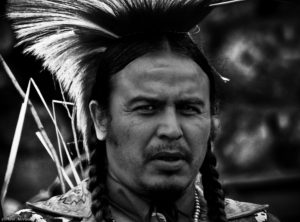
The Canadian Constitution recognizes three Indigenous communities — First Nations, Métis, and Inuit. Here are five of the many Indigenous-led organizations in Canada, collectively working to create success and prosperity for Indigenous communities.
5 Canadian Organizations for Indigenous Prosperity
- First Nations Information Governance Centre – The First Nations Information Governance Centre (FNIGC) is working to achieve data sovereignty. With support from regional partners and a special mandate from the Assembly of First Nations’ Chiefs in Assembly (Resolution #48, December 2009), the FNIGC collects and uses data to “build culturally relevant portraits of the lives of First Nations people and the communities they live in.” Their motto, “our data, our stories, our future” reflects their vision of Indigenous stories being told by Indigenous people, for Indigenous people.
- Indspire – Indspire is using the gift of learning to help provide academic success and long-term prosperity with support through financial aid, scholarships/bursaries, awards, mentoring and physical resources.
- Aboriginal Financial Officers Association of Canada – Aboriginal Financial Officers Association of Canada (AFOA) is creating a community of Indigenous professionals by supporting successful self-determination through “improving the management skills of those responsible for the stewardship of Indigenous resources.” This includes aid in management, finance and governance.
- Reconciliation Canada – Reconciliation Canada facilitates the engagement of Indigenous and non-Indigenous people with meaningful conversations on reconciliation and the lived experiences of Indigenous people. They aim to inspire positive change and understanding. At present, the programs and initiatives offered by the charity are Reconciliation in Action: A National Engagement Strategy, Reconciliation Dialogue Workshops, interactive community outreach activities and Reconciliation Canada.
- First Nations Child and Family Caring Society – The Caring Society supports First Nations children, youth and families. The organization has been able to provide 250,000 services and products to Indigenous children by putting Indigenous children and families first.
These five organizations are just some of many who are working to support success and prosperity for Indigenous communities in Canada. Their work helps blaze a path for a brighter future for Indigenous people and the country alike.
– Jasmeen Bassi
Photo: Flickr
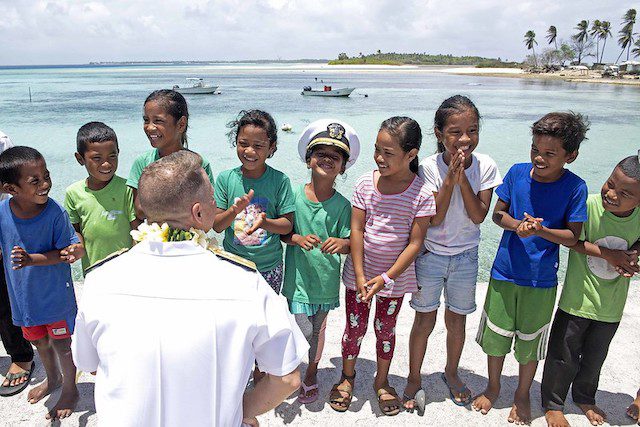 The Republic of the Marshall Islands is an island country in the Pacific Ocean consisting of more than 1,200 islands and islets. The Marshall Islands borders Wake Island, Kiribati, Nauru and Micronesia and are home to nearly 60,000 residents. Most of the Marshallese population lives in densely populated areas in Kwajalein and Majuro, the denominal capital city. Some residents living on the outer islands depend on fishing, raising livestock and subsistence farming to survive. However, the country’s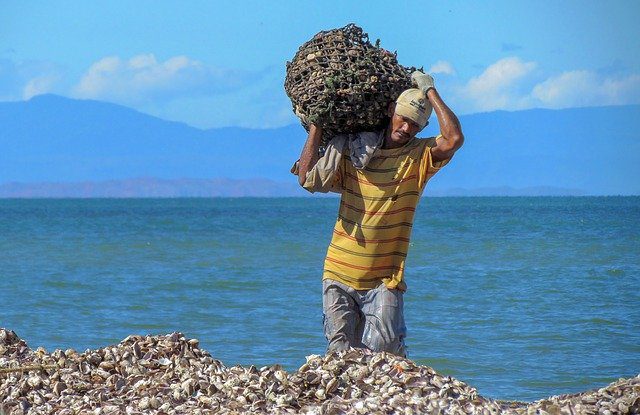
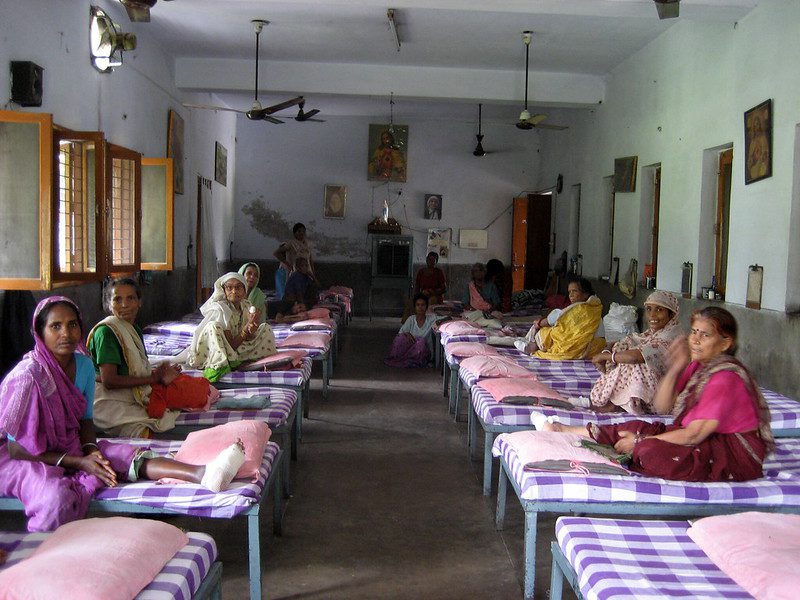 Leprosy is a disease that plagues India. More than
 As of July, the
 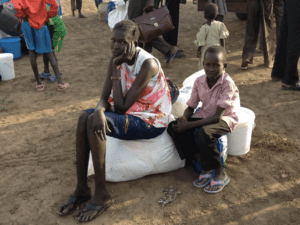 It can sometimes be difficult for people in developing countries to access healthcare, specifically those living in poverty. In order to address this problem, healthcare apps are being used to provide greater access. Here are 10 healthcare aid apps that are impacting access in developing countries.
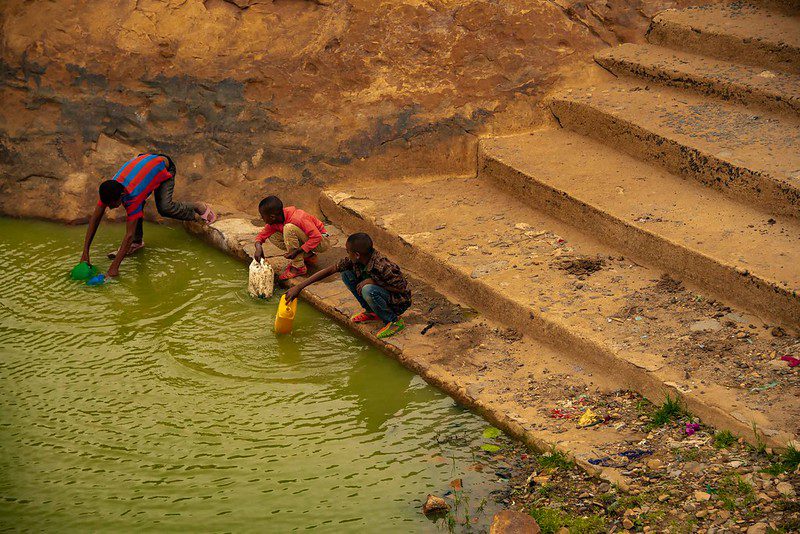 Due to the use and ingestion of contaminated water, cholera has become one of the most common waterborne diseases in the world. Cholera is a bacterial disease that causes such symptoms as diarrhea, dehydration, and, if not treated quickly, even death. Lack of availability to drinking water and sanitation facilities in Africa allows cholera to spread easily and quickly. However, many organizations have come up with different ways over time to help reduce the spread of cholera. Here are five things being done to prevent cholera outbreaks in Africa.