• Link to X
  • Link to Facebook
  • Link to Instagram
  • Link to TikTok
  • Link to Youtube
  • About
    • About Us
      • President
      • Board of Directors
      • Board of Advisors
      • Financials
      • Our Methodology
      • Success Tracker
      • Contact
  • Act Now
    • 30 Ways to Help
      • Email Congress
      • Call Congress
      • Volunteer
      • Courses & Certificates
      • Be a Donor
    • Internships
      • In-Office Internships
      • Remote Internships
    • Legislation
      • Politics 101
  • The Blog
  • The Podcast
  • Magazine
  • Donate
  • Click to open the search input field Click to open the search input field Search
  • Menu Menu

Archive for category: Aid

Advocacy, Aid, Global Poverty

Connecting Classrooms: Pursuing Partnership

Connecting Classrooms: Pursuing Partnership Through solidarity, community, friendship and support, creating global communication networks between schools paves a mutually beneficial road for promoting international development. These multi-dimensional benefits foster the next generation of global citizens while providing immediate and substantial educational assistance to developing countries. The multi-directional, mutually beneficial nature of initiatives like the Connecting Classrooms scheme exemplifies a promising framework for future United Kingdom (U.K.) policy.

Connecting Classrooms

Intending to help young people worldwide develop the knowledge, skills and values they need for work in a global economy, the British Council launched Connecting Classrooms Three in 2016. This U.K.-based initiative with a worldwide perspective goes beyond just providing aid. It educates children about solutions to world hunger, introduces them to the Sustainable Development Goals and funds the creation of “digital hubs.” Through transnational conversations and an international focus, Connecting Classrooms centers on nurturing young people’s drive to advocate for global development.

Fostering Global Citizenship Through Education

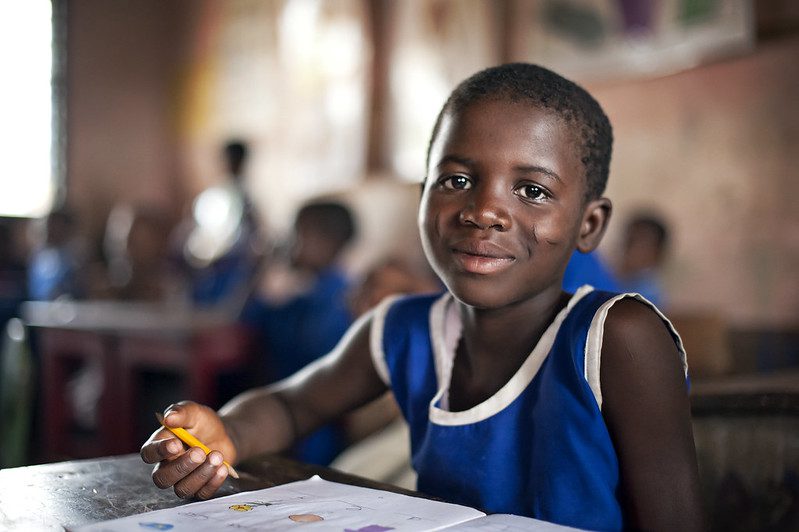
The program has successfully built relationships and, most importantly, friendships between teachers and students in the U.K. and developing countries. By fostering global friendships, children have the opportunity to see themselves as part of a community that transcends nationality, which is essential for nurturing the next generation of global citizens.

By broadening the perspectives of U.K. students, the Connecting Classrooms program promotes international solidarity. A key focus of the program is building transferable skills such as advocacy and awareness-raising, which students are likely to carry into their adult lives. Developing these skills, along with a familiarity with the Sustainable Development Goals and other global development issues, represents a promising, future-oriented and long-term approach to advocating for global development.

The program has also brought material benefits to schools in developing countries. For example, in Lebanon, which has the largest participation in the Connecting Classrooms program in the region, 3,500 teachers and headteachers are engaging in programs that enhance their professional development, thereby improving the quality of education for young Lebanese students. Additionally, from 2012 to 2016, Zambia established 17 digital hubs to enrich students’ learning, complementing the professional development training that teachers received.

Beyond Connecting Classrooms: All Saints Junior School

The power of partnership extends beyond schools participating in Connecting Classrooms and is evident across the U.K. All Saints Junior School’s relationship with the community of Soma in The Gambia is a prime example of the success in promoting global educational connections. Through their “Learning through Friendship” project, supported by the Kaira Konko Scout Fellowship—a Gambian Scout group in Soma that undertakes various community projects—All Saints staff visit Soma every Feb. half term. During these visits, they engage with and address global issues together, focusing on themes such as peace, friendship, sustainable gardening and renewable energy.

In 2022, All Saints funded the delivery of 1.5 tons of rice, 220 kg of onions, 260 liters of oil and £125 worth of fish, which was distributed across five schools that the World Food Programme had supplied with only three weeks’ worth of food. This delivery was crucial because hunger not only hampers students’ ability to learn but also affects teachers, who often go hungry. According to the Kaira Konko manager, this makes it difficult for them to teach effectively.

All Saints’ generous fundraising efforts have supported several aid programs, including the purchase of bicycles for students who live more than 8 km from their schools, helping them maintain regular attendance. The funds also supported the creation of a new library in Sitahuma, 30 minutes outside of Soma and the construction of teacher accommodation in 2020 to boost teacher morale. By engaging young people in this process of fundraising and fostering international friendships, All Saints’ students are developing essential skills needed to live and thrive in a globalized world, echoing many of the proficiencies that the Connecting Classrooms program aims to provide.

Pursuing Partnership

Transnational partnerships between educational institutions have proven to be mutually beneficial. Initiatives that promote such collaborations, whether through funding partnerships like Connecting Classrooms or by recognizing schools with exceptional international outlooks as the International School Awards could be prioritized in government policy.

– Tilly Phillips

Tilly is based in Camberley, Surrey, UK and focuses on Technology and Politics for The Borgen Project.

Photo: Flickr
August 27, 2024
https://borgenproject.org/wp-content/uploads/borgen-project-logo.svg 0 0 Precious Sheidu https://borgenproject.org/wp-content/uploads/borgen-project-logo.svg Precious Sheidu2024-08-27 01:30:042024-08-26 10:23:04Connecting Classrooms: Pursuing Partnership
Aid, COVID-19, Global Health, Global Poverty, Government, WHO

Foreign Aid Fueled Zambia’s COVID-19 Vaccination Success

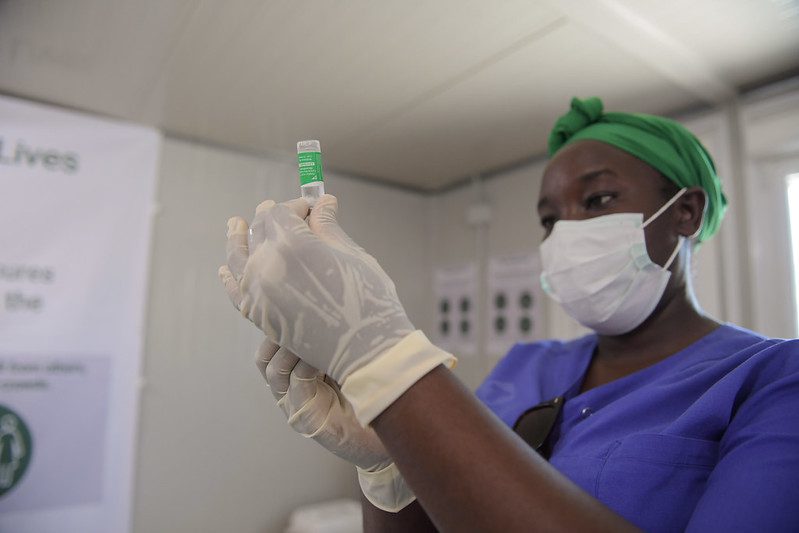
Zambia's COVID-19 VaccinationZambia is a landlocked country in South-Central Africa. The nation has a reputation for political stability, avoiding the war and disruption that has dominated much of Africa’s post-colonial history. Despite economic growth, the daily lives of most Zambians have not improved in the last decade, with two-thirds of the population still living in poverty. Like every country across the globe, Zambia faced instability in the face of the COVID-19 pandemic. However, the country’s vaccination program exhibits the effectiveness and importance of international cooperation and donations when it comes to prioritizing global health.

Launch of Zambia’s COVID-19 Vaccination Program

In April 2021, Dr. Jonas Chanda, the Honourable Minister of Health for Zambia, launched the COVID-19 vaccination rollout. The United States Charge d’Affaires, at the United States (U.S.) Embassy, David Young, stated that the U.S. provided $2 billion to the Vaccine Alliance to support the COVAX. The Swedish Ambassador Anna Maj Huktgård congratulated the Government of the Republic of Zambia for achieving an important milestone in the response against COVID-19. She also took this as an opportunity to announce that the Swedish government was allocating a total of $259 million to support the COVAX program. The World Health Organisation (WHO) and the United Nations International Children’s Emergency Fund (UNICEF) worked in collaboration with other partners to support Zambia’s government in implementing the COVID-19 vaccination program.

International Contributions to Zambia’s Vaccination Efforts

In August 2021, the United Kingdom (U.K.) also donated 119,000 vaccine doses to Zambia through COVAX which arrived in Lusaka, as reported by UNICEF and the U.K.’s Foreign, Commonwealth and Development Office. In March 2022, the government of Japan, under an emergency partnership with UNICEF, officially handed over equipment aimed to strengthen the long-term capacity of the health system in Zambia, including the delivery of life-saving vaccines for COVID-19. This support included 82 solar-powered fridge freezers, 25 ‘on grid’ combo vaccine freezers, 120 large vaccine cold boxes and 200 vaccine carriers. This initiative was made possible through the COVAX facility, an international mechanism led by GAVI, CEPI, the World Health Organization and UNICEF to ensure equitable access to vaccines across the developing world. 

National Vaccination Campaign and Foreign Aid

Later that year, in October, the Government of the Republic of Zambia and partners, including the Centre for Disease Control (CDC), WHO and UNICEF, launched a 10-day national COVID-19 vaccination campaign targeting children aged 12 to 17 and adults 18 and above across the country. The nation had had clear goals in its fight against COVID-19, which foreign aid undeniably made possible.

Achievements and Continued Support

In November 2022, the Zambian government celebrated the nation’s achievement of vaccinating 70% of the eligible Zambian population. The U.S. government, through the U.S. Agency for International Development, the Centers for Disease Control and Prevention, the President’s Emergency Plan for AIDS Relief (PEPFAR) and the U.S Department of Defense have since provided nearly 1.9 billion kwacha ($120 million) to respond, prevent the spread of and recover from the toll of COVID-19 in Zambia. The U.S. government also supported integrating COVID-19 vaccination into HIV treatment centers to protect those living with HIV against COVID-19. 

Looking Ahead

Zambia’s successful vaccination program is a testament to the power of global cooperation. The generous foreign aid donations strengthened international relations and a shared commitment to prioritizing global health, especially during the COVID-19 pandemic, reveals what can potentially be achieved when the world unites for a common cause.

– Nia Willis

Nia is based in Carmarthenshire, UK and focuses on Global Health for The Borgen Project.

Photo: Flickr

August 24, 2024
https://borgenproject.org/wp-content/uploads/borgen-project-logo.svg 0 0 Precious Sheidu https://borgenproject.org/wp-content/uploads/borgen-project-logo.svg Precious Sheidu2024-08-24 07:30:462024-08-22 14:38:22Foreign Aid Fueled Zambia’s COVID-19 Vaccination Success
Agriculture, Aid, Global Poverty

IFAD Projects in Peru

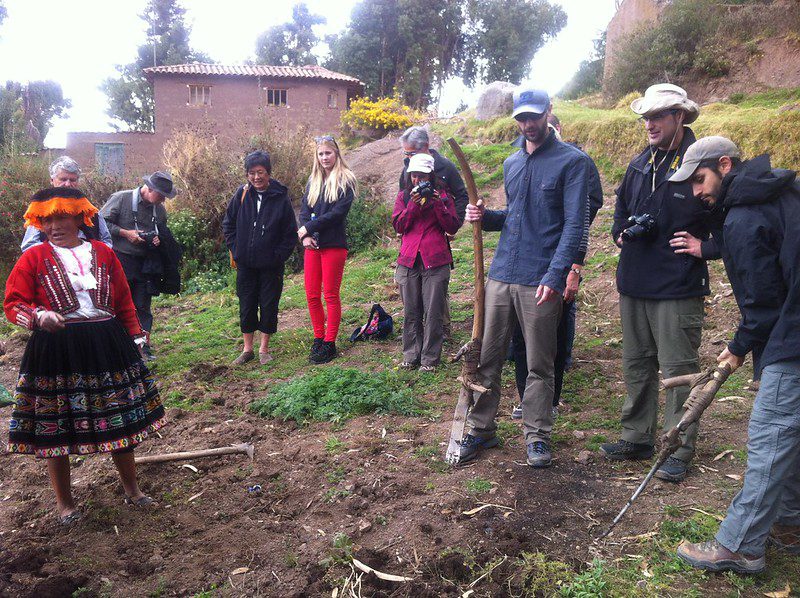
IFAD Projects in Peru The International Fund for Agricultural Development (IFAD) is a global organization that seeks to reach the most remote locations and transform agriculture, rural economies and food systems. Rural farmers face many challenges that prevent them from escaping poverty, including limited education, limited influence on policies and environmental degradation. The IFAD recognizes these obstacles and its mission statement has solutions and goals for rectifying them. Providing training in modern farming techniques, supporting farmer’s organizations and promoting sustainable land practices are just some of the things that the IFAD is trying to further develop in rural areas.

Peru is one of the countries that is struggling with poverty and poor living conditions in its rural areas, specifically the southern highlands. Since 1980, the IFAD has provided Peru with nine separate loans totaling $144 million. Additionally, it has initiated several public competitions in Peru to encourage innovation in exchange for a monetary prize. Recently, IFAD has concentrated on three projects in Peru aimed at reducing rural poverty.

Strengthening Local Development Project

Running between 2013 and 2019, this IFAD project worked with a $20 million loan to increase the overall well-being of the rural population by encouraging farmers to form producer associations (PA): groups that work together to leverage resources and tackle common challenges. Researchers found that households joining a PA increased their income, asset ownership and social involvement throughout this project. More financial resources, as well as increased opportunities for collaboration, directly benefited 15,900 households.

Project for Markets and Rural Development

Focusing primarily on women and young people, this IFAD project closely worked with 20,000 rural households and offered support to lift them out of poverty. Preserving cultural heritage is connected to lower rates of poverty because there is stronger community cohesion, which means that there are collaborative, more successful efforts to address local economic challenges. This project recognized this correlation and found ways to preserve culture in the Northern Highlands region of Peru. By contracting technical assistance, the IFAD taught artisans better techniques for making traditional crafts, which ensured that the crafts were high quality and profitable while still maintaining their cultural importance. Similarly, by promoting savings and micro-insurance, the IFAD made sure that rural people were economically secure, allowing them to spend time on cultural practices and pass them on to younger generations.

Livelihood Diversification in the Highlands Project

The Quechua and Aymara families are native groups of Peru and a majority of them are living below the poverty line. The IFAD loaned $34.5 million to this project which directly benefited 15,000 poor, native households. This IFAD project was different from others funded by the same organization, as it had the unique feature of directly transferring funds to communities. This strategy allowed smaller farmers to contract technical assistance and obtain property rights to land. Therefore, farmers would have modern techniques to ensure quality products and have the opportunity to manage their savings. In addition, the project worked with local authorities from this region to create maps and models that would represent the natural resources. Detailed maps helped communities efficiently use resources like water, soil and minerals, which promoted sustainable farming while still increasing agricultural productivity.

Looking Ahead

IFAD’s initiatives in Peru illustrate the organization’s commitment to addressing rural poverty through targeted projects that empower local communities. By focusing on forming producer associations, preserving cultural heritage and promoting sustainable farming practices, IFAD has made significant strides in improving the livelihoods of rural households. These ongoing efforts have not only increased income and asset ownership but also strengthened community cohesion and resource management in Peru’s highlands.

– Sophia Manole

Sophia is based in Bellevue, WA, USA and focuses on Good News for The Borgen Project.

Photo: Flickr

August 24, 2024
https://borgenproject.org/wp-content/uploads/borgen-project-logo.svg 0 0 Precious Sheidu https://borgenproject.org/wp-content/uploads/borgen-project-logo.svg Precious Sheidu2024-08-24 03:00:152024-08-23 06:30:19IFAD Projects in Peru
Advocacy, Aid, Child Poverty, Global Poverty

Child Poverty in France

France is often regarded as a European economic powerhouse of wealth and political influence. However, of the 14.47 million children living in France, 22.8% were at risk of poverty and social exclusion as of 2021. This amounts to around 3.3 million children in total. These children consistently struggle to access education, health care, food, housing and care services. In fact, by 2022, nearly 5,700 children in mainland France lived in shantytowns. Additionally, about 30,000 were housed in hotels—environments deemed unfit for family living—and 1,600 had no accommodation solution at all.

European Council Child Guarantee

Poverty and exclusion threaten about 19 million children in the European Union. In light of this, the European Commission adopted a recommendation from the European Council and created the Child Guarantee Act. This act aims to prevent and fight social exclusion by ensuring that vulnerable children have effective access to a range of basic services, such as free education, free health care, healthy food and adequate housing. By adopting the Childhood Guarantee on June 12, 2021, France pledged to enforce the protection of children’s rights to health, education, security and comfort at the national level. Consequently, France also pledged to enhance existing monitoring systems and develop new ones to better protect these rights.

French Child Guarantee National Action Plan

The Child Guarantee National Action Plan proposed by France to the European Council is ambitious, with many of its measures aimed at tackling child poverty receiving widespread approval. The plan focuses on five main points, which are as follows:

  1. The creation of a national observatory for ‘nonschooling’ now requires parents to obtain prior authorization to home-school their children. Authorities will accept only limited reasons for granting this permission.
  2. To reduce child poverty, the plan improves access to employment and develops the country’s childcare support system, focusing on maternal assistance accessibility during a child’s first 1,000 days.
  3. To reinforce access to education and schooling for vulnerable children, the plan includes enforcing stricter rules in foster care systems.
  4. The plan prioritizes children’s mental health and improves their access to health care overall.
  5. The plan expands the availability of care services to all children up to the age of 21.

Remaining Uncertainties

There are ongoing uncertainties about the funding and implementation conditions for policies designed to tackle child poverty in France. Key concerns include how the French Child Guarantee National Action Plan will be implemented, monitored and evaluated. This is due to an agreement by the Council of the European Union and the European Parliament that requires Member States to allocate 5% of their European Social Fund Plus resources to combat child poverty, but only if their national child poverty rates exceed the European average of 23.4%.

Countries like France do not have to invest a specific percentage of their budget in these efforts. Instead, they only need to allocate an ‘appropriate’ amount. This flexibility in the requirement is concerning, as it could result in inadequate support for vulnerable children in France who are at risk of or currently experiencing poverty, potentially diverting funds to other investments.

Looking Ahead

France faces significant challenges in addressing child poverty. The French Child Guarantee National Action Plan, aligned with the European Council’s Child Guarantee Act, aims to provide vulnerable children with access to essential services like education, health care and housing. However, uncertainties remain regarding the allocation of resources and the effectiveness of these measures, raising concerns about whether the plan will provide sufficient support to those most in need.

– Kristina Grant

Kristina is based in Scotland and focuses on Global Health and Politics for The Borgen Project.

Photo: Flickr

August 24, 2024
https://borgenproject.org/wp-content/uploads/borgen-project-logo.svg 0 0 Precious Sheidu https://borgenproject.org/wp-content/uploads/borgen-project-logo.svg Precious Sheidu2024-08-24 01:30:002024-08-22 14:08:11Child Poverty in France
Agriculture, Aid, Global Poverty

Aquaponics: Sustainable Farming for Urban Slums

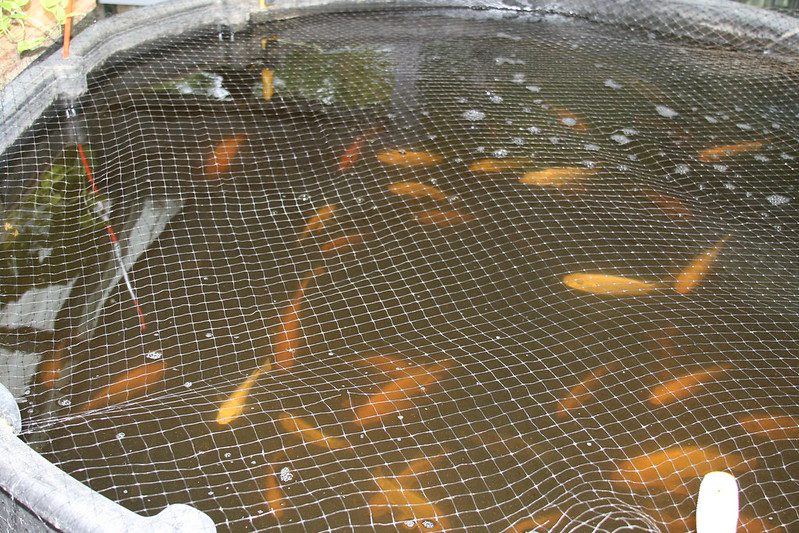
Aquaponics: Sustainable Farming for Urban Slums in South AmericaAquaponics is a sustainable solution to food insecurity and economic instability in urban slums. It combines aquaculture (raising fish) and hydroponics (growing plants in water), creating a closed-loop system where fish waste provides nutrients for plants and plants help filter and clean the water for the fish. In South America, countries like Brazil and Peru are implementing more aquaponics, improving their economy and reducing poverty.

Urban Slums

Urban slums in South America encounter significant challenges, such as food insecurity, unemployment and poor nutrition. A report by the United Nations (U.N.) reveals that nearly 20%, which is more than 130 million people, live in slums across Latin America, where they struggle with limited access to basic services and job opportunities. Many face financial instability, with little to no savings or access to credit. The impact of poverty and food insecurity leads to widespread malnutrition and health issues, especially among children, due to a lack of access to proper sanitation or even clean water. Additionally, the lack of job opportunities perpetuates the cycle of poverty, making it difficult for residents to improve their living conditions.

Aquaponics

Aquaponics is a highly efficient and sustainable solution, using up to 90% less water than traditional agriculture and requiring minimal land space – a perfect fit for densely populated urban areas. It enables year-round food production, reduces reliance on external food sources and creates local employment opportunities. The most common type of fish used is tilapia and the most common plants are leafy greens. With its controlled environment, crops thrive, resulting in better quality and higher yield. A study by SpringerLink found that in aquaponics, more than 50% dedicate less than 10 square meters, with some using larger areas. Notably, more than half of respondents did not receive technical advice, relying instead on web pages, books and acquaintances for information. This goes to reveal how easy and accessible this practice is. 

Brazil

In São Paulo, Brazil, the NGO Cidades Sem Fome has undertaken aquaponics projects in multiple urban slums. These initiatives have proven to be highly successful in addressing food insecurity by providing local communities with sustainable access to fresh produce and fish. In addition to significantly contributing to improved nutrition, these projects have also played a crucial role in improving the lives of residents. Through training programs and the creation of employment opportunities, the projects have also fostered the development of valuable skills.

Peru

In Lima, the Peruvian government, along with local NGOs like Cooperar Peru, has initiated aquaponics projects to enhance food security in urban slums. INMED Andes has also set up an aquaponics system in the indigenous community of Yarinacocha to provide a consistent food supply for the local school students and surrounding households. These initiatives have proven successful, offering a reliable source of nutrition, generating employment opportunities and safeguarding often overlooked Indigenous communities. These projects have had a significant positive impact on the community’s health and economy, revealing the potential of aquaponics as a sustainable solution to urban poverty.

Government and Private Sector

Government policies are crucial in promoting aquaponics. In Brazil, for example, government grants and subsidies, such as the Inovagro program, have helped establish aquaponics systems in urban slums. Private sector investment in aquaponics projects has also contributed to their success by providing capital and expertise. While aquaponics systems are cheaper and easier to maintain, they do require a high initial capital investment. 

Various programs and initiatives in South America, such as the “Huertos Urbanos” program in Peru, aim to establish urban gardens using aquaponics in slum areas. These programs have facilitated collaboration between different stakeholders, ensuring the sustainability and scalability of aquaponics projects.

Looking Ahead

Aquaponics provides an effective strategy to combat poverty and improve food security in urban slums across South America. Its benefits include sustainable food production, water conservation and economic opportunities. Successful initiatives in Brazil and Peru demonstrate its positive impact on local populations. With continuous support, aquaponics has the potential to significantly reduce poverty, boost nutrition and empower communities in urban slums, making it an essential part of a more sustainable South America.

– Danica Lourdu Nelson

Danica is based in Parker, CO, USA and focuses on Business and New Markets, Technology and Solutions for The Borgen Project.

Photo: Flickr

August 23, 2024
https://borgenproject.org/wp-content/uploads/borgen-project-logo.svg 0 0 Precious Sheidu https://borgenproject.org/wp-content/uploads/borgen-project-logo.svg Precious Sheidu2024-08-23 01:30:052024-08-22 13:12:24Aquaponics: Sustainable Farming for Urban Slums
Aid, Women & Children, Women's Empowerment, Women's Rights

Female Starvation in Gaza

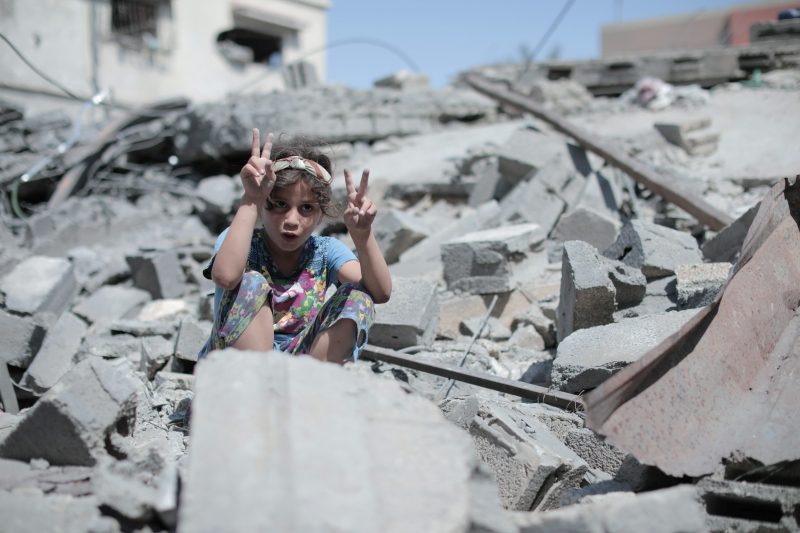
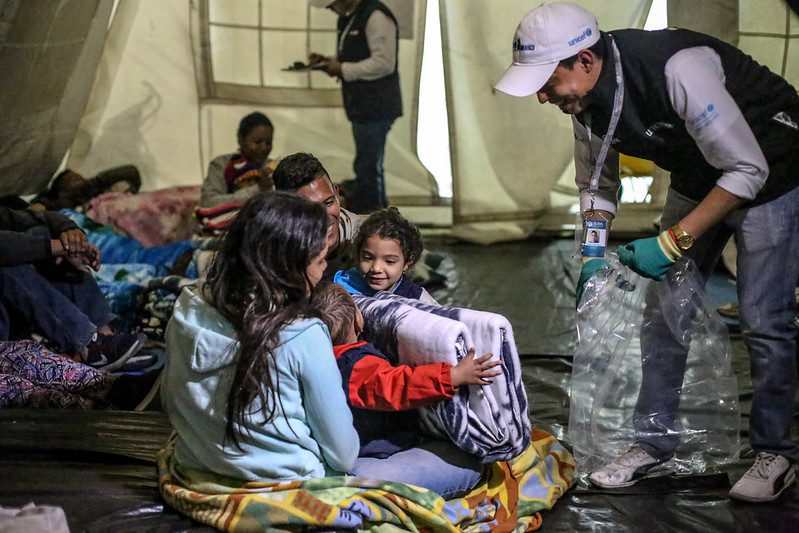
Female starvation in GazaThe October 2023 attack by Hamas has left irreversible damage on the whole city of Gaza. Every hour, two mothers are killed and nearly 1 million more have been left to live amongst the rubble without safe shelter and without enough food or clean water to survive. Food insecurity and starvation affect women in Gaza in multiple ways. “U.N. Women estimates that at least 557,000 women in Gaza are facing severe food insecurity, and find themselves facing old and new gender-based vulnerabilities.”
Female Starvation in Gaza

For the sick and injured, for pregnant women and breastfeeding mothers, there is virtually no medical help left. Not only is there no medical help left, but breastfeeding mothers are using 25% of their body’s energy just by feeding their children, in comparison the brain only uses 20%. Therefore, mothers especially are starving and desperately fighting to also keep their children alive. “The situation is particularly concerning for mothers and adult women, who often prioritize feeding others over themselves and report greater difficulty accessing food compared to men, leading many to skip meals or reduce their intake to ensure their children are fed,” the U.N. reports.

“Seven out of 10 women interviewed by U.N. Women reported weight loss in the last 30 days, and more than half experience frequent dizziness.” This statistic truly represents the female starvation in Gaza. “I prefer to give the children food first. Then as a mother, I might not eat so I can feed my children. That’s just how life is now. That’s motherhood,” a mother displaced to Rafah, southern Gaza said.

WFP and Action Against Hunger

The World Food Programme (WFP) has warned that it can only meet 20% of its monthly targets, leaving thousands of families at risk of starvation. This 80% is consistently being shown, especially when one in five pregnant women in a central Gaza clinic struggle with malnourishment. Despite high demands, only a small percentage of people receive help. The WFP is assisting more than 1 million people a month in Gaza due to 96% of the population in the city of Gaza being in a crisis level of hunger or worse.

In Gaza, Action Against Hunger has supported more than 200,000 women and girls through their water, sanitation and hygiene services, alongside food baskets, according to its website. In particular, it has a program to “prevent malnutrition among pregnant and breastfeeding mothers and children under 5 years old.”

WEFAQ

Wefaq Society for Women and Child Care, a local women’s organization, is managing to maintain help and support through the hazardous living conditions that are so very prominent in Gaza today. It provides hot meals through the community kitchen to help reduce the rates of hunger within the female population. Winter clothes and accessories are provided alongside blankets and mattresses for comfort and warmth. Hygiene kits, and other essential items like menstrual supplies, milk and nappies for babies. WEFAQ also provides counseling to help aid and rebuild women’s confidence in themselves and their communities.

The female starvation situation in Gaza is very obviously going to be an ongoing issue but through the support of multiple organizations like AAH and WEFAQ, women will finally get the support they truly need.

– Sadie Virgin

Sadie is based in Newport, Wales, UK and focuses on Good News for The Borgen Project.

Photo: Unsplash

August 22, 2024
https://borgenproject.org/wp-content/uploads/borgen-project-logo.svg 0 0 Naida Jahic https://borgenproject.org/wp-content/uploads/borgen-project-logo.svg Naida Jahic2024-08-22 01:30:182024-08-21 09:40:27Female Starvation in Gaza
Aid, Global Poverty, Nonprofit Organizations and NGOs

CARE: Addressing the Crisis in Venezuela

CARE: An Organization Addressing the Crisis in VenezuelaIn just a decade, more than 7.7 million people have fled their homes due to the crisis in Venezuela, marking it as one of the largest exoduses in recent Latin American history and one of the largest displacements worldwide. The country struggles with three simultaneous crises: a massive exodus, escalating humanitarian emergencies and intensified crackdowns on government dissent.

Economic Decline

Venezuela, home to the world’s largest oil reserves, has become highly dependent on its fossil fuel income since the discovery, evolving into what is known as a petrostate. As the nation’s reliance on oil increased, political power concentrated increasingly in the hands of an elite minority, which weakened political institutions and led to widespread corruption. However, starting in 2014, oil production began to decline due to inadequate investment and maintenance. Between 2014 and 2021, Venezuela’s Gross Domestic Product shrank by three-quarters, leading to severe economic distress.

CARE’s Involvement in Crisis Management

Since 1945, CARE, a nonprofit organization, has been actively working to address the crisis in Venezuela at a local level and build lasting institutions that support Venezuelan citizens and refugees. Operating in 109 countries, CARE has implemented more than 1,600 development projects aimed at fighting poverty. As of 2024, its work has reached 167 million people. CARE focuses on creating and funding long-term development projects that aim to reduce poverty, rather than merely alleviating immediate needs.

CARE focuses on six main issues: crisis, food and water, health, education and work, climate and equality. The organization addresses these issues through advocacy, innovation, women’s economic justice, strengthening social systems and enhancing local partnerships. In crisis response, CARE aims to deliver gender-focused and localized humanitarian assistance to 10% of people affected by major crises by 2030, impacting at least 50 million people. In Venezuela, CARE is actively implementing crisis response programs to support citizens and refugees affected by the humanitarian crisis.

Regional Refugee Support and CARE’s Response

The crisis in Venezuela has forced approximately 20% of the country’s population to become refugees, with CARE heavily focusing on providing aid to these individuals in surrounding countries. Most Venezuelan refugees find themselves in Colombia, Ecuador and Peru. However, Ecuador curtailed its influx of refugees in 2019 by requiring entry visas from Venezuelan citizens, whereas Colombia has welcomed nearly 1.7 million Venezuelan refugees. Since 2018, CARE has expanded its operations in Latin America, specifically in Ecuador, Colombia and southern Venezuela, to respond to this mass exodus.

CARE offers cash vouchers for food and accommodation, transportation tickets, phone SIM cards and sanitary kits for women. In Colombia, new arrivals also receive legal counseling and information services through CARE. Nearly one million Venezuelans have fled to Peru, where CARE provides food and cash assistance and refurbishes shelters and health clinics. Additionally, CARE collaborates with local partners and leverages international support to help refugee host countries promote long-term integration. This includes providing education, health services, social protection, legal advice and entrepreneurship opportunities.

CARE’s Community and Gender-Specific Initiatives

In Venezuela, CARE organizes awareness campaigns and activities to combat gender-based violence and is initiating efforts to address child malnutrition in Caracas. Currently, CARE operates in Caracas and Miranda, collaborating with intervention partners to support vulnerable families, female-headed households, families with children under 5 and the elderly. It provides water, sanitation, hygiene, food and nutrition security, shelter, sexual and reproductive health education and cash voucher assistance. In all its programs, CARE aims to engage 30% of the community to foster social cohesion.

CARE allocates 90% of its expenses to fund programs like those addressing the crisis in Venezuela, but it has only raised 54% of the funds needed to assist everyone currently in crisis. Spreading these funds across all the countries it serves means that many projects cannot reach everyone it aims to help. CARE encourages people not only to donate but also to speak out about these issues. It provides resources where people can help, attend awareness and fundraising events, organize local events and stay connected with the CARE community.

Looking Ahead

The ongoing crisis in Venezuela has resulted in the displacement of millions and severe humanitarian challenges. CARE continues to play a vital role in supporting Venezuelan refugees and citizens, providing essential services like food, shelter and legal assistance across Latin America. Despite limited funding, CARE remains committed to addressing the crisis, emphasizing the importance of community engagement and gender-specific initiatives to foster long-term recovery and stability.

– Anna Thibodeau

Anna is based in Omaha, NE, USA and focuses on Good News for The Borgen Project.

Photo: Flickr

August 18, 2024
https://borgenproject.org/wp-content/uploads/borgen-project-logo.svg 0 0 Precious Sheidu https://borgenproject.org/wp-content/uploads/borgen-project-logo.svg Precious Sheidu2024-08-18 01:30:322024-08-17 10:33:55CARE: Addressing the Crisis in Venezuela
Aid, Global Poverty

WFP Assists Caribbean Communities Affected by Hurricane Beryl

Hurricane BerylHurricane Beryl, a Category four storm, ravaged several Caribbean islands. It was the strongest hurricane to ever form in the Atlantic in June. It made landfall on islands including Jamaica, Barbados, Grenada and Saint Vincent and the Grenadines. The storm brought life-threatening winds upward of 165 mph, rainfall totals ranging from one to eight inches and cut off food and water supplies in the affected areas. The storms tore the roofs and walls of homes, knocked down power lines, left communities in darkness and left trees and debris strewn throughout streets, blocking evacuation and relief routes. The extensive damage has compounded the challenges of delivering aid and rebuilding communities.

The World Food Program’s Response

A hurricane of this magnitude has never struck the Caribbean so early in the year. As Hurricane Beryl began to form, the World Food Program (WFP) put its rapid response teams on standby, anticipating requests for assistance from multiple nations and states. By collaborating with local governments and the Caribbean Disaster Emergency Management Agency (CDEMA), the WFP successfully delivered food and other aid to the affected regions.

The storm directly hit the islands of Saint Vincent and the Grenadines and the WFP reported “total devastation and isolation” due to its impact. In response, the program quickly assembled 5,000 food kits designed to sustain 15,000 people for 10 days while awaiting the arrival of additional shipments. The swift action was crucial in addressing immediate needs and preventing further humanitarian crises after the storm.

The WFP response team encountered blocked roads and power outages in Union Island. However, they took a ferry to deliver government food and are now on the ground providing nonfood assistance to those affected and displaced by the storm. In Jamaica, more than half a million people are without power and many are relocating to shelters as the government and WFP work to provide food and water aid.

The WFP is not only providing food assistance but, through its partnership with CDEMA, has also delivered relief items such as generators, water testing kits, hygiene kits, temporary shelters and trucks and forklifts to aid in the handling and distribution of relief supplies. This comprehensive approach ensures that communities receive essential resources to address immediate and ongoing needs. The collaboration with local agencies enhances the effectiveness of the relief efforts, helping to expedite recovery in the hardest-hit areas.

Final Remark

The WFP will continue to work on the ground in affected areas throughout the Caribbean as they recover from the storm’s impact. It collaborates with local governments and programs to identify ongoing needs for assistance. Since Hurricane Beryl was the first storm of the 2024 hurricane season, the WFP’s response teams in the Caribbean will remain on standby in preparation for potential future storms.

– Nicolas Mezzaucella

Nicolas is based in New Rochelle, NY, USA and focuses on Good News and Global Health for The Borgen Project.

Photo: Flickr

August 17, 2024
https://borgenproject.org/wp-content/uploads/borgen-project-logo.svg 0 0 Hemant Gupta https://borgenproject.org/wp-content/uploads/borgen-project-logo.svg Hemant Gupta2024-08-17 03:00:572024-08-16 11:35:06WFP Assists Caribbean Communities Affected by Hurricane Beryl
Aid, Global Health, Global Poverty

A Look at Yellow Fever in Gabon

A Look at Yellow Fever in Gabon Gabon, located on the Atlantic coast of Central Africa, has a relatively high GDP for the region at $8,820, compared to nearby Nigeria at $2,162. Despite this high income, wealth distribution in Gabon is highly unequal, leading to widespread poverty. Of its 2.4 million residents, more than 900,000 live below the poverty line, subjecting a significant portion of the population to numerous hardships, including diseases. A particularly severe challenge in Gabon is Yellow Fever.

Yellow Fever Transmission and Risks in Gabon

Yellow Fever is a viral disease transmitted by mosquitoes and can spread in three primary ways. The intermediate cycle, most commonly observed in Africa, involves semi-domestic mosquitoes that contract and spread the disease. Although a vaccine is available, Yellow Fever is a fast-spreading illness that poses a significant danger and has the potential to spread internationally, making it a global threat. Effective management is crucial whenever outbreaks occur.

Health Infrastructure and Yellow Fever Preparedness

Currently, Gabon does not have any active Yellow Fever outbreaks, but the country remains at high risk for potential outbreaks. Gabon’s health system receives minimal government funding, amounting to only 3% of the country’s GDP. The World Health Organization (WHO) reports that vaccination rates for Yellow Fever in Gabon are suboptimal, with less than 85% coverage nationwide. The risk of Yellow Fever has increased since the COVID-19 epidemic, which disrupted immunization services. Although the disruption was brief, it has increased the number of people susceptible to otherwise preventable diseases.

Yellow Fever Epidemics Strategy in Gabon

The WHO has designated Gabon as a high-priority target within its Eliminate Yellow Fever Epidemics (EYE) strategy. WHO and its partner organizations are focusing primarily on maximizing vaccination rollout as part of this strategy. Alongside vaccinations, vector control measures have been implemented in urban centers across Gabon to eliminate potential wildlife carriers of the disease. WHO is also committed to educating travelers about the risks of Yellow Fever. Entry into Gabon requires a Yellow Fever vaccination and travelers are informed about the symptoms and signs to ensure prompt treatment if infected. This proactive approach helps prevent the international spread of the disease, which is one of the most critical aspects of managing Yellow Fever. The EYE strategy has proven effective not only in reducing cases in Gabon but also across Africa.

Looking Ahead

Gabon faces significant challenges in managing the risk of Yellow Fever due to unequal wealth distribution and a health system with limited funding. Although the country has no current outbreaks, it remains highly vulnerable. WHO’s Eliminate Yellow Fever Epidemics strategy focuses on increasing vaccination coverage and implementing vector control measures to mitigate this risk. These ongoing efforts aim to safeguard Gabon’s population and prevent the potential spread of Yellow Fever beyond its borders.

– Tyra Brantly

Tyra is based in Los Angeles, CA, USA and focuses on Good News and Global Health for The Borgen Project.

Photo: Flickr

August 16, 2024
https://borgenproject.org/wp-content/uploads/borgen-project-logo.svg 0 0 Precious Sheidu https://borgenproject.org/wp-content/uploads/borgen-project-logo.svg Precious Sheidu2024-08-16 07:30:232024-08-16 02:22:54A Look at Yellow Fever in Gabon
Agriculture, Aid, Global Poverty

Food Insecurity in Ghana: Challenges and Progress

Food Insecurity in Ghana: Challenges and Progress Ghana, located in West Africa and home to more than 30 million people, is known for its traditional rain-fed agriculture. The country features both rural and urban areas stretching from the north to the south, where farmers, including those on the world’s second-largest cocoa farms, produce a variety of products. Unfortunately, food insecurity is rising again as farmers contend with inflation and an unstable climate. While Ghana has made significant progress in reducing malnutrition and hunger over the past 20 years, famine and inflation continue to pose ongoing challenges.

Advancements and Obstacles

Recovery from COVID-19 and its economic impacts continues, as the pandemic significantly stalled growth in Ghana. The country has set a goal to restore stability after experiencing fluctuations in economic development due to inflation and hunger. In 2023, inflation rates notably decreased from 53.4% in Jan. to 23.2% in Dec. However, consistent progress slowed at the beginning of 2024 as inflation began to rise again. This resurgence has led to higher prices for imported goods and a sharp decline in crop production in rural areas.

Information about food security in Ghana became public when several organizations, including the Cadre Harmonisé, conducted assessments and released important findings. In 2023, they estimated that 1.45 million people struggled with hunger and malnutrition from March to May. Analysts initially expected this number to decrease to around 1.3 million from June to Aug. 2023. Contrary to these expectations, the most recent estimates indicate that about 2.2 million people will remain food insecure from June to Aug. 2024.

A report from the World Food Program Country Brief, released in March 2024, estimated that more than one million people in Ghana could face food insecurity between June and Aug. Although these figures represent a decrease from the 2.2 million reported in Nov. 2023, the situation continues to burden farmers who depend heavily on agriculture for their livelihood. Despite improvements in growth and development, food insecurity persists, especially among families in rural areas. Organizations like the World Food Programme (WFP) are working to create a world free from famine.

The World Food Programme

Focused on “saving lives, changing lives,” the World Food Programme (WFP) operates in more than 120 countries, including Ghana, with the goal of achieving “a world with zero hunger.” WFP has assisted many individuals in need and is the largest provider of cash assistance in the humanitarian community. The organization collaborates with partners who share the same goals of increasing food availability and ensuring fair prices for all, such as the Ministry of Food and Agriculture.

Since 1963, the WFP has collaborated with the Ghanaian government to focus on food security, particularly through advocacy for effective food standards via Ghana’s School Feeding Programme. In 2023, WFP helped more than 36,000 people by providing direct cash assistance to address challenges like high food prices. Additionally, WFP works with the government and private sectors to enhance school facilities and has established approximately 150 savings groups to teach digital financial skills. In collaboration with USAID, WFP also supported 17,000 farmers with $5 million in mobile money.

The WFP plays a crucial role in assisting those in need and advocating for a stronger foundation in food security in Ghana. Additionally, the organization disseminates reports and national briefs to keep the public informed about ongoing developments and the success of various efforts.

Moving Forward

The WFP continues its efforts to improve conditions for families in Ghana. According to the WFP Ghana Country Strategic Plan for 2024 to 2028, the organization aims to eradicate poverty by 2028. WFP outlines this goal by detailing key outcomes such as improving nutrition and establishing stable food systems for all. Although food insecurity levels fluctuate, ongoing support plays a crucial role in combating hunger in Ghana.

– Savannah Garza

Savannah is based in New York, NY and focuses on Good News and Global Health for The Borgen Project.

Photo: Flickr

August 16, 2024
https://borgenproject.org/wp-content/uploads/borgen-project-logo.svg 0 0 Precious Sheidu https://borgenproject.org/wp-content/uploads/borgen-project-logo.svg Precious Sheidu2024-08-16 03:00:232024-08-16 01:52:03Food Insecurity in Ghana: Challenges and Progress
Page 14 of 65«‹1213141516›»

Get Smarter

  • Global Poverty 101
  • Global Poverty… The Good News
  • Global Poverty & U.S. Jobs
  • Global Poverty and National Security
  • Innovative Solutions to Poverty
  • Global Poverty & Aid FAQ’s
Search Search

Take Action

  • Call Congress
  • Email Congress
  • Donate
  • 30 Ways to Help
  • Volunteer Ops
  • Internships
  • Courses & Certificates
  • The Podcast
Borgen Project

“The Borgen Project is an incredible nonprofit organization that is addressing poverty and hunger and working towards ending them.”

-The Huffington Post

Inside The Borgen Project

  • Contact
  • About
  • Financials
  • President
  • Board of Directors
  • Board of Advisors

International Links

  • UK Email Parliament
  • UK Donate
  • Canada Email Parliament

Get Smarter

  • Global Poverty 101
  • Global Poverty… The Good News
  • Global Poverty & U.S. Jobs
  • Global Poverty and National Security
  • Innovative Solutions to Poverty
  • Global Poverty & Aid FAQ’s

Ways to Help

  • Call Congress
  • Email Congress
  • Donate
  • 30 Ways to Help
  • Volunteer Ops
  • Internships
  • Courses & Certificates
  • The Podcast
Scroll to top Scroll to top Scroll to top