• Link to X
  • Link to Facebook
  • Link to Instagram
  • Link to TikTok
  • Link to Youtube
  • About
    • About Us
      • President
      • Board of Directors
      • Board of Advisors
      • Financials
      • Our Methodology
      • Success Tracker
      • Contact
  • Act Now
    • 30 Ways to Help
      • Email Congress
      • Call Congress
      • Volunteer
      • Courses & Certificates
      • Be a Donor
    • Internships
      • In-Office Internships
      • Remote Internships
    • Legislation
      • Politics 101
  • The Blog
  • The Podcast
  • Magazine
  • Donate
  • Click to open the search input field Click to open the search input field Search
  • Menu Menu

Archive for category: Aid

Aid, Clean Water Access, Global Poverty

Oxfam International and Ahmad Tea

Ahmad Tea Founded in 1942, Oxfam International aims to address the root causes of poverty and eradicate them. The organization uses various approaches in its fight against poverty, including specialized plans for specific areas and conditions. Oxfam International has vowed to continue its work fighting global poverty, collaborating with those affected by disasters and inequalities that persist at the moment. The organization continues to work on the frontlines, providing support and working to prevent further inequalities and prevent further inequalities. 

The History of Oxfam International

The organization started during World War II, a time when conflicts were widespread. Much of its initial work focused on providing support to communities devastated by the war. Oxfam International’s first major initiative,  “Greek Week,” saw British citizens unite to donate funds to the Greek Red Cross. This marked the beginning of Oxfam’s broader mission. It began providing support to developing countries and helping in times of disaster. The Oxfam shops started selling handmade items from developing countries, giving buyers unique crafts while also raising money for these countries. 

In 1963, Oxfam turned international with its first campaign outside of the United Kingdom (U.K.) being in Canada. Oxfam continued to grow, eventually reaching Latin America and other developing areas. Currently, Oxfam International has 21 organizations in 90 countries around the world. 

Oxfam’s Partners

Oxfam International partners with many other organizations and groups also working to fight against poverty. Whether these are local organizations or other international programs, the progress has been tremendous. Oxfam has partners that are local in areas that need more help. These local partners know the ins and outs of poverty, which provides valuable guidance and experience in trying to help combat these ongoing issues.

Oxfam also collaborates with campaign and corporate partners. Campaigning allies actively support the organization and help bring issues to larger audiences to increase awareness of the efforts that Oxfam International and other organizations are undertaking. Corporate partners, located in the U.K. and globally. These partners help in a variety of ways including donating a percentage of their income to Oxfam. 

Oxfam’s Partnership With Ahmad Tea

Since 2010, Ahmad Tea has partnered with Oxfam International in hopes of ending the water crisis in Niger, a landlocked country where a majority of the population lack access to safe and clean drinking water. Some people also lack access to proper sanitation facilities. Upon learning about Niger’s severe water issues and humanitarian crisis, Ahmad Tea decided to partner with Oxfam and fund projects that provide access to clean water. Since their partnership, the two have provided clean water to rural areas by supporting existing water systems and building new ones. Their initiatives have made it possible for more girls to go to school, seen an increase in agriculture and income and caused a drop in waterborne diseases. These efforts are not the only impacts of their program. 

Ahmad Tea also aimed to introduce better water management techniques. Studies revealed an underground water source deep beneath Niger. Although drilling for this water is costly, it promises to be an invaluable resource for communities struggling with water insecurity. On World Water Day, Danny Sriskandarajah, CEO of Oxfam Great Britain, discussed the partnership with Zahra Afshar, Head of Charity at Ahmad Tea. During their interview, Sriskandarajah shared his proudest moments, saying “I have lots of moments.” He also added that Oxfam is operating in some of the toughest areas.

Oxfam In Nepal

Nepal, a small country in Asia, faces significant with clean water access. According to UNICEF, more than three million people in Nepal lack access to clean water and services. Since arriving in Nepal, Oxfam International has worked to repair and establish new water supply schemes in two specific areas of the country, the Hills and Terai. During these efforts, Oxfam has teamed up with two other companies to best implement their strategies. 

The water systems in Nepal face significant sustainability issues, with many of the water pumps requiring repairs that often cost more than the actual benefits that people are getting out of them. To try and combat this issue, Oxfam International has introduced five new techniques aimed at increasing efficiency and effectiveness. These strategies are currently in implementation and are continuously being developed to better support the people of Nepal. With these frameworks in place, Oxfam and its partners are positioned to build on this success and implement newer technologies that may better suit Nepal.

Looking Ahead

Oxfam International’s commitment to addressing the root causes of poverty continues to drive its global efforts. Through partnerships and targeted initiatives, Oxfam has provided essential support in areas like Niger and Nepal, improving access to clean water and sustainable resources. As the organization expands its reach and refines its strategies, it remains dedicated to fostering resilience and equality in vulnerable communities worldwide.

– Dorothy Howard

Dorothy is based in Greensboro, NC, USA and focuses on Good News and Technology for The Borgen Project.

Photo: Flickr

August 15, 2024
https://borgenproject.org/wp-content/uploads/borgen-project-logo.svg 0 0 Precious Sheidu https://borgenproject.org/wp-content/uploads/borgen-project-logo.svg Precious Sheidu2024-08-15 03:00:552024-08-15 02:40:39Oxfam International and Ahmad Tea
Aid, Global Poverty, Women and Children

Cash Transfer Program Empowers Women and Children in Sudan

Cash Transfer Program Empowers Women and Children in SudanSevere conflict in Sudan, erupting in 2023, has displaced millions of Sudanese in the past year. Reports from the International Rescue Committee indicate that the recent conflict displaced a total of 12 million people in Sudan, with 10 million of those remaining in the country. With only 2 million of the total 12 million displaced externally, the situation in Sudan represents one of the largest internal displacements in the world. Humanitarian crises such as the situation in Sudan require special consideration for groups like women and children who are more vulnerable. Maternal and infant mortality rates in Sudan have grown and become increasingly concerning as trends continue to stagnate or even decline. Promoting and supporting mothers and children in developing countries like Sudan is the central goal of the Mother and Child Cash Transfer Plus Program.

Maternal and Infant Mortality Rates in Sudan

The United Nations (U.N.) Sustainable Development Goals (SDG), a set of priorities for progressive global development by 2030, identifies maternal and infant mortality under SDG 3: Good Health and Well-Being. The goal set forth by the U.N. states that by the year 2030, the global maternal mortality ratio will be less than 70 for every 100,000 live births.

A 2020 study by the World Health Organization revealed that the maternal mortality ratio in Sudan is 270.40 for every 100,000 births, highlighting a serious concern for the country. Considerable obstacles hinder progress in achieving this SDG target. The stagnating trends over the past five years also indicate major challenges in promoting good health and well-being. These rates reflect a lack of proper health care, sanitation and clean water in Sudan, necessitating a multifaceted approach to achieve progress.

The infant mortality rate in Sudan, as an indicator of SDG 3, is the probability, per 1,000 live births, that a newborn baby will live past the age of 5 and stands at 51.56 per 1,000 live births, according to the 2022 study by the U.N. Interagency Group for Child Mortality Estimation. Similar to its maternal mortality rate, Sudan has major challenges left concerning these rates with the long-term objective for this indicator being 2.6 out of every 1,000 live births. In contrast to maternal mortality rates, infant mortality rates have been steadily decreasing since the year 2000 providing hope for Sudan’s future.

The Mother and Child Cash Transfers Plus

The Ministry of Social Development, along with UNICEF and its partners invest in and value the importance of the first 1,000 days of a human life. The first 1,000 days of life hold invaluable periods of neurodevelopment, health and opportunity making the protection of this time critical. In April of 2021, under the consideration of the first 1,000 days of life, the Commission on Social Safety and Poverty Reduction under the Ministry of Social Development created the Mother and Child Cash Transfer Plus (MCCT+) program to support and empower women and children in developing countries.

The MCCT+ program first launched in eastern Sudan, targeting areas with the highest levels of malnutrition and the greatest need for aid. In Sudan, the flagship program actively supports those in need with cash transfers, sharing important information and the overall care of women and children. The program has supported 50,000 pregnant women in just the first phase of the program.

UNICEF shares the story of Mahasin Mohamed Al-Rayih, a 26-year-old mother in Sudan who founded the MCCT+ program before the delivery of her firstborn child. Mahasin expressed that the program center aided her in creating a delivery plan for her upcoming birth and provided her with the funds to purchase necessities for lactation and raising her newborn child. 

During the first year of the program, 50,000 pregnant women, like Mahasin Mohamed Al-Rayih were helped through the Mother and Child Cash Transfer Plus program and another 13,000 recipients received cash entitlements. These numbers continue to climb exponentially as the program expands across Sudan and provides the much-needed support and resources for women and their children to have the greatest chances of success and survival.

Hope For the Future

Despite the current displacement crisis and the subsequent maternal and infant mortality rates in Sudan, programs and initiatives like the Mother and Child Cash Transfer Plus program prove that there are tangible strategies to support and empower women, mothers and children in meaningful and proactive ways.

– Juliana Granville

Juliana is based in Brooklyn, NY, USA and focuses on Good News for The Borgen Project.

Photo: Flickr

August 13, 2024
https://borgenproject.org/wp-content/uploads/borgen-project-logo.svg 0 0 Precious Sheidu https://borgenproject.org/wp-content/uploads/borgen-project-logo.svg Precious Sheidu2024-08-13 07:30:262024-08-12 12:40:22Cash Transfer Program Empowers Women and Children in Sudan
Advocacy, Aid, Global Poverty, Humanitarian Aid, Migration, UNICEF

3 Ways the IOM is Addressing Somalia’s Humanitarian Crisis

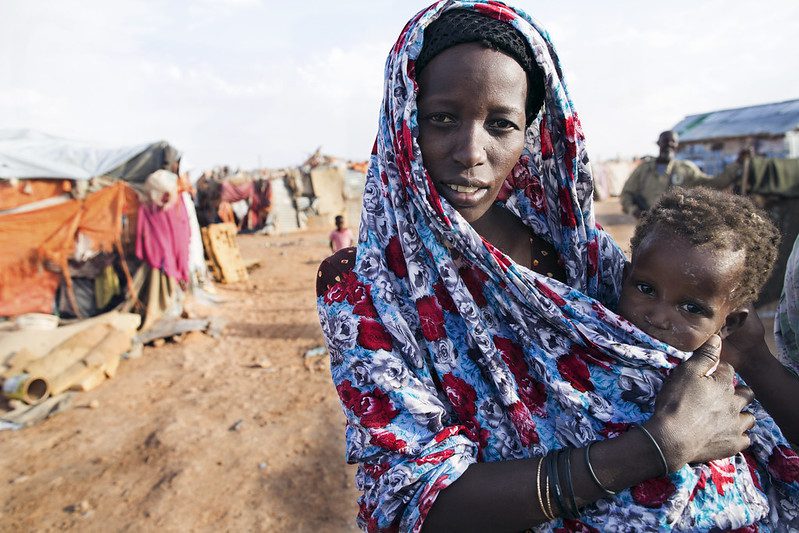
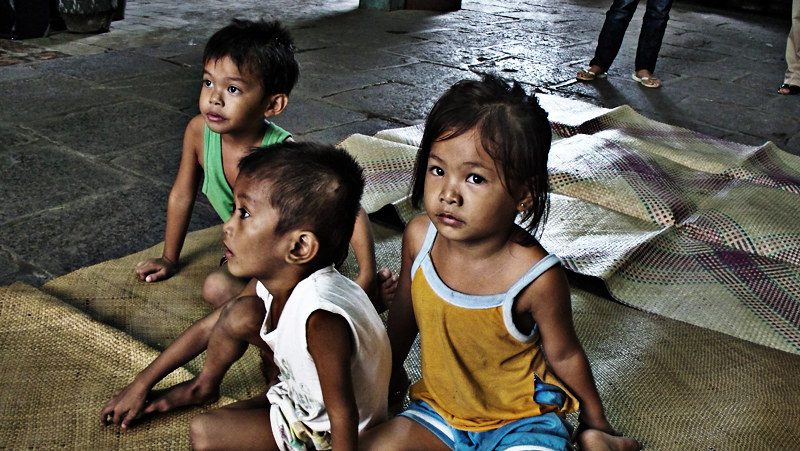
3 Ways the IOM is Addressing Humanitarian Crisis in SomaliaSomalia is a low-income country in the Horn of Africa. The country has suffered through four consecutive years of drought. This has caused the death of almost 4 million livestock between July 2021 and April 2022. A once-in-a-century flooding event during the latest rainy season worsened this grim situation. The paradoxical combination of drought and floods has resulted in failed harvests, decreased food security and displaced more than a million Somalians. Here are three ways the International Organization for Migration (IOM)—one of the largest humanitarian organizations in the country—is addressing Somalia’s humanitarian crisis.

3 Ways IOM Addresses Somalia’s Humanitarian Crisis

  1. New Mobile Clinics. In August 2023, IOM announced the opening of seven new mobile clinics in the city of Garowe, Somalia. The purpose of the clinics is to provide health and nutrition services to individuals affected by the drought. The clinics offer free malnutrition screenings, nutrition assistance, child immunizations and medical consultations to those in need, among other services. Despite receiving just 34% of the requested funding, IOM has impressively managed to reach 73% of Somalians targeted for health and nutrition assistance by the organization.
  2. Emergency Shelter. While plastic sheets may not seem like much in the way of shelter, they can be effective for temporarily patching roof holes in times of heavy rainfall and are a far cry better than no shelter at all. Recognizing this, IOM supplied 100,000 plastic sheets to flood-impacted regions of the country in Aug. 2023. Additionally, IOM provided more than 5,000 Somalian households with crucial emergency shelter materials in the same month. This program was subsequently scaled up to cover more than 7,000 households in the following month.
  3. Solar-Powered Wells. The prolonged drought in Somalia has resulted in many shallow wells and small reservoirs drying up, forcing thousands of rural Somalians to flee to urban areas or refugee camps. To combat this trend and improve access to clean water and sanitation, IOM is working on rehabilitating seven wells in the city of Baidoa, Somalia. While still in progress, the last two boreholes for the wells were completed in Aug. 2023. IOM is outfitting the wells with solar generators to guarantee their sustainability. In addition, the organization has cumulatively provided more than two million Somalians with water, sanitation and hygiene assistance as of Aug. 2023.

Looking Ahead

The IOM continues to play a critical role in addressing Somalia’s ongoing humanitarian crisis. Through the establishment of mobile clinics, the provision of emergency shelter materials and the rehabilitation of solar-powered wells, IOM has provided essential aid to millions of Somalians affected by drought and flooding. These ongoing efforts aim to improve health services, enhance living conditions and secure access to clean water, all of which are crucial in mitigating the severe impacts of the country’s climate challenges.

– Kipling Newman

Kipling is based in Denver, CO, USA and focuses on Good News and Global Health for The Borgen Project.

Photo: Flickr
August 13, 2024
https://borgenproject.org/wp-content/uploads/borgen-project-logo.svg 0 0 Precious Sheidu https://borgenproject.org/wp-content/uploads/borgen-project-logo.svg Precious Sheidu2024-08-13 03:00:582024-08-12 12:31:103 Ways the IOM is Addressing Somalia’s Humanitarian Crisis
Aid, Children, Global Poverty

Strengthening Children’s Education in Jordan

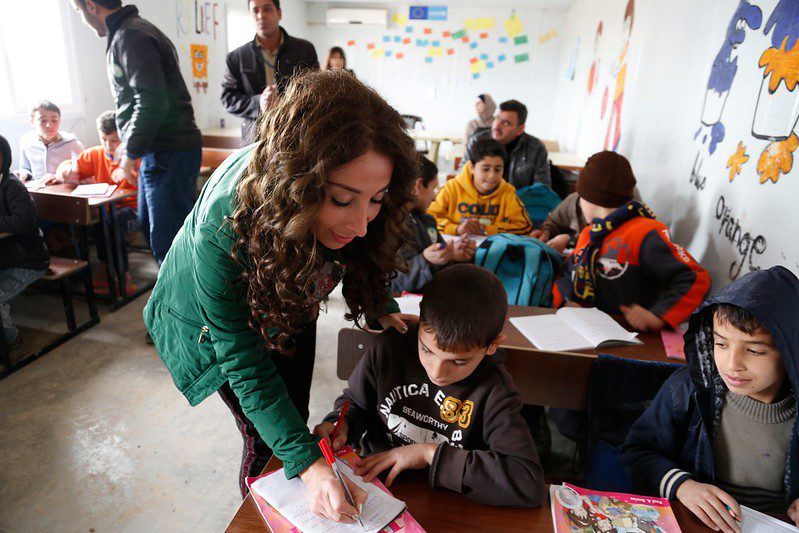
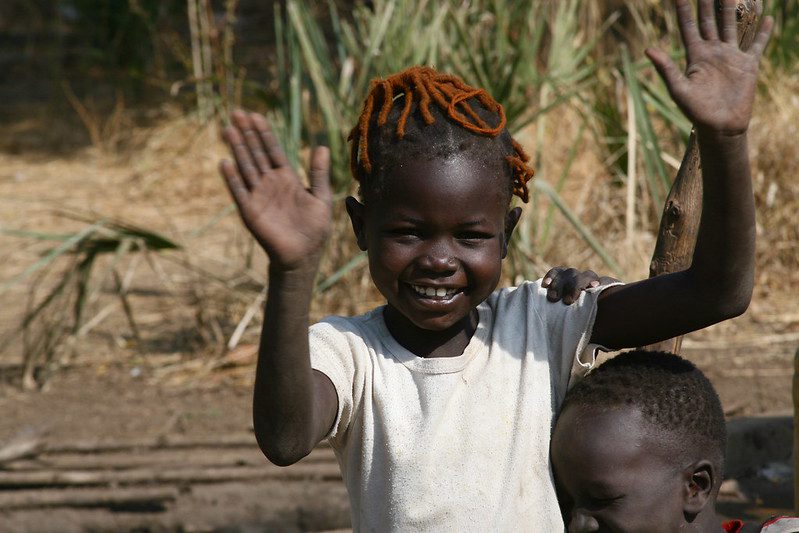
Education in JordanCurrently, 3.8 million children live in Jordan, and only 70% are actually Jordanian. Globally, Jordan holds the second highest number of refugees per capita, typically coming from Iraq, Sudan, Somalia, Yemen, and notably, Syria. Approximately 1.3 million Syrian refugees reside in Jordan. According to UNICEF, 97% of children in Jordan attend school. While gender parity exists, the education system in Jordan is still ripe for improvement. Only 30% of second- and third-graders can fully comprehend what they are reading, which indicates subpar teaching quality. However, several initiatives are focusing on improving education in Jordan.

UNICEF Improving Education in Jordan

The strong partnership between UNICEF and the Jordanian Government has enabled 4,000 children with disabilities to enroll in public schools. In addition, UNICEF opened two more schools and provided 1,600 Ministry of Education teachers with specific training to teach students of all abilities.

Another outcome of the UNICEF and Jordanian Government’s collaboration is regarding kindergarten (KG). In Jordan, 87% of 3–4-year-olds do not attend KG 1 and 41% of 5-6-year-olds do not attend KG 2, which is concerningly low. Kindergarten education is fundamental to the rest of children’s educational careers. Without a strong foundation, continuing their education is a challenge. For this reason, the quality of preschools is being improved, and teachers are being provided better training. Besides that, UNICEF is opening classrooms in “refugee camps and community-based centres across Jordan,” increasing the number of children that can attend kindergarten, according to its website.

Drop Out and Catch Up Programs

Since November 2015, UNICEF has supported the Drop Out program, which helped 12,000 children (12 years old or younger) who have either never experienced or missed three or more years to return to school, according to its website. This propels children into their educational careers, opening more opportunities to build a future for themselves.

Similarly, since 2016, UNICEF has supported the Catch Up program, which has encouraged nearly 5,000 children, who have never attended or missed three and more years to return to school. Already, 1,700 children have officially returned and continue their educational careers, UNICEF reports.

Local Heroes

Locally, schools face the brunt of the refugee situation. In these dire times, local heroes have taken it upon themselves to lighten the situation. A prime example of this is Ms. Maha Al Ashqar, the principal of the Khawla Bint Tha’alaba Primary Girls’ School. At her school, she observed that “the Jordanian students already filled the school’s capacity.” However, this did not stop Syrian parents from reaching out and attempting to find a spot for their children.

Ms. Maha, seeing the desperation of Syrian families, struggling to find an education for their kids, agreed to allow these children in, so long as they bring a chair. She states that Syrian parents “did nothing wrong to lose the chance of educating their daughters,” believing everyone has the right to an education, regardless of their circumstances, USAID reports.

Now, the classrooms of Ms. Maha’s school are decorated with small, colorful chairs, brought in by Syrian refugee students. Each little chair represents the opportunity these children will have in the future, thanks to the education they are receiving.

– Lakshya Anand

Lakshya is based in Bellevue, WA, USA and focuses on Good News for The Borgen Project.

Photo: Flickr
August 13, 2024
https://borgenproject.org/wp-content/uploads/borgen-project-logo.svg 0 0 Naida Jahic https://borgenproject.org/wp-content/uploads/borgen-project-logo.svg Naida Jahic2024-08-13 01:30:222024-08-12 12:14:26Strengthening Children’s Education in Jordan
Advocacy, Aid, Global Poverty

The Hidden Dimensions of Poverty  

Hidden Dimensions of PovertyIn February 2024, the “Addressing the Hidden Dimensions of Poverty in Knowledge and Policies” Conference took place at the World Bank headquarters in Washington, D.C. and online. To better understand the key dimensions and relationships of poverty, the conference brought together various groups including practitioners, academics and people with first-hand poverty experience to join together in research.

The Agenda

The conference’s Keynote speech “Evaluating the Impact of Anti-Poverty Policies: The Value of Multiple Approaches” set the tone for the event by introducing the idea that multiple perspectives are key when discussing issues of poverty, particularly those from people who have lived experience.

The conference then drew on the findings of two significant research projects that illustrate poverty’s hidden dimensions and how to incorporate them into the fight against global poverty. Both of these projects were conducted in collaboration with ATD Fourth World, a non-profit organisation founded in 1957.

After a series of workshops which explored the applicability of these projects to poverty research in specific countries including Bolivia, Tanzania and the U.K., according to the World Bank, the conference concluded with a roundtable discussion from leaders of the World Bank, ATD Fourth World, International Monetary Fund (IMF) and the U.N.

The Hidden Dimensions of Poverty

The ‘Hidden Dimensions of Poverty’ was a multi-year participatory research project from ATD Fourth World and Oxford University published in 2019. The project aimed to complement “top-down” definitions of poverty with direct experiences to develop future research methodologies. Researchers hope that these research methodologies can enable people in poverty to engage in global policy-making, hold governments accountable and fulfil their human rights obligations.

The project concluded that poverty may be defined as having nine dimensions that each fall into one of three larger categories. For each individual, the dimensions within these three categories (core experience of poverty, lack of resources and relational dynamics) are caused by external modifying factors such as location and identity which combine to create an experience of poverty that is unique to the person. This framework can not only define poverty but also help understand the contributing factors at play which could shape local and global policy, according to the research.

ATD Fourth World views current measures of extreme poverty such as the $1.90 a day indicator to be deeply flawed and inadequate. Instead, it believes that extreme poverty is a multidimensional phenomenon and policymakers should treat it as such. ATD Fourth World continues to work with people living in poverty, researchers and international organisations and governments to work on the question of how best to measure poverty.

The IDEEP

The Tool for the Inclusive and Deliberative Elaboration & Evaluation of Policies (IDEEP) is a document that ATD Fourth World and Olivier De Schutter, the U.N. Special Rapporteur on extreme poverty and human rights, created and published in February 2024.

The IDEEP aims to guide policymakers to ensure that the design, implementation and assessment of policies and projects has strong participation from people in poverty. This aims to ensure the addressing and inclusion of various dimensions of poverty, including the “hidden” ones. While not explicitly mentioned, the IDEEP draws on the findings of the Hidden Dimensions of Poverty to provide a framework which is inclusive and deeply participatory.

This tool does not intend to replace existing policy assessment tools such as those which rely on the normative framework of human rights, rather it aims to complement them to offer a more nuanced perspective. Furthermore, by using the IDEEP, decision-makers could capture the lived experiences of people in poverty to create improved policies and projects.

Changing the Perception of Poverty

Put simply, poverty is something that society has created, knowingly or unknowingly, according to ATD Fourth World. The findings put forth in this conference demonstrate that the best way to solve this issue is through open collaboration between researchers, people with lived experience and international institutions and governments. It is only through understanding the hidden dimensions of poverty that one can constructively combat this global issue.

– Carla Messinger

Carla is based in Oxford, UK and focuses on Global Health and Politics for The Borgen Project.

Photo: Unsplash

August 13, 2024
https://borgenproject.org/wp-content/uploads/borgen-project-logo.svg 0 0 Naida Jahic https://borgenproject.org/wp-content/uploads/borgen-project-logo.svg Naida Jahic2024-08-13 01:30:152024-08-12 12:09:09The Hidden Dimensions of Poverty  
Aid, Global Poverty, Humanitarian Aid

How Concern Worldwide Is Uplifting Syria

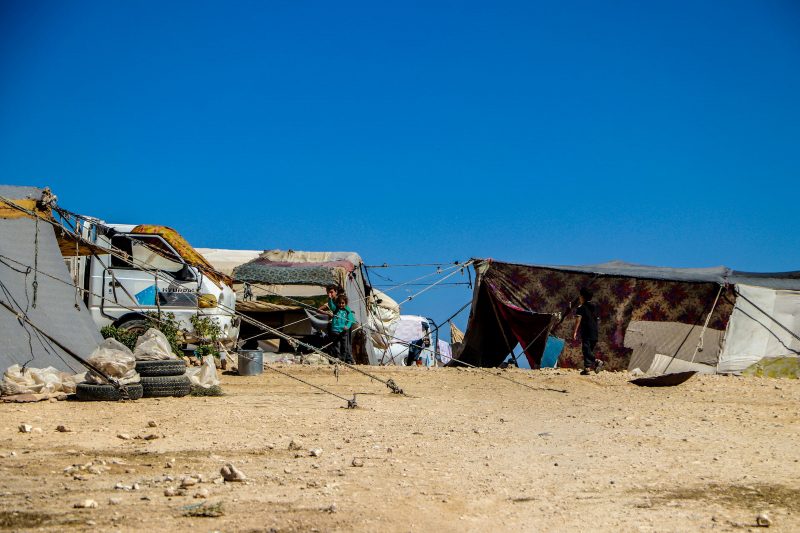
Concern WorldwideSyria continues to face extreme displacement inside and across its borders and the destruction of civilian and social service infrastructure due to years of ongoing conflict, resulting in some of the world’s harshest socioeconomic conditions. According to the United Nations Children’s Fund (UNICEF), 90% of individuals in Syria today live in poverty. With depleted resources, limited employment opportunities, skyrocketing prices and a shortage of basic supplies, more than 14.6 million Syrians desperately need humanitarian assistance.

Furthermore, years of conflict in Syria have caused many facilities and institutions to become unusable. For instance, a third of all schools and health care facilities in Syria are no longer used for their original purposes but rather have been destroyed, damaged or used for shelter or military purposes.

Recent Earthquake Devastation

Early last year, a massive 7.8 magnitude earthquake hit southern Turkey near the Syria border, followed by another 7.5 magnitude earthquake. These were the most devastating earthquakes to hit the Turkey-Syria region in more than 20 years. It killed more than 55,000 people and left millions homeless, often in overcrowded temporary shelters.

Of the 15.3 million Syrians who remained in the country afterward, 85% of the population is estimated to require humanitarian assistance. More than 12 million face food insecurity, only about half of all hospitals are fully functional and more than two million children are out of school indefinitely. As a result, Syria continues to be the world’s largest refugee crisis, representing nearly 25% of the total global refugee population.

About Concern Worldwide

Concern Worldwide, founded in 1968, is an international humanitarian organization working in 26 countries to free disadvantaged individuals from poverty, fear and oppression. Composed of 4,700 diligent humanitarians, Concern has reached more than 25 million underprivileged individuals, focusing on six areas: livelihoods, health and nutrition, education, gender equality and innovations and emergencies. In terms of emergencies, it helps communities affected by natural disasters, assisting them to rebuild long-lasting resilience through sustainable methods.

In the wake of the recent earthquake, Concern responded in hours, delivering emergency supplies and providing shelter, food, cash, clean water, sanitation and psychosocial support. Its efforts range from short-term reliefs to long-term support by erecting tents, installing latrines and building clean water systems. A year in, it has successfully helped more than 375,000 individuals. Concern has committed to supporting those who are worse affected until they can stand on their feet again and rebuild their lives.

Multi-Faceted Approach

Concern Worldwide focuses on emergency response and has various other departments, including a community-based focus on women and children, to raise awareness and break down social barriers. In addition to increased access to health services, optimal child care training and treating acute malnutrition in children, it provides a 14-month package that includes business skills training, general coaching, financial literacy, home savings management and entrepreneurship skills. Concern intervenes at the local and national government levels to uplift individuals in Syria and other poverty-stricken countries and allow them to choose their future.

– Kewe Chen

Kewe is based in Memphis, TN, USA and focuses on Good News for The Borgen Project.

Photo: Flickr

August 11, 2024
https://borgenproject.org/wp-content/uploads/borgen-project-logo.svg 0 0 Hemant Gupta https://borgenproject.org/wp-content/uploads/borgen-project-logo.svg Hemant Gupta2024-08-11 01:30:392024-08-10 13:55:53How Concern Worldwide Is Uplifting Syria
Aid, Global Poverty, Nonprofit Organizations and NGOs

Elderly Poverty in Lebanon

Elderly Poverty in LebanonIn 2023, Lebanon witnessed another wave of young professionals, medical staff and academics leaving the country. This mass exodus exacerbated an already dire situation, with 44% of the population now living in poverty. The country’s economic crisis, characterized by a devalued currency, inadequate health care services and high unemployment rates, has particularly impacted its elderly citizens. As the largest elderly population in the Middle East, many are forced to continue working beyond the age of 60, often without social protections or pensions, further increasing elderly poverty in Lebanon.

Lebanon’s Financial Crisis

The World Bank has labeled Lebanon’s financial crisis as one of the most severe crisis episodes globally since the mid-nineteenth century. The crisis, which began with a complete financial meltdown in 2019, has left banks unable to pay depositors in dollars, enforcing informal capital controls that restrict withdrawals to limited amounts at heavily discounted exchange rates. Since then, the Lebanese currency has plummeted from 1,500 to the dollar pre-crisis to about 94,000 in May 2023, peaking at more than 100,000 in March. Lebanon’s economic struggles have compounded due to significant political turmoil and disasters, including the devastating explosion at Beirut’s port on Aug. 4, 2020 and recent Israeli strikes on civilian areas in southern Lebanon.

Brain Drain

The crisis in Lebanon has triggered a “brain drain” as disillusioned educated youth and professionals emigrate in search of better opportunities abroad. This exodus is sharply felt in the health care and education sectors, jeopardizing the quality and availability of essential services for the wider population. In 2021 alone, nearly 80,000 Lebanese left the country. The departure of skilled individuals in such large numbers is impeding economic recovery and weakening the infrastructure of public services, intensifying the nation’s broader crisis. Projections reveal that between 2020 and 2050, the number of people aged 60 and over in Lebanon will double, while the young population is expected to decline by about 33%.

Health Care Access

The elderly constitute almost half of the total population with disabilities in Lebanon and the leading causes for disability among both older men and women, with kidney diseases, sense organ diseases and diabetes being the leading causes of disability among both older men and women. These conditions require regular access to essential drugs and services. However, Lebanon’s financial crisis, worsened by the pandemic, has left its health care sector struggling to provide affordable services to its impoverished population. The elderly, who most need regular health care services, face significant challenges due to a lack of health insurance, soaring medication prices and shortages of medical personnel. A study by HelpAge reveals that many elderly individuals, unable to afford their prescribed medications, are deliberately reducing or stopping their use, further endangering their health and impacting elderly poverty in Lebanon.

Pensions and Social Protection

Lebanon ranks among just 16 countries globally without a pension scheme for private-sector workers. As a result, the majority of workers—55% of whom are informally employed—lack any social insurance coverage. Due to the banking crisis, lifetime savings have become inaccessible and continue to lose value as the local currency deteriorates. This financial instability forces many elderly men to work well beyond the official retirement age, compromising their physical and mental health, as the absence of a pension system leaves them without a safety net.

NGO Efforts

Without broader government reforms in Lebanon, sustainable recovery and reconstruction remain unlikely and the social and economic situation will likely continue to deteriorate. In the meantime, many NGOs and charities are performing crucial work to alleviate some of the hardships faced by the elderly population. Amel association, which was created in response to the atrocities of the Lebanese civil war and the Israeli aggression in southern Lebanon, is one example of an organization working on advancing the rights of older people in Lebanon ensuring they can lead dignified, safe and healthy lives. 

With a focus on ‘defending a culture of solidarity rather than charity,’ Amel offers many essential services, including psychosocial support, to the vulnerable elderly population. In collaboration with HelpAge International, it gives the elderly access to activities designed to improve their psychological well-being, such as group counseling, peer-to-peer support, recreation and social events. This is done through 32 centers throughout the country, six mobile clinics, two mobile education units and a mobile protection unit. As these inspiring efforts continue, it underscores the critical need for systemic change to address the underlying issues and provide lasting relief for Lebanon’s most vulnerable citizens.

Looking Ahead

Lebanon’s economic and social crises have created severe challenges, particularly for the elderly population lacking social protections. The mass emigration of professionals has weakened essential services, further exacerbating the nation’s difficulties. NGOs like the Amel Association play a crucial role in providing immediate support, yet the urgent need for comprehensive government reforms remains clear to ensure sustainable recovery and a reduction in elderly poverty in Lebanon.

– Asma Issa

Asma is based in London, UK and focuses on Politics for The Borgen Project.

Photo: Flickr

August 10, 2024
https://borgenproject.org/wp-content/uploads/borgen-project-logo.svg 0 0 Precious Sheidu https://borgenproject.org/wp-content/uploads/borgen-project-logo.svg Precious Sheidu2024-08-10 07:30:522024-08-10 03:00:45Elderly Poverty in Lebanon
Aid, Global Poverty, Water Crisis

How Chile’s Water Reform is Reducing Poverty

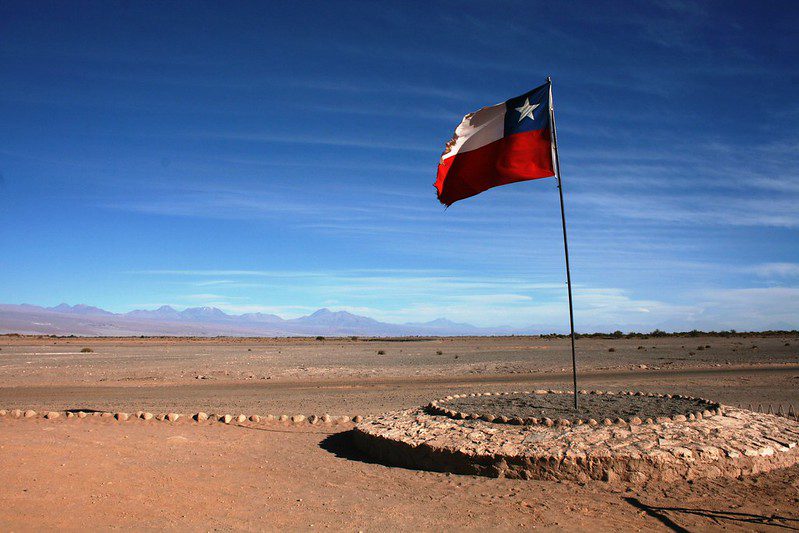
Chile's Water ReformIn recent years, Chile has faced significant challenges related to water scarcity, with more than half of its population living in areas experiencing severe drought conditions. Recognizing the importance of sustainable water management, the country has implemented reforms since 2022 to address water scarcity and improve quality across the nation. These ongoing reforms, supported generously by the World Bank, have enhanced water resources and played a crucial role in reducing poverty to foster a more equitable future.

Modernizing the Water Code

On Jan. 12, 2022, Chile undertook a major overhaul of its Water Code, a legislative framework that governs the use and distribution of the country’s water resources. The updated code prioritizes human consumption and sanitation needs over agricultural and industrial uses, recognizing the human right to water and improving allocation mechanisms among different sectors. These changes are designed to protect the most vulnerable populations, ensuring they can access clean and sufficient water supplies. 

Chile’s water reform essentially enshrined the right to water in its constitution. This legislative guarantee provides a strong legal foundation for water management policies and ensures that future governments prioritize the protection and equitable distribution of water resources.

Investing in Infrastructure

Investment in water infrastructure has been a cornerstone of Chile’s reform efforts. The government has allocated substantial funds toward developing and maintaining water systems, including reservoirs, pipelines and treatment plants. By enhancing infrastructure, Chile has been able to capture better, store and distribute water, mitigating the impacts of drought and ensuring a reliable supply of clean water to both urban and rural communities. Additionally, Chile has embraced green infrastructure solutions, such as reforestation, wetland restoration and green spaces in urban areas. These ongoing efforts help to naturally regulate water cycles, improve quality and increase groundwater recharge. Chile is building resilience against the changing climate by integrating green infrastructure and creating sustainable water systems that benefit the environment and local communities.

The World Bank Finances the Hydrogen Industry

The World Bank plays a pivotal role in supporting Chile’s water reform efforts. Through financial assistance, technical expertise and capacity-building initiatives, it has helped Chile achieve 100% treatment of urban wastewater, a significant milestone in improving water quality and protecting public health. This accomplishment has been instrumental in reducing waterborne diseases and enhancing the overall well-being of urban populations.

The World Bank’s $150 million loan to Chile is a significant step toward advancing the country’s green hydrogen industry and supporting its broader environmental and economic goals. This loan is part of a larger initiative, the Chile Green Hydrogen Facility to Support A Green, Resilient and Inclusive Economic Development project, which aims to position Chile as a global leader in green hydrogen production. The project’s primary objective is to harness Chile’s abundant renewable energy resources, particularly solar and wind power, to produce green hydrogen, a clean and sustainable energy source that can significantly reduce greenhouse gas emissions.

Impact on Poverty Reduction

Chile’s water reform policies have had a positive impact on poverty reduction, particularly in rural areas where access to clean water has historically been limited. By ensuring reliable and safe water supplies, these policies have improved the quality of life for many Chileans. Access to clean water is essential for health, education and economic opportunities. In rural areas, improved water access has enabled communities to engage in agriculture more effectively, increasing food security and income. In urban areas, enhanced water infrastructure has supported economic activities and improved living conditions, contributing to poverty alleviation.

Looking Ahead

Chile’s comprehensive water reforms, bolstered by substantial investments in infrastructure and support from the World Bank, have significantly improved water access and quality. These ongoing efforts have not only addressed the immediate impacts of drought but also laid the groundwork for sustainable water management. By prioritizing human consumption and integrating green infrastructure, Chile is enhancing resilience against the changing climate and fostering equitable development, particularly benefiting the nation’s most vulnerable populations.

– Asiya Siddiqui

Asiya is based in Fremont, CA, USA and focuses on Good News and Global Health for The Borgen Project.

Photo: Flickr

August 8, 2024
https://borgenproject.org/wp-content/uploads/borgen-project-logo.svg 0 0 Precious Sheidu https://borgenproject.org/wp-content/uploads/borgen-project-logo.svg Precious Sheidu2024-08-08 07:30:192024-08-08 01:08:08How Chile’s Water Reform is Reducing Poverty
Aid, Global Poverty, NGOs

The Beirut Blast Calls for a Different Distribution of Aid in Lebanon

aid in lebanonLebanon will solemnly remember the explosion in its capital which shook the city’s foundations, halted a revolution in its steps and showed the importance of a different aid distribution in Lebanon. On August 4th, 2020, at 6:07 pm, 2,750 tons of ammonium nitrate were ignited, causing “the largest non-nuclear explosion in modern times.”

The Beirut blast had initially caused an estimated $3.8 billion to $4.6 billion in material damage. That number was only to increase as casualties became more evident: the explosion killed 218 people from more than 14 different nationalities, wounded 7,000 people and caused a physical disability to 150 of them. And because of Beirut’s incredibly high population density, some 300,000 people faced displacement, according to Human Rights Watch (HRW).

Aid in Lebanon

Aid came quickly from multiple organizations and concerned nations:

  • Britain: $6.6 million in aid for search and rescue.
  • Germany: 47 strong rescue teams and €1 million through the German Red Cross to establish local aid centers.
  • Russia: Five planes worth of medical equipment, including field hospitals and well-equipped medical personel.
  • Iran: Field hospital, medical equipment and nine tonnes of food.
  • Lebanese Red Cross: Providing essentials to 80,000 people, and distributing almost $800,000 in cash grants for people to rebuild their destroyed homes.

The humanitarian response right after the explosion was adequate, excluding, however, many of those who had perished under the rubble because of a delay in rescue missions. Such was the story of Chady, who had died under a fallen building after waiting to be rescued for an astounding 24 hours. The aid his mother Hayat received following the tragedy was subpar, allowing her only to buy a casket for her dead son.

This tells that the long-term distribution of aid in Lebanon has been incredibly lacking. Two years after the Beirut blast, 1 million people in Lebanon, half of them children, were living under the poverty line and could not afford necessities

International Assistance

Before the Beirut blast the country had been going through an economic crisis and the International Monetary Fund (IMF) withheld monetary assistance from the Lebanese state because of a lack of political reform.

The America Near East Refugee Aid (ANERA) has been working even two years after the explosion to renovate damaged houses and buildings. In 2023, the two engineering companies Artelia and Egis came up with a plan to help reinvigorate the Beirut Port, but they need between $60 to $80 million to begin with the project.

International assistance of this sort can mean the difference between collapse and survival, so lobbying for inventive and effective distribution of aid in Lebanon is a must for both organizations and the international community as a whole.

– Carl Massad

Carl is based in Chandler, AZ, USA and focuses on Politics for The Borgen Project.

Photo: Pexels

August 4, 2024
https://borgenproject.org/wp-content/uploads/borgen-project-logo.svg 0 0 Naida Jahic https://borgenproject.org/wp-content/uploads/borgen-project-logo.svg Naida Jahic2024-08-04 03:00:072024-08-04 01:49:33The Beirut Blast Calls for a Different Distribution of Aid in Lebanon
Aid, Children, Global Poverty

Save the Children in Ethiopia

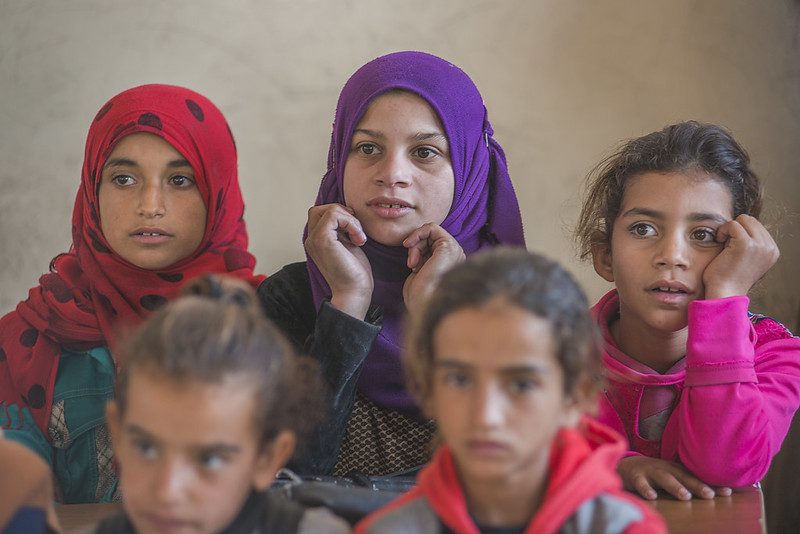
How Save the Children Helps Ethiopian ChildrenThe Federal Democratic Republic of Ethiopia, landlocked in Eastern Africa, is bordered by Somalia, Kenya, South Sudan, Sudan, Eritrea and Djibouti. The country is located in the Horn of Africa, also known as the Somali peninsula, in the easternmost part of Africa. As of 2023, it has a population of approximately 127 million. Ethiopia is the second most populated country in Africa, behind Nigeria. Despite its large population, Ethiopia remains one of the continent’s poorest countries, with a per capita gross national income of $1,020, according to the World Bank. This region is currently experiencing its worst drought on record. According to Save the Children, more than 21 million children are affected. Since 2020, the severe lack of rain has devastated agriculture. The ongoing drought has made it impossible for millions to grow crops or raise livestock, leaving many facing severe hunger.

Save the Children’s Role and Response

Save the Children, a major nonprofit organization founded in the United Kingdom in 1919, aims to aid children in dire situations worldwide. With programs and members in 113 countries, the organization prioritizes support for children in the most resource-deprived nations.

In 2022, the Save the Children Ethiopia Country Office initiated a Category 1 humanitarian response plan across most of the country. This comprehensive plan encompasses the Northern Ethiopia Complex Response, the Hunger and Drought Response and the Forced Displacement Response. These initiatives aim to protect Ethiopian children, sustain their livelihoods and enhance food security. Save the Children operates in several regions, including Somali, Tigray, Amhara, Afar, Oromia, Gambela and the Southern, Central and Western Ethiopian regions, along with Sidama.

In 2023, Save the Children provided support to 6.8 million people in Ethiopia, including 3.9 million children. While the organization primarily focuses on aiding children, its efforts benefit the entire community.

Educational Initiatives and Health Focus

Save the Children focuses on providing educational resources to children. Approximately 13 million children in Ethiopia are not enrolled in school, nearly half of whom are girls, according to UNICEF. Many children who begin schooling often drop out before reaching secondary education. To counter this, Save the Children leads extensive programs with support from various stakeholders, concentrating on essential early childhood education in areas like math and literacy.

Save the Children also emphasizes children’s health and nutrition. Decades ago, many children died before the age of 5 from preventable causes. Significant progress has been made. Mortality rates have dropped from 123 per 1,000 births in 2005 to 59 per 1,000 in 2019, representing an overall decrease of about 15%. Despite these gains, nutrition remains a critical challenge, as malnutrition contributes to approximately 45% of children’s deaths. To reduce this rate, Save the Children integrates primary health care to ensure children receive necessary interventions, such as immunizations. The organization also spearheaded the Growth through Nutrition initiative from 2016 to 2023, which aimed to enhance nutrition and health care services.

Looking Ahead

Ethiopia’s severe drought has left millions of children facing hunger and hardship. Save the Children’s humanitarian efforts have been crucial in providing relief and support to affected communities. Its focus on education and health initiatives aims to address long-term challenges, such as malnutrition and school dropout rates. Ongoing efforts and support can potentially improve the lives of Ethiopia’s most vulnerable children and ensure a more stable future for the nation.

– Sabrina Betterly

Sabrina is based in Drums, PA, USA and focuses on Good News for The Borgen Project.

Photo: Flickr

July 30, 2024
https://borgenproject.org/wp-content/uploads/borgen-project-logo.svg 0 0 Precious Sheidu https://borgenproject.org/wp-content/uploads/borgen-project-logo.svg Precious Sheidu2024-07-30 01:30:072024-07-29 06:01:22Save the Children in Ethiopia
Page 15 of 65«‹1314151617›»

Get Smarter

  • Global Poverty 101
  • Global Poverty… The Good News
  • Global Poverty & U.S. Jobs
  • Global Poverty and National Security
  • Innovative Solutions to Poverty
  • Global Poverty & Aid FAQ’s
Search Search

Take Action

  • Call Congress
  • Email Congress
  • Donate
  • 30 Ways to Help
  • Volunteer Ops
  • Internships
  • Courses & Certificates
  • The Podcast
Borgen Project

“The Borgen Project is an incredible nonprofit organization that is addressing poverty and hunger and working towards ending them.”

-The Huffington Post

Inside The Borgen Project

  • Contact
  • About
  • Financials
  • President
  • Board of Directors
  • Board of Advisors

International Links

  • UK Email Parliament
  • UK Donate
  • Canada Email Parliament

Get Smarter

  • Global Poverty 101
  • Global Poverty… The Good News
  • Global Poverty & U.S. Jobs
  • Global Poverty and National Security
  • Innovative Solutions to Poverty
  • Global Poverty & Aid FAQ’s

Ways to Help

  • Call Congress
  • Email Congress
  • Donate
  • 30 Ways to Help
  • Volunteer Ops
  • Internships
  • Courses & Certificates
  • The Podcast
Scroll to top Scroll to top Scroll to top