• Link to X
  • Link to Facebook
  • Link to Instagram
  • Link to TikTok
  • Link to Youtube
  • About
    • About Us
      • President
      • Board of Directors
      • Board of Advisors
      • Financials
      • Our Methodology
      • Success Tracker
      • Contact
  • Act Now
    • 30 Ways to Help
      • Email Congress
      • Call Congress
      • Volunteer
      • Courses & Certificates
      • Be a Donor
    • Internships
      • In-Office Internships
      • Remote Internships
    • Legislation
      • Politics 101
  • The Blog
  • The Podcast
  • Magazine
  • Donate
  • Click to open the search input field Click to open the search input field Search
  • Menu Menu

Archive for category: Aid

Advocacy, Aid, Global Poverty

Student Mission Trips Making Differences in Poor Communities

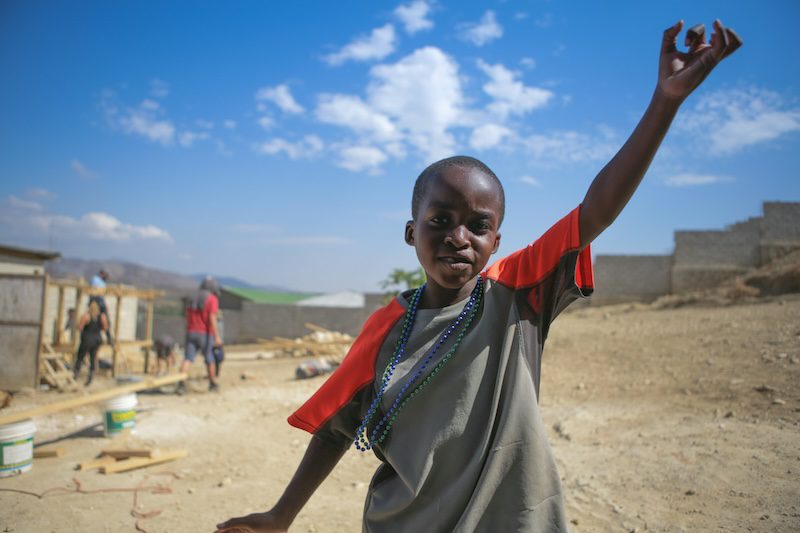
Student Mission Trips Making Differences in Poor Communities Poverty exists all around the world, with an estimated 700 million people living in extreme poverty – meaning they survive on less than $2.15 a day. In response, there are plenty of nonprofit organizations (NGOs) that are working to alleviate poverty, such as Oxfam International, a confederation of 19 organizations that work in 90 countries. However, not only adults and professionals who are fighting against poverty. High school and college students are also doing their share of helping poor communities around the world, specifically through student mission trips. There are organizations throughout the United States (U.S.) that provide numerous student mission trips – long-term and short-term – for students to sign up and join.

ExperienceMission

ExperienceMission has missions for middle school, high school, college and young adults, emphasizing their goal to make relationships with the people in poor countries. For example, one former missionary wrote how the missionaries “were able to make these very emotional connections with the Kosovar Albanians as they ate together and helped work on homes in the towns of Semetisht and Suva Reka. the personal touch in the aftermath of such tragedy (the Kosovo war) was powerful.”  On the same mission trip, a businesswoman gave some money to the people there, but “she was overwhelmed by what had meant the most to the local people. It had been the simple fact that she had come to Kosovo along with the money.”

ExperienceMission emphasizes the personal touch of these mission trips, believing in the power of relationships and kindness to the people in poverty. In addition, it practically helps the communities. Donations are used to build and rebuild homes or establish English language schools so that people can get jobs as translators. The missionaries also help youth practice English and support orphanages and dental clinics. The practical work extends to assisting greenhouses, working on farms, helping students with homework, cooking, packing food parcels, playing games with students and sorting storage units.

Mission Discovery

Mission Discovery is another organization that focuses on short-term missions. For its medical mission trips, its volunteers work in daily medical clinics and can also educate school students on health. On medical mission trips, the missionaries also give out water filters and grocery items to people in the community, as Mission Discovery did in Antigua and Guatemala. For its regular mission trips, such as in Bulembu and Eswatini, short-term missionaries work to improve the lives of orphans. They renovated an abandoned mining town to create a self-sustaining community where orphans can live in peace. To do so, the volunteers help with construction projects tutor Bulembu’s students and create sports and school clubs to enrich their education.

LeaderTreks Youth Ministry

LeaderTreks Youth Ministry is an organization that makes youth groups wanting to go on mission trips easier by helping plan the logistics. The youth groups go to underprivileged communities within the U.S. and assist them with learning English, as well as helping build, paint, clean and cook for these people. The volunteers deliver care packages that contain clothes and hygiene products, which they distribute to the community and also travel with mobile clinics to places with no health care. It also has a program called Global Aid Network (GAiN) working in the country of Benin. According to UNICEF, only 67.4% of people in Benin have access to drinking water. GAiN works to provide access to clean drinking water by drilling wells and installing pumps and concrete pads. On top of that, GAiN volunteers help with community development programs to encourage and educate residents on sanitation.

Looking Ahead

These organizations that support youth mission trips focus on Christian youths and young adults who are dedicated to sharing their faith in impoverished communities. In addition to spreading their faith, these missions strive to enhance the living standards in these areas through various initiatives. Not only do professionals and NGOs make a difference worldwide; but students also effect positive change.

– Hannah Chang

Hannah Chang is based in Philadelphia, PA, USA and focuses on Good News, Politics for The Borgen Project.

Photo: Flickr

September 21, 2024
https://borgenproject.org/wp-content/uploads/borgen-project-logo.svg 0 0 Precious Sheidu https://borgenproject.org/wp-content/uploads/borgen-project-logo.svg Precious Sheidu2024-09-21 01:30:002024-09-21 00:48:12Student Mission Trips Making Differences in Poor Communities
Aid, Food Security, Global Poverty

Biofortified Sweet Potato: A Solution for Food Insecurity

Biofortified Sweet PotatoVitamin A deficiency affects approximately 140 million children worldwide, posing serious public health challenges, including weakened immunity, stunted growth and potential blindness. Since 2009, the International Potato Center (CIP), a component of CGIAR, has led initiatives to combat this deficiency, especially in Africa and Asia. Their solution includes the development of a climate-resilient, biofortified orange-fleshed sweet potato (OFSP). This innovation aims to address significant global challenges like malnutrition and food scarcity.

Combating Vitamin A Deficiency

CIP’s innovative crop plays a crucial role in combating vitamin A deficiency. Consuming just 125 grams of boiled orange-fleshed sweet potato (OFSP) can fulfill the daily vitamin A requirements for preschool-aged children, addressing malnutrition effectively. Researchers have released more than 100 pro-vitamin A sweet potato varieties in more than 20 countries, adapting each to local environmental conditions to ensure their success.

Nutritional and Health Benefits

While OFSP is rich in pro-vitamin A, biofortified potatoes developed by CIP also provide a wealth of essential nutrients. 100 grams of boiled potatoes can provide 16% of the daily potassium and 30% of the daily vitamin C needs. Recently, new varieties contain 40 to 80% more iron and zinc, with an absorption rate of 29%.  Due to OFSP, there has been a 22% reduction in vitamin A deficiency in 17 African countries.

Reaching Households

CIP’s biofortified sweet potato initiative currently benefits more than 6.4 million households, a number that’s projected to climb as the organization aims to reach 10 million households within the next five years. Studies reveal significant nutritional impacts: in Mozambique, incorporating Orange-Fleshed Sweet Potatoes (OFSP) into children’s diets has slashed vitamin A deficiency by 15%. Meanwhile, in Kenya, the incorporation of sweet potato puree into bread and buns has not only enriched food with essential nutrients but also spurred economic activity, generating more than $1 million in annual sales. Consuming just two slices of bread made with OFSP puree meets 10% of an adult’s daily vitamin A requirement.

Biofortified Sweet Potatoes in the Face of Harsh Climates

The continent of Africa contributes less than 5% of global greenhouse gas emissions and yet it is disproportionately impacted by changing weather patterns. By 2040, temperatures are expected to rise by 2 degrees Celsius. This not only presents a huge risk to food security but will have a severe impact on smallholder farmers who produce 90% of sub-Saharan Africa’s food. OFSP is a drought-resistant crop. More than 10 million households in Africa and South Asia now grow this crop. Furthermore, in addition to OFSP, CGIAR is developing more than 350 biofortified and climate-resistant crop varieties to benefit more than 50 million people in 41 countries. 

Future Prospects

The sweet potato program at the International Potato Center (CIP) has gained acclaim for its significant impact on global food security. In 2016, CIP researchers received the World Food Prize for their work in enhancing nutrition and food security through the cultivation of this crop. Continuing into the 2022-2024 period under the CGIAR Investment Prospectus, there is a strategic focus on transforming systems and bolstering resilient agrifood systems. This initiative champions the development of nutrient-rich and climate-resilient crops, including the biofortified sweet potato, aiming to secure a sustainable future for millions of smallholder farming families worldwide.

– Ellisha Hicken

Ellisha is based in London, UK and focuses on Technology and Solutions for The Borgen Project.

Photo: Flickr

September 19, 2024
https://borgenproject.org/wp-content/uploads/borgen-project-logo.svg 0 0 Precious Sheidu https://borgenproject.org/wp-content/uploads/borgen-project-logo.svg Precious Sheidu2024-09-19 01:30:212024-09-19 01:21:23Biofortified Sweet Potato: A Solution for Food Insecurity
Aid, Global Poverty, Health

PAHO’s Work in Haiti: Protecting the Country’s Health System

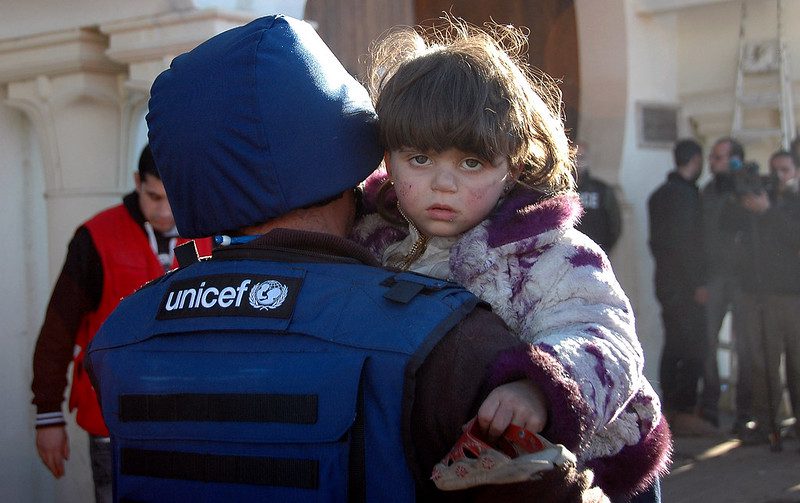
paho's work in haitiSeptember 2024 marks two years since Haiti’s humanitarian crisis reached critical levels due to the escalation of armed violence and territorial gang control. On February 29, 2024, a fresh wave of violence broke out. Gunmen targeted police stations and the international airport in what was regarded as a protest against unelected Prime Minister Ariel Henry.

Today, more than 200 gangs are operating in Haiti and the country’s health system has suffered greatly as a consequence. Many major hospitals, particularly in the capital Port-au-Prince, had to close, with no guarantee of safety for staff or patients amid the security crisis. Less than half of the health facilities in the country’s capital are operating at normal capacity, according to the Pan American Health Organization (PAHO), and a UNICEF representative visiting the country heartbreakingly described its health system as being “on the verge of collapse.”

PAHO’s Work in Haiti

PAHO, however, has been working tirelessly to protect and support the health system in the region. Armed groups in Port-Au-Prince have drastically affected supply chains into Haiti. Cargo flights to the capital city’s airport suffered while the airport was in the hands of these groups, UNICEF reports. All hospitals in the country are struggling to obtain their usual supplies.

PAHO has donated a host of essential medicines, medical supplies, and equipment to strained health facilities. These donations have played a crucial role in ensuring that these facilities remain open and operational. PAHO’s work in Haiti, supporting the Ministry of Health (MSPP), has also meant that more than 38 tons of medical supplies could be transported from a stockpile in Panama to care for internally displaced peoples, according to the PAHO website.

Containers filled with supplies were held up by armed groups, or even looted. They have now been able to reach Haitian residents, with PAHO taking this transportation over for Port-au-Prince – the main logistical hub of the country – whilst it is overwhelmed by violence.

Supporting Those in Shelters

The outbreak of violence has meant that more than 37,000 Haitians are now displaced and spread across 23 camps in the Port-au-Prince borough. PAHO workers are on the ground in Haiti, providing psychological support to those displaced as they face the stigma of living in shelters, and exist in fear of the outbreak of epidemics like cholera.

PAHO has also provided key health services to those living in these make-shift camps. Skin infections and diarrheal diseases are especially common, and workers are on hand to provide indispensable treatment. Treating these ailments at the root will also help to ease some pressure off of local health services. The high number of displaced families is placing additional demand on hospitals in the southern area of Haiti especially, according to UNICEF.

Hygiene and Sanitation Products

PAHO’s distribution of hygiene and sanitation products in shelters is a vital step in ensuring that disease does not spread. Cramped, closed conditions in emergency shelters leave those living in them particularly vulnerable to the outbreak of epidemics. The organization has carried out epidemiological surveillance and vaccinations to reduce this pressing risk. A surge in cases of any disease would place yet more strain on Port-au-Prince’s health systems. PAHO’s work in Haiti is vital now more than ever, according to its website.

In July 2024, PAHO supported Haiti’s Ministry of Public Health and Population to vaccinate more than 230,000 children against diphtheria. This recent success mirrors the organization’s clear commitment to disease control in Haiti.

Delivering Blood

The smooth-running of blood testing activities in Haiti was directly affected by the outbreak of violence. Haiti has previously struggled to meet its need for safe blood bags, yet delivery of blood products is essential for Port-au-Prince’s strained health system. Without them, surgery cannot go ahead safely, and maternal mortality becomes a critical issue.

PAHO has stepped in during the security crisis to deliver blood supplies. Deliveries to the National Blood Transfusion Center have allowed for vital blood work to resume.

Fuelling Port-au-Prince Ambulances

Political instability in Haiti has affected nationwide access to essential goods and services. Access to fuel has been reduced because of this, posing problems for the transportation of patients. To facilitate the continuation of ambulance services in the particularly strained Port-au-Prince area, PAHO has supplied fuel to the National Ambulance Center so that their service can continue to function, according to its website.

PAHO’s work in Haiti has helped many people struggling in times of political crisis and violence. The organization stated that it will continue its work in Haiti, hoping to strengthen and improve the current situation.

– Maeve Relihan

Maeve is based in Birmingham, UK and focuses on Global Health and Politics for The Borgen Project.

Photo: Unsplash

September 19, 2024
https://borgenproject.org/wp-content/uploads/borgen-project-logo.svg 0 0 Naida Jahic https://borgenproject.org/wp-content/uploads/borgen-project-logo.svg Naida Jahic2024-09-19 01:30:072024-09-19 01:13:31PAHO’s Work in Haiti: Protecting the Country’s Health System
Aid, Developing Countries, Education, Global Poverty

26 Letters School – A Lesson on Empowerment

26 Letters School
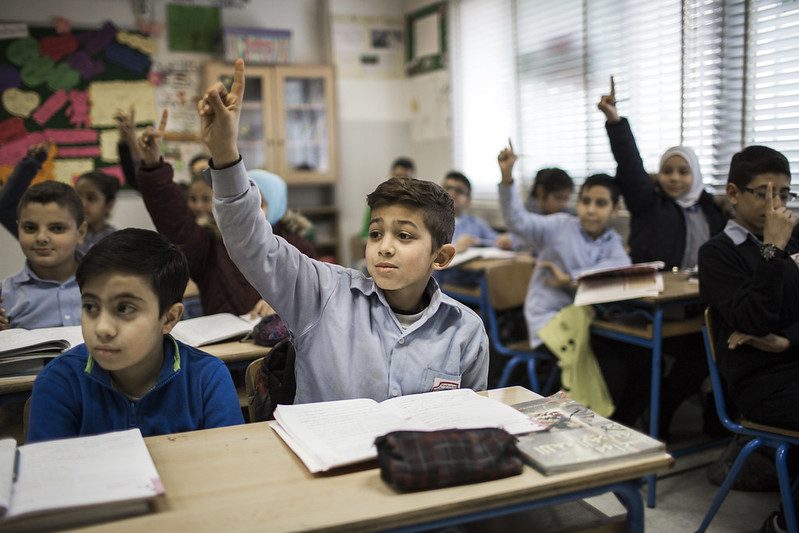
The economic collapse of Lebanon has severely impacted the country’s education system. These unprecedented challenges have affected the Lebanese children and refugee children present in the country. The World Food Programme (WFP) has stated that more than half of the Syrian refugee children in Lebanon are unable to access primary education as a result of economic hardships and other factors. 

A study by the Center for Lebanese Studies has indicated poor academic performance and depletion in psychological well-being due to the Lebanese crisis. Children no longer attend schools and face potential exposure to different forms of abuse and exploitation. Children from low-income households, those living in rural areas, migrants and refugees are the most impacted. Fortunately, 26 Letters School is making a difference by providing education to Lebanese children.

About 26 Letters School

26 Letters School is a nongovernmental organization (NGO) based in Beirut, Lebanon. The purpose of the school is to offer free quality education for all children and teenagers who live in Beirut. It recognizes that its pupils come from different economic, social and religious backgrounds. Keeping this in mind, the school emphasizes the importance of plurality and respect for all individuals. Here are 10 reasons why the 26 Letters School is a phenomenal initiative to change students’ lives beyond education and literacy. 

10 Ways 26 Letters School is Making a Difference

  1. Power of the Alphabet: In 2015, Janira, a 19-year-old Spanish exchange student, met Salah, a 13-year-old boy in Beirut, Lebanon. The harsh realities of war pushed Salah into child labor. Salah planted the seed for the 26 Letters School when he asked Janira for English Classes. These improvised English lessons led to the creation of a safe space for lifelong learning.
  2. A Safe Space: The 26 Letters School is no longer just about improvised English lessons. These English lessons became a safe and inviting space for many more children—a space free of discrimination on one’s background, identity, religion or orientation.
  3. Holistic Development: Lessons in Ethics, History, Geography and Math ensure holistic development by integrating critical thinking and creativity into the students’ educational framework. Most importantly, the 26 Letters School believes in free quality education for all.
  4. Representation and Inclusivity: The school carefully crafts its books to guarantee that students feel representation and inclusivity when learning from these books. Open conversations and workshops about conflict, racism, sexism and other issues help the students grow into well-rounded individuals. These conversations help to break the glass ceiling on these issues.
  5. Humanitarian Aid: It also recognizes the importance of humanitarian aid for the people of Lebanon. In Lebanon, more than 75% of its population lives below the poverty line. The increase in food prices by 400% in the past years and salaries having lost 80% of their value highlights the need for the people of Lebanon to have that additional support. The institute provides baby products, food, hygiene products and medicines to more than 450 families comprising 2,529 people.
  6. Physical and Mental Health: It conducts workshops to encourage physical health hygiene. The school provides financial medical care, medicines and accompaniments for doctor appointments. The school prioritizes mental health with equal importance. The impacts of daily discrimination, economic struggle, migration and war bring about the need to have psychological support. Therefore, the 26 Letters School has a psychologist who helps ensure students’ well-being. These psychological services are available to the parents and relatives.
  7. Women Empowerment: The 26 Letters School recognizes the need to empower both the students and members of its community. The school provides mothers of these students with access to practical and vocational education. Women have access to empowerment, health, hygiene and rights lessons. There are self-organized literacy classes. Mothers who can read teach the others who cannot do so.
  8. Big Sibling System: The 26 Letters School considers its students siblings. The educators undertake the position of being friends, role models and siblings. This creates an atmosphere of friendship, encouraging the students to partake in the lessons. An educator can have a maximum of four students assigned to them. This enables the educator to give systematic attention, care and energy to their team of students. The school inculcates the need for learning about plurality, respect and a supportive atmosphere.
  9. Target Group: This free quality education is accessible to every child or teenager in Beirut, Lebanon. Those who need educational, emotional or vocational support can access the school services. There is no discrimination based on economic, social or religious backgrounds.
  10. Democracy: In 2021, the 26 Letters School became a democratic school. The school’s main team comprises six teenagers. The students and parents are the ultimate decision-makers of the school. This ensures a platform to listen, shape and transform into what it is today.

Looking Ahead

The organization 26 Letters School is a unique educational initiative offering personalized learning experiences and a creative curriculum tailored to every individual student. 26 Letters School’s commitment to inclusive and creative educational practices and community involvement sets it apart as a forward-thinking institution.

– Caren Thomas

Caren Thomas is based in Dubai, United Arab Emirates and focuses on Good News, Technology and Solutions for The Borgen Project.

Photo: Flickr

September 16, 2024
https://borgenproject.org/wp-content/uploads/borgen-project-logo.svg 0 0 Hemant Gupta https://borgenproject.org/wp-content/uploads/borgen-project-logo.svg Hemant Gupta2024-09-16 20:37:402024-09-17 08:06:5726 Letters School – A Lesson on Empowerment
Aid, Conflict, Global Poverty

Collective Action to Fight Poverty in Gaza

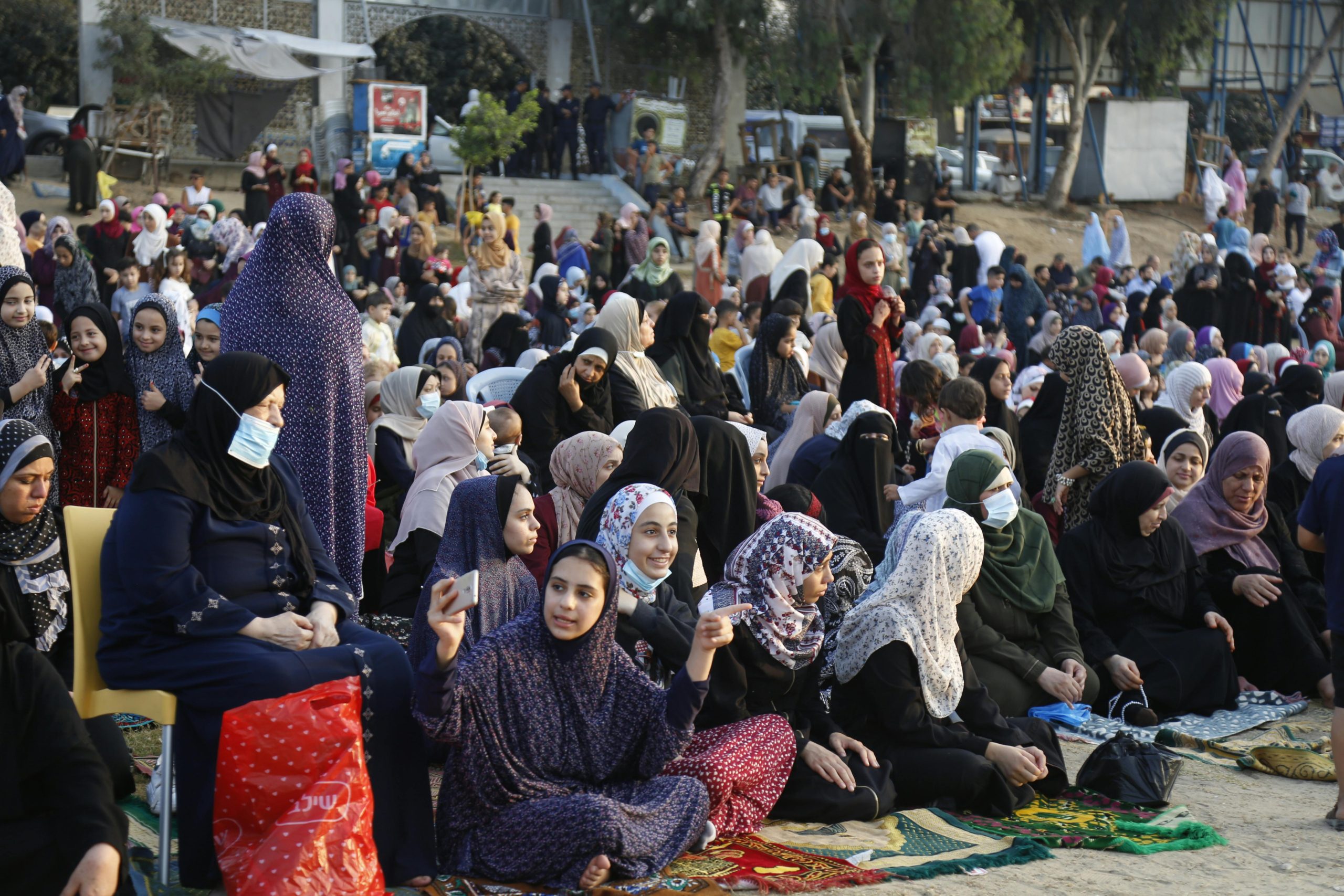
Poverty in GazaThe events of October 2024 have heightened the plights and struggles of those who call the Gaza Strip and the West Bank home. The conflict has left millions of people in Gaza struggling with poverty and unable to access basic necessities. According to Martin Griffiths, the United Nations’ (U.N.) humanitarian chief, the continuing violence has made delivering aid to the area nearly impossible.

For more than 30 years, the Palestinian Solidarity Campaign (PSC) has been at the forefront of the U.K. movement for Palestinian rights. As a grassroots organization, it is involved in lobbying politicians, challenging government policy and holding the media to account. The Borgen Project spoke to its Student and Young People Officer, Stella Swain, to discuss the importance of the organization’s grassroots methods when it comes to drawing attention to the struggle in Palestine.

Poverty and Struggle in Gaza

It is estimated that nine in every 10 people in Gaza have been displaced internally due to the conflict. Half of these people are children, many of whom have lost their families on top of their homes. In addition, according to the Palestinian Ministry of Health, more than 14,000 children have already been killed in the violence.

Furthermore, famine has long been looming in Gaza. As a result of the continual displacement, violence and restrictions placed on aid, organizations like Save the Children estimate that 96% of the population in Gaza is facing severe food shortages. As of May of this year, close to half a million jobs had been lost from the Palestinian economy since October 2023. This drop includes an estimated loss of 200,000 jobs in the Gaza Strip, 114,000 jobs in the West Bank and 148,000 cross-border commuters from the West Bank to the Israeli labor market.

This massive drop in employment and job opportunities has led to an unprecedented increase in poverty across the country. The overall poverty rate of Palestinians stood at 32.8% in mid-2023 – around 64% in Gaza and 12% in the West Bank. However, as of present, nearly every single Gazan lives in poverty due to the destruction caused by the ongoing conflict.

Young People at the Forefront

Students have long led campaigns and protests that have shaped the world, including the movement against the Vietnam War and the fight to end apartheid in South Africa. Protests calling for an end to the conflict in Gaza are no different. More and more student encampments are being set up around the world as students and other young people demand that universities and governments acknowledge the violence in Gaza and its impacts on the civilians in the area. 

Swain stated that student organizing had shown universities that “the vast majority of their student body care deeply about where their institutions’ money is going and that they are determined that these institutions should enact their alleged ethos of global responsibility.”

Grassroots organizations, such as the PSC and The Borgen Project, mobilize the power of the people to bring about significant cultural, political and environmental change. Ben Jamal, the director of the PSC, emphasized the importance of public support at the organization’s Divest for Palestine Conference. He stated that their “longer-term and enduring task is to harness the energy of this extraordinary movement of solidarity and resistance into sustained campaigns to achieve the change needed” to end the violence and secure support and aid for the Palestinian people.

Looking Forward

The work of the PSC is a reminder of the importance of citizens coming together to hold their elected officials to account. The organization is working to bring the struggles of Palestinians to the forefront of the minds of powerful politicians who can provide aid and support. Grassroot organizations like PSC stand as proof of the importance of collective action to change the lives of those struggling in poverty.

– Kristina Grant

Kristina is based in Scotland and focuses on Good News and Politics for The Borgen Project.

Photo: Pexels

September 16, 2024
https://borgenproject.org/wp-content/uploads/borgen-project-logo.svg 0 0 Hemant Gupta https://borgenproject.org/wp-content/uploads/borgen-project-logo.svg Hemant Gupta2024-09-16 01:30:052024-09-16 01:24:06Collective Action to Fight Poverty in Gaza
Aid, Global Poverty, Women and Female Empowerment

Protecting Young Girls in Haiti Through Humanitarian Responses

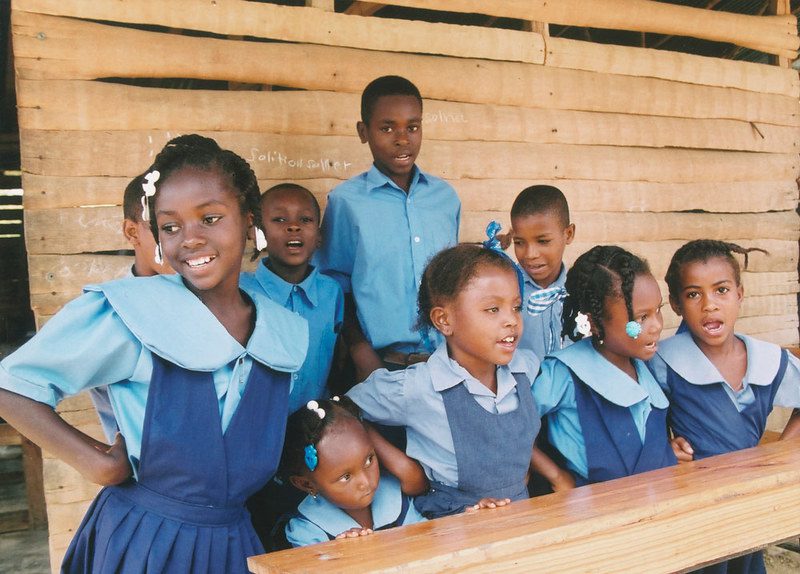
Protecting Young Girls in Haiti Through Humanitarian ResponsesIn Haiti, more than 5.5 million citizens urgently need humanitarian assistance due to escalating armed violence, food and water shortages, political instability and forced displacement. While gang activity was once concentrated in urban centers, it has spread into rural, isolated regions over the past few years, weakening the government’s authority and the nation’s sovereignty. Many of these crises developed following the assassination of President Jovenel Moïse in 2021, leading to a loss of political agency throughout the country that external health and environmental issues, including the COVID-19 pandemic have exacerbated.

Amid these ongoing crises, Haitian women continue to face disproportionate consequences in comparison to their male counterparts, specifically in the form of widespread gender-based violence. As humanitarian organizations prioritize responses to alleviate institutional weaknesses in Haiti, they place the unique struggles of women and girls at the forefront to ensure equitable progress.

Overview of Economic and Political Insecurities

Gang violence has only continued to escalate across Haiti since 2021, beginning to creep into almost all regions. A primary point of concern is the capturing of Haiti’s capital Port-au-Prince, which is currently seized by a variety of differing gang entities. With Port-au-Prince serving as the primary center of distribution for the nation, many armed gangs have been able to acquire access to the most fundamental roads, ports and fuel terminals for the Haitian economy, restricting the potential for economic growth.

The newfound authority of these gangs allows them to attack individuals and families without political repercussions, instating a sense of fear across the population. In 2022 alone, authorities recorded more than 2,000 murders and 1,114 kidnappings in Haiti, highlighting the urgent need for enhanced safety measures. Additionally, some gang members have compromised humanitarian spaces that could provide services and supplies that would lead to greater infrastructural resistance to political violence. Currently, there have been an estimated 893 humanitarian access incidents as a result of conflicts occurring between gangs, police and those dedicated to serving in these NGOs.

Rise in Sexual Violence and Discrimination

The increase in gang activity within Haiti has also led to higher rates of sexual violence, often used as a means of punishment and control by gangs. These violent and potentially deadly measures coerce families during ransoms, threatening the livelihoods of women and girls in Haiti. Although reports reveal a 49% increase in gender-based violence in recent years, the actual extent of sexual violence remains underreported and frequently unpublished under gang control.

Currently, women constitute more than half of the 580,000 displaced people in Haiti, many of whom reside temporarily in makeshift camps and other forms of shelter. Most of these camps, operating with limited funding, lack lighting or locks in critical areas such as bedrooms or toilets, heightening the risk for gender-based aggression. Despite the presence of humanitarian organizations, gangs deliberately target women and young girls in Haiti to block their access to humanitarian assistance, creating a greater need for financial dependency. A report by the United Nations (U.N.) Women’s Rapid Gender Assessment revealed that more than 90% of women living in these camps do not have a sustainable income source, with another 16% feeling “intimidated, harassed or traumatized” by armed gangs.

Health Care for Pregnant Women

Less than half of the health facilities in the Port-au-Prince metropolitan area are functioning at normal capacity, with many hospitals forced to close due to the inability to guarantee patient safety in the context of gang activity. This situation has put immense pressure on local health care systems, now struggling with medical emergencies and outbreaks, including more than 75,000 hospitalized cases of cholera as of January 2024. As a result, more than 3,000 women currently lack proper access to maternal health services.

The World Health Organization (WHO) indicated in 2016 that only 39% of births in Haiti take place in health care facilities that “reflect issues of access, quality and demand” and low rates of postpartum newborn care, with the nation having the highest rates of maternal mortality in Latin America and the Caribbean.  In this shifting political climate, mothers and children face even greater challenges in obtaining necessary services for optimal health outcomes.

Current Humanitarian Programs and Responses

Many humanitarian organizations have developed effective solutions to the many instabilities in Haiti but still lack the necessary funding to fulfill all their tasks completely. For example, the Pan American Health Organization supports Haiti’s Ministry of Health by delivering more than 38 tons of medical supplies and conducting more than 20,000 medical consultations. With only 5.6% of their required $22,250,000 to rebuild health care systems, they continue to seek international support to meet critical health needs, including blood transfusion supplies, oxygen and other essential medical equipment, alongside incentives for health care workers.

Simultaneously, “humanitarian aid must be safely distributed in line with the differentiated needs of women and girls,” states U.N. Women Executive Director Sima Bahous. U.N. Women has partnered with Rapha International to provide emergency support for women who have experienced gender-based violence, ranging from counseling, medical assistance and relocation to financial support. Women can connect with service providers, trained in both medical and psychological care, securely and anonymously without concern for external repercussions. So far, more than 2,000 women in Haiti have used this system and around 100 community leaders have received training to monitor and report cases of sexual abuse, implementing safety on a broader scale.

Re-Envisioning Mental Health Approaches

Many respondents of the U.N. Women Rapid Gender Assessment suggested that rapid surges of violence occurring throughout Haiti had negatively impacted their mental health. Dr. Yolle-Guida Dervil Pierre, a licensed therapist based in Florida, supports a group of 12 young girls in Jacmel, Haiti through the Divine Ministries of Haiti, providing weekly group meetings, emergency medical support and many of their basic needs including clothing, hygiene kits and school supplies. In her practice, she emphasizes the importance of building self-worth and promoting self-care amid the ongoing events in the nation, which she concludes has improved their mental health.

Dr. Yolle-Guida Dervil Pierre aligns her work with human trafficking prevention strategies, acknowledging the vulnerability of young girls in Haiti to traffickers who offer financial incentives for school tuition or food. She advocates creating small business opportunities for Haitian women, enabling them to gain vocational experience and build aspirations for the future. Her program allows donors to sponsor these girls, providing essential support such as paid tuition, weekly meals and comprehensive physical and emotional care during times of instability.

Looking Ahead

As Haiti continues to struggle with widespread violence and instability, the focus remains on restoring safety and access to essential services for its population. Strengthening health care facilities and addressing the specific needs of women and children could be key in moving forward. Ensuring adequate funding for humanitarian efforts and expanding community-based support systems are critical steps in rebuilding the nation’s resilience. International cooperation could play a vital role in helping Haiti recover and creating sustainable solutions for its future.

– Eileen Lincoln

Eileen is based in Oakton, VA, USA and focuses on Technology and Global Health for The Borgen Project.

Photo: Flickr
September 15, 2024
https://borgenproject.org/wp-content/uploads/borgen-project-logo.svg 0 0 Precious Sheidu https://borgenproject.org/wp-content/uploads/borgen-project-logo.svg Precious Sheidu2024-09-15 01:30:082024-09-14 03:24:38Protecting Young Girls in Haiti Through Humanitarian Responses
Aid, elderly poverty, Global Poverty

Elderly Poverty in Hong Kong

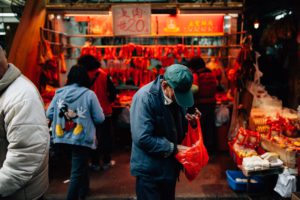
Elderly poverty in hong kongHong Kong is a city of two halves: while some enjoy wealth and luxury, 23.6% of the population live in poverty, struggling to share in the city’s economic prosperity. Elderly poverty is a significant problem in Hong Kong, with 45% of citizens aged 65 and older—about 583,600 people—living in poverty. Furthermore, Hong Kong has faced criticism for its inadequate poverty measures, which do not accurately represent the true scale of the issue, suggesting that even more people could be affected than officially recorded. Perhaps more concerning than these high rates is the fact that elderly poverty has increased significantly in recent years, up from 27.7% in 1991.

Causes

Elderly poverty in Hong Kong is driven by several factors, including a prevailing attitude that discourages reliance on welfare. As a result, there is limited government assistance available to provide financial protection for those struggling with poverty. Culturally, there is also an expectation for families to care for their elderly, with the Chinese government introducing a law in 2013 that demands children see and “greet” parents regularly, which made little difference. As times are changing, many families do not want to or are not able to care for their elderly.

While values are changing for some, the state has not adapted to this; existing welfare benefits (particularly the Social Security Allowance Scheme) for older people are rarely enough to cover living costs. Therefore, older adults are often seen collecting recyclable rubbish, such as cardboard and glass, in order to make enough money to survive. Pensions are a real concern, with the city having no pension scheme and many retirement funds being continually offset. This means that many are forced to remain in employment well past retirement age.

Furthermore, many cannot afford the help they desperately need; on average, it takes 19 months to receive subsidized home care services, leaving many older people alone without the support they need to live a fulfilling life.

Organizations Providing Aid

Efforts are underway to reduce elderly poverty in Hong Kong. Oxfam has launched the Concerning Home Care Service Alliance’s “service matching” scheme, which connects caregivers with seniors to assist with daily tasks like cooking, cleaning and accompanying them to appointments. Seniors pay just $0.64 for the service, while caregivers receive a stipend in addition to this small fee.

The Society for Community Organization (SoCO) also advocates for better support for older adults, assisting them in applying for existing welfare programs and accessing health care. These support systems are crucial for improving the quality of life for elderly individuals living in poverty. SoCO assists more than 1,000 seniors to apply for “social security or public housing each year.”

Furthermore, the Elder Academy supports the mental well-being of older adults by partnering them with academic institutions, offering opportunities for lifelong learning and fostering a sense of community inclusion. Last year, the organization received $10 million in government funding, demonstrating a commitment to improving the livelihoods of older adults.

– Eryn Greenaway

Eryn is based in East Sussex, UK and focuses on Global Health for The Borgen Project.

Photo: Flickr
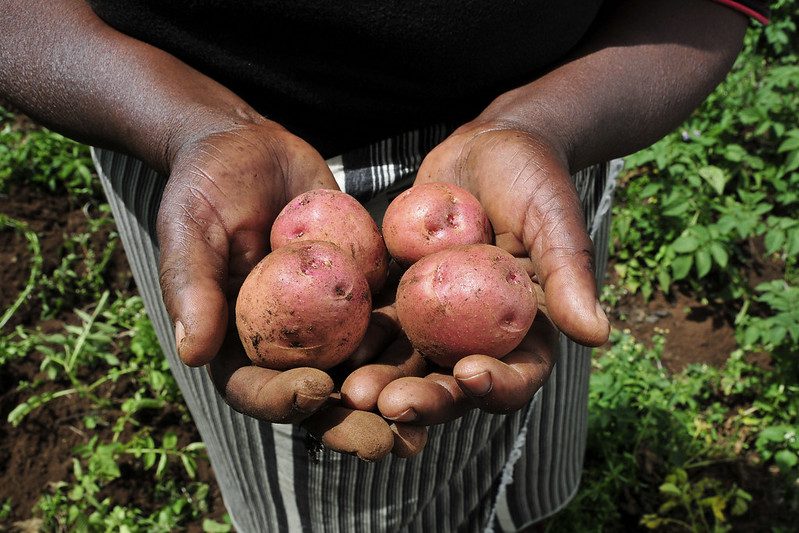
September 12, 2024
https://borgenproject.org/wp-content/uploads/borgen-project-logo.svg 0 0 Hemant Gupta https://borgenproject.org/wp-content/uploads/borgen-project-logo.svg Hemant Gupta2024-09-12 07:30:562024-09-10 23:36:56Elderly Poverty in Hong Kong
Aid, Global Poverty

3 NGOs Operating in Yemen

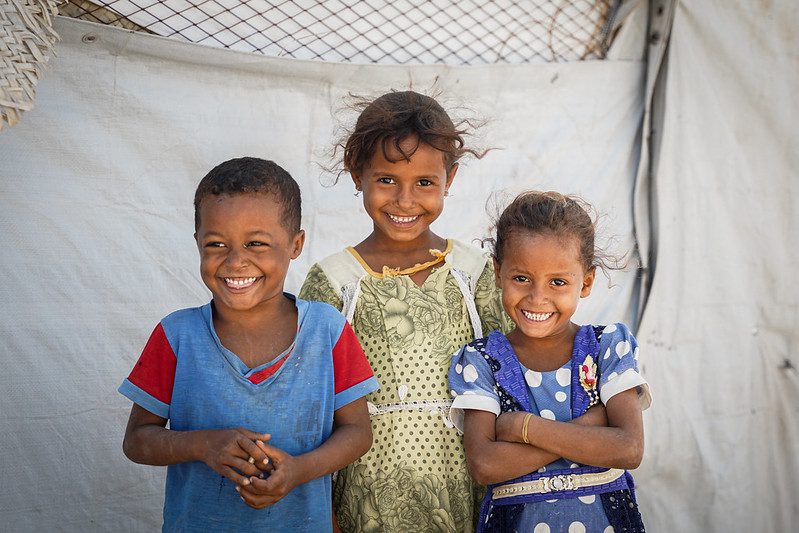
NGOs Operating in YemenViolent internal conflict, malnourishment and severe weather conditions have resulted in a state of crisis for Yemen. The United Nations Sustainable Development Goals (SDG) Index ranks Yemen as the 163rd least developed country out of 166 countries in the U.N. index ranking. Internal conflict has led to about half of Yemen’s population, around 18 million, in need of humanitarian assistance with another 4.5 million internally displaced, and in just one year 89 schools and hospitals were bombed highlighting the urgency of the crisis. According to the United Nations SDG Index and the Human Development Index (HDI), Yemen’s consistently increasing poverty rates, worsening food insecurity and the continual destruction of clean water and health care infrastructure indicate a grave need for humanitarian aid. Here are three of the most prominent non-governmental organizations (NGOs) operating in Yemen today.
Save the Children

Save the Children is one of Yemen’s largest and longest-standing organizations working towards development and relief. As suggested by the name, Save the Children prioritizes funds and initiatives geared towards bettering the futures of the world’s children whether that be through education, health and medicine, policy and advocacy and emergency response programs, according to its website.

In response to the ongoing crisis in Yemen, Save the Children has been working on the ground and raising funds to bring much-needed resources to those most vulnerable. The organization has been operating in the country since 1963 and has been recognized as one of the largest NGOs operating in Yemen. Save the Children has delivered life-saving assistance to more than 5 million children in need since March 2015, and has supported more than 200 health facilities in providing vital resources for babies and children across the country, according to its website.

Youth for Homeland

Youth for Homeland (YFH) is an independent youth organization based in Yemen that works alongside its partners and relevant local governments to work towards a more developed future for Yemen. Established in 2013 with two branches, more than 150,000 indirect beneficiaries and 66,000 direct beneficiaries, YFH maintains goals of building economic stability and strong infrastructure across the country. The NGO works with other NGOs and INGOs along with relevant local governments to improve the lives of the Yemeni people.

YFH is actively working towards development in sectors ranging from sanitation and clean water to food security and youth empowerment. Some of the central projects of the organization include campaigns to provide food to vulnerable families, building better water infrastructure for clean water sources, and creating friendly and safe spaces for children in conflict-ridden regions to provide educational opportunities and improve health in the Yemeni youth.

Yemen Relief and Reconstruction Foundation

Advocating for awareness and policy change to U.S. politicians and policymakers while simultaneously working on the ground in Yemen to bring relief to those in need is what the Yemen Relief and Reconstruction Foundation (YRRF) values at its core. The YRRF’s mission statement surrounds the central value of rejecting war and violence and focusing completely on fostering peace, a moral principle reflected in each of the foundation’s projects both on the ground and abroad.

With about 18 million Yemeni lacking access to clean water, improving water infrastructure and funding innovative clean water solutions are a top priority for the Yemen Relief and Reconstruction Foundation. Since April 2024, YRRF fed more than 1,000 malnourished kids, their families received food baskets and caretakers learned proper feeding techniques. Furthermore, the foundation has changed the lives of 354 Yemeni orphans under the age of 18 through the YRRF’s orphan sponsorship program, thus enabling families to pave the way to brighter futures for themselves and their children.

These select initiatives only scratch the surface of the impact that the YRRF has had on the country. Offering cash transfer programs, delivering clean water tanks, training midwives to encourage safer health practices and supporting economic entrepreneurship are all programs that the foundation promotes across Yemen bringing about change on the ground and advocating for international awareness.

NGOs Operating in Yemen: Making a Change

NGOs operating in Yemen have prioritized support to those who are most vulnerable and advocated for awareness and policy change regarding the crisis. Save the Children, Youth for Homeland and the Yemen Relief and Reconstruction Foundation along with their partners and many more charitable organizations both national and worldwide represent hope and dedication to a better future for Yemen and the developing world in its entirety.

– Juliana Granville

Juliana is based in Brooklyn, NY, USA and focuses on Technology and Good News for The Borgen Project.

Photo: Flickr

September 12, 2024
https://borgenproject.org/wp-content/uploads/borgen-project-logo.svg 0 0 Naida Jahic https://borgenproject.org/wp-content/uploads/borgen-project-logo.svg Naida Jahic2024-09-12 07:30:022024-09-10 23:42:013 NGOs Operating in Yemen
Aid, Food Insecurity, Global Poverty

The WFP’s Efforts to Address Food Insecurity in North Korea

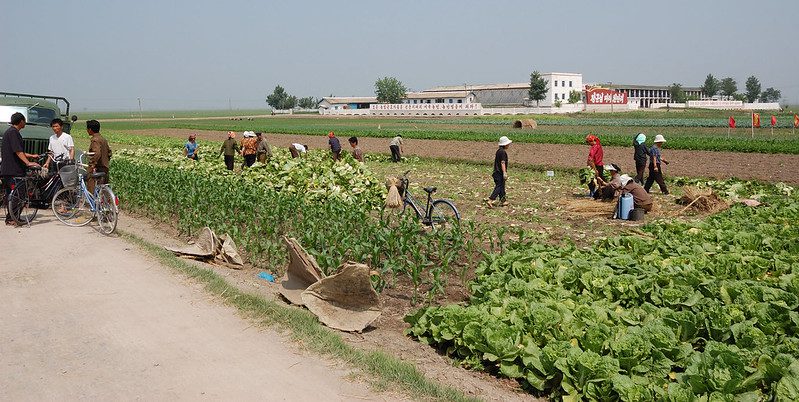
The WFP’s Efforts to Address Food Insecurity in North Korea North Korea has long struggled with food insecurity, a challenge that natural disasters, international sanctions and economic mismanagement have exacerbated. The World Food Programme (WFP) has been active in the country since 1995, playing a critical role in providing food assistance and fighting malnutrition. In recent years, however, the situation has become even more dire. WFP’s most recent efforts have focused on expanding support to the country’s most vulnerable populations. Indeed, food insecurity levels in North Korea have reached their highest point since the 1990s.

An Escalating Crisis

North Korea faces deep-rooted structural challenges in its agricultural sector, including a lack of arable land, inadequate access to modern agricultural technologies and persistent natural disasters. Droughts, floods and typhoons have devastated agricultural production in recent years. Even small-scale disasters have a disproportionate impact on the country’s food system, which is already fragile and prone to disruption. North Korea ranks 29th out of 191 countries in terms of its vulnerability to natural disasters.

The onset of the COVID-19 pandemic worsened the situation. With borders closed and imports restricted, North Korea has been cut off from many of the external resources it once relied on, including agricultural inputs and food imports. The pandemic has also disrupted the domestic food distribution system, compounding the country’s food insecurity. Economic sanctions imposed by the United Nations (U.N.) further restrict North Korea’s access to international trade, exacerbating shortages of essential goods such as fertilizers, modern farming tools and food.

The WFP estimates that 10.7 million North Koreans—approximately 40% of the population—are undernourished. Many suffer from chronic malnutrition, which is particularly severe among children, pregnant women and nursing mothers. The country’s child malnutrition rate is alarming. In children under five, 18% suffer from stunted growth due to inadequate nutrition. These numbers highlight the urgent need for external food assistance.

Recent WFP Initiatives to Combat Hunger

In response to the worsening food crisis, the WFP has adapted and expanded its programs in North Korea. The organization’s recent focus has been on scaling up the delivery of specialized nutritious food, enhancing food production resilience and securing additional funding to meet the growing need.

  • Specialized Nutrition Programs. A key WFP strategy in North Korea is providing fortified foods to vulnerable populations, including pregnant women, nursing mothers and children. These fortified foods, which include enriched blended cereals and high-protein biscuits, are designed to combat malnutrition by supplying essential nutrients that are lacking in the North Korean diet. These products are rich in proteins, vitamins and minerals, which are crucial for children’s development and for improving maternal health. The WFP distributes these foods through nurseries, hospitals, pediatric wards and boarding schools. This ensures that the most at-risk individuals receive targeted nutrition support. Currently, the WFP’s food assistance reaches about one million people across North Korea, with a specific focus on reducing child malnutrition. By addressing the nutritional gaps in the population’s diet, the WFP is helping to alleviate both acute and chronic malnutrition. Local production of fortified foods is also supported through WFP’s partnerships with North Korean food factories, which helps maintain a consistent supply of these essential products.
  • Food Production Resilience. Alongside its nutrition-focused programs, the WFP has also been working to support North Korea’s agricultural production. The country’s farming system is highly vulnerable to climate-related shocks and recurrent natural disasters frequently damage crops and food infrastructure. The WFP aims to improve the resilience of local food production by providing technical assistance and resources to boost agricultural output. While international sanctions limit the scale of these interventions, the WFP has continued to seek ways to strengthen food production capacities in the country.
  • Recent Funding Initiatives. The growing food crisis in North Korea has prompted the WFP to call for a significant increase in funding for its food assistance programs. In early 2023, the WFP sought to triple its budget for North Korea. The organization warned that without additional resources, the country’s food insecurity could lead to a full-scale famine. According to the WFP, food insecurity levels are now the worst they have been since the 1990s, a period marked by widespread famine and mass starvation. The organization has stressed that without urgent action, millions of North Koreans will remain at risk of severe hunger.

The Impact of Sanctions and Border Closures

The WFP’s efforts in North Korea are complicated by the country’s political isolation and economic sanctions. U.N. sanctions, aimed at curbing North Korea’s nuclear weapons program, include restricting international trade and investment in the country. In particular, sanctions have limited North Korea’s ability to import essential agricultural inputs, such as fertilizers and modern farming equipment, which are necessary to boost local food production.

The COVID-19 pandemic further complicated the WFP’s work. North Korea implemented strict border closures to prevent the spread of the virus. These closures cut off the country from most external aid and imports, including food and medical supplies. Additionally, the closure of public institutions and restrictions on movement within the country disrupted the distribution of food and aid. This has made it even harder for the WFP to reach those in need.

The Road Ahead

Despite the WFP’s efforts, North Korea’s food crisis persists, with millions still suffering from malnutrition. The need for expanded food assistance is critical. However, sanctions, political isolation and the ongoing effects of the pandemic continue to limit the WFP’s operations in North Korea. The organization has consistently called for increased funding and international cooperation to overcome these ongoing challenges. However, the path forward is fraught with uncertainty.

– Sophia Lee

Sophia is based in Media, PA, USA and focuses on Good News, Global Health for The Borgen Project.

Photo: Flickr

September 12, 2024
https://borgenproject.org/wp-content/uploads/borgen-project-logo.svg 0 0 Precious Sheidu https://borgenproject.org/wp-content/uploads/borgen-project-logo.svg Precious Sheidu2024-09-12 03:00:492024-09-10 23:29:19The WFP’s Efforts to Address Food Insecurity in North Korea
Aid, Food & Hunger, Global Poverty

Brazil’s Global Alliance Against Hunger and Poverty

Brazil's Global AlliancePresident of Brazil and the G20, Luíz Inácio Lula da Silva, announced at the New Delhi G20 summit a new task force, a Global Alliance to reduce hunger and poverty across the world. This Global Alliance focuses on eradicating poverty and having zero hunger with sustainable agriculture practices. The task force is open to both G20 members and other interested countries. The official launch for the task force is in November 2024. The Global Alliance will be managed from the Food and Agricultural Organization headquarters in Rome and Brasilia.

Why Brazil’s Global Alliance

Before the Global Alliance Against Hunger and Poverty, President Lula created a national program in 2003 to eradicate hunger. In 2014, “with an undernourishment rate below 2.5% for three years,” Brazil left the Food and Agriculture Organization’s (FAO) “hunger map,” but has been unable to maintain those levels since 2021. Levels started falling again, however, in 2023, in President Lula’s new administration.

President Lula has taken his national program and turned it into a global scale. In his announcement speech, he says: “In the middle of the 21st century, nothing is as absurd and unacceptable as the persistence of hunger and poverty, when we have so much abundance, so many scientific and technological resources and the artificial intelligence revolution at our disposal.”

The Pan American Health Organization (PAHO) director has welcomed the Global Alliance and has stated the importance of overcoming inequalities. He said that policies and public investment in health are needed, and to ensure healthy lives, eliminating hunger and poverty is necessary.

Goals of Brazil’s Global Alliance

From Wellington Dias, the Minister of Development and Social Assistance: “The Alliance’s mission is to expand the adoption of good national programs on a large scale to end hunger and poverty; and of policies to ensure the human right to dignity and to adequate, nutritious and healthy food.”

Brazil’s Global Alliance will aim to raise and mobilize resources, both funds and technological knowledge, to expand policies and programs to help combat and eradicate inequality in terms of poverty and hunger, according to Africa News.

In President Lula’s announcement speech, he expresses how the Global Alliance’s goals go beyond eradicating hunger and poverty, but rather to ultimately bolster a just world:

“As long as there are families without food on the table, children in the streets and young people without hope, there will be no peace. A just world is a world in which people have unimpeded access to food, health, housing, education and decent jobs,” Gov.br reports.

Support

Ahead of the official launch in November 2024, President Lula has sought support for the Global Alliance. As the initiator of the initiative, Brazil is covering half of the cost, according to Africa News.

After the announcement speech in New Delhi, Brazil is hopeful to gain the support of over one hundred countries. So far, the World Bank president, Ajay Banga, has declared support for the initiative. The Inter-American Development Bank and the African Development Bank (AfDB) have also said they would support the initiative. The International Monetary Fund (IMF) has approved the channeling of Special Drawing Rights for development banks, Reuters reports.

– Rachel Padden

Rachel is based in Baltimore, MD, USA and focuses on Good News for The Borgen Project.

Photo: Flickr

September 9, 2024
https://borgenproject.org/wp-content/uploads/borgen-project-logo.svg 0 0 Naida Jahic https://borgenproject.org/wp-content/uploads/borgen-project-logo.svg Naida Jahic2024-09-09 07:30:392024-09-08 23:33:02Brazil’s Global Alliance Against Hunger and Poverty
Page 12 of 65«‹1011121314›»

Get Smarter

  • Global Poverty 101
  • Global Poverty… The Good News
  • Global Poverty & U.S. Jobs
  • Global Poverty and National Security
  • Innovative Solutions to Poverty
  • Global Poverty & Aid FAQ’s
Search Search

Take Action

  • Call Congress
  • Email Congress
  • Donate
  • 30 Ways to Help
  • Volunteer Ops
  • Internships
  • Courses & Certificates
  • The Podcast
Borgen Project

“The Borgen Project is an incredible nonprofit organization that is addressing poverty and hunger and working towards ending them.”

-The Huffington Post

Inside The Borgen Project

  • Contact
  • About
  • Financials
  • President
  • Board of Directors
  • Board of Advisors

International Links

  • UK Email Parliament
  • UK Donate
  • Canada Email Parliament

Get Smarter

  • Global Poverty 101
  • Global Poverty… The Good News
  • Global Poverty & U.S. Jobs
  • Global Poverty and National Security
  • Innovative Solutions to Poverty
  • Global Poverty & Aid FAQ’s

Ways to Help

  • Call Congress
  • Email Congress
  • Donate
  • 30 Ways to Help
  • Volunteer Ops
  • Internships
  • Courses & Certificates
  • The Podcast
Scroll to top Scroll to top Scroll to top