• Link to X
  • Link to Facebook
  • Link to Instagram
  • Link to TikTok
  • Link to Youtube
  • About
    • About Us
      • President
      • Board of Directors
      • Board of Advisors
      • Financials
      • Our Methodology
      • Success Tracker
      • Contact
  • Act Now
    • 30 Ways to Help
      • Email Congress
      • Call Congress
      • Volunteer
      • Courses & Certificates
      • Be a Donor
    • Internships
      • In-Office Internships
      • Remote Internships
    • Legislation
      • Politics 101
  • The Blog
  • The Podcast
  • Magazine
  • Donate
  • Click to open the search input field Click to open the search input field Search
  • Menu Menu

Archive for category: Aid

Advocacy, Aid, Global Poverty

Declining Poverty Rates in Indonesia

Poverty Rates in IndonesiaThe Republic of Indonesia, the fourth most populous nation, sits in Southeast Asia between the Indian and Pacific oceans. Known for its breathtaking landscapes and vibrant tourist attractions, Indonesia has faced challenges with high poverty rates. In 2014, the World Bank reported that poverty reduction in Indonesia has begun to stall, with a rate of 11.3%, reflecting only a 0.7% decline since 2012. A report by the Asian Development Bank also noted that 28 million Indonesians lived below the poverty line, with most of the country’s residing in rural areas.

Significant Progress in Poverty Reduction

Currently, this trend has changed, with poverty rates in Indonesia at an all-time low. In March 2024, the Central Statistics Agency recorded a decrease in the number of people living in poverty to 25.22 million, with the poverty rate at 9.03%.  A 0.33% decline compared to the previous year and a 2.22% decline compared to the past 10 years.

According to the Cabinet Secretariat of The Republic of Indonesia, poverty rates decreased in rural and urban areas. In March 2024, the poverty rate in rural areas decreased to 7.09%, a 20% decrease compared to March 2023. The poverty rate in rural areas dropped to 11.79%, compared to a drop of 12.22% from the previous year. With the government facing challenges given the country’s large population and increase in poverty rates during COVID-19, from 9.2% in 2019 to 9.7% in 2020, poverty reduction has become a national priority, needing different approaches and efforts. 

Agricultural Services

Agriculture services were at the forefront in helping Indonesia reduce its poverty rates. A study by The Smeru Research Institute reveals that this was the largest factor in reducing poverty in Indonesia. Agriculture growth was responsible for 66% of overall poverty reduction, 55% of the reduction in urban poverty and 75% of the reduction in rural poverty. In contrast, the industrial sector, part of Indonesia’s development strategy, only reduced poverty in urban areas. These findings highlight that boosting productivity in agriculture is the most effective way for Indonesia to reduce poverty.  

Passing New Economic Policies

To address high poverty rates in Indonesia, the government introduced financial and administrative changes, known as fiscal decentralization reforms. This change aims to shift the power from the central government to local governments. 

According to Springer Link, the government passed village fund policies between 2014 and 2019 to support Indonesia’s villagers, successfully in reducing rural poverty. According to a report by the Central Bureau of Statistics, that compares the years 2015 and 2022, data reveals that the number of people in poverty has decreased from more than 28 million to 26 million. By improving infrastructure in rural areas, such as providing education, health care services and clean water, the Indonesian government effectively reduced poverty. 

Social Protection Program

The Indonesian government continues prioritizing the social protection program as part of its 2045 vision. This includes cash transfers, food assistance and labor market programs. Social protection programs particularly benefit vulnerable people in Indonesia, such as the elderly, whose numbers are expected to rise to 25% of the population by 2045, making them highly susceptible to poverty. 

The Program Keluarga Harapan (PKH) is a cash transfer program that helps low-income households alleviate financial pressure and access health care and education services. According to a report by the World Bank, this program led to a 13 to 17% increase in the number of births attended by medical professionals and a 5% increase in the number of children receiving vaccinations. 

Moving Forward

Indonesia has made significant efforts that continually contribute to the decrease in poverty rates. Indonesia has taken major steps forward to help its people, while there have been fluctuations in poverty, the government has consistently prioritized different strategies to reduce it. Indonesia’s success in decreasing poverty rates is not just a national achievement but also a great contribution to global poverty reduction efforts. Acting as a blueprint for other nations that aim to help their populations and reduce poverty.

– Nouf Hunaiti

Nouf is based in Rancho Cucamonga, CA, USA and focuses on Good News for The Borgen Project.

Photo: Flickr
September 6, 2024
https://borgenproject.org/wp-content/uploads/borgen-project-logo.svg 0 0 Precious Sheidu https://borgenproject.org/wp-content/uploads/borgen-project-logo.svg Precious Sheidu2024-09-06 01:30:562024-09-05 13:42:00Declining Poverty Rates in Indonesia
Aid, Developing Countries, Global Poverty

Voluntary Service Overseas Helps People in Developing Nations

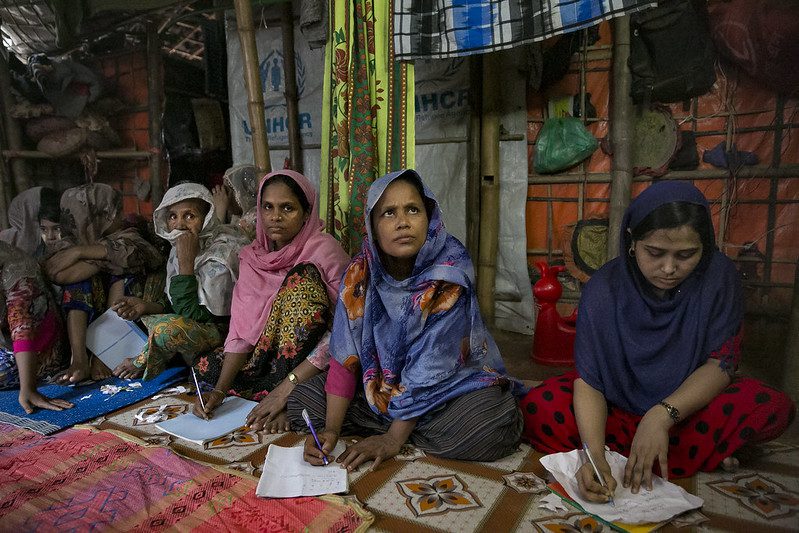
Voluntary Service OverseasWhile many organizations work with people in developing nations experiencing poverty and other hardships, Voluntary Service Overseas works in a way that makes them stand out from the crowd. This is because it helps people in developing nations not by merely providing aid but by working closely with people living in poverty and members of marginalized groups to determine what is preventing them from being able to meet their needs and breaking down these barriers.

Three-Point Strategy

Voluntary Service Overseas supports people in developing nations in three key ways. First, with the help of local and international volunteers, the organization collaborates with communities to design programs that identify specific needs. This approach allows volunteers to build strong relationships with community members.

The second step focuses on helping locals develop the skills and knowledge needed to improve their lives. As a result of learning new skills, community members often become volunteers themselves and carry on the organization’s work long after they have left, which is the program’s final step.

Rwanda and Bangladesh

Voluntary Service Overseas helps people in developing nations across the globe. In Bangladesh, the organization provides education for Rohingya refugees ages 3 to 5, teaching them the basics of literacy and numeracy to give them a strong start on the path to education. Older children also benefit from the program through 12 learning centers that offer education and a much-needed respite from the challenges of living in a refugee camp. The program has been tremendously successful, reaching more than 6,600 refugee children ages 3 to 14.

Voluntary Service Overseas also supports marginalized groups in Rwanda, focusing on Deaf young people. Volunteers provide lessons in Rwandan sign language and Deaf culture to 200 local health care professionals, enabling them to offer vital sexual and reproductive health information to 250 Deaf young people. As sexual and reproductive health information becomes more accessible, the overall health of both hearing and Deaf communities improves. Health care professionals also benefit from the program by better understanding how to communicate with and treat Deaf patients. This reduces miscommunication and language barriers, enhancing the quality of care they provide to members of the Deaf community.

Cambodia

Cambodia is another country where Voluntary Service Overseas helps people in need. Through its GREEN program, the organization helps protect the fishing industry in the region’s Tonle Sap Lake from adverse weather, deforestation, domestic and industrial sewage and other factors affecting water quality and the habitat of native fish. This is achieved by educating locals on more environmentally friendly ways of living through theater and outreach from local volunteers.

The organization also works in collaboration with local businesses by helping them establish alternative waste management strategies that have less of an impact on the lake’s cleanliness. Local schools and families are also educated on these strategies, allowing the future generation to continue protecting the environment when they enter the world of work. This program has had a positive impact on the ecosystem of Cambodia, with 70% of families adopting more environmentally friendly ways of living and 50 green businesses headed by women and young people being established.

Closing Remarks

Voluntary Service Overseas helps people in developing nations through various initiatives. The organization provides education for Rohingya refugees in Bangladesh, teaches Rwandan health care workers how to assist Deaf young people with sexual and reproductive health and educates Cambodian individuals and businesses on environmentally friendly practices and waste management. These strategies significantly improve the lives of people in developing nations.

– Sue-Joyce Headon

Sue-Joyce is based in Liverpool, UK and focuses on Good News and Celebs for The Borgen Project.

Photo: Flickr
September 4, 2024
https://borgenproject.org/wp-content/uploads/borgen-project-logo.svg 0 0 Hemant Gupta https://borgenproject.org/wp-content/uploads/borgen-project-logo.svg Hemant Gupta2024-09-04 07:30:172024-09-04 01:02:40Voluntary Service Overseas Helps People in Developing Nations
Aid, Global Poverty, Nonprofit Organizations and NGOs

World Vision’s Syria Türkiye Emergency Response

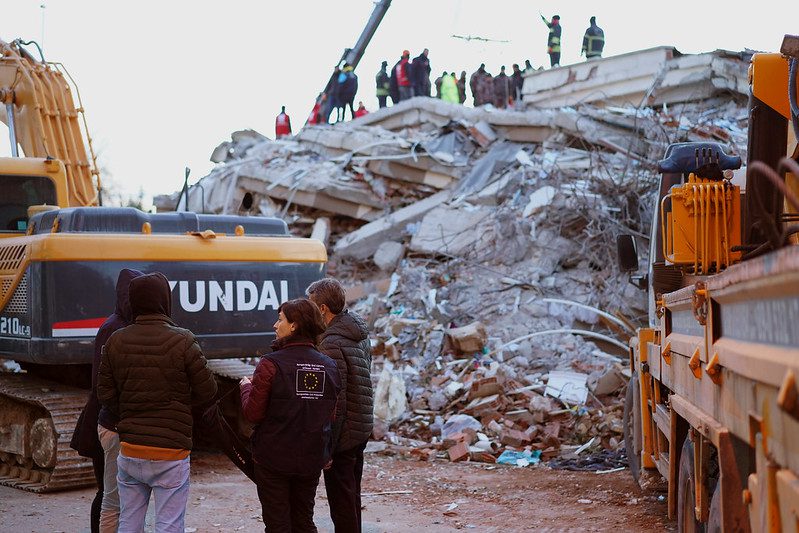
World Vision's Syria Türkiye Emergency ResponseOn Feb. 6, 2023, a major earthquake struck northwestern Syria and southeastern Türkiye. It registered a magnitude of 7.8, followed by a 7.5 magnitude quake about 60 miles southwest. The region experienced hundreds of aftershocks. A total of 11 provinces were affected in Türkiye, according to World Vision. The earthquake impacted an estimated 9.1 million people in Türkiye, with more than 50,000 lives lost, 3 million people displaced and nearly 300,000 buildings destroyed. The country had not faced a similar disaster since 1999 when a 7.6 magnitude earthquake hit Istanbul, killing more than 17,000 people.

Syria lost about 6,000 people to the earthquake, primarily in Idlib and Aleppo. The earthquake destroyed more than 10,000 buildings, including many schools and displaced 265,000 people, forcing them into temporary shelters. Overall, the World Bank estimates the damages at $34 billion for Türkiye and $5 billion for Syria. This disaster has compounded the displacement crisis in Syria, where millions were already displaced due to the ongoing civil war. Furthermore, the World Bank projects that the rebuilding costs could escalate to approximately $100 billion.

Immediate Impact of the Earthquake in Syria

On Feb. 8 and 9, 2023, the World Vision Syria Response team conducted a rapid assessment in Idlib and Aleppo to quickly gauge the immediate needs of those affected by the earthquake. The assessment involved 322 randomly selected participants from 25 different villages. Key findings indicated that the most urgent personal needs were for beds, cooking supplies, blankets, food and clothing. Additionally, 87% of respondents reported safety concerns, primarily due to low lighting, injuries or hazards from collapsed buildings and distress. Regarding shelter, 82% found refuge with family, friends or in camps. In addition, the survey revealed that 94% of participants had damaged homes, with 51% reporting their homes destroyed.

Long-term Economic Impact in Türkiye

The earthquake affected poverty rates in Türkiye. The Borgen Project reached out to a World Vision representative based in Canada, who wishes to be anonymous. When asked about the impact of the earthquake on poverty, the representative confirmed it worsened the situation, explaining, “Especially as these people were already facing a situation of protracted crises, the earthquake led to displacement, which resulted in the loss of capital stock and household wealth.”

Disaster Philanthropy reports that in the earthquake-affected provinces of Türkiye, about 40% of households live below the poverty line, compared to 32% nationwide. This rate could rise to more than 50%. A year after the disaster, many affected areas in Türkiye still lie in ruins. An estimated one in three children remain homeless, living in temporary shelters. As of Feb. 2024, about 660,000 children are still displaced, residing in small tents or metal containers that offer minimal protection from the elements.

In Syria, the ongoing conflict compounds the hardships for children in the wake of the earthquake. In addition to the conflict, they struggle with an economic crisis that has further damaged schools and hospitals. This situation leaves many without access to food and shelter. The United Nations (U.N.) World Food Programme has had to suspend aid in earthquake-affected areas due to the conflict.

World Vision’s Syria Türkiye Emergency Response

World Vision’s Syria Türkiye Emergency Response (STER) has assisted nearly 2.5 million people. It implemented 15 projects in Northwest Syria, addressing needs such as health services, water, sanitation, hygiene (WASH) and rebuilding schools. The organization also implemented psychological support services to aid recovery from trauma, particularly for children. This support has reached more than 1,300 students in schools. A notable case involved a 9-year-old girl who was terrified of returning to school after her house collapsed during her studies. She expressed “I am afraid to go to school. I don’t want the building to fall down when I start studying again”  With the help of World Vision adding mental health support sessions in schools, she has returned to school and is showing considerable improvement.

The anonymous source from World Vision also reports that the organization has assisted 114,064 people in Northwest Syria and 5,937 in Türkiye from the time of the initial disaster to the present. The source also highlighted the enhancement of mental health support, stating, “Following the earthquake, we also provided additional funding to World Vision Syria from private non-sponsorship donations with the goal to reach 9,846 people with psychosocial support.”

Looking Ahead

World Vision has assisted millions through the Syria Türkiye Emergency Response (STER) and other projects, helping citizens of both countries to recover. The Borgen Project inquired about the expected duration of the earthquake recovery efforts. The organization explained that while the initial emergency response has concluded, its focus is now on recovery and building resilience. It shared an excerpt from its strategy plan, which states that it will continue with STER and incorporate it into other projects running from Oct. 2023 until Sept. 2025. This timeline gives the organization an additional 13 months to continue making a difference in the lives of the people in Syria and Türkiye.

– Sabrina Betterly

Sabrina is based in Drums, PA, USA and focuses on Good News for The Borgen Project.

Photo: Flickr
September 4, 2024
https://borgenproject.org/wp-content/uploads/borgen-project-logo.svg 0 0 Precious Sheidu https://borgenproject.org/wp-content/uploads/borgen-project-logo.svg Precious Sheidu2024-09-04 01:30:202024-09-04 00:55:33World Vision’s Syria Türkiye Emergency Response
Advocacy, Aid, Global Poverty

Haiti’s $23 Million Deficit and Crippling Gang Violence

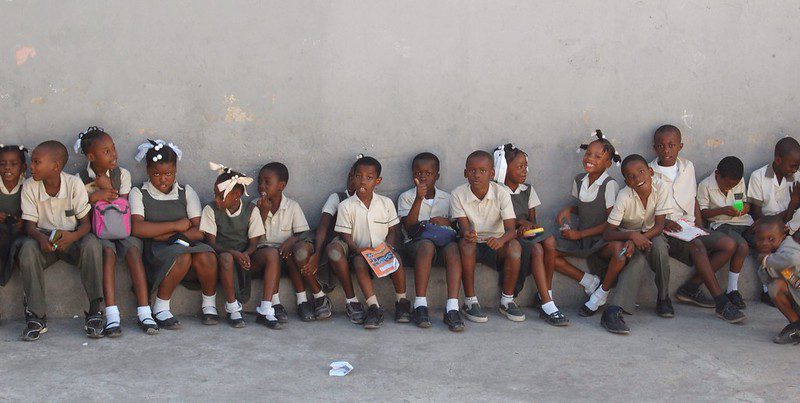
Haiti's $23 million defecit Gang violence is escalating in Haiti, presenting severe challenges for the government in funding basic education nationwide. The United Nations (U.N.) Fund reports that Haiti’s $23 million deficit is resulting in shortages of essential school supplies and necessities like chairs, blackboards and bathrooms.

The Impact of Gang Violence

The U.N. estimates that gang violence affects 2.7 million Haitians, including more than 600,000 children. Since the assassination of former President Jovenel Moise, gang activity has surged dramatically. In the first quarter of 2024 alone, gangs killed or injured 2,500 Haitians, a 53% increase from the previous reporting period. Gangs frequently target institutions, including schools, exacerbating poverty across the country. For example, in March, escalating violence forced the closure of the main port in Port-au-Prince, cutting off food supplies and leaving millions hungry.

A Lack of Safety in Schools

In Haiti’s school systems, many teachers are forced to pay gangs to ensure the safety of their students. In Sept. 2021, seven schools paid these armed gangs. With already scarce funding, such payments leave schools lacking essential teaching tools. By the end of Jan. 2024, 900 schools had temporarily shut down due to security concerns. On March 25, gangs set fire to 23 classrooms in a Port-au-Prince school, further destabilizing the education environment.

Amid widespread violence and targeted attacks on schools in Haiti, many families opt not to send their children to school out of fear for their safety. Gang violence has displaced thousands, forcing many to seek refuge in makeshift shelters within school buildings, prompting further school closures. Additionally, a $23 million deficit leaves schools starkly unequipped, lacking even basic furniture like benches or chairs. A 22-year-old Haitian student highlighted the dire conditions to ABC News, stating, “The hardest part of this is that there are no bathrooms.”

Nonprofit Work

The Haiti Education Foundation and Hope for Haiti are actively working to alleviate the educational debt and enhance the schooling system for children by providing scholarships, training teachers and supplying essential back-to-school items. The Haiti Education Foundation is currently matching donations from Sept. 1 through Dec. 15. Additionally, Hope for Haiti is organizing various events, including Celebrating Hope in Greenwich, Connecticut on October 3rd, featuring a silent auction to support Haitian families. Moreover, the U.N. Global Fund Education Cannot Wait has committed a $2.5 million grant aimed at assisting 75,000 children with cash transfers, school feeding programs and other vital initiatives.

Looking Ahead

The escalating gang violence in Haiti severely undermines the country’s education system, leaving schools vulnerable and underfunded. Due to Haiti’s $23 million deficit, many schools struggle to provide even the most necessities, forcing closures and compromising student safety. Nonprofits like the Haiti Education Foundation and Hope for Haiti are stepping in to offer crucial support, but the challenges remain immense as the nation grapples with both violence and a lack of resources.

– Madeline Rozmus

Madeline is based in Greenwich, CT, USA and focuses on Global Health and Politics for The Borgen Project.

Photo: Flickr

September 4, 2024
https://borgenproject.org/wp-content/uploads/borgen-project-logo.svg 0 0 Precious Sheidu https://borgenproject.org/wp-content/uploads/borgen-project-logo.svg Precious Sheidu2024-09-04 01:30:052024-09-04 14:16:52Haiti’s $23 Million Deficit and Crippling Gang Violence
Agriculture, Aid, Global Poverty

The Challenge of Sustaining Ukraine’s Agricultural Sector

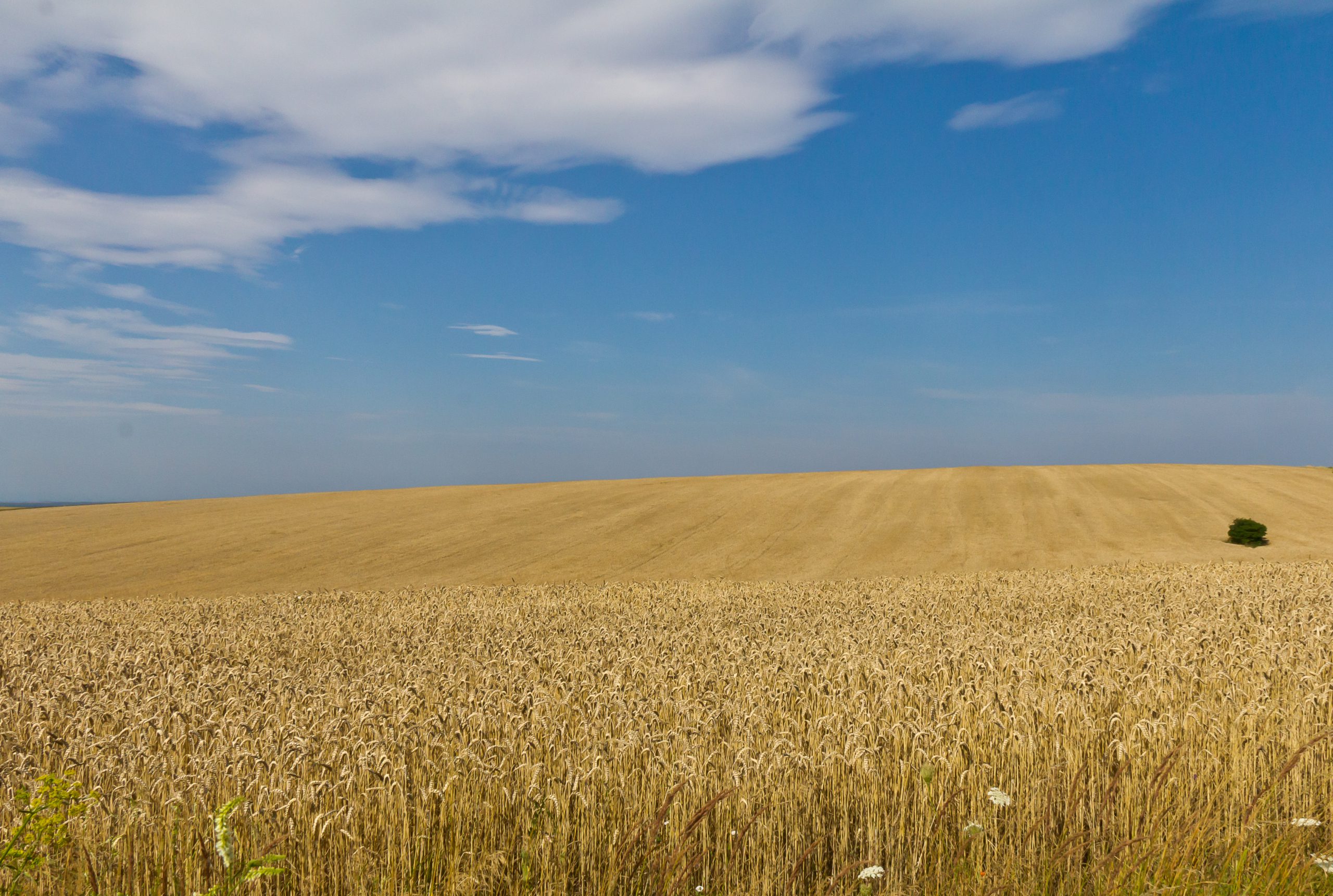
Ukraine’s Agricultural SectorUkraine’s agricultural sector underpins its national economy and global food security. Therefore, the support of the United States (U.S.) for Ukrainian agriculture is a strategic priority. The European Union (EU), meanwhile, has balanced supporting Ukraine with protecting EU agricultural markets.

The Importance of Ukraine’s Agricultural Sector

Ukraine’s agricultural sector employs 14% of its population. Ukraine was the largest global producer of sunflower, the second largest producer of sunflower oil and meal, the sixth for rapeseed and corn and the seventh for wheat. Following an Association Agreement with the EU, agriculture’s share of Ukraine’s exports increased from 27% in 2013 to 41% by 2021, with agricultural exports to the EU accounting for $7.7 billion out of a total of $27.8 billion.

The war in Ukraine has worsened food price inflation and acute global food insecurity, particularly in the Middle East and Africa. An estimated 400 million people in 36 of the 55 food-insecure countries rely on Ukrainian food products. Previously, half of the World Food Programme’s (WFP) grain stock came from Ukraine. The country also supplied a third of the cereal imported into the Middle East and North Africa. Nations like Libya, Pakistan, Yemen and Lebanon import 30% of their wheat from Ukraine, while 45% of wheat imports to East Africa come from the country.

Global food prices and acute food insecurity reached record highs in 2022, partly due to the war’s disruptions of supply chains and the price of fertilizer, food commodities and fuel. This also raises humanitarian assistance costs.

The Extent of Damage Inflicted

Russia has strategically destroyed, damaged and seized farms, food storage facilities, agricultural machinery and irrigation systems. This allows Russia to diminish Ukraine’s income and ability to resist, acquire the nation’s exports and create pressure by provoking food crises. Russia inflicted $10.3 billion in damages to the agricultural sector and $69.8 billion in losses by the end of 2023. Agricultural machinery accounts for 56.7 % of lost value.

Among the seized or lost products are 2.8 million tonnes of grain, 1.2 million tonnes of oilseeds, 124,000 tonnes of fertilizer and 11.6 million liters of fuel. The conflict caused seven million Ukrainians to experience moderate or severe acute food insecurity in September 2023. The regions of Zaporizhya, Kherson and Luhansk suffered the most, with 65% of the total damages. An estimated 7.5% of Ukrainian cropland has been abandoned.

The U.S. Department of Agriculture (USDA) estimates that harvested area is down from 2021 levels for wheat, corn and barley for 2023 are down 32%, 27% and 37%, respectively. Nearly 20% of Ukraine’s storage capacity on its territory is lost.

Global Support

Following Russia’s capture of key ports by May 2022, exports went through Poland, Hungary, Slovakia and Romania by land and river through EU Solidarity Lanes and later via a corridor with Turkey. The high weight-to-value ratio of agricultural products renders transportation by land expensive, reducing the level of grain exported and making sea routes crucial. The U.N.-brokered Black Sea Grain Initiative enabled the export of nearly 33 million metric tons of grains and other agricultural products from July 2022 to July 2023. To further alleviate food security pressures, international sanctions against Russia (and Belarus) exempted agricultural products, including fertilizer.

The EU has also been crucial in supporting Ukraine’s agricultural sector, with 50% of Ukrainian wheat exports going to Europe in February 2022. However, opposition from EU farmers led to restricted grain sales from May 2022 to September 2023. Now, the EU has implemented quotas for Ukrainian agricultural products and emergency breaks for certain products to protect their farmers while also re-exporting grain.

Similarly, the United States Agency for International Development (USAID) Agriculture Resilience Initiative (AGRI-Ukraine) supported the production and export of seeds, fertilizers and agricultural equipment. Investment totaled $350 million in its first year. In July, USAID announced it secured $510 million in private sector and donor investments for Ukraine’s agricultural sector. The program helped 32% of Ukraine’s registered farmers access seeds, fertilizers, crop protection, storage and financing.

Conclusion

Ukraine’s agricultural sector benefited from global economic support, trade reconfiguration and the recovery of some ports. Despite increased production and exports, recovering Ukraine’s agricultural output and income is challenging amid hostilities. However, it is crucial in tempering global food crises and sustaining Ukraine’s resistance effort. The biggest challenges include extensive infrastructure damage, landmine prevalence, trade costs and disruptions and coordination between Ukraine’s government, international actors and the private sector.

– Luke Ravetto

Luke is based in Boston, MA and focuses on Politics for The Borgen Project

Photo: Wikimedia Commons

September 1, 2024
https://borgenproject.org/wp-content/uploads/borgen-project-logo.svg 0 0 Hemant Gupta https://borgenproject.org/wp-content/uploads/borgen-project-logo.svg Hemant Gupta2024-09-01 01:30:152024-08-31 02:42:01The Challenge of Sustaining Ukraine’s Agricultural Sector
Aid, Foreign Aid, Global Poverty

The United States Announces $39 Million in Aid for Zimbabwe

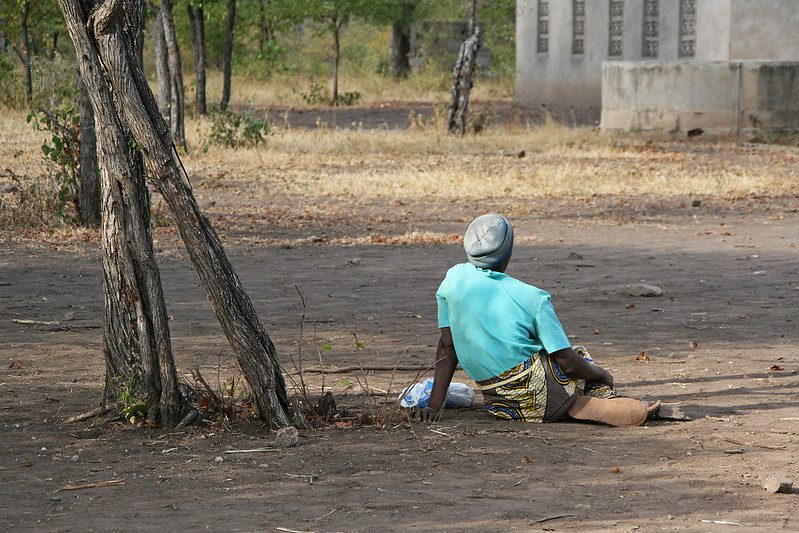
Aid for ZimbabweIn July of 2024, the United States Agency for International Development (USAID) announced more than $39 million of assistance for Zimbabwe in the face of extreme food insecurity. The landlocked African country has encountered increasing rates of food insecurity following poor weather and droughts. These weather patterns have increased food insecurity in Zimbabwe and impacted the nation’s economy and agricultural infrastructure. Foreign assistance from organizations such as USAID can often make all the difference in the developing world. Here is what you need to know about U.S. foreign aid for Zimbabwe.

Weather Patterns Exacerbate Suffering in Zimbabwe

The Global Hunger Index has identified severe food insecurity in Zimbabwe that has only worsened with persistent droughts. Considering the existing food insecurity in the country, the El Niño weather patterns and the subsequent droughts plaguing sub-Saharan countries have worsened an already severe situation of food insecurity in Zimbabwe. Throughout the 2024 October-May agricultural season, around 80% of Zimbabwe received reduced rainfall, which resulted in the loss of almost 70% of crops across the country. Consequently, the Government of Zimbabwe has predicted that around 6 million citizens will require food assistance in the coming months.

Additionally, hits to the agricultural sector have numerous implications for Zimbabweans’ economy and general livelihoods. Thus, changes in weather patterns imply more than just elevated rates of food insecurity; they can also have resounding impacts across multiple sectors of the country’s infrastructure. The International Trade Administration (ITA), a subsection of the United States Department of Commerce, addresses the importance of the agricultural sector for Zimbabwe’s economy by stating that “Zimbabwe’s economic growth potential largely depends on developments in its agricultural sector.” The farming industry in the country is responsible for millions of jobs, 30% of export earnings, 15% of the country’s gross domestic product (GDP) and the livelihoods of more than 60% of the population of Zimbabwe heavily rely on the success 

USAID’s Plan for Improvement

USAID recognizes agriculture’s critical role in the economy of Zimbabwe and has prioritized foreign aid to the nation for many years. Most recently, USAID announced $39 million in aid to help Zimbabwe address the impacts of weather change on its agriculture, bringing the total foreign assistance for the 2024 fiscal year to $62 million. In 2019 and 2020, USAID provided $86.9 million to combat food insecurity caused by droughts during the 2019-2020 agricultural season.

With the recently announced $39 million in aid from USAID, humanitarian partners will have the funding to support more than 500,000 severely food-insecure people during the 2024/2025 lean season. USAID partners provide food assistance in response to drought impacts, distribute supplies and livestock and improve water quality and sanitation for both consumption and agriculture, making a significant difference for thousands of Zimbabweans facing extreme food insecurity.

Final Note

Zimbabwe has frequently faced severe food insecurity due to its heavy reliance on agriculture for sustenance and economic stability. Weather changes have significantly disrupted everyday life in recent years, prompting USAID to provide critical funding to support the country’s humanitarian partners. In 2018 and 2019, droughts caused substantial crop losses during the agricultural season, leading to similar nationwide consequences as those seen in the 2023-2024 season. These recurring weather patterns have exacerbated Zimbabwe’s vulnerability to food insecurity, underscoring the ongoing need for support from USAID and other foreign aid initiatives.

– Juliana Granville

Juliana is based in Brooklyn, NY, USA and focuses on Good News and Politics for The Borgen Project.

Photo: Flickr

August 31, 2024
https://borgenproject.org/wp-content/uploads/borgen-project-logo.svg 0 0 Hemant Gupta https://borgenproject.org/wp-content/uploads/borgen-project-logo.svg Hemant Gupta2024-08-31 07:30:222024-08-31 02:21:02The United States Announces $39 Million in Aid for Zimbabwe
Aid, Global Poverty, Youth Empowerment

UNICEF Supports Children in Liberia

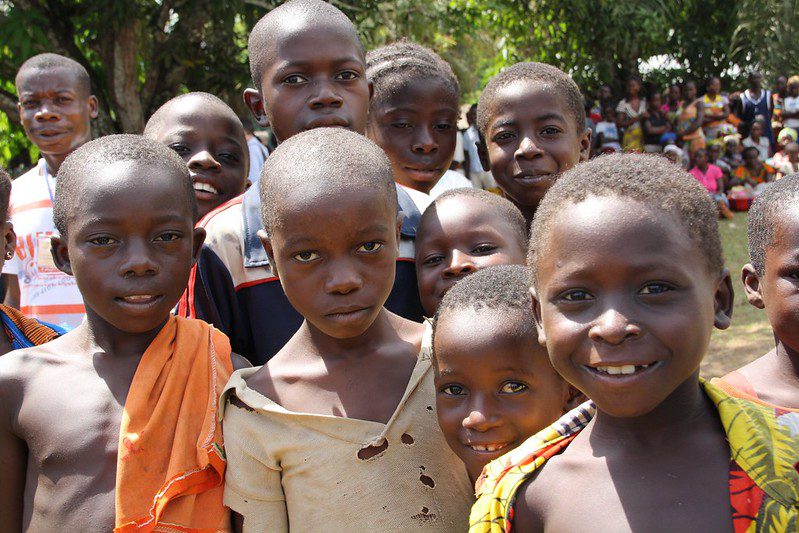
UNICEF Supports Children in Liberia 20 Years After the Civil WarIn Liberia, more than 20 years have passed since the second civil war ended in Aug. 2003. Yet, the younger population continues to be deeply affected by the consequences of the conflict, in particular the use of child soldiers. All sides initially deployed children because they were cheap and obedient, making them easy to exploit. Often heavily drugged, these children could constitute up to 50% of the fighting forces.

The Lasting Impact on Former Child Soldiers

A BBC interview with a former child soldier, Miatta, reveals how her childhood was traumatized by the war. At only 14 years old, she was forced to kill. The hurt she endured led her to fall victim to drugs and sex work in her later teenage years, a fate which, sadly, is often met by many child soldiers. Miatta’s story is a testimony to how the livelihoods and futures of a young generation are haunted by this conflict. A UNICEF report reveals that Liberia is witnessing a growing population, with 63% under 25 years old. Yet statistics drawn by Save the Children reveal that challenges still prevail, with 50% of children out of school and 32% suffering from malnutrition. 

UNICEF’s Pivotal Role in Child Protection

UNICEF’s involvement has been crucial in supporting children born into poverty in Liberia. The organization began its efforts in 1986 with a focus on child protection. Additionally, they have financially assisted the government with projects aimed at supporting youth. UNICEF advocates for laws that ensure the safety and rehabilitation of children in violent situations. A key achievement is the passage of the Children’s Law in 2011, which explicitly defines the human rights entitled to children. UNICEF also champions the protection of children’s rights from birth, emphasizing the importance of birth registration to ensure their access to services and legal protections.

UNICEF collaborates with several organizations, including Save the Children and Catholic groups like Don Bosco Homes, to support Liberia’s recovery. During the Ebola outbreak, Save the Children notably provided foster homes and educational kits to ensure the health and education of children. Liberia continues to grapple with the scars left by its civil wars and the traumatic use of child soldiers. Issues like violence, drug use, malnutrition and poverty persist among the youth. However, the dedicated efforts of these organizations, especially UNICEF, offer a glimmer of hope for the future generations of Liberia.

Looking Ahead

Despite the end of Liberia’s civil wars more than two decades ago, the nation still faces significant challenges in rebuilding its society. This is particularly so in the case of supporting its youth. UNICEF, alongside other organizations, continues to play a critical role in addressing the needs of children in Liberia. They focus on protection, education and health. Furthermore, with ongoing efforts to improve living conditions and ensure the rights of every child, these initiatives aim to help Liberia’s young population recover from the lingering effects of conflict and build a brighter future.

– Grace Sammartini

Grace is based in Rome, Italy and focuses on Good News and Global Health for The Borgen Project.

Photo: Flickr

August 31, 2024
https://borgenproject.org/wp-content/uploads/borgen-project-logo.svg 0 0 Precious Sheidu https://borgenproject.org/wp-content/uploads/borgen-project-logo.svg Precious Sheidu2024-08-31 03:00:542024-08-30 06:53:28UNICEF Supports Children in Liberia
Aid, Food & Hunger, Global Poverty

Aid in Yemen: Three Charities Providing Support

aid in yemenAs the civil war in Yemen remains ongoing, so does the world’s largest humanitarian crisis. Since 2014, violence offset by the civil war has led to the deaths of 377,000 people in Yemen, including 10,000 children, as of 2022. The impact of the violence reflects through the depletion of resources and economic collapse, leaving 23.4 million people in need of humanitarian assistance and 17.4 million without stable access to food. The rate of malnutrition in children is also incredibly concerning, with estimates suggesting that every 10 minutes a child will lose their life through malnutrition.

Aid in Yemen

UNICEF report from August 2024 suggests that acute malnutrition in Yemen is “rapidly increasing.” It states that the rate of acute malnutrition in Yemen threatens to surge during the lean-season months between July and October, where agricultural activity is minimal. Continuing the provision of aid in Yemen is therefore more important than ever. Numerous charities are doing crucial work to ensure the delivery of aid in Yemen. Islamic Relief Worldwide, Doctors without Borders and Yemen Relief U.K. are all notable examples of charities whose ongoing work is incredibly important, particularly during these critical upcoming months.

Islamic Relief Worldwide

Founded in 1984, Islamic Relief Worldwide is one of the world’s largest relief and development charities and provided £193 million worth of aid in 2022 alone.

Islamic Relief has been active in Yemen since 1998, having strengthened its programming significantly since the outbreak of the civil war. The organization has helped 800,000 people gain access to safe drinking water, providing support for children and establishing 167 new health facilities in the country. Islamic Relief provided food aid in Yemen to at least 2 million people each month until the World Food Programme (WFP) paused its food distribution into the northern regions of Yemen last December.

Doctors Without Borders

Medecins Sans Frontieres (MSF), also known as Doctors Without Borders first started in 1971 in France. MSF provides medical care in situations of unprecedented humanitarian disaster, including during disease outbreaks, natural disasters and conflict. It takes care to be impartial in providing medical care and prioritizing assistance to those most in need. It is currently active in more than 70 countries across the world

In 2023, MSF provided significant medical aid in Yemen, supporting 17 hospitals and 18 health facilities across the country. This includes the support of feeding centres in response to the rising rates of acute malnutrition. For instance, they expanded the therapeutic feeding centre in Abs General Hospital in Hajjah from 45 beds to 88. https://www.doctorswithoutborders.org/what-we-do/where-we-work/yemen

A recent MSF publication describes how a health care facility in the neglected mountain town of Mafraq Al Mokha now provides care free of charge, thanks to the support of MSF since 2022.

Yemen Relief UK

Yemen Relief U.K. is a U.K.-based charity solely that focuses on providing humanitarian assistance, alleviating poverty and easing suffering in Yemen. It undertakes several programs and projects to provide support.

It provides a charity bakery through the support of donors, supplying bread to thousands of families daily to tackle food insecurity. Yemen Relief also provides food packs and clean water wells through the support of donors. In Yemen, 1.1 million children have lost a parent in the ongoing conflict, leaving many dependent on humanitarian aid to survive. Willing donors can also sponsor an orphan through Yemen Relief U.K.

Willing donors can also sponsor an orphan through Yemen Relief UK. 1.1 million children have lost a parent in the ongoing conflict, leaving many dependent on humanitarian aid to survive. https://www.yemenrelief.org.uk/yemen-orphan-sponsorship/

The Future of Aid in Yemen

As UNICEF highlights, the continued support of Yemen is crucial in the next couple of months when acute malnutrition threatens to rise.

The rising rate of malnutrition can be mitigated if charities such as Islamic Relief, MSF and Yemen Relief U.K. continue to be supported in providing medical care and aid in Yemen. These charities, among many others, have already had a positive impact on the livelihoods of thousands of families in Yemen. The world’s largest humanitarian crisis has been devastating, yet there is hope for Yemen’s future thanks to the continued charitable work and support being done in the country.

– Joshua Marriott

Joshua is based in Cardiff, Wales and focuses on Technology and Politics for The Borgen Project.

Photo: Flickr

August 31, 2024
https://borgenproject.org/wp-content/uploads/borgen-project-logo.svg 0 0 Naida Jahic https://borgenproject.org/wp-content/uploads/borgen-project-logo.svg Naida Jahic2024-08-31 01:30:182024-08-30 06:35:26Aid in Yemen: Three Charities Providing Support
Aid, Global Poverty, Poverty Reduction

Ray of Hope for Visually Impaired Women in Afghanistan

Women in AfghanistanAfghanistan, a country in Central Asia, has been affected by conflict for at least five decades. Years of war have not only destroyed the country’s infrastructure but have also had a profound impact on the physical and mental health of its inhabitants, as well as deteriorated the human rights situation, especially for women in Afghanistan.

Disabilities in Afghanistan

The prevalence of disabilities in Afghanistan has seen a significant increase, primarily attributed to the ongoing conflict, widespread destruction and the lack of accessible medical facilities. The 2019 Model Disability Survey revealed that around 80% of the population aged 18 and above experiences some form of disability, with women disproportionately affected, experiencing a 14.9% higher impact compared to men. Afghanistan has one of the highest numbers of people with any form of disability per capita in the world. This situation is exacerbated by widespread poverty, limited access to education and health care, minimal job opportunities and cultural stigmatization.

Visual Impairment

A report published by The Fred Hollows Foundation has estimated that 1.5 million individuals in Afghanistan are living with some form of visual impairment, with 600,000 of them experiencing complete blindness. A report published in The Kabul Times has indicated that many of these individuals are women. This data underscores the significant impact of visual impairment, particularly among women, in Afghanistan.

In Afghanistan, women face substantial discrimination. They are particularly vulnerable due to limited access to education, minimal job opportunities and economic freedom. These challenges are exacerbated when women also have a disability, as they face even greater levels of marginalization and discrimination in the form of physical and emotional abuse and social isolation.

Ray of Hope

The United Nations High Commissioner for Refugees (UNHCR), in partnership with the Welfare Association for the Development of Afghanistan (WADAN), has launched a project in two provinces in eastern Afghanistan. The project focuses on teaching braille, basic math and essential life skills such as cooking and using a cane. Additionally, the project provides psychosocial counseling to empower women to address daily societal challenges and confront violence. In 2022, the project benefited 90 women, with another 200 women currently enrolled, offering them hope for the future. UNHCR and WADAN plan to expand the program further.

The Rayhab School for Children with Disabilities is another initiative supporting disabled Afghans. The school offers primary education, food and transportation for blind, deaf and speech-impaired boys and girls from impoverished families in Kabul. The school welcomes more than 400 children daily, with 40% of them being girls.

The current efforts to address the situation in Afghanistan are commendable, yet they are insufficient compared to the enormity of the issue. Despite this, they serve as a beacon of hope for millions impacted. 

– Maria Waleed

Maria is based in Yokohama, Japan and focuses on Good News, Global Health for The Borgen Project.

Photo: Flickr

August 30, 2024
https://borgenproject.org/wp-content/uploads/borgen-project-logo.svg 0 0 Hemant Gupta https://borgenproject.org/wp-content/uploads/borgen-project-logo.svg Hemant Gupta2024-08-30 07:30:172024-08-30 06:19:14Ray of Hope for Visually Impaired Women in Afghanistan
Advocacy, Aid, Global Poverty

GMB Akash: Capturing Stories of Real-Life Heroes in Photos

GMB Akash: Capturing Stories of Real-Life Heroes Through PhotographyGMB Akash is a Bangladeshi photojournalist. He launched his career with a profound goal: to spotlight the resilience and hardships of marginalized communities through his photography. After winning numerous international awards, Akash uses his camera to create art and drive social change. His journey began with his father’s old camera, which opened doors to the hidden struggles within society. He specializes in street photography, capturing the raw, unpolished essence of daily life for those facing the greatest adversities. His work has gained recognition in National Geographic, TIME and The Guardian. Akash’s significant project, the book “Survivors,” represents a decade of work and helps support the subjects of his photographs by funneling proceeds back to the communities he features.

A Glimpse into GMB Akash’s Work

Akash’s photography offers an intimate look into the lives of the underprivileged, capturing their challenges and achievements. His ongoing series, “Dreams of Child Laborers,” exposes the difficult realities of children who work long hours for minimal pay. His “Mothers: Angels on Earth” series honors the relentless determination of mothers striving to support their families. In a unique approach, his “Feet Tell Stories” series features photographs of laborers’ feet, illustrating their daily hardships. The “Women in Bangladesh” series presents poignant narratives that compel viewers to rethink their views on poverty and resilience. These projects underscore Akash’s commitment to using his photography to amplify the voices of those often overlooked, portraying their enduring spirit and vibrant humanity despite facing adversity.

Akash founded the First Light Institute of Photography in Bangladesh in August 2013. This institute draws hundreds of students globally, eager to learn from his expertise. In 2023, he launched an exclusive One-on-One Photography Workshop, which has garnered excellent reviews. Participants from Germany, the USA, Spain and Indonesia have attended the program. Akash uses the proceeds from these educational endeavors to fund basic education for street children, underprivileged talented students and child laborers, furthering his mission to uplift those in need.

A Commitment to Action

Akash believes that photography can be a catalyst for positive change. He isn’t content with simply documenting hardship; he actively seeks ways to improve the lives of his subjects. Through his social media and blog, he shares stories of the people he meets and chronicles his initiatives to support them. These ongoing initiatives include providing education for child laborers, micro-loans to help people start businesses, gifting bicycles to students to commute, building water wells and giving wheelchairs to disabled children.

In 2012, GMB Akash published his book Survivors, the result of a 10-year project that showcases powerful stories of resilience and strength. The prestigious Geo magazine reviewed the book, highlighting its impact. He has dedicated the proceeds from the book and related exhibitions to help the individuals featured in it. Akash personally trains and monitors them as they set up small businesses, aiming to make them and their families self-sufficient.

Moving Forward

GMB Akash’s work goes beyond photography; it actively contributes to the well-being of the communities he documents. By using the proceeds from his projects to fund education, start small businesses and provide essential resources, Akash ensures that his subjects receive tangible benefits from their stories being told. His commitment to using photography as a tool for social change highlights the profound impact that visual storytelling can have in advocating for and improving the lives of marginalized individuals.

– Sumaiya Sultana

Sumaiya is based in London, UK and focuses on Technology and Celebs for The Borgen Project.

Photo: Flickr

August 29, 2024
https://borgenproject.org/wp-content/uploads/borgen-project-logo.svg 0 0 Precious Sheidu https://borgenproject.org/wp-content/uploads/borgen-project-logo.svg Precious Sheidu2024-08-29 07:30:072024-08-29 01:42:28GMB Akash: Capturing Stories of Real-Life Heroes in Photos
Page 13 of 65«‹1112131415›»

Get Smarter

  • Global Poverty 101
  • Global Poverty… The Good News
  • Global Poverty & U.S. Jobs
  • Global Poverty and National Security
  • Innovative Solutions to Poverty
  • Global Poverty & Aid FAQ’s
Search Search

Take Action

  • Call Congress
  • Email Congress
  • Donate
  • 30 Ways to Help
  • Volunteer Ops
  • Internships
  • Courses & Certificates
  • The Podcast
Borgen Project

“The Borgen Project is an incredible nonprofit organization that is addressing poverty and hunger and working towards ending them.”

-The Huffington Post

Inside The Borgen Project

  • Contact
  • About
  • Financials
  • President
  • Board of Directors
  • Board of Advisors

International Links

  • UK Email Parliament
  • UK Donate
  • Canada Email Parliament

Get Smarter

  • Global Poverty 101
  • Global Poverty… The Good News
  • Global Poverty & U.S. Jobs
  • Global Poverty and National Security
  • Innovative Solutions to Poverty
  • Global Poverty & Aid FAQ’s

Ways to Help

  • Call Congress
  • Email Congress
  • Donate
  • 30 Ways to Help
  • Volunteer Ops
  • Internships
  • Courses & Certificates
  • The Podcast
Scroll to top Scroll to top Scroll to top