• Link to X
  • Link to Facebook
  • Link to Instagram
  • Link to TikTok
  • Link to Youtube
  • About
    • About Us
      • President
      • Board of Directors
      • Board of Advisors
      • Financials
      • Our Methodology
      • Success Tracker
      • Contact
  • Act Now
    • 30 Ways to Help
      • Email Congress
      • Call Congress
      • Volunteer
      • Courses & Certificates
      • Be a Donor
    • Internships
      • In-Office Internships
      • Remote Internships
    • Legislation
      • Politics 101
  • The Blog
  • The Podcast
  • Magazine
  • Donate
  • Click to open the search input field Click to open the search input field Search
  • Menu Menu

Archive for category: Africa

Africa, Food Security, Global Poverty

Extreme Weather and Food Security in East Africa

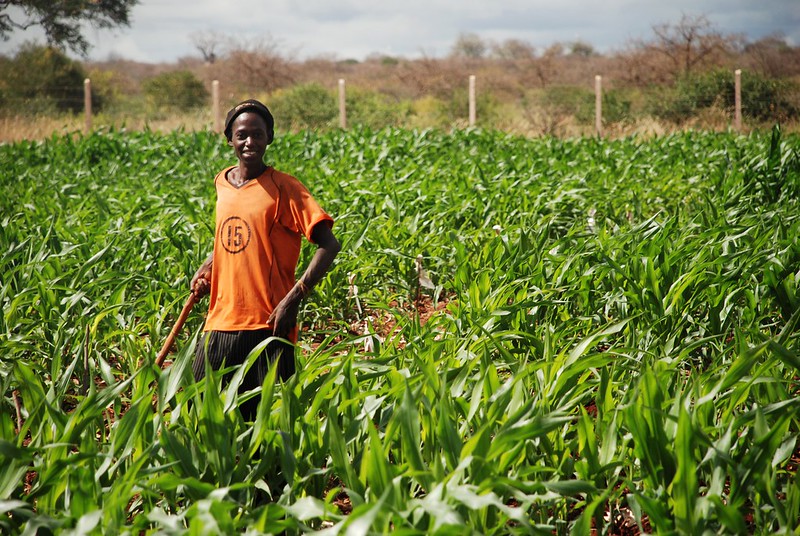
Food Security East AfricaEast Africa is grappling with worsening food security due to the increasing frequency and severity of extreme weather patterns. In countries like Ethiopia, Somalia and Kenya, shifting rainfall patterns and prolonged droughts are devastating agricultural systems, the backbone of local economies. This instability is contributing to widespread food insecurity, displacing millions and threatening livelihoods across the region. According to the U.N. Office for the Coordination of Humanitarian Affairs (OCHA), food insecurity affected more than 48.1 million people in East Africa as of May 2024, largely due to weather-related shocks.

Ethiopia, Somalia and Kenya: A Regional Snapshot

Each country in East Africa faces unique but interrelated challenges. In Somalia, four consecutive failed rainy seasons, including the October–December 2024 deyr season, have caused severe pasture and water shortages, significantly reducing crop yields and weakening livestock health.

Across Ethiopia, insufficient rainfall during the June 2023–September 2023 kiremt season led to localized cereal shortfalls and about 4.5 million livestock deaths.

Meanwhile, northern and eastern Kenya experienced its driest rainy seasons in more than 40 years, exacerbating desertification and displacing pastoralist communities.

FAO’s Global Information and Early Warning System

FAO’s Global Information and Early Warning System (GIEWS) is a critical tool used across East Africa to anticipate and respond to food crises. It provides near real-time monitoring of agricultural production, food prices and extreme weather patterns.

In Somalia, for instance, GIEWS reported that the 2024 deyr rainy season saw below-average and erratic rainfall, leading to pasture and water shortages in pastoral areas and below-average cereal yields. As a result, the livestock-to-cereal terms of trade deteriorated; in January 2025, a goat in Burao Market could purchase only 48 kg of sorghum, compared to 68 kg the previous year, a decline that severely impacted household food access.

The R4 Rural Resilience Initiative

The World Food Program (WFP), in partnership with Oxfam, is helping farmers manage weather-related agricultural risks through the R4 Rural Resilience Initiative. R4 enables smallholder farmers to access crop insurance, savings accounts, and weather adaptation training.

In Ethiopia alone, as of 2020, more than 54,000 households have enrolled in the program since its launch and participants have reported improved yields and greater resilience to seasonal shocks. R4 not only safeguards livelihoods but also reduces the need for emergency food aid during extreme weather events.

Kenya’s National Smart Agriculture Strategy

Kenya has implemented a National Smart Agriculture Strategy aimed at mainstreaming adaptation to extreme weather into every level of agricultural planning. The strategy focuses on three key pillars: increasing productivity, building resilience, and lowering emissions. It promotes drought-resistant crops, precision irrigation, and agroforestry techniques. Supported by international donors and NGOs, the initiative seeks to create a sustainable agricultural model that can withstand future weather-related challenges.

Toward a Resilient Agricultural Future

The future of food security in East Africa depends on continued investment in adaptive strategies that address both immediate hunger and long-term resilience. Strengthening regional cooperation, funding scalable programs like GIEWS and R4, and supporting national policies such as Kenya’s CSA Strategy will be crucial.

By aligning weather adaptation with food systems planning, East African nations have a path forward to reduce vulnerability and build sustainable food security.

– Joseph Hasty

Joseph is based in Winter Park, FL, USA and focuses on Global Health for The Borgen Project.

Photo: Flickr
July 23, 2025
https://borgenproject.org/wp-content/uploads/borgen-project-logo.svg 0 0 Naida Jahic https://borgenproject.org/wp-content/uploads/borgen-project-logo.svg Naida Jahic2025-07-23 03:00:292026-04-16 10:21:40Extreme Weather and Food Security in East Africa
Africa, Conflict, Global Poverty

Challenges and Progress regarding rule of law in South Sudan

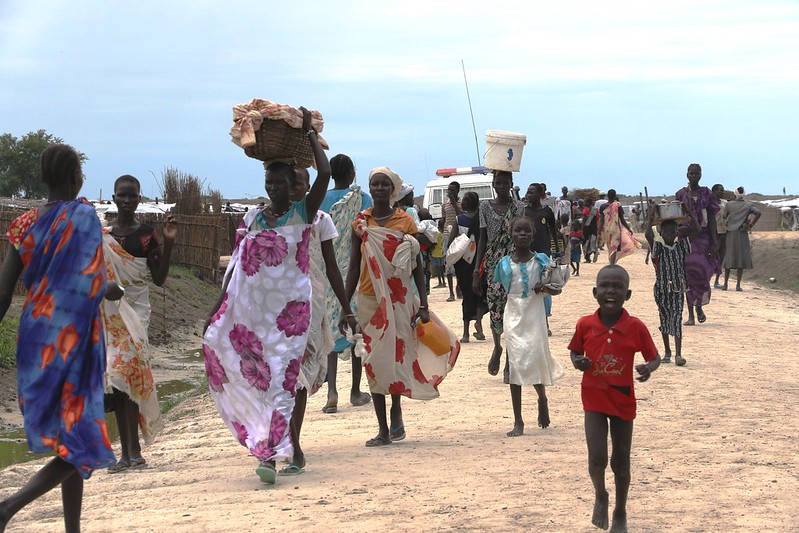
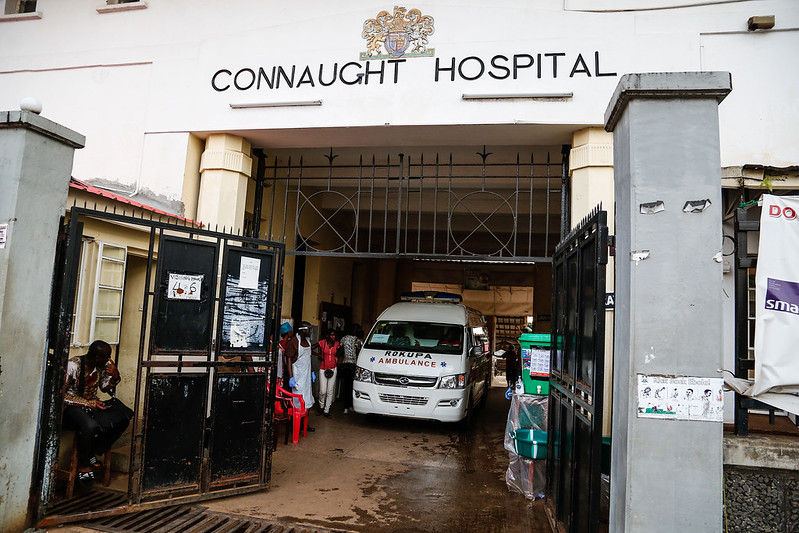
rule of law in South SudanWith decades of civil war and the blurred lines between military and political power, corruption has been widespread in South Sudan. This has weakened the rule of law, which has left civilians without protection and led to cycles of violence.

Rule of Law in South Sudan: The Constitution

South Sudan’s Constitution does outline the principle of separation of powers (Article 48) and equality before the law (Article 14). It also calls for an independent judiciary (Article 122) and establishes the Anti-Corruption Commission and Human Rights Commission to help uphold these democratic principles.

However, in practice, these mechanisms are often ineffective. Political and military officials are rarely held accountable as they evade prosecution. The independence of the judiciary is also at risk as officials have the power to influence courts and legal outcomes.

Moreover, the Constitution itself provides immunity to political and military officials. Military officers, for instance, cannot be tried in civil courts. Some provisions also grant excessive power to the president, further contradicting the rule of law and the separation of powers, according to BTI. The enactment of the Local Government Act, which redefined chiefs at courts as national actors, added to the problem since this limited their ability to represent the people’s voice independently.

Implementing the Revitalized Peace Agreement

To strengthen the rule of law, President Salva Kiir Mayardit and former First Vice President Riek Macha signed the Revitalized Peace Agreement in 2018. This included the obligation to establish the Hybrid Court for South Sudan (HCSS) in cooperation with the African Union, according to BTI. With this international involvement and the application of international legal standards, the HCSS was envisioned to be more independent to ensure justice for serious crimes.

Nevertheless, there has been little progress, as the South Sudanese authorities have delayed the establishment of the court. The foreign assistance budget from other countries decreasing in recent years, has also contributed to stalled progress.

Other obligations set out in the Revitalized Peace Agreement include the establishment of the Commission on Truth, Reconciliation and Healing (CTRH) and the Compensation and Reparations Authority (CRA). On a more promising note, the South Sudanese government passed legislation in November 2024 to establish these two bodies. Their main roles are to investigate and report on human rights violations, promote peace and reconciliation, and ensure compensation for victims.

The UN’s assistance

Another notable progress when it comes to the rule of law in South Sudan is the operation of a general court martial with the support of the U.N. In 14 cases, the court was able to prosecute military officials for crimes such as murder and sexual violence. The court sentenced them to prison and ordered them to compensate the victims.

The U.N. Mission in South Sudan (UNMISS) also extended support to victims by providing funding for free legal advice, mental health support, food, and accommodation. Although there are still limitations in this mission, such as the lack of victim protection during trials and a focus mainly on low-ranking officials, it still marks a meaningful step toward holding officials accountable under law.

Moving forward

Given their fragile political environment, there are still challenges to achieving rule of law in South Sudan. Hence, it is crucial for the government to continue its efforts toward transitional justice to break the cycle of conflict and address the root causes of violence. Only with commitment and long-term investment can South Sudan build a future where rule of law is not just a principle on paper, but a reality for its people.

– Lucy Cho

Lucy is based in Edinburgh, Scotland and focuses on Good News and Politics for The Borgen Project.

Photo: Flickr
July 17, 2025
https://borgenproject.org/wp-content/uploads/borgen-project-logo.svg 0 0 Naida Jahic https://borgenproject.org/wp-content/uploads/borgen-project-logo.svg Naida Jahic2025-07-17 07:30:492025-07-17 01:32:54Challenges and Progress regarding rule of law in South Sudan
Africa, Disease, Global Health, Global Poverty

Malaria Vaccine in Burundi

Malaria vaccine in BurundiBurundi boasts of two capital cities, Gitega in Burundi’s center serving as the political capital, with Bujumbura to the southwest as the economic capital. Burundi is the second poorest country in the world as of 2025, with more than 80% of the population facing the risk of contracting malaria.

Background

Malaria is an infection that mosquitoes spread to humans, and is most commonly found in sub-Saharan Africa and other regions such as South America and Southeast Asia. While a healthy person can survive the infection, the people who face the most risk are children, the elderly, people with no prior immunity to the disease, and pregnant women. Malaria can spread from mother to unborn child, causing the child to contract the disease through birth. This can result in premature births, low birth weights, stillbirths, and miscarriages. Malaria is an epidemic disease in Burundi and the leading cause of death throughout the country, but thanks to a recent vaccine initiative, life in Burundi is taking a turn for the better.

Malaria in Burundi

According to a recent study on Burundi people accepting the malaria vaccine, nearly 55% of people surveyed expressed worry about side effects from the vaccine. People being wary of the malaria vaccine in Burundi is not surprising when considering the lack of available information about the vaccine. These fears, together with an unawareness of the vaccine at all, are the reason that the vaccine was not more readily available in Burundi.

The malaria vaccine is becoming much more available in Burundi thanks to the new Vaccine Independence Initiative. Throughout an information and exchange workshop in Bujumbura, Burundimany global health organizations sent representatives to “mobilize national decision-makers around the Vaccine Independence Initiative and to develop concrete recommendations for integrating the initiative into the country’s strategic and operational plans.” With this new initiative, the malaria vaccine will become the standard vaccination for children and adults, ensuring that everyone receives protection against the disease.

The Future

The introduction of the malaria vaccine to Burundi’s standard vaccine regimen could help to lessen malaria hospitalizations and reduce symptoms of infection. The vaccine itself is only the first step, and together with other methods of malaria prevention, it helps lessen rates of infection even more drastically.  For the people of Burundi, coupling the vaccine with mosquito nets can show a much lower rate of infection and severity of symptoms. Using the vaccine with mosquito nets and anti-mosquito spray has shown to lessen rates of infection even more.

Adding the malaria vaccine to the standard regimen that children receive has shown a 13% drop in child deaths. These statistics show that the war on malaria in Burundi is beginning to slow, and the people are on the winning side.

– Zoe Felder

Zoe is based in Charlotte, NC, USA and focuses on Good News and Global Health for The Borgen Project.

Photo: Flickr

July 15, 2025
https://borgenproject.org/wp-content/uploads/borgen-project-logo.svg 0 0 Naida Jahic https://borgenproject.org/wp-content/uploads/borgen-project-logo.svg Naida Jahic2025-07-15 03:00:082025-07-15 02:26:23Malaria Vaccine in Burundi
Africa, Global Poverty, Humanitarian Aid

The Impact of Aid on Internally Displaced Persons in Benue

Internally Displaced Persons in BenuePoverty in Nigeria is on the rise, particularly in the North Central region of Benue State, which has endured persistent killings, clashes and displacement for many years. This has resulted in thousands of residents becoming homeless and trapped in cycles of hunger. Both international and local organizations play a crucial role in addressing and alleviating the ongoing crises in this region of Nigeria.

About Benue State

Benue State was established on February 3, 1976, during the reorganization of Nigeria’s states. It was carved out from the former Benue-Plateau State. With more than 30 distinct ethnic groups, including the Tiv, Idoma, Igede and other indigenous communities, Benue boasts a rich cultural tapestry, each contributing its language, customs and artistic expressions.

For decades, the region has been marred by crises, including violent clashes between farmers and herders, which have significantly contributed to the rise of poverty in Nigeria. A particular episode occurred in 2012, known as the “Agatu Massacre,” which persisted until 2016. This conflict between native Idoma farmers and Fulani herders in the Agatu Local Government Area resulted in the loss of approximately 3,920 lives between 2013 and 2017, with an additional 2,000 individuals succumbing to internally displaced person (IDP) camps.

The Benue Crisis

The Benue crisis has continued to escalate, with numerous incidents reported over the years. Notably, in June 2025, about 200 individuals, including IDPs, were killed in the Yelewata and Daudu communities within the Guma Local Government Area. As of 2024, the number of internally displaced persons in Benue has surged to about two million, increasing poverty in the region by preventing people from working and children from attending school, among others.

Local Impact on Internally Displaced Persons

Local humanitarian organizations, including the National Emergency Management Agency (NEMA), the Benue State Emergency Management Agency (BSEMA), the Nigerian Red Cross Society and various security agencies, have collaboratively conducted a rapid needs assessment to facilitate the distribution of essential relief materials. These materials include bags of parboiled rice, maize, spaghetti, vegetable oil, seasoning cubes, tomato paste, iodized salt and nonfood items like mattresses.

On its part, the Foundation for Justice Development and Peace (FIDP) has made significant contributions to the welfare of IDPs in the Guma Local Government Area. It has provided vital support, including constructing an optimized toilet block, solar-powered lighting and a solar-powered borehole for the Daudu 1 and Gbajimba 2 IDP camps. These facilities were developed with generous support from Catholic Relief Services (CRS) to end poverty in those areas.

Furthermore, in January 2025, Benue State Governor Rev. Fr. Hyacinth Alia launched a comprehensive five-year action plan to enhance IDPs’ livelihoods. This initiative includes the establishment of 210 farmers’ cooperatives across all camps in the state, which will benefit more than 4,200 IDPs. The program is designed to provide extensive training in cultivating rice, maize, cassava and vegetables, covering all stages of agricultural production.

International Impact on Internally Displaced Persons in Benue

In addition to local interventions to support IDPs, international organizations such as the International Organization for Migration (IOM) and the United Nations High Commissioner for Refugees (UNHCR) have collaborated to produce a biometric registration progress report. This report reveals verified figures indicating that there are currently 184,711 IDPs across 48,163 households in Benue State.

Notably, 86% of these individuals are women and children, with a demographic breakdown of 56% female, 44% male, 5% elderly, 12% classified as vulnerable and 16% children under five. These statistics were derived from six Local Government Areas (LGAs) identified as having IDPs, based on the Displacement Tracking Matrix (DTM) Round 11 conducted in March 2023.

As of 2025, the IOM has reported an expansion in the locations covered, with 31 new sites added to the 65 previously documented in 2024. This expansion has resulted in an additional 26,165 IDPs being recorded. While the overall distribution of demographics remains consistent, there has been a notable change in the percentage of individuals classified as vulnerable from 12% to 13%.

Utilizing the IOM biometric report, the United Nations Children’s Fund (UNICEF) actively supports the residents of Benue State through various programs, psychosocial resources and counseling initiatives.

Final Remarks

Despite ongoing local and international efforts, the humanitarian crisis in Benue State remains far from over. As displacement continues to rise and resources fall short, sustained support and decisive government action are urgently needed to restore hope and dignity to millions of affected lives.

– Damilola Bukola Omokanye

Damilola is based in Abuja, Nigeria and focuses on Good News for The Borgen Project.

Photo: Flickr

July 9, 2025
https://borgenproject.org/wp-content/uploads/borgen-project-logo.svg 0 0 Hemant Gupta https://borgenproject.org/wp-content/uploads/borgen-project-logo.svg Hemant Gupta2025-07-09 03:00:012025-07-08 14:05:37The Impact of Aid on Internally Displaced Persons in Benue
Africa, Aid, Global Poverty

Breadline Africa: Building Hope – One Container at a Time

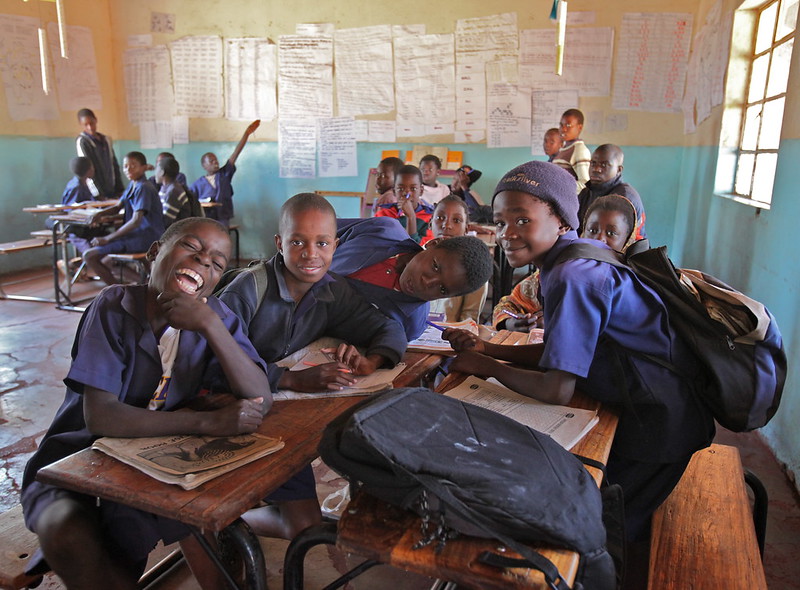
breadline africaEstablished in 1993, Breadline Africa is a nonprofit organization operating in both South Africa and the United Kingdom. It focuses on providing infrastructure and support for every childhood education institution in under-resourced communities across South Africa.

The nonprofit has delivered classrooms, libraries, kitchens and safe toilets to areas where children lacked basic resources for more than 30 years. These spaces give young learners the chance to grow and learn in safe, nurturing environments.

What sets Breadline Africa apart is its creative use of shipping containers. The group began by transforming a single container into a functional space, and has since scaled the idea to help thousands of children across South Africa.

Since the First Shipping Container

Breadline Africa redeveloped its first shipping container into a piece of infrastructure in 1996. It was all a part of the Montagu Youth Project, which brought kitchens and classrooms to Rietvlei 2 Primary School.

The organization became known for its ability to convert shipping containers into safe and usable infrastructure for many school children across South Africa. It continues to develop containers into usable infrastructure well into modern times.

In July 2024, Breadline Africa raised millions of dollars to help redevelop hazardous pit latrines into new restrooms for more than 11,000 children across South Africa. With all its work in redeveloping infrastructure, Breadline Africa knew it could continue to aid school children by venturing into different avenues.

Feeding Programs and Run Initiatives

Breadline Africa also provides feeding programs for children across South Africa. These programs first started when the organization developed community kitchens for those in need of food during the COVID-19 pandemic.

The organization’s feeding programs soon became focused on school children through pre-school feeding in Western Cape and Gauteng and food parcels for children whose parents cannot provide them with school lunches. Breadline Africa has fed more than 4 million vulnerable people in need off its feeding programs alone, supporting “26 projects to provide more than 20,000 meals a week.”

The organization also acknowledges that children’s horizons are only broadened by new experiences. It has developed a run initiative that sends hundreds of children under the age of 7 on seaside outings every year, broadening said horizons.

Breadline Africa was able to provide another seaside outing to hundreds of children in January 2025 in Cape Town. For many of those children, that seaside outing was their first time experiencing the beach – allowing them an escape from their impoverished environments.

Breadline Africa’s Impact

Breadline Africa has left a massive impact on many children across South Africa. The organization has developed school houses for children, has raised parents’ involvement in funding for school to 61%, increased the amount of food supplies in schools by 67% and so much more.

Its work shows no signs of slowing down as the need for safe learning spaces and reliable meals continues to grow. Its efforts remain a lifeline for thousands of South African children striving for a better future. Individuals can support Breadline Africa’s missions in several ways.  Donations help fund classrooms, kitchens, toilets and feeding programs that benefit children in under-resourced communities.

– Jaden Hartfield

Jaden is based in Charlotte, NC, United States and focuses on Good News for The Borgen Project.

Photo: Flickr

July 7, 2025
https://borgenproject.org/wp-content/uploads/borgen-project-logo.svg 0 0 Naida Jahic https://borgenproject.org/wp-content/uploads/borgen-project-logo.svg Naida Jahic2025-07-07 07:30:442025-07-07 01:56:58Breadline Africa: Building Hope – One Container at a Time
Africa, Food Insecurity, Global Poverty

3 Organizations Tackling Food Insecurity in Somalia

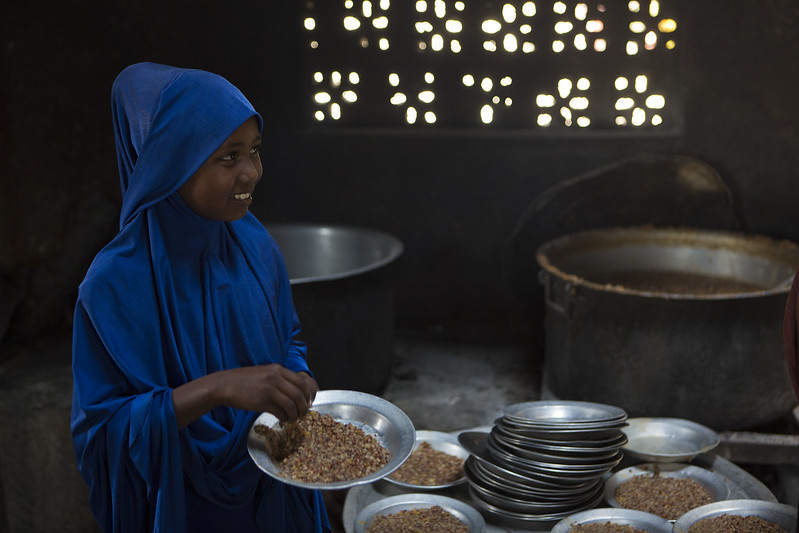
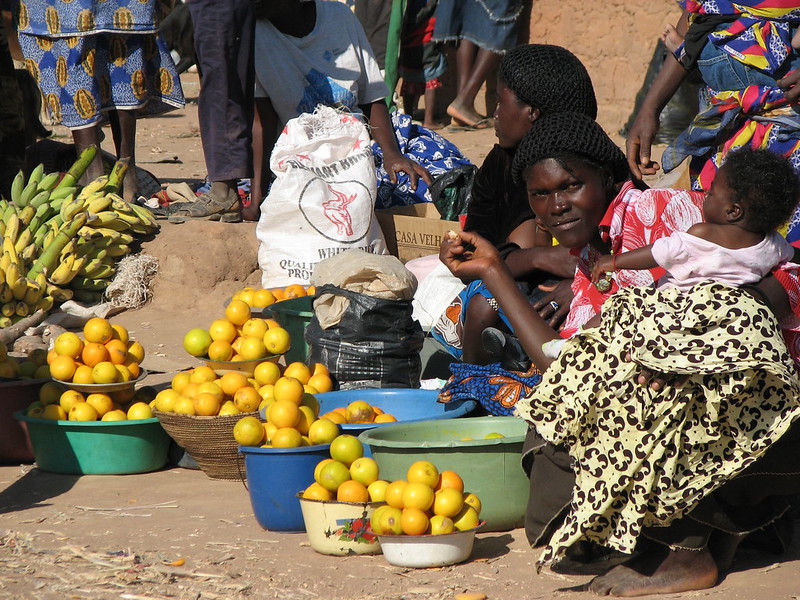
Food Insecurity SomaliaSeveral organizations, including the World Food Program (WFP), the International Rescue Committee (IRC) and Action Against Hunger, are working to help combat the long-standing issue of food insecurity in Somalia. For decades, Somalia has struggled with malnutrition and food shortages, with more than 4 million people currently facing severe hunger.
Extreme Weather Conditions

Hunger and food insecurity can lead to a range of social and economic problems. According to the WFP, these issues include protests over rising food prices and conflict over scarce resources. Chronic hunger also undermines personal well-being and productivity, especially for children, making it harder for them to succeed in school and continuing the cycle of poverty.

In recent years, Somalia has experienced increasingly extreme weather conditions, with the drought from 2020 to 2023 affecting more than 8 million people. Droughts have a devastating impact on food supplies by significantly reducing the water available for agriculture, further deepening the crisis. Also, agriculture is a large part of Somalia’s economy, contributing to 70% of the total Gross Domestic Product (GDP).

WFP, IRC and Action Against Hunger

The WFP is delivering life-saving food and nutrition assistance. In collaboration with the Somali government, WFP is implementing integrated programs aimed at building long-term food security, particularly for drought-affected households. In 2022, when Somalia was hit with severe rain, WFP delivered cash transfers to more than 100,000 people to help them recover from the climate disasters. The organization is working hard to recieve additional funding, particularly from the U.S. that will allow them to continue reaching approximately 820,000 people every month.

The IRC has been active in Somalia since 1981, supporting communities recovering from crises such as droughts and floods. By partnering with local civil society organizations and government institutions, the IRC provides targeted support to vulnerable populations, helping them rebuild after disasters and regain stability.

Another key player in fighting food insecurity in Somalia is Action Against Hunger, which has been making a significant impact since 1992. Currently reaching more than 1 million people, the organization focuses on delivering essential nutrition services to some of the country’s hardest-hit areas. Their efforts are crucial in addressing the challenges of food insecurity in the region.

The Work Never Stops

Through their dedicated efforts, these organizations are not only addressing immediate needs but also striving to find long-term solutions to break the cycle of food insecurity in Somalia. Their commitment provides hope while also highlighting the importance of continued support for this cause and the need to discover new ways to improve conditions in the country.

– Knia Parks

Knia is based in Pepper Pike, OH, USA and focuses on Good News for The Borgen Project.

Photo: Flickr

July 4, 2025
https://borgenproject.org/wp-content/uploads/borgen-project-logo.svg 0 0 Naida Jahic https://borgenproject.org/wp-content/uploads/borgen-project-logo.svg Naida Jahic2025-07-04 01:30:472025-07-03 11:59:393 Organizations Tackling Food Insecurity in Somalia
Africa, Global Poverty

Social Protection in Angola

social protection angolaOver the past decade, Angola has significantly enhanced its social protection system, transitioning from emergency aid to comprehensive safety nets. Situated in southwestern Africa, Angola has experienced significant economic growth, primarily driven by its oil sector, despite years of conflict. The country has strengthened its social protection framework to address disparities and effectively safeguard vulnerable citizens. Social protection Development in Angola has progressed from simple humanitarian assistance during periods of conflict to well-organised programmes specifically aimed at poverty reduction. This transformation demonstrates Angola’s developmental trajectory and its unwavering commitment to improving social systems.

Cartão Kikuia (Kikuia Card)

Launched in 2013, the program had 101,246 beneficiaries nationwide. This innovative program aims to address the social impacts of economic reforms, particularly regarding fuel subsidies, by combining cash transfers with subsidised access to essential goods. It’s all about making life a little easier.  Beneficiaries are issued a prepaid card with KZ10,000 ($10.76) monthly, allowing them to purchase a select range of products at discounted rates from registered vendors. The primary goals of the program are to tackle income poverty and food insecurity while also fostering local market growth.

Initially tested in urban regions, the Cartão Kikuia program has progressively expanded into peri-urban and certain rural areas. Evaluations of the program have revealed beneficial effects on household consumption and dietary diversity. The program encompasses vulnerable groups, including widows with orphans, people with disabilities and ex-combatants.

Kwenda Program

The Kwenda Program stands as Angola’s first cash transfer social protection initiative, launched in May 2020 to address the needs of the most vulnerable households during the COVID-19 pandemic. Backed by $320 million from the World Bank and $100 million from the Angolan Government, this program is dedicated to supporting 1.6 million at-risk households. Designed with flexibility in mind, the Kwenda Program efficiently and safely reaches its beneficiaries, with most recipients receiving e-payments, granting most of them access to the financial system for the very first time in their lives.

Since its inception, the Kwenda program has made a significant impact, allocating $23 million by early 2022 and conducting 314,000 cash transfers, with 60% of beneficiaries being women. Enrolment has surged, exceeding half a million families registered by January 2022, and nearly half (247,000) have received at least one cash transfer. Thanks to the Social Protection Development in Angola, more than a million families are enrolled in the Kwenda programme, most of whom have received direct financial aid.

Maria Feliciana, a 92-year-old citizen from Catete in Icolo Bengo Province, a local vendor, shared her thoughts on the government program: “This initiative shows that the government remembers the poorest among us. It’s for everyone in need, even those in the villages. It treated us with respect and dignity.” She added, “Please bring the program back! Do not forget us older people in the villages. We have contributed to this country throughout our lives. This small help means everything to us. And please make it permanent—one year is not enough to change a lifetime of poverty.”

Valor Criança Social Cash Transfer Pilot

Valor Criança is a pilot program of social cash transfers, implemented by the Ministry of Social Action, Family and Women’s Promotion, with technical support from UNICEF, designed as a child-sensitive, unconditional social cash transfer program targeted at households with children aged zero to five years in selected municipalities prone to food insecurity. The program began implementation in 2019 as a pilot program, initially benefiting 20,000 children through monthly delivery of 3,000 AOA to 7,700 families in 257 municipalities in the provinces of Moxico, Bié and Uíge. It provided a monthly cash transfer of AOA 3,000 ($10 in the period) per child under 5, which was increased to AOA 5,000 in response to COVID-19, with the transfer amount directly paid to the child’s caregiver (predominantly women), limited to three eligible children per household.

The program served as an important foundation for Angola’s broader social protection system and has shown a significant impact in supporting vulnerable families with young children. The program also linked families to other services, including birth registration and early childhood development services, making it more than just a cash transfer program.

Institutional Framework and Governance

The Ministry of Social Action, Family and Promotion of Women oversees social protection policies in Angola. Recent reforms aim to improve coordination among ministries and government levels, contributing positively to social protection development in Angola.

The National Social Action Policy (PNAS) came after various initiatives, setting up a framework for future actions. One significant initiative that started in 2019 was the Strengthen and Scale Up Social Assistance to Vulnerable Population of Angola (APROSOC) project, which focused on enhancing social assistance for the vulnerable population and received funding from the European Union.

Angola has also made progress in strengthening its social registry system, which helps identify potential beneficiaries and reduce duplication across programs. The Cadastro Social Único (Unified Social Registry) is gradually spreading nationwide, though challenges remain in reaching remote populations.

Further Ahead

Angola is making progress in its Social Protection framework by improving data collection and policy development. An International Labor Organization (ILO) workshop held in Luanda, Angola, in June 2025 saw the Interministerial Group on Social Protection Statistics convene to prepare the second Social Protection Statistics Bulletin, with new members participating.

This initiative signifies a shift towards systematic monitoring and evaluation in social protection development in Angola’s governance. Technicians from 12 key institutions collaborated to analyse data from 2022-2024, aligning with Sustainable Development Goal 1.3.1 on social protection coverage. Furthermore, projects funded by Portugal’s Ministry of Labour and Social Security and the European Union back these efforts, highlighting Angola’s commitment to expanding social protection and fostering economic growth.

– Vanuza Antonio

Vanuza is based in London, UK and focuses on Good News and Global Health for The Borgen Project.

Photo: Flickr

June 17, 2025
https://borgenproject.org/wp-content/uploads/borgen-project-logo.svg 0 0 Naida Jahic https://borgenproject.org/wp-content/uploads/borgen-project-logo.svg Naida Jahic2025-06-17 01:30:582025-06-16 10:16:20Social Protection in Angola
Africa, Global Poverty, Violence Against Women

5 Nations Eliminating GBV in Central Africa

gbv africaPoverty and gender-based violence (GBV) are deeply interconnected, as economic hardship often leaves women more vulnerable to abuse and limits their ability to seek safety and justice. In stopping gender-based violence in Central Africa, targeted foreign aid is playing a crucial role in breaking this cycle by funding initiatives that empower women financially, expand education, and strengthen legal protections. In the Democratic Republic of the Congo (DRC), the Central African Republic (CAF), Chad, Cameroon and Rwanda, governments are using aid to overcome systemic challenges for women.

DRC: The World Bank’s Gender-Based Protection

The DRC’s collaboration with the World Bank has created the Gender-Based Violence (GBV) Prevention and Response Project. The GBV Prevention and Response Project aims to increase government support for ending GBV and improve response times for GBV emergencies. The project offers survivor support centers, economic reintegration for women who have experienced abuse, and legal aid to women looking to get justice for any abuse or GBV. The project has served more than 79,000 women, reaching more than 8 million total. Undoubtedly, the DRC Gender-Based Violence Prevention and Response Project has increased access to justice and economic options for women living in poverty with no escape from gender-based violence.

CAF: Economic Independence through the Bêkou Trust Fund

In the CAF, the EU created the Bêkou Trust Fund for humanitarian development. The funds have been particularly helpful to women through its goals to restore security and the social contract between the government and the people. In CAF, less than 20% of girls attend secondary school and there are around 10,000 cases of yearly GBV on average. In the last 10 years, €11 million went to use in the gender theme of the fund. Through the Trust Fund, more than 68,000 women have received help with socio-economic integration, helping them live safely and independently.

Chad: Microfinancing for Empowerment via USAID

USAID’s Women’s Economic Empowerment Initiative in Chad is working towards empowering women to escape cycles of gender-based violence through economic empowerment. Under the World Bank’s Sahel Women’s Empowerment and Demographic Dividend, the initiative increases women’s access to health care, ability to enter the job market and lowers barriers to living independently. In Chad, 16.2%  of all women face gender-based or sexual violence in their lives. Although the USAID program is new, it has the promise to reduce this rate and increase equality between men and women in Chad.

Cameroon: Education and Legal Advocacy via UN Trust Fund

The U.N. Trust Fund to End Violence Against Women, started by resolution 50/166 at the UNGA, has reached more than 7.7 million women globally. It aims to eliminate violence against women by increasing access to services like counseling and health care. Nearly 55% of women living in Cameroon experience gender-based violence every year. Still, the collection of programs under the U.N. Trust Fund aim to help more than 12,000 women escape systemic poverty and gender-based violence in Central Africa.

Rwanda: The World Bank’s Social Protection Transformation Project

In Rwanda, one significant initiative in combatting gender-based violence in Central Africa is the World Bank-funded Social Protection Transformation Project (SPTP), which integrates GBV prevention and response into its broader mission of economic empowerment.

This program provides financial assistance, vocational training, and social services to vulnerable populations, including survivors of GBV. Through this initiative, Rwanda has expanded safe spaces and counseling services, ensuring that survivors receive both economic and psychological support. The project also works closely with local NGOs and government agencies to enhance legal protections and improve access to justice for victims. By combining economic resilience with GBV prevention, this initiative reflects Rwanda’s commitment to breaking cycles of violence and fostering long-term recovery for survivors.

GBV in Central Africa: The Future

Reducing poverty is not only a strategy for economic development—it is a crucial step toward ending GBV in Africa. Aid aimed at reducing GBV in Central Africa is equipping women with the financial independence, legal protections, and social support needed to break free from cycles of abuse. These programs show that when the international community invests in women’s empowerment, it fosters safe, equitable societies. Continued support is essential to ensure lasting progress and to give more women the tools they need to build secure, self-sufficient futures.

– Divya Beeram

Divya is based in San Antonio, TX, USA and focuses on Technology and Celebs for The Borgen Project.

Photo: Flickr

June 16, 2025
https://borgenproject.org/wp-content/uploads/borgen-project-logo.svg 0 0 Naida Jahic https://borgenproject.org/wp-content/uploads/borgen-project-logo.svg Naida Jahic2025-06-16 07:30:282025-06-16 01:05:475 Nations Eliminating GBV in Central Africa
Africa, Global Health, Global Poverty

Breakthroughs in the Battle Against Cancer in Rwanda and Kenya

Cancer BreakthroughsOne of the most concerning diseases, cancer,  has become one of the recent breakthroughs for Africa, a continent that has been battling cervical and breast cancer for years. In 2020, more than a million cancer cases were reported and considered a leading cause of death in Africa.  Rwanda and Kenya, particularly, have had some recent wins in cancer research, treatment and preventative measures.

Rwanda

Early this year, the imPACT review team positively assessed the preventative measures Rwanda has made, such as restricting tobacco use and pushing HPV vaccines. The World Health Organization (WHO), International Agency for Research on Cancer and International Atomic Energy Agency conduct imPACT reviews and their recommendations included “urging Rwanda to increase domestic public/private investment in health and stressing the importance of incorporating cancer control in other health programmes to increase access to services and referrals.” Having this special focus in healthcare schooling will have a lasting effect on cancer treatment.

A few years back, the Rays of Hope program launched, involved in partnerships like constructing more radiotherapy centers, coinciding with the 2030 Agenda and Sustainable Development Goal 3 (Good Health and Well-Being). The promotion and advocacy of health will create lasting effects on future cancer breakthroughs.

Rwanda’s National Cancer Control Plan (2025-2029), including early detection, is more available. Many survivors like Edmund Kagire can attest to the recent developments made by the Plan, praising new cancer treatment centers: Rwanda Cancer Center, King Faisal Hospital, Kanombe Military Hospital and Butaro Hospital. Furthermore, in an interview with Rwandan student-run journal (ICK), Kagire mentions the Rwanda Biomedical Centre, raising awareness on the amazing treatments promoted and provided.

He further mentions the Ministry of Health’s 2027 goal to greatly reduce cervical cancer diagnoses and deaths, which have spread among nearly 900 women in just a single year. The Rwandan government considers this a pressing issue and has taken steps to act early, treating girls for HPV, lowering future rates.

Kenya

Courtesy of the Ministry of Health and Roche East Africa, patients will have financial protection with access to diagnostics and treatment as well as specialized training for healthcare workers in breast and cervical cancer management. As part of the 2030 Sustainable Development Goals for Universal Health Coverage (UHC), the Memorandum of Understanding agreement helps patients save costs by cutting co-pay and bringing exceptional care to the masses.

Last year, the Cancer Care Africa program launched advanced treatment for more people in Kenya, especially in breast cancer, according to AstraZeneca. As part of 2030 actionables, the program strives to foster 100 oncology facilities and healthcare professionals, modernize screenings, educate patients to take control of their experience, innovate medicine and produce concrete research data.

In May 2025, the National Commission for Science, Technology and Innovation (NACOSTI) paid a visit to the National Cancer Institute of Kenya to assess the legitimacy and ensure rapid progress.

Looking Forward

Africa has come a long way in fighting against cancer. With new government investment, medical technologies and human resources, countries can improve control over this disease. Both nations, Kenya and Rwanda, have a motivation to see a future without cancer-stricken health problems. To witness any near-cancer breakthroughs, the society will put its foot forward in educating and continue building on health resources for its people.

– Melody Aminian

Melody is based in Irvine, CA, USA and focuses on Good News for The Borgen Project.

Photo: Flickr

June 13, 2025
https://borgenproject.org/wp-content/uploads/borgen-project-logo.svg 0 0 Naida Jahic https://borgenproject.org/wp-content/uploads/borgen-project-logo.svg Naida Jahic2025-06-13 01:30:272025-06-12 09:34:47Breakthroughs in the Battle Against Cancer in Rwanda and Kenya
Africa, Global Poverty, Inequality

Ending Poverty in Nigeria by 2050

Ending Poverty in NigeriDespite Nigeria’s rich natural and human resources, including crude oil, coal, marble and gold, poverty remains one of the most pressing challenges. According to a National Bureau of Statistics (NBS) report, 40.1% of the population lives in poverty. This statistic indicates that, on average, four out of 10 individuals in Nigeria have real per capita expenditures that fall below $87.47 annually. Consequently, this translates to more than 82.9 million Nigerians considered poor by national standards.

However, with a strategic vision and well-defined government policies, ending poverty in Nigeria by 2050 is achievable. Collaborative efforts from the Nigerian populace will also play a crucial role. This goal is essential for achieving sustainable development.

Root Causes of Poverty in Nigeria

The root causes of poverty in Nigeria include:

  • Economic Underdevelopment and Lack of Diversification. Nigeria’s economy is predominantly dependent on oil, which has resulted in a significant lack of diversification and heightened vulnerability to global price fluctuations. This over-reliance on a single commodity stifles job creation and economic growth, ultimately affecting the overall standard of living for the population.
  • Corruption. Corruption remains a major obstacle to development in Nigeria, costing the country $550 billion since independence. According to Transparency International’s 2023 Corruption Perceptions Index, Nigeria ranked 145th out of 180 countries, reflecting persistent governance challenges. Corruption undermines public service delivery, diverts infrastructure, health and education funds and worsens poverty by restricting access to basic services.
  • Income Inequality. Income inequality in Nigeria remains a pressing issue, with the top 10% earning 14 times more than the bottom 50%. Nigeria’s Gini coefficient of 35.1 reflects a significant disparity in wealth distribution. This inequality limits social mobility and access to opportunities, reinforcing poverty, especially in rural areas.

Policy Initiatives to End Poverty in Nigeria

The Nigerian government has developed a strategic vision and key policy initiatives to end poverty in Nigeria. This includes a minimum wage increase from $19.23 to $44.86 in 2024 for those in the formal sector. This policy is designed to enable workers to afford essential needs, particularly in light of rising prices.

Similarly, collaborative initiatives, such as the Three Million Tech Talents (3MTT) initiative, represent a proactive approach by the Nigerian government to cultivate a generation of tech-savvy youth. This program empowers young individuals, particularly in the technology and creative industries. It fosters strategic partnerships with international organizations and the private sector. These efforts are aimed at ending poverty in Nigeria by the year 2050.

Final Remarks

Current economic conditions, characterized by inflation, a high cost of living, increased electricity tariffs and rising prices, have significantly weakened the impact of the wage increase. Additionally, minimum wage laws mainly apply to formal sector workers. This leaves much of the informal workforce uncovered, limiting the overall effectiveness of the policy. Therefore, ending poverty in Nigeria requires effectively enforcing the proposed minimum wage increase across both formal and informal sectors.

– Damilola Bukola Omokanye

Damilola is based in Abuja, Nigeria and focuses on Good News for The Borgen Project.

Photo: Pexels

June 12, 2025
https://borgenproject.org/wp-content/uploads/borgen-project-logo.svg 0 0 Hemant Gupta https://borgenproject.org/wp-content/uploads/borgen-project-logo.svg Hemant Gupta2025-06-12 01:30:172025-06-12 01:30:33Ending Poverty in Nigeria by 2050
Page 3 of 24‹12345›»

Get Smarter

  • Global Poverty 101
  • Global Poverty… The Good News
  • Global Poverty & U.S. Jobs
  • Global Poverty and National Security
  • Innovative Solutions to Poverty
  • Global Poverty & Aid FAQ’s
Search Search

Take Action

  • Call Congress
  • Email Congress
  • Donate
  • 30 Ways to Help
  • Volunteer Ops
  • Internships
  • Courses & Certificates
  • The Podcast
Borgen Project

“The Borgen Project is an incredible nonprofit organization that is addressing poverty and hunger and working towards ending them.”

-The Huffington Post

Inside The Borgen Project

  • Contact
  • About
  • Financials
  • President
  • Board of Directors
  • Board of Advisors

International Links

  • UK Email Parliament
  • UK Donate
  • Canada Email Parliament

Get Smarter

  • Global Poverty 101
  • Global Poverty… The Good News
  • Global Poverty & U.S. Jobs
  • Global Poverty and National Security
  • Innovative Solutions to Poverty
  • Global Poverty & Aid FAQ’s

Ways to Help

  • Call Congress
  • Email Congress
  • Donate
  • 30 Ways to Help
  • Volunteer Ops
  • Internships
  • Courses & Certificates
  • The Podcast
Scroll to top Scroll to top Scroll to top