• Link to X
  • Link to Facebook
  • Link to Instagram
  • Link to TikTok
  • Link to Youtube
  • About
    • About Us
      • President
      • Board of Directors
      • Board of Advisors
      • Financials
      • Our Methodology
      • Success Tracker
      • Contact
  • Act Now
    • 30 Ways to Help
      • Email Congress
      • Call Congress
      • Volunteer
      • Courses & Certificates
      • Be a Donor
    • Internships
      • In-Office Internships
      • Remote Internships
    • Legislation
      • Politics 101
  • The Blog
  • The Podcast
  • Magazine
  • Donate
  • Click to open the search input field Click to open the search input field Search
  • Menu Menu

Archive for category: Africa

Africa, Global Poverty, Poverty Eradication

Innovations in Poverty Eradication in Gambia 

Poverty Eradication in GambiaWhile the Gambia may be the smallest country on the entire African continent, poverty remains the nation’s most significant challenge. In 2020, the national poverty rate stood at a whopping 53.4%. This poverty rate mainly concentrates on the rural areas, where the majority of the people living there are very poor. This affects around 76% of the entire nation. The vast majority of the poor in the Gambia are farmers, with 75% of the poor and 91% of the extreme poor having a farming occupation. The Gambia ranks 174th out of 194 countries on the Human Development Index (HDI) in 2022, due to its struggles with global poverty.

To combat the impoverished conditions that consistently attack the nation, many projects have started up to help Gambia combat its ongoing battle with nationwide poverty. Here are some of those projects and their innovations in poverty eradication in Gambia. 

The Inspiring-Young Stars Program

The Inspiring-Young Stars Program is a Gambian nonprofit organization that kick-started in 2016, with its mission to transform the lives of children through education and service. This program puts a big emphasis on education because it believes education can reduce the impact of poverty in Gambia, despite not directly solving the problem itself. 

The Gambia struggles to improve its access to education due to its limited resources. This includes a lack of funding for education, teaching facilities and teachers. This leads to a vast majority of Gambia lacking quality education, as only 11% of children aged 7 to 14 demonstrate fundamental literacy skills and 9% in numerical skills. Ghana’s education system contributes to its high dropout rate of 29% among Gambian children. Because the Inspiring Young Stars programs believe education can help reduce poverty, they emerged as one of the major innovations in poverty eradication in Gambia.

The Micro-Gardening Project

One of the Inspiring-Young Stars Program’s many projects, which is considered extremely crucial, is the micro-gardening project. This project brings together children from their community libraries, youth volunteers and Charter School students to learn how to grow and care for a garden. This enables the students to learn the skills necessary to maintain a garden for growing vegetables and crops. This project not only serves as a way to learn technical skills, but it also serves as a space for learning critical life skills for the future. 

Other Projects

The program also hosts other projects that give Gambian children access to resources to teach themselves and others fundamental literacy skills. 

While there isn’t much data on what the organization has accomplished overall, the Inspiring-Young Stars Program continues to do projects that involve the Gambian youth to help them learn vital skills. Overall, such projects that this program gets involved in provide an education to children and other youth volunteers for crucial life skills, despite the adversities they all face. Through such projects, it helps get the Gambian youth involved in efforts to reduce poverty, making in one of the significant innovations in poverty eradication in Gambia.

International Fund for Agricultural Development (IFAD)

The International Fund for Agricultural Development (IFAD) is the world’s fund for transforming agriculture, rural economies and more. IFAD invests in rural people, who are often the most vulnerable and the world’s poorest like those in the Gambia. 

To reduce poverty levels in the Gambia, IFAD has developed a strategy to accomplish this. Because a majority of Gambia’s poor are farmers, taking specific action to help these farmers will support them in various aspects. On the financial aspect, this involves increasing their access to markets. In doing so, it allows these farmers to support themselves financially. 

This also involves increasing the value of certain crops by increasing the value chain participants. By increasing the value of crops through such means, it helps make it easier for farmers to support themselves financially. Their efforts to support the majority of Gambia’s poor make this one of the many innovations in poverty eradication in Gambia through making strides to improve both Gambia and other impoverished nations worldwide. 

Throughout its efforts, it has helped many of Gambia’s poor, especially its rural farmers. IFAD has supported 11 programs and projects in the Gambia that have all cost an estimated total of $287.21 million. IFAD has supported more than 195,000 rural households in the Gambia that are experiencing poverty. IFAD’s time and efforts to support Gambia’s poor, especially its farmers, have made it one of the main organizations that have utilized innovations in poverty eradication in Gambia through its strategic plan and objectives.

Concluding Thoughts

Efforts for organizations like IFAD and the Inspiring-Stars Program have helped combat the Gambia’s battle with poverty, which has helped improve conditions in the country. Whether it is expanding education or even helping farmers support themselves financially, the efforts they have had an impact on reducing poverty in the Gambia. 

– Pramod Sesh

Pramod is based in Iselin, NJ, USA and focuses on Technology and Celebs for The Borgen Project.

Photo: Pixabay

September 10, 2025
https://borgenproject.org/wp-content/uploads/borgen-project-logo.svg 0 0 Jennifer Philipp https://borgenproject.org/wp-content/uploads/borgen-project-logo.svg Jennifer Philipp2025-09-10 07:30:512025-09-10 02:41:40Innovations in Poverty Eradication in Gambia 
Africa, Development, Global Poverty

How African Countries Combat Poverty by Banning Mineral Exports

Mineral ExportsRare minerals and metals are in high demand nowadays for several products; they are key to making rechargeable batteries in laptops, mobile phones and other devices. According to a report from Thomson Reuters, they’re also used for rechargeable batteries in electric cars, which could make up all new cars sold by the year 2040. According to Precedence Research, the rare earth metal market is worth about $3.75 billion and could rise to as high as $9.91 billion by 2034.

Africa’s Ban on Mineral Exports

These minerals have been growing in demand in recent years, according to the World Trade Organization:

  • Lithium
  • Cobalt
  • Nickel
  • Copper
  • Aluminum
  • Palladium

Many of these minerals are mined in Africa, though unfortunately, much of the populations in those countries live in poverty. The Democratic Republic of the Congo, for example, supplies 57% of the world’s cobalt, 70% of the world’s coltan and 20% of the world’s diamonds. However, nearly 72% of the population lives in poverty.

African nations want to refine the rare minerals and metals they mine domestically to better capitalize on their natural resources and fight poverty. They hope refining these resources, which is primarily done overseas, can bring economic development. To accomplish this, many African nations ban mineral exports to pressure mining companies to build domestic mineral processing plants.

For those 54 countries, it could bring economic development and jobs to Africa. Zimbabwe’s mines ministry, for example, is pressuring foreign investors to increase spending from $70 million to $600 million; the Sinomine Resource Group, a Chinese mining company, is already investing $300 million in a lithium-processing plant there.

These policies in other countries have had similar success in banning mineral exports. In 2020, for example, Indonesia banned the exportation of unprocessed nickel. Now, after securing significant investments from China, it dominates nickel production.

African Nations Banning Mineral Exports

  • Guinea
  • Uganda
  • Namibia
  • Gabon

Potential Impacts

Currently, most jobs in Africa’s rare minerals and metals sector are in mining, a field known for its hazards. In Nigeria, lithium mines employ children as young as 6 years, where they are exposed to dangerous dust that can cause asthma. If rare mineral processing were to stay in the continent, African countries could use the revenues to ensure safe mining practices.

This increase in foreign investment can also strengthen the workforce of African countries. About 80% of young Africans aspire to have high-skilled jobs. However, only 8% can get them due to a lack of such jobs and training to prepare workers for these jobs.

Conclusion

If African nations secure foreign investment in mineral refinement, citizens can gain access to better-paying, skilled jobs. By capitalizing on their massive deposits of natural resources, which are becoming increasingly valuable with time, African countries can further reduce poverty for their citizens.

– Seth Pintar

Seth is based in La Jolla, CA, USA and focuses on Business and Politics for The Borgen Project.

Photo: Wikimedia Commons

September 2, 2025
https://borgenproject.org/wp-content/uploads/borgen-project-logo.svg 0 0 Hemant Gupta https://borgenproject.org/wp-content/uploads/borgen-project-logo.svg Hemant Gupta2025-09-02 07:30:562025-09-01 13:20:16How African Countries Combat Poverty by Banning Mineral Exports
Africa, Global Poverty

Social Relief of Distress Providing Resources in South Africa

Social Relief of DistressSouth Africa is a country that has been attempting to curb poverty for decades, for it is sadly one of the poorest countries on the planet. According to 2014 data, 55.5% of the population in the country was living below South Africa’s poverty line. This approximately means that 14 million people were living in both general poverty and food poverty since then, which is roughly one quarter of South Africa’s entire population.

The country made efforts to assist those living in poverty by providing clean water, schooling and stable households, but it is not enough; in 2014, non-monetary poverty had reached 22%. Recently, as of 2023, water deprivations reached 26%, lack of sanitation reached 39%, and removal of refuse and other waste reached a staggering 46%. The lack of resources that people in South Africa have is a massive hurdle towards fixing poverty.

Social Relief of Distress Program

To curb these numbers and the lack of resources people in South Africa have, the government created various policies to help bring more people out of poverty. Chief among them is the Social Relief of Distress program, which aims to help those in poverty who cannot meet the basic needs for survival by providing resources to them.

This program is free to apply to and those who qualify for it will receive either funding or food vouchers for up to three months. And while everyone can apply to this program, they must meet certain factors to be eligible for the program, such as having lost one’s own house, the family breadwinner, or being physically unable to work. People in these positions are usually living in poverty, so this program gives those impacted by it a large leg up and helps them get back on their feet. And the program is very popular; more than 10 million people are on the Social Relief of Distress program.

The Aid of the Government

Aside from these programs, the government addresses poverty and lack of resources in South Africa through its proposals and the way it spends its budget. In its 2025/26 budget, the government allocated 28.9 billion rands to the country’s health sector. The funding would go to various health care services, such as HIV testing and properly paying those who work in medical fields. The funding will also make health care services more accessible and less costly, which are some of the biggest hurdles for those living in poverty.

The South African government recently decided to extend the Social Relief of Distress grants until March 2026, when it was originally stated to end in March 2025. The government plans to keep the program intact until it implements something more sustainable, protecting current South Africans needing the program to stay afloat while preparing better options for the long term.

These programs and many other humanitarian efforts are instrumental in helping uplift many people living in South Africa out of poverty and into stable living situations.

– John Menechino

John is based in Marietta, GA, USA and focuses on Technology and Politics for The Borgen Project.

Photo: Flickr

August 23, 2025
https://borgenproject.org/wp-content/uploads/borgen-project-logo.svg 0 0 Naida Jahic https://borgenproject.org/wp-content/uploads/borgen-project-logo.svg Naida Jahic2025-08-23 01:30:222025-08-22 16:50:26Social Relief of Distress Providing Resources in South Africa
Africa, Global Poverty, Trade

AfCFTA: Africa’s Path to Economic Growth and Unity

afcftaFrom Rwandan gold to Ethiopian coffee to Libyan oil, Africa is rich in diverse and abundant resources. But despite this wealth, it remains the world’s poorest continent, a status worsened by its limited participation in the global economy. Home to 18% of the world’s population, Africa accounts for just 2.8% of international trade, as of 2019. The African Continental Free Trade Area (AfCFTA) seeks to change this by creating the world’s largest free trade area, spurring development, and ultimately lifting millions out of poverty.

Breaking the Cycle of Poverty and Dependency

As of 2019, 478 million Africans were living in extreme poverty, with another 58 million just above the poverty line. Many reside in one of the 45 countries whose economies rely heavily on the export of raw materials. Wealthy nations buy these primary goods, use them to manufacture finished products, and then sell those products back to African countries at premium prices. This cycle leaves these countries poor and highly vulnerable to fluctuations in global demand.

Recognizing Africa’s historical disadvantages as well as its immense potential for economic growth, the African Union established AfCFTA in 2018. The agreement aims to unite the 55 member states and the approximately 1.3 billion people living within them into a single market for goods and services. Now, four years after its official launch in 2021, AfCFTA has made considerable progress toward achieving its founding goals of increasing intra-regional trade and making Africa more competitive in the global marketplace.

Progress, Innovation and Real Impact

By 2024, 49 of the 55 signatories had ratified the agreement, and 19 countries had enacted tariff reductions into national law. These actions mark a key step toward facilitating an economically integrated Africa, where intra-continental trade accounts for much more than the current low rate of 14.9%. According to World Bank estimates, full implementation of AfCFTA could increase the total economic output of African countries by $450 billion and add $76 billion to the global income by 2035.

Beyond trade policy, AfCFTA includes initiatives which aim to support its broader economic and social objectives. The Pan-African Payment and Settlement System (PAPSS), launched in 2022, allows for instant and secure payments between African countries, reducing costs and increasing trade efficiency. Meanwhile, the Protocol on Women and Youth in Trade promotes networking, mentorship, and market training, making AfCFTA the first trade agreement to legally protect the interests of these two marginalized groups.

Making a Difference

Although the implementation of AfCFTA has been gradual due to the complexities of coordinating trade policies among 55 distinct states, it has already begun to make a meaningful difference in the lives of Africans. Briggette Harrington, owner of Igire Coffee, was the first to receive an AfCFTA certificate of origin for Rwanda. Benefiting from the agreement’s trade advantages, Harrington increased her exports from 150 bags to 400 bags of coffee. She is just one example of how a unified African market can benefit small businesses across the continent.

The Road to Success

Ultimately, AfCFTA’s path forward is promising but uncertain. Success will require member states to achieve regulatory harmonization, balance their various needs, and ensure that the benefits of trade are equitably distributed. What is unquestionable, however, is what Africa stands to gain. If fully realized, AfCFTA could unlock Africa’s vast economic potential, pulling 30 million people out of extreme poverty, according to the World Bank.

– Caroline Clark

Caroline is based inNeedham, MA, USA and focuses on Global Health and Politics for The Borgen Project.

Photo: Flickr
August 19, 2025
https://borgenproject.org/wp-content/uploads/borgen-project-logo.svg 0 0 Naida Jahic https://borgenproject.org/wp-content/uploads/borgen-project-logo.svg Naida Jahic2025-08-19 03:00:012025-08-18 12:36:07AfCFTA: Africa’s Path to Economic Growth and Unity
Africa, Clean Water Access, Global Poverty, Water Sanitation

Building Wells In Kenya: A Change For Education

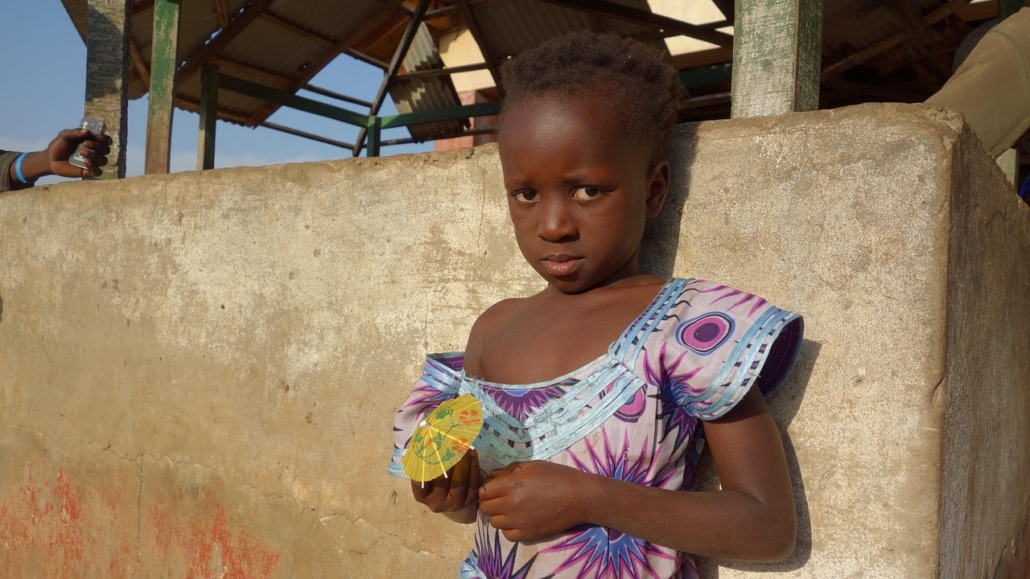
wells in KenyaThroughout Kenya, women and girls are responsible to collect water and often spend a significant amount of time each day walking to collect water. Not only do these walks expose them to harsh weather, dangerous terrain and potential attacks, but the water collected often comes from a polluted source.

Those walking for water often walk an average of 4 miles round trip. This can take multiple hours as the terrain is rough and the weather can be brutal. During the dry months when there is no rain, water cannot be collected from waterholes and will instead be retrieved from rivers infested with crocodiles. The walk to the river is more than six miles.

As young girls walk multiple times each day, they often lose the opportunity to receive education while also enduring health risks, social disparities, and environmental impacts.

Risks

As the walk for water takes up most of their day, children and, in particular, young girls, often miss school or do not focus properly on their studies. This lack of education allows a cycle of poverty to continue and limit future employment or economic advancement for these Kenyan families.

When collecting water, there is often no way of filtering out the dirt and bacteria in the water. The dirt and bacteria within the water causes the water to regularly run brown and serious waterborne diseases can easily be contracted.

Besides the risk of waterborne diseases, these Kenyan families often do not have enough water for proper hygiene and sanitation. This creates an environment where diseases such as respiratory illnesses, diabetes, diarrhea, malaria, typhoid and HIV will thrive.

Organizations Providing Clean, Sustainable Water

United Mission Relief (UMR) helps communities in Kenya with food insecurity, economic instability and health issues. They provide an initiative that trains women and children in water-efficient farming methods while giving hands-on experience and entrepreneurial skills in order to create some financial independence.

Water For Life Charity has projects providing wells in Kenya. The organization selects the best location for a well, then conducts a survey to choose an area with water bearing zones present before installing a well.

Water Wells For Africa is an organization that has installed more than 500 wells in Kenya for 29 years. Along with these pumps, they have seen a decrease in waterborne diseases. Many of the pumps installed are built to last and easy to maintain, many of which have already lasted 20+ years.

The Water Project works to equip, train and fund non-governmental organizations (NGOs) that have an established presence in countries such as Kenya, Uganda and Sierra Leone. These NGOs work with The Water Project to provide clean water with reliable access as well as maintenance for installed wells.

Improving Lives

The WellBoring Organization provided wells in Kenya to 40 schools and observed the long-term impacts. The results of the observation showed more education access as enrollment increased by more than 10% with only a 5% absenteeism rate.

As the organization provides safe water to more than 300 schools, the increase in school attendance rose to the millions. Schools with 500 students now have 75 additional students, as children would no longer have to take time out of their day to get water.

The promotion of hygiene practice, along with access to safe water, enhances community health. A significant reduction in waterborne diseases occurred in these communities because of easily accessible and clean water that these wells in Kenya provide.

– Eva Wakelin

Eva is based in Atlanta, GA, USA and focuses on Good News and Technology for The Borgen Project.

Photo: Flickr
August 14, 2025
https://borgenproject.org/wp-content/uploads/borgen-project-logo.svg 0 0 Naida Jahic https://borgenproject.org/wp-content/uploads/borgen-project-logo.svg Naida Jahic2025-08-14 07:30:332025-08-14 06:55:39Building Wells In Kenya: A Change For Education
Africa, Global Poverty, Period Poverty

Bidipads: Menstrual Products in Uganda Refugee Settlement

bidipadsAn initiative in Bidibi, Uganda, is expanding access to menstrual and hygiene products within refugee settlements. This project, known for their production of “bidipads,” consists of both refugees and community members. The initiative promotes proper menstrual hygiene through the production of reusable sanitary pads, as well as soap, women’s underwear, and garments. In addition to supplying the community with sanitary products, it also focuses on community education and stigma management surrounding menstruation. HEKS/EPER (Swiss Church Aid Uganda) in partnership with Yumbe Gender-Based Violence Network (YUGNET) started the Bidipad project in Uganda.

Refugee Settlements in Uganda

Uganda is home to the largest number of refugees within East Africa, serving as a place for safe settlement for more than 1.2 million asylum seekers. The country of origin for many of these refugees is South Sudan or the Democratic Republic of Congo, both of which have faced instances of extreme instability in recent years.

Established in 2016. Bidibi is a settlement within the Yumbe district to address the influx of South Sudanese refugees. In less than a year, this settlement became home to a quarter million refugees, reaching its maximum capacity and making it one of the largest refugee settlements in the world.

Bidipads

Within Bidibi, several groups have come together to establish an initiative to improve menstrual hygiene within the community. The initiative does this by employing women within the settlement to manufacture hygiene products ranging from reusable pads to soap. The bidipads project is formatted in a cooperative structure with 30 women from the settlement and 30 women from the host community participating at a time, according to the Global Compact on Refugees.

This employment opportunity allows for increased economic empowerment for the participating women, something desperately needed after the relocation that these refugees have faced. As one of the women in the cooperative remarked, “I am very happy to be part of the training. The skills I have acquired here will improve my life and ensure that I am always self-employed. For me, this is my biggest joy because as a refugee, we are always dependent, and I am tired of this dependency,” Global Compact on Refugees reports.

Community Education

Along with the production of menstrual and hygiene products, this initiative also seeks to educate and reduce stigma around menstruation within the refugee community. It seeks to do this in both home and school environments, hoping to encourage a change in perspective around menstruation on a large scale. When developing this initiative, members of the cooperative hosted a workshop to brainstorm how physical products can contribute to stigma reduction in the community. Considerations around religious and cultural backgrounds are part of the design of the products, including color and cleaning instructions. In doing this, the initiative takes a necessary hygiene product and transforms it into a tool for women and girls that is free from awkwardness and shame.

The Future

Working within the Bidibi community, organizations like HEKS/EPER and YUGNET have come together to help the refugee women of Uganda on several fronts. Through the Bidipads initiative, women receive employment and empowerment within their wage-earning status, while receiving necessary hygiene products and educational programming to address cultural stigmas around menstruation.

– Gwyneth Connor

Gwyneth is based in Kensington, MD, USA and focuses on Global Health for The Borgen Project.

Photo: Flickr
August 13, 2025
https://borgenproject.org/wp-content/uploads/borgen-project-logo.svg 0 0 Naida Jahic https://borgenproject.org/wp-content/uploads/borgen-project-logo.svg Naida Jahic2025-08-13 03:00:302025-08-13 03:05:07Bidipads: Menstrual Products in Uganda Refugee Settlement
Africa, Technology

Mobile Banking: How Internet Access is Reducing Nigerian Poverty

Reducing Nigerian PovertyAccording to 2018 data, 30.9% of Nigerians lived in conditions of extreme poverty. As modernization advances and access to smart technologies becomes more widely available, researchers observe how the positive correlation between the availability of high-speed internet tools and mobile banking is reducing poverty in Nigeria. With these positive research findings, the Nigerian government has acknowledged the necessity of internet availability in poverty reduction initiatives like its National Broadband Plan.

Poverty in Nigeria

Based on data from the World Bank, poverty significantly impacts Nigeria. The 2025 research shows nearly one-third of Nigerians live on less than $2.15 per day. Inequality in poverty is also drastically exacerbated by region. Research from 2018/19 found that 46.5% of residents within Nigeria’s northern provinces experienced poverty compared with 13.5% of those in Nigeria’s south.

Efforts to reduce extreme poverty have slowed since before the recent COVID-19 pandemic. Lack of national economic policy transformation has only exacerbated the Nigerian struggle of increasing employment opportunities. This has left the majority of living conditions suboptimal. Though Nigeria’s government has made macroeconomic changes to stimulate the economy, income has remained unable to keep up with sustained inflation, the World Bank reports.

Growth in Technology

As modernization brings technological access around the globe, nations experiencing substantial poverty bear the benefits. Smartphone technology has brought both global connectivity and the availability for benefiting from applications which require the internet. The 2018 Pew Research data found that 32% of Nigerians own a smartphone. Though figures show that smartphone ownership is broadly stratified by income, Nigeria has notably high low-income ownership compared to other sub-Saharan nations.

In 2018, 93% of high-income Nigerians owned smartphones, alongside 74% of low-income Nigerians. With ownership rates soaring overall, a 2020 GSMA and the World Bank study named Nigeria as “the largest mobile market and economy in Africa.”

Reducing Nigerian Poverty

Other global research studies have found a link between internet access, mobile banking, and reductions to national poverty rates. The 2020 GSMA and World Bank study focused on monitoring the effects of internet access on Nigerian poverty. In addition to the study’s assertion of Nigeria as one of Africa’s mobile giants, researchers found that after two years of broadband internet access, 2.5 million Nigerians had escaped extreme poverty. Additionally, the study noted how Nigerian households in rural areas benefited more substantially than those in urban communities.

The benefit of internet access experienced by impoverished Nigerians in rural communities is one reflected in a 2023 national survey. Conducted by the Department of Finance and Banking at the Rivers State University in Nigeria, scholars cited how rural communities often lack local banking branches. 2018 data from the World Bank noted that Nigeria has only 4.3 banks per 100,000 people. With access to the internet for these rural communities, mobile banking allows the ease of financial literacy without the necessity of extensive travel.

The study notes statistical evidence that mere knowledge around savings, payments, and credit positively impacts the poor and the success of new businesses. The researchers concluded that digital payment platforms provide substantial poverty alleviation for Nigerians in the Rivers State with implications for the nation at large.

Companies/Governmental Initiatives

In light of these findings that internet access is reducing Nigerian poverty, the national government has recently sought to expand broadband across the country. As Nigeria’s economy continues to stagnate, government officials see the availability of broadband as a possible solution for future economic growth.

The Broadband Strategic Plan 2020-2025 focuses on providing free nationwide areas where Nigerians can access the internet free of charge. Though the government has designated 75 public places itself (like airports, universities, marketplaces), Nigeria’s seven state governments have instituted their own initiatives for free Wifi. The Edo State government, for example, launched its “Free Wifi Initiative” in June 2023. The initiative provides free 24-hour internet coverage in both governmental and recreational areas, according to ICT Works.

Mobile Money on the Rise

As Nigeria continues to promote free internet access for its citizens, access and usage of mobile banking have only increased. In addition to governmental Wifi initiatives, institutions such as the Central Bank of Nigeria have planned to highlight their mobile framework.

In its 2024 Report on Mobile Money, the GSMA cited how in 2022 alone, Nigeria saw exponential growth in the usage of online banking services. As evidence proves that internet access is reducing Nigerian poverty, the continuance of government broadband initiatives and financial education programs could continue to be instrumental in this national eradication of hardship.

– Piper Aweeka

Piper is based in AReno, Nevada, USA and focuses on Technology and Solutions for The Borgen Project.

Photo: Flickr

August 12, 2025
https://borgenproject.org/wp-content/uploads/borgen-project-logo.svg 0 0 Naida Jahic https://borgenproject.org/wp-content/uploads/borgen-project-logo.svg Naida Jahic2025-08-12 07:30:012025-08-11 11:11:50Mobile Banking: How Internet Access is Reducing Nigerian Poverty
Africa, Economy, Global Poverty, Health

Vaccinations in Africa: How Gavi Advances Economic Development

Vaccinations in AfricaFor decades, Africa has faced a dangerous dependency: carrying some of the world’s highest disease burdens while producing less than 1% of its vaccines. This reliance on imports has long limited access to life-saving vaccinations in Africa, slowing responses to health emergencies and straining national development across the continent.

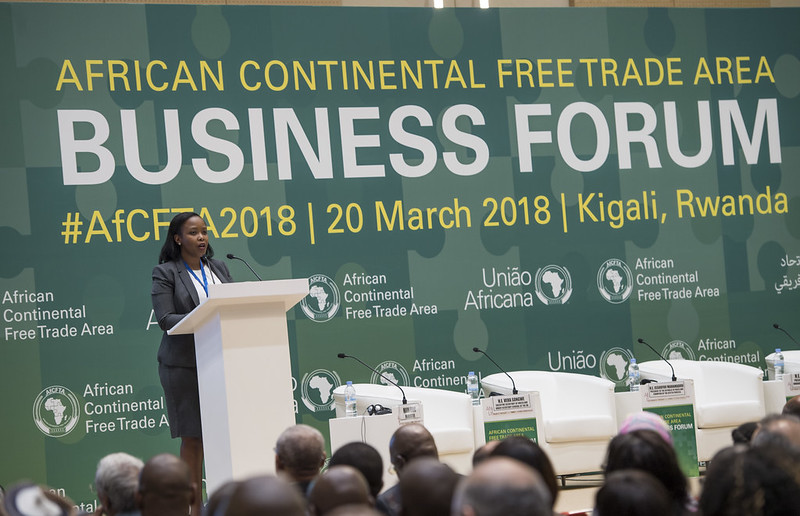
To reshape this narrative, Gavi, the Global Vaccine Alliance, is laying the foundations for a thriving, self-sustaining vaccine economy for the continent. Through continental partnerships, investments and innovations, the international organization created to ensure vaccine security is working to transform African health policy. The goal is to shift it from a long-standing area of weakness into a pillar of long-term economic strength.

Initiating Local Manufacturing

The COVID-19 pandemic exposed the risks of global supply chain disruptions and the weakness of economies reliant on vaccine importation. Many African countries struggled to access vaccines in the early rollout, sparking calls for regional self-reliance. In response, the African Union set a bold goal: to produce 60% of the continent’s vaccine needs locally by 2040, with Gavi central to achieving that ambition.

Through initiatives like the African Vaccine Manufacturing Accelerator, Gavi is shaping markets, lowering barriers and mobilizing funding to grow production capacity across the continent. More than 30 African vaccine manufacturing initiatives are now in motion, supported by a mix of government leadership and international investment. These efforts aim to build a sustainable, locally based supply of vaccines for routine immunizations. By producing vaccines within the continent, Africa is taking direct action to reduce its dependence on external sources and strengthen its resilience against future global health crises.

The strength of Gavi’s procurement and demand-forecasting models is crucial to growing an African vaccine economy. It allows local producers to see and rely on predictable, long-term vaccine demand figures. This crucial step sustains the development of a successful and relevant supply chain of vaccines within Africa, ensuring the local industries remain viable and successful as the continent builds to its 2040 goal.

Economic Growth Through Immunization

Gavi’s core mission of expanding access to immunization has driven development in Africa far beyond vaccine manufacturing. Vaccinations across Africa continue to deliver strong economic benefits, improving public health while boosting productivity and long-term growth. Healthier populations lead to fewer missed school days, lower health care costs and higher workforce productivity. According to Gavi, every $1 spent on vaccinations in Africa yields up to $21 in economic benefit through avoided illness, improved wages and long-term growth.

Since its inception in 2000, Gavi’s efforts have helped immunize more than 800 million children, averting more than 14 million deaths. In Africa alone, since 2000, coverage of the diphtheria, tetanus and pertussis (DTP3) vaccine across Gavi-supported African countries has increased from 52% to more than 70%. By building health systems around vaccine delivery, such as training workers, investing in cold chains and digitizing records, Gavi has strengthened public infrastructure in regions where such systems are often underfunded. This progress has not only saved lives but also helped countries make strides toward the Sustainable Development Goals.

Toward a Resilient Vaccine Future

A more secure future for African public health begins with Gavi’s support for the African Vaccine Manufacturing Accelerator. This initiative not only increases vaccine supply but also strengthens regional resilience against future pandemics. This resilience, however, is seen as only the starting point for an African vaccination economic sector. The developmental transition of African nations from Gavi support to self-financed immunization programs is hoping to create not just independence but also leadership in global health manufacturing.

In this vision, Gavi in Africa is more than a health initiative; it is an economic strategy, a security policy and a development model. As African-made vaccines begin protecting African communities, the continent moves closer to a future where health equity and economic strength go hand in hand.

– Tom Finighan

Tom is based in London, UK and focuses on Business and Global Health for The Borgen Project.

Photo: Flickr
August 10, 2025
https://borgenproject.org/wp-content/uploads/borgen-project-logo.svg 0 0 Hemant Gupta https://borgenproject.org/wp-content/uploads/borgen-project-logo.svg Hemant Gupta2025-08-10 07:30:452025-08-10 00:12:05Vaccinations in Africa: How Gavi Advances Economic Development
Africa, Global Poverty, Homelessness

Community Programs in Johannesburg and Pretoria

Community Programs in Johannesburg and PretoriaIn Johannesburg and Pretoria, cities in South Africa, it’s not just the government taking an active role in fighting against poverty; the cities’ communities are also taking active steps. Several volunteer community programs in South Africa, along with help from local universities, are striving to reduce homelessness and improve the lives of impoverished individuals in Johannesburg and Pretoria.

From setting up life training sessions and job safety nets to raising awareness through volunteer experience, the communities of Johannesburg and Pretoria are selflessly committed to poverty reduction in the cities.

U-Turn Homeless

One of the community programs in Johannesburg and Pretoria is U-turn Homeless Ministries (U-turn). The program is focused on raising awareness and correcting misconceptions about the homeless population in South Africa.

One of its most popular events involves citizens volunteering to spend a night on the streets to experience homelessness for one night. The event is done to raise awareness among citizens who are in a position to help and honor the homeless population.

The most recent U-turn event occurred on May 17, 2025, in Cape Town and Johannesburg, South Africa. The event also served as a fundraiser for homeless communities. Thanks to the strong turnout, enough funds were raised to provide 13,000 nights of shelter for 300 unhoused individuals.

The Community Work Program

One program prevalent in Johannesburg and Pretoria is the Community Work Program (CWP), which focuses on creating job safety nets for individuals. It offers many services to individuals looking for work and the unemployed youth.

The CWP helps establish mentorships to guide youth through difficult life situations and teach them how to handle them. In 2020, 43.2% of working-age youth in South Africa were unemployed. Programs like the CWP aim to reduce this number by creating safer and more accessible job opportunities for young people.

The Integrated Community Registration Outreach Program

The Integrated Community Registration Outreach Program (ICROP) focuses on reaching excluded and isolated individuals and communities. While its primary goal is inclusion, the broader objective is to reduce poverty significantly.

One of its biggest achievements was helping lower the national poverty rate from 57% to 45% in just four years. Furthermore, ICROP has also facilitated hundreds of thousands of child grant registrations and continues to expand its impact.

The University of Pretoria

The University of Pretoria (UP) stands out as a key driver of poverty reduction among South Africa’s many community programs. Indeed, UP has become a hub for integrating poverty solutions at both the local and national levels. The university has supported numerous student-led initiatives and volunteer efforts to tackle poverty in Pretoria.

It has also collaborated with international partners to address the root causes of poverty in South Africa. One example is the UP Law Clinic, which provides free legal assistance to low-income individuals. It involves law students directly in helping resolve legal issues that can trap people in cycles of poverty.

Conclusion

While the road to ending poverty in South Africa is still long and difficult, it’s encouraging to see that the fight isn’t left to the government alone. Citizens and communities across the country are stepping up with determination and compassion to drive real change.

– Russell Bivins

Russell is based in Phoenix, AZ, USA and focuses on Good News for The Borgen Project.

Photo: Flickr

August 10, 2025
https://borgenproject.org/wp-content/uploads/borgen-project-logo.svg 0 0 Hemant Gupta https://borgenproject.org/wp-content/uploads/borgen-project-logo.svg Hemant Gupta2025-08-10 03:00:332025-08-09 23:52:57Community Programs in Johannesburg and Pretoria
Africa, Global Poverty, Health

How Telemedicine in Sierra Leone is Improving Health Care Access

Telemedicine in Sierra LeoneSince the civil war, the health care system in Sierra Leone has suffered immense destruction, the infrastructure is lacking proper medical supplies and trained personnel, and the country is still struggling with infectious diseases like malaria and HIV/AIDS. Sierra Leone has among the lowest life expectancy rates in the world.

Most Sierra Leonean people live in rural areas (55%). This poses an inconvenience when it comes to reaching medical care, which is mainly available in urban areas, considering the deteriorated road and railway networks.

About Telemedicine

Telemedicine has emerged in the last decades to bridge the gap of health care access for difficult-to-reach areas around the world as well as for individuals who struggle to meet appointments by providing medical attention from a distance using electronic devices. This innovation can range from teleconsultation, where the patient can express symptoms to their doctor through a laptop, to telesurgery, where a surgeon uses robotic technologies to perform a surgery on their patient remotely.

The use of telemedicine in Sierra Leone could be a game-changer for the health care system.

Mobile Health

In 2011, when health workers and traditional birth attendants received phones, SIM cards, solar panel powered battery chargers and a virtual private network as well as proper training on how to use them, they reported a significant improvement in health care access in the Bombali district.

Health workers called their clients to remind them about appointments and inform them about the arrival of their medicine. Instead of regular in-person meetings, which could be challenging for patients living far from health facilities.

People started utilizing health services more after the provision of cell phones, and the remote communication with the health workers strengthened the clients’ trust and notified them of the workers’ availability and the need for another visit. The health workers’ phone reminders encouraged their clients not to miss their appointments.

The cell phones not only reinforced communication between the health workers and their clients but also between health workers themselves, they called to inform each other about the delegation of duties as well as the schedule of meetings and activities. This stronger collaboration has eased the decision to refer ambulances, which then led to timely arrivals of ambulances and the rescue of urgent cases.

Remote Patient Monitoring

Remote patient monitoring has significantly changed the healthcare system around the world, but particularly in countries that lack access to health establishments and social health specialists in rural areas.

The Sierra Leone Telemedicine Network has been operating since 2009 and has allowed patients in rural areas, otherwise deprived of proper care, to receive at-home consultations through their digital devices, like desktops or cell phones, without having to travel long distances.

This monitoring technique usually involves the use of wearable devices that measure the patient’s vital signs from a distance.

A recent study in Sierra Leone used wearable gadgets capable of measuring the heart and perspiration rate of hospitalized patients with Lassa fever remotely. Though most of the data was discarded for poor quality, indicating the need for funding to enhance the effectiveness of these devices.

Health Care Initiatives

Several initiatives have been made to alleviate the struggle of health care access for the civilians of Sierra Leone. The Minister of Health Dr Demby has inaugurated the first nationwide Health Train Campaign earlier this year. It aims to travel to all districts of the country to study the available health care resources, identify the needs and supply civilians with immediate and adequate medical attention. It seeks to follow the “Life Stages” design so that people at different stages of life, whether children, young adults, pregnant women, elderly people, receive the appropriate care they need.

In 2010, UNICEF, launched the Free Healthcare initiative (FHCI), which offered pregnant and lactating women, children under the age of 5, disabled people and Ebola survivors with free medical care and supplies in the hopes to combat the abnormally high mortality and morbidity rates among these vulnerable groups in the country.

The Rural Health Care Initiative has worked diligently to strengthen healthcare access in Sierra Leone’s rural areas. It provides medicine and transportation for patients, medical attention to expecting mothers and their newborns, malaria diagnoses and immunizations for children and help grow the country’s agricultural system by cultivating sustainable food and supporting farmers.

Conclusion

Telemedicine in Sierra Leone has played a huge role in improving healthcare, enhancing health worker performance, strengthening the relationship between the healthcare providers and the patients, delivering timely and accurate higher quality care and bridging the gap towards receiving medical attention for people living in rural, hard to reach areas. Although the current infrastructure available in Sierra Leone consists of many obstacles for telemedicine, the evolution of the healthcare system is a slow work in progress.

– Yasmine Belabed

Yasmine is based in Algeria and focuses on Technology and Global Health for The Borgen Project.

Photo: Flickr

August 7, 2025
https://borgenproject.org/wp-content/uploads/borgen-project-logo.svg 0 0 Naida Jahic https://borgenproject.org/wp-content/uploads/borgen-project-logo.svg Naida Jahic2025-08-07 01:30:062025-08-08 04:55:54How Telemedicine in Sierra Leone is Improving Health Care Access
Page 2 of 24‹1234›»

Get Smarter

  • Global Poverty 101
  • Global Poverty… The Good News
  • Global Poverty & U.S. Jobs
  • Global Poverty and National Security
  • Innovative Solutions to Poverty
  • Global Poverty & Aid FAQ’s
Search Search

Take Action

  • Call Congress
  • Email Congress
  • Donate
  • 30 Ways to Help
  • Volunteer Ops
  • Internships
  • Courses & Certificates
  • The Podcast
Borgen Project

“The Borgen Project is an incredible nonprofit organization that is addressing poverty and hunger and working towards ending them.”

-The Huffington Post

Inside The Borgen Project

  • Contact
  • About
  • Financials
  • President
  • Board of Directors
  • Board of Advisors

International Links

  • UK Email Parliament
  • UK Donate
  • Canada Email Parliament

Get Smarter

  • Global Poverty 101
  • Global Poverty… The Good News
  • Global Poverty & U.S. Jobs
  • Global Poverty and National Security
  • Innovative Solutions to Poverty
  • Global Poverty & Aid FAQ’s

Ways to Help

  • Call Congress
  • Email Congress
  • Donate
  • 30 Ways to Help
  • Volunteer Ops
  • Internships
  • Courses & Certificates
  • The Podcast
Scroll to top Scroll to top Scroll to top