• Link to X
  • Link to Facebook
  • Link to Instagram
  • Link to TikTok
  • Link to Youtube
  • About
    • About Us
      • President
      • Board of Directors
      • Board of Advisors
      • Financials
      • Our Methodology
      • Success Tracker
      • Contact
  • Act Now
    • 30 Ways to Help
      • Email Congress
      • Call Congress
      • Volunteer
      • Courses & Certificates
      • Be a Donor
    • Internships
      • In-Office Internships
      • Remote Internships
    • Legislation
      • Politics 101
  • The Blog
  • The Podcast
  • Magazine
  • Donate
  • Click to open the search input field Click to open the search input field Search
  • Menu Menu

Archive for category: Africa

Africa, Global Health, Global Poverty

Silent Killers: Neglected Tropical Diseases in South Sudan

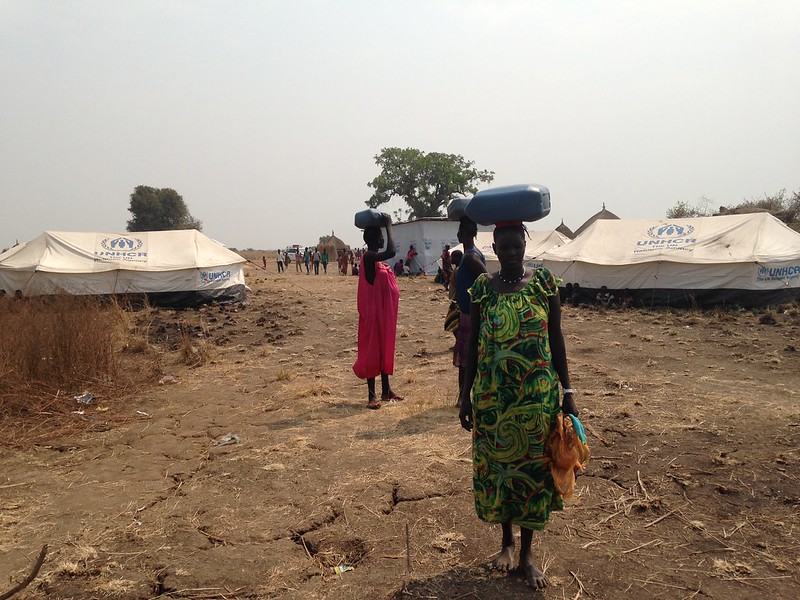
Neglected Tropical Diseases south sudanSouth Sudan has suffered nearly a decade of conflict and is one of the countries most heavily affected by neglected tropical diseases in the world. The conflict caused almost irreparable damage to the nation’s social support structures that have only in recent years been improving with the help of external humanitarian organizations. Continent-wide diseases such as HIV/AIDS, malaria and pneumonia place a heavy burden on South Sudan. However, many neglected tropical diseases are also rife within the nation, acting as silent killers that hugely contribute to the country’s mortality rate yet garner far less attention and aid than is needed to combat the outbreaks.

Civil War and the Health Care System

The South-Sudanese Civil War occurred from 2013 to 2020 due to President Salva Kiir’s accusation towards Riek Machar, former deputy, and 10 others of attempting to start a coup d’etat. Conflict broke out between the Sudan People’s Liberation Movement (SPLM) and the Sudan People’s Liberation Movement-in-Opposition (SPLM-IO), devastating the country’s social structures, such as the democratic institutions, the weak economy and the fragile healthcare system. South Sudan currently ranks third in the world on the Fragile States Index.

The war catalyzed a vast humanitarian crisis that shook the very core of the nation, destabilizing the basic structures and needs for the population to survive. The inflation rate soared, reaching a peak of 835%, which made commodity prices exponentially rise and plummeted the value of the Sudanese Pound. Millions fled their homes during the conflict, leaving them displaced in a famine and relying on an already-overwhelmed health care system.

In 2020, essential health care coverage stood at 44% and critical care services such as child health care were at risk due to shrinking national fiscal space. Additionally, at the height of the COVID-19 pandemic in 2021, more than 8 million people out of the total 13 million population needed humanitarian aid.

Neglected Tropical Disease Outbreak

The World Health Organization (WHO) recognizes 20 neglected tropical diseases, 19 of which affect South Sudan. While South Sudan has been formulating plans and programs to combat neglected tropical diseases for decades, progress is slow and has only in recent years bolstered more support.

In 2008, the Ministry of Health identified the top neglected tropical diseases that affected South Sudan: visceral leishmaniasis (VL), human African trypanosomiasis (HAT), onchocerciasis, dracunculiasis (Guinea worm), lymphatic filariasis (LF), schistosomiasis, trachoma and soil transmitted helminths (STH).

The ministry recommended the use of integrated mass drug administration (MDA), however, it feared that “the existing financial resources and global political commitment are not sufficient to reach the goals of elimination or control by 2020 at the latest.”

Indeed, in the 2016-2020 South Sudan National Master Plan, it outlined that “the allocation of funds to states and countries through inadequate, lacks guidance on allocation of funds to specific programs areas such as NTD control.” In 2008, the Ministry of Health estimated that around 3.9 million people were at risk of trachoma in surveyed areas, and in 2024, South Sudan remained with the highest prevalence of active trachoma anywhere in the world, with up to 80% of children under 9 suffering from the condition.

The Good News

The story is not all bleak, however, as the continued efforts have been gradually paying off. The 2023-2027 South Sudan NTDs Master Plan details that increased attention has allowed for “significant strides globally in the control, eradication and elimination of NTDs.” These positive steps include 70-80% member states previously NTD-endemic in 2020 now declaring the elimination of at least one disease, 44 member states certified free of guinea-worm disease compared with 2020, and 44 states fully mapped for PCT-NTDs (preventative chemotherapy NTDs) compared with 2020.

With support from the WHO, since 2021, the country has managed to treat almost 17 million people for river blindness, elephantiasis, bilharzia, trachoma and soil-transmitted worms. Additionally, a treatment drive in 2023 traveled house-to-house, performing MDA against bilharzia. Increased awareness and education efforts are allowing isolated villages to receive more accessible treatment diseases; Dr Aja Kuol, the president of South Sudan’s Ophthalmologic Association and first South Sudanese female ophthalmologist has been travelling across the country with her team to perform sight-restoring operations to those suffering from sight-related diseases, reaching almost 4,700 people in 2023, The Telegraph reports.

Lastly, the Centers for Disease Control and Prevention (CDC) introduced Project ECHO, which aims to reduce clinical variations and improve the quality of care for patients. As of 2024, the project conducted nearly 200 sessions and 3,500 health care workers across the nation have received the training.

Closing Remarks

The civil war in South Sudan caused not only physical mass destruction and damage but also took a huge mental toll on the population. The efforts to combat neglected tropical diseases across the country have been slow and demoralizing at times, however, the effort has paid off. Now that the society is breaking initial barriers such as poor awareness and education, the country can expect improvement, with the most recent master plan facilitating “multi-sectoral collaboration” that can achieve the nation’s vision of a neglected tropical disease-free country.

– Helena Pryce

Helena is based in Nottingham, UK and focuses on Global Health and Politics for The Borgen Project.

Photo: Flickr

April 8, 2025
https://borgenproject.org/wp-content/uploads/borgen-project-logo.svg 0 0 Naida Jahic https://borgenproject.org/wp-content/uploads/borgen-project-logo.svg Naida Jahic2025-04-08 07:30:052025-04-07 13:30:18Silent Killers: Neglected Tropical Diseases in South Sudan
Africa, Conflict

Volunteers in Sudan: Groups Fighting War Challenges

volunteers in sudanAfter the battle began in April 2023, the current state of affairs in Sudan witnessed rising levels of violence and humanitarian crises. Millions of people have fled their homes as a result of clashes between the Rapid Support Forces and the Sudanese Armed Forces; 2.1 million people are refugees worldwide, while 11 million faced displacement within Sudan.

The nearly two-year struggle between the Sudanese army and the rebel-turned-paramilitary Rapid Support Forces has had a particularly negative impact on women and children. War criminals often utilize sexual abuse as a weapon of war, while essential health facilities in conflict zones do not exist anymore.

However, as part of a larger community response to the worst humanitarian crisis in history, committed, women-led mutual assistance organizations have been established to provide psychological, medical, and economic help to many individuals in need. Sennar Women’s Association began its work by helping women and girls who RSF displaced. The organization’s main goals are to give pregnant women vitamins, sanitary supplies, and first aid to victims of sexual assault.

Sennar Women’s Association

The groups of women volunteers in Sudan, alongside women’s reaction rooms, are an important component of the larger emergency response rooms, which are youth-led and neighborhood-based solidarity networks, according to The New Humanitarian. These networks, which currently number several hundred nationwide, are based on Sudan’s rich history of social cooperation. Thousands of volunteers run them, preparing meals every day and maintaining utilities like water and electricity.

Since international relief organizations have not been able to regularly reach war areas, mutual aid has been extremely important in Sudan. This is even though the war has caused the greatest food crisis in history, with famine found in at least five locations and the largest displacement disaster in history, according to The New Humanitarian.

Challenges

In an interview with The New Humanitarian, volunteers in Sudan claimed that the organizations provide a lifeline for a large number of women and girls, claiming that the international assistance response has particularly overlooked their needs. According to them, the clubs also provide a network of support to help members deal with the battle.

However, according to the volunteers, they encounter an overwhelming variety of difficulties, including sexual assault by RSF soldiers and restrictions by army-affiliated officials on their access to displacement camps, where women are sometimes most in need. Volunteers reported that they do not have sufficient funding either. Although their organizations receive some financial assistance from foreign donors, it is a small portion of what the U.N. and foreign NGOs receive, despite their relatively limited access.

Unpaid volunteers frequently burn out, and communal kitchens frequently close due to the minimal funding that Sudanese benefactors and diaspora groups provide to mutual assistance organizations, according to The New Humanitarian.

How They Help

The women’s response rooms have found time to create and run educational and recreational facilities for children who do not go to scohol, even though a large portion of their work focuses on emergency, according to The New Humanitarian.

While some volunteers in Sudan reported operating literacy, numeracy and art-focused programs and safe spaces, others stated their centers have shut down due to a lack of long-term funding for teacher salaries and school supplies. Additionally, volunteers talked about managing economic empowerment initiatives that involve skill-training courses and the encouragement of small cooperatives involved in regional crafts like handicrafts and soap production.

The communal organizing has positively surprised several volunteers in Sudan, and they have stated that they would like to use it as a launching pad for future feminist activity after the war is over, highlighting how important the work of organizations is during the challenging periods of wartime.

– Taylor Naquin

Taylor is based in Gilbert, AZ, USA and focuses on Good News and Technology for The Borgen Project.

Photo: Flickr

April 5, 2025
https://borgenproject.org/wp-content/uploads/borgen-project-logo.svg 0 0 Naida Jahic https://borgenproject.org/wp-content/uploads/borgen-project-logo.svg Naida Jahic2025-04-05 04:05:522025-04-05 04:05:52Volunteers in Sudan: Groups Fighting War Challenges
Africa, Global Poverty, USAID

USAID Programs in Cameroon

USAID Programs in CameroonCameroon evolved into one of Africa’s most prosperous nations following its triumphant independence in 1960; however, significant GDP reductions plunged the country into a 10-year recession. While economic recovery progressed in the early 2000s, Cameroon’s poverty reduction rates stagnated, where in 2022, a significant portion of the population lived on just $2.15 per day. The United States, a global leader in humanitarian assistance, responds to such inequity with relief initiatives from the U.S. Agency for International Development (USAID). Today, USAID programs in Cameroon actively improve health, maintain security and governance and ensure economic development for more than 27 million Cameroonians. 

Health Programs

Health crises remain the greatest threat to Cameroon, where communicable diseases like malaria, tuberculosis and HIV dominate the West African region’s total morbidity and death rates.

  • Malaria claims the most lives of children under five .
  • Cameroon had 164 tuberculosis cases per 100,000 people in 2021.
  • Estimates in 2023 indicated that 500,000 people in Cameroon had HIV.

This regressive health trend eventually necessitated USAID programs in Cameroon that lowered health care costs, secured basic access and increased productivity and wages. 

The Global Health Supply Chain Program – Procurement and Supply Management (GHSC-PSM) is a USAID-sponsored initiative heightening the availability and accessibility of essential medicines and commodities by reinforcing the pharmaceutical supply network. GHSC-PSM subsidiaries like the U.S. President’s Malaria Initiative (PMI) deliver more than 8 million malaria preventive treatments annually. Additionally, the Last Mile Delivery (LMD) program of 2022 guaranteed regular deliveries of HIV commodities by developing optimized routes to “all 320 facilities across all 10 Cameroon regions.” From 2020 to 2021, the LMD program increased the health facility order submission rate by 76%.

Furthermore, the President’s Emergency Plan for AIDS Relief (PEPFAR) supports Cameroon’s efforts toward universal health coverage (UHC), ensuring unimpeded access to essential health services, especially for those living with HIV. PEPFAR initiatives and the UHC program help alleviate up to 70% of health care costs for Cameroonians, who statistically cannot afford direct payments. Among several key accomplishments, the UHC program, as of 2024, insures more than 2.5 million individuals in Cameroon.

Security and Governance Programs

Security is a primary concern for USAID and Cameroon, as the ongoing Anglophone-Francophone disputes continue dividing the Northwest and Southwest regions. Since 2016, the conflict has disproportionately affected women and children, resulting in at least 6,500 deaths. Violence is often rooted in extreme poverty in these rural areas, where disagreements erupt between Cameroon security forces and armed separatists jockeying over access to scarce government resources. As both sides vie for political power, students, teachers and humanitarian workers face invasions, human rights violations and restricted access to educational and health care services. The Global Centre for the Responsibility to Protect revealed that 1.8 million Cameroonians in 2025—both Francophone and Anglophone—lack humanitarian assistance, with approximately 583,000 internally displaced individuals.

Ultimately, USAID programs in Cameroon work to empower communities by circumventing violent, poverty-inducing extremism. The Cameroon Peace Promotion Project is a USAID-funded initiative dedicated to strengthening communities by working with radio stations to deter extremist rhetoric and encourage community engagement and peace throughout Cameroon. The CPP Project strengthens Cameroon’s governance over regional terrorist organizations, assists maritime security in the Gulf of Guinea, contributes to regional stability and promotes respect for education, democratization and Cameroonian human rights. In 2021 alone, more than 10 radio stations reached approximately 2.5 million listeners.

Economic Development Programs

Initially estimated at a 4% increase, 2023 revealed decelerated GDP in Cameroon, falling to 3.3% from 3.6% due to weak economic infrastructure, volatile inflation and persistent internal conflicts delaying the region’s financially gainful sectors. Prioritizing potential profitability, USAID programs in Cameroon restructure the country’s financial orientation to increase revenue, ensure economic safety and promote economic expansion: 

  • Feed the Future (FTF): Feed the Future is a USAID-led initiative prioritizing agricultural and research development for increased productivity, agriculture optimization and enhanced land tenure and market accessibility. In Cameroon, agricultural transformation helps fiscally support more than two-thirds of the entire population.
  • Prosper Africa: Prosper Africa is a U.S.-led initiative facilitating trade and investment between U.S. businesses and African countries, focusing on digital, agribusiness and renewable energy sectors. Prosper Africa supports projects in Cameroon that offer higher wages, new jobs and clean energy while preserving business relationships with the U.S. worth $22 billion.
  • Power Africa Off-Grid Program (PAOP): This program is a USAID electrification expansion program providing technical assistance and targeted grant funding to private sector power generating companies. Despite having plentiful resources, Cameroon faces frequent electricity outages due to dated infrastructure. However, with PAOP, Cameroon could observe significant energy sector advancements while presenting opportunities for U.S. companies to capitalize on the prevalent hydropower in the region, which remains untapped at just 4%.

Concluding Thoughts

Founded in 1961 by President John F. Kennedy, USAID catapulted American influence and foreign policy globally. However, on March 10, 2025, Secretary of State Marco Rubio cut 83% of funding for USAID, effectively slashing humanitarian assistance to 160 countries and regions. Without USAID programs in Cameroon, this could weaken governance, increase conflict geography and social inequities and compromise economic and health security. While known as “Africa in miniature,” Cameroon could largely depend on U.S. competitors for foreign aid, should the Trump administration continue dismantling USAID — a vital bridge to prosperity for many impoverished nations.

– Marcus Villagomez

Marcus is based in Dallas, TX, USA and focuses on Business and Good News The Borgen Project.

Photo: Flickr

April 5, 2025
https://borgenproject.org/wp-content/uploads/borgen-project-logo.svg 0 0 Jennifer Philipp https://borgenproject.org/wp-content/uploads/borgen-project-logo.svg Jennifer Philipp2025-04-05 04:05:512025-04-23 19:30:25USAID Programs in Cameroon
Africa, Global Poverty, Water

How Development Workshop is making a difference in Angola

development workshopAngola is located in Southern Africa and borders Namibia, the Democratic Republic of Congo and Zambia. It became an independent state in 1975 and has since garnered a population of 36.75 million. Angola has a high poverty rate of 51.1%. Many of its citizens are also plagued with a lack of food supply. Studies show that approximately 37.6% of children aged less than 5 years suffer from suppressed growth. Fortunately, many NGOs have stepped forward to take the initiative. The first of its kind is Development Workshop.

Development Workshop

Founded in 1981, Development Workshop was “the only NGO in the country’ for many years. On its website, the organization states: “We have continuously worked with our partners to build and empower local capacities and search for sustainable solutions throughout and post, the emergency environment.”

Development Workshop has significantly contributed to water sanitation in Angola. From 1995 to 1998, it provided advice on the country’s water system expansion project. This project was a part of the Luanda Infrastructure Program; it gathered insights into community water needs and their willingness to pay for these services. This data helped inform the expansion of the city’s main water supply network, benefiting over a million residents to this day.

Aside from this massive endeavor, Development Workshop also helped in the restoration of the Huambo Water supply system and its damaged infrastructure, providing even more access to safe drinking water. These improvements affected around 130,000 people.

Helping the Society

To provide a voice for the community, Development Workshop also founded the paper Ondaka. This is a local newspaper that states the ideas and opinions of groups in Angola.

Recently, the organization launched the “Espaco Muhler” project, focusing on providing training and resources to enhance women’s participation in the community. Through this program, women learn the skills to take on leadership roles within their communities. The project also offers workshops on entrepreneurship and small business management. Furthermore, women also learn about the rights they possess such as land ownership, inheritance and protection against gender-based violence, which is prevalent in Angola. According to UNICEF, “almost 34% of women have been survivors of violence throughout their lives.”

Digital Workshop also established KixiCredito, a microfinance agency that aims to provide small loans to entrepreneurs who could not get them from traditional banks. Since then, KixiCredito now operates in 17 Angolian provinces and serves more than 25,000 active clients.

Development Workshop has been extremely successful since its founding. It has partnered with numerous equally successful organizations such as the Bill and Melinda Gates Foundation, UNICEF, USAID and Homeless International. It has made a huge impact on the lives of Angolans and will hopefully continue to do so.

– Mustafa Tareen

Mustafa is based in Lahore, Punjab, Pakistan and focuses on Global Health and Celebs for The Borgen Project.

Photo: Flickr

March 30, 2025
https://borgenproject.org/wp-content/uploads/borgen-project-logo.svg 0 0 Naida Jahic https://borgenproject.org/wp-content/uploads/borgen-project-logo.svg Naida Jahic2025-03-30 01:30:242025-03-29 04:43:47How Development Workshop is making a difference in Angola
Africa, Development, Global Poverty

CPF in Madagascar

cpf madagascarMadagascar is the world’s fifth-largest island just off the coast of Africa with a population of about 30.3 million. As of 2023, 80.7% of these 31.2 million people live in poverty. In the south and southwest regions of Madagascar, natural disasters make this number soar to about 91.2% in these areas. However, hope still exists for the citizens of Madagascar, as with the support of the World Bank Group, a new Country Partnership Framework (CPF) in Madagascar will be in effect for four years between 2023-2027. The CPF is a World Bank’s plan/strategy to amplify its goal to end extreme global poverty.

CPF in Madagascar: Employment and Natural Disasters

The CPF in Madagascar specifically caters to Madagascar’s needs, and overall aims to lessen poverty rates, provide long-standing solutions and improve overall quality of life. One way they plan to do this is by improving job opportunities for citizens. The Integrated Growth Pole Project (IGPP) is one of the initiatives that could make this possible. The IGPP’s job focuses on pivotal economic sectors that have high growth potential. These include agricultural businesses, tourism businesses and building a foundation for a digital economy. While they help manage business, gain revenue and generate jobs they are also setting up for a digital economy which will benefit the economy because of its inclusion as well as its estimate to increase economic activity overall.

The CPF has also taken the initiative to strengthen the island’s resilience against natural shocks by investing in both landscape and seascape management, as well as creating a space within their funding and budget to account for these shocks with financial management that’s purpose is to create an economic resilience and overall improve public finances, according to the World Bank. This building of resilience is essential as it provides stability and security to the economy.

Additional Projects

Considering these two previous initiatives it’s clear the overall goal for the CPF is to improve the quality of life within Madagascar and multiple projects have been implemented by the World Bank that have greatly improved the lives of many, including the Agriculture Rural Growth and Land Management Project (CASEF). Thanks to the enactment of the land law, CASEF provided land tenure security for more than 800,000 farmers, as well as deliver certificates that benefited more than 500,000 farmers, according to the World Bank.

Other projects such as the Connectivity for Rural Livelihood Improvement Project (PACT) positively affected 110,000 people as it upgraded and paved 70 miles (113km) of road, giving residents better access to transport and services. The IGPP has also successfully created more than 20,000 jobs and has supported more than 28,000 agricultural producers working with specific crops, the World Bank reports.

The overall impact of the CPF in Madagascar has been incredibly beneficial for its economy and its people. From creating jobs to improving infrastructure on the island the CPF has improved the lives of many and continues to do so.

– Cheyenne Weller

Cheyenne is based in Boston, MA, USA and focuses on Good News for The Borgen Project.

Photo: Flickr

March 26, 2025
https://borgenproject.org/wp-content/uploads/borgen-project-logo.svg 0 0 Naida Jahic https://borgenproject.org/wp-content/uploads/borgen-project-logo.svg Naida Jahic2025-03-26 01:30:482025-03-25 05:12:21CPF in Madagascar
Africa, Gender Equality, Global Poverty, Women's Empowerment

WEHAF Foundation: Knowledge is Power for Women in Tanzania

Women in tanzaniaThe women of the Maasai tribe in Arusha, Tanzania face extreme rates of poverty and violations of their human rights. Traditions and cultural norms perpetuate health risks and social injustice, diminishing their development and way of life. About 60% of women live in extreme poverty, on account of the unequal challenges they face.

These risks include Female Genital Mutilation (FGM), early marriages, vulnerable employment and unfit education on reproductive health. Indeed, as of 2016, 10% of women experienced the cultural practice of FGM. Furthermore, 35% of those women were under the age of 1.

WEHAF in Tanzania

Ensuring women in Tanzania have access to proper education and tools to fight economic and social issues was the deciding factor behind Widows Encouragement & HIV/AIDS Foundation (WEHAF). Founders Theresia Mollel and Silvia George are sisters who came together in 2016 to empower women of all ages to create a better life for themselves and their families.

WEHAF’s objectives include lobbying for human rights policy change, increasing psychosocial support services to victims of HIV/AIDS and women in need, providing legal assistance to these groups, etc. Further, most young women simply need educating on daunting practices like FGM and early marriage that propel them into adulthood. WEHAF holds workshops and open conversations surrounding FGM in Tanzania to get women equipped to overcome these hardships.

Unemployment

Along with human rights violations, these women lack the necessary resources to cultivate an adequate income. Women are more likely to participate in unpaid labor than men. The employment rate among women has dropped from 79% in 2005 to 72% in 2016.

Vulnerable employment rates, or informal work arrangements and fewer protections, have steadily stayed at a higher rate among women than men in Tanzania. In 2023, the vulnerable employment rate in women was 89.3%, with men at 77.8%. As this rate slowly decreases over time, WEHAF is building a New Mama Center to revive economic prosperity among Maasai women.

In December 2023, construction on WEHAF’s New Mama Center began in Moshono, a small suburb in Arusha, Tanzania. This facility will provide a more permanent care center for women and victims of HIV/AIDS. Furthermore, classes on menstrual hygiene practices are provided for an array of life skills that will set these women up for a successful future.

Success Story

From food packages to sewing classes, WEHAF has created real results that encourage the community in Tanzania to trust the process. One example of the sisters making an impact is through 63-year-old Aisha. She was an accomplished coal saleswoman, but after her leg was amputated, she could no longer invest in her business once the hospital bills came through. WEHAF provided two bags of coal and a food package to kick start her career again. Just one month later Aisha was flourishing once again.

The outreach programs graciously provided by WEHAF is proof that investing in the younger generation is highly important. There is a call to action regarding these women and children, through donations, volunteering or advocacy. The Mollel sisters and everyone fighting with WEHAF appreciate any efforts to break down barriers for women in poverty in Tanzania.

– Rachael Wexler

Rachael is based in Chicago, IL, USA and focuses on Good News and Global Health for The Borgen Project.

Photo: Flickr

March 23, 2025
https://borgenproject.org/wp-content/uploads/borgen-project-logo.svg 0 0 Naida Jahic https://borgenproject.org/wp-content/uploads/borgen-project-logo.svg Naida Jahic2025-03-23 07:30:122025-03-21 14:45:18WEHAF Foundation: Knowledge is Power for Women in Tanzania
Africa, Global Poverty

OAFLAD Elects New Leadership

OAFLADThe Organization of African First Ladies for Development (OAFLAD) has elected new leadership for the 2025-2027 term, with Sierra Leone’s first lady, Dr. Fatima Maada Bio, taking over the president position. The organization announced this during its 29th General Assembly on Feb. 15, which was also held alongside the African Union Summit.

While also being the 30th anniversary of the Beijing Declaration and Platform for Action (a policy outlining how to achieve gender equality and women’s rights) this assembly’s theme was, Building on Beijing: First Ladies Championing Women’s Leadership and Rights Through African Heritage.

New Leadership

Mrs. Fatima Maada Bio, the first Sierra Leonean first lady to lead OAFLAD, is widely known for her advocacy on gender-based violence and education shown through initiatives like her “Hands Off Our Girls” campaign which launched in 2018. She will be joined by  Dr Ana Afonso Dias Lourenço, first lady of Angola, who was elected vice president, African Union reports.

Aside from the newly elected President and Vice President, there are also six first ladies that will be a part of the steering committee. These new  leaders will be responsible for implementing OAFLAD’s Strategic Framework 2025-30, which builds off their 2019- 23 plan and focuses on four key areas listed below:

  • Health – Expanding access to maternal and child health care, as well as looking to combat communicable and non-communicable diseases.
  • Education – Increasing school enrollment for girls and advocating for quality education.
  • Gender-based violence – Strengthening prevention programs and support services through legal frameworks.
  • Women’s economic empowerment – Promoting financial independence through better financial inclusion.

Implementation Strategy

OAFLAD plans to support these goals by creating more partnerships with international organizations, governments and civil society groups. One of its major partnerships is a three-year agreement with the Sabin Vaccine Institute which will allow them to support HPV prevention and cervical cancer elimination across Africa. The Sabin Vaccine Institute states, “In sub-Saharan Africa, cervical cancer remains the leading cause of cancer death among women… the region accounted for 23% of global cervical cancer mortality.” Partnering with groups like the Sabin Vaccine Institute is important for OAFLAD, however making sure these groups align with their goals is one of their main concerns.

When looking at partnerships, the organization focuses on providing support to ensure long-term sustainable results, implementing an evaluation system to track progress and ensure accountability, reducing any negative environmental impacts by OAFLAD and involving with programs based on evidence and successes.

One Major OAFLAD Campaign

An ongoing campaign that has had success is its continent-wide “Free To Shine” campaign. OAFLAD and the African Union co-lead launched this campaign in 2018, and are looking to make substantial changes by 2030. Their goal is to end new HIV infections in children and to keep mothers alive.

They are combating HIV by looking to put a halt to vertical transmission (the passing of HIV from mother to child). Through Interventions during pregnancy, labor, delivery and breastfeeding, the chances of vertical transmission can drop to as low as 5%. Within the first year of their campaign’s start 23 countries joined them in launching nationally.

Aside from this, there are many other objectives this campaign looks to further, which include raising awareness for HIV in children and why there is a need to prioritize children and mothers. The campaign also focuses on helping more people understand prevention strategies and highlighting and removing barriers that keep mothers from finding effective help when looking for HIV-related health services.

Since its founding in 2002, OAFLAD has played a major role in advancing women’s rights and development across Africa. With the new leadership in place for the 2025-2027 term, the organization aims to build on these past successes and push for long-term change by 2030.

– Joey Picolli

Joey is based in Boulder, CO, USA and focuses on Global Health and Politics for The Borgen Project.

Photo: Flickr

March 16, 2025
https://borgenproject.org/wp-content/uploads/borgen-project-logo.svg 0 0 Naida Jahic https://borgenproject.org/wp-content/uploads/borgen-project-logo.svg Naida Jahic2025-03-16 07:30:542025-03-15 09:41:14OAFLAD Elects New Leadership
Africa, Global Health, Global Poverty

How big is the hole? Suspension of USAID in Ethiopia

ethiopia usaidEthiopia is the largest recipient of USAID in sub-Saharan Africa. After receiving the money for 2023, Ethiopia has seen a suspension in the $1 billion in aid it receives. The funding cut has left the country in a vulnerable position, disrupting critical aspects of its healthcare system, including data management, medicine procurement, delivery, and workforce training and retention

Where the Suspension Has Hit Hardest?

The suspension of USAID funding has severely disrupted Ethiopia’s fight against diseases like malaria, HIV and tuberculosis. Around 5,000 health care workers lost their jobs, affecting vital services such as vaccinations, patient care and disease surveillance. The funding cut also threatens Ethiopia’s global “95-95-95” HIV treatment goals, with 503,000 people receiving care across 1,400 health facilities. Additionally, 10,000 data clerks responsible for managing HIV treatment have lost their jobs, further hindering the delivery and monitoring of care.

This could cripple efforts to combat HIV in the short to medium term, leaving many patients vulnerable. This has worsened the strain on the health care system, leaving it unable to provide basic services and hindering disease eradication efforts, deepening health poverty. 

With USAID support, Ethiopia launched a five-year health sector plan (HSTP-II) from 2020-2025 to improve health care. The plan aims to ensure quality, accessible health care, strengthen governance and leverage technology for reliable health data. A key challenge is the severe shortage of health care workers, with less than 100,000 staff members, far below the 445,000 necessary for universal health coverage. The plan’s success is crucial to expanding services and addressing this workforce gap.

The suspension of USAID funding has severely impacted Ethiopia’s HSTP-II, halting training programs and delaying the expansion of the health care workforce. Many NGOs have been hit hard by the suspension, including the Tesfa Social and Development Association (TSDA), which aids HIV patients with food, clothing and school supplies, according to The Guardian. The funding cut has crippled the organization, leaving those who depend on TSDA in even worse health and poverty. Staff layoffs and operational challenges have worsened the already dire situation for those relying on the organization’s support.

Solutions

The government has tried to enhance its support for local NGOs by trying to empower them by simplifying regulatory frameworks, in the hope this will enhance the operational efficiency and sustainability of NGO’s despite the budget constraints they are now facing. Following the advice of the Ethiopian Civil Society Organisation Authority, NGOs that did not rely on USAID funding are forming alliances with other local NGOs, enabling them to share resources, have joint fundraising efforts, and increase advocacy for policy changes to support the nonprofit sector during this challenging period.

NGOs such as the Mekedonia Humanitarian Association focus on supporting the critically disabled, elderly and mentally ill by providing housing, clothes and other vital amenities. Another organization is the Ethiopian Human Rights Council, which focuses on providing legal aid and investigating human rights abuses. These have turned out to be important practices for non-USAID-funded NGOs as it has provided support for these NGOs to allow them to continue their work during the period of the suspension.

Conclusion

The suspension of USAID has left Ethiopia’s health care system in an unprecedented crisis, affecting disease eradication efforts, health care workforce expansion and the operations of vital NGOs. The abrupt withdrawal of $1 billion in aid has crippled essential programs, forced widespread layoffs and disrupted Ethiopia’s ability to meet global health commitments. The impact on HSTP-II and organizations like the Tesfa Social and Development Association underscores how deeply intertwined USAID funding was with Ethiopia’s healthcare infrastructure.

Efforts to diversify funding streams, improve private sector involvement and empower local NGOs mark a shift towards long-term self-sufficiency, though the short-term outlook remains dire. Ultimately, while Ethiopia is making strides to mitigate the crisis, the loss of USAID has left an undeniable mark on its healthcare system. Whether the government’s measures will be enough to compensate for the loss of funding remains uncertain, but one thing is clear: The suspension has deepened Ethiopia’s health crisis, and the road to recovery will be long and arduous.

– Oliver Hedges

Oliver is based in Lancaster, UK and focuses on Global Health for The Borgen Project.

Photo: Flickr
March 15, 2025
https://borgenproject.org/wp-content/uploads/borgen-project-logo.svg 0 0 Naida Jahic https://borgenproject.org/wp-content/uploads/borgen-project-logo.svg Naida Jahic2025-03-15 01:30:292025-03-14 07:37:27How big is the hole? Suspension of USAID in Ethiopia
Africa, Electricity and Power, Global Poverty

Powering Progress: Renewable Energy in Ghana

ghana renewable energyIn 2019, the Government of Ghana, in collaboration with stakeholders including the Energy Commission of Ghana, the Ministry of Energy and international partners, launched the Renewable Energy Master Plan (REMP) designed to improve poverty reduction, job creation and economic growth. As the primary goal of the plan remains to reduce greenhouse gas emissions and achieve 10% renewable energy penetration by 2030, with a focus on solar, wind, hydro and biomass energy sources, it also seeks to attract investments and create jobs.

Economic Landscape in Ghana

According to the World Bank, Ghana’s poverty challenges have persisted since 1990, with periods of progress and setbacks. However, the COVID-19 pandemic exacerbated these issues, leading to a significant rise in poverty levels by 2020. In 2022, public debt in Ghana rose to 78.3% of GDP. As a result, Ghana faced worsening living standards which forced many people into extreme poverty. For instance, Statista data indicates that approximately 6.9 million Ghanaians were living in extreme poverty in 2024, surviving on less than $2.15 per day.

Renewable Energy in Ghana: The Potential

Renewable energy projects, such as REMP, could address broader socio-economic challenges such as job creation, which could reshape and improve the country’s economic landscape. Ghana’s abundant natural resources, including significant renewable energy potential in solar, wind, hydro and biomass, could enhance key aspects of socio-economic life, such as economic growth.

The country has made significant progress in advancing its renewable energy targets, leveraging its solar, wind, small-scale hydropower and biomass potential. A key contributor to this effort is the Bui Power Authority, which has installed 250 MWp of solar panels, significantly boosting Ghana’s solar capacity and supporting the national goal of increasing renewable energy in the energy mix.

Additionally, the Bui Power Authority is developing Africa’s largest floating solar farm, with a 50 MW project set for completion by 2024 and plans to expand to 250 MW by 2030. These initiatives, alongside the deployment of off-grid solar systems and mini-grids, have brought electricity to thousands of households in rural and underserved communities, aligning with the REMP’s objectives of promoting sustainable energy, reducing carbon emissions and improving energy access.

Furthermore, these projects have created thousands of jobs in construction, installation, and maintenance, positively impacting the job market and contributing to poverty reduction. Through these efforts, Ghana is demonstrating how strategic renewable energy investments can drive sustainable development, economic growth, and improved quality of life.

Impact on Ghana’s Job Market: Key Data and Outcomes

Ghana has prioritized direct job creation through labour-intensive activities such as construction and installation of renewable energy projects. This initiative has significantly impacted the job market, generating both direct and indirect employment opportunities. According to the International Renewable Energy Agency (IRENA) Annual Report 2025, the renewable energy sector has seen substantial employment growth, with solar energy projects contributing a significant percentage of jobs globally. Beyond direct employment, renewable energy in Ghana could improve job growth in related industries, including manufacturing, transportation, and logistics, as the production and supply of renewable energy equipment require substantial labour.

One of the most transformative aspects of renewable energy is the focus on skill development. In 2024, the Energy Commission started the Energy Academy, aiming to improve the skills of professional working in energy industry in Ghana, enhancing their employability in the growing green economy.

The Future

Renewable energy in Ghana has made significant strides in addressing economic challenges such as poverty, low employment rates and slow economic growth through job creation and professional training. As the renewable energy plans move forward, this global collaboration remains essential to achieving its goals, including the construction of advanced solar ecosystems and high employability rates, ultimately transforming Ghana’s job market and driving sustainable economic growth.

– Liubov Linnyk

Liubov is based in England and focuses on Business and New Markets for The Borgen Project.

Photo: Flickr
March 13, 2025
https://borgenproject.org/wp-content/uploads/borgen-project-logo.svg 0 0 Naida Jahic https://borgenproject.org/wp-content/uploads/borgen-project-logo.svg Naida Jahic2025-03-13 07:30:572025-03-13 01:38:01Powering Progress: Renewable Energy in Ghana
Africa, Conflict, Developing Countries, Global Poverty

The East African Community and the Eastern Congo Crisis

The East African CommunityThe Democratic Republic of Congo (DRC) has endured more than three decades of conflict, with constant attacks on civilians and insecurity fueling a severe humanitarian crisis. Even before the recent surge in violence, 21 million people were internally displaced and in dire need of humanitarian assistance, a number that continues to rise daily. The ongoing DRC crisis in Eastern Congo has displaced more than 6 million people, creating a cycle of dependency on aid.

This situation will likely worsen the DRC crisis due to funding shortages, including significant cuts from the United States, which accounted for 70% of the DRC’s aid in 2024. Despite these challenges, humanitarian organizations and regional neighbors like the East African Community (EAC) remain committed to fostering peace and delivering essential aid to the Congolese people.

First Congo War 1960-1965

Shortly after gaining independence from Belgium, chaos erupted as the Force Publique soldiers at the Thysville military base, marking the beginning of the DRC crisis. Congolese soldiers revolted against their white counterparts, demanding better wages. This unrest quickly escalated to other military bases, igniting widespread violence across the nation.

Just two days earlier, the provinces of Katanga and South Kasai had declared their independence from Congo. These post-colonial power struggles led to the assassination of Patrice Lumumba on January 17, 1961, which only deepened the chaos. On November 25, 1965, Mobutu Sese Seko seized power in a coup, renaming the country Zaire. He ruled until 1997 when he was ousted after decades of corruption and economic mismanagement.

The Rwanda Genocide and its Aftermath

When the Rwandan genocide ended in 1994, the Rwandan Patriotic Front (RPF) reclaimed the Rwandan capital, Kigali. The advance of the Tutsi-led rebels forced more than one million Hutu refugees to flee to the DRC (then Zaire), where they staged attacks against the Kigali government while being sheltered by Mobutu.

In 1996, the Rwandan Patriotic Army (RPA) and the Alliance of Democratic Forces for the Liberation of Congo-Zaire (ADFL), under the command of Laurent Kabila, conducted attacks on the camps. The war pitted the ADFL against Mobutu Sese Seko’s Zairian Armed Forces (FAZ), Interahamwe militia, Rwandan Armed Forces ex-FAR and mercenaries. This rebellion stoked ethnic tensions, particularly with the Banyamulenge Tutsis in eastern Congo and eventually led to the overthrow of Mobutu in 1997.

Second Congo War 1998-2003

After Mobutu fled to exile in Morocco, Kabila expelled all foreign soldiers, but the Hutu militias stationed in eastern Congo continued their attacks on Rwanda. In August 1998, Rwanda invaded eastern Congo with the support of Congolese Tutsi and rebel groups against Kabila. This marked the start of the Second Congo War, which drew in as many as 14 different armies, including troops from Angola, Namibia and Zimbabwe, who backed Kabila against Burundi, Uganda and Rwandan forces against Kabila.

The wars led to countless deaths, displacements and entrenched ethnic divisions and resource-driven conflicts in eastern Congo, leaving a legacy of instability that persists today.

The Role of the East African Community

The EAC is a regional intergovernmental organization comprising of Kenya, Uganda, Rwanda, Tanzania, South Sudan, Burundi, DRC and Somalia. The community has committed to maintaining peace and restoring stability in the DRC. Some of the interventions include:

  • In July 1999, Rwanda, Uganda and four other warring nations signed the Lusaka Accord, formalizing a ceasefire to end the Second Congo War.
  • In 2002, Rwanda and Uganda endorsed the Pretoria Agreement, while Uganda and the DRC agreed to withdraw Ugandan troops and restore bilateral relations under the Luanda Agreement.
  • Between 2008 and 2009, Rwanda and DRC held joint military operations called Kimia to disarm armed groups in eastern DRC.
  • In 2022, the EAC deployed regional forces to eastern DRC to work with the DRC forces to combat armed groups and support humanitarian efforts.
  • In 2022, the EAC Nairobi Process emerged, rallying regional leaders, civil society and international partners to prioritize dialogue and negotiation, particularly pushing for dialogue between the government and M23. 
  • In 2023, the Joint EAC-SADC united regional leaders in committing to a lasting solution, urging peaceful coexistence. Despite setbacks, such as President Tshisekedi’s refusal to attend a virtual summit hosted by Kenya’s William Ruto in 2025, regional collaboration remains central to resolving the crisis.

Final Remarks

The East African Community has dedicated significant efforts to fostering dialogue and promoting peace in the DRC, from a conflict dynamic to peace initiatives. However, it has encountered various challenges and criticisms. The deployment and subsequent withdrawal of the EAC Regional Force underscored the need for a more effective approach to tackle the issues comprehensively.

The differing economic and political interests among member states complicate the mission to pursue peace, as these divergent priorities have prompted the DRC government to seek assistance from external parties, further exacerbating the country’s instability.

The DRC crisis is a complex weave of historical injustices, failed governance, external meddling and a lack of global concern. Achieving a lasting solution goes beyond ceasefires. It requires dismantling systems that favor resource exploitation at the expense of human dignity. It also calls for holding regional powers responsible for destabilizing and empowering Congolese communities to take charge of their recovery.

– Grace Ruria

Grace is based in Nairobi, Kenya and focuses on Technology and Politics for The Borgen Project.

Photo: Flickr
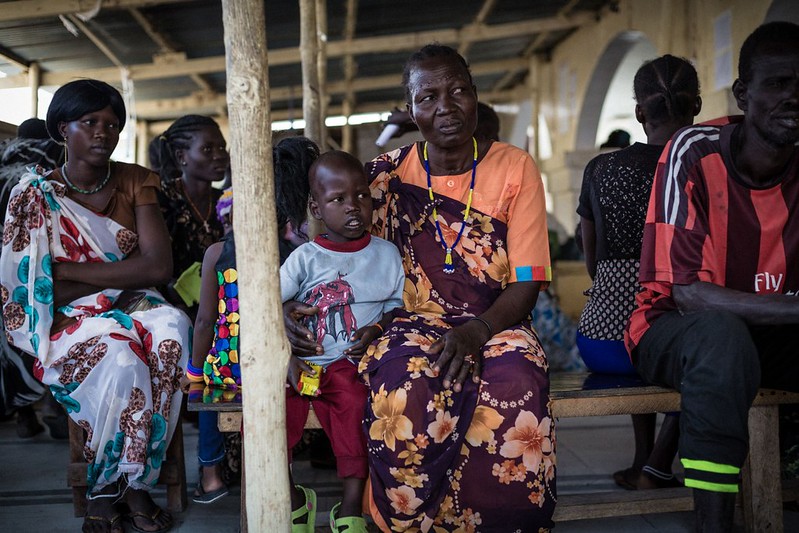
March 12, 2025
https://borgenproject.org/wp-content/uploads/borgen-project-logo.svg 0 0 Hemant Gupta https://borgenproject.org/wp-content/uploads/borgen-project-logo.svg Hemant Gupta2025-03-12 01:30:482025-03-12 01:07:37The East African Community and the Eastern Congo Crisis
Page 5 of 24«‹34567›»

Get Smarter

  • Global Poverty 101
  • Global Poverty… The Good News
  • Global Poverty & U.S. Jobs
  • Global Poverty and National Security
  • Innovative Solutions to Poverty
  • Global Poverty & Aid FAQ’s
Search Search

Take Action

  • Call Congress
  • Email Congress
  • Donate
  • 30 Ways to Help
  • Volunteer Ops
  • Internships
  • Courses & Certificates
  • The Podcast
Borgen Project

“The Borgen Project is an incredible nonprofit organization that is addressing poverty and hunger and working towards ending them.”

-The Huffington Post

Inside The Borgen Project

  • Contact
  • About
  • Financials
  • President
  • Board of Directors
  • Board of Advisors

International Links

  • UK Email Parliament
  • UK Donate
  • Canada Email Parliament

Get Smarter

  • Global Poverty 101
  • Global Poverty… The Good News
  • Global Poverty & U.S. Jobs
  • Global Poverty and National Security
  • Innovative Solutions to Poverty
  • Global Poverty & Aid FAQ’s

Ways to Help

  • Call Congress
  • Email Congress
  • Donate
  • 30 Ways to Help
  • Volunteer Ops
  • Internships
  • Courses & Certificates
  • The Podcast
Scroll to top Scroll to top Scroll to top