5 Nations Eliminating GBV in Central Africa
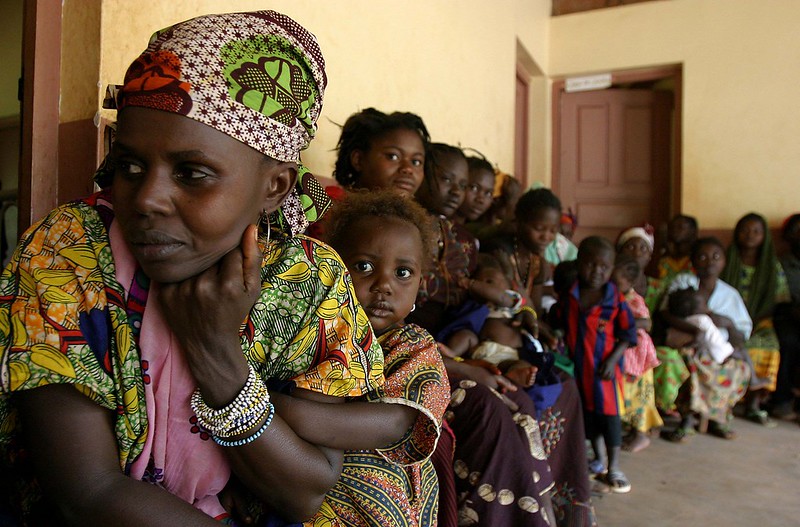 Poverty and gender-based violence (GBV) are deeply interconnected, as economic hardship often leaves women more vulnerable to abuse and limits their ability to seek safety and justice. In stopping gender-based violence in Central Africa, targeted foreign aid is playing a crucial role in breaking this cycle by funding initiatives that empower women financially, expand education, and strengthen legal protections. In the Democratic Republic of the Congo (DRC), the Central African Republic (CAF), Chad, Cameroon and Rwanda, governments are using aid to overcome systemic challenges for women.
DRC: The World Bank’s Gender-Based Protection
The DRC’s collaboration with the World Bank has created the Gender-Based Violence (GBV) Prevention and Response Project. The GBV Prevention and Response Project aims to increase government support for ending GBV and improve response times for GBV emergencies. The project offers survivor support centers, economic reintegration for women who have experienced abuse, and legal aid to women looking to get justice for any abuse or GBV. The project has served more than 79,000 women, reaching more than 8 million total. Undoubtedly, the DRC Gender-Based Violence Prevention and Response Project has increased access to justice and economic options for women living in poverty with no escape from gender-based violence.
CAF: Economic Independence through the Bêkou Trust Fund
In the CAF, the EU created the Bêkou Trust Fund for humanitarian development. The funds have been particularly helpful to women through its goals to restore security and the social contract between the government and the people. In CAF, less than 20% of girls attend secondary school and there are around 10,000 cases of yearly GBV on average. In the last 10 years, €11 million went to use in the gender theme of the fund. Through the Trust Fund, more than 68,000 women have received help with socio-economic integration, helping them live safely and independently.
Chad: Microfinancing for Empowerment via USAID
USAID’s Women’s Economic Empowerment Initiative in Chad is working towards empowering women to escape cycles of gender-based violence through economic empowerment. Under the World Bank’s Sahel Women’s Empowerment and Demographic Dividend, the initiative increases women’s access to health care, ability to enter the job market and lowers barriers to living independently. In Chad, 16.2% of all women face gender-based or sexual violence in their lives. Although the USAID program is new, it has the promise to reduce this rate and increase equality between men and women in Chad.
Cameroon: Education and Legal Advocacy via UN Trust Fund
The U.N. Trust Fund to End Violence Against Women, started by resolution 50/166 at the UNGA, has reached more than 7.7 million women globally. It aims to eliminate violence against women by increasing access to services like counseling and health care. Nearly 55% of women living in Cameroon experience gender-based violence every year. Still, the collection of programs under the U.N. Trust Fund aim to help more than 12,000 women escape systemic poverty and gender-based violence in Central Africa.
Rwanda: The World Bank’s Social Protection Transformation Project
In Rwanda, one significant initiative in combatting gender-based violence in Central Africa is the World Bank-funded Social Protection Transformation Project (SPTP), which integrates GBV prevention and response into its broader mission of economic empowerment.
This program provides financial assistance, vocational training, and social services to vulnerable populations, including survivors of GBV. Through this initiative, Rwanda has expanded safe spaces and counseling services, ensuring that survivors receive both economic and psychological support. The project also works closely with local NGOs and government agencies to enhance legal protections and improve access to justice for victims. By combining economic resilience with GBV prevention, this initiative reflects Rwanda’s commitment to breaking cycles of violence and fostering long-term recovery for survivors.
GBV in Central Africa: The Future
Reducing poverty is not only a strategy for economic development—it is a crucial step toward ending GBV in Africa. Aid aimed at reducing GBV in Central Africa is equipping women with the financial independence, legal protections, and social support needed to break free from cycles of abuse. These programs show that when the international community invests in women’s empowerment, it fosters safe, equitable societies. Continued support is essential to ensure lasting progress and to give more women the tools they need to build secure, self-sufficient futures.
– Divya Beeram
Divya is based in San Antonio, TX, USA and focuses on Technology and Celebs for The Borgen Project.
Photo: Flickr
