• Link to X
  • Link to Facebook
  • Link to Instagram
  • Link to TikTok
  • Link to Youtube
  • About
    • About Us
      • President
      • Board of Directors
      • Board of Advisors
      • Financials
      • Our Methodology
      • Success Tracker
      • Contact
  • Act Now
    • 30 Ways to Help
      • Email Congress
      • Call Congress
      • Volunteer
      • Courses & Certificates
      • Be a Donor
    • Internships
      • In-Office Internships
      • Remote Internships
    • Legislation
      • Politics 101
  • The Blog
  • The Podcast
  • Magazine
  • Donate
  • Click to open the search input field Click to open the search input field Search
  • Menu Menu

Archive for category: Africa

Africa, Electricity and Power, Global Poverty

Renewable Energy in Togo

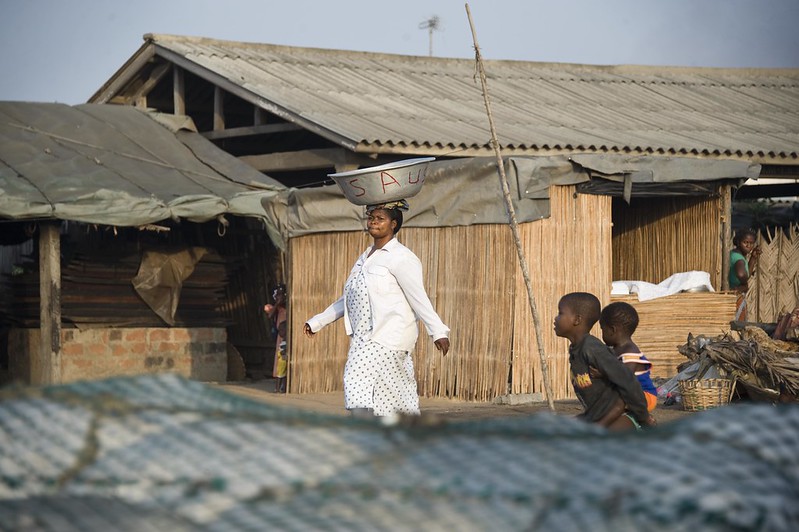
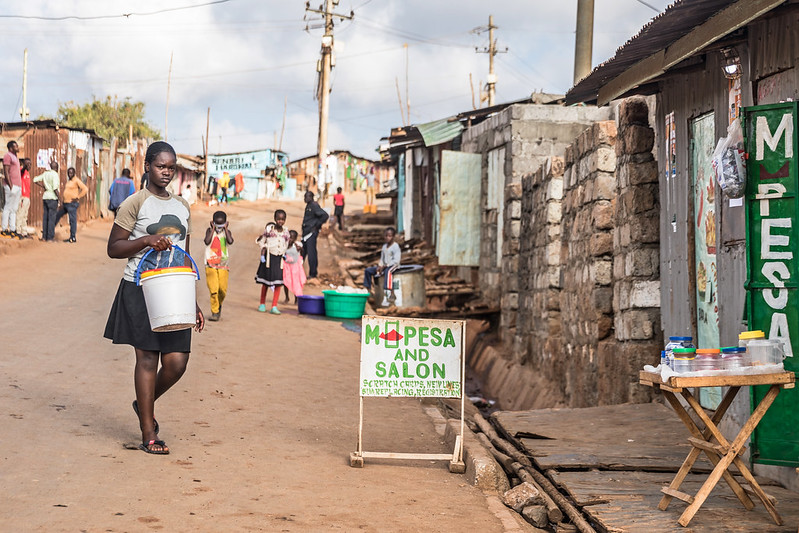
renewable energy in togoOut in West Africa, Togo’s beating heart lies in its bright Palm Beaches and North Mountains. It is a country with a fine culinary scene and fervent voodoo traditions. As of 2025, Togo is home to about 8.5 million citizens. Despite its rich history, the nation grapples with widespread poverty, particularly in rural areas where the rate stands at a staggering 58.5%. In urban regions, 26.5% of the population lives at or below the poverty line. Yet, some significant changes are being made to help elevate Togo’s unfaltering rates. This includes major renewable energy projects that help provide clean resources and strengthen the lives of those disadvantaged.

Renewable Energy in Togo

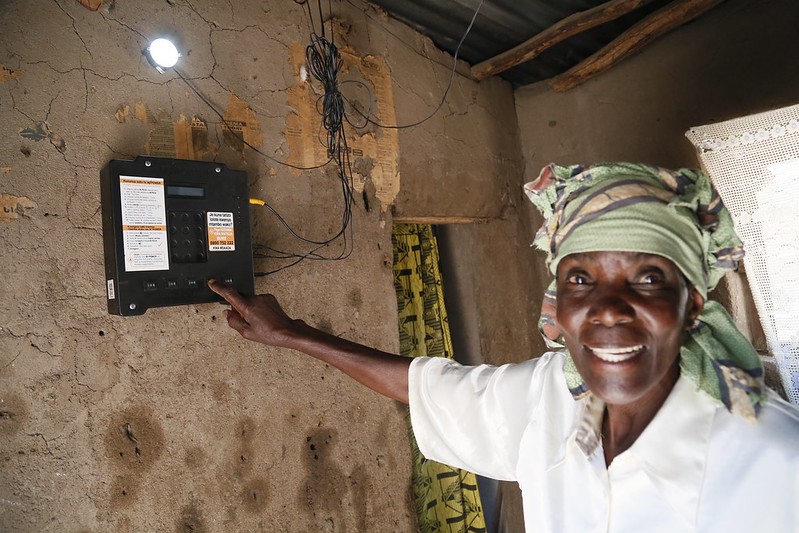
Togo commenced its largest solar PV Plant in the country, a 50 megawatt facility, aiming to help around 158,000 families by helping them overcome poverty. This special landmark initiative was developed under the support of AMEA Togo Solar, with crucial financial backing from both the African Development Bank and the Abu Dhabi Fund for Development. The Solar PV tracks solar energy, boosting the flow of solar panels aimed at tracking the sun’s course. The plant receives most of its energy from Togo’s neighboring countries, Ghana and Nigeria. Their goal was to expand renewable energy to about 8 million people in the country.

A joint partnership between the African Development Bank and the European Union funded Solar Irrigation Systems, aiming to improve the quality of life in 500 impoverished rural regions. Together, both raised a considerable amount of $11.68 million for this vital project. Because of this, in September 2023, the companies implemented 122 solar water heaters and 153 surface pumps for farmers.

The irrigation pumps progress agricultural sustenance with the accessibility of water to grow plants and maintain harvest fields. Irrigation pumps advance agricultural sustenance by providing essential water for plant growth and crop maintenance. These are vital tools which allow farmers to produce food for communities in Togo. Their role highlights the link through technological innovation and global food scarcity.

Cultivating Change

Communaute Electrique du Benin created the Nangbeto Hydropower Plant Project in Plateaux, Togo. The 65.5 million watt hydraulic plant was inaugurated in 1984. Its main purpose was to keep track of 170,000 or more global power plants. It still performs an active role today and is undergoing modernized improvements, like refurbished turbines and upgraded cooling systems. This is to help continue its progress for another 30 years. This will primarily distribute electricity throughout the region and expand its power supply.

Togo is carefully working to advance its strategic investments in renewable energy. Projects like the Solar PV, solar irrigation systems, and the Nangbeto Hydropower Plant scores Togo’s commitment to expanding its electricity access. These initiatives highlight Togo’s steady approach to renewable energy development. Togo appears to be moving in a positive direction for its future.

– Janae Bayford

Janae is based in Centennial, CO, USA and focuses on Technology and Solutions for The Borgen Project.

Photo: Flickr
June 5, 2025
https://borgenproject.org/wp-content/uploads/borgen-project-logo.svg 0 0 Naida Jahic https://borgenproject.org/wp-content/uploads/borgen-project-logo.svg Naida Jahic2025-06-05 07:30:522025-06-05 00:18:21Renewable Energy in Togo
Africa, Global Poverty, HIV/AIDS

Addressing HIV/AIDS in Morocco

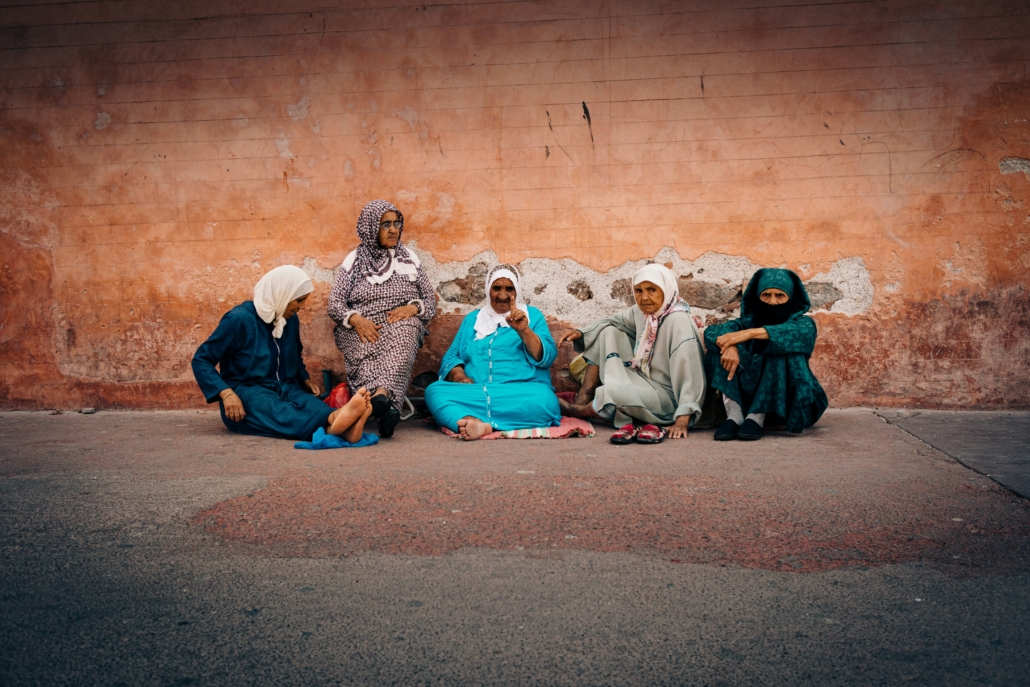
HIV/AIDS in MoroccoThe HIV/AIDS epidemic in Morocco has had life-changing consequences for communities all over the world. International leaders have made significant progress over the past 30 years in improving awareness of the disease and accessibility to treatment, but countries must still take substantial action to fully eradicate it. Morocco has taken large strides towards this, launching various campaigns to do so. However, the extreme levels of poverty that the country is facing are forcing its residents into lifestyles that intensify their risk of contracting the disease, while the government’s lack of economic stability means prevention and treatment schemes are difficult to enact. Without U.S. support, the country lacks many resources which would be indispensable to its fight against HIV/AIDS in Morocco.

The Prevalence of HIV/AIDS in Morocco

As of 2024, the number of people living with HIV in Morocco stands at 23,000. About 5.9% of HIV/AIDS cases are men who engage in sexual relationships with other men (MSM), 7.1% are drug users and 2.3% are sex workers. The socio-political climate of Morocco still subjects these populations to extreme levels of discrimination, which often prevents them from seeking treatment. Additionally, 9% of Morocco’s population live currently in poverty. These difficult conditions, alongside the prevalence of sex tourism and human trafficking, mean there are an estimated 4.3 million sex workers living in Morocco, 2.3% of whom (knowingly) suffer from HIV.

The prevalence of drug users is also intertwined with national poverty, with economic stress forcing many to turn to substance abuse as a form of relief. The country’s lack of free health care also stands as a barrier to impoverished individuals accessing diagnoses and treatment, further increasing the risk of infection for those affected. Offering schemes to help alleviate the pressure of national poverty may prevent those it affects from turning to high-risk modes of employment and dangerous drug use, while making treatment accessible to those unable to afford healthcare bills. 

Breaking Down the Stigma

In comparison to other Middle Eastern and North African countries, the rate of HIV/AIDS among the population is relatively low. This is due to Morocco’s unmatched ability in implementing testing, diagnoses and treatment programs within its vulnerable communities. 

Thanks to the introduction of self-testing methods, the population now have access to a more discreet method of diagnosis. However, hospitals must still confirm tests offering positive results, limiting their anonymity and leading to a relatively low use rate.

Morocco’s ban on homosexuality, sex work and injection drugs, alongside general societal disapproval, means that many people who engage in these activities do not attempt to seek treatment for HIV/AIDS. 

In 2024 at the Taragalte Festival, Moroccan artist OUM announced that she would be ascending to the role of National Goodwill Ambassador in Morocco for UNAIDS. As a popular artist and social influencer, OUM’s work in spreading awareness and encouraging education about HIV prevention will be vital in breaking down the intense stigma surrounding the illness. UNAIDS foresaw that OUM’s efforts in erasing negative narratives via her public influence would improve access to HIV/AIDS preventative knowledge, diagnoses and treatment, particularly among high-risk communities in Morocco.

The US’s Impact

The U.S. President’s Emergency Plan for AIDS Relief (PEPFAR), a campaign aimed at controlling the international HIV/AIDS epidemic, does not currently practice in Morocco. This means the country does not have access to U.S. funded resources that could have a significant impact on HIV/AIDS prevention and treatment and, due to the nation’s lower economic status, could not be financed by only their government. PEPFAR supports communities most vulnerable to the illness and with high-risk populations making up the majority of diagnoses in Morocco, the U.S. Department of State’s assistance could offer profound assistance in curbing the epidemic where it is most rife. 

HIV/AIDS in Morocco is preventable. Governmental strategies to combat the disease and its often poverty-rooted causes are already having a profound impact on decreasing its prevalence in the country. However, the epidemic requires further action to achieve total eradication. Reducing societal stigma is an important aspect of making treatment more accessible, but assisting those in poverty, through Moroccan and U.S. funded support, to obtain affordable healthcare schemes and engage in lower-risk lifestyles is by far the most crucial method of ending HIV/AIDS in Morocco for good.

– Amabel Smith

Amabel is based in London, UK and focuses on Global Health for The Borgen Project.

Photo: Unsplash

June 5, 2025
https://borgenproject.org/wp-content/uploads/borgen-project-logo.svg 0 0 Jennifer Philipp https://borgenproject.org/wp-content/uploads/borgen-project-logo.svg Jennifer Philipp2025-06-05 07:30:212025-06-05 00:25:25Addressing HIV/AIDS in Morocco
Africa, Global Poverty

Political Policies that Reduce Poverty in South Sudan

poverty in South SudanKnown for its cultural heritage, rich biodiversity and artistic traditions, South Sudan is a unique and lush country. It is the world’s youngest nation, gaining independence in 2011, located in northeast Africa. To re-establish itself after gaining independence, South Sudan is undergoing a large amount of restoration. Due to the youth of the nation and its developing government, poverty in South Sudan is an ongoing issue. However, there are many policies set in place to combat the threat of poverty. Here is a list of policies that fight off poverty in South Sudan and how they work to address the issue.
Promoting Macroeconomic Stability

A stable macroeconomy is largely beneficial for a country and its citizens. It creates an environment that leads to economic growth, reduces inflation and prevents further economic instability. It is necessary when trying to reduce poverty.

One of the methods South Sudan is using to promote macroeconomic stability is by decreasing its dependency on oil revenues. Of the nation’s income, 90% comes from these revenues, meaning diversification is an important factor in improving the economy and reducing poverty in South Sudan.

One way South Sudan is working to diversify their nation’s revenue is through sustainable agriculture. By selling ranch and farm products to markets as well as producing their own food through agricultural practices, they add another route to revenue for the nation.

South Sudan has had the help of many projects to increase its agricultural health, such as the Sustainable Agriculture & Livestock Initiative (SALPI) and Global Affairs Canada’s Project.

South Sudan is also trying to promote tourism in its country. Through its national tourism policy, which aims to support local communities and improve infrastructure as well as getting support from other countries and organizations, South Sudan is actively growing to attract tourists for its luscious natural environment and unique traditions.

Boosting Social Development and Equality

South Sudan faces many humanitarian issues due to conflict and instability in the country. However, there are organizations and agreements that work to improve social development, equally assisting poverty in South Sudan.

The Revitalized Agreement on the Resolution of the Conflict in the Republic of South Sudan (R-ARCSS) is an agreement between the Sudan People’s Liberation Movement and the Sudan People’s Liberation Movement-in-opposition. It is an agreement that aims to bring about peace and stability to South Sudan. UNICEF and World Vision have both contributed to South Sudan, helping those who have been affected by conflict and displacement, providing education, food, health care, and sanitation.

The Global Partnership for Education is a major contributor to education for all, providing girl-friendly schools in South Sudan with trained teachers who know how to address gender sensitivity and prevent gender-based violence.

The National Disability and Inclusion policy in South Sudan aims to enhance the protection of South Sudanese with disabilities who may struggle due to their physical or mental abilities. Alongside this, South Sudan has also established a Rehabilitation Centre for people with disabilities to help them access proper healthcare and education.

Poverty in South Sudan: The Future

Although South Sudan is a newly independent country, leading to constant economic and social struggles, with the help of these policies and the organizations and governments that work to enforce them, South Sudan can grow into a thriving, self-sustained nation.

– Sevyn Whatley

Sevyn is based in Toronto, Ontario, Canada and focuses on Politics for The Borgen Project.

Photo: Flickr

May 18, 2025
https://borgenproject.org/wp-content/uploads/borgen-project-logo.svg 0 0 Naida Jahic https://borgenproject.org/wp-content/uploads/borgen-project-logo.svg Naida Jahic2025-05-18 07:30:372025-05-18 01:03:14Political Policies that Reduce Poverty in South Sudan
Africa, Food Security, Global Poverty

Musician Aim to Save One of the First Soup Kitchens in Uganda

uganda soup kitchensUgandan musician aims to raise £100,000 to save one of first soup kitchens in Uganda. Uganda is home to 48.66 million residents, however, the country faces serious food insecurity despite having major agricultural production. Ugandan musician-dancer, Grace Nakimera, started an organization that directly combats these issues.

People who live with serious food insecurity often eat one small meal and sometimes go days without food. However, the meals they do eat are not nutritious enough to support them. Children suffer the most as they are susceptible to stunted growth, anemia and cognitive delays due to the lack of proper nutrition. Unfortunately, to cope with this suffering, people pull kids from school to save money. They work on farms that do not provide a reliable income. Drought, poverty and disease are factors that plague farms’ potential to flourish. The communities that have support systems, such as local non-government organizations (NGO) help distribute food, but often the demand is far greater than the supply.

Helping to Feed the Streets

Feed the Streets Foundation, founded by Nakimera, is a small organization based in Kampala, Uganda, and it provides shelter to the homeless and hungry. Open every Sunday and Wednesday, they serve food to about 400-500 children and mothers, according to GoFundMe. Her efforts are exceptional considering that the national poverty line is at 20.03% and 42.12% of the population survives with $2.15 a day. Her foundation also administers counseling and rehabilitation that gives people with addiction the help they need.

Grace Nakimera grew up in the same area where her campaign lies. Born in 1985, the artist was introduced to music at a young age, performing at talent shows around her city at 7. With continuous hit singles penetrating the music scene, she became a household name in her home country. Her strong faith in God has allowed her to persevere through her childhood struggles, dealing with where to find her next meal and she has promised to help others in the same situation, according to GoFundMe. As she continues to raise £100,000 to save one of the first soup kitchens in Uganda, she is fulfilling her promise.

Her foundation has aimed to address hunger and malnutrition among the children of Uganda, serving many families. Through its soup kitchen in Uganda, they provide stability and shelter for the homeless and reach out to vulnerable children, ensuring they don’t go hungry. Moreover, they alleviate their general well-being by teaching instrumental skills to develop and sustain a small business. They offer training in baking, farming, mechanics, music and cosmetic care to equip them with helpful and independent prowess.

The Benefits of the Funds

Feed the Streets Foundation aims to use £100,000 to buy a farm and grow its own food, having proper shelter to accommodate the children and bringing in experts to teach people skills useful in their lives (farming, cooking, mechanical skills, etc.). It also hopes to feed up to 1,000 individuals, doubling the number they feed now, according to GoFundMe. The foundation’s current facility is rented and modest, which hinders their goals of expanding the program and serving that number of children. This creates significant challenges due to limited financial resources.

Sustaining a food bank in Uganda has difficult restraints that foundations like Feed The Streets often face. Uganda lacks a strong culture of structured food relief. It relies mainly on external funding, which can be inconsistent and unreliable. Also, NGOs struggle because of the limited government support, forcing them to rely on undiversified funding sources. The rising food cost, high demand and limited infrastructure make it challenging to provide consistent meals and soup kitchens are extremely vulnerable to inflation and food waste. Navigating through this constant struggle, even with projects with a deep community impact, is hard, causing a lack of awareness around food kitchens.

Soup Kitchens in Uganda

One of the first soup kitchens in Uganda is a rare lifeline for families in a city where hunger goes unseen. Its efforts create a defining spotlight on Uganda’s support system and systemic food insecurity, which highlights its major problems. Without its urgent donations and funding, it could be forced to shut down, leaving hundreds of individuals without the help they have come to depend on. Whether it be for food, shelter or overall health improvement, the loss of it could significantly damage them. Nakimera shows that caring enough to act can prove that lasting change doesn’t need to start in a large institution, which is why her work is so important.

– Kassandra Ticas

Kassandra is based in Gardner, MA, USA and focuses on Good News and Global Health for The Borgen Project.

Photo: Flickr

April 20, 2025
https://borgenproject.org/wp-content/uploads/borgen-project-logo.svg 0 0 Naida Jahic https://borgenproject.org/wp-content/uploads/borgen-project-logo.svg Naida Jahic2025-04-20 01:30:392025-04-19 13:07:42Musician Aim to Save One of the First Soup Kitchens in Uganda
Africa, Development

Stellah Bosire: A Lifetime of Fighting Health and Economic Poverty

Stellah BosireAlthough widely described as the largest slum in Africa, Nairobi’s Kibera is deeply rooted in community values and caring for your neighbor. While women face higher rates of health risks in varying forms, Dr Stellah Bosire persevered as a child engulfed in poverty. Feeling encouraged by her community and teachers, she became a highly influential human rights activist.
Childhood

Before Bosire was a Gates Foundation Goalkeeper and accomplished actor globally, she faced the same struggles that persist to this day in Kenya. Children were taught at a young age that odd jobs were necessary to provide basic needs for your family. Along with unsafe work opportunities, Bosire and nearly a third of women in Kenya have experienced sexual violence.

Despite the overarching strength instilled in the women around her, Bosire could not help but realize how much they are being held back due to inevitable health risks. For example, the neighborhood struggles with inadequate sanitation, while dangerous social norms blockade women into unfair cycles of poverty.

After falling into this cycle herself at 13 years old, she prioritized finishing school despite selling drugs to financially support her family. She studied the material and took her final exams after just two weeks, scoring the second-highest grade in her school, The Gates Foundation reports. It was this validation that showed Bosire the potential of her knowledge and gave her the confidence to work hard at solving the hardships her community has faced for years.

Bosire’s Career and Giving Back

Bosire attended the University of Nairobi’s School of Medicine, receiving a full scholarship. Her long list of accolades began compiling soon after beginning schooling. She has achieved a Bachelor of Science in Medicine and Surgery, a Master of Business Administration in Health Care Management, and a Master of Science in Global Health Policy. To cover all aspects of her activism, she is currently pursuing a Bachelor of Law at the University of Nairobi.

Bosire has excelled in several leadership positions, allowing her to expand her efforts and help those internationally. She served as vice-chair for Kenya’s HIV Tribunal, focusing on women in the healthcare system who were discriminated against due to their HIV status, The Gates Foundation reports.

Bosire has brought a more holistic approach to health care in Kibera, focusing treatment efforts based on the context of individual lives. In 2021, Bosire created the HerConomy initiative to fund projects that allow women to excel economically, The Gates Foundation reports. This program provides aid and workshops to make a reliable worker, such as loans for healthcare expenses, making soap and professionalizing women-owned small businesses.

Along with accumulating more than 5,000 members, Bosire has also had to overcome harmful gender norms. Men in her own hometown called her “the homewrecker” for trying to shift gender dynamics in the home, according to The Gates Foundation. As a result of this, she invited the men to community discussions to shift their perspective on how economic empowerment for women can benefit all.

Using Her Own Experiences

Coming from an unsafe and uncertain environment, Bosire has used her power to give back to her community. Her mother was ill her entire life, and after Bosire’s education and exposure to formal schooling, they recognized her condition as depression and schizophrenia. In her last year of schooling at the University of Nairobi in 2011, she had lost her mom to Aids related complications.

The work that Bosire has put back into Kibera is present in the whole community. After her mother’s death, she became heavily involved in HIV/AIDS treatment and generated multiple projects for women affected with HIV/AIDS.

Street Healing Program

Tending to women in Kenya and all over Africa, Bosire has also digitized the experience of economic prosperity. She is building a software program to ease the lives of women in the economy, in the form of saving/accessing funds and building credit for a profile in the formal banking system, according to The Gates Foundation.

In addition to women’s economic empowerment, Stellah Bosire also tends to everyone she can on the streets of Kenya. Bosire runs what she calls the “Street Healing Program,” where she walks the business districts in Nairobi, medical bag in hand, ready to help any homeless people who are in need of common treatments or wound cleaning, Nation reports.

With no limits to her selflessness, Stellah Bosire has proven through overwhelming adversity that good change is possible. She credits hard work and resilience for her success, a message that has been relayed back to Kibera. Bosire’s childhood friends and others in Kibera call her achievements a “community degree” since that is where its efforts will flourish, right at home.

– Rachael Wexler

Rachael is based in Chicago, IL, USA and focuses on Good News and Global Health for The Borgen Project.

Photo: Flickr

April 16, 2025
https://borgenproject.org/wp-content/uploads/borgen-project-logo.svg 0 0 Naida Jahic https://borgenproject.org/wp-content/uploads/borgen-project-logo.svg Naida Jahic2025-04-16 01:30:482025-04-15 10:19:14Stellah Bosire: A Lifetime of Fighting Health and Economic Poverty
Africa, Global Health, Global Poverty

Mobile health technology in Uganda

Mobile health UgandaFor years, many issues have plagued Uganda’s health care system. The vast majority of its population lives in rural areas with limited access to health care. Medical professionals are scarce, and their services are often extremely expensive. However, amid these challenges, a solution has emerged: mobile health technology. These innovative platforms connect users with essential healthcare services and provide access to incredible tools through personal devices. Mobile health technology in Uganda is laying a strong foundation for a more equitable future.

Struggles of the Past

The country has one of the worst doctor-to-patient ratios in the entire world. There is roughly one doctor for every 25,000 citizens. This falls drastically short of the World Health Organization’s (WHO) recommendation, which is to have one doctor for every 1,000 people.

Health care in Uganda is largely unaffordable. Brown University’s Kyoko Saito recently traveled to Uganda, where she noted that one night in the hospital costs around $20, a shocking figure when considering that the country’s average monthly income is $78. Furthermore, hospital staff determine whether or not patients are financially stable and turn them away if they cannot pay for treatment.

Ugandan health systems struggle to obtain and restock essential equipment, store reliable health information and ensure quality of overall service.

Put simply, the fundamental structure of the Ugandan health care system is broken. There are not enough resources and not enough medical professionals. Furthermore, to exacerbate the issue, health care is expensive and predominantly located in urban areas, alienating around 70% of the rural population.

What is Mobile Health Technology?

Mobile health technology, commonly referred to as mHealth, is an umbrella term for the use of mobile phones and other personal electronic devices in medical care. Potential uses for mHealth include:

  • Tracking medical data and storing digital records
  • Enhancing communication between doctors and patients with secure messaging channels
  • Offering virtual training programs for essential workers
  • Allowing doctors to evaluate, diagnose and treat patients remotely through video consultation, imaging reports, e-prescriptions, etc.
  • Managing chronic diseases through mobile apps
  • Implementing nutrition monitoring systems

Although mHealth has only been around for a few years, 83% of physicians in the U.S. already use it to provide care. Expanding mobile health technology in underdeveloped countries like Uganda will lead to further benefits.

mHealth in Uganda

Currently, almost 30% of Ugandans have access to the internet, and this figure grows rapidly each year. The increased dissemination of electronics in recent years has allowed for mobile health technology in Uganda to flourish, working to address the fundamental issues that plague its health care system. Here are a few examples of the uses of mobile health technology in Uganda:

  • EVA System: A “mobile, AI-ready colscope that expands expertise on point-of-care cervical cancer screenings and sexual assault forensic examination.”
  • Palliative Care: For patients with cancer who have limited access to in-person physicians, mHealth technology has shown incredible potential in providing necessary palliative care.
  • Smart Health App: Stores patient data, plans for virtual appointments, provides instructions for care relating to immunization, childhood disease, pregnancy and more.
  • Test Results: In southwestern Uganda, health workers utilized text messaging as a means of quickly transmitting results for HIV-positive citizens.
  • Mass Communication: In northern and eastern Uganda, public health officials used text messaging to raise awareness for malaria and to remind patients to take their medication.

Looking Towards the Future

Mobile health technology in Uganda presents an inspiring solution that provides accessible, affordable health care to its citizens. Indeed, with these advancements, individuals in rural areas can now connect with medical professionals. Furthermore, hospitals can spend less on equipment and doctors can become less burdened by the vast overflow of Ugandans that need care. While there are significant hurdles that remain (namely, improving access to technology in rural areas of the country), the results have been extremely promising so far.

Over the next five years, Uganda’s mission will be to provide mobile health technology to over half of its inhabitants. This could ensure that the population can stay healthier (especially those in underfunded, remote locations), working to break the decades-long cycle of poverty that has affected millions of Ugandan citizens.

– Josh Weinstein

Josh is based in Chester Springs, PA, USA and focuses on Technology and Solutions for The Borgen Project.

Photo: Flickr

April 15, 2025
https://borgenproject.org/wp-content/uploads/borgen-project-logo.svg 0 0 Naida Jahic https://borgenproject.org/wp-content/uploads/borgen-project-logo.svg Naida Jahic2025-04-15 01:30:402025-04-22 07:00:28Mobile health technology in Uganda
Africa, Development, Electricity and Power, Global Poverty

Husk Power Systems Fighting Energy Poverty in Africa

husk power systemsIn 2023, Husk Power Systems, an Indian-origin company, announced a $500,000 funding grant from Acumen’s Hard-to-Reach (H2R) initiative to help bring clean and affordable electricity to people in the Democratic Republic of Congo (DRC). With its focus on supporting clean and affordable energy to almost 80 million people in rural African areas, it aims to deploy 2,500 mini-grids across Africa by 2030. Since its launch in 2008 by Indian entrepreneur Manoj Sinha, the “Africa Sunshot” project has emerged as one of the most significant initiatives in the company’s history. It underscores Husk Power Systems’ commitment to providing affordable energy to rural communities, not only in India and Asia, where the company has been actively operating, but also in Africa, where it is now making a transformative impact.

Husk Power Systems Profile

In 2023, Time recognized Husk Power Systems founder and CEO Manoj Sinha as one of the most influential business leaders in climate and as a World Economic Forum Young Global Leader. Sinha, passionate about solving energy access challenges in rural areas through innovative microgrid solutions, has been working for decades to address these issues. He co-founded Husk Power Systems in 2008 alongside partners Gyanesh Pandey and Ratnesh Yadav. Headquartered in Fort Collins, Colorado, with offices in rural areas across Asia and Africa, the company has been launching energy power plants since its inception.

Positioning itself as an energy company dedicated to providing affordable energy solutions to rural areas, Husk Power Systems adopts a pay-as-you-go model, offering flexible, 100% renewable energy solutions. The company focuses on meeting the needs of households, small businesses and community services, ensuring reliable and sustainable power access. Additionally, Husk Power Systems maintains a strong focus on enabling a rapid and cost-effective energy transition. The company aims to align with not only national Indian electrification goals but also global targets, expanding its reach into Asian and, particularly, African markets.

Empowering the African Energy market

Husk Power Systems now has more than 200 operational sites in Africa and Asia, with an average of 16 mini-grids per month. As of 2022, the company was present in 12 communities in Nigeria, with a plan of “nearly 100 additional microgrids for future development.” In addition to providing innovative energy solutions, the company has created 130 jobs, including 80 full-time positions, as of 2023. Under its Africa Sunshot Initiative, Husk Power aims to deploy 2,500 operational mini-grids across six African regions over the next five years, expanding beyond Nigeria and Congo to areas like Nairobi and beyond.

While focusing on innovative energy solutions in Africa with a $2.5 million investment from the International Finance Corporation (IFC), Husk Power Systems also addresses the lack of electricity that limits opportunities for small businesses, agriculture and entrepreneurship. By providing reliable energy, they enable businesses to operate longer hours, increase productivity and create job opportunities in local communities.

Rural Gentrification and Development

Since 2008, Husk Power Systems has provided 400,000 homes and local businesses in rural communities with innovative electricity systems and has no intentions to stop developing innovative electricity solutions in the most vulnerable areas in Africa and Asia. Due to the company’s relentless and intensive work, starting from 2015, Husk Power Systems started to use hybrid systems that allow it to generate power 24/7 by synchronizing dollar and biomass gasification power plants. “Sunshot” project followed by another significant project “Husk Power Systems Investment” where company has decided to expand its work in rural areas of  Sub-Saharan Africa and South Asia powered up by equity investment totalling $43 million coming from International Development Finance Corporation (DFC) and Proparco showed the companies fast growing development and further movements towards the expanding of gentrification in needed areas.

Focusing on gentrification solutions enables companies to branch into connected ideas for enhancing employment in rural African and Asian areas. In addition to achieving high employment rates and fostering a friendly work environment, companies aim to create supportive training schemes that promote career growth for employees. By offering extensive management and technical skills training, the company nurtures talent both globally and locally, creating employment opportunities for a diverse audience.

Looking Ahead

With its fast-growing solutions, innovative approach and development of employment opportunities, Husk Power Systems demonstrates how true dedication and steady determination can transform rural areas, revitalizing their vulnerable economies and infrastructure. And while it begins with one man’s desire to change the world for the better, it eventually unites millions of dollars in investments, thousands of professionals and two continents to achieve its goal of gentrification for a brighter future.

– Liubov Linnyk

Liubov is based in London, UK and focuses on Business and Technology for The Borgen Project.

Photo: Flickr

April 15, 2025
https://borgenproject.org/wp-content/uploads/borgen-project-logo.svg 0 0 Naida Jahic https://borgenproject.org/wp-content/uploads/borgen-project-logo.svg Naida Jahic2025-04-15 01:30:092025-04-14 09:28:36Husk Power Systems Fighting Energy Poverty in Africa
Africa, Development, Global Poverty

The DFC in Africa

dfc africaStarting in 2020, through the Better Utilization of Investments Leading to Development (BUILD) Act, the U.S. International Development Finance Corporation (DFC) was created by merging the Overseas Private Investment Corporation (OPIC) and USAID’s Development Credit Authority to expand the U.S. capacity for private sector-led growth in emerging markets. The DFC focuses on funding initiatives in Africa and around the world that improve sectors such as health care and infrastructure. While similar to USAID, the DFC operates as a separate entity.

Health Care Investments

The DFC has invested in health care in Africa by providing $1 million in equity to Kasha Global Inc., a women-founded and women-led e-commerce platform operating in Rwanda and Kenya. Kasha focuses on three core health care themes: access to health products, access to health information and job opportunities for low-income women. Both Kenya and Rwanda face high levels of period poverty due to the cost of sanitary products and a lack of education about menstrual health. In Rwanda, a single pack of sanitary towels costs between 700 Rwandan francs (about 71 cents) and 1,000 Rwandan francs ($1), roughly equivalent to a day’s wage for many women. In Kenya, the cost of sanitary pads can represent a significant portion of a woman’s daily income. A pack of sanitary pads typically costs between 70 to 75 Kenyan shillings (about $0.50 to $0.55), which could be a substantial expense for many. 

The high cost of sanitary products forces many women to choose between purchasing them or meeting basic needs like food. As a result, menstrual products are often considered a luxury. With funding from the DFC, Kasha has expanded its operations in both rural and urban areas of Kenya and Rwanda, increasing access to and education about sanitary products. This investment has helped address issues related to women’s care and has improved health outcomes in the region.

Africa Health Care Network

The DFC is helping to improve infrastructure and expand access to health care by providing funding to the Africa Health Care Network (AHN), the largest operator of dialysis centers in East Africa. A $5 million loan from the DFC enabled AHN to significantly expand dialysis centers and services across sub-Saharan Africa, particularly in Kenya, Rwanda and Tanzania. While part of a broader strategy to mitigate the impacts of COVID-19, the funding has also strengthened healthcare infrastructure in the region and improved access to lower-cost care. Without this investment, many communities in these countries would lack access to critical dialysis services.

Renewable Energy Projects

The DFC has invested in renewable energy projects in Senegal and Ethiopia to improve health care infrastructure resilience. In Senegal, DFC supported the 158-megawatt Taiba N’Diaye wind power plant near Dakar, which now supplies about 15% of the country’s power. Indeed, this cleaner, more reliable electricity helps stabilize operations in hospitals and clinics, improving patient care.

In Ethiopia, the DFC committed $1.55 million for the technical development of the Tulu Moye Geothermal project, located about 100 kilometers from Addis Ababa. The project involves building a 50-megawatt geothermal power plant, which will become Ethiopia’s first independent power plant. Once completed, it will stabilize the country’s power grid and ensure a consistent electricity supply for healthcare facilities.

DFC in Africa: Strengthening Infrastructure

While not a direct health care investment, the DFC’s support for renewable energy aligns with a broader strategy to improve health care access by strengthening infrastructure. Ethiopia’s commitment to harnessing renewable energy further reflects in the World Bank’s Geothermal Sector Development Project, which underscores the role of sustainable energy in supporting critical services like healthcare. The DFC’s approach highlights its commitment to innovative investment strategies that enhance healthcare access for vulnerable populations while also bolstering infrastructure development.

The DFC continues to play a crucial role in bridging the gap between private investment and global development. By funding health care, infrastructure and renewable energy projects, the DFC is not only improving lives but also fostering long-term economic stability in emerging markets. As the demand for sustainable solutions grows, its strategic investments will remain essential in driving progress and expanding access to vital services worldwide.

– Oliver Hedges

Oliver is based in Lancaster, UK and focuses on Global Health for The Borgen Project.

Photo: Flickr

April 14, 2025
https://borgenproject.org/wp-content/uploads/borgen-project-logo.svg 0 0 Naida Jahic https://borgenproject.org/wp-content/uploads/borgen-project-logo.svg Naida Jahic2025-04-14 01:30:312025-04-13 14:54:45The DFC in Africa
Africa, Aid, Global Poverty

Addressing Poverty in Nigeria: The Obijackson Foundation

obijackson foundation Ernest Azudialu Obiejesi established the Obijackson Foundation in 2010 “to improve the socio-economic wellbeing of the poor in the community through access to education, health care and good nutrition.” These challenges prevent people from getting food, education and medical care, making it difficult to lead healthy and fulfilled lives. With high unemployment rates, poor infrastructure and limited services, many Nigerians are stuck in a cycle of poverty.

Key Areas

To help break this cycle of poverty in Nigeria, the Obijackson Foundation aims to bring the poor and marginalized back into the community by focusing on five main areas: education, health care, nutrition, enterprise and welfare. It strives to help Nigerian people build better futures for themselves not only by solving short-term problems but also by addressing the deeper causes of poverty, leading to more resilient communities over time.

The Foundation uses a holistic community-driven approach that looks at both the causes and the effects of poverty, understanding that real change must address both. Pamela Egbo, the Executive Director of the Foundation, stated, “We have a robust team of people who oversee our different areas of intervention and impact. In all our programs, we are very hands-on and involved on a personal level with our beneficiaries.” By filling important gaps in services and creating more opportunities, the Foundation helps build a more equitable society. The Foundation’s work has made a huge difference in many people’s lives by focusing on creating a long-lasting, positive path to end poverty in Nigeria for the next generation of Nigerians can live a better future.

Education

The Obijackson Foundation strongly believes that education is a basic human right and key to reducing poverty, and Egbo states that the Foundation is “very intentional in making sure that the citizens of Okija get the opportunity to access quality basic education.” Although global progress has been made in school enrollment, there remain barriers such as distance to schools, poor infrastructure, lack of materials and shortage of teachers.

The Foundation provides sponsorship for 40 children annually into the Gonzaga Jesuit Academy. Egbo stated: “This is one of our biggest accomplishments to date.” Egbo also adds that “many of these children cannot read or write fluently or speak English when they start, and it is amazing to see tremendous progress.” It also provided 200 scholarships so far and hopes to award 500 more by the end of 2025. It distributes textbooks and laptops and organizes seminars and workshops for teachers. The foundation also supports Yearly Computer-Based Testing (CBT) for training, quizzes and essay contests. with scholarships awarded to winners.

Health and Nutrition

The Foundation focuses on making affordable, quality health care available, especially for women and children. In partnership with the Obijackson Women and Children’s Hospital, it provides:

  • Maternal and pediatric care: The hospital’s maternal and neonatal intensive care units offer advanced care for preterm and growth-restricted newborns.
  • Health insurance: Over 100 people enrolled in free healthcare insurance.
  • Eye health: Over 200 free eye screenings and 18 eye surgeries (cataract and glaucoma).
  • Health and hygiene education: HIV/AIDS, breast cancer, and hepatitis B awareness, the “One Girl, One Pad” program to educate female students on menstrual health with sanitary pad donations to 1,300 girls.

The Obijackson Foundation’s nutrition programs include:

  • Pantry & Nutrition Program: Provides raw food items to widows, physically challenged and people with low-income, with distribution of dry food and provisions through 23 centers.
  • Soup Kitchens: Serves hot meals to over 6,000 people each month, including inmates in Anambra and Lagos during festive seasons.
  • Other Support Programs: Distributes food and personal items for beneficiaries such as the Oji River Special School for the blind, deaf and mute in Enugu, RECDOT, Jesus Abandoned Home, St. Joseph Home and Ebute Metta Leper’s Colony.

Job Creation

Despite challenges like rising feed costs, economic instability and unfavorable policies, the Foundation remains focuses on job creation and transforming agriculture and nutrition through programs such as Obijackson farm, which creates jobs for unemployed youth in Okija, with crop growing and livestock farming to meet the rising demand for animal products. It operates with 4,000 laying birds, producing about 30,000 crates of eggs annually and with 1,000 broilers quarterly. The piggery unit has grown to 385 pigs, with the ability to sell over 250 pigs yearly.

The Obijackson Foundation is more than just a charity, it is helping to create lasting change in society by tackling poverty in Nigeria. The Foundation’s work is crucial for future development in a country where poverty and inequality are still major problems. As it continues to grow and reach more communities, the Foundation stays true to its core mission and supports those in need and help build an equitable, healthier and more educated society for a better future.

– Rafe Photopoulos

Rafe is based in Gainesville, FL, USA and focuses on Good News for The Borgen Project.

Photo: Flickr

April 12, 2025
https://borgenproject.org/wp-content/uploads/borgen-project-logo.svg 0 0 Naida Jahic https://borgenproject.org/wp-content/uploads/borgen-project-logo.svg Naida Jahic2025-04-12 07:30:492025-04-12 02:48:27Addressing Poverty in Nigeria: The Obijackson Foundation
Africa, elderly poverty, Global Poverty

Elderly Poverty in Eritrea

Elderly Poverty in EritreaEritrea, a small country in the Horn of Africa, faces significant challenges regarding elderly care and poverty. The World Health Organization (WHO) estimates that the elderly in Eritrea (aged 65 and above ) constitute approximately 5.4% of the population. Most elderly citizens live in rural areas with limited access to essential services.

Economic Hardship

The deterioration of traditional family support systems for the elderly in Eritrea is predominantly linked to prolonged conflict, emigration and financial constraints. Indeed, one of the primary factors for elderly poverty in Eritrea is the substantial effect of national service on family structure. Furthermore, this is compounded by the inadequate wages provided to conscripts.

In Eritrea, national service is mandatory for individuals aged 18 to 50, impacting nearly 3 million of the 6.1 million population. As of January 2020, conscripts are remunerated with a minimal monthly salary of 3,000 nakfa. The salary is equivalent to approximately $190, which fails to suffice for basic family necessities. This inadequate income may contribute to rising poverty levels among the elderly, as numerous families rely on the insufficient earnings of conscripts. Ongoing conflicts and limited opportunities have resulted in significant emigration, leaving behind elderly individuals without adequate care.

Health Care Challenges

Access to health care is a significant issue for elderly people in Eritrea. The World Health Organization (WHO) states that there are only 0.8 physicians for every 10,000 residents in the country, one of the lowest figures globally.

The Eritrean Population and Health Survey (EPHS) found that 75% of Eritreans reside within a convenient 10 kilometers of a health facility. This is a concerning reality for some elderly people who are left with the daunting task of traveling beyond this distance to reach a health care center capable of addressing their age-related health conditions. Many elderly individuals face financial hardships that prevent them from affording the necessary transportation to access essential health services.

During an advocacy meeting on aging and health from March 26 to 28, 2019, Dr. Andebrhan Tesfatsion, the acting Director General of Public Health Services, affirmed that Eritrean elderly receive respect and support from families and communities, viewing aging as a positive aspect. However, he pointed out significant challenges for healthy aging, including unprepared health systems, insufficient social support, inadequate nutrition, food security and a lack of health information systems for aging indicators.

Limited Pension Coverage

Elderly poverty in Eritrea is becoming an increasingly pressing issue, with many older adults facing significant financial hardships. One key reason for this rise in poverty is the limited effectiveness of the current social support programs available to the elderly. Unfortunately, these programs reach only a small fraction of older adults in the country. This leaves many vulnerable individuals without the assistance they desperately need.

In Eritrea, the formal social protection system for senior citizens is minimal. Official programs aimed at helping elderly individuals and pensioners account for a mere 1.8% of all national social protection initiatives. This staggering statistic highlights the lack of resources and support structures necessary to assist a growing elderly population.

According to ILOSTAT data, as of 2021, social protection covers only 8.4% of Eritrea’s overall population. This means that a vast majority of people, including the elderly, do not receive any form of social safety net. The situation is dire and many seniors struggle to meet their basic needs.

Food Insecurity

The Food and Agriculture Organization (FAO) reports that 65% of Eritrea’s population faces undernourishment, especially in rural areas where 78% live. Despite this, agriculture only contributes 14% to the country’s GDP, revealing a gap between rural conditions and economic support.  

Elderly poverty in Eritrea is a critical concern, with 37% experiencing severe food insecurity. Indeed, only 60% can secure adequate nutrition in good years, and during droughts, this drops by 25%. This fluctuation highlights the vulnerability of agricultural systems and the urgent need for sustainable solutions to improve food security and quality of life for affected populations.

Solutions

Eritrea has progressed in elderly health concerns, from basic health care access to a comprehensive strategy aligned with international frameworks like the UN Decade of Healthy Ageing. The initial program (2017-2021) established objectives and a national focal point.

Eritrea’s current strategic plan (2022-2026) sets an ambitious goal of increasing healthy life expectancy from 53.7 to 63.6 years by 2026. Furthermore, the strategic plan addresses ageism and promotes age-friendly environments under the UN Decade of Healthy Ageing. It includes enhancing community care for older adults, improving data collection on healthy aging and revising health care policies to remove the fees for seniors. A nominal hospital registration fee of 6 Nakfa applies with waivers for those in need. Additional provisions include 24-hour emergency services, medication access for major non-communicable diseases (NCDs), improved governance and regional healthy aging programs.

– Vanuza Antonio

Vanuza is based in London, UK and focuses on Good News and Global Health for The Borgen Project. 

Photo: Unsplash

April 12, 2025
https://borgenproject.org/wp-content/uploads/borgen-project-logo.svg 0 0 Jennifer Philipp https://borgenproject.org/wp-content/uploads/borgen-project-logo.svg Jennifer Philipp2025-04-12 01:30:582025-04-12 02:36:33Elderly Poverty in Eritrea
Page 4 of 24«‹23456›»

Get Smarter

  • Global Poverty 101
  • Global Poverty… The Good News
  • Global Poverty & U.S. Jobs
  • Global Poverty and National Security
  • Innovative Solutions to Poverty
  • Global Poverty & Aid FAQ’s
Search Search

Take Action

  • Call Congress
  • Email Congress
  • Donate
  • 30 Ways to Help
  • Volunteer Ops
  • Internships
  • Courses & Certificates
  • The Podcast
Borgen Project

“The Borgen Project is an incredible nonprofit organization that is addressing poverty and hunger and working towards ending them.”

-The Huffington Post

Inside The Borgen Project

  • Contact
  • About
  • Financials
  • President
  • Board of Directors
  • Board of Advisors

International Links

  • UK Email Parliament
  • UK Donate
  • Canada Email Parliament

Get Smarter

  • Global Poverty 101
  • Global Poverty… The Good News
  • Global Poverty & U.S. Jobs
  • Global Poverty and National Security
  • Innovative Solutions to Poverty
  • Global Poverty & Aid FAQ’s

Ways to Help

  • Call Congress
  • Email Congress
  • Donate
  • 30 Ways to Help
  • Volunteer Ops
  • Internships
  • Courses & Certificates
  • The Podcast
Scroll to top Scroll to top Scroll to top