• Link to X
  • Link to Facebook
  • Link to Instagram
  • Link to TikTok
  • Link to Youtube
  • About
    • About Us
      • President
      • Board of Directors
      • Board of Advisors
      • Financials
      • Our Methodology
      • Success Tracker
      • Contact
  • Act Now
    • 30 Ways to Help
      • Email Congress
      • Call Congress
      • Volunteer
      • Courses & Certificates
      • Be a Donor
    • Internships
      • In-Office Internships
      • Remote Internships
    • Legislation
      • Politics 101
  • The Blog
  • The Podcast
  • Magazine
  • Donate
  • Click to open the search input field Click to open the search input field Search
  • Menu Menu

Archive for category: Advocacy

Information and news on advocacy.

Advocacy, Aid, Global Poverty

Connecting Classrooms: Pursuing Partnership

Connecting Classrooms: Pursuing Partnership Through solidarity, community, friendship and support, creating global communication networks between schools paves a mutually beneficial road for promoting international development. These multi-dimensional benefits foster the next generation of global citizens while providing immediate and substantial educational assistance to developing countries. The multi-directional, mutually beneficial nature of initiatives like the Connecting Classrooms scheme exemplifies a promising framework for future United Kingdom (U.K.) policy.

Connecting Classrooms

Intending to help young people worldwide develop the knowledge, skills and values they need for work in a global economy, the British Council launched Connecting Classrooms Three in 2016. This U.K.-based initiative with a worldwide perspective goes beyond just providing aid. It educates children about solutions to world hunger, introduces them to the Sustainable Development Goals and funds the creation of “digital hubs.” Through transnational conversations and an international focus, Connecting Classrooms centers on nurturing young people’s drive to advocate for global development.

Fostering Global Citizenship Through Education

The program has successfully built relationships and, most importantly, friendships between teachers and students in the U.K. and developing countries. By fostering global friendships, children have the opportunity to see themselves as part of a community that transcends nationality, which is essential for nurturing the next generation of global citizens.

By broadening the perspectives of U.K. students, the Connecting Classrooms program promotes international solidarity. A key focus of the program is building transferable skills such as advocacy and awareness-raising, which students are likely to carry into their adult lives. Developing these skills, along with a familiarity with the Sustainable Development Goals and other global development issues, represents a promising, future-oriented and long-term approach to advocating for global development.

The program has also brought material benefits to schools in developing countries. For example, in Lebanon, which has the largest participation in the Connecting Classrooms program in the region, 3,500 teachers and headteachers are engaging in programs that enhance their professional development, thereby improving the quality of education for young Lebanese students. Additionally, from 2012 to 2016, Zambia established 17 digital hubs to enrich students’ learning, complementing the professional development training that teachers received.

Beyond Connecting Classrooms: All Saints Junior School

The power of partnership extends beyond schools participating in Connecting Classrooms and is evident across the U.K. All Saints Junior School’s relationship with the community of Soma in The Gambia is a prime example of the success in promoting global educational connections. Through their “Learning through Friendship” project, supported by the Kaira Konko Scout Fellowship—a Gambian Scout group in Soma that undertakes various community projects—All Saints staff visit Soma every Feb. half term. During these visits, they engage with and address global issues together, focusing on themes such as peace, friendship, sustainable gardening and renewable energy.

In 2022, All Saints funded the delivery of 1.5 tons of rice, 220 kg of onions, 260 liters of oil and £125 worth of fish, which was distributed across five schools that the World Food Programme had supplied with only three weeks’ worth of food. This delivery was crucial because hunger not only hampers students’ ability to learn but also affects teachers, who often go hungry. According to the Kaira Konko manager, this makes it difficult for them to teach effectively.

All Saints’ generous fundraising efforts have supported several aid programs, including the purchase of bicycles for students who live more than 8 km from their schools, helping them maintain regular attendance. The funds also supported the creation of a new library in Sitahuma, 30 minutes outside of Soma and the construction of teacher accommodation in 2020 to boost teacher morale. By engaging young people in this process of fundraising and fostering international friendships, All Saints’ students are developing essential skills needed to live and thrive in a globalized world, echoing many of the proficiencies that the Connecting Classrooms program aims to provide.

Pursuing Partnership

Transnational partnerships between educational institutions have proven to be mutually beneficial. Initiatives that promote such collaborations, whether through funding partnerships like Connecting Classrooms or by recognizing schools with exceptional international outlooks as the International School Awards could be prioritized in government policy.

– Tilly Phillips

Tilly is based in Camberley, Surrey, UK and focuses on Technology and Politics for The Borgen Project.

Photo: Flickr

August 27, 2024
https://borgenproject.org/wp-content/uploads/borgen-project-logo.svg 0 0 Precious Sheidu https://borgenproject.org/wp-content/uploads/borgen-project-logo.svg Precious Sheidu2024-08-27 01:30:042024-08-26 10:23:04Connecting Classrooms: Pursuing Partnership
Advocacy, Foreign Aid, Global Poverty

China: The Great Hero for Poverty in Timor-Leste

China: The Great Hero for Poverty in Timor-Leste Since 2005, Timor-Leste, located in southeastern Asia, has depended on the Petroleum Fund as its primary source of revenue. The Petroleum Fund Law was designed to maximize revenue from natural resources to enhance human resources and the overall well-being of the country’s population. However, due to high withdrawal rates from this sovereign wealth fund, projections suggest it will be depleted by 2034. Consequently, government spending has decreased by almost 18%. This reduction has had a negative impact, as Timor-Leste, like other developing countries, has relied on oil revenue to build infrastructure, enhance education, improve health care and more. With job opportunities being extremely scarce, many residents have fallen into poverty.
Belt and Road Initiative

After President Xi Jinping of China met with the Prime Minister of East Timor-Leste, new hopes for strengthened economic ties emerged, leveraging roads and sea routes that link China with Asia, Africa and Europe. By joining the Belt and Road Initiative in 2017, Timor-Leste enhanced its bilateral relations with China, contributing to greater social stability. This collaboration allows China to extend its innovations in industrialization, infrastructure and food sufficiency to East Timor, improving overall quality of life.

With 43% of its population engaged in agriculture, Timor-Leste stands to benefit from shared technological advances, water conservancy construction and irrigation techniques. This partnership is expected to boost cooperation in fisheries and reduce poverty in Timor-Leste, fostering a more self-sufficient environment. Collaborating with China also enables East Timor to advocate for the development of the Global South and strengthen its connections with international programs, including those of the United Nations (U.N.).

China’s Collaboration with the UNICEF

In Feb. 2024, China and UNICEF launched a $1.5 million project to assist the Timor-Leste community affected by floods and COVID-19. East Timor is vulnerable to heavy rains, mountain runoff and low soil permeability, making flooding a significant problem, especially as the pandemic lockdown left the majority unprepared. China’s objective with this project is to improve access to education, nutrition and sanitation for children impacted by this natural disaster. This collaboration between China and UNICEF aims to support 150,000 children and women in health and education, particularly important as flooding has destroyed many school buildings. Specifically, the project plans to provide nutrition services to 83,000 children and offer 34,000 pregnant women lessons in nutrition and breastfeeding. Moreover, it focuses on delivering life-saving assistance during these natural disaster emergencies.

Looking Ahead

Although Timor-Leste faced significant economic losses due to poverty, stemming from the depletion of its Petroleum Fund and a lack of jobs, China has helped rejuvenate the country toward a more developed state. The Belt and Road Initiative has enhanced access to roads and trade and preparations for climate-induced disasters have improved over time. Through these ongoing initiatives, Timor-Leste is progressing toward becoming a self-sufficient nation.

– Linda Yoonseo Lee

Linda is based in Phoenix, AZ, USA and focuses on Good News for The Borgen Project.

Photo: Flickr

August 26, 2024
https://borgenproject.org/wp-content/uploads/borgen-project-logo.svg 0 0 Precious Sheidu https://borgenproject.org/wp-content/uploads/borgen-project-logo.svg Precious Sheidu2024-08-26 07:30:142024-08-25 08:48:04China: The Great Hero for Poverty in Timor-Leste
Aid, COVID-19, Global Health, Global Poverty, Government, WHO

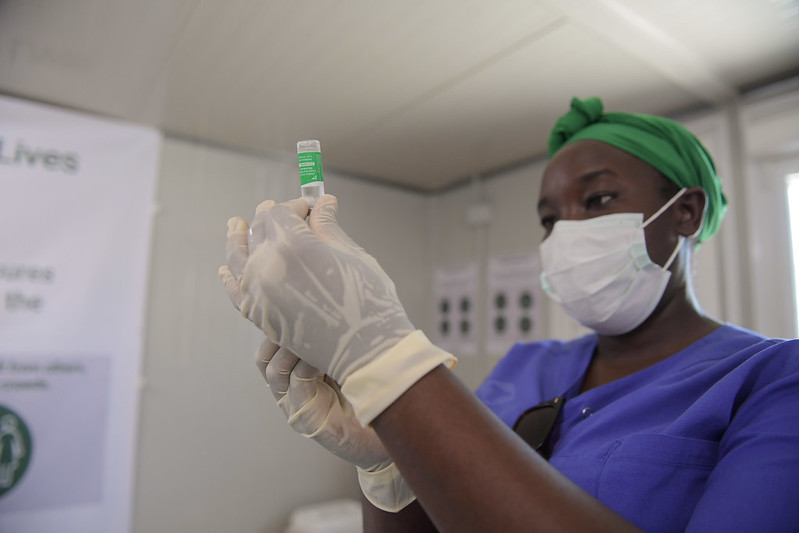
Foreign Aid Fueled Zambia’s COVID-19 Vaccination Success

Zambia's COVID-19 VaccinationZambia is a landlocked country in South-Central Africa. The nation has a reputation for political stability, avoiding the war and disruption that has dominated much of Africa’s post-colonial history. Despite economic growth, the daily lives of most Zambians have not improved in the last decade, with two-thirds of the population still living in poverty. Like every country across the globe, Zambia faced instability in the face of the COVID-19 pandemic. However, the country’s vaccination program exhibits the effectiveness and importance of international cooperation and donations when it comes to prioritizing global health.

Launch of Zambia’s COVID-19 Vaccination Program

In April 2021, Dr. Jonas Chanda, the Honourable Minister of Health for Zambia, launched the COVID-19 vaccination rollout. The United States Charge d’Affaires, at the United States (U.S.) Embassy, David Young, stated that the U.S. provided $2 billion to the Vaccine Alliance to support the COVAX. The Swedish Ambassador Anna Maj Huktgård congratulated the Government of the Republic of Zambia for achieving an important milestone in the response against COVID-19. She also took this as an opportunity to announce that the Swedish government was allocating a total of $259 million to support the COVAX program. The World Health Organisation (WHO) and the United Nations International Children’s Emergency Fund (UNICEF) worked in collaboration with other partners to support Zambia’s government in implementing the COVID-19 vaccination program.

International Contributions to Zambia’s Vaccination Efforts

In August 2021, the United Kingdom (U.K.) also donated 119,000 vaccine doses to Zambia through COVAX which arrived in Lusaka, as reported by UNICEF and the U.K.’s Foreign, Commonwealth and Development Office. In March 2022, the government of Japan, under an emergency partnership with UNICEF, officially handed over equipment aimed to strengthen the long-term capacity of the health system in Zambia, including the delivery of life-saving vaccines for COVID-19. This support included 82 solar-powered fridge freezers, 25 ‘on grid’ combo vaccine freezers, 120 large vaccine cold boxes and 200 vaccine carriers. This initiative was made possible through the COVAX facility, an international mechanism led by GAVI, CEPI, the World Health Organization and UNICEF to ensure equitable access to vaccines across the developing world. 

National Vaccination Campaign and Foreign Aid

Later that year, in October, the Government of the Republic of Zambia and partners, including the Centre for Disease Control (CDC), WHO and UNICEF, launched a 10-day national COVID-19 vaccination campaign targeting children aged 12 to 17 and adults 18 and above across the country. The nation had had clear goals in its fight against COVID-19, which foreign aid undeniably made possible.

Achievements and Continued Support

In November 2022, the Zambian government celebrated the nation’s achievement of vaccinating 70% of the eligible Zambian population. The U.S. government, through the U.S. Agency for International Development, the Centers for Disease Control and Prevention, the President’s Emergency Plan for AIDS Relief (PEPFAR) and the U.S Department of Defense have since provided nearly 1.9 billion kwacha ($120 million) to respond, prevent the spread of and recover from the toll of COVID-19 in Zambia. The U.S. government also supported integrating COVID-19 vaccination into HIV treatment centers to protect those living with HIV against COVID-19. 

Looking Ahead

Zambia’s successful vaccination program is a testament to the power of global cooperation. The generous foreign aid donations strengthened international relations and a shared commitment to prioritizing global health, especially during the COVID-19 pandemic, reveals what can potentially be achieved when the world unites for a common cause.

– Nia Willis

Nia is based in Carmarthenshire, UK and focuses on Global Health for The Borgen Project.

Photo: Flickr

August 24, 2024
https://borgenproject.org/wp-content/uploads/borgen-project-logo.svg 0 0 Precious Sheidu https://borgenproject.org/wp-content/uploads/borgen-project-logo.svg Precious Sheidu2024-08-24 07:30:462024-08-22 14:38:22Foreign Aid Fueled Zambia’s COVID-19 Vaccination Success
Advocacy, Aid, Child Poverty, Global Poverty

Child Poverty in France

France is often regarded as a European economic powerhouse of wealth and political influence. However, of the 14.47 million children living in France, 22.8% were at risk of poverty and social exclusion as of 2021. This amounts to around 3.3 million children in total. These children consistently struggle to access education, health care, food, housing and care services. In fact, by 2022, nearly 5,700 children in mainland France lived in shantytowns. Additionally, about 30,000 were housed in hotels—environments deemed unfit for family living—and 1,600 had no accommodation solution at all.

European Council Child Guarantee

Poverty and exclusion threaten about 19 million children in the European Union. In light of this, the European Commission adopted a recommendation from the European Council and created the Child Guarantee Act. This act aims to prevent and fight social exclusion by ensuring that vulnerable children have effective access to a range of basic services, such as free education, free health care, healthy food and adequate housing. By adopting the Childhood Guarantee on June 12, 2021, France pledged to enforce the protection of children’s rights to health, education, security and comfort at the national level. Consequently, France also pledged to enhance existing monitoring systems and develop new ones to better protect these rights.

French Child Guarantee National Action Plan

The Child Guarantee National Action Plan proposed by France to the European Council is ambitious, with many of its measures aimed at tackling child poverty receiving widespread approval. The plan focuses on five main points, which are as follows:

  1. The creation of a national observatory for ‘nonschooling’ now requires parents to obtain prior authorization to home-school their children. Authorities will accept only limited reasons for granting this permission.
  2. To reduce child poverty, the plan improves access to employment and develops the country’s childcare support system, focusing on maternal assistance accessibility during a child’s first 1,000 days.
  3. To reinforce access to education and schooling for vulnerable children, the plan includes enforcing stricter rules in foster care systems.
  4. The plan prioritizes children’s mental health and improves their access to health care overall.
  5. The plan expands the availability of care services to all children up to the age of 21.

Remaining Uncertainties

There are ongoing uncertainties about the funding and implementation conditions for policies designed to tackle child poverty in France. Key concerns include how the French Child Guarantee National Action Plan will be implemented, monitored and evaluated. This is due to an agreement by the Council of the European Union and the European Parliament that requires Member States to allocate 5% of their European Social Fund Plus resources to combat child poverty, but only if their national child poverty rates exceed the European average of 23.4%.

Countries like France do not have to invest a specific percentage of their budget in these efforts. Instead, they only need to allocate an ‘appropriate’ amount. This flexibility in the requirement is concerning, as it could result in inadequate support for vulnerable children in France who are at risk of or currently experiencing poverty, potentially diverting funds to other investments.

Looking Ahead

France faces significant challenges in addressing child poverty. The French Child Guarantee National Action Plan, aligned with the European Council’s Child Guarantee Act, aims to provide vulnerable children with access to essential services like education, health care and housing. However, uncertainties remain regarding the allocation of resources and the effectiveness of these measures, raising concerns about whether the plan will provide sufficient support to those most in need.

– Kristina Grant

Kristina is based in Scotland and focuses on Global Health and Politics for The Borgen Project.

Photo: Flickr

August 24, 2024
https://borgenproject.org/wp-content/uploads/borgen-project-logo.svg 0 0 Precious Sheidu https://borgenproject.org/wp-content/uploads/borgen-project-logo.svg Precious Sheidu2024-08-24 01:30:002024-08-22 14:08:11Child Poverty in France
COVID-19, Global Health, Global Poverty

A Deep Dive Into the Health Care System in Ethiopia

A Deep Dive Into Ethiopia’s Health Care System According to a National Library of Medicine study, health care systems in low-income countries remain as fragile as ever. The COVID-19 pandemic put such these systems under immense pressure. An example of this is the health care system in Ethiopia. 
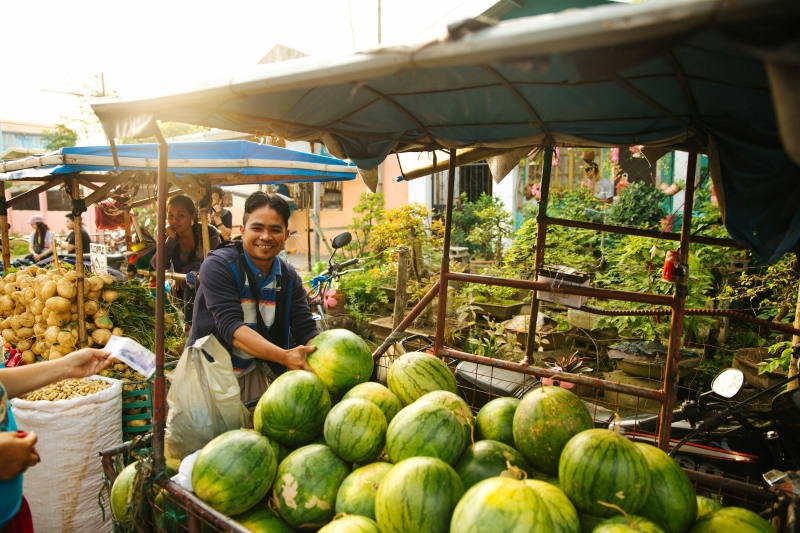
COVID-19 and Health Care Infrastructure

The pandemic highlighted many flaws and shortcomings in the health care infrastructure. Global leaders underestimated the need for health care reform and it was only after the pandemic claimed millions of lives that such leaders recognized the need for reorganization and restructuring to ensure adequate procedures and the anticipation of failures.

A 2022 study reviewed measures taken during the pandemic, offering an alternative means of control based on analysis. Researchers provided a more efficient model for managing deadly diseases and outbreaks, reformulating emergency response measures based on management, protection and containment via control and suppression of transmission, information and support.

The Impact on Ethiopia

Deadly diseases significantly impact global health security. Researchers have found that in countries with limited access to health care services, high poverty rates, and prevalent comorbid diseases, the effects of the pandemic intensified. From early March 2020 to July 2022, Ethiopia reported a total of 491,917 COVID-19 cases and 7,568 deaths, figures that are partly attributable to ongoing poverty-related conditions. Additionally, families experienced significant economic impacts, with about 8.4% of households reporting job losses between March and Oct. of 2020.

Ethiopia’s Response

Following the policymakers’ decision in Ethiopia, the government did not implement a pandemic lockdown like many other countries. Instead, it instated pandemic-preventive measures to reduce the spread of the virus. While somewhat successful, such an approach posed obstacles in implementing community-based services and initiatives to provide additional support to communities. Researchers proposed scaling up community-based resources and approaches as essential support elements.

Like some other low-income countries, Ethiopia could not initiate a country-wide lockdown. Instead, it immediately implemented measures such as thermal screening, contract tracing and isolation, which proved successful. Authorities tailored these measures specifically to the health care system in Ethiopia, weighing the pros and cons. The government demonstrated a strong commitment to addressing the shortage of essential medicines, effectively utilizing resources to produce critical medicine and prioritizing medicinal efforts.

Financing for Health Measures in Ethiopia

Financing is critical to supportive measures enacted to assist countries affected by health crises. It was found that funding for health initiatives and measures in Ethiopia had increased only after the pandemic. Such financial constraints the government of Ethiopia faced during the pandemic led to unprecedented circumstances, such as a shortage of protective equipment. 

According to the Institute of Medicine Committee on the United States (U.S.) Commitment to Global Health, low-income country revenues amount to only 18% of their gross domestic product (GDP), which limits their ability to finance health services, proving consequential in the face of severe health crises. Studies have shown that the level of investment needed to deliver extensive care and improve health care systems requires significant and sustained investment by outside agencies and sources. Additional aid from other organizations is therefore essential. 

Launch of the Response Project in Ethiopia

According to the World Health Organization (WHO), as of Jan. 2024, the Ethiopian government launched the Ethiopian Pandemic Multi-Sectoral Prevention, Preparedness and Response Project. This extensive project aims to address pandemic-related response measures and preparedness. Such analysis is specific to Ethiopia’s specific socioeconomic landscape. In addition, the project will also examine factors like communication and alerts, enhancing the surveillance of outbreaks in some regions of the country.

Dr. Dlamini Nonhlanhla, WHO’s Ethiopia Representative, discussed the initiatives, noting, “The key components and project activities are aligned with the national plans, including Ethiopia’s Health Sector Transformation Plan, the Ethiopia Public Health Institute’s Strategic Plan, the Ethiopian National Health Emergency Preparedness and Response Plan and the Ethiopian Antimicrobial Resistance (AMR) National Action Plan.” Additionally, Nonhlanhla explained that funding would strengthen Ethiopia’s health care systems and other government structures crucial to public health protection. “This fund will enable us to mobilize resources, strengthen health systems and support critical sectors such as agriculture, environment, antimicrobial resistance and animal health, ensuring a holistic approach to safeguarding public health,” Nonhlanhla added.

Role of Government Leadership and Foreign Aid

Since July 2021, the U.S. has donated 10,095,170 COVID-19 vaccine doses to the citizens of Ethiopia, increasing aid to a severely affected country. In a public health crisis, government leadership, as well as foreign aid, is especially critical in mitigating both the economic, health and social consequences of a deadly viral outbreak, proving essential in assisting countries with poorly structured health care systems.

Looking Ahead

The Ethiopian government, with support from international organizations, has taken significant steps to strengthen the health care system in Ethiopia in response to the COVID-19 pandemic. The launch of the Ethiopian Pandemic Multi-Sectoral Prevention, Preparedness and Response Project marks a critical move toward improving the country’s ability to manage future health crises. With continued investment in health systems and targeted foreign aid, Ethiopia aims to enhance its pandemic preparedness and safeguard public health.

– Dominic Samaniego

Dominic is based in Fullerton, CA, USA and focuses on Global Health for The Borgen Project.

Photo: Flickr

August 17, 2024
https://borgenproject.org/wp-content/uploads/borgen-project-logo.svg 0 0 Precious Sheidu https://borgenproject.org/wp-content/uploads/borgen-project-logo.svg Precious Sheidu2024-08-17 03:00:102024-08-16 11:45:06A Deep Dive Into the Health Care System in Ethiopia
Activism, Advocacy, Inequality

Organizations Fighting Inequality in the Philippines

fighting inequality in the Philippines Inequality is a key barrier to success for many residents of the Philippines. The International Fund of Agricultural Development (IFAD) cites a rural poverty rate of 36%. Furthermore, the World Bank cited the Philippines as sporting an income Gini coefficient of 42.3% in 2018, indicating some of the highest levels of inequality in East Asia. This article will address the efforts of NGOs like the Philippine Task Force for Indigenous Peoples, and Fundlife International, exploring the ways these organizations are fighting inequality in the Philippines.
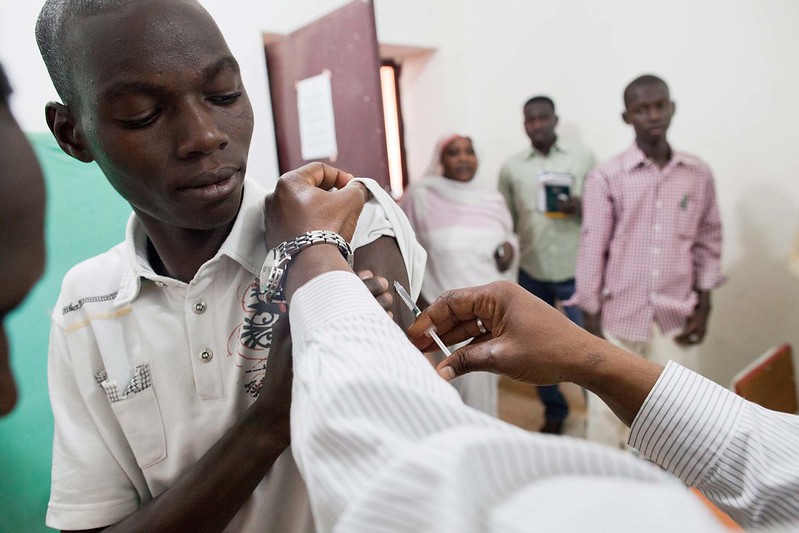
United Nations Industrial Development Organization

The United Nations Industrial Development Organization (UNIDO), in addition to surveying the Philippines and identifying developmental hurdles for the nation, has also accomplished a great deal of work of its own in the nation. UNIDO’s new Global Quality and Standards Programme (GQSP) which has been in effect since 2022 is an example of its continued efforts in the nation.

Since 2022 alone, UNIDO spent $428,785 to encourage systematic trade development and strengthen quality infrastructure in the Philippines and countries like Costa Rica and Moldova, with a further $2,366,419 budget for the program, which will last until 2027. Aside from UNIDO’s efforts, however, there are many NGOs with operations based within the Philippines itself, with programs of their own that are fighting inequality in the Philippines by providing for the nation’s Indigenous community

Philippine Task Force for Indigenous Peoples

The Philippine Task Force for Indigenous Peoples (PTFIP) is an NGO primarily basing its operations in the Philippines, with support from Germany’s Protestant Development Service. Formed to advocate for the needs of the Philippine Indigenous Peoples, while spreading awareness and educating others on the knowledge and practices of these peoples, the PTFIP uses many methods to accomplish this goal.

The PTFIP’s work towards preserving the history of indigenous peoples has been recognized, with the organization earning the Heritage Education and Interpretation award of the Philippine Heritage Awards. Covering the stories of indigenous peoples is critical for combating inequality, spreading awareness of the struggles and advocating for the needs of the Philippines’ indigenous population allows not only the general population to know how they can pitch in and help but also political figures and company leaders so that they are aware of the goings on in these communities.

FundLife International

FundLife International is another NGO fighting inequality in the Philippines, founded on a simple mission statement – “no child should be denied ​quality education and equitable opportunities to reach their fullest potential.” Through many different approaches towards tackling this goal, it has shown utmost dedication towards fulfilling its mission statement, taking on the challenge of combating inequality in different sectors, including efforts focused on Education, Infrastructure, and Gender Equality.  In addition to these efforts, it also provides relief aid during natural disasters and organizes charity events within The Philippines to raise awareness and funding towards these causes.

Another key way it accomplishes its goal is through its empowerment initiative. In The Philippines, four in 10 of the nation’s youth work in the informal sector. Informal employment often entails unregulated work, and that pays below minimum wage. This type of work can be entrapping for those living in poverty, often lacking opportunities for career progression.  Since 2014, Fundlife has directly helped over 80,000 people in the Philippines, providing them with opportunities to escape inequality and empowering them to find long-term careers.

Closing Thoughts

Although many organizations are working to combat inequality in The Philippines domestically, tackling the nation’s inequality is no small task. The efforts of the NGOs mentioned in this article cannot be understated, but progressing towards eradicating inequality in the Philippines is no small task. Though the work of FundLife, UNIDO, and PTFIP has already impacted the lives of thousands across the Philippines, there are still many within the nation that still require support. Though progress will be gradual, the impact of the efforts of these and many more NGOs is invaluable.

– Malik Vega

Malik is based in Miami, FL, USA and focuses on Good News for The Borgen Project.

Photo: Unsplash

August 17, 2024
https://borgenproject.org/wp-content/uploads/borgen-project-logo.svg 0 0 Naida Jahic https://borgenproject.org/wp-content/uploads/borgen-project-logo.svg Naida Jahic2024-08-17 01:30:202024-08-16 11:14:24Organizations Fighting Inequality in the Philippines
Aid, Global Health, Global Poverty

A Look at Yellow Fever in Gabon

A Look at Yellow Fever in Gabon Gabon, located on the Atlantic coast of Central Africa, has a relatively high GDP for the region at $8,820, compared to nearby Nigeria at $2,162. Despite this high income, wealth distribution in Gabon is highly unequal, leading to widespread poverty. Of its 2.4 million residents, more than 900,000 live below the poverty line, subjecting a significant portion of the population to numerous hardships, including diseases. A particularly severe challenge in Gabon is Yellow Fever.
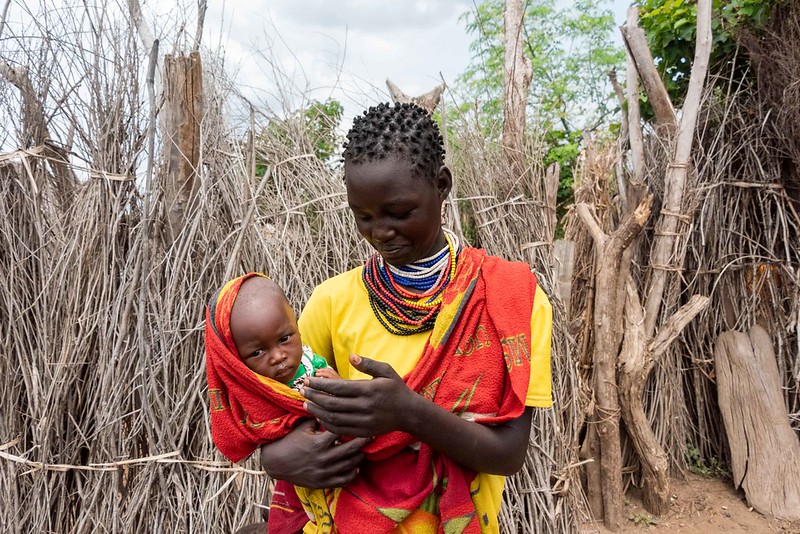
Yellow Fever Transmission and Risks in Gabon

Yellow Fever is a viral disease transmitted by mosquitoes and can spread in three primary ways. The intermediate cycle, most commonly observed in Africa, involves semi-domestic mosquitoes that contract and spread the disease. Although a vaccine is available, Yellow Fever is a fast-spreading illness that poses a significant danger and has the potential to spread internationally, making it a global threat. Effective management is crucial whenever outbreaks occur.

Health Infrastructure and Yellow Fever Preparedness

Currently, Gabon does not have any active Yellow Fever outbreaks, but the country remains at high risk for potential outbreaks. Gabon’s health system receives minimal government funding, amounting to only 3% of the country’s GDP. The World Health Organization (WHO) reports that vaccination rates for Yellow Fever in Gabon are suboptimal, with less than 85% coverage nationwide. The risk of Yellow Fever has increased since the COVID-19 epidemic, which disrupted immunization services. Although the disruption was brief, it has increased the number of people susceptible to otherwise preventable diseases.

Yellow Fever Epidemics Strategy in Gabon

The WHO has designated Gabon as a high-priority target within its Eliminate Yellow Fever Epidemics (EYE) strategy. WHO and its partner organizations are focusing primarily on maximizing vaccination rollout as part of this strategy. Alongside vaccinations, vector control measures have been implemented in urban centers across Gabon to eliminate potential wildlife carriers of the disease. WHO is also committed to educating travelers about the risks of Yellow Fever. Entry into Gabon requires a Yellow Fever vaccination and travelers are informed about the symptoms and signs to ensure prompt treatment if infected. This proactive approach helps prevent the international spread of the disease, which is one of the most critical aspects of managing Yellow Fever. The EYE strategy has proven effective not only in reducing cases in Gabon but also across Africa.

Looking Ahead

Gabon faces significant challenges in managing the risk of Yellow Fever due to unequal wealth distribution and a health system with limited funding. Although the country has no current outbreaks, it remains highly vulnerable. WHO’s Eliminate Yellow Fever Epidemics strategy focuses on increasing vaccination coverage and implementing vector control measures to mitigate this risk. These ongoing efforts aim to safeguard Gabon’s population and prevent the potential spread of Yellow Fever beyond its borders.

– Tyra Brantly

Tyra is based in Los Angeles, CA, USA and focuses on Good News and Global Health for The Borgen Project.

Photo: Flickr

August 16, 2024
https://borgenproject.org/wp-content/uploads/borgen-project-logo.svg 0 0 Precious Sheidu https://borgenproject.org/wp-content/uploads/borgen-project-logo.svg Precious Sheidu2024-08-16 07:30:232024-08-16 02:22:54A Look at Yellow Fever in Gabon
Global Health, Global Poverty, Women and Children

USAID and Maternal Mortality in Ethiopia

 USAID and Maternal Mortality in Ethiopia Across the developing world, the health of mothers and the risks of childbirth remain a difficult challenge. Developing nations experience a lack of modern health care centers, inaccessible medical training, diseases that the developed world has eradicated and food insecurity, among other hindrances to healthy pregnancies and deliveries. Despite recent improvements, Ethiopia continues to experience these difficulties. It is for this reason that the United States Agency for International Development (USAID) has built up various programs that work to improve the health of mothers and reduce maternal mortality in Ethiopia. 

The Situation

In the last 20 years, the number of mothers who die from childbirth in Ethiopia has dropped from 29,600 mothers in 2002 to about 10,000 in 2020. Likewise, maternal mortality measures such as the maternal mortality ratio (number of mothers who die from pregnancy-related causes per 100,000 live births) have more than halved in the last two decades. Currently, there are 401 deaths per 100,000 live births in Ethiopia. Despite these levels remaining high in comparison with developed nations, which experience just 24 deaths per 100,000 live births, these improvements are extremely significant. In addition to the work of the Ethiopian government and other NGOs and nonprofits working across the country, USAID has made major contributions to improve maternal mortality in Ethiopia. 

Health Care Worker Program

An aspect of the discussion surrounding maternal mortality in Ethiopia is the state of health care across the country. Currently, there is a global median of 48.6 health care workers per 10,000 people. Ethiopia only has 9.2 workers per 10,000 people. These numbers indicate a stark shortage of health care workers, which has serious implications for expectant mothers and birthing women. When there are so few health care workers, it is impossible to ensure that pregnant people receive antenatal care, access a sterile birthing facility or receive quality health care during and after labor.

In response to the ongoing situation, USAID has built up two programs in Ethiopia, known as USAID’s Transform Primary Health Care and Transform Health in Developing Regions projects. These projects focus on underserved areas of Ethiopia to expand basic health care needs, strengthen the abilities of health care workers and provide support for health care programs through planning, budgeting and managing. This program is a major source of aid in rural parts of the country, where women experiencing pregnancy and childbirth are at an increased risk of maternal mortality. 

Preventable Disease Programs

Another important aspect of maternal health is infant and child health. Currently, 24% of all preventable deaths in Ethiopia are women and children. It is for this reason that USAID intervenes in Ethiopia with various vaccination and nutrition programs for both mothers and children. In 2023, USAID reached three million to provide mosquito nets, 62% of births measured received DTP3 immunizations before age 1 and nearly 700,000 women gave birth in a sterile U.S.-funded facility. USAID also funds the Core Group Polio Project to improve vaccination (namely in rural areas), provide outbreak response and eventually eradicate polio from Ethiopia. These programs do the vital work of avoiding preventable deaths in not only mothers across Ethiopia but also their young children.

Nutrition Program

A key aspect of both maternal and child health is nutrition. Nutrition is an extremely difficult obstacle to overcome in a country like Ethiopia, where droughts, conflict and extreme poverty are constant challenges. For this reason, USAID works through its Feed the Future Growth through Nutrition Program to boost the nutrition of pregnant women, mothers, infants and young children. This program focuses on education programs that ensure good nutrition via nutrient and vitamin-rich foods are household staples. With only 11% of the USAID budget for maternal health in Ethiopia, this program reached 6.1 million children under 5 in 2023 alone. Despite difficulties in ensuring good nutrition which impacts the health of mothers and children, USAID has put in important work to improve the health of mothers and therefore lower maternal mortality in Ethiopia. 

Looking Ahead

Maternal mortality remains a critical challenge in the developing world and Ethiopia is no exception. However, organizations like USAID are making significant strides in creating a safer environment for mothers. Their efforts are crucial in improving health care, reducing preventable diseases and enhancing nutrition.

– Carlie Duggan

Carlie is based in Newtown, PA, USA and focuses on Global Health for The Borgen Project.

Photo: Flickr

August 16, 2024
https://borgenproject.org/wp-content/uploads/borgen-project-logo.svg 0 0 Precious Sheidu https://borgenproject.org/wp-content/uploads/borgen-project-logo.svg Precious Sheidu2024-08-16 01:30:472024-08-15 12:58:47USAID and Maternal Mortality in Ethiopia
Advocacy, Food Insecurity, Global Poverty

Global Food Insecurity: Trends and Policy Recommendations

Global Food Insecurity: Trends and Policy Recommendations Food insecurity, a socioeconomic condition of limited or uncertain food access, often coincides with geopolitical tensions. Recent reports underscore the world is off track to achieve the United Nations’ (U.N.’s) zero hunger goal. Escalating conflict worsens acute food insecurity and international efforts face financial and structural challenges. Recent reports detail the trends in global food insecurity and food crises. Here are the key takeaways from the U.N. State of Food Security and Nutrition in the World, the 2024 Global Report on Food Crises (GRFC), International Food Security Phase Classification (IPC) and the World Bank Food Security Update.

Food Insecurity: Global Trends

Global progress toward SDG 2 (Zero Hunger) remains stagnant since 2021. The broader picture reveals that hunger rates have plateaued since spiking in 2019. The prevalence of undernourishment (PoU) affected 9.1% of the population in 2023 — a slight increase from 7.5% two years prior. 

Regional disparities are evident. In 2023, undernourishment increased in Africa by 0.5%, by 0.3% in West Asia and by 0.4% in the Caribbean, while remaining stable in East Asia and decreased by 0.4% in Latin America. This means more than 14 million additional undernourished individuals in Africa but five million fewer in Latin America and Asia. 

Since 2019, the number of people facing acute food insecurity has increased across countries surveyed by the GRFC. While the situation improved in 17 countries, reducing the number of people facing high levels of acute food insecurity by 7.2 million, it worsened in 12 countries, where an additional 13.5 million people now face high levels of acute food insecurity. Gaza, South Sudan, Burkina Faso, Somalia and Mali are at risk of famine in 2024.

Food prices are rising globally, especially in middle and lower-income countries. The number of people who can afford a healthy diet returned to pre-pandemic levels, albeit with a disparity between lower and higher-income countries. 

Overall, the world is not on track to meet its seven nutrition targets by 2030. While stunting and wasting are declining and exclusive breastfeeding rates are rising, there has been no improvement in low birthweight, obesity and anemia among women. Additionally, El Niño weather patterns have worsened food insecurity in southern Africa but have contributed to improved harvests in parts of East Africa, Latin America and the Caribbean.

Conflict

The main driver of global food insecurity is conflict. In the 59 countries and territories surveyed by the GRFC, more than 134 million people face high acute food insecurity where conflict is the primary driver, compared to 71.9 million and 75.2 million for extreme weather and economic shocks respectively.  

In Sudan, the onset of civil war in 2023 disrupted food production, leading to acute food insecurity for 20.3 million people — an increase of 8.6 million. It is expected that more than 25 million people will face crisis conditions in 2024.

In Gaza, due to mass displacement, infrastructural damage and limited humanitarian access 2.5 million people (96% of its population) will face acute food insecurity in 2024. 

In Haiti, approximately half of its population faced acute food insecurity due to violence. Armed gangs seized farms, agricultural products and the main port. Subsequent transportation disruptions and internal displacement are increasing food prices.

Policy Recommendations to Address Global Food Insecurity

Addressing food insecurity could prevent future social, economic and environmental costs. This includes aid for famine relief, refugee costs from hunger-caused displacement, health expenses and productivity loss due to undernutrition. According to estimates from the Global Nutrition Report 2021, economic gains from nutrition investment can potentially amount to $5.7 trillion annually by 2030 and $10.5 trillion annually by 2050.

While estimates vary, it would cost around $4 trillion to eliminate hunger by 2030. The current architecture is fragmented; food security financing must be scaled through international financial institutions, the U.N. emphasized. Recently, the World Bank made $45 billion available for food and nutrition response, supporting agricultural plans, employment opportunities and resilience programs. 

The IPC warned the cessation of hostilities and humanitarian access is needed to alleviate famine in Gaza. Likewise, Haiti and Sudan risk famine as the effects of conflict worsen. Conflict must be reduced to effectively address systemic failures and strengthen governance. The IPC also calls for early action, humanitarian access and multi-sectoral responses to avoid famine.

Looking Forward

The U.N. reports highlight that global food insecurity remains a pressing issue, with conflict being the primary driver. Countries like Sudan, Gaza and Haiti face severe food crises due to ongoing conflicts and economic challenges. Addressing food insecurity through comprehensive international efforts and improved governance could prevent future crises and significantly enhance global well-being.

– Luke Ravetto

Luke is based in Boston, MA and focuses on Politics for The Borgen Project.

Photo: Flickr

August 15, 2024
https://borgenproject.org/wp-content/uploads/borgen-project-logo.svg 0 0 Precious Sheidu https://borgenproject.org/wp-content/uploads/borgen-project-logo.svg Precious Sheidu2024-08-15 07:30:032024-08-15 05:14:31Global Food Insecurity: Trends and Policy Recommendations
Advocacy, Global Poverty, Nonprofit Organizations and NGOs

Guardians of Dreams: A Brighter Future for Children in India

Guardians of DreamsA team of innovative minds based in Bangalore, India, set out nine years ago to enhance the social and physical infrastructures of children’s homes. Since 2015, the nonprofit organization, Guardians of Dreams actively reformed the delivery of childcare institutions, ensuring the essential needs of every child within are effectively provided. The Borgen Project spoke with one of the co-founders, Mekha Thachankary, to discuss the work of Guardians of Dreams and its journey ahead.

A Home of Diverse Backstories

There are nearly 400,000 children across 10,000 children’s homes in India. Within these homes, children come from a variety of environments. Some children come from families that are economically unstable and cannot sustain the essential needs of a child such as nutrition, clothing and health care. Children who have been orphaned, in conflict with the law or been rescued from human trafficking also require a rehabilitative environment. 

Challenges Strung Upon Childcare Homes

Enacted in 2015, the Juvenile Justice Act allows childcare institutions such as children’s homes, orphanages and juvenile justice homes to provide care and protection through specific practices and resources. These resources include 24-hour supervision, education, nutrition and basic amenities like beds and hygiene care. Despite the critical need for these resources, most childcare institutions in India lack the financial capacity to consistently maintain their infrastructures. The COVID-19 pandemic has further strained the childcare sector’s ability to deliver effective services. Additionally, individuals who turn 18 and are legally considered adults must leave these institutions. This forces them to abandon plans for higher education and take the nearest available job. Aftercare is crucial for these young adults to integrate into society successfully. Without life skills training and a reliable support system, they remain vulnerable to a systemic cycle of poverty.

The Beginning of The Story

In 2011, Thachankary began volunteering as an English teacher in children’s homes. Over time, she became acutely aware of the broader challenges these children faced, realizing that teaching English alone was insufficient for providing long-term protection and support. “You start realizing the problem is much deeper,” Thachankary said, as she encountered the complex issues these children dealt with. This realization sparked an initiative to reform children’s homes in India. Many children suffer from malnutrition and inadequate health care, trapping them in a continuous cycle of illness. Additionally, a lack of opportunities for relationship-building has stunted their social skill development. Recognizing these issues, Thachankary concluded that a holistic approach was essential for a brighter future in child welfare.

The Guardians of Dreams

Alongside a team of inspired individuals, Guardians of Dreams was created to support the children and their aspirations going forward. “The whole point of the name Guardians of Dreams for us is to make sure that we’re able to guard their dreams,” Thachankary said. Ensuring the appropriate resources within childcare institutions fosters greater opportunities for young adults. Since 2015, this organization has expanded to helping 450 pre-existing childcare institutions across 6 Indian districts: Kochi, Bangalore, Chennai, Calcutta, Hyderabad and Mumbai. Guardians of Dreams is intent on upgrading the providence of childcare institutions through financial, educational and emotional support. Through a noninvasive technique, Guardians of Dreams builds a relationship with the leaders and workers of the institutions and collaborates to deliver positive development for the children.

A Glimpse Into The Projects

A new three- to five-year program currently rolls out across 10 homes and incorporates a curriculum developed by Guardians of Dreams. This curriculum is crafted in collaboration with subject matter experts, such as nutritionists and hotel management professionals experienced in sanitation care and childcare institutions with established practices. The curriculum acknowledges a variation of domains such as nutrition, mental health, hygiene and more and promotes these guidelines within the homes. Volunteers called ‘embedded managers’ go on-site to train and evaluate. In this newly developed program, the organization provides approximately $2500 to $4000 in grants annually to support enhanced meal plans and mental health coaching. 

A program such as the Scholastics Awards Program provides unrestricted financial support for one year to 10th-and 12th-grade students who demonstrate academic success. So far, it has reached 974 students across three districts, encouraging young adults to pursue their preferred career opportunities without financial strain.

To address financial instability and the lack of facilities at childcare institutions, Guardians of Dreams conducts thorough assessments and executes upgrades, including additional toilets and enhanced dormitory and recreational spaces. This project has successfully revitalized six homes and is currently making progress with more than 300 homes.

The Journey Ahead

The United Nations asserts that childhood deserves special care and attention, establishing a framework that supports a child’s right to a suitable standard of living. Numerous local nonprofit organizations and government-run childcare institutions in India are committed to achieving making this a reality for vulnerable children, but resource shortages can compromise consistency. The efforts of organizations like Guardians of Dreams have significantly improved childcare institutions, benefiting the institutions, members and staff. A notable success story involved assisting a Bangalore childcare home in securing the official license required to operate as an established institution after 16 years. The ultimate measure of success is seeing vulnerable children from any background thrive in a supportive environment.

– Abigail Lobo

Abigail is based in Mississauga, Ontario, Canada and focuses on Good News and Global Health for The Borgen Project.

Photo: Flickr

August 14, 2024
https://borgenproject.org/wp-content/uploads/borgen-project-logo.svg 0 0 Precious Sheidu https://borgenproject.org/wp-content/uploads/borgen-project-logo.svg Precious Sheidu2024-08-14 01:30:432024-08-14 00:59:53Guardians of Dreams: A Brighter Future for Children in India
Page 10 of 77«‹89101112›»

Get Smarter

  • Global Poverty 101
  • Global Poverty… The Good News
  • Global Poverty & U.S. Jobs
  • Global Poverty and National Security
  • Innovative Solutions to Poverty
  • Global Poverty & Aid FAQ’s
Search Search

Take Action

  • Call Congress
  • Email Congress
  • Donate
  • 30 Ways to Help
  • Volunteer Ops
  • Internships
  • Courses & Certificates
  • The Podcast
Borgen Project

“The Borgen Project is an incredible nonprofit organization that is addressing poverty and hunger and working towards ending them.”

-The Huffington Post

Inside The Borgen Project

  • Contact
  • About
  • Financials
  • President
  • Board of Directors
  • Board of Advisors

International Links

  • UK Email Parliament
  • UK Donate
  • Canada Email Parliament

Get Smarter

  • Global Poverty 101
  • Global Poverty… The Good News
  • Global Poverty & U.S. Jobs
  • Global Poverty and National Security
  • Innovative Solutions to Poverty
  • Global Poverty & Aid FAQ’s

Ways to Help

  • Call Congress
  • Email Congress
  • Donate
  • 30 Ways to Help
  • Volunteer Ops
  • Internships
  • Courses & Certificates
  • The Podcast
Scroll to top Scroll to top Scroll to top