• Link to X
  • Link to Facebook
  • Link to Instagram
  • Link to TikTok
  • Link to Youtube
  • About
    • About Us
      • President
      • Board of Directors
      • Board of Advisors
      • Financials
      • Our Methodology
      • Success Tracker
      • Contact
  • Act Now
    • 30 Ways to Help
      • Email Congress
      • Call Congress
      • Volunteer
      • Courses & Certificates
      • Be a Donor
    • Internships
      • In-Office Internships
      • Remote Internships
    • Legislation
      • Politics 101
  • The Blog
  • The Podcast
  • Magazine
  • Donate
  • Click to open the search input field Click to open the search input field Search
  • Menu Menu

Archive for category: Advocacy

Information and news on advocacy.

Advocacy, Aid, Global Poverty, Humanitarian Aid, Migration, UNICEF

3 Ways the IOM is Addressing Somalia’s Humanitarian Crisis

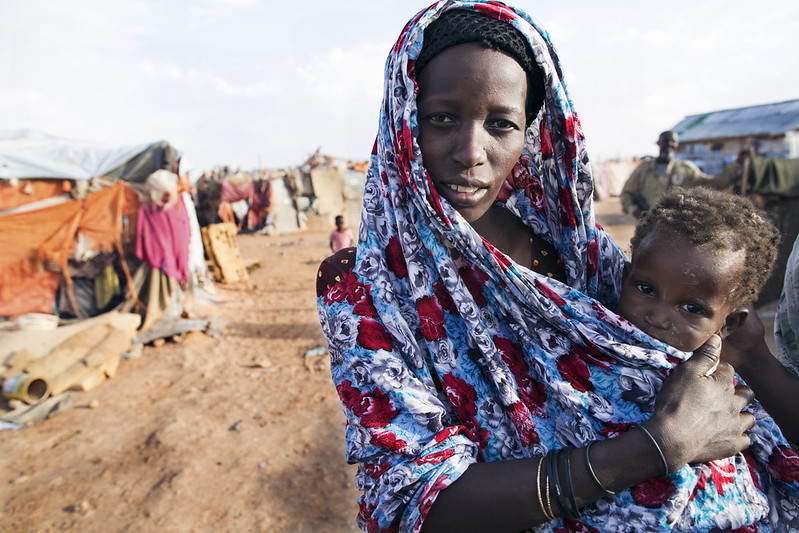
3 Ways the IOM is Addressing Humanitarian Crisis in SomaliaSomalia is a low-income country in the Horn of Africa. The country has suffered through four consecutive years of drought. This has caused the death of almost 4 million livestock between July 2021 and April 2022. A once-in-a-century flooding event during the latest rainy season worsened this grim situation. The paradoxical combination of drought and floods has resulted in failed harvests, decreased food security and displaced more than a million Somalians. Here are three ways the International Organization for Migration (IOM)—one of the largest humanitarian organizations in the country—is addressing Somalia’s humanitarian crisis.

3 Ways IOM Addresses Somalia’s Humanitarian Crisis

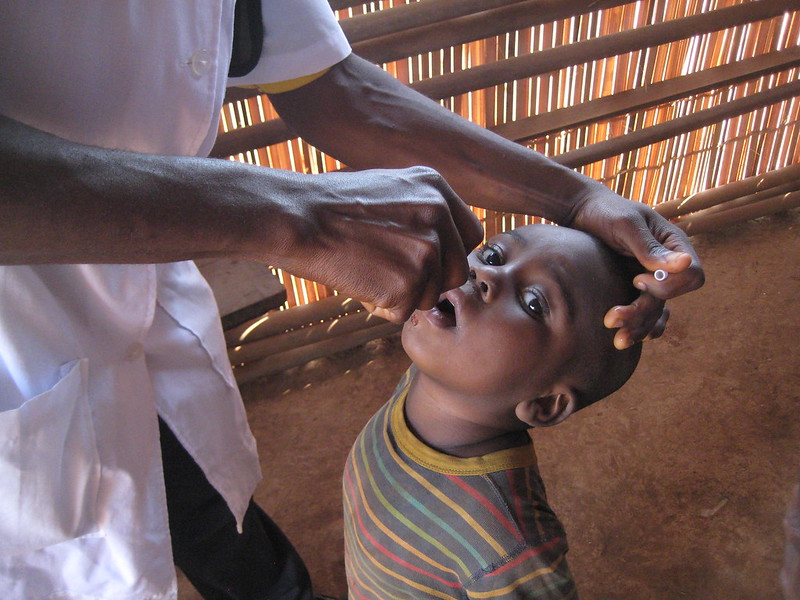
  1. New Mobile Clinics. In August 2023, IOM announced the opening of seven new mobile clinics in the city of Garowe, Somalia. The purpose of the clinics is to provide health and nutrition services to individuals affected by the drought. The clinics offer free malnutrition screenings, nutrition assistance, child immunizations and medical consultations to those in need, among other services. Despite receiving just 34% of the requested funding, IOM has impressively managed to reach 73% of Somalians targeted for health and nutrition assistance by the organization.
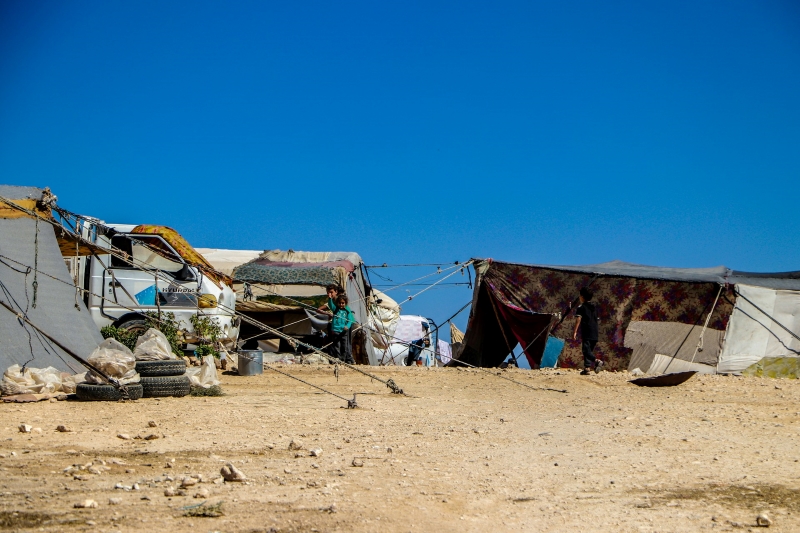
  2. Emergency Shelter. While plastic sheets may not seem like much in the way of shelter, they can be effective for temporarily patching roof holes in times of heavy rainfall and are a far cry better than no shelter at all. Recognizing this, IOM supplied 100,000 plastic sheets to flood-impacted regions of the country in Aug. 2023. Additionally, IOM provided more than 5,000 Somalian households with crucial emergency shelter materials in the same month. This program was subsequently scaled up to cover more than 7,000 households in the following month.
  3. Solar-Powered Wells. The prolonged drought in Somalia has resulted in many shallow wells and small reservoirs drying up, forcing thousands of rural Somalians to flee to urban areas or refugee camps. To combat this trend and improve access to clean water and sanitation, IOM is working on rehabilitating seven wells in the city of Baidoa, Somalia. While still in progress, the last two boreholes for the wells were completed in Aug. 2023. IOM is outfitting the wells with solar generators to guarantee their sustainability. In addition, the organization has cumulatively provided more than two million Somalians with water, sanitation and hygiene assistance as of Aug. 2023.

Looking Ahead

The IOM continues to play a critical role in addressing Somalia’s ongoing humanitarian crisis. Through the establishment of mobile clinics, the provision of emergency shelter materials and the rehabilitation of solar-powered wells, IOM has provided essential aid to millions of Somalians affected by drought and flooding. These ongoing efforts aim to improve health services, enhance living conditions and secure access to clean water, all of which are crucial in mitigating the severe impacts of the country’s climate challenges.

– Kipling Newman

Kipling is based in Denver, CO, USA and focuses on Good News and Global Health for The Borgen Project.

Photo: Flickr
August 13, 2024
https://borgenproject.org/wp-content/uploads/borgen-project-logo.svg 0 0 Precious Sheidu https://borgenproject.org/wp-content/uploads/borgen-project-logo.svg Precious Sheidu2024-08-13 03:00:582024-08-12 12:31:103 Ways the IOM is Addressing Somalia’s Humanitarian Crisis
Advocacy, Aid, Global Poverty

The Hidden Dimensions of Poverty  

Hidden Dimensions of PovertyIn February 2024, the “Addressing the Hidden Dimensions of Poverty in Knowledge and Policies” Conference took place at the World Bank headquarters in Washington, D.C. and online. To better understand the key dimensions and relationships of poverty, the conference brought together various groups including practitioners, academics and people with first-hand poverty experience to join together in research.

The Agenda

The conference’s Keynote speech “Evaluating the Impact of Anti-Poverty Policies: The Value of Multiple Approaches” set the tone for the event by introducing the idea that multiple perspectives are key when discussing issues of poverty, particularly those from people who have lived experience.

The conference then drew on the findings of two significant research projects that illustrate poverty’s hidden dimensions and how to incorporate them into the fight against global poverty. Both of these projects were conducted in collaboration with ATD Fourth World, a non-profit organisation founded in 1957.

After a series of workshops which explored the applicability of these projects to poverty research in specific countries including Bolivia, Tanzania and the U.K., according to the World Bank, the conference concluded with a roundtable discussion from leaders of the World Bank, ATD Fourth World, International Monetary Fund (IMF) and the U.N.

The Hidden Dimensions of Poverty

The ‘Hidden Dimensions of Poverty’ was a multi-year participatory research project from ATD Fourth World and Oxford University published in 2019. The project aimed to complement “top-down” definitions of poverty with direct experiences to develop future research methodologies. Researchers hope that these research methodologies can enable people in poverty to engage in global policy-making, hold governments accountable and fulfil their human rights obligations.

The project concluded that poverty may be defined as having nine dimensions that each fall into one of three larger categories. For each individual, the dimensions within these three categories (core experience of poverty, lack of resources and relational dynamics) are caused by external modifying factors such as location and identity which combine to create an experience of poverty that is unique to the person. This framework can not only define poverty but also help understand the contributing factors at play which could shape local and global policy, according to the research.

ATD Fourth World views current measures of extreme poverty such as the $1.90 a day indicator to be deeply flawed and inadequate. Instead, it believes that extreme poverty is a multidimensional phenomenon and policymakers should treat it as such. ATD Fourth World continues to work with people living in poverty, researchers and international organisations and governments to work on the question of how best to measure poverty.

The IDEEP

The Tool for the Inclusive and Deliberative Elaboration & Evaluation of Policies (IDEEP) is a document that ATD Fourth World and Olivier De Schutter, the U.N. Special Rapporteur on extreme poverty and human rights, created and published in February 2024.

The IDEEP aims to guide policymakers to ensure that the design, implementation and assessment of policies and projects has strong participation from people in poverty. This aims to ensure the addressing and inclusion of various dimensions of poverty, including the “hidden” ones. While not explicitly mentioned, the IDEEP draws on the findings of the Hidden Dimensions of Poverty to provide a framework which is inclusive and deeply participatory.

This tool does not intend to replace existing policy assessment tools such as those which rely on the normative framework of human rights, rather it aims to complement them to offer a more nuanced perspective. Furthermore, by using the IDEEP, decision-makers could capture the lived experiences of people in poverty to create improved policies and projects.

Changing the Perception of Poverty

Put simply, poverty is something that society has created, knowingly or unknowingly, according to ATD Fourth World. The findings put forth in this conference demonstrate that the best way to solve this issue is through open collaboration between researchers, people with lived experience and international institutions and governments. It is only through understanding the hidden dimensions of poverty that one can constructively combat this global issue.

– Carla Messinger

Carla is based in Oxford, UK and focuses on Global Health and Politics for The Borgen Project.

Photo: Unsplash

August 13, 2024
https://borgenproject.org/wp-content/uploads/borgen-project-logo.svg 0 0 Naida Jahic https://borgenproject.org/wp-content/uploads/borgen-project-logo.svg Naida Jahic2024-08-13 01:30:152024-08-12 12:09:09The Hidden Dimensions of Poverty  
Disease, Global Health, Global Poverty

Health and Vector-Borne diseases

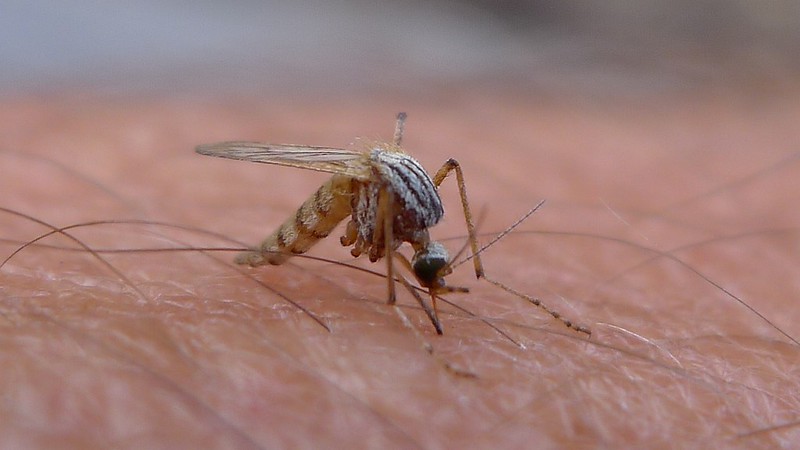
Vector-Borne DiseasesVector-borne diseases comprise 17% of known infectious diseases, like malaria, Dengue fever and West Nile virus. Vector-borne diseases result from an infection transmitted to humans and other animals by vectors. Despite causing millions of cases each year worldwide, adverse climatic conditions can worsen the global burden of these infections and negatively impact human health.

Effect of Adverse Weather on Vector-Borne Diseases

Vectors are sensitive to their environments. An increase in the earth’s average temperature presents a difficult challenge for addressing vector populations, as altered weather patterns and temperature changes affect vectors directly and indirectly. Rising temperatures can increase the speed of vector life cycles and breeding, which can increase vector populations and the speed of pathogen replication in hosts.

Indirectly, the weather changes impact the habitats and environments where these vectors exist and can change their geographic range and distribution. Mosquitoes, for example, breed in stagnant water; increased precipitation in some areas can amplify the number of vector breeding sites. These long-term changing weather patterns can increase vector’s geographic range, as warmer winter temperatures allow vector species to live in a larger area, increasing the range of the infections they spread to humans.

The burden of vector-borne diseases is highest in tropical and subtropical areas, disproportionately affecting the most impoverished populations. Malaria is one of the most prevalent vector-borne diseases globally, with an estimated 219 million cases and more than 400,000 deaths annually, according to the World Health Organization (WHO). Most of these deaths occur in children under five, with mosquitoes being the primary transmission vector.

Helpful Organizations

Many international organizations focus on this issue, working with the public health perspective and tackling changing climatic conditions to safeguard human health. GAVI, the Vaccine Alliance, has played a crucial role in combating vector-borne diseases by funding and supporting the distribution of vaccines for diseases such as yellow fever and Japanese encephalitis. GAVI-supported yellow fever campaigns in more than 10 African countries protected more than 130 million people. Its efforts have significantly increased vaccination coverage in low-income countries, reducing the incidence of these diseases and enhancing human health security.

While Gavi seeks immunization coverage for many diseases, the Malaria Elimination Initiative (MEI) focuses on eliminating malaria through surveillance and response, vector control, program management and drugs and diagnostics. MEI has a global focus and projects in South America, sub-Saharan Africa and Southern Asia. MEI has made significant progress in working at national, regional and international levels. Furthermore, the Nature Conservancy is an international organization with multiple priorities, including improving resilience for vulnerable habitats and communities, working with governments on clean energy policies and maximizing natural carbon storage opportunities through habitat conservation and agriculture practices.

Conclusion

The impact of changing temperatures on vector-borne infectious diseases is profound, exacerbating their global burden and highlighting the need for targeted investments and improvements. Investing in outbreak responses and enhancing disease surveillance systems is crucial to counter the increased infection potential from changing climatic conditions. These strategies can reduce exposure to vectors and susceptibility to vector-borne diseases, particularly in vulnerable populations. Additionally, investing in ecosystem stabilization and forest and wetland preservation can reduce greenhouse gas emissions, limit climate variability and contain vector habitats.

– Hodges Day

Hodges is based in San Francisco, CA, USA and focuses on Global Health for The Borgen Project.

Photo: Flickr

August 9, 2024
https://borgenproject.org/wp-content/uploads/borgen-project-logo.svg 0 0 Lynsey 2 https://borgenproject.org/wp-content/uploads/borgen-project-logo.svg Lynsey 22024-08-09 07:30:082024-08-09 01:16:11Health and Vector-Borne diseases
COVID-19, Global Health, Global Poverty

COVID-19: The Success of Sierra Leone’s Vaccine Initiative

Sierra Leone’s Vaccine InitiativeSierra Leone’s COVID-19 vaccination initiative has produced a cost-effective and accessible strategy to reduce vaccine inequity in the country and protect the most vulnerable of the population against new strains of the virus. This groundbreaking initiative underscores a new approach to vaccination processes in developing nations by mobilizing vaccine centers and reducing treatment costs.

Vaccine Inequity in Sierra Leone

As of March 2022, only 15% of the population of low-income countries had received one dose of the COVID-19 vaccine, compared to 80% of those in high-income countries. In Sierra Leone specifically, factors such as geographical isolation and poverty have acted as barriers to receiving vaccination for the virus. On average, a Sierra Leonean would have to undertake a three-and-a-half-hour round journey to receive a vaccine, costing them more than one week’s wages.

The low vaccination rates in Sierra Leone leave the population vulnerable to the effects of COVID-19, even after the height of the pandemic. The risk of disease recurrence and new virus variants threatens those who have yet to receive their first vaccine. Due to the low vaccination rate, these resurgences could result in further lockdowns, affecting the country’s economy’s growth and threatening individuals’ livelihoods.

The Aims of Sierra Leone’s COVID-19 Vaccine Initiative

In 2022, as a result of the low vaccination rates in the country, Sierra Leone’s Ministry of Health (MoHS) and the nongovernmental organization (NGO) Concern Worldwide developed a new model to allow widespread access to the vaccine. Their primary aim was to tackle the geographical and economic barriers preventing the population from receiving vaccination for the virus.

By mobilizing vaccine doses and nurses within the country, the strategy can reach the most remote rural communities in Sierra Leone who would otherwise be unable to access the treatment. This alleviates the long and costly travel to medical centers to receive the vaccine.

In addition, the initiative vastly reduced the costs involved with administering a dose of the vaccine. Similar strategies implemented across other developing countries saw an average price of $80 a dose; by comparison, Sierra Leone’s COVID-19 vaccination initiative has lowered the price to around $33.

To maximize the cooperation of communities with the initiative, the strategy engaged in educating cultural and village leaders before the vaccine administration. Information was given on the safety, effects and importance of the vaccination in each village involved in the initiative.

The Results of Sierra Leone’s COVID-19 Vaccine Initiative

The strategy proved a huge success in reducing vaccine inequity in Sierra Leone and improving immunization rates among the population. By December 2022, Sierra Leone had immunized 70% of its adult population, achieving the target the World Health Organization (WHO) set. Furthermore, as of March 2023, the strategy resulted in almost eight million vaccine doses being administered to the population.

During the implementation of the strategy, new methods were discovered to render the process even more cost-effective. Due to the high cost of the initiative being made up of transportation fees for medical equipment and professionals, bundling other vaccines saw a further reduction in this cost. As proposed by the Ministry of Health, a combination of the COVID-19 vaccine, Human papillomavirus (HPV) vaccination for girls aged 10-12 and routine immunizations for children aged 0-6 at these mobile vaccine sites could simultaneously improve the cost-effectiveness of the program and give more people access to life saving treatments.

Looking Forward

The success of Sierra Leone’s COVID-19 vaccination initiative underscores a pivotal moment in reducing vaccine inequity and improving access to immunization in developing nations. Mobilizing health care workers and facilities to the most isolated communities removes the barriers preventing population members from receiving vaccinations and the most vulnerable members of society can access treatments for preventative diseases.

This initiative provides a holistic model through which many other vaccinations can be administered more widely than ever before. By immunizing the population against these preventative diseases, the country can see more stable economic growth through a healthy workforce and reduced risks of virus resurgences or lockdowns.

– Ben Kane

Ben is based in London, UK and focuses on Global Health for The Borgen Project.

Photo: Flickr

August 6, 2024
https://borgenproject.org/wp-content/uploads/borgen-project-logo.svg 0 0 Lynsey 2 https://borgenproject.org/wp-content/uploads/borgen-project-logo.svg Lynsey 22024-08-06 01:30:102024-08-05 14:24:10COVID-19: The Success of Sierra Leone’s Vaccine Initiative
Advocacy, Global Poverty, Youth Empowerment

5 Ways Young People Are Making a Difference in Global Poverty

Young People Are Making a Difference

Young people make a difference in global poverty in many creative and innovative ways. 

Advocacy and Awareness

One way that young people make a difference is through advocacy, as seen in grassroots movements such as Why Hunger. This organization works with young people at the local level to change their food systems. It has connected 932,000 people to nutritious food and services.

Another way they advocate is by raising awareness, often by using social media. For example, Joshua Heart’s Foundation, started when he was just 4 years old, has raised more than $1 million to help end hunger worldwide. This highlights how young people use their tools to effect change in the world.

Entrepreneurship and Innovation

A second way that young people can positively impact global poverty is through entrepreneurship and innovation. This is exemplified by social enterprises such as the Solar Sisters, which enable young women seeking work to become entrepreneurs and create sustainable energy alternatives. This innovation helps provide technological solutions to global poverty issues. The Solar Sisters and other entrepreneurs develop technological solutions that address existing problems with power in the world, offering new ways to combat poverty.

Volunteering

Young people also make a difference through both local and international volunteering. The New York Times found that one initiative in New York managed to serve up to 1,000 people in a food bank, highlighting the impact of young volunteers. It also found that the young people involved wanted to make a change and felt good about it. This demonstrates how they are making a difference now and see the benefits of volunteering, which encourages them to continue supporting the goals of ending world hunger and addressing global poverty.

Education

A penultimate way for young people to make a difference is through education, which can be seen in both educational initiatives and skills training. For example, SEED, a British organization, has significantly impacted global poverty goals through education, with young people leading the charge. SEED aims to enhance young people’s learning to help eradicate global hunger and address global poverty. One study found that SEED improved access to water, sanitation, hygiene and education for more than 400 students at Sainte Luce Primary School. This demonstrates how educational initiatives can significantly influence global poverty outcomes.

Leadership and Governance

Finally, young people can make a difference through leadership and governance. This is most evident through youth representation in groups and at government meetings, such as the Global Food Summit, which led to discussions surrounding policy. Young people put pressure on decision-makers and push the conversation forward. Additionally, governance can involve them in policy development that directly affects those suffering from global poverty. This direct involvement has a positive impact on laws that benefit those in need.

Young people have a significant impact on addressing global poverty. In many different ways, they are one way forward in tackling global poverty and similar issues. They benefit both these goals and provide new and innovative ways of solving problems.

– Rosie Miller

Rosie is based in Edinburgh, Scotland and focuses on Good News for The Borgen Project.

Photo: Pexels

July 25, 2024
https://borgenproject.org/wp-content/uploads/borgen-project-logo.svg 0 0 Lynsey 2 https://borgenproject.org/wp-content/uploads/borgen-project-logo.svg Lynsey 22024-07-25 03:00:002024-07-25 03:13:445 Ways Young People Are Making a Difference in Global Poverty
Disease, Global Health, Global Poverty

Diseases Impacting Tanzania

Diseases Impacting TanzaniaTanzania has, in the last 10 years, seen a consistent reduction in its poverty rates after it decreased from 34.4% to 26.4% between 2007 and 2018, this mostly being in more rural areas of the country. Disease in Tanzania is becoming a lesser problem for citizens: the combined efforts between the World Health Organization (WHO) and the Ministry of Health in monitoring outbreaks and surveillance of diseases have resulted in improved responses to disease and treating the infected.
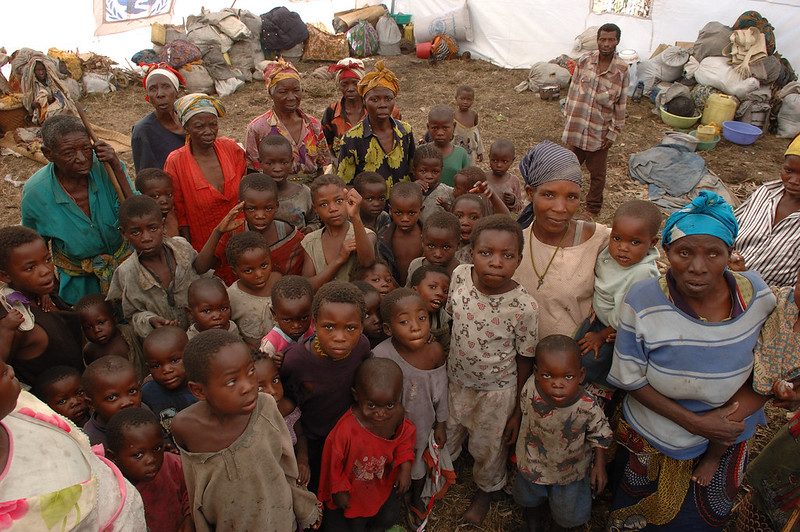
The decrease in poverty has also meant that increased funding can go into health care facilities, for example, the 2.22 trillion Tanzanian Shillings (Tsh) allocated to health care in Tanzania in 2017-2018, an increase of 34% from that in 2016-2017.  However, communicable diseases in Tanzania remain a threat to public well-being, and without a fast diagnosis and access to correct treatment, they can often be fatal. Here is information about three diseases impacting Tanzania.

Malaria

Malaria, a disease carried by mosquitoes, is one of the most common communicable diseases in Tanzania. In 2022, there were an estimated 7,960,000 confirmed cases of malaria in the United Republic of Tanzania, making Tanzania the country with the sixth highest number of cases. In response to this, the World Health Organization (WHO) began offering training for district vector surveillance (and control) officers (DVSOs), who collect samples of vectors from around Tanzania that can be analyzed.

This training then saw the certification of 56 new DVSOs, who now play a vital role in malaria prevention and elimination as mosquitos and other disease vectors often tend to behave based on human interaction, and the study of how they behave would help in creating new strategies that align with recent changes in vector behavior. With access to the correct resources, malaria is incredibly preventable. For example, the use of mosquito nets in sleeping areas helps to keep mosquitoes from biting citizens, and even just wearing protective clothing can minimize the spread of malaria in Tanzania.

HIV and AIDs

In 2021, the United Nations states began to work towards the 95-95-95 targets for HIV/AIDS, which aim to ensure at least 95% with HIV know their status, 95% of those with HIV are undergoing treatment and 95% of those undergoing treatment are virally suppressed. In Tanzania, as of 2019, there were 1.7 million people who had confirmed cases of HIV, and in line with the 95-95-95 goals, 83% of those suffering from HIV knew that they had it, and of these, 92% were virally suppressed and receiving treatment.

The National AIDS Control Programme in Tanzania has worked to ensure that condoms are readily available to the Tanzanian population, to prevent the spread of HIV and age-appropriate messages to educate about HIV prevention and myths young people may encounter surrounding it are distributed, in hopes of minimizing the disease and its impact in Tanzania.

Tuberculosis (TB)

Estimates currently indicate that there are around 208 cases of TB for every 100,000 people in Tanzania, and the country is currently on a watchlist for its high TB burden rates, according to the WHO’s Country Outlook. Because of the high rates of HIV and AIDs in Tanzania, this immediately puts anyone impacted at higher risk of contracting TB, due to the compromise in their immune system. In 2021, The Ministry of Health, Community Development, Gender, Elderly and Children (MOHCDGEC), Directorate of Preventive Services through the National TB and Leprosy Programme (NTLP) launched a StopTB Partnership that works to end TB in Tanzania by 2030.

So far, it has been working on raising awareness about TB, by holding workshops to educate local journalists about TB and calling for increased funding towards TB diagnosis and treatment in Tanzania. It has also enforced a framework which ensures that treatment in the form of antibiotics is free to all TB patients through public and private health care systems and that TB notifications are mandatory, according to its 2023 report. This increased access to treatment for Tanzanian citizens could hopefully lower infection rates and decrease its impact in Tanzania.

Looking Ahead

While these diseases impacting Tanzania still have a large impact on the population of the country, the work of these organizations has significantly decreased its impact and improved the lives of many. With continued funding and work from these organizations, Tanzania will likely be able to meet health targets, such as those set by the Global Technical Strategy for Malaria, and move towards eliminating these diseases impacting Tanzania in the future.

– Freyja Stone

Freyja is based in Manchester, UK and focuses on Global Health and Politics for The Borgen Project.

Photo: Flickr

July 25, 2024
https://borgenproject.org/wp-content/uploads/borgen-project-logo.svg 0 0 Jennifer Philipp https://borgenproject.org/wp-content/uploads/borgen-project-logo.svg Jennifer Philipp2024-07-25 01:30:002024-07-25 01:21:05Diseases Impacting Tanzania
Aid, Global Health, Global Poverty

U-Report in Zambia: Empowering Youth and Transforming Health

U-Report in Zambia: Empowering Youth and Transforming Health U-Report, a global counseling program initiated by UNICEF, encourages citizens to voice concerns or seek information on issues impacting their nations. Launched in Uganda in 2011, the program has expanded to 23 countries and engages more than 2 million active users. Use is primarily through the preferred mobile SMS method in each country.
The Launch of U-Report in Zambia

In 2012, Zambia launched its U-Report program, inspired by Uganda’s platform, to target HIV and enhance sexual and reproductive health. Expanding beyond its initial focus, Zambia’s U-Report now also addresses gaps in knowledge that contribute to stigma and low service utilization. The platform identifies areas needing improvement in sexual and reproductive health, mental health, education and nutrition.

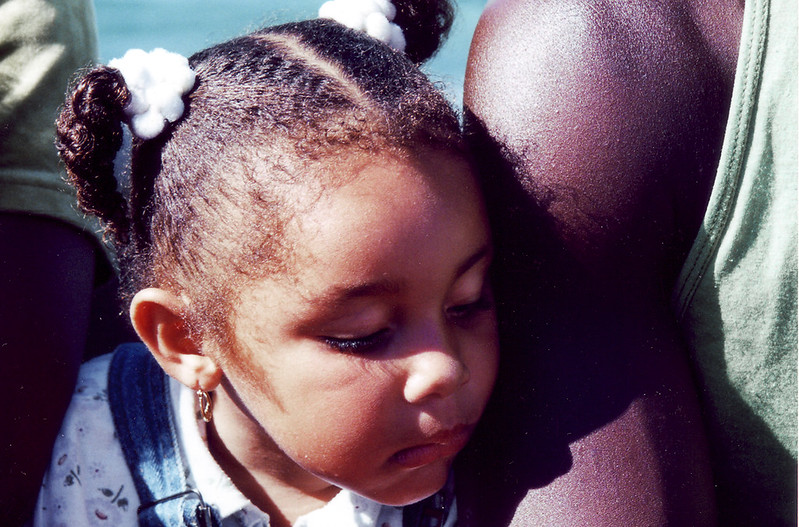
In 2024, U-Report in Zambia boasts nearly 244,000 users, largely due to the program’s adaptability to its user base. Notably, 43% of participants are between the ages of 25 and 30.  This prompted the program to tailor its language and tone to resonate with young adults. Such adjustments enhance user comfort, encouraging them to openly share their experiences, opinions and needs with trained counselors. These counselors, in turn, relay this critical feedback to authorities, driving improvements in current systems to maximize effectiveness.

4 Main Components of U-Report

  1. Advice Line. The advice line is one of the core components of the platform. It provides confidential text exchanges with trained counselors who offer free, individualized information and advice on issues raised by U-Report users.
  2. Polling. Polls are conducted on the U-Report platform to gather feedback and opinions from Zambian youth on various social issues. The information from these polls highlights knowledge gaps and illuminates necessary new services and systems.
  3. Campaigns. U-Report campaigns send targeted messages to specific audiences based on age, sex and location. These messages promote risk reduction behaviors.
  4. Reporting. Reporting via U-Report enables users to report deficiencies in health services, such as a lack of essential medicines and equipment, prompting follow-up actions from health authorities.

HIV and AIDS Prevention

U-Report Zambia launched to combat the AIDS crisis by addressing the lack of HIV prevention information and the underuse of prevention services like protected sex and HIV preventive care. It now serves as an up-to-date knowledge bank on HIV and sexual reproductive health information. Additionally, the rise in mobile device usage has boosted user engagement. Within a short period, U-Report facilitated an additional HIV test for every five young individuals who had not been tested before 2016.

Mental Health Awareness Campaign

U-Report Zambia has made significant strides in spreading mental health awareness. In 2022, it launched a Mental Health Awareness Campaign titled “Let’s ‘Work It Out.” The campaign aims to destigmatize mental illness and support those seeking help. With only 15% of at-risk populations in Zambia receiving adequate mental health care, the campaign plays a crucial role in enhancing access to mental health knowledge. User feedback has also highlighted gaps in mental health services. U-Reporter Regina Twitty Chanda praised the platform, stating, “Zambia U-Report is creating a great platform for people who have gone through or are struggling with mental health.” Chanda emphasized the importance of accepting one’s condition and seeking treatment, underscoring that it is possible to lead a normal life thereafter.

Looking Ahead

U-Report Zambia continues to evolve, adapting its approach to better serve its growing user base of nearly 244,000 individuals. By tailoring its language and tone to resonate with young adults, the platform fosters an environment where users feel comfortable sharing their experiences and needs. The feedback gathered is crucial for informing authorities and driving system improvements. As U-Report expands its focus to include mental health, education and nutrition, it remains a vital tool in addressing and mitigating health challenges in Zambia.

– Lauren Thompson

Lauren is based in San Francisco, CA, USA and focuses on Good News and Global Health for The Borgen Project.

Photo: Flickr

July 23, 2024
https://borgenproject.org/wp-content/uploads/borgen-project-logo.svg 0 0 Precious Sheidu https://borgenproject.org/wp-content/uploads/borgen-project-logo.svg Precious Sheidu2024-07-23 07:30:102024-07-23 03:26:42U-Report in Zambia: Empowering Youth and Transforming Health
Global Health, Global Poverty, WHO

HIV and Syphilis: Mother-to-Child Transmission in Belize

Belize Eliminates Mother-to-Child HIV and Syphilis TransmissionIn May 2024, Belize achieved certification from the World Health Organization (WHO) for eliminating mother-to-child transmission of HIV and syphilis. Over the past 20 years, in collaboration with the Pan American Health Association (PAHO), health care workers in Belize have dedicated themselves to enhancing medical services, ensuring a generation free from these diseases.
Improving Medical Services in Belize

Since the early 2000s, Belize’s health care services, in collaboration with the Pan American Health Organization (PAHO), have been following the organization’s Plan of Action for the Prevention and Control of HIV and Sexually Transmitted Infections. This initiative has improved and promoted access to prenatal HIV and syphilis testing. Health care providers now screen every pregnant woman for these viruses two to three times during pregnancy, at delivery and at 18 months postpartum.

The vastly improved testing services have reduced mother-to-child transmission in Belize, of HIV and syphilis by 81% from 2007 to 2023, achieving eradication by 2024. This success depended on effective treatments administered to pregnant women who tested positive for these diseases. For syphilis, health professionals administer three consecutive weeks of penicillin injections; HIV-positive mothers receive daily antiretrovirals along with prenatal vitamins. These treatments effectively prevent the transmission of HIV and syphilis to their children. To further ensure children are born virus-free, nurses follow up with mothers a week after treatment completion to verify the full course was administered and to identify any potential complications.

Encouraging Mothers to Seek Testing and Treatment

Throughout Belize’s collaboration with PAHO under its Plan of Action, the country has enhanced the research capabilities and capacity of its health care services, enabling more pregnant women to be tested earlier and more accurately for both HIV and syphilis. The percentage of women attending health clinics in their first trimester has risen to 90%, allowing for earlier and more effective administration of preventative treatments. When mothers test positive for these diseases, health care providers also encourage their partners to get tested, fostering community awareness and enabling more individuals to know their statuses and receive necessary treatment. As of 2022, 81% of people living with HIV in Belize are aware of their status.

Screenings and treatments in these clinics are free, ensuring that all women in Belize can access life-saving treatments for themselves and their unborn children. This accessibility has been crucial in eradicating the viruses and underscores the relentless efforts of Belizean health care workers. Additionally, if a mother misses an appointment, a nurse visits her home to conduct a follow-up check.

Nurses Maintaining the Transmission Rates

The critical roles of nurses in eliminating mother-to-child transmission of HIV and syphilis in Belize, particularly in remote areas like San Lazaro, are pivotal. The Belize Ministry of Health facilitates mobile health services that allow nurses to travel between villages to conduct screenings and treatments. This commitment underscores the dedication of health care workers to achieving the certification for eradicating HIV and syphilis transmission from mothers to their children.

Health care services in Belize actively educate and promote awareness of HIV and syphilis, encouraging mothers to seek regular testing. During prenatal checkups at clinics, health care workers emphasize the importance of screenings for both the women and their unborn children. This approach normalizes early testing upon pregnancy, increasing awareness and helping more women know their health status.

Testimonies from Belizean health care workers emphasize that their diligence, research and efforts are crucial for sustaining the elimination of mother-to-child transmission of HIV and syphilis. The Minister of Health and Wellness of Belize, Hon. Kevin Bernard, notes that cooperation and teamwork between health care workers and the communities they serve are essential for delivering optimal services and effectively preventing the spread of the disease.

Looking Ahead

The WHO certification confirming the elimination of mother-to-child transmission of HIV and syphilis in Belize highlights the success of the country’s health care workers and medical services. According to Dr. Natalia Largaespada Beer, this achievement not only ensures a new generation free of these diseases but also represents an opportunity to strengthen the health care system. The enhancement of services and nationwide access to life-saving treatments promise a bright future for Belize in sustaining this elimination, ensuring every child has the right to be born free from these diseases.

– Ben Kane

Ben is based in London, UK and focuses on Global Health for The Borgen Project.

Photo: Flickr

July 22, 2024
https://borgenproject.org/wp-content/uploads/borgen-project-logo.svg 0 0 Precious Sheidu https://borgenproject.org/wp-content/uploads/borgen-project-logo.svg Precious Sheidu2024-07-22 03:00:282024-07-22 00:37:39HIV and Syphilis: Mother-to-Child Transmission in Belize
Disease, Global Health, Global Poverty

The Gavi Group: Working Toward Immunization in Haiti

The Gavi Group: Working Towards Immunization in HaitiHaiti, with a population of more than 11 million, faces dire challenges, as UNICEF’s 2023 annual report indicates that 90% of its residents live in poverty. This economic hardship severely limits access to health care, evidenced by Haiti’s low rankings—163rd out of 191 countries on the Human Development Index and similarly on the Gender Inequality Index. Despite these obstacles, Haiti is determined to enhance vaccination services, expand coverage and combat vaccine-preventable diseases. The country and organizations like the Gavi Group have made notable progress in its immunization efforts, navigating through the COVID-19 pandemic and increasing violence through strategic health interventions and effective partnerships.

The Gavi Group

The Gavi Group, a vaccine alliance, aims to save lives and protect people’s health by increasing equitable and sustainable use of vaccines. This organization has successfully vaccinated approximately 1 billion children in 78 lower-income countries, preventing more than 17.3 million future deaths. Gavi collaborates extensively with various organizations, including UNICEF, advocating for increased support in providing essential vaccinations to low-income areas. In 2022, Gavi partnered with 19 manufacturers that supply prequalified vaccines supported by the alliance.

Zero-Dose Children

The zero-dose children program is one of its main programs, it targets children who have not received any routine vaccines. The Gavi Group defines zero-dose children as those who lack the first dose of the diphtheria-tetanus-pertussis (DTP1) vaccine. Children younger than seven require five doses of DTP1. Due to its high poverty rate, Haiti has many communities that lack access to these essential vaccinations.

Improving Vaccination Rates in Haiti

According to the Gavi group, Haiti has 64,706 children who have not received any routine vaccines. The coverage rate for the DTP vaccine in Haiti rose to 75% in 2022. There has been a consistent increase in the number of children receiving the DTP1, DTP2 and DTP3 vaccines. This progress enables children in low-income communities to grow up without the threat of these diseases. Children are fundamental to the future of our society and need protection. Enhancing vaccination rates in developing countries can potentially improve the future of health care in these areas.

Looking Ahead

Despite facing severe economic hardships, Haiti has made significant strides in improving its immunization rates. Through strategic health interventions and effective partnerships, the country increased its coverage rate for the DTP vaccine to 75% in 2022. The Gavi Group’s efforts have been instrumental in vaccinating thousands of zero-dose children, ensuring they are protected from preventable diseases. These advancements highlight the importance of continued support and collaboration to enhance health care outcomes in Haiti.

– Tess Curran

Tess is based in Boston, MA, USA and focuses on Global Health for The Borgen Project.

Photo: Flickr

July 17, 2024
https://borgenproject.org/wp-content/uploads/borgen-project-logo.svg 0 0 Precious Sheidu https://borgenproject.org/wp-content/uploads/borgen-project-logo.svg Precious Sheidu2024-07-17 07:30:342024-07-17 04:57:39The Gavi Group: Working Toward Immunization in Haiti
Global Health, Global Poverty, HIV/AIDS

Addressing HIV/AIDS in Moldova

HIV/AIDS in MoldovaThe quicker the response to a medical epidemic the better. This proved to be the case for Moldova in their response to the HIV/AIDS epidemic. An effective response is one to be learned, repeated and implemented for future use.

Moldova’s Problem

HIV and AIDS cases were the highest in Moldova around the 1990s and began to decrease progressively after Moldova’s response to the epidemic.  The National Institute of Health found that in the “Republic of Moldova during 1987-2013, there were 8,557 reported HIV+ cases, of which 2,464 (28.8%) developed AIDS, 1,752 (20.5%) died.” This is compared to more recent statistics showing that “AIDS was confirmed in 286 cases…Of these, in 168 cases (58.74%) AIDS disease was confirmed in persons diagnosed with HIV in 2019.”

The epidemic originally affected select groups of people and only spread from there. Efforts occurred to target treatments to these select groups; however, more work is necessary to address the problem of HIV/AIDS in Moldova. 

Moldova’s Response to HIV/AIDS

The nation of Moldova began to lead the way in creating services that assist in treating HIV/AIDs quickly. Starting it all was a 1993 law which led to medical reforms and provisions in the Republic of Moldova. According to the International Labor Organization (ILO), “the Law on AIDS Prevention of 1993 guarantees people living with HIV/AIDS the right to medical assistance and social insurance.” This was a crucial step toward protecting Moldova’s citizens from the epidemic and providing them with the help they need.

Moldova’s HIV/AIDS National Programme

This law led to the development of the first National Programme on Prevention and Control of HIV/AIDS and STIs which the country established in 1995. This program focused on prevention, improvement and ensuring safety in medical procedures. Prevention is key in stopping the spread, and according to UNAIDS, the priority is for preventing “infections among youth, vulnerable groups, [and] first of all among injecting drug users.” These concentrated groups are still a large focus for the Program today because of the high rates of infection among drug users along with homosexual men.

The National Programme on Prevention and Control of HIV/AIDS and STIs began initially as a response to national statistics and information concerning HIV/AIDS in Moldova. In more recent years (2016-2020), the program has worked to provide more access to NGO testing and various treatments.  The partnerships with various NGOs have expanded the program’s outreach greatly, allotting for a greater amount of testing. 

Furthermore, the improvement of patients’ conditions is a large focus of the program as well as ensuring safe medical procedures. The trifold purpose of this program is something to learn from. Its aim is to reduce the severity and number of HIV/AIDS cases. Currently, HIV/AIDS in “Moldova is classified as a concentrated/low prevalence country”. This may be due to the effective initiatives the country implemented from the beginning. The quick action to prevent but also serve those affected is something inspiring to implement in the future.  

– Abigail Johnson

Abigail is based in Sapulpa, OK, USA and focuses on Good News and Global Health for The Borgen Project.

Photo: Flickr

July 3, 2024
https://borgenproject.org/wp-content/uploads/borgen-project-logo.svg 0 0 Jennifer Philipp https://borgenproject.org/wp-content/uploads/borgen-project-logo.svg Jennifer Philipp2024-07-03 03:00:222024-07-03 00:59:45Addressing HIV/AIDS in Moldova
Page 11 of 77«‹910111213›»

Get Smarter

  • Global Poverty 101
  • Global Poverty… The Good News
  • Global Poverty & U.S. Jobs
  • Global Poverty and National Security
  • Innovative Solutions to Poverty
  • Global Poverty & Aid FAQ’s
Search Search

Take Action

  • Call Congress
  • Email Congress
  • Donate
  • 30 Ways to Help
  • Volunteer Ops
  • Internships
  • Courses & Certificates
  • The Podcast
Borgen Project

“The Borgen Project is an incredible nonprofit organization that is addressing poverty and hunger and working towards ending them.”

-The Huffington Post

Inside The Borgen Project

  • Contact
  • About
  • Financials
  • President
  • Board of Directors
  • Board of Advisors

International Links

  • UK Email Parliament
  • UK Donate
  • Canada Email Parliament

Get Smarter

  • Global Poverty 101
  • Global Poverty… The Good News
  • Global Poverty & U.S. Jobs
  • Global Poverty and National Security
  • Innovative Solutions to Poverty
  • Global Poverty & Aid FAQ’s

Ways to Help

  • Call Congress
  • Email Congress
  • Donate
  • 30 Ways to Help
  • Volunteer Ops
  • Internships
  • Courses & Certificates
  • The Podcast
Scroll to top Scroll to top Scroll to top