Addressing Water Sanitation in Timor-Leste
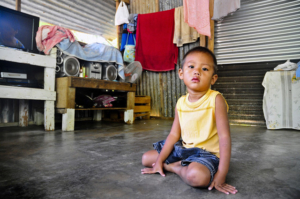 Timor-Leste has made concerted efforts to develop national infrastructure in the wake of tumultuous political conflict. One target area has been to improve water sanitation and hygiene, and both national and international groups are working to achieve better hygiene standards nationwide.
Current Data
To date, 80% of the population is deemed to have access to ‘basic’ water facilities. This should not be confused, however, with safe water for drinking and sanitation purposes. In fact, the World Health Organization has reported that only 54% of Timorese civilians have access to “safely managed” sanitation facilities, and only 28% of the population are safely using hand washing services with soap and water.
These numbers have had severe health implications nationwide. As of 2016, 29.9% of infant deaths were a result of diarrheal disease, which typically occurs as a result of poor sanitation and lack of potable water. As many as 65 children are dying annually from diarrhea in Timor-Leste to date. A UNICEF report has suggested that as many as 94% of locals are failing to wash their hands in critical moments, for example after changing diapers or before breastfeeding. With roughly 31% of Timor-Leste living below the international poverty line, such health factors can lead to malnutrition, especially in children.
Several reports have noted a marked rural-urban disparity concerning access to water, sanitation and hygiene (WASH) services. Rural hygiene coverage in 2021 stood at only 22% compared to 42% in urban areas. Implementation of septic tanks and latrines has shown little increase, despite aims to halve numbers without access to safe water. The use of “unimproved” water sources is still being used by 17% of the rural population, with the nearest access points being on average more than 30 minutes away.
Gendered Aspects of Water Sanitation
Continued challenges to improve water sanitation in Timor-Leste have had adverse effects on local women. Multiple national and international groups have expressed concern at the reliance upon adolescent girls and young women in collecting water for households. These societal norms have had several knock-on effects, the most notable of which being female absence from school and a subsequent lack of engagement in public life.
Nonprofit group Water for Women has introduced projects that aim to improve women’s rights associated with water sanitation in Timor-Leste. Their latest scheme, Beyond Inclusion, has a twofold objective of providing sustainable WASH facilities while improving the well-being of women through “gender dialogue modules.” The team is also actively working to refocus Gender Equality, Disability and Social Inclusion (GEDSI) at the center of national and municipal concerns. So far, 61,200 people have benefitted from the program, of whom half were women.
The Benefits of Investing in WASH Services
Improving water sanitation in Timor-Leste will have benefits that transcend health advances and gender equality. As a developing nation, investment in WASH services will reduce medical expenditures and absences from school for health-related issues. It will also promote the expansion of the tourism sector, which would amplify revenue and diversify the economy.
In view of this, the Timorese government has allocated a significant amount of funding and regulatory measures to improve WASH facilities. After establishing the public utility company Bee Timor-Leste (BTL), budgets of $36 million and $17 million were provided in 2021 and 2022 respectively to implement sustainable water sanitation measures.
Legislative efforts have culminated in a package of regulations that will mitigate problems surrounding water sanitation in Timor-Leste. As of 2021, the government has promulgated a Law for Quality Control of Water for Human Consumption, a National Public Water Supply Policy and more.
NGOs and Aid Groups Supporting WASH in Timor-Leste
In April 2020, the World Bank approved a landmark Water Supply and Sanitation Project, aimed at providing solutions to inadequate WASH facilities in the rural Baucau municipality. The project involves the construction and installation of a “centralized water supply system,” combined with a robust series of sewage treatment plans. The aim is to provide access to potable drinking water to at least 25,000 more Timorese.
WaterAid Australia has enacted several projects targeted at rural mountainous areas which are particularly affected by a lack of accessibility and ongoing risks of natural disasters. The group has partnered with various local authorities to deliver WASH services in over 180 communities in Likisà and Manufahi. Community-led sanitation projects supported by WaterAid engage with locals and promote long-term autonomy.
– Cara Jenkins
Photo: Flickr
