• Link to X
  • Link to Facebook
  • Link to Instagram
  • Link to TikTok
  • Link to Youtube
  • About
    • About Us
      • President
      • Board of Directors
      • Board of Advisors
      • Financials
      • Our Methodology
      • Success Tracker
      • Contact
  • Act Now
    • 30 Ways to Help
      • Email Congress
      • Call Congress
      • Volunteer
      • Courses & Certificates
      • Be a Donor
    • Internships
      • In-Office Internships
      • Remote Internships
    • Legislation
      • Politics 101
  • The Blog
  • The Podcast
  • Magazine
  • Donate
  • Click to open the search input field Click to open the search input field Search
  • Menu Menu

Archive for category: Advocacy

Information and news on advocacy.

Global Health, Global Poverty, WHO

The Fight Against Mosquito-Borne Diseases

The Fight Against Mosquito-Borne Diseases Mosquitoes play dual roles in ecosystems worldwide as major pollinators and a key food source. They also spread life-threatening diseases such as Malaria, Zika Virus and Dengue Fever, making them the world’s deadliest organism. Mosquitoes cause between 750,000 to 1,000,000 deaths annually and cost the global economy more than $12 billion each year. Despite the impact of mosquito-borne diseases, particularly in low to middle-income countries, mosquitoes remain ecologically important. As a result, scientists are striving to develop creative solutions that prevent, reduce and eradicate these diseases without disrupting natural ecosystems.

Innovative Genetic Solutions

Given the current technology, implementing preventative measures to reduce the spread of mosquito-borne diseases has become a priority. Indeed, scientists are searching for more effective and widespread solutions to decrease the population of disease-spreading mosquitoes. One promising approach focuses on genetically modifying mosquitoes to reduce their population.

This strategy involves releasing mosquitoes carrying a “self-limiting gene” that causes female offspring to die before reaching adulthood. By targeting specific mosquito species known to spread diseases, this approach aims to break the transmission cycle. The Centers for Disease Control and Prevention (CDC) states that this method is reversible; ceasing the release of these genetically modified mosquitoes would allow the population to return to normal levels. Controlling the reproduction of disease-spreading mosquitoes, particularly biting females, could potentially prevent deadly disease outbreaks.

Oxitec’s Pioneering Role in Mosquito Population Control

Oxitec, a U.K.-based biotech company, leads the efforts in genetically modified mosquito (GMM) projects. While their stated aim is to help combat the spread of malaria in Eastern Africa and Central and South America, their broader focus includes decreasing the incidence of all mosquito-borne and vector-borne diseases. Oxitec specifically targets three critical mosquito species: Anopheles stephensi, an invasive species originally from Asia now detected in seven African countries, Anopheles albimanus and Aedes aegypti, native to South America.

Brazil’s Fight Against Dengue

Between 2021 and 2022, Brazil experienced a 400% increase in deaths caused by Dengue. In response, the country has ramped up projects to combat mosquito-borne diseases. Despite these ongoing efforts, Brazil is currently grappling with a Dengue Fever outbreak, with confirmed cases surpassing 5 million. Oxitec has initiated the deployment of ‘just-add-water friendly’ genetically modified mosquitoes (GMMs) into the local mosquito populations to help curb this epidemic. Reports indicate that in areas where these interventions have occurred, populations of Aedes aegypti mosquitoes have been nearly halved. Authorities are aiming for an overall reduction of 20% to mitigate the current state of emergency affecting many regions, including the state of Rio de Janeiro.

Panama’s Use of GMMs

Panama first utilized GMMs in 2014 through a partnership between Oxitec and the Gorgas Institute in Panama City, aiming to decrease the Aedes aegypti population to reduce Dengue transmission. More recently, Panama has been confronting a new Malaria epidemic, with cases in rural communities surging by 65% in 2023. The rise in cases is primarily attributed to an increase in the population of the invasive mosquito Anopheles albimanus. This situation has renewed collaboration between Panama and Oxitec, leading to the release of genetically modified ‘friendly’ Anopheles albimanus mosquitoes intended to diminish the number of this malaria-spreading species.

GMMs in Djibouti

Anopheles stephensi, a mosquito known for transmitting Malaria in South Asia and the Middle East, was confirmed in 2012 to have crossed the Red Sea into the Horn of Africa. Since then, it has been found in seven African countries and is suspected in four others. Djibouti, which nearly eradicated Malaria in 2012 with fewer than 100 confirmed cases, saw cases skyrocket to more than 70,000 by 2020. In May 2024, Djibouti became the first East African country to deploy genetically modified mosquitoes (GMMs) to combat the rising tide of Malaria.

Looking Ahead

Innovative solutions such as deploying genetically modified mosquitoes present promising methods for controlling mosquito populations and reducing disease transmission without disrupting ecological balance. Countries like Brazil, Panama and Djibouti are already implementing these advanced techniques, underscoring the critical need to continue investing in and developing effective strategies to combat mosquito-borne illnesses globally.

– Philip Mundy

Philip Mundy is based in Bristol, UK and focuses on Good News and Global Health for The Borgen Project.

Photo: Flickr

July 2, 2024
https://borgenproject.org/wp-content/uploads/borgen-project-logo.svg 0 0 Precious Sheidu https://borgenproject.org/wp-content/uploads/borgen-project-logo.svg Precious Sheidu2024-07-02 07:30:152024-08-20 06:20:03The Fight Against Mosquito-Borne Diseases
Advocacy, Children, Global Poverty

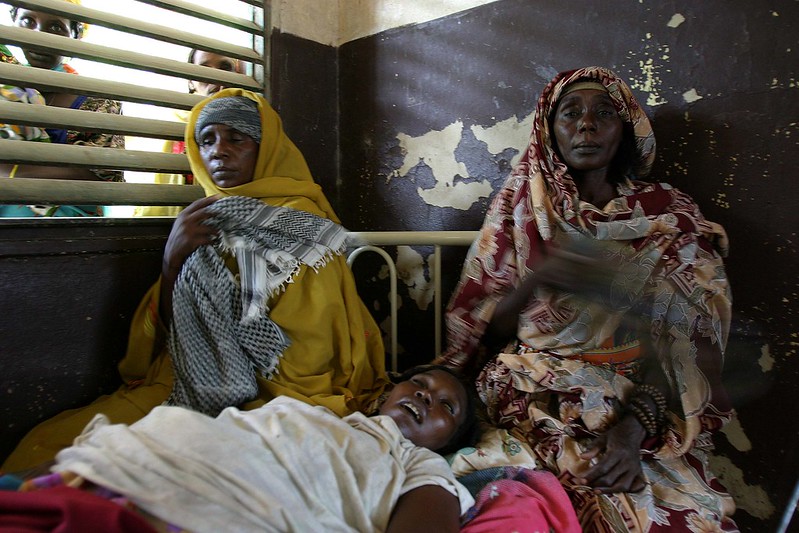
Protecting the Children of Uruguay

Children of Uruguay Uruguay boasts one of the lowest poverty rates and the third-highest GDP in Latin America, yet despite its relative success, the government continues to fail its most vulnerable citizens. Children from low-income households face danger at every turn — sexual exploitation, food insecurity, homelessness, violence and child labor. While Uruguayan policy has begun to address these preventable and amenable injustices, it has yet to achieve the necessary depth of impact to create lasting, sustainable change for the children of Uruguay.

Poverty and Displacement

An underprivileged child in Uruguay faces immense distress in their critical developmental years, which can potentially cause irreparable, lifelong damage. In 2020, children ages 0 to 5 were nine times more likely to live in poverty than a person more than 65. Some fall asleep in the streets to the sound of their gurgling, empty stomachs, a situation that the COVID-19 Pandemic exacerbated. Amid the outbreak, hundreds of Uruguayan families lost their homes; some took refuge in emergency shelters, while others had no choice but to camp along hazardous roadsides.

Adolescent Vulnerability and Government Efforts

Displaced and houseless families could no longer afford nutritious food. Their children, left to fend for themselves, fell subject to acutely precarious situations. In 2018, an estimated 45% of prisoners in Uruguay were adolescents, primarily young men caught in the crosshairs of drug trafficking and sexual exploitation. Juvenile detention centers, where many of these adolescents end up, offer no respite from tumultuous lives at home; in fact, conditions may be far worse, exposing kids to torture and extreme isolation. While the government has attempted to instate more scrupulous child abuse detection tools, their effort has not gone far enough. In 2016, Uruguay attempted to crack down on child abuse at its borders, which was largely fruitless. 

Humanitarian Organizations and Child Protection

Fortunately, humanitarian groups like UNICEF have been instrumental in Uruguay’s fight against childhood poverty and abuse. With the support of UNICEF and the Ministry of Social Development, the government has strengthened its protection and support for migrant children, adolescents and families through the 24-hour Casa Trampolín care center. Furthermore, in collaboration with the World Health Organization (WHO), UNICEF provides reliable access to clean water in Uruguay and other countries through its Water, Sanitation and Hygiene (WASH) program.

Moving Forward

As Uruguay enhances its child protection services, UNICEF plays a critical role as a key partner. The organization has collaborated with the government to develop and implement a policy aimed at adolescent mental health. Additionally, UNICEF is working with the Protection of Children and Adolescents against Violence to relaunch training strategies based on the national model for addressing violence against children and adolescents. These ongoing efforts aim to protect numerous children in Uruguay from abuse and suffering.

– Natalie Kaufman

Natalie is based in Orlando, FL, USA and focuses on Good News and Global Health for The Borgen Project.

Photo: Flickr
July 2, 2024
https://borgenproject.org/wp-content/uploads/borgen-project-logo.svg 0 0 Precious Sheidu https://borgenproject.org/wp-content/uploads/borgen-project-logo.svg Precious Sheidu2024-07-02 01:30:082024-07-01 06:28:02Protecting the Children of Uruguay
Global Health, Global Poverty, HIV/AIDS

HIV/AIDS in Gabon: Everything You Need To Know

HIV/AIDS in GabonDespite having a relatively high prevalence in such a small country, the rate of HIV/AIDS in Gabon has improved significantly. Recent political instability has threatened to curtail the progress being made in the fight against HIV/AIDS in the oil-rich Central African nation. However, there is also plenty of reason to believe Gabon will continue on track to reduce the impact of the disease.

HIV/AIDS Is Still an Epidemic

As of 2023, the World Health Organization (WHO) estimates that 49,000 people are living with HIV/AIDS in Gabon. This number includes 2,300 children and 33,000 women. With a population of 2.3 million people, the infection rate stands at around 3%. While that is lower than many neighboring countries, the number is still far higher than the majority of countries around the world that have infection rates below 1%.

Progress Has Been Made

Although work remains, the rate of HIV/AIDS in Gabon has fallen dramatically over the years. Since 2010, infections have been down 31% and deaths in the same time frame have declined by 30%. The sharp decline in HIV/AIDS in Gabon can be attributed to a vast network of local and international players. Recent efforts include a partnership between The Joint United Nations Programme on HIV and AIDS (UNAIDS) and the Africa Centers for Disease Control and Prevention. In October 2021, these two organizations launched the Partnerships to Accelerate COVID-19 Testing (PACT) initiative. This dual relief program mobilized more than 70 health workers in Gabon’s areas with the highest prevalence of HIV/AIDS and COVID-19.

Additionally, the U.S. Government has been a key ally. Between 2020 and 2024, the U.S. embassy in Gabon donated more than $1.12 million in equipment and HIV prevention training. A further $2 million worth of antiretroviral medication was donated in the past year. More locally, Luc Armel Mkala Mfoulou has been the project director for the Department of Defense HIV/AIDS prevention program since 2020. Under his leadership, the Gabonese military has trained more than 500 health workers, distributed more than 200,000 condoms and provided nearly 25,000 rapid diagnostic tests.

An Uncertain Future

Shortly after a controversial presidential election in 2023, the military overthrew President Ali Bongo. President Bongo’s family had been in power since 1967. New elections have taken place and General Brice Oligui Nguema has been sworn in as president. However, major international powers like the U.S. and France have yet to recognize his legitimacy as the Bongos were considered allies. While the U.S. Department of State announced it would discontinue almost all assistance that directly contributed to the Government of Gabon, it also announced that “humanitarian, health and education funding will continue.”

Reasons for Hope

Despite this recent political shakeup, the fight against HIV/AIDS in Gabon seems to be steadily on track. With one of the highest gross domestic product (GDP) per capita on the continent, there is hope that the oil-producing nation’s wealth will continue to grow and be more evenly distributed among its population. Until then, it is hoped that the work of international players will continue to help tackle HIV/AIDS in Gabon.

– Mason Borden

Mason is based in New York, NY, USA and focuses on Global Health for The Borgen Project.

Photo: Wikimedia Commons

June 30, 2024
https://borgenproject.org/wp-content/uploads/borgen-project-logo.svg 0 0 Lynsey 2 https://borgenproject.org/wp-content/uploads/borgen-project-logo.svg Lynsey 22024-06-30 07:30:432024-06-30 01:54:04HIV/AIDS in Gabon: Everything You Need To Know
Africa, Global Health, Global Poverty, HIV/AIDS

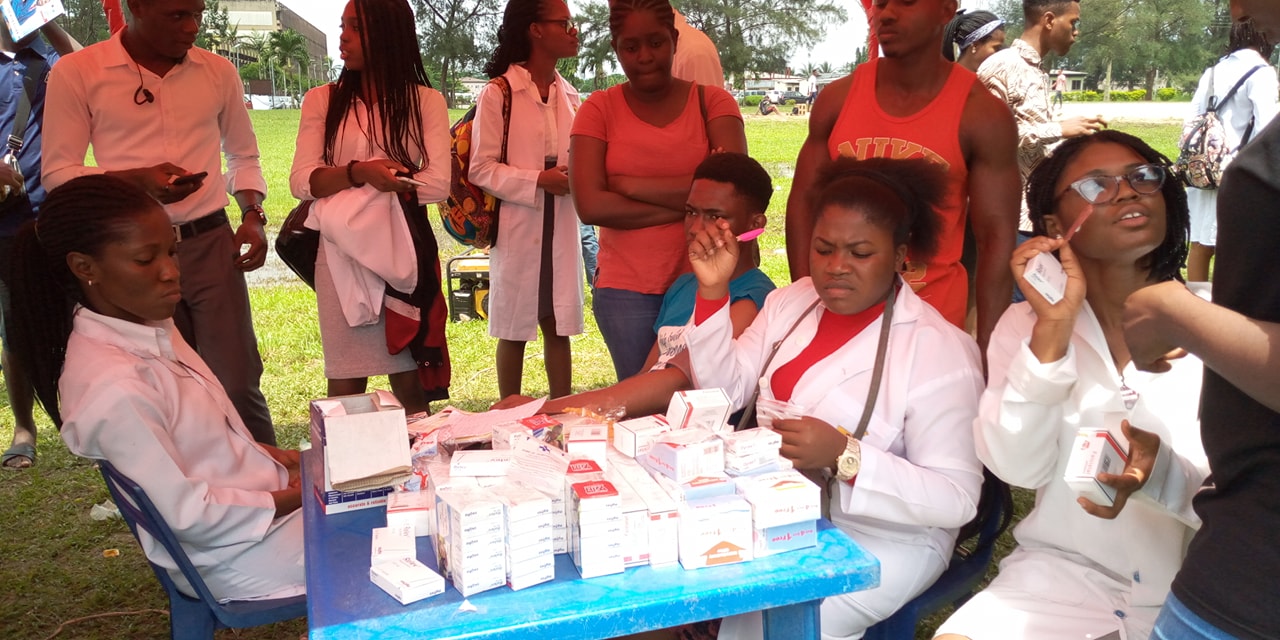
Addressing HIV/AIDS in Libya

HIV/AIDS in LibyaIn Libya, the HIV/AIDS epidemic is characterized by a low but concentrated prevalence among drug users. Additionally, political, economic and societal stigma has exacerbated health care system challenges for those suffering. However, recent programs funded by the Joint United Nations Programme on HIV/AIDS (UNAIDS) and the World Health Organization (WHO) have led to progress, contributing to a decline in the rate of infection to 0.07 from 0.13 between 2010 and 2019. Despite this progress, there are still significant challenges.

Historical Context and Challenges

Libya first saw the appearance of the disease in 1986 when a Factor VIII contamination affected 24 hemophilia patients. In 1998, a tragic outbreak affected 400 children in Benghazi Hospital. Before the revolution in spring 2011, UNAIDS reported that international development partners found it difficult to work systematically in Libya. Society did not openly discuss AIDS, nor did it consider it a health priority. New data confirmed that the situation in Libya was worse than what officials previously reported.

Despite the low and concentrated epidemic among drug users in Libya, societal challenges persist. The United States’s (U.S.) 2018 Country Report cites no available information on societal violence toward persons with HIV/AIDS. However, it does mention reports of the Libyan government denying persons with HIV/AIDS permission to marry.

Additionally, it reported instances of segregation of detainees suspected of having the disease from the rest of the population in overcrowded spaces. In these cases, these people were often the last to receive medical treatment. In Libya, there is no specific law prohibiting discrimination based on age, gender, sexual orientation or HIV-positive status.

Interventions and Programs

Various interventions and programs have been implemented to address HIV/AIDS in Libya. In 2012, UNAIDS recommended drug substitution treatment and harm reduction measures such as voluntary, confidential counseling and testing, as well as the prevention of sexual transmission of HIV among drug users. This approach, which was implemented, centered around respecting the rights of drug users and worked to reduce the stigmatization of HIV/AIDS.

Furthermore, the United Nations Office on Drugs and Crime (UNODC) relaunched the second phase of the HIV project in Libya, focusing on the HIV prevention program among people injecting drugs in prison settings. The then-Libyan government funded the project. However, it was suspended in 2011 due to security problems and resumed the following year. Additionally, in 2019, officials implemented a program to prevent mother-to-child transmission (PMTCT). However, ongoing internal conflict and the COVID-19 pandemic have hindered its effectiveness.

Collaboration with UNODC experts also led to an evaluation study on rehabilitation as a component of harm reduction. Trainers educated a group of medical assistants in communities with several committees such as Y-Peer and Libyan Red Crescent. These efforts aimed to support prevention and treatment initiatives at the community level.

Recent Efforts and Recommendations

Despite some progress, significant challenges remain in treating HIV/AIDS in Libya. In 2022, the WHO reported that although Antiretroviral therapy (ART) is free to all Libyan citizens, repeated stockouts have interrupted treatment and led to increasing numbers of people living with HIV being admitted to health facilities with advanced stages of the disease.

Additionally, only four of Libya’s eight ART centers are fully functioning and there are fewer than 10 HIV testing centers in the entire country. The stigma of HIV extends even to health care workers through their association with those who have HIV/AIDS due to misconceptions about the disease.

To improve the response to HIV/AIDS, the WHO has advocated for regular funding for the National Aids Program (NAP) and aligning its activities with the Regional Action Plan on HIV, hepatitis and sexually transmitted infections (STIs).

Final Remark

Continued international support, enhanced infrastructure for testing and robust anti-stigma campaigns are crucial for addressing the HIV/AIDS epidemic in Libya effectively. This could be achieved by collaborating with philanthropic organizations and foundations that focus on global health. By focusing on these areas, Libya can build a stronger, more inclusive response to the HIV/AIDS epidemic, ultimately improving health outcomes for all.

– Nia Willis

Nia is based in Carmarthenshire, UK and focuses on Global Health for The Borgen Project.

Photo: Flickr
June 29, 2024
https://borgenproject.org/wp-content/uploads/borgen-project-logo.svg 0 0 Lynsey 2 https://borgenproject.org/wp-content/uploads/borgen-project-logo.svg Lynsey 22024-06-29 03:00:112024-06-29 16:24:43Addressing HIV/AIDS in Libya
Advocacy, Aid, Global Poverty

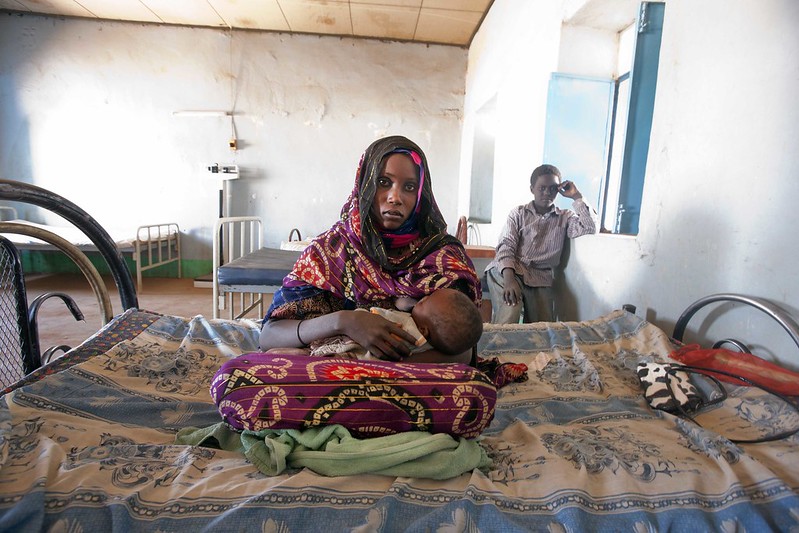
7 NGOs Safeguarding Overseas Filipino Workers

7 NGOs Safeguarding Overseas Filipino WorkersThe Philippines, a nation marked by vibrant culture and rapid economic development, faces significant challenges, including widespread poverty and a vast economic disparity between social classes. These ongoing issues compel many Filipinos to seek employment overseas. Known as Overseas Filipino Workers (OFWs), these individuals often face difficult working conditions, including exploitation and harsh work environments, while striving to support their families through remittances. These financial contributions are vital, lifting many households out of poverty and supporting the broader Philippine economy.

Despite the vital role they play, OFWs often contend with insufficient protection and recognition of their rights. To address these issues, the Philippine government and various nongovernmental organizations are actively working to improve conditions for OFWs, advocating for their rights and providing essential services to ensure their welfare and security. This concerted effort aims to safeguard the well-being of OFWs and optimize the benefits of their economic contributions to the country. Here are some of the NGOs supporting OFWs:

Unlad Kabayan

UNLAD Kabayan focuses on enhancing the business skills of Overseas Filipino Workers (OFWs). Earning higher wages than their counterparts in the Philippines does not always translate to financial savvy; many OFWs, despite years of working abroad, return home without substantial savings. Established in 1996, UNLAD Kabayan equips OFWs with essential knowledge to effectively invest their earnings and start businesses. The organization also supports OFWs in adjusting back to life in the Philippines, aiding their reintegration into Philippine society. This comprehensive approach aims to ensure that OFWs can secure their financial futures and contribute positively to their communities.

The Economic Resource Centre for Overseas Workers

Filipinos working abroad often encounter numerous challenges, from accidents and financial shortages to mistreatment by employers, including unpaid wages. The Economic Resource Centre for Overseas Workers, a nongovernmental organization, provides essential economic resources to support these individuals during such difficulties. The organizations’s efforts help mitigate the impact of unexpected adversities, ensuring that OFWs have the necessary support to address their immediate financial needs.

ATIKHA

Many OFWs seek employment abroad with plans to retire in the Philippines once they have accumulated sufficient funds. However, some opt to migrate permanently to their host countries, drawn by better economic opportunities. Such migrations can be costly, requiring substantial support for the workers and their families. This is where ATIKHA, a dedicated organization, excels. Its primary goal is to assist OFW families during their migration process, providing the necessary guidance and resources to facilitate their transition to a new country.

KAKKAMPI

Founded in Geneva, Switzerland, KAKKAMPI is an association dedicated to supporting Overseas Filipino Workers (OFWs). The organization provides a broad spectrum of services, including funding classes and loans, designed to enhance financial security for OFWs. Through these ongoing efforts, KAKKAMPI aims to safeguard OFWs from exploitation and ensure they have the financial resources necessary to succeed.

WE AIM OFW

WE AIM OFW collaborates closely with the Philippine government to support the One Model and Great Community (OMG) initiative. This comprehensive program encompasses various aspects such as financial support, housing funds, livelihood programs and scholarships. The organization empowers Overseas Filipino Workers (OFWs) to manage their earnings wisely and contribute positively to their communities, ensuring their financial stability and community development.

Center For Migrant Advocacy

Founded in 2002, the Center For Migrant Advocacy dedicates itself to enhancing the welfare of overseas workers globally. The organization achieves its goals through policy advocacy, networking, information dissemination, direct assistance and capability building. Key initiatives include encouraging overseas Filipino workers (OFWs) to report any abuses they or their peers endure. By raising awareness of OFW rights and welfare, the organization plays a crucial role in protecting these rights. Additionally, the Center For Migrant Advocacy offers various volunteer opportunities, empowering individuals to contribute to meaningful change.

Global Filipino Movement

The Global Filipino Movement, established by various Christian groups, provides emotional and spiritual support to overseas Filipino workers (OFWs). Recognizing the Philippines’ predominantly Christian background, the organization acknowledges the significant role faith plays for OFWs facing loneliness and hardship abroad. The NGO delivers ministry services to OFWs and their families, helping them cope during challenging periods. Active for 13 years, the Global Filipino Movement has been instrumental in bolstering the resilience of Filipino families through tough times.

Looking Ahead

The ongoing efforts to support OFWs can potentially bring about the security of their financial futures, thereby positively impacting both home and host countries. Continued advocacy and support could be vital in addressing the challenges faced by OFWs and maximizing the benefits of their contributions.

– Neil Misola

Neil is based in Kitchener, Ontario, Canada and focuses on Business and Good News for The Borgen Project.

Photo: Pexels

June 29, 2024
https://borgenproject.org/wp-content/uploads/borgen-project-logo.svg 0 0 Precious Sheidu https://borgenproject.org/wp-content/uploads/borgen-project-logo.svg Precious Sheidu2024-06-29 01:30:102024-06-30 00:56:267 NGOs Safeguarding Overseas Filipino Workers
Advocacy, Foreign Aid, Global Poverty

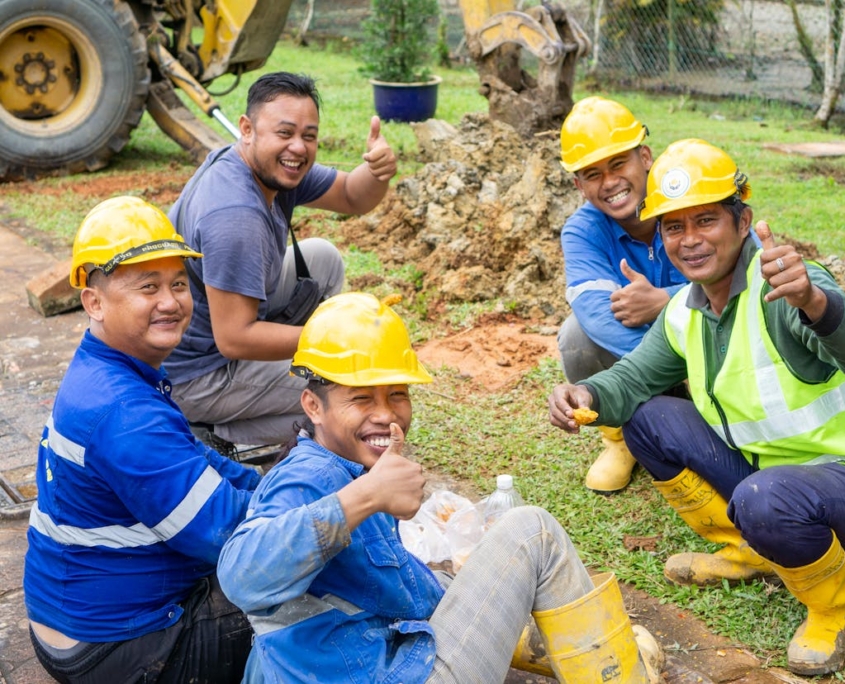
Rwanda Bill and Its Impact on People Seeking Asylum in the UK

Rwanda Bill and Its Impact on People Seeking Asylum in the UKOn April 22, 2022, the United Kingdom (U.K.) government proposed deporting people seeking asylum to Rwanda. Over the past two years, various groups including the United Nations (U.N.) refugee council, political opposition, some government members and the British public have expressed concerns. The European Court of Human Rights halted the initial deportation flight in 2022, pending a U.K. judicial review. The House of Commons recently endorsed the plan nearly two years after its introduction. The government asserts the bill aims to prevent dangerous, unlawful journeys to the U.K. and to undermine the operations of human traffickers exploiting vulnerable individuals.

Asylum Applications and International Rights

In the U.K., 75% of asylum applications result in the granting of the right to remain, illustrating the urgent need for safety that many people seeking asylum genuinely require, a fact often overlooked in public discourse. An asylum seeker is someone who has not yet received legal refugee status in another country and is awaiting a decision on their application. These individuals leave their home countries to escape persecution and severe human rights abuses. Despite derogatory terms such as “illegal immigrant” or “bogus cause” used against people seeking asylum, it remains a recognized international human right to apply for asylum in any country that is a signatory to the 1951 Convention.

Concerns and Consequences of the New Legislation

Under the new legislation, individuals transferred to Rwanda who later gain refugee or humanitarian status will not be permitted to enter the U.K. and must remain in Rwanda. The Refugee Council has issued a new report warning that these plans could lead to a catastrophic system failure, potentially leaving more than 100,000 people in a state of permanent uncertainty and costing taxpayers approximately £6.2 billion annually.

Organizations such as the UNHCR have expressed concerns about externalizing asylum obligations, citing risks of refoulement and a shift in responsibility for those potentially sent to Rwanda. Regarding the individuals earmarked for extradition to Rwanda, out of the 5,700 Rwanda has tentatively agreed to accept, only 2,143 are currently reporting to the U.K. Home Office and are locatable for detention.

People seeking asylum who arrive in the country often know no one. This isolation, coupled with fears of deportation to Rwanda, leads many to disappear, placing them in a highly vulnerable situation. Consequently, they face an increased risk of falling victim to crimes such as sexual exploitation and slavery.

Critical Response from Charities and Legal Advisors

Charities across the U.K. are actively opposing government actions, offering crucial information and ongoing support to people seeking asylum. Collectively, more than 250 charities have united to sign an open letter criticizing the government’s bill, arguing that it contravenes international obligations and diminishes the judiciary’s role in safeguarding human rights. Additionally, the letter criticizes the bill for neglecting the U.K.’s commitment to global responsibility for protecting those forced to seek refuge.

Refugee Action, one of the charities involved, actively supports refugees and those seeking asylum in the U.K. while also educating the public on the realities of being a refugee. This effort counters negative stereotypes often perpetuated by mainstream media. Through fundraising initiatives, the organization has secured more than £10 million for English language classes for refugees. Additionally, its advocacy includes the “Lift the Ban” campaign, which advocates outside Parliament for the right of asylum seekers to work, highlighting the challenge of surviving on just £6 a day.

Central England Law Centre

The Central England Law Centre provides free specialist legal advice to those most in need and utilizes legal processes to combat inequality. It expresses concern that the new law “would enable the Government to forcibly expel people seeking asylum—including children and survivors of trafficking and modern slavery—despite concerns they could be put at grave risk of harm and human rights abuses.” This is particularly troubling given that 41% of refugees are children, highlighting the law’s potential impact on vulnerable groups. As an independent and politically neutral entity, the Central England Law Centre ensures that all legal advice strives for clarity and justice, prioritizing the U.K.’s most vulnerable individuals.

The Broad Impact and Ongoing Support

People seeking asylum are now at greater risk than ever before. The overwhelming international support underscores the need to uphold the 1951 Refugee Convention to protect their rights. Regardless of the Rwanda policy, this situation underscores the peril faced by individuals forced to flee their homes and the controversy it stirs among those in power who are otherwise secure. Safety should not be debated; it is a fundamental right guaranteed by the 1951 Refugee Convention, which all signatories, including the U.K., are obligated to honor.

Looking Ahead

The U.K. government’s plan to deport asylum seekers to Rwanda has generated significant controversy and concern from international bodies, legal experts and the public. As the policy moves forward, its implications for the rights and safety of asylum seekers could remain a critical focus. Charities and legal organizations continue to advocate for the protection of vulnerable individuals, emphasizing the need to uphold international human rights commitments.

– Kathryn Dodd

Kathryn Dodd is based in the UK and focuses on Politics for The Borgen Project.

Photo: Flickr
June 28, 2024
https://borgenproject.org/wp-content/uploads/borgen-project-logo.svg 0 0 Precious Sheidu https://borgenproject.org/wp-content/uploads/borgen-project-logo.svg Precious Sheidu2024-06-28 03:00:442024-07-10 05:07:51Rwanda Bill and Its Impact on People Seeking Asylum in the UK
Advocacy, Aid, Global Poverty

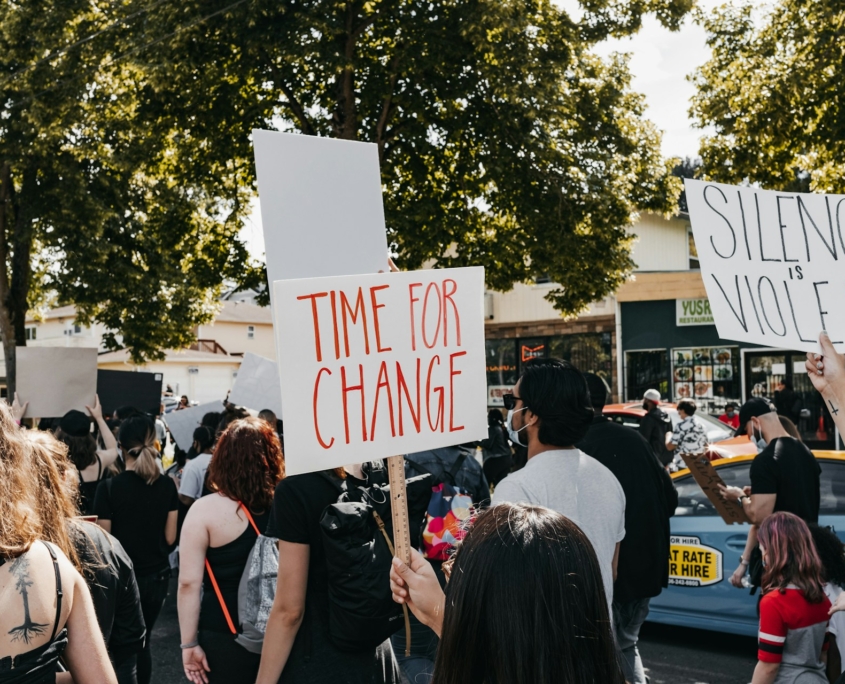
5 Social Movements Fighting Global Poverty

Social Movements Fighting Global PovertyActivism against social injustice is increasingly visible, both through social media and street protests. The digital world offers activists opportunities to voice their concerns, from digital petitions to crowdfunding pages. Currently, social movements employ innovative resources and techniques in efforts to end poverty. Here are five inspiring social movements fighting global poverty.

Make Poverty History (MPO)

Founded during the 2005 G8 summit, MPO emerged as world leaders convened to tackle global challenges. This gathering catalyzed the formation of movements focused on raising awareness. MPO, leveraging the summit’s political prominence, succeeded in mobilizing both the general public and influential leaders. Notably, the Live 8 event, broadcast globally, captured the attention of three billion viewers, effectively highlighting the need for overseas aid in Africa. This extensive exposure contributed to a significant commitment by the summit’s leaders: an agreement to increase international aid by $48 billion annually by 2010. MPO’s legacy continues to influence both public consciousness and political commitments to overseas aid, demonstrating the enduring impact of coordinated, global advocacy efforts against poverty. 

The Global Citizen Movement

The Global Citizen Movement is an active campaign centered on defeating poverty, demanding equity and defending the planet. These goals drive the actions taken and significantly impact the living conditions of those in poverty. The movement organizes three specific campaigns aligned with these objectives. “Stop Hunger Crisis Now” aims to minimize the global hunger gap through aid and support. “Power Our Planet” promotes awareness of sustainable energy practices that can transform our use of infrastructure. “Free Up Our Funds” addresses malpractice in investments with a focus on ethical practices.

Social Watch

Social Watch is an international network of organizations dedicated to connecting people across borders. Spanning over 70 countries, it aims to eliminate all forms of racism and injustice, with a particular focus on the injustices linked to poverty and discrimination. Social Watch regularly produces reports that inform readers about significant global events impacting those suffering from poverty. Additionally, the movement utilizes its Global Policy Watch to keep people informed about key policies being developed and enacted. It promotes and explains policies with the potential to alleviate poverty, thereby raising awareness about developments and solutions related to these pressing issues.

Landless Workers Movement

The Landless Workers’ Movement, established in Brazil in 1984, continues to champion the cause of greater autonomy for land workers three decades after its inception. The organization’s primary objective is the redistribution of land to rural workers to enable them to engage in independent small-scale farming. This initiative aims to provide these workers with a stable income source and improve their living conditions by moving away from unreliable day labor. The movement also has a significant presence in Brazil’s educational sector, where it focuses on imparting agricultural skills to both adults and children, fostering self-sufficiency. Furthermore, the movement advocates for sustainable farming practices as a means to alleviate poverty in rural communities.

International Trade Union Confederation

Trade unions serve as a pivotal mechanism for workers to unite and address unjust working conditions. By forming a confederation, these unions connect movements across the globe, facilitating the exchange of experiences and resources among workers. This global network enables collaborative efforts to enhance the lives of workers universally. The movement’s primary focus is on promoting workers’ rights, often employing a coalition-forming strategy to strengthen its impact. Currently, the confederation is spearheading a “For Democracy” campaign aimed at ensuring those in power uphold the rights of workers worldwide. Additionally, the organization is advocating for a new social contract to empower individuals in their pursuit of stable employment.

Looking Ahead

Activism against social injustice continues to grow, with both historical and modern movements striving to address global poverty. Social movements fighting global poverty like Make Poverty History, the Global Citizen Movement, Social Watch, the Landless Workers Movement and the International Trade Union Confederation are leading the charge with diverse strategies to raise awareness and drive policy changes. By harnessing both digital tools and on-the-ground efforts, these movements work toward creating a more equitable world.

– Sarah Littleton

Sarah is based in London, UK and focuses on Good News and Politics for The Borgen Project.

Photo: Unsplash

June 27, 2024
https://borgenproject.org/wp-content/uploads/borgen-project-logo.svg 0 0 Precious Sheidu https://borgenproject.org/wp-content/uploads/borgen-project-logo.svg Precious Sheidu2024-06-27 07:30:192024-06-27 15:03:445 Social Movements Fighting Global Poverty
Advocacy, Global Poverty, Nonprofit Organizations and NGOs

How APY-Solidarity in Action Is Reducing Poverty in El Salvador

APY-Solidarity in ActionSince 2010, APY-Solidarity in Action has actively worked to reduce poverty in El Salvador by addressing gender-based violence, supporting rural development and strengthening local governments and organizations. The Foundation for Cooperation APY-Solidarity in Action, a Spanish nonprofit organization, tackles the consequences of capitalism and poverty using feminist and ecological approaches. Established in 1992, the organization collaborates with various international governments, human rights organizations and local social groups. It focuses on educating and advocating for improved gender relations, disability rights, food security and rural development in multiple countries, including Colombia, Mozambique, Morocco, Peru, Ecuador, the Dominican Republic, El Salvador and Palestine.

According to its 2022 expense report, APY-Solidarity in Action allocated nearly 23% of its funds to El Salvador, the largest share received by any country it operates in. The organization’s dedication to El Salvador extends beyond financial distribution as it continues to develop projects seeking to minimize the country’s 27% poverty rate. Here are some ways the organization is working to reduce poverty in El Salvador:

Gender Equality

As an organization that defines itself as feminist, APY-Solidarity in Action has developed seven different projects addressing gender-based violence, child pregnancy and disabled women’s rights in El Salvador. By collaborating with various Salvadoran women’s groups, such as the Feminist Collective for Local Development and the Morazán Women’s Citizen Network, APY-Solidarity in Action has helped more than 200,000 vulnerable women, the majority of whom are disabled. In addition, the organization has invested more than €1.5 million toward addressing violence against women and providing nonsexist education to Salvadoran local governments and social workers in all 14 departments of El Salvador.

Rural Development

Alongside its work in gender equality, APY-Solidarity in Action also strives to strengthen food security, water, basic sanitation and agricultural production in six departments of El Salvador. Through its rural development projects that install wooden kitchens, provide organic fertilizers and emphasize food sovereignty, the organization has helped more than 4,600 women, 3,900 men and 210 families living in extreme poverty, emphasizing vulnerable populations including people with disabilities. Since 2011, APY-Solidarity in Action has allocated nearly €2 million toward developing the rural areas of El Salvador.

Strengthening Local Governments and Organizations

Another way APY-Solidarity in Action is working to reduce poverty in El Salvador is by supporting local governments and organizations. In 2010, the organization partnered with San Salvador’s Coordinator for Reconstruction and Development to educate and train Salvadoran youth in STD prevention, garment construction, screen printing and carpentry. In addition, they donated €332,472 to the construction of a recreational center meant to facilitate sports and social interactions for 1,000 young Salvadorans.

Looking Ahead

APY-Solidarity in Action continues to drive impactful change in El Salvador, focusing on crucial areas such as gender equality, rural development and community empowerment. Its targeted initiatives have reached thousands, emphasizing support for the most vulnerable groups. The organization plans to expand its efforts to reduce poverty and improve living conditions, highlighting the importance of sustained and comprehensive support in fostering a more equitable future for Salvadorans.

– Naima Rasheed

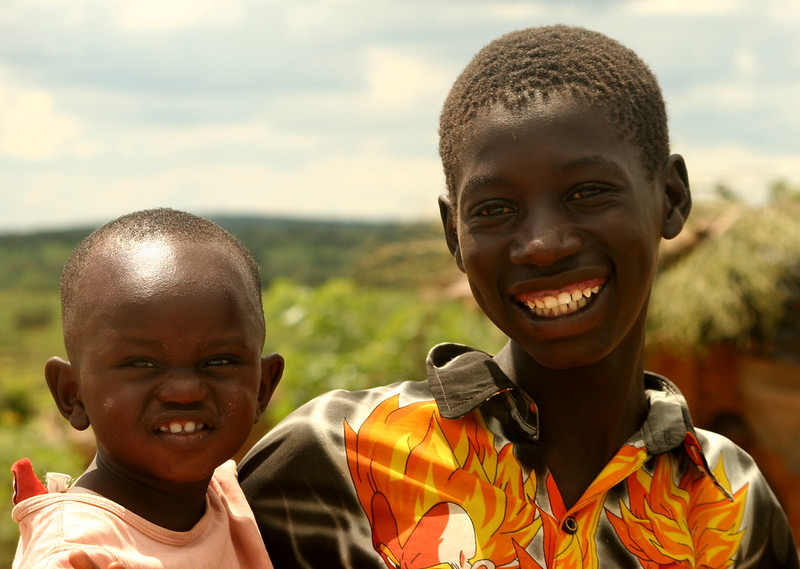
Naima is based in New York, NY, USA and focuses on Good News and Global Health for The Borgen Project.

Photo: Flickr
June 26, 2024
https://borgenproject.org/wp-content/uploads/borgen-project-logo.svg 0 0 Precious Sheidu https://borgenproject.org/wp-content/uploads/borgen-project-logo.svg Precious Sheidu2024-06-26 07:30:242024-06-25 04:37:22How APY-Solidarity in Action Is Reducing Poverty in El Salvador
Global Health, Global Poverty, Mental Health

Partners in Health Aids Poverty Reduction Through Health Care

Partners in HealthPartners in Health (PIH) is a nonprofit global health organization committed to providing better health care to people struggling with extreme poverty across 11 countries. PIH strives to build relationships with sister organizations in countries where poverty is a major issue, aiming to improve health care access. It achieves this through two main approaches: delivering the benefits of modern medical science to those most in need and serving as an antidote to despair.

Poor health care and overall health significantly contribute to poverty in a country’s population. Many people living in poverty cannot afford treatment, leading to untreated illnesses and long-term health issues. However, stronger health care systems enable developing countries to enhance the overall status of their health services. Providing better health care means the population is healthier, can work, attend school and thrive rather than survive. Additionally, improving health care in developing nations boosts the economy, as a healthier population is more productive, contributes more effectively to the workforce and stimulates economic growth.

Global Reach and Mental Health Initiatives

PIH operates in countries across four continents, including Haiti, Rwanda, Peru, Mexico, Malawi, Liberia, Sierra Leone, Lesotho, Kazakhstan and the United States (U.S.). The organization strengthens public health systems to ensure patients receive necessary care in their homes, local clinics or regional hospitals. Globally, PIH employs approximately 18,000 staff members, 99% of whom are from the countries where it serves.

PIH has established the Cross-Site Mental Health Program as one of its initiatives to support mental health development in the countries where it operates. Unlike many other NGOs, PIH strongly emphasizes community-based, primary care and hospital-linked mental health systems. This program addresses severe mental health conditions in areas that typically have little support for mental health.

Vision and Strategy for Mental Health Care

Many factors contribute to mental health issues, with some of the primary ones being homelessness or lack of home security, unemployment or unreliable income and family breakdowns, often due to the separation of families. While numerous other factors can affect mental health, many people living in poverty experience at least one of these issues. PIH aims to make the greatest impact on these individuals.

Partners in Health (PIH) aims to enhance the lives of poorer communities globally by increasing mental and psychological support in developing countries. Through its PIH Mental Health Value Chain, the organization strives to ensure that people receive the treatment they need, enabling them to lead better lives and escape poverty. The PIH model is built on four key pillars designed to improve mental health care in developing nations and enhance lives through better health care. The key pillars are as follows:

  • Clinical care and training. Mental health requires professionals trained to address such issues. Therefore, this pillar offers the necessary supervision and mentorship to support mental health initiatives.
  • Program management. This approach ensures that resources are directed in the most efficient ways to optimize their use.
  • Meaningful data collection. Research is essential for gaining a better understanding of issues in developing nations through monitoring and evaluation.
  • Shared learning. The Cross-Site Mental Health Learning Collaborative enhances understanding of mental health issues through both in-person and technological interactions.

Health Care Improvements in Haiti

By improving health care related to mental illnesses, developing nations can boost morale and begin to reduce poverty levels, as poverty and mental health issues are often interconnected. People experiencing poverty are typically more at risk of mental health issues, so addressing mental health can also help decrease poverty. An example of Partners in Health’s (PIH) efforts to provide better mental health care is its work in Haiti, a developing Caribbean island nation with a long history of economic and political turmoil, natural disasters and postcolonial exploitation.

PIH and its partners have developed a more reliable health care system in Haiti, previously unavailable in the country. The program has integrated mental health into primary care through a task-sharing model in collaboration with the Ministry of Health (MOH). As a result, psychologists, social workers, nurses, physicians and community health workers have become more common in the country, enhancing health care provision. This improvement means that people living in poverty have better access to care and increased chances of recovery. An enhanced health care system benefits developing countries in four main ways: it boosts productivity, reduces absenteeism from work and school, decreases poverty and improves quality of life.

Looking Ahead

As Partners in Health (PIH) expands its efforts to provide health care and mental health services in impoverished regions, the organization continues to make a significant impact on global health outcomes. By collaborating with local entities and enhancing health care infrastructure, PIH is fostering resilience and a better quality of life for communities in need. Moving forward, its work in improving health care access and mental health support promises to contribute to the economic and social development of the countries it serves, leading to more sustainable and healthier futures.

– Lachlan Wellington

Lachlan is based in Fareham, UK and focuses on Technology and Global Health for The Borgen Project.

Photo: Flickr

June 26, 2024
https://borgenproject.org/wp-content/uploads/borgen-project-logo.svg 0 0 Precious Sheidu https://borgenproject.org/wp-content/uploads/borgen-project-logo.svg Precious Sheidu2024-06-26 07:30:232024-06-25 04:29:54Partners in Health Aids Poverty Reduction Through Health Care
Global Health, Global Poverty, HIV/AIDS

HIV/AIDS in Sierra Leone

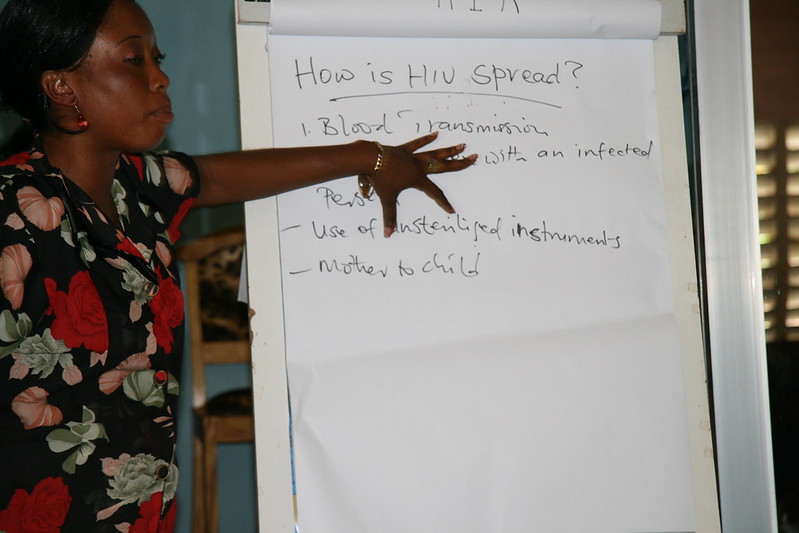
HIV/AIDS in Sierra LeoneDespite recent reductions in transmission rates of HIV/AIDS in Sierra Leone, the lack of knowledge and stigmatism surrounding the condition, particularly among the younger population, could prevent the country from further minimizing the spread of the disease.

The Prevalence of HIV/AIDS in Sierra Leone

According to UNAIDS, there were 77,000 adults and children living with HIV/AIDS in Sierra Leone in 2022, an incidence of 0.44 per 1,000 of the population. Of these people, 59,000 Sierra Leoneans know their status, shedding light on the increasing awareness of the disease within the nation.

However, this figure is below the 95-95-95 target from the UNAIDS Global AIDS Strategy. This outlines the organization’s aims for 95% of those living with HIV to know their status, 95% of these people to be on ART and 95% of those on treatment to be virally suppressed.

There has been progress towards this goal, however, with the country seeing a 39% reduction in new HIV infections and a 42% reduction in AIDS-related deaths since 2010. Furthermore, almost all of those affected by the disease are on Antiretroviral Therapy (ART), in line with UNAIDS’s strategy and highlighting increased accessibility to the treatment.

Yet the prevalence of HIV/AIDS amongst the younger population of Sierra Leone remains relatively high. The World Bank indicates that 6,700 children aged 0 to 14 are living with the disease, yet only 1,704 are receiving ART, according to UNAIDS.

Gender-Based Inequalities

The gender-based inequalities of HIV/AIDS in Sierra Leone amongst young women are also an issue for the nation. The prevalence rate of the disease is double for women (1%) compared to men (0.5%) and The National Institutes of Health also remarks that over a third of women have encountered at least one HIV risk factor, raising issues surrounding sexual violence towards young women and girls.

In 2019, UNAIDS named Fatima Maada Bio, First Lady of Sierra Leone, as champion for the charity, in hopes of raising awareness of the gender-based inequalities of HIV/AIDS infections. As “a strong advocate for the empowerment of girls and young women,” according to UNAIDS Executive Director Winnie Byanyima, this position will hopefully produce more conversations on this issue, and mobilise the younger generation to become more conscious of the disease. By introducing the Hands Off Our Girls campaign, Maada Bio is striving to protect young women in Sierra Leone from rape and early marriages which are seen to be key factors in the transmission of HIV/AIDS in young women.

The Stigma

Awareness and breaking the stigma surrounding HIV/AIDS in Sierra Leone is key for changing preconceptions of the condition, and will hopefully mobilize more people to seek regular checkups and screenings. UNAIDS data shows that 67.1% of the population would not buy fresh vegetables from a shopkeeper with HIV, and a further 53% do not think that children living with the condition should be able to attend school with children who are HIV-negative. This highlights the social stigmatism towards HIV/AIDS that is still present in Sierra Leone.

Furthermore, amongst the younger Sierra Leoneans aged 15-24, only 29.13% know about HIV prevention. It is therefore imperative that information about the disease is accessible to young people, particularly about transmition, to reduce further infection rates.

With the HIV transmission rates falling, and the First Lady as the new champion of UNAIDS in the country, HIV/AIDS in Sierra Leone could soon reach the goals of the 95-95-95 strategy. However, education amongst the younger population is vital to prevent the further spread of the disease and encourage more to get regular screening to receive life-saving treatment.

– Ben Kane

Ben is based in London, UK and focuses on Global Health for The Borgen Project.

Photo: Flickr

June 25, 2024
https://borgenproject.org/wp-content/uploads/borgen-project-logo.svg 0 0 Jennifer Philipp https://borgenproject.org/wp-content/uploads/borgen-project-logo.svg Jennifer Philipp2024-06-25 03:00:302024-06-24 14:08:37HIV/AIDS in Sierra Leone
Page 12 of 77«‹1011121314›»

Get Smarter

  • Global Poverty 101
  • Global Poverty… The Good News
  • Global Poverty & U.S. Jobs
  • Global Poverty and National Security
  • Innovative Solutions to Poverty
  • Global Poverty & Aid FAQ’s
Search Search

Take Action

  • Call Congress
  • Email Congress
  • Donate
  • 30 Ways to Help
  • Volunteer Ops
  • Internships
  • Courses & Certificates
  • The Podcast
Borgen Project

“The Borgen Project is an incredible nonprofit organization that is addressing poverty and hunger and working towards ending them.”

-The Huffington Post

Inside The Borgen Project

  • Contact
  • About
  • Financials
  • President
  • Board of Directors
  • Board of Advisors

International Links

  • UK Email Parliament
  • UK Donate
  • Canada Email Parliament

Get Smarter

  • Global Poverty 101
  • Global Poverty… The Good News
  • Global Poverty & U.S. Jobs
  • Global Poverty and National Security
  • Innovative Solutions to Poverty
  • Global Poverty & Aid FAQ’s

Ways to Help

  • Call Congress
  • Email Congress
  • Donate
  • 30 Ways to Help
  • Volunteer Ops
  • Internships
  • Courses & Certificates
  • The Podcast
Scroll to top Scroll to top Scroll to top