• Link to X
  • Link to Facebook
  • Link to Instagram
  • Link to TikTok
  • Link to Youtube
  • About
    • About Us
      • President
      • Board of Directors
      • Board of Advisors
      • Financials
      • Our Methodology
      • Success Tracker
      • Contact
  • Act Now
    • 30 Ways to Help
      • Email Congress
      • Call Congress
      • Volunteer
      • Courses & Certificates
      • Be a Donor
    • Internships
      • In-Office Internships
      • Remote Internships
    • Legislation
      • Politics 101
  • The Blog
  • The Podcast
  • Magazine
  • Donate
  • Click to open the search input field Click to open the search input field Search
  • Menu Menu

Archive for category: Advocacy

Information and news on advocacy.

Disease, Global Health, Global Poverty

Aid in Kenya: Reducing Malaria and Breaking the Cycle of Poverty

UK Aid in Kenya: Reducing Malaria and Breaking the Cycle of Poverty Kenya, a country on the rise in East Africa, has seen significant economic growth over the past decade, driven by political and economic reforms. Yet, despite these advances, two-thirds of its population still lives in poverty. This staggering level of poverty continues to hold back many communities, limiting access to basic services like health care, education and housing. The battle against malaria remains one of the greatest health challenges these communities face. This disease not only claims lives but also keeps many families trapped in the poverty cycle. United Kingdom (U.K.) Aid in Kenya, through the Global Fund, is helping to address this challenge, reducing the burden of malaria and, in turn, alleviating poverty.

Malaria and Poverty

Malaria is a leading cause of illness and death in Kenya, particularly in rural areas, where access to health care services is limited. Beyond the health toll, malaria places a significant economic burden on families. Frequent bouts of illness reduce household income, as adults are unable to work and children miss school. In communities where families live on less than $2.15 a day, these disruptions reinforce the poverty cycle. Health care costs, such as treatments and hospital visits, often result in further financial strain. However, U.K. Aid Kenya and local NGOs supported by the Global Fund are working to bring malaria under control.

With targeted interventions such as distributing insecticide-treated bed nets and providing access to treatment, malaria transmission can be significantly reduced. By lowering malaria prevalence, communities can improve productivity, reduce health care costs and increase educational opportunities—key factors in breaking the cycle of poverty.

UK Aid in Kenya: Supporting the Global Fund

Global Fund to Fight AIDS is one of the key international efforts in the fight against Tuberculosis and Malaria. The U.K. is one of the largest contributors to the Global Fund, having pledged £1 billion for 2024 to 2026, aimed at combating these diseases globally. In Kenya, the U.K.’s contributions play a crucial role in reducing malaria cases and breaking the cycle of poverty that often accompanies this disease. Through the Global Fund, U.K. aid supports local NGOs such as Amref Health Africa and Population Services Kenya (PS Kenya), which are pivotal in implementing malaria prevention programs.

These organizations distribute millions of insecticide-treated bed nets, provide life-saving treatments and lead educational campaigns to prevent the spread of malaria. With U.K. aid, these efforts have been scaled up in malaria-endemic areas of Kenya, improving both health and economic outcomes for affected communities.

Success Stories

  • Amref Health Africa. Amref Health Africa, one of the largest health development organizations in Kenya, has been at the forefront of fighting malaria in rural areas. Supported by U.K. Aid through the Global Fund, Amref has made significant strides in malaria prevention and treatment. Amref has trained more than 1,591 Community Health Extension Workers (CHEWs) and 8,500 Community Health Volunteers (CHVs) across 10 malaria-endemic counties, enhancing early diagnosis and treatment of malaria at the household level. In Nandi and Kericho counties, an additional 165 CHEWs and 815 CHVs were trained specifically to improve malaria prevention among pregnant women. These interventions have contributed to significant improvements in malaria management and reduced the disease burden in high-risk areas​. 
  • Population Services Kenya (PS Kenya). PS Kenya, supported by U.K. Aid through the Global Fund, has played a critical role in providing life-saving malaria treatments, particularly in Busia County, a malaria-endemic region in western Kenya. Through community case management, PS Kenya has tested more than 401,000 suspected malaria cases and treated more than 319,700 people with effective treatments such as artemether-lumefantrine in the past year. With 51% of cases managed at the community level by trained Community Health Promoters (CHPs), this intervention has significantly improved access to timely treatment. By focusing on vulnerable populations and enhancing community-based health systems, PS Kenya’s efforts are helping to alleviate the financial strain on families and reduce the incidence of malaria, which in turn contributes to breaking the cycle of poverty in affected regions​.

Looking Forward

The U.K.’s aid support through the Global Fund has had a measurable impact on reducing malaria in Kenya. By funding local NGOs like Amref Health Africa and Population Services Kenya, U.K. aid is helping to reduce malaria transmission, lower health care costs and improve productivity in vulnerable communities. From 2010 to 2020, the prevalence of malaria in Kenya decreased by 49% nationwide, demonstrating the effectiveness and utmost importance of these interventions. Crucially, these health programs are addressing one of the root causes of poverty by reducing the economic strain caused by frequent illness and enabling families to invest in education and productivity. As Kenya continues to grow economically, eliminating malaria could be key to ensuring that all its citizens can thrive and share in the country’s prosperity.

– Safa Musa

Safa is based in London, UK and focuses on Global Health for The Borgen Project.

Photo: Flickr
September 30, 2024
https://borgenproject.org/wp-content/uploads/borgen-project-logo.svg 0 0 Precious Sheidu https://borgenproject.org/wp-content/uploads/borgen-project-logo.svg Precious Sheidu2024-09-30 07:30:262024-09-30 01:07:25Aid in Kenya: Reducing Malaria and Breaking the Cycle of Poverty
Advocacy, Global Poverty, NGOs

Child Marriage in Tanzania

Child Marriage in TanzaniaTanzania’s Marriage Act of 1971 establishes the minimum marriage age for girls at 15 with parental consent and 18 for boys. The law also allows 14-year-old children to marry under special circumstances if a court approves. Despite this, 29% of Tanzanian girls marry before their 18th birthday and 5% marry before age 15, which could breach the Marriage Act unless courts have specifically authorized these marriages. Similarly, 4% of boys marry before age 18. Although these marriages are not illegal for boys, they still impact young males. Child marriage rates across Tanzania reveal significant regional variations, soaring to 59% in Shinyanga, 58% in Tabora, 55% in Mara and 51% in Dodoma, while rates are much lower in Iringa at 8% and Dar es Salaam at 19%.

The Current Child Marriage Situation

Child marriage remains prevalent in Tanzania, driven by outdated beliefs of male superiority and influenced heavily by poverty. The concept of “Mahari,” or bride price, involves a husband offering money, cattle or clothing to a bride’s family, making marriage a financially appealing option for girls with few other income opportunities. In addition to affecting girls, child marriage also impacts boys under 18.

Family honor plays a significant role, with premarital sex viewed as a severe taboo that can lower a girl’s dowry and damage her family’s reputation. Teenage pregnancy rates are high; a 2016 study revealed that one in four girls aged 15 to 19 had begun childbearing. Tanzanian society strongly disapproves of pregnancy outside marriage, often leading parents to marry off pregnant daughters. Schools routinely test for pregnancy and pregnant girls face bans from re-entering the educational system.

Country-specific practices and rituals also contribute to child marriage in Tanzania. “Nyumba ntobu,” one of such practices, involves an older, wealthier woman paying a bride price for a young girl to become her wife. A man is then selected to impregnate the girl and any children born from this union are raised as the older woman’s child. This is just one of many factors that contribute to the prevalence of child marriage, significantly affecting young girls across Tanzania.

National Initiatives to Combat Child Marriage

Between 2017 and 2022, the government implemented numerous action plans to support girls facing the threat of child marriage. As of 2022, the National Plan of Action to End Violence Against Women and Children worked to reduce child marriages to 10% and cut violence against women and children by 50%. Following the implementation of this plan, authorities established 16,343 Women and Children Protection Committees across all levels, from villages to the national level.

In 2017, the Ministry of Health, Community Development, Gender, Elderly and Children conducted a national survey on the drivers and consequences of child marriage. Additionally, the ministry developed the National Female Genital Mutilation/Cutting Strategy and Implementation Plan for 2019-2022 and collaborated on the Cross-Border Anti-Female Genital Mutilation/Cutting Plan of Action for East African countries to prevent female genital mutilation/cutting practices across borders during the same period.

Firelight Foundation

Firelight is committed to ending child marriage in Shinyanga, a northern city in Tanzania, believing that success in this challenging region could inspire broader change throughout the country. To combat child marriage, Firelight supports 12 grantee partners who implement a range of strategies, including economic strengthening through income-generating activities, livestock pass-on programs and psychosocial support for children rescued from child marriages. It also offers vocational and educational support for at-risk children, skillful parenting programs, community awareness campaigns via radio or drama, law enforcement interventions, training for local child protection committees, the establishment of child rights clubs in schools and training for teachers on child rights.

Looking Ahead

Tanzania continues to struggle with high rates of child marriage, particularly in regions like Shinyanga and Tabora. National efforts, such as the National Plan of Action to End Violence Against Women and Children, aim to reduce these rates, but cultural and economic factors remain significant obstacles. Organizations like the Firelight Foundation are actively working on the ground, supporting local initiatives that promote economic independence and provide educational opportunities for at-risk children. Ongoing efforts are essential to address the root causes of child marriage and ensure a safer future for Tanzania’s youth.

– Sadie Virgin

Sadie is based in Newport, South Wales, UK and focuses on Good News for The Borgen Project.

Photo: Flickr

September 25, 2024
https://borgenproject.org/wp-content/uploads/borgen-project-logo.svg 0 0 Precious Sheidu https://borgenproject.org/wp-content/uploads/borgen-project-logo.svg Precious Sheidu2024-09-25 07:30:002024-09-24 23:56:16Child Marriage in Tanzania
Advocacy, Aid, Global Poverty

Student Mission Trips Making Differences in Poor Communities

Student Mission Trips Making Differences in Poor Communities Poverty exists all around the world, with an estimated 700 million people living in extreme poverty – meaning they survive on less than $2.15 a day. In response, there are plenty of nonprofit organizations (NGOs) that are working to alleviate poverty, such as Oxfam International, a confederation of 19 organizations that work in 90 countries. However, not only adults and professionals who are fighting against poverty. High school and college students are also doing their share of helping poor communities around the world, specifically through student mission trips. There are organizations throughout the United States (U.S.) that provide numerous student mission trips – long-term and short-term – for students to sign up and join.

ExperienceMission

ExperienceMission has missions for middle school, high school, college and young adults, emphasizing their goal to make relationships with the people in poor countries. For example, one former missionary wrote how the missionaries “were able to make these very emotional connections with the Kosovar Albanians as they ate together and helped work on homes in the towns of Semetisht and Suva Reka. the personal touch in the aftermath of such tragedy (the Kosovo war) was powerful.”  On the same mission trip, a businesswoman gave some money to the people there, but “she was overwhelmed by what had meant the most to the local people. It had been the simple fact that she had come to Kosovo along with the money.”

ExperienceMission emphasizes the personal touch of these mission trips, believing in the power of relationships and kindness to the people in poverty. In addition, it practically helps the communities. Donations are used to build and rebuild homes or establish English language schools so that people can get jobs as translators. The missionaries also help youth practice English and support orphanages and dental clinics. The practical work extends to assisting greenhouses, working on farms, helping students with homework, cooking, packing food parcels, playing games with students and sorting storage units.

Mission Discovery

Mission Discovery is another organization that focuses on short-term missions. For its medical mission trips, its volunteers work in daily medical clinics and can also educate school students on health. On medical mission trips, the missionaries also give out water filters and grocery items to people in the community, as Mission Discovery did in Antigua and Guatemala. For its regular mission trips, such as in Bulembu and Eswatini, short-term missionaries work to improve the lives of orphans. They renovated an abandoned mining town to create a self-sustaining community where orphans can live in peace. To do so, the volunteers help with construction projects tutor Bulembu’s students and create sports and school clubs to enrich their education.

LeaderTreks Youth Ministry

LeaderTreks Youth Ministry is an organization that makes youth groups wanting to go on mission trips easier by helping plan the logistics. The youth groups go to underprivileged communities within the U.S. and assist them with learning English, as well as helping build, paint, clean and cook for these people. The volunteers deliver care packages that contain clothes and hygiene products, which they distribute to the community and also travel with mobile clinics to places with no health care. It also has a program called Global Aid Network (GAiN) working in the country of Benin. According to UNICEF, only 67.4% of people in Benin have access to drinking water. GAiN works to provide access to clean drinking water by drilling wells and installing pumps and concrete pads. On top of that, GAiN volunteers help with community development programs to encourage and educate residents on sanitation.

Looking Ahead

These organizations that support youth mission trips focus on Christian youths and young adults who are dedicated to sharing their faith in impoverished communities. In addition to spreading their faith, these missions strive to enhance the living standards in these areas through various initiatives. Not only do professionals and NGOs make a difference worldwide; but students also effect positive change.

– Hannah Chang

Hannah Chang is based in Philadelphia, PA, USA and focuses on Good News, Politics for The Borgen Project.

Photo: Flickr

September 21, 2024
https://borgenproject.org/wp-content/uploads/borgen-project-logo.svg 0 0 Precious Sheidu https://borgenproject.org/wp-content/uploads/borgen-project-logo.svg Precious Sheidu2024-09-21 01:30:002024-09-21 00:48:12Student Mission Trips Making Differences in Poor Communities
Global Health, Global Poverty, HIV/AIDS

The Response to HIV/AIDS in Croatia

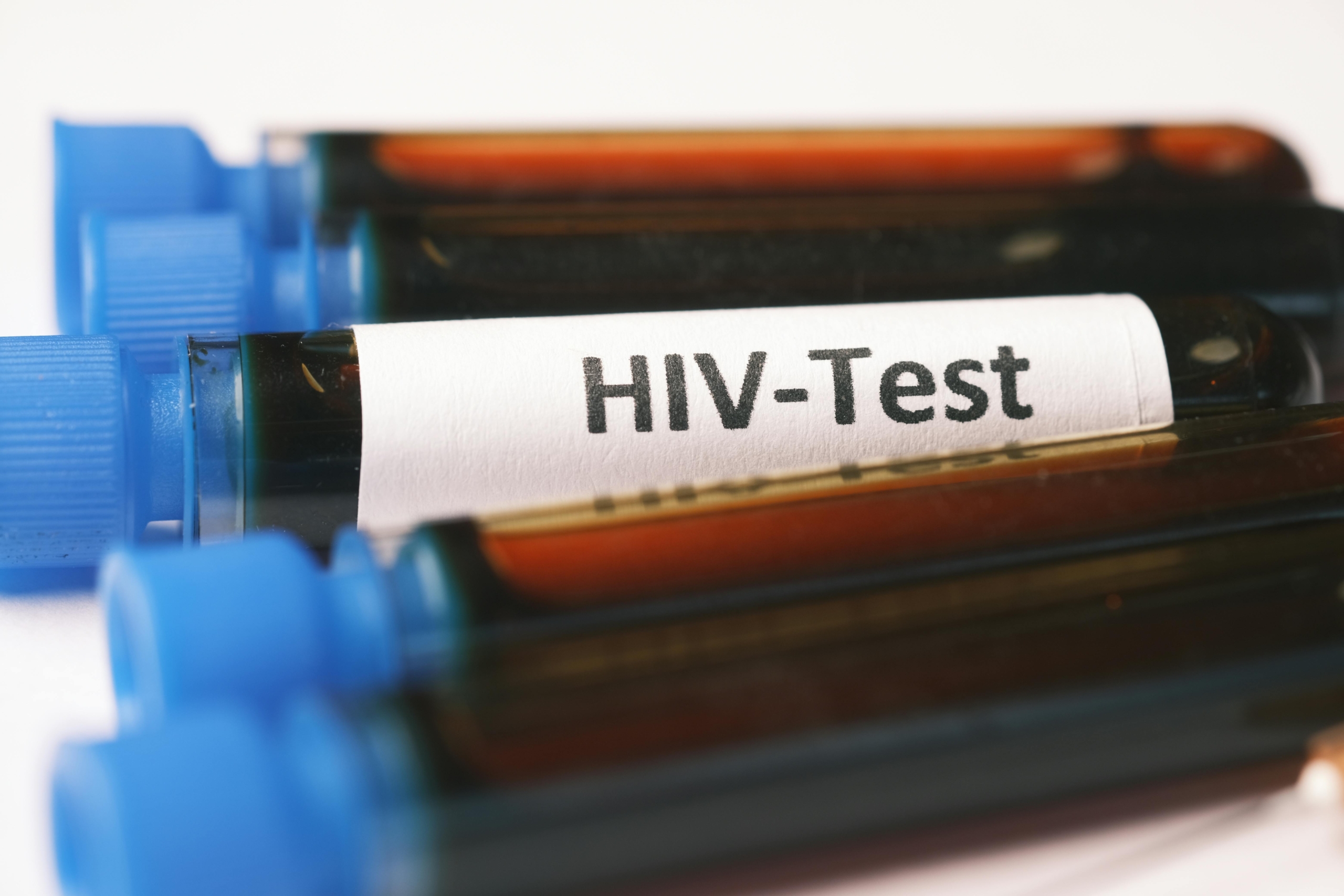
CroatiaHuman immunodeficiency virus (HIV) and its advanced stage, Acquired immunodeficiency syndrome (AIDS), are significant global public health issues. According to the World Health Organization (WHO), by the end of 2023, HIV had infected 39.9 million people. The virus targets white blood cells in the body, resulting in a weaker immune system and various complications. A case study conducted in Croatia and four other countries aims to track the virus and those it affects and make care more accessible for the well-being of their citizens.

HIV/AIDS in Croatia

Croatia, a country nestled between Slovenia and Bosnia and Herzegovina, launched a national response to the ongoing HIV/AIDS crisis within its borders. Starting in 1985, the surveillance of the virus gradually improved as testing and programs were established to combat its spread. Between 1985 and 2015, there were approximately 77 to 116 new cases reported annually. The majority of transmissions occurring through sexual contact in male-homosexual relationships.

The government’s response to HIV/AIDS in Croatia included implementing certain educational and health care pillars to maintain and promote the declining spread of the virus. The pillars of the program include easy access to care for people living with HIV/AIDS. Additionally, youth education is targeted, as well as introducing more protective behaviors in order to stay safe. Making sure that blood or blood-related products are clean and safe are also a key priority.

EmERGE

Part of the easy access to care included investigating the cost-effectiveness of a program called EmERGE, which offers support to those who are in a stable condition with the virus. This program has three primary goals:

  1. To gather insights into living with HIV and providing care for individuals with HIV.
  2. To determine which mHealth features are viewed as valuable in HIV care.
  3. To explore potential advantages and address concerns related to mHealth.

One of five clinics was opened in Zagreb, Croatia, where a study soon ensued with 309 initial participants, which later fell to 293 participants. The clinics collected outpatient data one year before and one year after the EmERGE program was implemented. The results of the case study were very promising, as outpatient visits declined by 17%. They led to decreases in all other areas, such as annual costs and costs related to anti-retroviral drugs.

The Future

Croatia’s response to HIV/AIDS has made great progress in making care more accessible. Results from the patients showed that they appreciated the autonomy that it gave them as well as reducing travel and waiting times. The only downside is the safety of the participants’ phones; should privacy not be protected, the information could leak. However, further efforts are being implemented to study and expand mHealth and EmERGE to cover a more broad range of needs.

The effort that has been put in to monitor and reduce HIV will save lives in the future. Croatia’s national plan will further the health and safety of its citizens and create new educated generations who will be less likely to contract the virus. Furthermore, with the success of Emerge, other countries may adopt a similar institution to combat the HIV/AIDS crisis. While the case study focused on five countries, Croatia’s success may inspire others to follow.

– Isabella Chavez

Isabella is based in Swampscott, MA, USA and focuses on Global Health for The Borgen Project.

Photo: Pexels

September 20, 2024
https://borgenproject.org/wp-content/uploads/borgen-project-logo.svg 0 0 Lynsey 2 https://borgenproject.org/wp-content/uploads/borgen-project-logo.svg Lynsey 22024-09-20 07:30:362024-09-20 00:46:10The Response to HIV/AIDS in Croatia
Advocacy, Women's Empowerment, Women's Rights

Gender Advocacy in Suriname

gender advocacy in SurinameSuriname is a developing country located just above the equator in northern South America, though it is also part of the Caribbean Community. Dutch colonial governance defined its history, but the nation gained independence in 1975. Despite its small size, the country is famous for its plentiful natural resources and vast rainforest cover. As one of the U.N.’s Sustainable Development Goals (SDGs), gender equality is an important point of action for Suriname due to its links to poverty reduction and economic growth. In 2022, the Ministry of Home Affairs held a brainstorming session on how the nation could address SDG 5 to “achieve gender equality and empower all women and girls”. This drew out equal economic participation, gender issues at work and respect for women’s voices as key to a sustainable future.

Gender advocacy in Suriname has come in various forms, from promoting women’s job opportunities to increasing their political representation. The country has made progress, such as increased labor force participation from 41.4% in 2011 to 44.3% in 2022. However, the World Bank also found that behind such statistics, nine in every 50 women aged 15-49 are in vulnerable employment positions, as of 2022.

Economic Opportunities

One important aim for the country is setting women up for economic success, uplifting women out of poverty and instilling financial stability. The Ministry of Home Affairs has targeted this by establishing its 2021-2035 Gender Vision Policy. This highlighted sector disparities, unequal access to economic resources and difficulties in women accessing formal work. Its answer to these issues was gender mainstreaming, allowing the application and monitoring of gender-responsive policies across departments.

While the full success of this vision is yet to be seen, the agricultural sector has already seen an increase in female participation from 4.65% in 2011 to 5.68% in 2022, according to the World Bank.

Women’s Economic Empowerment (WEE), which is a program that focuses on supporting women-owned businesses in Suriname, also advocates for women’s professional development. The project is part of the Suriname Energy, Oil and Gas Summit and originated in 2023. It aims to achieve gender advocacy by boosting the participants’ pitching, leadership and networking skills to empower women working in the sector.

Legal and Political Representation

Gender equality is established on a basic level in the Surinamese Constitution, as Article 35 declares that “Man and woman are equal before the law,” according to the Gender Vision Policy document. The Gender Vision Policy aims that beyond this “all legislation will have been adapted, strengthened and approved and implemented to promote gender equality and to eliminate gender-related discrimination.” In particular, this will involve intersectionality to address the discrimination against Indigenous women, promotion of equal pay and prevention of forced marriages.

Hope for the achievement of these aims can be inferred from the increasing political representation of women in Suriname. From 2011 to 2022, the proportion of seats held by women in national parliaments has increased from 11.8% to 29.4%, according to the World Bank.

However, men still hold over double as many seats in parliament as women, so closing the gap is a long-term priority for the country.

Women’s Health

Menstrual and reproductive health are vital points of action for gender advocacy in Suriname. Addressing these issues allows women and girls to reach their full potential. As a part of this, the American Medical Women’s Association (AMWA) has been working in Suriname on its mission to improve women’s health. Launched in 2021, its initiative to end period poverty has involved the provision of period pad kits. The First Lady of Suriname also received one of these kits in 2023. The Ministry of Public Health in Suriname has also addressed women’s health via a workshop in 2023 in collaboration with the United Nations Population Fund (UNFPA).

The importance of family planning to gender equality and poverty reduction raised, which is particularly relevant when the country’s contraceptive prevalence dropped from 47.2% in 2010 to 38.7% in 2018, according to the World Bank. The workshop showed positive aims for practical engagement, empowerment of women and raising awareness of their options.

Gender Advocacy in Suriname: Final Thoughts

Suriname currently scores 77 out of 100 in an index rating on the life cycle of a working woman, according to the World Bank. While progress in employment and politics has been significant, family commitments and social norms still hold women back. Gender advocacy in Suriname must maintain its diverse range of aims as well as the uniting principles of equality and empowerment.

– Daisy Outram

Daisy is based in Kent, UK and focuses on Good News for The Borgen Project.

Photo: Flickr

September 18, 2024
https://borgenproject.org/wp-content/uploads/borgen-project-logo.svg 0 0 Naida Jahic https://borgenproject.org/wp-content/uploads/borgen-project-logo.svg Naida Jahic2024-09-18 01:30:002024-09-17 02:01:06Gender Advocacy in Suriname
Global Health, Global Poverty, HIV/AIDS

Suniti Solomon: Pioneering HIV/AIDS Researcher and Activist

suniti solomonSuniti Solomon neatly laid out photographs of prospective brides and grooms on her small desk, carefully tucking them under a stainless-steel cup and saucer and away from the force of the wind. Over filter coffee, and with her colleagues’ help, she was going to play matchmaker.

But what was evolving in this unassuming house on a quiet street in Chennai’s otherwise bustling T. Nagar was far from an ordinary arranged marriage. It was a result of Dr. Solomon’s affection for everyone who knocked on the door of her NGO. Deeply involved with her patients’ lives, she understood how their suffering was compounded by social stigma. She was working hard to remedy their lack of matrimonial opportunities by matching them with each other.

Suniti Solomon’s Discovery of HIV in India

Dr. Solomon joined the Madras Medical College in 1971 for her postgraduate degree in microbiology, after having trained in London and Chicago. As a member of its faculty in the early 1980s, she read papers across international medical journals detailing the quick spread of what many considered a mysterious disease then: HIV, according to The Hindu.

Working against the government’s HIV-denying narrative at the time, Dr. Solomon, along with her student Selleppan Nirmala, collected blood samples from 100 members of the sex worker community in Chennai in 1986. As she had anticipated, six samples tested positive for HIV. This was possibly indicative of a much larger epidemic across the country, given the size of India’s population.

This shocking finding catapulted the government into action. It braced for a crisis like no other, given the prevalence of poverty and lack of access to quality health care in the country. However, remarkably enough, this disaster was averted: India’s incidence rate has remained below 0.3%. The annual number of people newly infected with HIV declined by close to half between 2010 and 2021 in India.

This progress is thanks to the successful control of contagion in India. This has been achieved with free antiretroviral therapy, awareness initiatives and effective engagement with civil society. But it is also due, at least in part, to Dr. Solomon’s efforts.

Treating the Disease and Healing the Individual

Thoroughly attuned to patients’ stories of struggle – from the case of an infected 13-year-old to a family whose members died by suicide when news of their diagnosis spread, Dr. Solomon opened India’s very first voluntary HIV testing and counseling center at Madras Medical College. She transitioned to independently running her own NGO in 1993, the Y.R. Gaitonde Centre for AIDS Research and Education (YRG CARE).

With this, Dr. Solomon built a safe and nurturing space for every person living with HIV who had fallen through the cracks in public health care. YRG CARE started with just three employees. However, it now has a 1,000-member-strong workforce, spread throughout India’s 28 states, according to the American Society for Microbiology. It pioneered HIV awareness programs in schools and colleges. It has provided care to nearly 2 million people living with HIV, from easier access to specialized pharmaceutical drugs to recuperation facilities at in-patient centers.

Suniti Solomon: Legacy

Dr. Suniti Solomon received many accolades when she was alive, from an honorary Doctor of Medical Science degree from Brown University to a Lifetime Achievement Award by the Tamil Nadu AIDS Control Society. She passed away in 2015, at the age of 76. Many people, including The New Yorker’s Michael Specter, remember her as warm, empathetic and soft-spoken. Old interviews reflect her feistily unorthodox and good-humoured spirit. Colleagues recall that she inspired hope and courage in them. The government of India posthumously awarded her with the Padma Shri, India’s fourth-highest civilian honor, in 2017.

– Shiveka Bakshi

Shiveka is based in London, UK and focuses on Good News, Global Health for The Borgen Project.

Photo: Flickr

September 17, 2024
https://borgenproject.org/wp-content/uploads/borgen-project-logo.svg 0 0 Naida Jahic https://borgenproject.org/wp-content/uploads/borgen-project-logo.svg Naida Jahic2024-09-17 07:30:342024-09-17 01:52:39Suniti Solomon: Pioneering HIV/AIDS Researcher and Activist
Advocacy, Aid, Global Poverty

Declining Poverty Rates in Indonesia

Poverty Rates in IndonesiaThe Republic of Indonesia, the fourth most populous nation, sits in Southeast Asia between the Indian and Pacific oceans. Known for its breathtaking landscapes and vibrant tourist attractions, Indonesia has faced challenges with high poverty rates. In 2014, the World Bank reported that poverty reduction in Indonesia has begun to stall, with a rate of 11.3%, reflecting only a 0.7% decline since 2012. A report by the Asian Development Bank also noted that 28 million Indonesians lived below the poverty line, with most of the country’s residing in rural areas.

Significant Progress in Poverty Reduction

Currently, this trend has changed, with poverty rates in Indonesia at an all-time low. In March 2024, the Central Statistics Agency recorded a decrease in the number of people living in poverty to 25.22 million, with the poverty rate at 9.03%.  A 0.33% decline compared to the previous year and a 2.22% decline compared to the past 10 years.

According to the Cabinet Secretariat of The Republic of Indonesia, poverty rates decreased in rural and urban areas. In March 2024, the poverty rate in rural areas decreased to 7.09%, a 20% decrease compared to March 2023. The poverty rate in rural areas dropped to 11.79%, compared to a drop of 12.22% from the previous year. With the government facing challenges given the country’s large population and increase in poverty rates during COVID-19, from 9.2% in 2019 to 9.7% in 2020, poverty reduction has become a national priority, needing different approaches and efforts. 

Agricultural Services

Agriculture services were at the forefront in helping Indonesia reduce its poverty rates. A study by The Smeru Research Institute reveals that this was the largest factor in reducing poverty in Indonesia. Agriculture growth was responsible for 66% of overall poverty reduction, 55% of the reduction in urban poverty and 75% of the reduction in rural poverty. In contrast, the industrial sector, part of Indonesia’s development strategy, only reduced poverty in urban areas. These findings highlight that boosting productivity in agriculture is the most effective way for Indonesia to reduce poverty.  

Passing New Economic Policies

To address high poverty rates in Indonesia, the government introduced financial and administrative changes, known as fiscal decentralization reforms. This change aims to shift the power from the central government to local governments. 

According to Springer Link, the government passed village fund policies between 2014 and 2019 to support Indonesia’s villagers, successfully in reducing rural poverty. According to a report by the Central Bureau of Statistics, that compares the years 2015 and 2022, data reveals that the number of people in poverty has decreased from more than 28 million to 26 million. By improving infrastructure in rural areas, such as providing education, health care services and clean water, the Indonesian government effectively reduced poverty. 

Social Protection Program

The Indonesian government continues prioritizing the social protection program as part of its 2045 vision. This includes cash transfers, food assistance and labor market programs. Social protection programs particularly benefit vulnerable people in Indonesia, such as the elderly, whose numbers are expected to rise to 25% of the population by 2045, making them highly susceptible to poverty. 

The Program Keluarga Harapan (PKH) is a cash transfer program that helps low-income households alleviate financial pressure and access health care and education services. According to a report by the World Bank, this program led to a 13 to 17% increase in the number of births attended by medical professionals and a 5% increase in the number of children receiving vaccinations. 

Moving Forward

Indonesia has made significant efforts that continually contribute to the decrease in poverty rates. Indonesia has taken major steps forward to help its people, while there have been fluctuations in poverty, the government has consistently prioritized different strategies to reduce it. Indonesia’s success in decreasing poverty rates is not just a national achievement but also a great contribution to global poverty reduction efforts. Acting as a blueprint for other nations that aim to help their populations and reduce poverty.

– Nouf Hunaiti

Nouf is based in Rancho Cucamonga, CA, USA and focuses on Good News for The Borgen Project.

Photo: Flickr

September 6, 2024
https://borgenproject.org/wp-content/uploads/borgen-project-logo.svg 0 0 Precious Sheidu https://borgenproject.org/wp-content/uploads/borgen-project-logo.svg Precious Sheidu2024-09-06 01:30:562024-09-05 13:42:00Declining Poverty Rates in Indonesia
Advocacy, Aid, Global Poverty

Haiti’s $23 Million Deficit and Crippling Gang Violence

Haiti's $23 million defecit Gang violence is escalating in Haiti, presenting severe challenges for the government in funding basic education nationwide. The United Nations (U.N.) Fund reports that Haiti’s $23 million deficit is resulting in shortages of essential school supplies and necessities like chairs, blackboards and bathrooms.

The Impact of Gang Violence

The U.N. estimates that gang violence affects 2.7 million Haitians, including more than 600,000 children. Since the assassination of former President Jovenel Moise, gang activity has surged dramatically. In the first quarter of 2024 alone, gangs killed or injured 2,500 Haitians, a 53% increase from the previous reporting period. Gangs frequently target institutions, including schools, exacerbating poverty across the country. For example, in March, escalating violence forced the closure of the main port in Port-au-Prince, cutting off food supplies and leaving millions hungry.

A Lack of Safety in Schools

In Haiti’s school systems, many teachers are forced to pay gangs to ensure the safety of their students. In Sept. 2021, seven schools paid these armed gangs. With already scarce funding, such payments leave schools lacking essential teaching tools. By the end of Jan. 2024, 900 schools had temporarily shut down due to security concerns. On March 25, gangs set fire to 23 classrooms in a Port-au-Prince school, further destabilizing the education environment.

Amid widespread violence and targeted attacks on schools in Haiti, many families opt not to send their children to school out of fear for their safety. Gang violence has displaced thousands, forcing many to seek refuge in makeshift shelters within school buildings, prompting further school closures. Additionally, a $23 million deficit leaves schools starkly unequipped, lacking even basic furniture like benches or chairs. A 22-year-old Haitian student highlighted the dire conditions to ABC News, stating, “The hardest part of this is that there are no bathrooms.”

Nonprofit Work

The Haiti Education Foundation and Hope for Haiti are actively working to alleviate the educational debt and enhance the schooling system for children by providing scholarships, training teachers and supplying essential back-to-school items. The Haiti Education Foundation is currently matching donations from Sept. 1 through Dec. 15. Additionally, Hope for Haiti is organizing various events, including Celebrating Hope in Greenwich, Connecticut on October 3rd, featuring a silent auction to support Haitian families. Moreover, the U.N. Global Fund Education Cannot Wait has committed a $2.5 million grant aimed at assisting 75,000 children with cash transfers, school feeding programs and other vital initiatives.

Looking Ahead

The escalating gang violence in Haiti severely undermines the country’s education system, leaving schools vulnerable and underfunded. Due to Haiti’s $23 million deficit, many schools struggle to provide even the most necessities, forcing closures and compromising student safety. Nonprofits like the Haiti Education Foundation and Hope for Haiti are stepping in to offer crucial support, but the challenges remain immense as the nation grapples with both violence and a lack of resources.

– Madeline Rozmus

Madeline is based in Greenwich, CT, USA and focuses on Global Health and Politics for The Borgen Project.

Photo: Flickr

September 4, 2024
https://borgenproject.org/wp-content/uploads/borgen-project-logo.svg 0 0 Precious Sheidu https://borgenproject.org/wp-content/uploads/borgen-project-logo.svg Precious Sheidu2024-09-04 01:30:052024-09-04 14:16:52Haiti’s $23 Million Deficit and Crippling Gang Violence
Advocacy, Global Poverty, Nonprofit Organizations and NGOs

Twaweza: A Mission to Empower Citizen Voices in East Africa

TwawezaIn East Africa, poverty and lack of government accountability are deeply intertwined issues that have long hindered the development of marginalized communities. Twaweza is a pivotal grassroots nongovernmental organization (NGO), founded in 2009, tackling these ongoing challenges head-on. It operates across Tanzania, Kenya and Uganda to empower citizens, enhance children’s learning and foster open and responsive governments. By promoting transparency, collaboration and citizen engagement, Twaweza addresses systemic issues of poverty by ensuring that marginalized communities can hold their governments accountable and demand better services and opportunities.

We Can Make It Happen

Twaweza means “we can make it happen” in Swahili, and its name captures the charity’s commitment to putting citizens at the center of change.  The organization believes in an open society where citizens are informed, engaged and organized to drive positive change in their communities and hold authorities accountable. Twaweza’s mission is centered on three key areas: 

  1. Demonstrating Collective Citizen Action. Between 2019 and 2023, Twaweza held nearly 1,400 community meetings in Uganda and Tanzania, engaging more than 93,000 attendees to identify and address local challenges. In Uganda, Twaweza conducted 233 village-level meetings despite limited legal requirements, while in Tanzania, 303 meetings led to 66 action plans, ensuring local governance remained accountable and transparent. These efforts empower communities to actively participate in decision-making actively, addressing systemic issues through collective action.
  2. Enabling Citizens’ Voices in Decision-Making. Twaweza in collaboration with more than 14 government institutions across Kenya and Uganda to ensure citizens voice informed policy decisions. Collaborations with ministries, especially during COVID-19, led to significant policy changes, such as the removal of mobile money levies in Tanzania and amendments to access information laws in Uganda. These partnerships highlight the critical role of citizen-driven data in shaping national policies and ensuring responsive governance.
  3. Promoting and Protecting Open Civic Spaces. Twaweza influenced 11 key laws, including those affecting media and political freedoms, by working in collaboration with diverse civil society groups. Notable successes include supporting the Tanzania Centre for Democracy in lifting the ban on political rallies and enhancing the capacity of various organizations to advocate for policy changes. Although challenges in strategic litigation led to shifts in focus, Twaweza continues to promote civic participation and protect democratic space through targeted advocacy and capacity-building efforts.

Uwezo – Revolutionizing Education Assessment

Launched in 2009, Twaweza’s Uwezo initiative, meaning “capability” in Swahili, targets the learning crisis in Kenya, Tanzania and Uganda. Uwezo assesses millions of children for basic literacy and numeracy skills through a citizen-led approach.

Volunteers conduct large-scale assessments and provide instant feedback to households, engaging communities in educational advocacy. Uwezo’s findings, revealing that many children lack foundational skills, have influenced policy and highlighted educational inequities. The program also demonstrated adaptability by assessing learning in crisis contexts, such as Uganda’s refugee settlements. UNESCO recognized Uwezo in its 2018 Global Education Monitoring Report.

Sauti za Wananchi – Giving Citizens a Voice

In a region where access to reliable data is often limited, Twaweza’s Sauti za Wananchi, meaning ‘Voices of the Citizens’ in Swahili, emerged as a groundbreaking initiative. Launched in 2013, it is Africa’s first nationally representative mobile phone survey. It gathers real-time, nationally representative data on citizens’ views in Kenya, Tanzania and Uganda. 

The survey, which engages 2,000 participants, led to significant policy impacts, with more than 150 pieces of media coverage and reaching hundreds of policymakers annually. The data collected plays a crucial role in influencing government transparency, policy-making and public debate on issues like education, health and governance. By providing a representative panel and facilitating direct interactions, it amplifies citizen voices, promotes government accountability and drives informed decision-making.

Open Government Partnership

Through its Open Government Partnership (OGP) initiative, Twaweza collaborates with governments. The organization develops and implements action plans that promote transparency, fight corruption and enhance public access to information. Furthermore, it calls on members to enhance reforms in 10 key policy areas over five years to strengthen democracies. The Challenge engages multiple public institutions globally, inspiring policy changes and public debate. With high participation, OGP recognizes outstanding efforts in international forums. Additionally, it boosts global democratic practices and reinforces Twaweza’s advocacy for accountable governance.

Looking Ahead

Twaweza’s work is a powerful reminder of the importance of NGOs for citizen engagement in combating poverty and fostering accountability. Furthermore, the charity is actively helping to create a future where all East Africans can access the services and opportunities they deserve. It stands as a beacon of hope for marginalized communities, demonstrating that through collective action, real change is possible.

– Fatima Naqavi

Fatima is based in London, UK and focuses on Good News for The Borgen Project.

Photo: Flickr

September 3, 2024
https://borgenproject.org/wp-content/uploads/borgen-project-logo.svg 0 0 Precious Sheidu https://borgenproject.org/wp-content/uploads/borgen-project-logo.svg Precious Sheidu2024-09-03 01:30:502024-09-03 01:09:41Twaweza: A Mission to Empower Citizen Voices in East Africa
Advocacy, Aid, Global Poverty

GMB Akash: Capturing Stories of Real-Life Heroes in Photos

GMB Akash: Capturing Stories of Real-Life Heroes Through PhotographyGMB Akash is a Bangladeshi photojournalist. He launched his career with a profound goal: to spotlight the resilience and hardships of marginalized communities through his photography. After winning numerous international awards, Akash uses his camera to create art and drive social change. His journey began with his father’s old camera, which opened doors to the hidden struggles within society. He specializes in street photography, capturing the raw, unpolished essence of daily life for those facing the greatest adversities. His work has gained recognition in National Geographic, TIME and The Guardian. Akash’s significant project, the book “Survivors,” represents a decade of work and helps support the subjects of his photographs by funneling proceeds back to the communities he features.

A Glimpse into GMB Akash’s Work

Akash’s photography offers an intimate look into the lives of the underprivileged, capturing their challenges and achievements. His ongoing series, “Dreams of Child Laborers,” exposes the difficult realities of children who work long hours for minimal pay. His “Mothers: Angels on Earth” series honors the relentless determination of mothers striving to support their families. In a unique approach, his “Feet Tell Stories” series features photographs of laborers’ feet, illustrating their daily hardships. The “Women in Bangladesh” series presents poignant narratives that compel viewers to rethink their views on poverty and resilience. These projects underscore Akash’s commitment to using his photography to amplify the voices of those often overlooked, portraying their enduring spirit and vibrant humanity despite facing adversity.

Akash founded the First Light Institute of Photography in Bangladesh in August 2013. This institute draws hundreds of students globally, eager to learn from his expertise. In 2023, he launched an exclusive One-on-One Photography Workshop, which has garnered excellent reviews. Participants from Germany, the USA, Spain and Indonesia have attended the program. Akash uses the proceeds from these educational endeavors to fund basic education for street children, underprivileged talented students and child laborers, furthering his mission to uplift those in need.

A Commitment to Action

Akash believes that photography can be a catalyst for positive change. He isn’t content with simply documenting hardship; he actively seeks ways to improve the lives of his subjects. Through his social media and blog, he shares stories of the people he meets and chronicles his initiatives to support them. These ongoing initiatives include providing education for child laborers, micro-loans to help people start businesses, gifting bicycles to students to commute, building water wells and giving wheelchairs to disabled children.

In 2012, GMB Akash published his book Survivors, the result of a 10-year project that showcases powerful stories of resilience and strength. The prestigious Geo magazine reviewed the book, highlighting its impact. He has dedicated the proceeds from the book and related exhibitions to help the individuals featured in it. Akash personally trains and monitors them as they set up small businesses, aiming to make them and their families self-sufficient.

Moving Forward

GMB Akash’s work goes beyond photography; it actively contributes to the well-being of the communities he documents. By using the proceeds from his projects to fund education, start small businesses and provide essential resources, Akash ensures that his subjects receive tangible benefits from their stories being told. His commitment to using photography as a tool for social change highlights the profound impact that visual storytelling can have in advocating for and improving the lives of marginalized individuals.

– Sumaiya Sultana

Sumaiya is based in London, UK and focuses on Technology and Celebs for The Borgen Project.

Photo: Flickr

August 29, 2024
https://borgenproject.org/wp-content/uploads/borgen-project-logo.svg 0 0 Precious Sheidu https://borgenproject.org/wp-content/uploads/borgen-project-logo.svg Precious Sheidu2024-08-29 07:30:072024-08-29 01:42:28GMB Akash: Capturing Stories of Real-Life Heroes in Photos
Page 9 of 77«‹7891011›»

Get Smarter

  • Global Poverty 101
  • Global Poverty… The Good News
  • Global Poverty & U.S. Jobs
  • Global Poverty and National Security
  • Innovative Solutions to Poverty
  • Global Poverty & Aid FAQ’s
Search Search

Take Action

  • Call Congress
  • Email Congress
  • Donate
  • 30 Ways to Help
  • Volunteer Ops
  • Internships
  • Courses & Certificates
  • The Podcast
Borgen Project

“The Borgen Project is an incredible nonprofit organization that is addressing poverty and hunger and working towards ending them.”

-The Huffington Post

Inside The Borgen Project

  • Contact
  • About
  • Financials
  • President
  • Board of Directors
  • Board of Advisors

International Links

  • UK Email Parliament
  • UK Donate
  • Canada Email Parliament

Get Smarter

  • Global Poverty 101
  • Global Poverty… The Good News
  • Global Poverty & U.S. Jobs
  • Global Poverty and National Security
  • Innovative Solutions to Poverty
  • Global Poverty & Aid FAQ’s

Ways to Help

  • Call Congress
  • Email Congress
  • Donate
  • 30 Ways to Help
  • Volunteer Ops
  • Internships
  • Courses & Certificates
  • The Podcast
Scroll to top Scroll to top Scroll to top