• Link to X
  • Link to Facebook
  • Link to Instagram
  • Link to TikTok
  • Link to Youtube
  • About
    • About Us
      • President
      • Board of Directors
      • Board of Advisors
      • Financials
      • Our Methodology
      • Success Tracker
      • Contact
  • Act Now
    • 30 Ways to Help
      • Email Congress
      • Call Congress
      • Volunteer
      • Courses & Certificates
      • Be a Donor
    • Internships
      • In-Office Internships
      • Remote Internships
    • Legislation
      • Politics 101
  • The Blog
  • The Podcast
  • Magazine
  • Donate
  • Click to open the search input field Click to open the search input field Search
  • Menu Menu

Archive for category: Global Health

Disease, Global Health, Global Poverty

IPTp Treatment: Reducing Malaria in Pregnant Women in Mali

IPTp Treatment: Reducing Malaria in Pregnant Women in MaliMalaria is an infamous disease resulting in around 249 million malaria cases worldwide, 94% of those being from Africa as a whole. The symptoms range from fatigue to yellowing skin to abnormal bleeding and can prove fatal if untreated. In Mali, where the population totals 22.6 million, malaria presents a significant health risk, spread primarily by mosquitoes. In 2022 alone, 7.9 million cases were reported, a record high for Mali. Pregnant women in Mali, specifically, have an increased risk of long-term effects if they get Malaria. The National Library of Medicine reported that catching this disease when pregnant can lead to “outcomes including stillbirth, early neonatal death, preterm delivery and low birth weight,” being the leading cause of death among mothers and their babies – both in utero and after birth.

The IPTp Pill

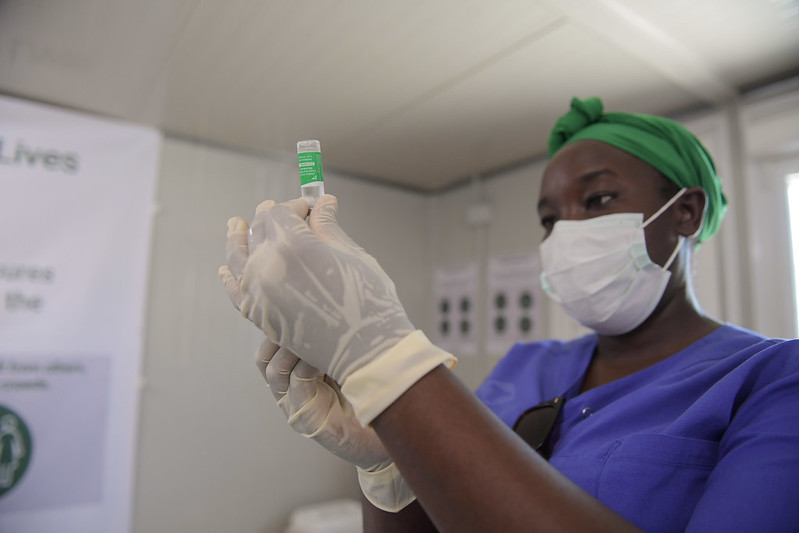
After observing the adverse effects of malaria on pregnant women, health professionals developed a specific treatment for this group, hoping to reduce malaria rates in Mali. Known as Intermittent Preventive Treatment of Malaria in Pregnant Women (IPTp), this treatment involves taking three pills during each trimester of pregnancy. IPTp has gained popularity for its convenience and affordability compared to other malaria prevention measures. A notable advantage is its minimal side effects, with most only occurring after the first dose.

IPTp Distribution

Once manufactured, various organizations distribute the IPTp treatment directly to Malians, focusing on pregnant women, young mothers and children aged 1-5. The United States (U.S.) President’s Malaria Initiative for Mali (PMI), dedicated solely to combating malaria in this demographic, was established in 2005. Its goal is to reduce malaria incidence by providing health care measures, including IPTp. Mali has stood out among Sub-Saharan African countries due to its high malaria mortality rates. Although PMI has increased the distribution of IPTp, Mali remains a priority because of political instability and insecurity, which hinder health service provision. To address this, PMI ensures a steady supply of IPTp pills to the 13 Malian towns most affected by malaria.

IPTp Awareness

A crucial role in implementing IPTp treatment for malaria in Mali is raising awareness about the pill’s effectiveness. The BMC Malaria Journal recently published a study suggesting that more pregnant women would choose IPTp if provided with a brief factsheet outlining malaria’s potential impacts on their health and that of their child, along with protection strategies. This finding highlights a lack of malaria knowledge among the Malian population, which negatively affects IPTp usage. Consequently, many organizations focused on eradicating malaria in Mali include educational components in their efforts. Groups like Save the Children and CNRS have conducted sessions for Malian teachers on malaria prevention and treatment, including IPTp. While not all classes exclusively comprise pregnant women, the dissemination of this information across various age groups in Mali supports advocacy efforts for IPTp pills.

Looking Ahead

Malaria remains a significant threat in Mali, particularly for pregnant women, with millions of cases reported in recent years. The IPTp has proven effective in reducing malaria-related health risks for both mothers and their children. Organizations such as the U.S. President’s Malaria Initiative have prioritized distributing IPTp and raising awareness about its benefits. Efforts by groups like Save the Children and CNRS have also expanded education on malaria prevention, helping more women access life-saving treatments. Although challenges persist, continued focus on awareness and treatment distribution offers hope for reducing the impact of malaria on vulnerable populations.

– Nadia Haeryfar

Nadia is based in Ashford, CT, USA and focuses on Technology and Global Health for The Borgen Project.

Photo: Flickr

October 16, 2024
https://borgenproject.org/wp-content/uploads/borgen-project-logo.svg 0 0 Precious Sheidu https://borgenproject.org/wp-content/uploads/borgen-project-logo.svg Precious Sheidu2024-10-16 01:30:042024-10-16 01:56:08IPTp Treatment: Reducing Malaria in Pregnant Women in Mali
Development, Global Health, Global Poverty

Smartphone-Powered Diagnostics in Nepal

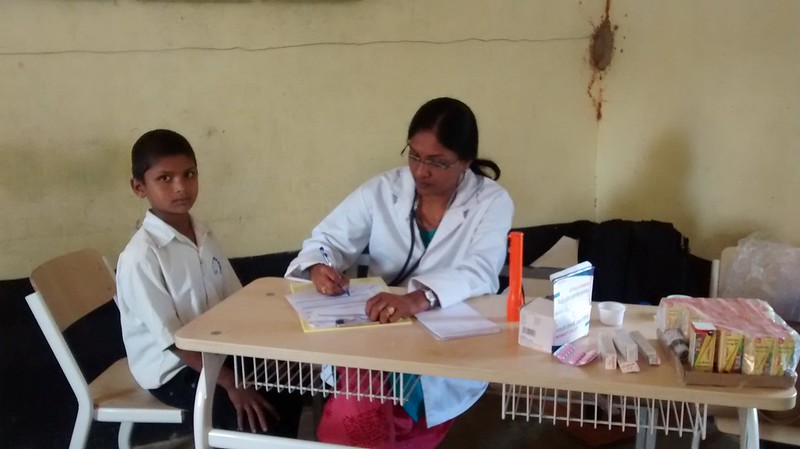
Smartphone-Powered Diagnostics: Transforming Health Care in NepalIn the remote regions of Nepal, where geographical and infrastructural challenges often restrict health care access, an innovative wave of smartphone-powered diagnostics is revolutionizing the delivery of medical care. Cutting-edge mobile technology from the United States  (U.S.) is driving these innovations, empowering health care workers with diagnostic tools that transform disease detection, monitoring and management in rural areas. Consequently, these advances are significantly improving efficiency, early disease detection and the overall quality of medical services in Nepal’s health care system.

The Health Care Landscape in Nepal

The health care landscape in Nepal, despite incorporating both public and private sector services, often fails to meet international standards. As of 2019, health-related expenditures constituted 4% of the country’s GDP, with infectious diseases accounting for roughly two-thirds of all health issues. Although Nepal has made considerable progress in enhancing its health care system, significant challenges persist in access and quality of care. Smartphone-powered diagnostics have emerged as a pivotal solution, bridging the gap between patients and health care providers. This mobile health technology enables health care workers to perform medical tests, diagnose diseases and provide care in previously inaccessible areas.

US Innovations Leading the Charge

Researchers at the University of Washington developed a smartphone attachment that enables remote eye exams using optical microangiography, allowing health care providers to conduct vision assessments in underserved areas. Another breakthrough involves using smartphone apps to analyze facial blood flow, aiding in the early detection of stroke risks. These innovations illustrate how medical care in low-resource regions can be transformational. With these tools, health care has become more accessible, portable and affordable, significantly improving health care access.

In Nepal, for instance, a feasibility study reveals how smartphone-powered diagnostics can make a major impact through the use of the General Movement Assessment (GMA) to screen infants for high-risk cerebral palsy. This technology empowers parents with smartphone-based apps, allowing diagnostics once confined to clinical settings to be available in remote regions. The integration of smartphone-powered diagnostics in Nepal marks a major milestone that overcomes resource barriers and extends quality care to all as a result of global technological advancements.

Empowering Rural Health Workers

Smartphone-powered diagnostics are revolutionizing health care by empowering rural health workers, especially in regions of Nepal where medical professionals are scarce. In remote areas, health workers are often the first line of care but have traditionally lacked access to advanced diagnostic tools. With smartphone-based technologies, these workers can perform critical tests without requiring patients to travel to hospitals. For example, a health worker in a remote village can use a smartphone-connected lab-on-a-chip device to conduct blood tests for diseases like malaria or dengue fever. Health workers transmit results electronically to doctors in urban areas who confirm them, enabling swift treatment decisions. This not only enhances patient care but also eases the pressure on overwhelmed health care facilities.

Overcoming Barriers to Health Care Access

Smartphone-powered diagnostics profoundly impact health care access by overcoming geographical barriers that traditionally isolated rural populations. The country’s mountainous terrain and inadequate infrastructure often hinder patients from traveling to hospitals or clinics for routine medical care. Mobile health technology addresses this challenge by delivering diagnostic tools directly to communities, eliminating the need for long journeys to receive medical attention. Furthermore, these innovations not only enhance accessibility but also reduce health care delivery costs. Unlike traditional diagnostic equipment, which is typically expensive, bulky and requires specialized training, smartphone-based tools are affordable, portable and user-friendly, making them ideal for low-resource settings.

The Future of Smartphone Diagnostics in Nepal

Smartphone-powered diagnostics are set to revolutionize developing countries’s health care by empowering local health workers and enhancing diagnostic capabilities. Innovations, such as apps that measure blood oxygen levels using smartphone cameras and deep-learning algorithms, enable patients to monitor their health at home, particularly benefiting those with respiratory conditions. Collaboration between Nepali providers and international tech innovators could be crucial to scaling these technologies, improving health care access and promoting self-reliance in local communities.

– Alaya Laila

Alaya is based in Nigeria and focuses on Technology and Solutions for The Borgen Project.

Photo: Flickr
October 15, 2024
https://borgenproject.org/wp-content/uploads/borgen-project-logo.svg 0 0 Precious Sheidu https://borgenproject.org/wp-content/uploads/borgen-project-logo.svg Precious Sheidu2024-10-15 07:30:552024-10-15 07:16:59Smartphone-Powered Diagnostics in Nepal
Disease, Global Health, Global Poverty

5 Effects of Water Pollution in Pakistan

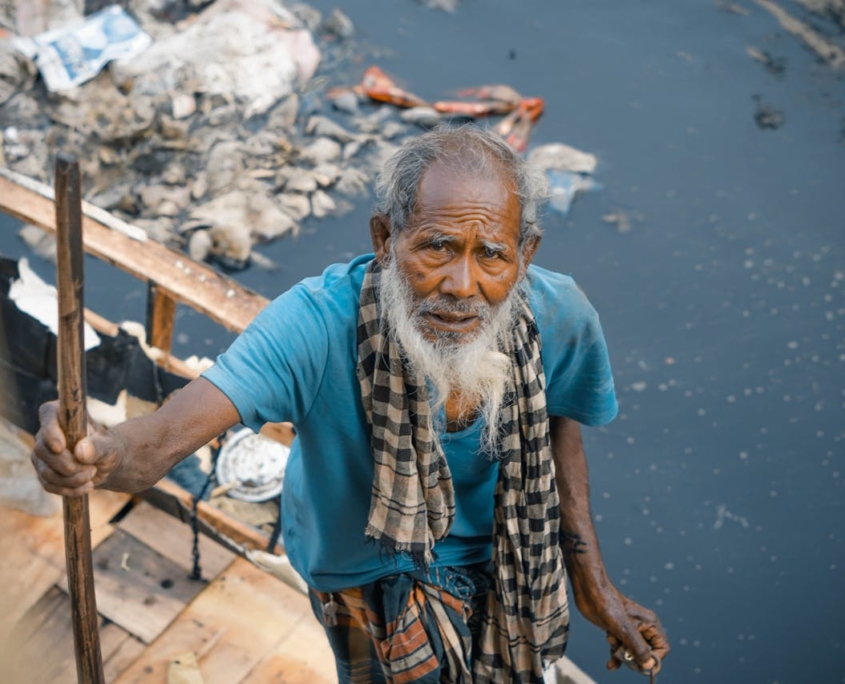
5 Effects of Water Pollution in PakistanCurrently, more than 21 million Pakistanis face a water sanitation crisis affecting the entire country. Major cities like Karachi and Lahore struggle to provide access to clean and safe drinking water. The situation is even more dire in rural villages that lack modern systems and adequate health care. The Pakistan Council of Research in Water Resources predicts that by 2025, the country will face extreme water shortages. Large-scale industrialization has contaminated many essential water sources, benefiting the economy but causing unchecked environmental damage. The pollution introduces high levels of chemical and biological toxins into the water. Understanding the top five effects of water pollution in Pakistan could help quantify the challenges faced by the population.

5 Effects of Water Pollution in Pakistan

  1. Waterborne Diseases. The outdated water distribution network in Pakistan, located near many industrial plants and sewage systems, introduces numerous toxins into the drinking water. Bacteria such as E-coli and Salmonella, when ingested, can be detrimental to health, leading to diseases such as typhoid, intestinal worms and cryptosporidium infections, which account for more than 40% of communicable diseases in Pakistan. Widespread poverty exacerbates the effects of these diseases, as many Pakistanis cannot afford the necessary medications.
  2. Infant Mortality.  The infant mortality rate in Pakistan is among the highest in developing nations, with water pollution playing a significant role due to the vulnerability of infants to harmful bacteria and fecal matter. According to UNICEF, only 35.8% of the Pakistani population has access to clean drinking water. Exposure to toxic bacteria during pregnancy and early childhood can lead to birth defects and early onset of severe diseases, both of which significantly increase the risk of infant mortality, especially given the limited access to medical care for many families.
  3. Agricultural Damage. Man-made agricultural fertilizers are a significant source of water pollution, which poses severe challenges to Pakistan’s agricultural sector. Given the country’s predominantly dry and hot climate, manufactured water sources are crucial for the survival of many farms. Additionally, small family-owned farms in numerous villages depend entirely on agricultural profits for their livelihood. The broader population also relies heavily on this produce for sustenance. Contaminated water, which harms more than it helps the plants, forces farmers to use scarce freshwater supplies. This situation creates substantial economic and social impacts due to the limited availability of clean water.
  4. Contaminated Food Products. Contaminated food products often result from crops irrigated with impure water. Livestock exposure to polluted water, contamination in marine waters and the use of pesticides and fertilizers further toxify essential resources. Without access to healthy, clean food for consumption and sale, many populations face starvation and life-threatening diseases.
  5. Decreased Biodiversity. Water pollution destroys numerous habitats, including lakes, rivers and ponds. Pollution renders them unable to support aquatic life due to chemical contamination and nutrient depletion. This disrupts food chains as smaller, less chemically resistant organisms die off, impacting species that rely on them for sustenance. Additionally, eutrophication, spurred by excessive nitrogen and phosphorus, triggers algae blooms that further degrade marine ecosystems by limiting sunlight and reducing energy available to aquatic species.

The Paani Project

The Paani Project, headquartered in Ann Arbor, Michigan, is actively enhancing water quality in Pakistan. Founded by four Pakistani Americans seeking to address the water crisis, the nonprofit has developed more than 20,000 water systems since its inception. Additional projects include deepwater wells, solar wells and reverse osmosis plants. As of June 2024, Paani collaborates closely with local partners to identify the most suitable water solutions for each rural community, maximizing the impact of donations. The organization emphasizes transparency, providing donors with approximately 30 photos of the construction process, a video of the completed water system and a comprehensive water quality report.

Looking Ahead

Pakistan’s water crisis poses significant challenges, from waterborne diseases to agricultural damage, impacting millions of lives. Efforts by organizations like the Paani Project offer hope. Their tailored water solutions work to improve access and quality across the country. With a focus on addressing the immediate needs of affected communities, these ongoing initiatives contribute to mitigating the long-term effects of water pollution and ensuring a more sustainable future for Pakistan.

– Sophia Kharal

Sophia is based in San Jose, CA, USA and focuses on Global Health for The Borgen Project.

Photo: Pexels

October 8, 2024
https://borgenproject.org/wp-content/uploads/borgen-project-logo.svg 0 0 Precious Sheidu https://borgenproject.org/wp-content/uploads/borgen-project-logo.svg Precious Sheidu2024-10-08 01:30:282024-10-07 22:51:085 Effects of Water Pollution in Pakistan
Disease, Global Health, Global Poverty

Mpox in India: Understanding the Outbreak and Response

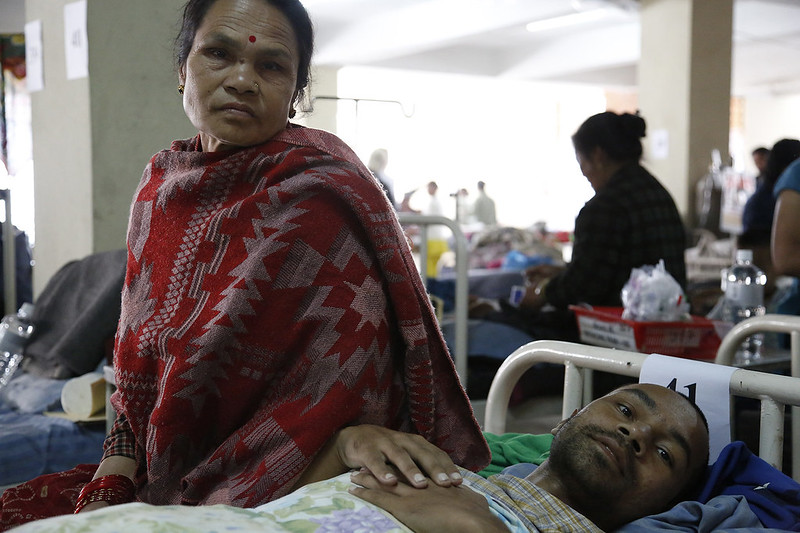
Mpox in India: Understanding the Outbreak and Response India has confirmed its first case of a deadlier mpox strain, the clade Ib variant, in Kerala. Previously contained in the Democratic Republic of Congo, this strain is now spreading globally, leading the World Health Organization (WHO) to declare a global health emergency. Authorities detected the case in a 38-year-old man who had recently traveled from Dubai and have identified 29 contacts for self-quarantine.

The Spread of Mpox in India

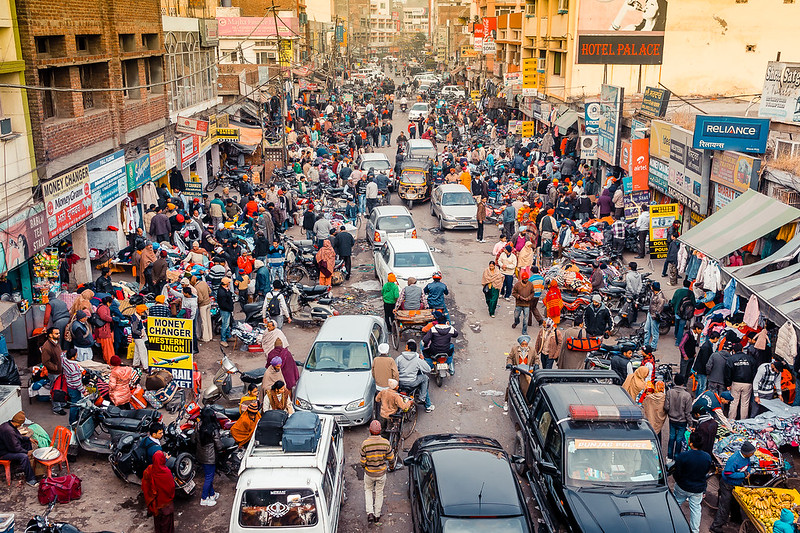
Mpox, previously known as monkeypox, is an infectious disease caused by the monkeypox virus (MPXV), a double-stranded DNA virus from the Orthopoxvirus genus in the Poxviridae family. A global outbreak of the clade IIb strain occurred between 2022 and 2023. As of now, the mpox outbreak in India has primarily affected urban areas, especially New Delhi. Although the number of cases has not reached critical levels, there is concern about potential widespread transmission in densely populated regions. Public health officials are closely monitoring the situation, tracking cases and ensuring containment measures are in place.

India’s Public Health Response

India’s public health response to the mpox outbreak has been swift and coordinated. The central government has urged all states and Union territories to identify facilities and train personnel to manage both suspected and confirmed mpox cases. Union Health Secretary Apurva Chandra has emphasized the importance of timely sample testing, isolating cases and conducting genome sequencing through the Indian Council of Medical Research (ICMR) to determine the virus clade.

States have received instructions to boost public health preparedness at state and district levels, establish isolation facilities and enforce strict infection control measures. Public awareness campaigns are underway to educate communities about the disease, its transmission and the importance of early reporting. Additionally, diagnostic capabilities are robust, with 36 labs supported by the Indian Council of Medical Research (ICMR) and three commercial PCR kits approved by the Central Drugs Standard Control Organisation (CDSCO) to facilitate testing. These ongoing efforts aim to control the spread of mpox and protect public health.

Prime Minister Narendra Modi has intensified India’s response and preparedness for the mpox outbreak following the World Health Organization’s (WHO) declaration of the disease as a Public Health Emergency of International Concern. Guidance from WHO has significantly shaped India’s response to mpox, providing best practices from other countries and offering frameworks to manage the disease within a broader public health context.

Looking Ahead

India has responded swiftly and proactively to the mpox outbreak, demonstrating a strong commitment to controlling the virus’s spread. Coordinated efforts at both national and state levels have enhanced diagnostic capabilities, established isolation facilities and promoted public awareness.

– Aneela Agha

Aneela is based in Dubai, United Arab Emirates and focuses on Global Health for The Borgen Project.

Photo: Flickr
October 6, 2024
https://borgenproject.org/wp-content/uploads/borgen-project-logo.svg 0 0 Precious Sheidu https://borgenproject.org/wp-content/uploads/borgen-project-logo.svg Precious Sheidu2024-10-06 07:30:202024-10-06 01:25:04Mpox in India: Understanding the Outbreak and Response
Global Health, Global Poverty, Innovations

Portable Labs for Diagnosing Diseases in Africa

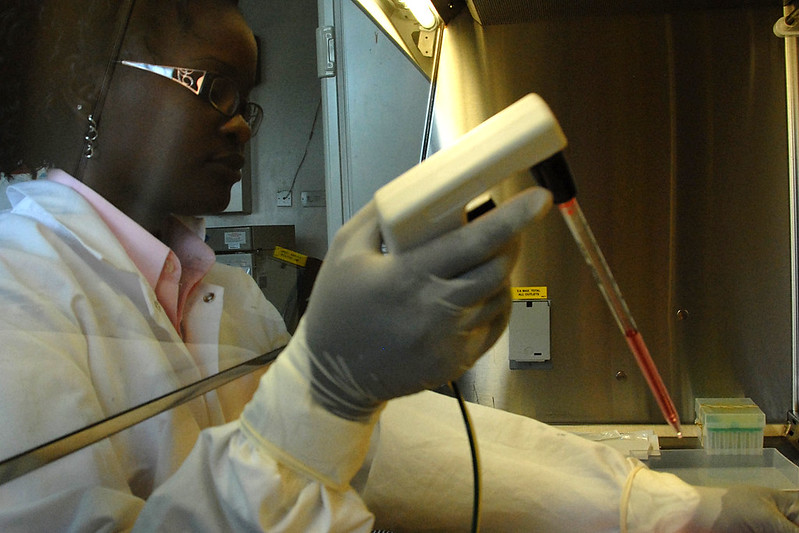
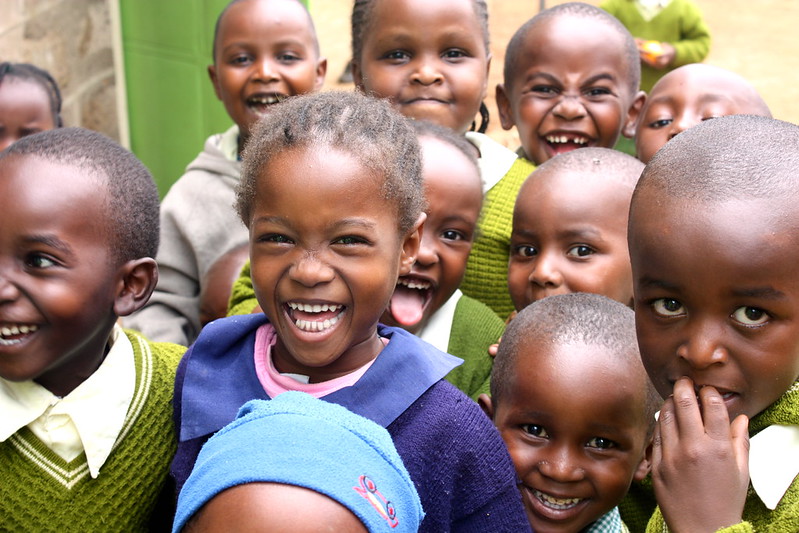
Portable Labs for Diagnosing DiseasesAccess to health care poses a significant challenge in many African regions. Remote villages often lie hours or days from the nearest clinic and under-resourced hospitals struggle to provide timely diagnoses for diseases like malaria, tuberculosis and HIV/AIDS. As a result, patients experience significant delays in receiving care, leading to high mortality rates for otherwise treatable diseases. However, the deployment of portable labs across Africa transforms health care by delivering essential testing and treatment services directly to these underprivileged communities.
The Need for Portable Labs

A disproportionate 25% share of the global disease burden falls on Africa. According to the World Health Organization (WHO), HIV/AIDS, malaria and TB remain the leading causes of death in sub-Saharan Africa. Quick and accurate diagnosis is key to combatting these diseases. However, with more than half of its population deprived of health care access and Africa’s global health expenditure below 1%, lab infrastructure is often outdated. Sending samples to distant laboratories for analysis can take days or weeks, delaying life-saving treatments. Portable labs address this issue by equipping health care workers with the tools to conduct on-site tests. These compact, mobile units, designed for low-resource settings, can perform diagnostic tests within minutes, allowing for immediate disease diagnosis and treatment initiation.

How Portable Labs Work

Portable labs generally consist of compact machines capable of performing various diagnostic tests, revolutionizing health care in remote areas. A well-known portable lab is the GeneXpert System by Cepheid, which provides rapid molecular testing for different diseases, like TB and HIV. This system, requiring minimal training, delivers results in under three hours—a critical feature for timely patient treatment.

Another significant innovation is the SAMBA II machine from Diagnostics for the Real World, designed to diagnose HIV within two hours. It has seen wide deployment across sub-Saharan African clinics, including in Kenya, Uganda and Malawi. The SAMBA II operates without specialized lab infrastructure, making it an ideal solution for resource-limited regions. These devices, powered by battery packs or solar energy, make them highly adaptable to regions with unreliable electricity. They are also compact enough to be transported to remote villages, enabling health care teams to deliver diagnostic services where they are most needed.

Impact of Portable Labs

The use of portable labs for diagnosing diseases in Africa has shown promising results in the fight against diseases like TB and HIV. The introduction of Cepheid’s GeneXpert system in sub-Saharan Africa has led to a marked improvement in early TB detection and treatment, limiting community transmission. Similarly, the SAMBA II enables faster diagnosis and better monitoring of patients, which is essential in regions where health care workers need to track the effectiveness of antiretroviral therapies of HIV-positive patients. Thus, rapid on-site testing provided by portable labs ensures patients remain on the best possible treatment plans, improving health outcomes and reducing transmission rates. 

Looking Forward

As the use of portable labs for diagnosing diseases in Africa expands, the impact on public health is expected to grow. Indeed, governments, NGOs and international health organizations are increasingly recognizing the importance of investing in these technologies to combat the continent’s most pressing diseases. These portable labs could become a cornerstone of Africa’s health care system. By making health care more accessible and effective, portable labs are not only saving lives – they are playing a vital role in the broader fight against poverty. Furthermore, by improving health care delivery, portable labs contribute to more resilient, healthier communities, laying the groundwork for long-term poverty alleviation and enabling individuals to break the cycle of poverty by improving health outcomes in some of Africa’s most vulnerable communities.

– Viola Cuthbertson

Viola is based in London, UK and focuses on Global Health for The Borgen Project.

Photo: Flickr

October 5, 2024
https://borgenproject.org/wp-content/uploads/borgen-project-logo.svg 0 0 Precious Sheidu https://borgenproject.org/wp-content/uploads/borgen-project-logo.svg Precious Sheidu2024-10-05 07:30:202024-10-04 14:02:16Portable Labs for Diagnosing Diseases in Africa
Disease, Global Health, Global Poverty

Aid in Kenya: Reducing Malaria and Breaking the Cycle of Poverty

UK Aid in Kenya: Reducing Malaria and Breaking the Cycle of Poverty Kenya, a country on the rise in East Africa, has seen significant economic growth over the past decade, driven by political and economic reforms. Yet, despite these advances, two-thirds of its population still lives in poverty. This staggering level of poverty continues to hold back many communities, limiting access to basic services like health care, education and housing. The battle against malaria remains one of the greatest health challenges these communities face. This disease not only claims lives but also keeps many families trapped in the poverty cycle. United Kingdom (U.K.) Aid in Kenya, through the Global Fund, is helping to address this challenge, reducing the burden of malaria and, in turn, alleviating poverty.

Malaria and Poverty

Malaria is a leading cause of illness and death in Kenya, particularly in rural areas, where access to health care services is limited. Beyond the health toll, malaria places a significant economic burden on families. Frequent bouts of illness reduce household income, as adults are unable to work and children miss school. In communities where families live on less than $2.15 a day, these disruptions reinforce the poverty cycle. Health care costs, such as treatments and hospital visits, often result in further financial strain. However, U.K. Aid Kenya and local NGOs supported by the Global Fund are working to bring malaria under control.

With targeted interventions such as distributing insecticide-treated bed nets and providing access to treatment, malaria transmission can be significantly reduced. By lowering malaria prevalence, communities can improve productivity, reduce health care costs and increase educational opportunities—key factors in breaking the cycle of poverty.

UK Aid in Kenya: Supporting the Global Fund

Global Fund to Fight AIDS is one of the key international efforts in the fight against Tuberculosis and Malaria. The U.K. is one of the largest contributors to the Global Fund, having pledged £1 billion for 2024 to 2026, aimed at combating these diseases globally. In Kenya, the U.K.’s contributions play a crucial role in reducing malaria cases and breaking the cycle of poverty that often accompanies this disease. Through the Global Fund, U.K. aid supports local NGOs such as Amref Health Africa and Population Services Kenya (PS Kenya), which are pivotal in implementing malaria prevention programs.

These organizations distribute millions of insecticide-treated bed nets, provide life-saving treatments and lead educational campaigns to prevent the spread of malaria. With U.K. aid, these efforts have been scaled up in malaria-endemic areas of Kenya, improving both health and economic outcomes for affected communities.

Success Stories

  • Amref Health Africa. Amref Health Africa, one of the largest health development organizations in Kenya, has been at the forefront of fighting malaria in rural areas. Supported by U.K. Aid through the Global Fund, Amref has made significant strides in malaria prevention and treatment. Amref has trained more than 1,591 Community Health Extension Workers (CHEWs) and 8,500 Community Health Volunteers (CHVs) across 10 malaria-endemic counties, enhancing early diagnosis and treatment of malaria at the household level. In Nandi and Kericho counties, an additional 165 CHEWs and 815 CHVs were trained specifically to improve malaria prevention among pregnant women. These interventions have contributed to significant improvements in malaria management and reduced the disease burden in high-risk areas​. 
  • Population Services Kenya (PS Kenya). PS Kenya, supported by U.K. Aid through the Global Fund, has played a critical role in providing life-saving malaria treatments, particularly in Busia County, a malaria-endemic region in western Kenya. Through community case management, PS Kenya has tested more than 401,000 suspected malaria cases and treated more than 319,700 people with effective treatments such as artemether-lumefantrine in the past year. With 51% of cases managed at the community level by trained Community Health Promoters (CHPs), this intervention has significantly improved access to timely treatment. By focusing on vulnerable populations and enhancing community-based health systems, PS Kenya’s efforts are helping to alleviate the financial strain on families and reduce the incidence of malaria, which in turn contributes to breaking the cycle of poverty in affected regions​.

Looking Forward

The U.K.’s aid support through the Global Fund has had a measurable impact on reducing malaria in Kenya. By funding local NGOs like Amref Health Africa and Population Services Kenya, U.K. aid is helping to reduce malaria transmission, lower health care costs and improve productivity in vulnerable communities. From 2010 to 2020, the prevalence of malaria in Kenya decreased by 49% nationwide, demonstrating the effectiveness and utmost importance of these interventions. Crucially, these health programs are addressing one of the root causes of poverty by reducing the economic strain caused by frequent illness and enabling families to invest in education and productivity. As Kenya continues to grow economically, eliminating malaria could be key to ensuring that all its citizens can thrive and share in the country’s prosperity.

– Safa Musa

Safa is based in London, UK and focuses on Global Health for The Borgen Project.

Photo: Flickr

September 30, 2024
https://borgenproject.org/wp-content/uploads/borgen-project-logo.svg 0 0 Precious Sheidu https://borgenproject.org/wp-content/uploads/borgen-project-logo.svg Precious Sheidu2024-09-30 07:30:262024-09-30 01:07:25Aid in Kenya: Reducing Malaria and Breaking the Cycle of Poverty
Global Health, Global Poverty, HIV/AIDS

The Response to HIV/AIDS in Croatia

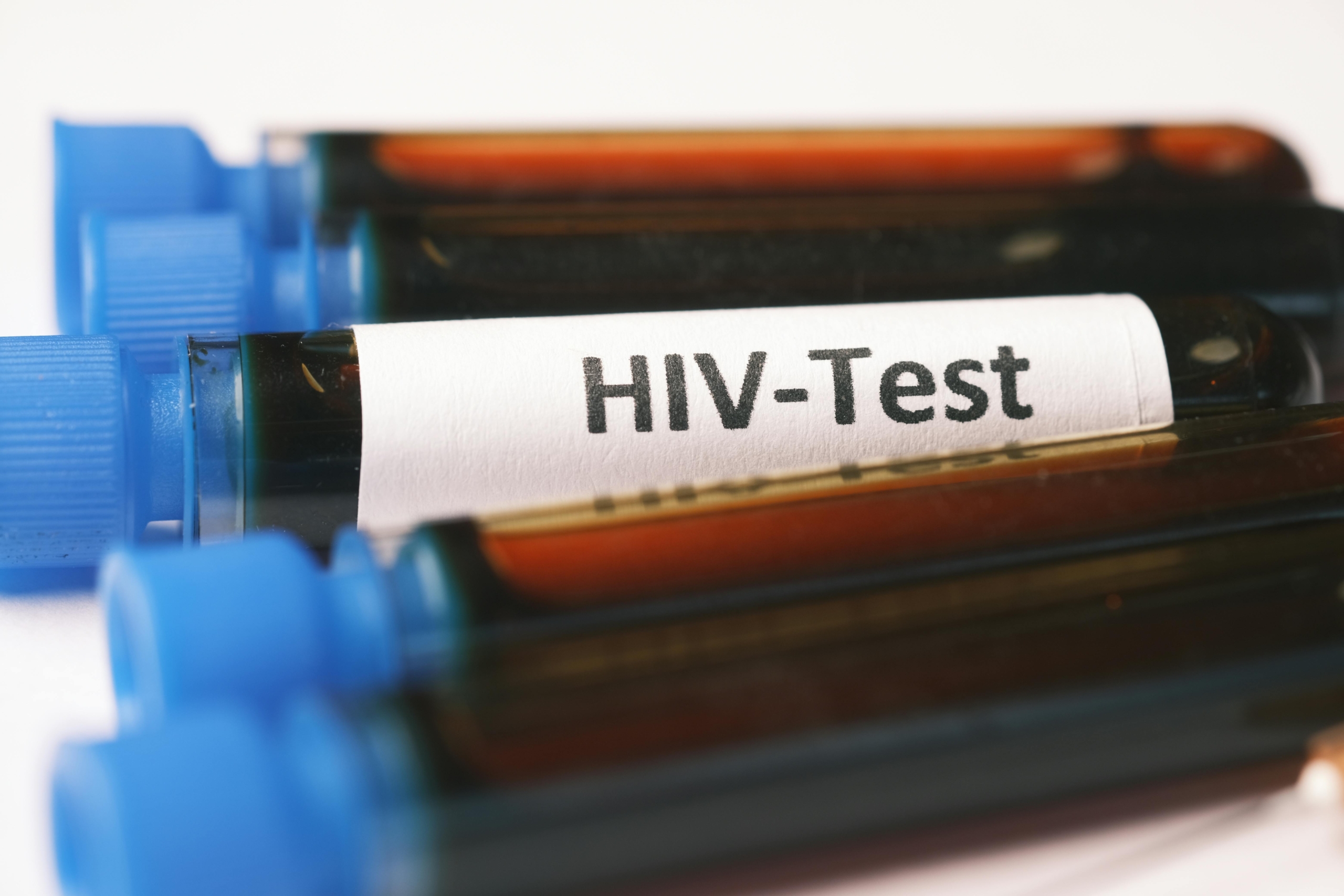
CroatiaHuman immunodeficiency virus (HIV) and its advanced stage, Acquired immunodeficiency syndrome (AIDS), are significant global public health issues. According to the World Health Organization (WHO), by the end of 2023, HIV had infected 39.9 million people. The virus targets white blood cells in the body, resulting in a weaker immune system and various complications. A case study conducted in Croatia and four other countries aims to track the virus and those it affects and make care more accessible for the well-being of their citizens.

HIV/AIDS in Croatia

Croatia, a country nestled between Slovenia and Bosnia and Herzegovina, launched a national response to the ongoing HIV/AIDS crisis within its borders. Starting in 1985, the surveillance of the virus gradually improved as testing and programs were established to combat its spread. Between 1985 and 2015, there were approximately 77 to 116 new cases reported annually. The majority of transmissions occurring through sexual contact in male-homosexual relationships.

The government’s response to HIV/AIDS in Croatia included implementing certain educational and health care pillars to maintain and promote the declining spread of the virus. The pillars of the program include easy access to care for people living with HIV/AIDS. Additionally, youth education is targeted, as well as introducing more protective behaviors in order to stay safe. Making sure that blood or blood-related products are clean and safe are also a key priority.

EmERGE

Part of the easy access to care included investigating the cost-effectiveness of a program called EmERGE, which offers support to those who are in a stable condition with the virus. This program has three primary goals:

  1. To gather insights into living with HIV and providing care for individuals with HIV.
  2. To determine which mHealth features are viewed as valuable in HIV care.
  3. To explore potential advantages and address concerns related to mHealth.

One of five clinics was opened in Zagreb, Croatia, where a study soon ensued with 309 initial participants, which later fell to 293 participants. The clinics collected outpatient data one year before and one year after the EmERGE program was implemented. The results of the case study were very promising, as outpatient visits declined by 17%. They led to decreases in all other areas, such as annual costs and costs related to anti-retroviral drugs.

The Future

Croatia’s response to HIV/AIDS has made great progress in making care more accessible. Results from the patients showed that they appreciated the autonomy that it gave them as well as reducing travel and waiting times. The only downside is the safety of the participants’ phones; should privacy not be protected, the information could leak. However, further efforts are being implemented to study and expand mHealth and EmERGE to cover a more broad range of needs.

The effort that has been put in to monitor and reduce HIV will save lives in the future. Croatia’s national plan will further the health and safety of its citizens and create new educated generations who will be less likely to contract the virus. Furthermore, with the success of Emerge, other countries may adopt a similar institution to combat the HIV/AIDS crisis. While the case study focused on five countries, Croatia’s success may inspire others to follow.

– Isabella Chavez

Isabella is based in Swampscott, MA, USA and focuses on Global Health for The Borgen Project.

Photo: Pexels

September 20, 2024
https://borgenproject.org/wp-content/uploads/borgen-project-logo.svg 0 0 Lynsey 2 https://borgenproject.org/wp-content/uploads/borgen-project-logo.svg Lynsey 22024-09-20 07:30:362024-09-20 00:46:10The Response to HIV/AIDS in Croatia
Global Health, Global Poverty, HIV/AIDS

Suniti Solomon: Pioneering HIV/AIDS Researcher and Activist

suniti solomonSuniti Solomon neatly laid out photographs of prospective brides and grooms on her small desk, carefully tucking them under a stainless-steel cup and saucer and away from the force of the wind. Over filter coffee, and with her colleagues’ help, she was going to play matchmaker.

But what was evolving in this unassuming house on a quiet street in Chennai’s otherwise bustling T. Nagar was far from an ordinary arranged marriage. It was a result of Dr. Solomon’s affection for everyone who knocked on the door of her NGO. Deeply involved with her patients’ lives, she understood how their suffering was compounded by social stigma. She was working hard to remedy their lack of matrimonial opportunities by matching them with each other.

Suniti Solomon’s Discovery of HIV in India

Dr. Solomon joined the Madras Medical College in 1971 for her postgraduate degree in microbiology, after having trained in London and Chicago. As a member of its faculty in the early 1980s, she read papers across international medical journals detailing the quick spread of what many considered a mysterious disease then: HIV, according to The Hindu.

Working against the government’s HIV-denying narrative at the time, Dr. Solomon, along with her student Selleppan Nirmala, collected blood samples from 100 members of the sex worker community in Chennai in 1986. As she had anticipated, six samples tested positive for HIV. This was possibly indicative of a much larger epidemic across the country, given the size of India’s population.

This shocking finding catapulted the government into action. It braced for a crisis like no other, given the prevalence of poverty and lack of access to quality health care in the country. However, remarkably enough, this disaster was averted: India’s incidence rate has remained below 0.3%. The annual number of people newly infected with HIV declined by close to half between 2010 and 2021 in India.

This progress is thanks to the successful control of contagion in India. This has been achieved with free antiretroviral therapy, awareness initiatives and effective engagement with civil society. But it is also due, at least in part, to Dr. Solomon’s efforts.

Treating the Disease and Healing the Individual

Thoroughly attuned to patients’ stories of struggle – from the case of an infected 13-year-old to a family whose members died by suicide when news of their diagnosis spread, Dr. Solomon opened India’s very first voluntary HIV testing and counseling center at Madras Medical College. She transitioned to independently running her own NGO in 1993, the Y.R. Gaitonde Centre for AIDS Research and Education (YRG CARE).

With this, Dr. Solomon built a safe and nurturing space for every person living with HIV who had fallen through the cracks in public health care. YRG CARE started with just three employees. However, it now has a 1,000-member-strong workforce, spread throughout India’s 28 states, according to the American Society for Microbiology. It pioneered HIV awareness programs in schools and colleges. It has provided care to nearly 2 million people living with HIV, from easier access to specialized pharmaceutical drugs to recuperation facilities at in-patient centers.

Suniti Solomon: Legacy

Dr. Suniti Solomon received many accolades when she was alive, from an honorary Doctor of Medical Science degree from Brown University to a Lifetime Achievement Award by the Tamil Nadu AIDS Control Society. She passed away in 2015, at the age of 76. Many people, including The New Yorker’s Michael Specter, remember her as warm, empathetic and soft-spoken. Old interviews reflect her feistily unorthodox and good-humoured spirit. Colleagues recall that she inspired hope and courage in them. The government of India posthumously awarded her with the Padma Shri, India’s fourth-highest civilian honor, in 2017.

– Shiveka Bakshi

Shiveka is based in London, UK and focuses on Good News, Global Health for The Borgen Project.

Photo: Flickr

September 17, 2024
https://borgenproject.org/wp-content/uploads/borgen-project-logo.svg 0 0 Naida Jahic https://borgenproject.org/wp-content/uploads/borgen-project-logo.svg Naida Jahic2024-09-17 07:30:342024-09-17 01:52:39Suniti Solomon: Pioneering HIV/AIDS Researcher and Activist
Aid, COVID-19, Global Health, Global Poverty, Government, WHO

Foreign Aid Fueled Zambia’s COVID-19 Vaccination Success

Zambia's COVID-19 VaccinationZambia is a landlocked country in South-Central Africa. The nation has a reputation for political stability, avoiding the war and disruption that has dominated much of Africa’s post-colonial history. Despite economic growth, the daily lives of most Zambians have not improved in the last decade, with two-thirds of the population still living in poverty. Like every country across the globe, Zambia faced instability in the face of the COVID-19 pandemic. However, the country’s vaccination program exhibits the effectiveness and importance of international cooperation and donations when it comes to prioritizing global health.

Launch of Zambia’s COVID-19 Vaccination Program

In April 2021, Dr. Jonas Chanda, the Honourable Minister of Health for Zambia, launched the COVID-19 vaccination rollout. The United States Charge d’Affaires, at the United States (U.S.) Embassy, David Young, stated that the U.S. provided $2 billion to the Vaccine Alliance to support the COVAX. The Swedish Ambassador Anna Maj Huktgård congratulated the Government of the Republic of Zambia for achieving an important milestone in the response against COVID-19. She also took this as an opportunity to announce that the Swedish government was allocating a total of $259 million to support the COVAX program. The World Health Organisation (WHO) and the United Nations International Children’s Emergency Fund (UNICEF) worked in collaboration with other partners to support Zambia’s government in implementing the COVID-19 vaccination program.

International Contributions to Zambia’s Vaccination Efforts

In August 2021, the United Kingdom (U.K.) also donated 119,000 vaccine doses to Zambia through COVAX which arrived in Lusaka, as reported by UNICEF and the U.K.’s Foreign, Commonwealth and Development Office. In March 2022, the government of Japan, under an emergency partnership with UNICEF, officially handed over equipment aimed to strengthen the long-term capacity of the health system in Zambia, including the delivery of life-saving vaccines for COVID-19. This support included 82 solar-powered fridge freezers, 25 ‘on grid’ combo vaccine freezers, 120 large vaccine cold boxes and 200 vaccine carriers. This initiative was made possible through the COVAX facility, an international mechanism led by GAVI, CEPI, the World Health Organization and UNICEF to ensure equitable access to vaccines across the developing world. 

National Vaccination Campaign and Foreign Aid

Later that year, in October, the Government of the Republic of Zambia and partners, including the Centre for Disease Control (CDC), WHO and UNICEF, launched a 10-day national COVID-19 vaccination campaign targeting children aged 12 to 17 and adults 18 and above across the country. The nation had had clear goals in its fight against COVID-19, which foreign aid undeniably made possible.

Achievements and Continued Support

In November 2022, the Zambian government celebrated the nation’s achievement of vaccinating 70% of the eligible Zambian population. The U.S. government, through the U.S. Agency for International Development, the Centers for Disease Control and Prevention, the President’s Emergency Plan for AIDS Relief (PEPFAR) and the U.S Department of Defense have since provided nearly 1.9 billion kwacha ($120 million) to respond, prevent the spread of and recover from the toll of COVID-19 in Zambia. The U.S. government also supported integrating COVID-19 vaccination into HIV treatment centers to protect those living with HIV against COVID-19. 

Looking Ahead

Zambia’s successful vaccination program is a testament to the power of global cooperation. The generous foreign aid donations strengthened international relations and a shared commitment to prioritizing global health, especially during the COVID-19 pandemic, reveals what can potentially be achieved when the world unites for a common cause.

– Nia Willis

Nia is based in Carmarthenshire, UK and focuses on Global Health for The Borgen Project.

Photo: Flickr

August 24, 2024
https://borgenproject.org/wp-content/uploads/borgen-project-logo.svg 0 0 Precious Sheidu https://borgenproject.org/wp-content/uploads/borgen-project-logo.svg Precious Sheidu2024-08-24 07:30:462024-08-22 14:38:22Foreign Aid Fueled Zambia’s COVID-19 Vaccination Success
COVID-19, Global Health, Global Poverty

A Deep Dive Into the Health Care System in Ethiopia

A Deep Dive Into Ethiopia’s Health Care System According to a National Library of Medicine study, health care systems in low-income countries remain as fragile as ever. The COVID-19 pandemic put such these systems under immense pressure. An example of this is the health care system in Ethiopia. 

COVID-19 and Health Care Infrastructure

The pandemic highlighted many flaws and shortcomings in the health care infrastructure. Global leaders underestimated the need for health care reform and it was only after the pandemic claimed millions of lives that such leaders recognized the need for reorganization and restructuring to ensure adequate procedures and the anticipation of failures.

A 2022 study reviewed measures taken during the pandemic, offering an alternative means of control based on analysis. Researchers provided a more efficient model for managing deadly diseases and outbreaks, reformulating emergency response measures based on management, protection and containment via control and suppression of transmission, information and support.

The Impact on Ethiopia

Deadly diseases significantly impact global health security. Researchers have found that in countries with limited access to health care services, high poverty rates, and prevalent comorbid diseases, the effects of the pandemic intensified. From early March 2020 to July 2022, Ethiopia reported a total of 491,917 COVID-19 cases and 7,568 deaths, figures that are partly attributable to ongoing poverty-related conditions. Additionally, families experienced significant economic impacts, with about 8.4% of households reporting job losses between March and Oct. of 2020.

Ethiopia’s Response

Following the policymakers’ decision in Ethiopia, the government did not implement a pandemic lockdown like many other countries. Instead, it instated pandemic-preventive measures to reduce the spread of the virus. While somewhat successful, such an approach posed obstacles in implementing community-based services and initiatives to provide additional support to communities. Researchers proposed scaling up community-based resources and approaches as essential support elements.

Like some other low-income countries, Ethiopia could not initiate a country-wide lockdown. Instead, it immediately implemented measures such as thermal screening, contract tracing and isolation, which proved successful. Authorities tailored these measures specifically to the health care system in Ethiopia, weighing the pros and cons. The government demonstrated a strong commitment to addressing the shortage of essential medicines, effectively utilizing resources to produce critical medicine and prioritizing medicinal efforts.

Financing for Health Measures in Ethiopia

Financing is critical to supportive measures enacted to assist countries affected by health crises. It was found that funding for health initiatives and measures in Ethiopia had increased only after the pandemic. Such financial constraints the government of Ethiopia faced during the pandemic led to unprecedented circumstances, such as a shortage of protective equipment. 

According to the Institute of Medicine Committee on the United States (U.S.) Commitment to Global Health, low-income country revenues amount to only 18% of their gross domestic product (GDP), which limits their ability to finance health services, proving consequential in the face of severe health crises. Studies have shown that the level of investment needed to deliver extensive care and improve health care systems requires significant and sustained investment by outside agencies and sources. Additional aid from other organizations is therefore essential. 

Launch of the Response Project in Ethiopia

According to the World Health Organization (WHO), as of Jan. 2024, the Ethiopian government launched the Ethiopian Pandemic Multi-Sectoral Prevention, Preparedness and Response Project. This extensive project aims to address pandemic-related response measures and preparedness. Such analysis is specific to Ethiopia’s specific socioeconomic landscape. In addition, the project will also examine factors like communication and alerts, enhancing the surveillance of outbreaks in some regions of the country.

Dr. Dlamini Nonhlanhla, WHO’s Ethiopia Representative, discussed the initiatives, noting, “The key components and project activities are aligned with the national plans, including Ethiopia’s Health Sector Transformation Plan, the Ethiopia Public Health Institute’s Strategic Plan, the Ethiopian National Health Emergency Preparedness and Response Plan and the Ethiopian Antimicrobial Resistance (AMR) National Action Plan.” Additionally, Nonhlanhla explained that funding would strengthen Ethiopia’s health care systems and other government structures crucial to public health protection. “This fund will enable us to mobilize resources, strengthen health systems and support critical sectors such as agriculture, environment, antimicrobial resistance and animal health, ensuring a holistic approach to safeguarding public health,” Nonhlanhla added.

Role of Government Leadership and Foreign Aid

Since July 2021, the U.S. has donated 10,095,170 COVID-19 vaccine doses to the citizens of Ethiopia, increasing aid to a severely affected country. In a public health crisis, government leadership, as well as foreign aid, is especially critical in mitigating both the economic, health and social consequences of a deadly viral outbreak, proving essential in assisting countries with poorly structured health care systems.

Looking Ahead

The Ethiopian government, with support from international organizations, has taken significant steps to strengthen the health care system in Ethiopia in response to the COVID-19 pandemic. The launch of the Ethiopian Pandemic Multi-Sectoral Prevention, Preparedness and Response Project marks a critical move toward improving the country’s ability to manage future health crises. With continued investment in health systems and targeted foreign aid, Ethiopia aims to enhance its pandemic preparedness and safeguard public health.

– Dominic Samaniego

Dominic is based in Fullerton, CA, USA and focuses on Global Health for The Borgen Project.

Photo: Flickr

August 17, 2024
https://borgenproject.org/wp-content/uploads/borgen-project-logo.svg 0 0 Precious Sheidu https://borgenproject.org/wp-content/uploads/borgen-project-logo.svg Precious Sheidu2024-08-17 03:00:102024-08-16 11:45:06A Deep Dive Into the Health Care System in Ethiopia
Page 7 of 18«‹56789›»

Get Smarter

  • Global Poverty 101
  • Global Poverty… The Good News
  • Global Poverty & U.S. Jobs
  • Global Poverty and National Security
  • Innovative Solutions to Poverty
  • Global Poverty & Aid FAQ’s
Search Search

Take Action

  • Call Congress
  • Email Congress
  • Donate
  • 30 Ways to Help
  • Volunteer Ops
  • Internships
  • Courses & Certificates
  • The Podcast
Borgen Project

“The Borgen Project is an incredible nonprofit organization that is addressing poverty and hunger and working towards ending them.”

-The Huffington Post

Inside The Borgen Project

  • Contact
  • About
  • Financials
  • President
  • Board of Directors
  • Board of Advisors

International Links

  • UK Email Parliament
  • UK Donate
  • Canada Email Parliament

Get Smarter

  • Global Poverty 101
  • Global Poverty… The Good News
  • Global Poverty & U.S. Jobs
  • Global Poverty and National Security
  • Innovative Solutions to Poverty
  • Global Poverty & Aid FAQ’s

Ways to Help

  • Call Congress
  • Email Congress
  • Donate
  • 30 Ways to Help
  • Volunteer Ops
  • Internships
  • Courses & Certificates
  • The Podcast
Scroll to top Scroll to top Scroll to top