Portable Labs for Diagnosing Diseases in Africa
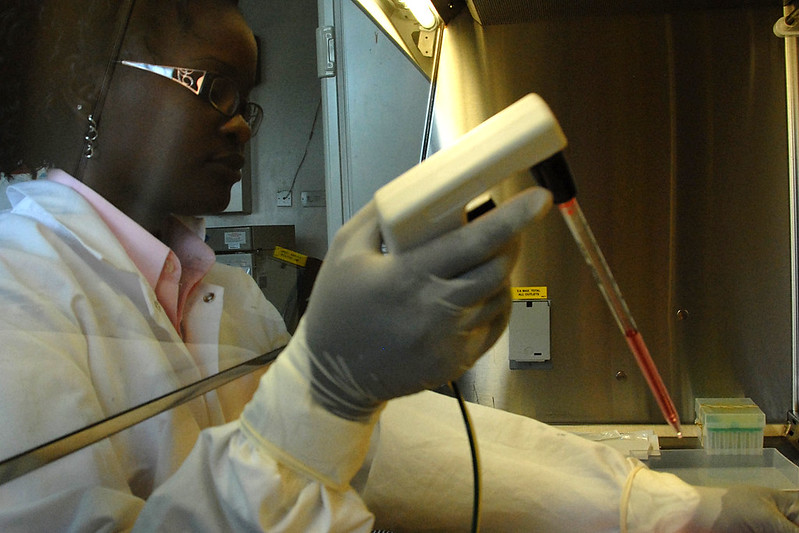 Access to health care poses a significant challenge in many African regions. Remote villages often lie hours or days from the nearest clinic and under-resourced hospitals struggle to provide timely diagnoses for diseases like malaria, tuberculosis and HIV/AIDS. As a result, patients experience significant delays in receiving care, leading to high mortality rates for otherwise treatable diseases. However, the deployment of portable labs across Africa transforms health care by delivering essential testing and treatment services directly to these underprivileged communities.
The Need for Portable Labs
A disproportionate 25% share of the global disease burden falls on Africa. According to the World Health Organization (WHO), HIV/AIDS, malaria and TB remain the leading causes of death in sub-Saharan Africa. Quick and accurate diagnosis is key to combatting these diseases. However, with more than half of its population deprived of health care access and Africa’s global health expenditure below 1%, lab infrastructure is often outdated. Sending samples to distant laboratories for analysis can take days or weeks, delaying life-saving treatments. Portable labs address this issue by equipping health care workers with the tools to conduct on-site tests. These compact, mobile units, designed for low-resource settings, can perform diagnostic tests within minutes, allowing for immediate disease diagnosis and treatment initiation.
How Portable Labs Work
Portable labs generally consist of compact machines capable of performing various diagnostic tests, revolutionizing health care in remote areas. A well-known portable lab is the GeneXpert System by Cepheid, which provides rapid molecular testing for different diseases, like TB and HIV. This system, requiring minimal training, delivers results in under three hours—a critical feature for timely patient treatment.
Another significant innovation is the SAMBA II machine from Diagnostics for the Real World, designed to diagnose HIV within two hours. It has seen wide deployment across sub-Saharan African clinics, including in Kenya, Uganda and Malawi. The SAMBA II operates without specialized lab infrastructure, making it an ideal solution for resource-limited regions. These devices, powered by battery packs or solar energy, make them highly adaptable to regions with unreliable electricity. They are also compact enough to be transported to remote villages, enabling health care teams to deliver diagnostic services where they are most needed.
Impact of Portable Labs
The use of portable labs for diagnosing diseases in Africa has shown promising results in the fight against diseases like TB and HIV. The introduction of Cepheid’s GeneXpert system in sub-Saharan Africa has led to a marked improvement in early TB detection and treatment, limiting community transmission. Similarly, the SAMBA II enables faster diagnosis and better monitoring of patients, which is essential in regions where health care workers need to track the effectiveness of antiretroviral therapies of HIV-positive patients. Thus, rapid on-site testing provided by portable labs ensures patients remain on the best possible treatment plans, improving health outcomes and reducing transmission rates.
Looking Forward
As the use of portable labs for diagnosing diseases in Africa expands, the impact on public health is expected to grow. Indeed, governments, NGOs and international health organizations are increasingly recognizing the importance of investing in these technologies to combat the continent’s most pressing diseases. These portable labs could become a cornerstone of Africa’s health care system. By making health care more accessible and effective, portable labs are not only saving lives – they are playing a vital role in the broader fight against poverty. Furthermore, by improving health care delivery, portable labs contribute to more resilient, healthier communities, laying the groundwork for long-term poverty alleviation and enabling individuals to break the cycle of poverty by improving health outcomes in some of Africa’s most vulnerable communities.
– Viola Cuthbertson
Viola is based in London, UK and focuses on Global Health for The Borgen Project.
Photo: Flickr
