• Link to X
  • Link to Facebook
  • Link to Instagram
  • Link to TikTok
  • Link to Youtube
  • About
    • About Us
      • President
      • Board of Directors
      • Board of Advisors
      • Financials
      • Our Methodology
      • Success Tracker
      • Contact
  • Act Now
    • 30 Ways to Help
      • Email Congress
      • Call Congress
      • Volunteer
      • Courses & Certificates
      • Be a Donor
    • Internships
      • In-Office Internships
      • Remote Internships
    • Legislation
      • Politics 101
  • The Blog
  • The Podcast
  • Magazine
  • Donate
  • Click to open the search input field Click to open the search input field Search
  • Menu Menu

Archive for category: Global Health

Global Health, Global Poverty, HIV/AIDS

HIV/AIDS in Gabon: Everything You Need To Know

HIV/AIDS in GabonDespite having a relatively high prevalence in such a small country, the rate of HIV/AIDS in Gabon has improved significantly. Recent political instability has threatened to curtail the progress being made in the fight against HIV/AIDS in the oil-rich Central African nation. However, there is also plenty of reason to believe Gabon will continue on track to reduce the impact of the disease.

HIV/AIDS Is Still an Epidemic

As of 2023, the World Health Organization (WHO) estimates that 49,000 people are living with HIV/AIDS in Gabon. This number includes 2,300 children and 33,000 women. With a population of 2.3 million people, the infection rate stands at around 3%. While that is lower than many neighboring countries, the number is still far higher than the majority of countries around the world that have infection rates below 1%.

Progress Has Been Made

Although work remains, the rate of HIV/AIDS in Gabon has fallen dramatically over the years. Since 2010, infections have been down 31% and deaths in the same time frame have declined by 30%. The sharp decline in HIV/AIDS in Gabon can be attributed to a vast network of local and international players. Recent efforts include a partnership between The Joint United Nations Programme on HIV and AIDS (UNAIDS) and the Africa Centers for Disease Control and Prevention. In October 2021, these two organizations launched the Partnerships to Accelerate COVID-19 Testing (PACT) initiative. This dual relief program mobilized more than 70 health workers in Gabon’s areas with the highest prevalence of HIV/AIDS and COVID-19.

Additionally, the U.S. Government has been a key ally. Between 2020 and 2024, the U.S. embassy in Gabon donated more than $1.12 million in equipment and HIV prevention training. A further $2 million worth of antiretroviral medication was donated in the past year. More locally, Luc Armel Mkala Mfoulou has been the project director for the Department of Defense HIV/AIDS prevention program since 2020. Under his leadership, the Gabonese military has trained more than 500 health workers, distributed more than 200,000 condoms and provided nearly 25,000 rapid diagnostic tests.

An Uncertain Future

Shortly after a controversial presidential election in 2023, the military overthrew President Ali Bongo. President Bongo’s family had been in power since 1967. New elections have taken place and General Brice Oligui Nguema has been sworn in as president. However, major international powers like the U.S. and France have yet to recognize his legitimacy as the Bongos were considered allies. While the U.S. Department of State announced it would discontinue almost all assistance that directly contributed to the Government of Gabon, it also announced that “humanitarian, health and education funding will continue.”

Reasons for Hope

Despite this recent political shakeup, the fight against HIV/AIDS in Gabon seems to be steadily on track. With one of the highest gross domestic product (GDP) per capita on the continent, there is hope that the oil-producing nation’s wealth will continue to grow and be more evenly distributed among its population. Until then, it is hoped that the work of international players will continue to help tackle HIV/AIDS in Gabon.

– Mason Borden

Mason is based in New York, NY, USA and focuses on Global Health for The Borgen Project.

Photo: Wikimedia Commons

June 30, 2024
https://borgenproject.org/wp-content/uploads/borgen-project-logo.svg 0 0 Lynsey 2 https://borgenproject.org/wp-content/uploads/borgen-project-logo.svg Lynsey 22024-06-30 07:30:432024-06-30 01:54:04HIV/AIDS in Gabon: Everything You Need To Know
Africa, Global Health, Global Poverty, HIV/AIDS

Addressing HIV/AIDS in Libya

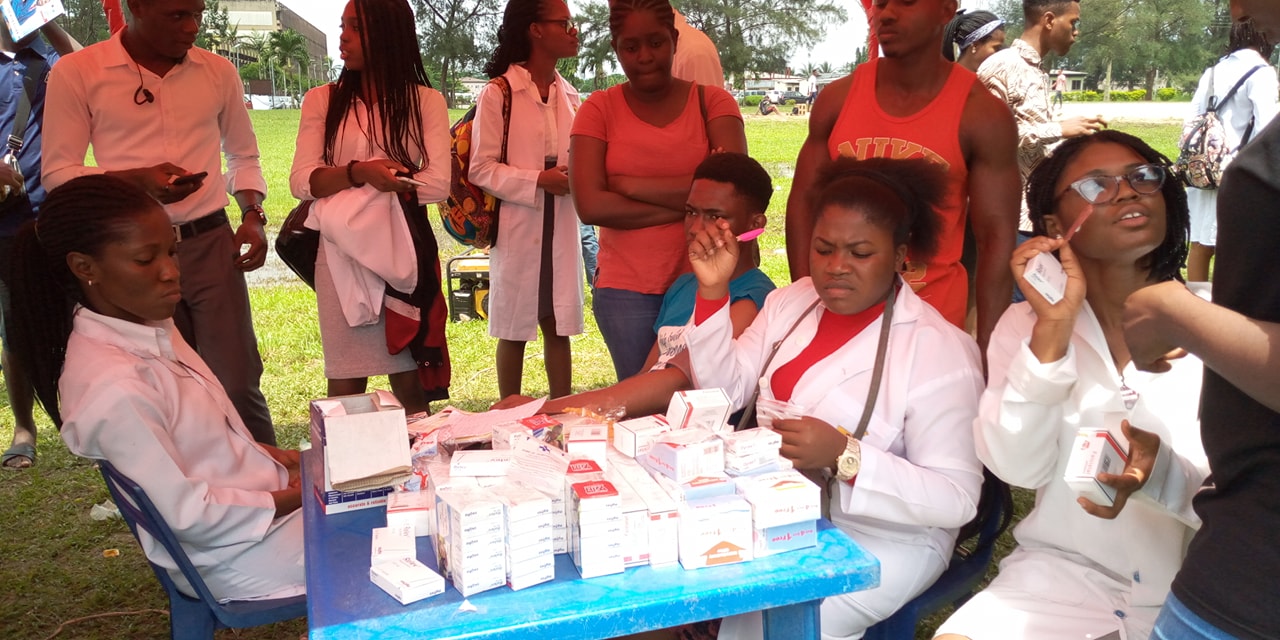
HIV/AIDS in LibyaIn Libya, the HIV/AIDS epidemic is characterized by a low but concentrated prevalence among drug users. Additionally, political, economic and societal stigma has exacerbated health care system challenges for those suffering. However, recent programs funded by the Joint United Nations Programme on HIV/AIDS (UNAIDS) and the World Health Organization (WHO) have led to progress, contributing to a decline in the rate of infection to 0.07 from 0.13 between 2010 and 2019. Despite this progress, there are still significant challenges.

Historical Context and Challenges

Libya first saw the appearance of the disease in 1986 when a Factor VIII contamination affected 24 hemophilia patients. In 1998, a tragic outbreak affected 400 children in Benghazi Hospital. Before the revolution in spring 2011, UNAIDS reported that international development partners found it difficult to work systematically in Libya. Society did not openly discuss AIDS, nor did it consider it a health priority. New data confirmed that the situation in Libya was worse than what officials previously reported.

Despite the low and concentrated epidemic among drug users in Libya, societal challenges persist. The United States’s (U.S.) 2018 Country Report cites no available information on societal violence toward persons with HIV/AIDS. However, it does mention reports of the Libyan government denying persons with HIV/AIDS permission to marry.

Additionally, it reported instances of segregation of detainees suspected of having the disease from the rest of the population in overcrowded spaces. In these cases, these people were often the last to receive medical treatment. In Libya, there is no specific law prohibiting discrimination based on age, gender, sexual orientation or HIV-positive status.

Interventions and Programs

Various interventions and programs have been implemented to address HIV/AIDS in Libya. In 2012, UNAIDS recommended drug substitution treatment and harm reduction measures such as voluntary, confidential counseling and testing, as well as the prevention of sexual transmission of HIV among drug users. This approach, which was implemented, centered around respecting the rights of drug users and worked to reduce the stigmatization of HIV/AIDS.

Furthermore, the United Nations Office on Drugs and Crime (UNODC) relaunched the second phase of the HIV project in Libya, focusing on the HIV prevention program among people injecting drugs in prison settings. The then-Libyan government funded the project. However, it was suspended in 2011 due to security problems and resumed the following year. Additionally, in 2019, officials implemented a program to prevent mother-to-child transmission (PMTCT). However, ongoing internal conflict and the COVID-19 pandemic have hindered its effectiveness.

Collaboration with UNODC experts also led to an evaluation study on rehabilitation as a component of harm reduction. Trainers educated a group of medical assistants in communities with several committees such as Y-Peer and Libyan Red Crescent. These efforts aimed to support prevention and treatment initiatives at the community level.

Recent Efforts and Recommendations

Despite some progress, significant challenges remain in treating HIV/AIDS in Libya. In 2022, the WHO reported that although Antiretroviral therapy (ART) is free to all Libyan citizens, repeated stockouts have interrupted treatment and led to increasing numbers of people living with HIV being admitted to health facilities with advanced stages of the disease.

Additionally, only four of Libya’s eight ART centers are fully functioning and there are fewer than 10 HIV testing centers in the entire country. The stigma of HIV extends even to health care workers through their association with those who have HIV/AIDS due to misconceptions about the disease.

To improve the response to HIV/AIDS, the WHO has advocated for regular funding for the National Aids Program (NAP) and aligning its activities with the Regional Action Plan on HIV, hepatitis and sexually transmitted infections (STIs).

Final Remark

Continued international support, enhanced infrastructure for testing and robust anti-stigma campaigns are crucial for addressing the HIV/AIDS epidemic in Libya effectively. This could be achieved by collaborating with philanthropic organizations and foundations that focus on global health. By focusing on these areas, Libya can build a stronger, more inclusive response to the HIV/AIDS epidemic, ultimately improving health outcomes for all.

– Nia Willis

Nia is based in Carmarthenshire, UK and focuses on Global Health for The Borgen Project.

Photo: Flickr
June 29, 2024
https://borgenproject.org/wp-content/uploads/borgen-project-logo.svg 0 0 Lynsey 2 https://borgenproject.org/wp-content/uploads/borgen-project-logo.svg Lynsey 22024-06-29 03:00:112024-06-29 16:24:43Addressing HIV/AIDS in Libya
Global Health, Global Poverty, Mental Health

Partners in Health Aids Poverty Reduction Through Health Care

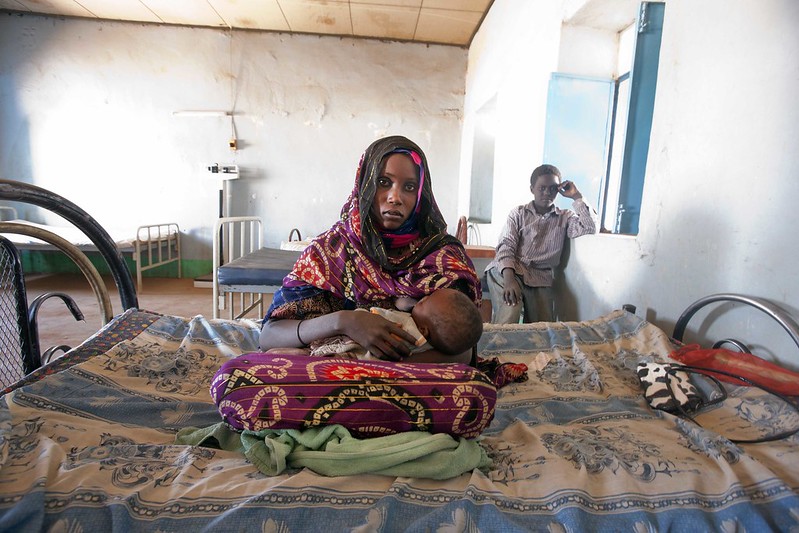
Partners in HealthPartners in Health (PIH) is a nonprofit global health organization committed to providing better health care to people struggling with extreme poverty across 11 countries. PIH strives to build relationships with sister organizations in countries where poverty is a major issue, aiming to improve health care access. It achieves this through two main approaches: delivering the benefits of modern medical science to those most in need and serving as an antidote to despair.

Poor health care and overall health significantly contribute to poverty in a country’s population. Many people living in poverty cannot afford treatment, leading to untreated illnesses and long-term health issues. However, stronger health care systems enable developing countries to enhance the overall status of their health services. Providing better health care means the population is healthier, can work, attend school and thrive rather than survive. Additionally, improving health care in developing nations boosts the economy, as a healthier population is more productive, contributes more effectively to the workforce and stimulates economic growth.

Global Reach and Mental Health Initiatives

PIH operates in countries across four continents, including Haiti, Rwanda, Peru, Mexico, Malawi, Liberia, Sierra Leone, Lesotho, Kazakhstan and the United States (U.S.). The organization strengthens public health systems to ensure patients receive necessary care in their homes, local clinics or regional hospitals. Globally, PIH employs approximately 18,000 staff members, 99% of whom are from the countries where it serves.

PIH has established the Cross-Site Mental Health Program as one of its initiatives to support mental health development in the countries where it operates. Unlike many other NGOs, PIH strongly emphasizes community-based, primary care and hospital-linked mental health systems. This program addresses severe mental health conditions in areas that typically have little support for mental health.

Vision and Strategy for Mental Health Care

Many factors contribute to mental health issues, with some of the primary ones being homelessness or lack of home security, unemployment or unreliable income and family breakdowns, often due to the separation of families. While numerous other factors can affect mental health, many people living in poverty experience at least one of these issues. PIH aims to make the greatest impact on these individuals.

Partners in Health (PIH) aims to enhance the lives of poorer communities globally by increasing mental and psychological support in developing countries. Through its PIH Mental Health Value Chain, the organization strives to ensure that people receive the treatment they need, enabling them to lead better lives and escape poverty. The PIH model is built on four key pillars designed to improve mental health care in developing nations and enhance lives through better health care. The key pillars are as follows:

  • Clinical care and training. Mental health requires professionals trained to address such issues. Therefore, this pillar offers the necessary supervision and mentorship to support mental health initiatives.
  • Program management. This approach ensures that resources are directed in the most efficient ways to optimize their use.
  • Meaningful data collection. Research is essential for gaining a better understanding of issues in developing nations through monitoring and evaluation.
  • Shared learning. The Cross-Site Mental Health Learning Collaborative enhances understanding of mental health issues through both in-person and technological interactions.

Health Care Improvements in Haiti

By improving health care related to mental illnesses, developing nations can boost morale and begin to reduce poverty levels, as poverty and mental health issues are often interconnected. People experiencing poverty are typically more at risk of mental health issues, so addressing mental health can also help decrease poverty. An example of Partners in Health’s (PIH) efforts to provide better mental health care is its work in Haiti, a developing Caribbean island nation with a long history of economic and political turmoil, natural disasters and postcolonial exploitation.

PIH and its partners have developed a more reliable health care system in Haiti, previously unavailable in the country. The program has integrated mental health into primary care through a task-sharing model in collaboration with the Ministry of Health (MOH). As a result, psychologists, social workers, nurses, physicians and community health workers have become more common in the country, enhancing health care provision. This improvement means that people living in poverty have better access to care and increased chances of recovery. An enhanced health care system benefits developing countries in four main ways: it boosts productivity, reduces absenteeism from work and school, decreases poverty and improves quality of life.

Looking Ahead

As Partners in Health (PIH) expands its efforts to provide health care and mental health services in impoverished regions, the organization continues to make a significant impact on global health outcomes. By collaborating with local entities and enhancing health care infrastructure, PIH is fostering resilience and a better quality of life for communities in need. Moving forward, its work in improving health care access and mental health support promises to contribute to the economic and social development of the countries it serves, leading to more sustainable and healthier futures.

– Lachlan Wellington

Lachlan is based in Fareham, UK and focuses on Technology and Global Health for The Borgen Project.

Photo: Flickr
June 26, 2024
https://borgenproject.org/wp-content/uploads/borgen-project-logo.svg 0 0 Precious Sheidu https://borgenproject.org/wp-content/uploads/borgen-project-logo.svg Precious Sheidu2024-06-26 07:30:232024-06-25 04:29:54Partners in Health Aids Poverty Reduction Through Health Care
Global Health, Global Poverty, HIV/AIDS

HIV/AIDS in Sierra Leone

HIV/AIDS in Sierra LeoneDespite recent reductions in transmission rates of HIV/AIDS in Sierra Leone, the lack of knowledge and stigmatism surrounding the condition, particularly among the younger population, could prevent the country from further minimizing the spread of the disease.

The Prevalence of HIV/AIDS in Sierra Leone

According to UNAIDS, there were 77,000 adults and children living with HIV/AIDS in Sierra Leone in 2022, an incidence of 0.44 per 1,000 of the population. Of these people, 59,000 Sierra Leoneans know their status, shedding light on the increasing awareness of the disease within the nation.

However, this figure is below the 95-95-95 target from the UNAIDS Global AIDS Strategy. This outlines the organization’s aims for 95% of those living with HIV to know their status, 95% of these people to be on ART and 95% of those on treatment to be virally suppressed.

There has been progress towards this goal, however, with the country seeing a 39% reduction in new HIV infections and a 42% reduction in AIDS-related deaths since 2010. Furthermore, almost all of those affected by the disease are on Antiretroviral Therapy (ART), in line with UNAIDS’s strategy and highlighting increased accessibility to the treatment.

Yet the prevalence of HIV/AIDS amongst the younger population of Sierra Leone remains relatively high. The World Bank indicates that 6,700 children aged 0 to 14 are living with the disease, yet only 1,704 are receiving ART, according to UNAIDS.

Gender-Based Inequalities

The gender-based inequalities of HIV/AIDS in Sierra Leone amongst young women are also an issue for the nation. The prevalence rate of the disease is double for women (1%) compared to men (0.5%) and The National Institutes of Health also remarks that over a third of women have encountered at least one HIV risk factor, raising issues surrounding sexual violence towards young women and girls.

In 2019, UNAIDS named Fatima Maada Bio, First Lady of Sierra Leone, as champion for the charity, in hopes of raising awareness of the gender-based inequalities of HIV/AIDS infections. As “a strong advocate for the empowerment of girls and young women,” according to UNAIDS Executive Director Winnie Byanyima, this position will hopefully produce more conversations on this issue, and mobilise the younger generation to become more conscious of the disease. By introducing the Hands Off Our Girls campaign, Maada Bio is striving to protect young women in Sierra Leone from rape and early marriages which are seen to be key factors in the transmission of HIV/AIDS in young women.

The Stigma

Awareness and breaking the stigma surrounding HIV/AIDS in Sierra Leone is key for changing preconceptions of the condition, and will hopefully mobilize more people to seek regular checkups and screenings. UNAIDS data shows that 67.1% of the population would not buy fresh vegetables from a shopkeeper with HIV, and a further 53% do not think that children living with the condition should be able to attend school with children who are HIV-negative. This highlights the social stigmatism towards HIV/AIDS that is still present in Sierra Leone.

Furthermore, amongst the younger Sierra Leoneans aged 15-24, only 29.13% know about HIV prevention. It is therefore imperative that information about the disease is accessible to young people, particularly about transmition, to reduce further infection rates.

With the HIV transmission rates falling, and the First Lady as the new champion of UNAIDS in the country, HIV/AIDS in Sierra Leone could soon reach the goals of the 95-95-95 strategy. However, education amongst the younger population is vital to prevent the further spread of the disease and encourage more to get regular screening to receive life-saving treatment.

– Ben Kane

Ben is based in London, UK and focuses on Global Health for The Borgen Project.

Photo: Flickr
June 25, 2024
https://borgenproject.org/wp-content/uploads/borgen-project-logo.svg 0 0 Jennifer Philipp https://borgenproject.org/wp-content/uploads/borgen-project-logo.svg Jennifer Philipp2024-06-25 03:00:302024-06-24 14:08:37HIV/AIDS in Sierra Leone
Global Health, Global Poverty, HIV/AIDS

Addressing Recent Outbreaks of HIV/AIDS in Venezuela

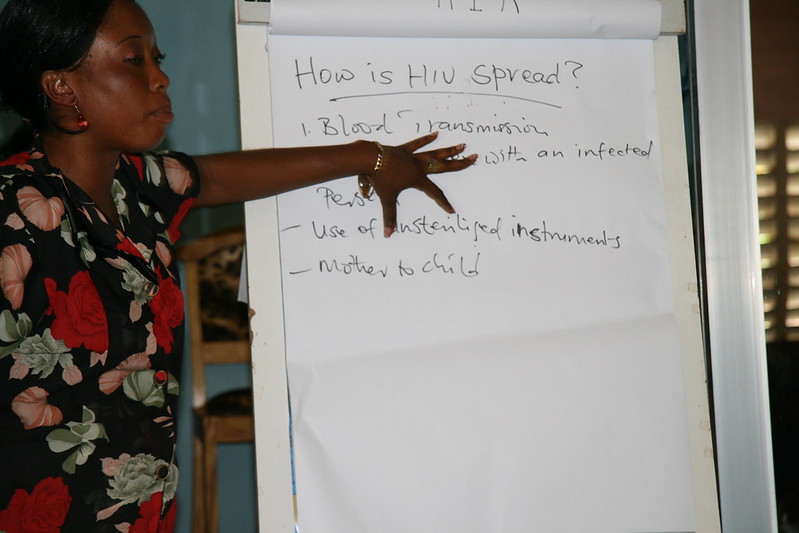
HIV/AIDS in VenezuelaWith a series of economic and political crises throughout the past decade, Venezuela has become increasingly vulnerable to the rampant spread of HIV with little public accessibility to safe-sex materials and practices. The nation has faced extreme shortages of antiretroviral therapy (ART) in both pharmaceutical and clinical settings, leading to inflated treatment rates. Although there are around 110,000 people expected to be living with HIV/AIDS in Venezuela as of 2020, only 55% have proper access to complete and consistent viral regimens. Tens of thousands of individuals are continuously defenseless to this chronic, deadly virus with many forced to migrate to surrounding nations in the hope of receiving life-saving treatment plans.

Deterioration of Health Care Systems

Venezuela was previously considered one of the most well-suited nations in South America to deter the severity of the HIV/AIDs crisis, instituting free, centralized ART treatment through government funding in 1990s. However, when faced with newfound economic challenges in the early 2010s—the price of oil, a leading export of the nation, drastically plummeting worldwide—many mechanisms necessary for proper maintenance of its healthcare systems began to deteriorate. Hospitals could no longer upkeep effective follow-up and control measures with inaccurate estimations of affected patients.

Amid economic upheaval, the monthly price for ART rose to around $95-100 per month, a burdening cost for low-income citizens. From 2011 to 2015, there was a 75% increase in HIV-related deaths, the greatest amount since 2000. By 2017, there were no hospitals containing ART drugs to distribute, with 85% of pharmacies facing drastic drug shortages. Only 26% of people with HIV were able to acquire regular ART regimens, and more than 90% of individuals who had registered for ART treatment directly through the government did not receive it.

Barriers to Prevention of HIV/AIDS in Venezuela

HIV is a chronic, rapidly evolving virus, with ART serving as a long-term health necessity for those impacted. As many found themselves depleted of sufficient ART treatments, whether due to the heightened cost or sheer unavailability across the nation, they resorted to other temporary strategies to improve their condition: partaking in intermittent treatments or partial-self dosing, oftentimes utilizing expired medication.

Recent research showcased at the 19th European AIDS Conference in 2023 indicated that intermittent dosing of ART drugs increased the overarching rate of virological failure, leading to “concerningly higher” rates of resistance to this therapy. Although intermittent treatment may be beneficial in the short-term, shaping into the next-best option for those unable to obtain regular ART dosages, its long-term sustainability is undermined by these unintended, potentially life-threatening consequences. Even with the 67% coverage of ART for people with HIV reached by 2022, only 7% have obtained an undetectable (un-transmittable) status, speaking to the continued demand for full, regular ART dosages.

The primary preventative measure for HIV/AIDs is the usage of condoms, allowing for the practice of safe sex without the possibility of transmitting the virus. However, inflation has caused the price of condoms in Venezuela to escalate to over three times the monthly minimum wage. Education on HIV prevention is still stigmatized, especially for LGBTQ+ individuals, leading to an inability to navigate and employ fundamental safety measures.

Marginalized Communities

The presence of HIV/AIDS in Venezuela has disproportionately affected marginalized groups, highlighting the ongoing discrepancies in ART access. In 2022, there are an estimated 15,000 transgender individuals in Venezuela, with an HIV prevalence rate of around 35.8%, according to the Humanitarian Practice Network (HPN). Additionally, men who have sex with men (MSM) were found to have an HIV prevalence rate of 23.3%, contrasting the national 0.5% of the total population in Venezuela. Alongside other systemic barriers, many have noted the lack of enforcement of anti-discrimination laws instated throughout the Venezuelan health care system, leaving many LGBTQ+ individuals deprived of proper viral regimens.

The Warao people, the second-largest indigenous group in Venezuela, are another demographic experiencing the severity of the HIV/AIDs crisis. There is an overall prevalence rate of 10% among their population, although many doctors have suggested this rate may be as high as 35% among males. Removed from ART and other treatment measures that can properly manage the virus, many HIV-positive members of the community have ultimately passed away after developing end-stage AIDs.

Solutions for HIV/AIDS in Venezuela

Without acquiring the necessary ART from the government, many people with HIV in Venezuela have been forced to migrate to surrounding nations with more inexpensive treatment options, according to the HPN. And yet, as they relocated, another issue of xenophobia arose: while ART was now objectively more accessible, there were new barriers to treatment including health prejudice and discrimination.

In 2020, UNAIDS established a partnership with UNESCO to allow Venezuelan migrants “health education, prevention, and health promotion,” centering a future-oriented approach to ending the HIV/AIDs crisis. This collaboration emphasizes the physical and mental well-being of Venezuelan migrants, promoting sex education curriculums that prevent the onset of violence and discrimination. Activists have similarly focused on improving care for those living with HIV, such as Nilsa Hernandez, founder of Valientes Por La Vida (Brave for Life). A Venezuelan herself, she crossed the border to Brazil to continue receiving ART after being depleted of immunity for over two years. Hernandez hopes to support other migrants with HIV with guidance on adapting to life in Brazil, providing them with the necessary resources to navigate the country while obtaining access to viral regimens.

The rebuilding of Venezuela’s health care system—with international organizations continuously supporting migrants and other marginalized groups—reveals a hopeful path to mitigating HIV/AIDs in Venezuela by 2030.

– Eileen Lincoln

Eileen is based in Fairfax, VA, USA and focuses on Global Health for The Borgen Project.

Photo: Flickr
June 25, 2024
https://borgenproject.org/wp-content/uploads/borgen-project-logo.svg 0 0 Jennifer Philipp https://borgenproject.org/wp-content/uploads/borgen-project-logo.svg Jennifer Philipp2024-06-25 03:00:152024-06-24 13:29:31Addressing Recent Outbreaks of HIV/AIDS in Venezuela
Disease, Global Health, Global Poverty

Lassa Fever in Nigeria

Lassa Fever in Nigeria Lassa fever, a viral hemorrhagic illness, was first identified in the town of Lassa in northeastern Nigeria. The primary reservoir of this virus is the multimammate rat, a common sight across West Africa. Human infection typically occurs through exposure to food or household items contaminated with the urine or feces of infected rats. The symptoms of Lassa fever can range from mild to severe, including fever, headache, sore throat and muscle aches. In severe cases, the disease can progress to hemorrhaging, organ failure and even death. Each year, Lassa fever affects between 100,000 to 300,000 people in West Africa, with an estimated 5,000 deaths.

Socioeconomic Impact

The disease’s prevalence is particularly pronounced in Nigeria and has become a significant public health concern. The country’s endemic status is exacerbated by socioeconomic conditions, including widespread poverty. In regions where Lassa fever is rampant, many households lack the means to maintain proper sanitation and secure food storage, creating ideal conditions for rodent infestations. In addition, limited access to health care services and inadequate infrastructure hinder timely diagnosis and treatment, compounding the disease’s impact.

Lassa Fever and Global Poverty

The disease’s transmission is closely tied to environmental and socioeconomic factors. In addition, the changing climate is exacerbating the situation. Hotter and drier conditions drive rodents into human habitats for food and water, increasing the risk of transmission. As these environmental changes unfold, the interplay between Lassa fever and global poverty becomes starkly evident. Poverty-stricken communities, often lacking adequate housing and sanitation, are more susceptible to rodent infestations, thereby heightening their risk of contracting the virus.

The health infrastructure in impoverished regions is typically under-resourced, making early diagnosis and effective treatment more challenging. Health care costs and limited access to medical facilities mean that many affected individuals cannot afford or access timely medical care, leading to higher mortality rates. The burden of Lassa fever in Nigeria thus reflects the broader issue of global poverty, where infectious diseases disproportionately impact vulnerable populations.

Public Health Response

Health authorities and strategic planners in Nigeria have implemented a multifaceted public health response to Lassa fever, involving immediate medical interventions and long-term strategies to reduce transmission. In fact, the country hosted the first Lassa fever treatment trials in 40 years. These trials mark a critical step forward in finding effective treatments for this devastating disease. The initiative is a collaborative effort involving local health authorities, international organizations and pharmaceutical companies, highlighting the global recognition of the need to combat Lassa fever.

Strengthening Health Infrastructure

The World Health Organization (WHO) has played a pivotal role in supporting Nigeria’s response to Lassa fever outbreaks. The WHO is strengthening disease surveillance, enhancing diagnostic capacities and training health care workers as part of its comprehensive strategy. These efforts ensure that health care workers detect and manage cases of Lassa fever in Nigeria promptly, thereby reducing the potential for widespread outbreaks. Furthermore, the WHO emphasizes the importance of community engagement and education to raise awareness about preventive measures, such as proper food storage and hygiene practices to limit rodent exposure.

Economic Considerations

The economic burden of Lassa fever in Nigeria extends beyond the immediate health impacts. Outbreaks can disrupt local economies, as affected individuals cannot work and health care costs soar. This further entrenches poverty, making it harder for communities to recover and prevent future outbreaks. International support, such as funding for research and health care infrastructure improvements, is vital in breaking this cycle. The global community’s investment in combating Lassa fever in Nigeria underscores the interconnectedness of health and poverty and the need for a coordinated, sustained response to address both issues simultaneously.

Looking Ahead

Efforts to combat Lassa fever in Nigeria involve significant collaboration among local health authorities, international organizations and pharmaceutical companies. These initiatives focus on strengthening disease surveillance, improving diagnostic capabilities and educating communities about preventive measures, with hopes of alleviating Lassa fever.

– Maya DaSilva

Maya is based in Seattle, WA, USA and focuses on Global Health for The Borgen Project.

Photo: Flickr

June 18, 2024
https://borgenproject.org/wp-content/uploads/borgen-project-logo.svg 0 0 Precious Sheidu https://borgenproject.org/wp-content/uploads/borgen-project-logo.svg Precious Sheidu2024-06-18 07:30:482024-06-17 10:56:39Lassa Fever in Nigeria
Global Health, Global Poverty, Technology

How Paper Technology is Supporting Postural Care in Kenya

How Paper Technology is Supporting Postural Care in KenyaIn Kenya, the joint partnership between APT for Social Development (APT4SD) and The Potters House has been instrumental in providing bespoke postural support devices for people with disabilities. APT4SD secured a grant of £14,232.00 from the Wales and Africa Grant Scheme in 2022-23 to carry out this work. In addition to its activities in Kenya, the charity also conducts workshops in Wales to teach Appropriate Paper Technology (APT) skills for mental health and emotional wellbeing. The training in Kenya focuses on enabling nurses to identify children needing postural care and training artisans to create customized furniture, which also helps fund the project by selling household items.

Understanding Appropriate Paper Technology (APT)

Appropriate Paper Technology (APT) offers an affordable solution by recycling materials like cardboard, paper and nylon tights into sturdy, lightweight support devices. At the Potters House CBO workshop, the construction process involves layering thick cardboard with a flour and water mixture and reinforcing it with used nylon tights. These support devices are then covered with old newspapers or paper bags and decorated. This method not only provides essential support to children in need but also facilitates financial support for their families through employment in device production.

Impact and Outreach of the Project

The project’s impact is significant, with 145 support devices created and 721 children and adults benefiting from the services. The project has established new APT workshops and trained 17 Kenyan therapists in postural care. These ongoing initiatives demonstrate the project’s commitment to providing immediate aid and promoting sustainable development through education and skill-building.

NHS Education for Scotland highlights the importance of postural care in preventing complications in various body parts such as hips, knees, spine and pelvis. Without appropriate care, individuals can suffer from severe physical deformities and health issues, impacting their ability to perform daily functions and reducing their quality of life.

Poverty Alleviation

The importance of postural care in Kenya extends beyond individual health to address broader socioeconomic challenges. According to UNICEF’s 2022 report, more than half of Kenyans face multidimensional poverty, with even higher rates among children with cerebral palsy. The efforts of APT4SD and The Potters House play a vital role in supporting impoverished families, illustrating the critical link between health care interventions and poverty alleviation.

Looking Ahead

The innovative approach of Appropriate Paper Technology (APT) promises to expand its impact, offering sustainable postural support and livelihood opportunities across Kenya. Continued collaboration between local and international partners could be crucial to enhance the scope and reach of these empowering projects. Moreover, by addressing the intertwined challenges of health and poverty, APT4SD and The Potters House are paving the way for a more inclusive and supportive future for individuals with disabilities.

– Rachael Denton-Snape

Rachael is based in High Wycombe, UK and focuses on Technology and Global Health for The Borgen Project.

Photo: Pixabay

June 17, 2024
https://borgenproject.org/wp-content/uploads/borgen-project-logo.svg 0 0 Precious Sheidu https://borgenproject.org/wp-content/uploads/borgen-project-logo.svg Precious Sheidu2024-06-17 07:30:182024-06-17 01:58:38How Paper Technology is Supporting Postural Care in Kenya
Advocacy, Global Health, Global Poverty

Breakthroughs in Malaria Treatment and Global Advocacy

Breakthroughs in Malaria Treatment and Global AdvocacyIn 2022, more than 40% of countries experienced malaria outbreaks, resulting in approximately 249 million infections. Although malaria is preventable and curable, the most severe cases occur in regions with fragile health care systems, primarily in the developing world’s poorest countries. Malaria treatment is crucial in these areas, where the disease is both a cause and effect of poverty.

Malaria’s Impact and Transmission

Malaria, a deadly parasite, spreads through specific mosquito species and not directly from person to person, except through contaminated needles or blood transfusions. This disease can cause severe illness and death within just 24 hours of infection. In 2020, malaria claimed more lives in Africa than COVID-19, with four countries alone contributing to 50% of the global malaria death toll. Tragically, in Africa, 80% of malaria fatalities among children occur before their fifth birthday. An estimated 40 million children in the region could benefit from a malaria vaccine.

Celebrity Advocacy: David Beckham’s Role

David Beckham, an iconic English football star, achieved fame playing under Sir Alex Ferguson at Manchester United, where he contributed to winning six Premier League titles. Since retiring, Beckham has leveraged his status to advocate for various causes. As a UNICEF Goodwill Ambassador since 2005, he supports the #TogetherBand Campaign and has long championed the fight against malaria. He has backed Malaria No More UK since 2009 and was the face of the world’s first voice petition to end malaria with MalariaMustDie in 2019.

Advances in Malaria Treatment

Scientists have actively pursued new malaria treatments and vaccines since the 1980s, achieving notable success with the RTS,S/AS01 (RTS,S) vaccine. Since 2019, this new treatment has been administered in Ghana, Kenya and Malawi, reaching more than two million people and reducing early childhood deaths from all causes by 13%. The vaccine primarily benefits children who lack other forms of malaria protection. An expanded rollout to 18 additional countries has been approved, although vaccine supplies remain limited.

In 2023, the successful introduction of the first malaria vaccine was followed by the launch of the R21/Matrix-M vaccine, which boasts a 75% efficacy rate, meeting a World Health Organization (WHO) target that the 2019 vaccine did not meet. Adrian Hill, the chief investigator for the R21/Matrix-M malaria vaccine, asserts that it represents the most effective single intervention against malaria due to its scalability and affordability, costing only $3.90 per dose.

Future Directions and Global Impact

Organizations such as Gavi, the Vaccine Alliance, are actively developing strategies to distribute this lifesaving vaccine. Their roadmap projects a need for up to 60 million doses by 2026 and 100 million doses annually by 2030. Their mission focuses on promoting the equitable and sustainable use of vaccines. They collaborate with major partners including the WHO, UNICEF, the World Bank and the Bill and Melinda Gates Foundation to save lives globally.

Looking Forward: Progress in Malaria Treatment

This new malaria treatment is crucial as previous methods have shown limitations. Mosquitoes carrying malaria have developed resistance to insecticides used to control their population and the parasite itself is increasingly resistant to current oral malaria drugs. In an interview with Nadine Dreyer and HealthWorld, Adrian Hill states that the fight against malaria is gaining momentum and he is aware of other vaccines in development. With ongoing innovations in vaccinations and the expansion of global distribution for existing treatments, there is a greater chance of achieving the Sustainable Development Goals by 2030, which the escalating threat from malaria could otherwise hinder.

– Rachael Denton-Snape

Rachael is based in High Wycombe, UK and focuses on Technology and Global Health for The Borgen Project.

Photo: Flickr

June 8, 2024
https://borgenproject.org/wp-content/uploads/borgen-project-logo.svg 0 0 Precious Sheidu https://borgenproject.org/wp-content/uploads/borgen-project-logo.svg Precious Sheidu2024-06-08 07:30:092024-12-13 18:03:11Breakthroughs in Malaria Treatment and Global Advocacy
Global Health, Global Poverty, Technology

Princeton’s Breakthrough Solar-Powered Water Purification Gel

Princeton's Breakthrough Solar-Powered Water Purification GelAccording to the World Bank, about two billion people around the world lack access to safely managed drinking water services. Among them, 771 million people cannot access even basic drinking water services. Researchers at Princeton University have developed a solar-powered gel that cleans water, potentially addressing the global clean water crisis. This gel marks an advancement in technology initially developed in 2021. Xiaohui Xu, a post-doctoral fellow at Princeton, led the development in his lab. Xu collaborated with Nehemie Guillimaitre, a graduate student in chemical and biological engineering, to author the initial study.

New Water Purification Technology

The solar-powered gel, known as a hydrogel, features a sponge-like structure that absorbs dirty water and filters out harmful contaminants such as bacteria, oils, salts and microplastics. This hydrogel comprises polymers—long chains of molecules that repel pollutants from its surface. Structurally, the hydrogel’s internal threadlike molecules mimic the interconnected fibers of a loofah fruit, a common kitchen scrubbing sponge. It efficiently absorbs, filters and releases water, cleaning a gallon in less than 10 minutes.

Testing and Efficacy of the Gel

While previous water purification devices required significant energy, this solar-powered gel stands out as low-cost, accessible and efficient, relying solely on sunshine for power. The warmer the temperature, the faster the gel releases water, due to the weakening grip of the gel’s molecules. At temperatures of 33 degrees Celsius or higher, the gel can release more than 70% of the absorbed water in under 10 minutes. This sponge-like technology’s fibrous structure enables its remarkable filtration and absorption speed.

Xu and her research team tested the gel’s effectiveness by placing it in water contaminated with E. coli, a bacteria that can cause life-threatening illnesses. Upon removal from the tainted water, the solar-powered gel successfully repelled all bacteria.

Ongoing Development and Broader Implications

Researchers believe the low-cost and easy-to-use solar absorber gel could be implemented globally to aid poverty-stricken areas where access to clean water is unreliable. Dirty water causes over 1.5 million deaths annually. The Princeton team is continuing to develop household prototypes and believes the gel could also be beneficial in emergency situations.

The gel’s capacity to shrink in warmth and expand in cool temperatures could enhance robotics by enabling machines to move and conform in various ways. Additionally, this gel could dehydrate liquids like milk or orange juice, simplifying shipping processes and it could extract water from blood for simpler storage.

Researchers aim to develop and modify the design of the solar-powered gel, finding new ways to enhance the technology. “Through our work, we have been able to show that fundamental research may have a significant impact on society,” Guillomaitre stated. “Ideally, this technology could one day be used by anyone concerned about their water quality, regardless of where they live.”

Looking Forward

The development of solar-powered gel technology at Princeton University holds transformative potential for global water purification efforts. As this innovation progresses toward wider adoption, it promises to significantly improve access to clean water in underserved communities worldwide. The continued refinement and application of this technology could herald a new era of sustainability and health.

– Jacob Buckner

Jacob is based in Raleigh, NC, USA and focuses on Technology and Solutions for The Borgen Project.

Photo: Unsplash

June 6, 2024
https://borgenproject.org/wp-content/uploads/borgen-project-logo.svg 0 0 Precious Sheidu https://borgenproject.org/wp-content/uploads/borgen-project-logo.svg Precious Sheidu2024-06-06 07:30:142024-06-05 12:56:39Princeton’s Breakthrough Solar-Powered Water Purification Gel
Global Health, Global Poverty

The Atacama Desert Clothing Dump: A Global Fashion Crisis

Atacama DesertThe fashion and global health crisis in Chile’s Atacama Desert highlights critical health and environmental issues directly impacting local lives. The Atacama clothing dump, a stark manifestation of Chile’s intricate relationship with fashion, accumulates massive quantities of secondhand clothing discarded by wealthier nations. This issue arises from the extensive importation of these garments, presenting significant concerns for the region.

In 2021, Chile imported approximately 126,000 million tons of secondhand and unsold clothing from China, the United States (U.S.) and the Republic of Korea. From 2000 to 2004, clothing production doubled and three-fifths of this clothing was estimated to end up in landfills. These imports often consist of fast fashion items, known for their low quality and quick obsolescence. Despite efforts to resell the items locally or in other South American markets, much remains unsold and contributes to the massive clothing dump in the desert. This practice has resulted in environmental and public health issues increasingly becoming a global concern.

Environmental Contamination from Fashion Waste

The chemical composition of discarded garments is a primary issue. Synthetic fabrics and chemical dyes found in fast fashion items do not decompose easily and often leach hazardous chemicals into the environment. Over time, this can result in significant soil and water pollution. Given the arid nature of the Atacama Desert, contamination of limited groundwater resources can disproportionately impact local ecosystems and nearby communities, as access to clean water is crucial in such an environment. Furthermore, the gradual breakdown of these synthetic fibers releases microplastics into the ecosystem. Wildlife ingests these microscopic particles, which can travel through the food chain, potentially reaching human populations and causing health issues such as gastrointestinal and reproductive problems. While the long-term impacts of microplastic ingestion are still under study, initial research suggests they may contribute to various health complications.

Impact on Air Quality and Community Health

Burning unsold or damaged textiles, a common practice for disposing of fashion waste significantly deteriorates air quality by releasing toxic fumes and particulate matter. These airborne pollutants potentially contribute to respiratory illness and exacerbate respiratory conditions, such as asthma, especially in vulnerable populations including children and the elderly. Furthermore, the extensive clothing dumps negatively impact the aesthetic and ecological integrity of landscapes like the Atacama Desert, which in turn harms the mental and social well-being of the local communities. The visual degradation of their environment, coupled with the economic and health challenges posed by fashion waste, contributes to increased stress and mental health issues, highlighting the multifaceted impact of global fashion practices on local populations.

Ecocitex

Ecocitex, a Chilean company, tackles the significant issue of fashion waste with innovative recycling methods. The company collects textile waste from various sources, including donations and discarded garments, sorting them to separate usable fabrics from non-recyclable materials. Usable textiles are then shredded and spun into new yarn without the need for dyeing, which significantly reduces water and chemical usage. This recycled yarn is used to create new textile products such as clothing, accessories and home goods.

Ecocitex’s success in Chile and the Atacama Desert demonstrates the potential of sustainable practices to address major environmental and global health issues. By promoting innovative recycling processes, Ecocitex encourages worldwide efforts to tackle fashion waste, raising awareness and showcasing effective recycling practices that could lead to a healthier planet and improved quality of life globally.

Looking Ahead

Addressing the fashion industry’s impact in Chile’s Atacama Desert necessitates sustainable practices and stronger international waste management regulations. Initiatives aimed at reducing the import of low-quality fast fashion and enhancing the recycling of textiles could significantly mitigate the impact on local communities and ecosystems. This shift not only promises to safeguard Chile’s fragile ecosystems but also sets a precedent for handling global textile waste more responsibly.

– Maya DaSilva

Maya is based in Seattle, WA, USA and focuses on Global Health for The Borgen Project.

Photo: Flickr

June 4, 2024
https://borgenproject.org/wp-content/uploads/borgen-project-logo.svg 0 0 Precious Sheidu https://borgenproject.org/wp-content/uploads/borgen-project-logo.svg Precious Sheidu2024-06-04 01:30:202024-06-03 13:23:30The Atacama Desert Clothing Dump: A Global Fashion Crisis
Page 9 of 18«‹7891011›»

Get Smarter

  • Global Poverty 101
  • Global Poverty… The Good News
  • Global Poverty & U.S. Jobs
  • Global Poverty and National Security
  • Innovative Solutions to Poverty
  • Global Poverty & Aid FAQ’s
Search Search

Take Action

  • Call Congress
  • Email Congress
  • Donate
  • 30 Ways to Help
  • Volunteer Ops
  • Internships
  • Courses & Certificates
  • The Podcast
Borgen Project

“The Borgen Project is an incredible nonprofit organization that is addressing poverty and hunger and working towards ending them.”

-The Huffington Post

Inside The Borgen Project

  • Contact
  • About
  • Financials
  • President
  • Board of Directors
  • Board of Advisors

International Links

  • UK Email Parliament
  • UK Donate
  • Canada Email Parliament

Get Smarter

  • Global Poverty 101
  • Global Poverty… The Good News
  • Global Poverty & U.S. Jobs
  • Global Poverty and National Security
  • Innovative Solutions to Poverty
  • Global Poverty & Aid FAQ’s

Ways to Help

  • Call Congress
  • Email Congress
  • Donate
  • 30 Ways to Help
  • Volunteer Ops
  • Internships
  • Courses & Certificates
  • The Podcast
Scroll to top Scroll to top Scroll to top