• Link to X
  • Link to Facebook
  • Link to Instagram
  • Link to TikTok
  • Link to Youtube
  • About
    • About Us
      • President
      • Board of Directors
      • Board of Advisors
      • Financials
      • Our Methodology
      • Success Tracker
      • Contact
  • Act Now
    • 30 Ways to Help
      • Email Congress
      • Call Congress
      • Volunteer
      • Courses & Certificates
      • Be a Donor
    • Internships
      • In-Office Internships
      • Remote Internships
    • Legislation
      • Politics 101
  • The Blog
  • The Podcast
  • Magazine
  • Donate
  • Click to open the search input field Click to open the search input field Search
  • Menu Menu

Archive for category: Global Health

Disease, Global Health, Global Poverty

Global HIV Infections and Deaths Are Declining

Global HIV Infections and Deaths Are DecliningGlobal efforts to combat HIV/AIDS have led to significant progress in reducing infections and deaths. Some countries are advancing faster than others, leaving vulnerable populations behind. As of 2023, approximately 39.9 million people were living with HIV/AIDS worldwide, with 53% being women and girls. Despite progress, disparities remain: while 83% of women aged 15 and older have access to treatment, only 72% of men in the same age group do.

Progress Through Antiretroviral Treatment

Antiretroviral (ART) drugs treat HIV by preventing the virus from replicating, which lowers the virus to undetectable levels and significantly reduces the risk of transmission to partners or unborn children. Since 2010, new infections have dropped by 39% and AIDS-related deaths have declined by 51%.

Despite this progress, challenges remain. In 2023, approximately 630,000 people died from AIDS-related illnesses, far from the United Nations (U.N.) target of fewer than 250,000 deaths by 2025. Over the past decade, new initiatives have expanded access to treatment in resource-limited countries, leading to significant improvements. However, barriers like HIV-related stigma, discrimination, social inequalities, national instability and conflict continue to hinder efforts to combat the epidemic.

Countries Leading the Fight

  • South Africa. Although South Africa has the highest number of people living with HIV worldwide, it runs the world’s largest free ART program. Over the past 25 years, new HIV infections have decreased by 75%.
  • Eswatini. Eswatini has achieved the ambitious U.N. 95-95-95 target, meaning 95% of people living with HIV know they are living with it, 95% are on ART and 95% of those on ART are virally suppressed.
  • Thailand. Thailand was the first country to achieve the WHO organization mother-to-child transmission target of less than 2%. 

Countries Facing Significant Challenges

  • South Sudan. South Sudan’s ongoing conflict is exacerbating struggles with inadequate health care infrastructure and limited access to ART. UNAIDS and Médecins Sans Frontières (MSF) play a critical role by providing testing, treatment and advocacy. The on-the-ground charity Crown, the Women of South Sudan, additionally mitigated the social and economic impact of HIV and AIDS by improving awareness and giving psychosocial support to vulnerable groups.
  • Nigeria. The nation faces challenges such as insufficient funding, poor health system coordination and social stigma. The country’s ART coverage is below the global average and rural areas are especially underserved​. The United States (U.S.) President’s Emergency Plan for AIDS Relief (PEPFAR) is a major contributor in the country. In PEPFAR countries, there have been 52% fewer infections since 2010. The Indigenous NGO, the Society for Family Health, also contributes by increasing community awareness and access to treatment.
  • Philippines. The Philippines has the fastest-growing HIV burden, with a 237% increase in new infections and a 315% increase in AIDS-related deaths from 2010 to 2020. Additionally, since 2010, the number of new infections among men who have intercourse with men has increased by six times in the country. Love Yourself is one of the nation’s leading organizations working to combat the epidemic. 7,000 of its clients are on free treatment and since 2011, it has reached 5 million through its campaigns. Its focus also extends to providing mental health support to those affected.

Looking Forward

Global progress in the fight against the epidemic has led to a decline in new HIV infections and deaths, but challenges remain in several countries. While nations like South Africa and Eswatini have made significant strides, others, including South Sudan, Nigeria and the Philippines, continue to face barriers such as health care gaps and stigma. Efforts from international organizations and local charities are crucial in addressing these ongoing issues and advancing treatment and prevention globally.

– Georgia de Gidlow

Georgia is based in Watford, UK and focuses on Global Health for The Borgen Project.

Photo: Flickr

December 17, 2024
https://borgenproject.org/wp-content/uploads/borgen-project-logo.svg 0 0 Precious Sheidu https://borgenproject.org/wp-content/uploads/borgen-project-logo.svg Precious Sheidu2024-12-17 01:30:522024-12-16 09:33:09Global HIV Infections and Deaths Are Declining
Foreign Aid, Global Health, Global Poverty

Impact of UK Foreign Aid Cuts on Global Health and Education

Impact of UK Foreign Aid Cuts on Global Health and EducationThe United Kingdom (U.K.) government’s recent decision to reduce Official Development Assistance (ODA) spending has raised significant concerns among global aid organizations and policymakers. Announced in the 2024 Autumn Budget, this reduction lowers the U.K.’s aid commitment from 0.58% to 0.5% of Gross National Income (GNI) for the next two fiscal years, slashing approximately £2 billion from foreign aid funding. These U.K. foreign aid cuts bring the budget down to £13.3 billion in 2024-25 and £13.7 billion in 2025-26, reducing resources for global health, education and poverty alleviation programs.

Impact on Health Programs

Reducing U.K. foreign aid is expected to significantly impact health initiatives supporting some of the world’s most vulnerable populations. For decades, U.K. foreign aid has funded essential health programs, including vaccination campaigns against diseases like malaria, HIV and tuberculosis and maternal and child health services.

The U.K., for example, has been a major contributor to the Global Fund to Fight AIDS, Tuberculosis and Malaria. In 2022, the U.K. pledged £1 billion to the Global Fund over three years. This funding has helped provide antiretroviral therapy to about 23 million people living with HIV, distribute 133 million insecticide-treated nets to prevent malaria and detect and treat 5.5 million cases of tuberculosis. The cuts can potentially reduce the U.K.’s contribution, impacting these life-saving interventions.

Vaccination and Disease Prevention

Reduced funding could immediately affect vaccination and disease prevention efforts in low-income regions. U.K. aid or ODA has been instrumental in helping programs such as the Global Fund and Gavi, the Vaccine Alliance, to supply vaccines and improve health infrastructure in Sub-Saharan Africa and other high-need areas. With less funding, these organizations may struggle to provide adequate immunization, increasing the risk of outbreaks.

Maternal and Child Health

Programs focusing on maternal and child health are likely to face significant challenges due to the cuts. An assessment by civil servants warned that thousands of women will die in pregnancy and childbirth and hundreds of thousands more will face unsafe abortions because of cuts to the U.K.’s foreign aid budget. For instance, the U.K. has been a key supporter of UNICEF’s maternal and child health programs.

In 2022, the U.K. contributed £39 million to UNICEF’s core resources. These funds have supported initiatives like providing skilled birth attendants and essential newborn care in low-income countries. A reduction in funding could limit the reach of these critical services, potentially affecting maternal and child mortality rates.

Clean Water and Sanitation

The U.K. has long supported clean water and sanitation initiatives in low-income regions. Reduced funding could limit the scale of these programs, compromising access to safe drinking water and adequate sanitation in areas that need it most. This, in turn, could lead to a rise in preventable illnesses linked to poor water quality and inadequate hygiene.

Impact on Education Programs

The U.K. foreign aid cuts are also expected to have a significant impact on education initiatives in developing countries. These programs have been crucial in improving access to primary education, particularly for girls and children in remote areas.

A specific initiative that could be affected is the Girls’ Education Challenge (GEC), funded by the U.K. government. Since 2012, the GEC has supported up to 1.5 million girls in 17 countries to improve their learning outcomes and find pathways for progression. The program has been particularly effective in conflict-affected areas like South Sudan and Afghanistan.

Reduced funding could limit the scope and reach of such transformative programs. Moreover, support for education has been particularly affected by previous cuts, dropping from a high of 13.5% of the aid budget in 2013 to just 3.7% in 2022. Further reductions could exacerbate this trend, potentially leaving millions of children without access to quality education.

U.K.-funded programs have been instrumental in promoting girls’ education in many countries. The cuts may limit the reach of initiatives aimed at keeping girls in school, potentially affecting gender equality in education and long-term economic opportunities for women. 

Organizations Working to Mitigate the Impact

Despite the challenges posed by these cuts, several organizations are working tirelessly to mitigate the impact. Education Cannot Wait (ECW) is one such organization, a global fund dedicated to education in emergencies and protracted crises. ECW is actively mobilizing resources and partnerships to ensure that children in the most vulnerable situations continue to have access to quality education.

In 2022, ECW investments reached 7 million children and adolescents – 48% of whom are girls – with quality education in 32 crisis-affected countries. The organization has also leveraged an additional $1.1 billion in co-funding toward these programs. Such efforts demonstrate the ongoing commitment of the international development community to finding innovative solutions in the face of funding challenges.

Looking Ahead

While the U.K. foreign aid cuts pose significant challenges to global health and education programs, the international development community remains committed to finding innovative solutions. By supporting organizations like ECW and advocating for sustained investment in global development, organizations and individuals could work toward ensuring that the world’s most vulnerable populations continue to receive the support they need.

– Isabel Gallagher

Isabel is based in Dorset, UK and focuses on Politics for The Borgen Project.

Photo: Flickr

December 13, 2024
https://borgenproject.org/wp-content/uploads/borgen-project-logo.svg 0 0 Precious Sheidu https://borgenproject.org/wp-content/uploads/borgen-project-logo.svg Precious Sheidu2024-12-13 01:30:552024-12-12 11:27:46Impact of UK Foreign Aid Cuts on Global Health and Education
Drugs, Global Health, Global Poverty

Changing Lives: Vaccinations in Timor-Leste

Vaccinations in Timor-LesteEast Timor, also known as Timor-Leste, shares its island with Indonesia in Southeast Asia. Despite possessing substantial oil and gas reserves, the European Commission classifies it as a Least Developed Country due to insufficient infrastructure and frequent food insecurity. The majority of Timor-Leste’s population relies on small-scale agriculture in rural areas, complicating vaccination efforts due to challenges in reaching these communities. Nevertheless, the country has made significant progress in immunizing its population against common, once-life-threatening diseases like polio and smallpox.

Challenges to Immunization in Timor-Leste

In East Timor, 75% of the population engages in small-scale farming in rural areas, making vaccination efforts challenging due to the sparse distribution of communities. The lack of robust infrastructure—from transportation to educational facilities—further complicates immunization initiatives. The COVID-19 pandemic significantly disrupted education, affecting 45% of East Timorese children. Moreover, the country’s inadequate infrastructure has left many areas difficult to access, hindering widespread vaccination coverage. Consequently, 8% of children in East Timor are ‘zero dose children,’ meaning they have not received any vaccinations. This issue was intensified by school closures in 2020 during the pandemic.

Vaccination Efforts

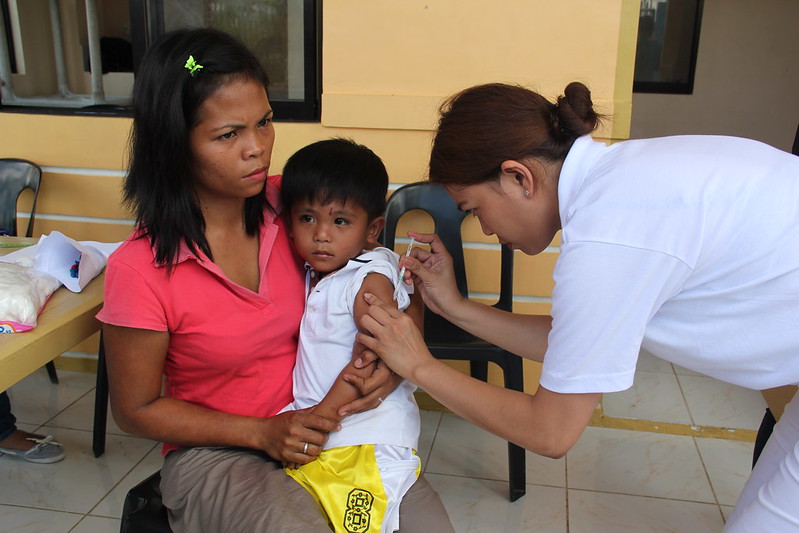
The East Timorese government boasts a commendable record of vaccination achievements. In the 1980s, it successfully eradicated smallpox, followed by polio in the 1990s, diseases from which Timor-Leste remains free currently. More recently, the country eliminated measles in 2018 and rubella in 2023. Health care workers, including WHO consultants, have been pivotal in ensuring comprehensive immunization coverage. They often conduct door-to-door visits in communities to administer vaccines directly to children who have not been previously immunized. Many children in Timor-Leste miss vaccinations because community health centers are kilometers away, requiring parents to take time off work—a luxury many cannot afford. This approach effectively reduces the logistical burden on parents and ensures children receive essential life-saving vaccines.

HPV Vaccinations

Timor-Leste introduced the HPV vaccine in July 2024, marking a significant achievement in public health. The Ministry of Health, in collaboration with WHO, UNICEF and other organizations, efficiently managed the vaccine rollout. By the 23rd of Sept., just three weeks into the program, health care workers had vaccinated 90% of the target population of school-aged girls, totaling 56,350 out of the 62,000 targeted. The HPV vaccine is crucial for preventing cervical cancer by protecting against various types of human papillomavirus. In addition to administering the vaccine, health care workers also engaged in community education efforts to emphasize the importance of vaccinations for eradicating cervical cancer in Timor-Leste.

A Bright Future

Timor-Leste has made remarkable progress in vaccination, despite its status as a Least Developed Country struggling with poor infrastructure and connectivity. Effective leadership has enabled widespread immunization, significantly improving the health of the East Timorese people. With continued efforts from the government and support from organizations like WHO and UNICEF, Timor-Leste is well-positioned to enhance the well-being and happiness of its citizens.

– Callum Bennett

Callum is based in Colchester, Essex, UK and focuses on Global Health and Politics for The Borgen Project.

Photo: Flickr

November 21, 2024
https://borgenproject.org/wp-content/uploads/borgen-project-logo.svg 0 0 Precious Sheidu https://borgenproject.org/wp-content/uploads/borgen-project-logo.svg Precious Sheidu2024-11-21 07:30:392024-11-21 00:26:15Changing Lives: Vaccinations in Timor-Leste
Global Health, Global Poverty, Nonprofit Organizations and NGOs

3 Organizations Fighting Heart Disease in the Philippines

3 Organizations Fighting Heart Disease in the PhilippinesAccording to the World Health Organization (WHO), heart disease accounts for a third of deaths in the Philippines. Known as cardiovascular disease (CVD), it impacts the heart and blood vessels. Following the COVID-19 pandemic, many in the Philippines have seen weakened immune systems, heightening their susceptibility to severe heart disease. Medical experts recognize a strong correlation between poverty and health issues in developing countries, where inadequate living conditions and sanitation can lead to health complications.
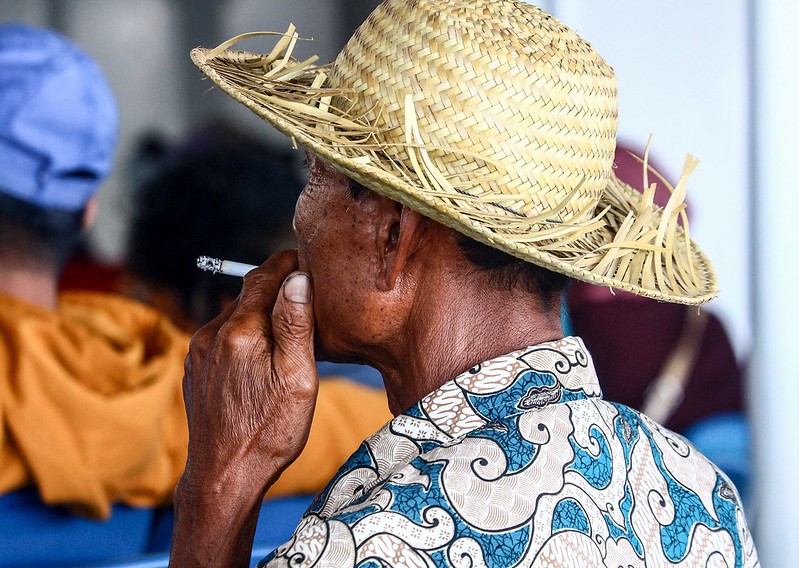
These countries often face a shortage of medical professionals. Research from the University of the Philippines highlights a significant gap in its health care system, particularly the low ratio of doctors to the population, which delays CVD diagnoses. To address these ongoing challenges, several organizations are stepping up to help, including the Children’s Heart Foundation, Gift of Life International and the Philips Foundation.

3 Organizations Fighting Heart Disease in the Philippines

  1. Children’s Heart Foundation. Founded in 2000 by a group of volunteers, the Children’s Heart Foundation emerged from a successful fundraising campaign for a young patient with cardiovascular disease (CVD) a year earlier. The nonprofit organization dedicates itself to “helping economically deprived children with heart disease access quality medical care.” Its primary location in Makati City partners with the local Philippines Heart Center to provide financial assistance to patients completing their treatments. Additionally, the Children’s Heart Foundation offers social opportunities for patients to connect with others facing similar health challenges, enhancing their support network.
  2. Gift of Life International. Gift of Life International provides life-saving cardiac care to Filipino children suffering from heart disease. As a global organization, it has received significant requests for aid from the Philippines, particularly in Manila. By partnering with local groups, Gift of Life International has positively impacted more than 3,000 children there, investing $805,000 in its care. The organization’s outreach operates on three fronts: securing donations, handling requests for aid—whether from a country or for an individual child—and facilitating volunteer involvement in ongoing efforts.
  3. Philips Foundation. The Philips Foundation has launched an initiative in the Philippines to combat heart disease by detecting early signs of Cardiovascular Disease (CVD). The foundation aims to reach half a million people in the Philippines, equipping employees to raise awareness about CVD and diagnose it before it becomes fatal. It uses innovative hand-held ultrasound screeners to accelerate the diagnosis process. Additionally, the foundation plans to train 200 teachers in these diagnostic techniques and general heart disease awareness. If successful, this initiative, known as its ‘pilot’ project, could expand further in the Philippines and globally. The Philippines was selected for this major initiative due to its critical need for enhanced heart disease care.

Looking Ahead

Efforts to combat cardiovascular disease in the Philippines continue to expand, bringing hope to many in need of critical care. By providing treatment, financial assistance and early diagnostic tools, dedicated organizations aim to reduce the incidence of heart disease and strengthen the health care system. As these initiatives progress, they pave the way for greater health equity and set a foundation for improved medical support across the country, especially for those most at risk.

– Nadia Haeryfar

Nadia is based in Ashford, CT, USA and focuses on Technology and Global Health for The Borgen Project.

Photo: Flickr

November 10, 2024
https://borgenproject.org/wp-content/uploads/borgen-project-logo.svg 0 0 Precious Sheidu https://borgenproject.org/wp-content/uploads/borgen-project-logo.svg Precious Sheidu2024-11-10 07:30:162024-11-10 02:00:163 Organizations Fighting Heart Disease in the Philippines
Aid, Global Health, Global Poverty

Health Initiatives in South Asia

Unlocking Health: Collaborative Solutions for South AsiaHome to nearly 25% of the global population, South Asia is one of the world’s most populous yet vulnerable regions, facing extensive health disparities due to poverty, limited health care infrastructure and high disease burdens. South Asia has the second-highest number and proportion of the world’s extremely poor at a staggering 33.4%. In response, countries like India, Pakistan and Bangladesh have launched targeted health initiatives to address these ongoing challenges, especially for marginalized populations. 

Bangladesh

In Bangladesh, mobile health clinics are reaching remote communities, providing essential health care that would otherwise be inaccessible. BRAC, one of the world’s largest NGOs, has partnered with the government to deploy these clinics across rural areas, delivering crucial services to more than 20 million people annually. In addition to general health care, these mobile clinics offer antenatal and postnatal care, vaccinations and nutrition counseling, all of which are critical in a country where approximately 60% of the population lives in rural areas without easy access to health care facilities.

The Shasthya Shebika initiative, one of BRAC’s standout programs, trains local women to serve as health workers. With more than 50,000 Shasthya Shebikas operating in rural communities, this program reaches more than 80 million people across Bangladesh. The initiative has been shown to reduce maternal mortality in the areas it serves, highlighting the effectiveness of community-based health care support in reducing life-threatening childbirth complications.

Pakistan

In Pakistan, vaccination efforts have led to significant reductions in preventable diseases. Polio, once a widespread threat, is now close to being eradicated due to a massive vaccination campaign launched in partnership with UNICEF and the World Health Organization (WHO). Since 1988, polio cases in Pakistan have dropped by more than 99%—from thousands annually to just a handful in recent years. In 2021, the campaign vaccinated more than 40 million children under 5 across the country, illustrating the reach and impact of sustained immunization efforts.

Pakistan’s Sehat Sahulat Program, a health care financing initiative introduced in 2015, provides health care cards to families earning less than $2 per day. The program currently covers more than a million families, providing them with up to $6,000 annually for medical expenses, including surgeries, maternal health services and emergency care. Studies reveal that households participating in the program are more likely to seek medical care early, reducing disease progression and associated health care costs.

India

In India, where infant mortality and malnutrition are significant challenges, programs like Saans and Poshan Abhiyaan are making measurable progress. The Saans Initiative, launched by the Ministry of Health and Family Welfare, trains community health workers to perform neonatal resuscitation, reducing neonatal mortality rates in rural and underserved areas. Studies reveal that trained health workers can reduce neonatal deaths by up to 20% in resource-limited areas, a statistic supported by Saans data from states like Madhya Pradesh, where the program is heavily implemented.

On the nutrition front, Poshan Abhiyaan (National Nutrition Mission) has been a cornerstone in India’s fight against child malnutrition. Launched in 2018, this program targets stunting, wasting and anemia among children under 5 and women of reproductive age. Since its inception, the mission has reached more than 80 million people across India. Data from the National Family Health Survey reveals a 6% reduction in stunting and a 2% reduction in wasting among children between 2016 and 2020, attributed in part to Poshan Abhiyaan’s focus on community-based nutrition programs, counseling and distribution of fortified foods.

Looking Ahead

The success of health initiatives in South Asia hinges on strong partnerships, leveraging local expertise and international resources to drive sustainable, large-scale impact. Collaborations between BRAC and Bangladesh’s Ministry of Health, Pakistan’s Sehat Sahulat with GIZ and India’s Poshan Abhiyaan with UNICEF and the World Bank have empowered millions, reducing maternal mortality, nearly eradicating polio and lowering childhood stunting rates. Together, these ongoing initiatives transform health access and quality of life for vulnerable populations, creating a foundation for lasting health improvements across South Asia.

– Irtija Ahmad

Irtija is based in Slough, Berkshire, UK and focuses on Global Health for The Borgen Project.

Photo: Flickr

November 8, 2024
https://borgenproject.org/wp-content/uploads/borgen-project-logo.svg 0 0 Precious Sheidu https://borgenproject.org/wp-content/uploads/borgen-project-logo.svg Precious Sheidu2024-11-08 07:30:472024-11-07 12:44:36Health Initiatives in South Asia
Disease, Global Health, Global Poverty

Variant Poliovirus Outbreaks and Vaccination rates in Yemen

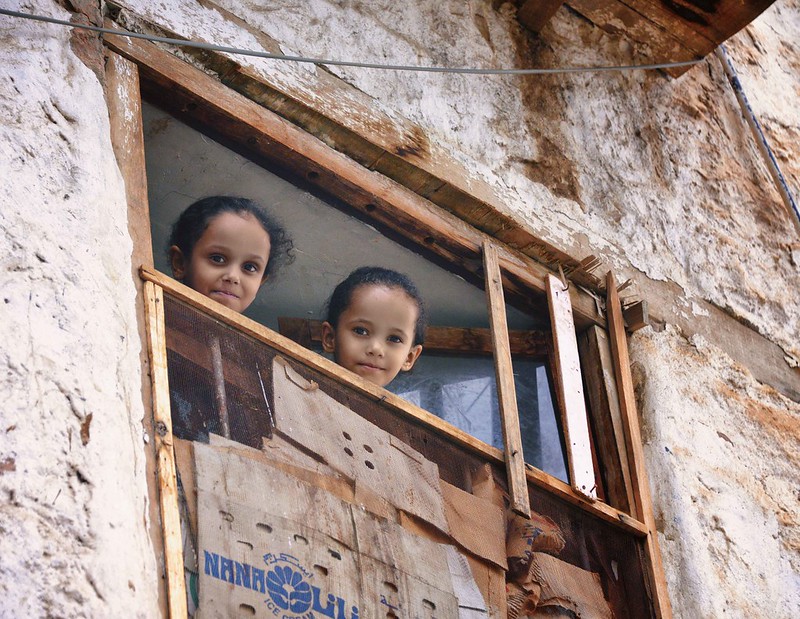
vaccination rates in YemenYemen, a West Asian country with a population of 40 million, has seen a troubling decline in polio immunization rates. While Yemen was polio-free before 2020, according to the World Health Organization (WHO), national polio immunization coverage dropped from 58% in 2022 to 43% in 2023. This decrease reflects the fragility of Yemen’s health system amid ongoing social, political and security crises. Over the past three years, health officials have reported 273 cases of variant poliovirus outbreaks, a situation exacerbated by the humanitarian crisis and falling vaccination rates in Yemen.

Global Health in Yemen

According to USAID, 19.7 million people in Yemen do not have access to basic health services. In Yemen, only 52% of health facilities are fully functional and most of these lack equipment, essential medicines and specialist physicians—a slight improvement from 2014, when only 46% of health facilities were partially functional. The mortality rate for children under 5 stands at 41.3 deaths per 1,000 births. The deteriorating state of the health care system has facilitated the re-emergence of preventable diseases like polio. UNICEF and WHO are actively collaborating with the country’s health systems to improve these conditions. Furthermore, more than 17 million people in Yemen struggle with food insecurity and 4.5 million are internally displaced due to ongoing violence, economic crises and recurring outbreaks of disease exacerbated by climate events, contributing to the near collapse of the country’s health care infrastructure.

UNICEF Vaccinations 

UNICEF announced a second round of oral polio vaccines for 1.3 million children under the age of 5 from July 15 to July 17, 2024, following a successful first round in Feb. that reached 1.2 million children. In collaboration with WHO and Yemen’s Ministry of Public Health and Population, the organization also distributed vitamin A supplements to boost children’s natural immunity against diseases. The immunization campaign targets 12 southern governorates and 120 districts, with approximately 9,000 health workers trained for house-to-house vaccination. This effort is a response to a polio outbreak that left 257 children paralyzed.

Health Initiatives

Peter Hawkins, the UNICEF representative to Yemen, stated that eradication of diseases is achievable if every child receives vaccinations against poliovirus and other preventable diseases. In collaboration with various partners and organizations, UNICEF is pushing forward the Big Catch-up initiative, aiming to restore and accelerate routine vaccines and immunization services missed during COVID-19. Additionally, health partners and authorities have initiated the Health Emergency Expansion Resource (HEER) initiative to extend integrated primary health care services, including vaccinations, to address polio and measles outbreaks.

Looking Ahead

Collaborative efforts by global health organizations are essential to restoring Yemen’s health care system and halting the spread of preventable diseases. Recent campaigns and health initiatives demonstrate a concerted push to increase vaccination rates in Yemen and enhance primary care access for millions. As these initiatives progress, they offer renewed hope for improving the resilience of Yemen’s health care infrastructure and protecting vulnerable populations, especially young children, from further outbreaks.

– Indira Smith

Indira is based in Manchester, UK and focuses on Global Health for The Borgen Project.

Photo: Flickr

November 5, 2024
https://borgenproject.org/wp-content/uploads/borgen-project-logo.svg 0 0 Precious Sheidu https://borgenproject.org/wp-content/uploads/borgen-project-logo.svg Precious Sheidu2024-11-05 01:30:592024-11-05 00:57:48Variant Poliovirus Outbreaks and Vaccination rates in Yemen
Global Health, Global Poverty

The Wellcome Trust Tackles Neglected Tropical Diseases in Nigeria

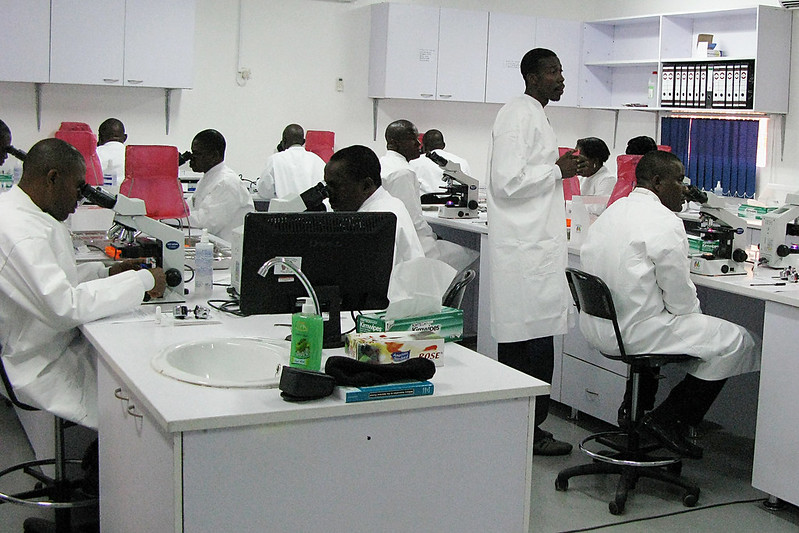
Neglected Tropical Diseases in NigeriaThe Wellcome Trust is a global charity organization established in 1936 that focuses on research and providing support for mental and physical health challenges throughout the world. The organization specifically addresses neglected tropical diseases (NTDs) in Nigeria, such as Lassa fever, monkeypox and dengue. Through addressing NTDs, Wellcome Trust tackles complex health issues and contributes to socioeconomic development in Nigeria. Nigeria is home to the highest numbers and diversity of neglected tropical diseases throughout sub-Saharan Africa. To treat these diseases, it is necessary to prioritize research to diagnose those infected and implement treatment early on to minimize fatalities. 

Addressing Lassa Fever

Lassa Fever, endemic to multiple African countries, hit Nigeria hard in 2018 with the country’s largest outbreak. More than 20% of cases were fatal. The disease infects blood vessels, attacking the organs. Only about 20% of cases show recognizable symptoms, complicating diagnosis and containment efforts. Currently, no vaccines exist for this potentially fatal disease, making research into diagnosis and treatment a critical priority.

The Wellcome Trust, a major supporter of infectious disease research, funds the Centre for Infectious Disease and Research Policy (CIDRAP), which has developed a plan to address Lassa Fever in Nigeria. This Research and Development (R&D) plan aims to advance vaccine research for various strains of the disease, identify gaps in current research and prioritize filling these gaps.

Working closely with the United Kingdom (U.K.) Department for International Development, these organizations have funded about £500,000 to the World Health Organization (WHO) and the African Coalition for Epidemic Research, Response and Training (ALERRT) to support Nigeria. This funding boosts projects that enhance research, expand access to laboratory work and benefit local clinics and health centers.

Addressing MPOX

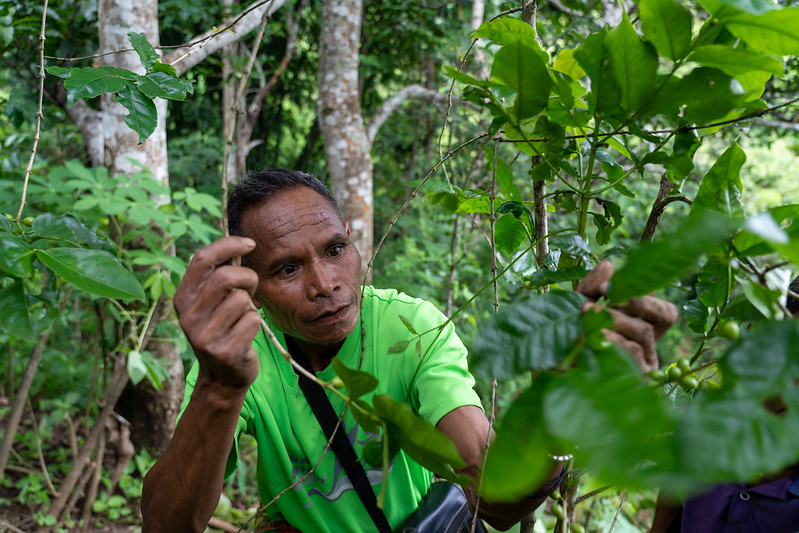
Mpox (formerly known as monkeypox) is endemic in most African countries. A significant increase in cases occurred in Nigeria in 2017, prompting the WHO to enhance regulations to contain the disease. Like Lassa fever, Mpox presents various strains across different countries. Most cases arise in rural areas, often causing up to a two-week delay between symptom onset and treatment due to challenging access. To tackle this, the Wellcome Trust plans to collaborate with FIND, an organization developing a point-of-care rapid test to accelerate the diagnosis process on-site before verifying the data in a lab. Through this approach, the organization aims to reduce fatalities and decrease the stigma associated with this visibly impacting disease.

Addressing Dengue in Nigeria

Dengue, a viral disease spread by mosquitoes, is most prevalent in tropical climates. Diagnosed individuals suffer from high fevers, headaches and muscle and joint pains. The innovative research tool E-DENGUE enables local governments to prepare for outbreaks months in advance. According to the WHO, half of the world’s population is at risk of contracting dengue. E-DENGUE, currently a desktop platform, integrates data from various sources instead of relying solely on case studies. Researchers are working to develop this tool into a mobile app to enhance accessibility.

Urbanization, climate challenges and limited health care access complicate efforts to contain dengue, which is endemic in every state in Nigeria and ranks among the most fatally misdiagnosed diseases in Africa. The concern over dengue is often underestimated as health professionals struggle to accurately identify the disease. They lack consistent treatment methods due to insufficient tools and research.

Strategic Health Initiatives and Funding

The Trust has succeeded through research and community health programs that enhance awareness, prevention and treatment of diseases. Addressing these issues not only improves health and quality of life but also boosts economic benefits by increasing work productivity and reducing poverty. As of 2022, the Wellcome Trust plans to invest £16 billion in health research by 2032, focusing on discovery research, climate and health, infectious disease and mental health. It advances these areas by prioritizing research funding, advocating for global policy changes and fostering innovative research environments.

Looking to the Future

Since 2018, the Wellcome Trust and the Foreign, Commonwealth and Development Office (FCDO) have engaged in a productive collaboration through the Joint Initiative on Research in Epidemic Preparedness and Response (JIREP). This initiative funds research and medical support worldwide. The collaboration aims to tackle well-known diseases, assist countries in preparing for outbreaks and integrate social sciences and policy development in responding to global epidemics.

The Wellcome Trust’s strategies have significantly improved access to treatment and quality of life by enhancing research and funding for neglected tropical diseases in Nigeria. Furthermore, advances in technology have shortened diagnosis times, leading to quicker recoveries and fewer deaths. Indeed, this efficiency helps individuals resume work and daily activities, supporting their families and breaking the vicious cycle of poverty and disease.

– Lauren Sellman

Lauren is based in Rochester Hills, MI, USA and focuses on Good News and Global Health for The Borgen Project.

Photo: Flickr

November 4, 2024
https://borgenproject.org/wp-content/uploads/borgen-project-logo.svg 0 0 Precious Sheidu https://borgenproject.org/wp-content/uploads/borgen-project-logo.svg Precious Sheidu2024-11-04 07:30:142024-11-04 00:30:40The Wellcome Trust Tackles Neglected Tropical Diseases in Nigeria
Global Health, Global Poverty, HIV/AIDS

HIV/AIDs in Indonesia

HIV/AIDs in Indonesia Nearly 39.9 million people are currently living with HIV/AIDs today. Human Immunodeficiency Virus (HIV) attacks cells that protect the body from infections, leading to increased vulnerability to infections and diseases within the human body. HIV can lead to Acquired Immunodeficiency Syndrome (AIDs), which often signifies a highly impaired immune system and can heavily reduce the predicted lifespan. While there is no standalone procedure for HIV, patients can receive antiretroviral therapy (ART), which is an ongoing treatment that uses viral suppression to decrease the amount of HIV in the blood. Some medicines can help prevent people from contracting HIV before a certain activity or experience (sex, drugs, etc.). However, without testing opportunities, it is nearly impossible to detect the presence of HIV, which is why having structured programs and opportunities for testing and treatment is crucial to our livelihoods

HIV/AIDs in Indonesia: Barriers

In 2023, 570,000 people were living with HIV/AIDs in Indonesia. Indonesia is the fifth most vulnerable (to HIV/AIDs) country in Asia. The main causes of HIV/AIDs transmission in Indonesia are unprotected sexual activities, unsanitary drug injection and communal needle use. The leading cause is sexual transmission, which accounts for nearly 89% of all cases. Not enough information is available among the Indonesian population, leading to an absolute lack of awareness.

Currently, the largest barrier regarding HIV/AIDs treatment in Indonesia is financial access to health care. Most Indonesians are unaware of their status (regarding the virus) and do not have access to testing or cannot afford treatment. Additionally, there is the social fear of rejection that many living with HIV/AIDs face. Having HIV/AIDs, though out of people’s control, often leads to social rejection and distancing. People may fear having ties cut between them and their family or friends, disallowing them from sharing their status and getting help.

Treatment of HIV/AIDs in Indonesia

As of February 2024, nearly 130,000 people are receiving ARP therapy in Indonesia, which is a great start, according to the 2024 Frontiers Article. With the help of UNAIDS, Indonesia is now much more intensive on HIV testing (so people living with HIV/AIDs are aware of their status and can get help) and treating those with HIV as well. Additionally, the government is attempting to put HIV or STI services into health benefits packages, so more people can access them, according to the 2024 Frontiers Article. The Indonesian Government is also taking the World Health Organization (WHO) guidelines much more seriously and attempting to implement them in more facets of the country.

According to the 2024 Frontiers Article, Indonesia is also actively trying to involve private health care providers and diversify treatment to increase its outreach.

IAC and AHF

Based in Jakarta, the Indonesian AIDs Coalition (IAC) primarily helps communities and locals. It has specifically worked on the financial aspects of treatment (increasing accessibility) and allowing for a more inclusive and accepting space for those living with HIV/AIDs in Indonesia, according to the 2024 Frontiers Article. The IAC holds the Global Fund Principal Recipient status and used the Global Fund to Fight AIDs, Tuberculosis and Malaria’s grant for HIV in Indonesia.

AIDS Healthcare Foundation (AHF) has been conducting HIV testing to help people figure out their status. It helps with treatment, specifically by offering free ARV drugs, according to the 2024 Frontiers Article. AHF has also begun focusing on “housing, food security, and pandemic response and preparedness” as well.

LAP, SWING and UNAIDS

One Child One Life program by Lentera Anak Pelangi (LAP) primarily focuses on psychological support for adolescents and children. This program specifically offers mental support along with educating younger people who have HIV/AIDs, according to the 2024 Frontiers Article. By providing an environment of people with similar circumstances, LAP can provide solidarity to children with HIV and build their confidence. The program is especially good at helping those with HIV/AIDs return to school and continue their normal lives.

Service Workers in Group Foundation (SWING) focuses on working with female sex workers. In the process, the group tries to highlight the dangers of HIV/AIDs and how to protect themselves and others from the disease,  according to the 2024 Frontiers Article. Often, sex workers are not able to access health clinics (due to working hours and schedule), though they need to check their health and stay in good condition. Considering that their job provides many opportunities for contraction of diseases (such as HIV/AIDs), getting tested is incredibly important.

Along with the US Government, UNAIDS has partnered with the Indonesian Government to partake in PEFPAR, to help Indonesia reach its HIV targets and improve treatment. One of UNAIDS’s many focuses is eradicating stigma or discrimination towards those living with HIV, and fostering a more accepting community, according to its website.

Overall, there is so much being done to increase HIV testing, improve treatment, and address and eliminate stigma around HIV in Indonesia. With these groups working together and in tandem with the Indonesian government, Indonesia is getting closer and closer to reaching its goal of HIV eradication!

– Lakshya Anand

Lakshya is based in Bellevue, Washington, USA and focuses on Global Health for The Borgen Project.

Photo: Unsplash

November 2, 2024
https://borgenproject.org/wp-content/uploads/borgen-project-logo.svg 0 0 Naida Jahic https://borgenproject.org/wp-content/uploads/borgen-project-logo.svg Naida Jahic2024-11-02 01:30:082024-11-02 02:14:36HIV/AIDs in Indonesia
Global Health, Global Poverty, Women and Children

Midwife Programs in Underserved Communities

Midwife Programs in Underserved CommunitiesMidwives play an essential role in providing health care to women. Their work is critical in areas without access to traditional hospitals and for women who need alternative expertise. The World Health Organization (WHO) recommends training an additional 1.3 million midwives by 2030 to address the shortage of health care professionals. The following documentaries feature midwife programs in underserved communities.

Navigating Birth and Conflict in the West Bank

This documentary, filmed in Feb. 2024, tracks experienced midwives as they navigate the challenges of providing care in the war-torn West Bank. Across four hospitals, these professionals manage their personal anxieties and professional duties. Indeed, they ensure pregnant women receive necessary health care despite the conflict. Each midwife program reveals how these women adeptly adapt to severe conditions. Despite the lack of private hospitals and ongoing war, they serve approximately 8,000 women per month, overcoming significant institutional challenges.

The midwife programs tackle hurdles such as unpredictable birth events, an unorganized health care system and a dampening of morale among expectant mothers. Additionally, personal hurdles include military checkpoints during commutes and delays in payment from employers. A primary concern is the mental and emotional well-being of mothers and midwives as they navigate the uncertainties of childbirth, poor health care access and the dangers of a sustained war effort around their homes and hospitals. Midwife programs such as Midwives for Peace actively work to make up for the lack of resources and to support new mothers. 

Making a Midwife

This documentary follows student midwives as they train and work to receive certification to practice in Haiti. Women like Jusléne prepare to work independently in their communities. According to the documentary, one in 83 women die during childbirth in Haiti. Half of these deaths can be attributed to health complications, such as Eclampsia. Though many women experience complications with known treatments, many of these procedures are not offered to the poor and low-income families within Haiti.

The Midwives for Haiti is a program dedicated to combating high child mortality rates in Haiti. These future midwives, both women and men, are eager to apply their new skills in communities desperate for quality care. They learn from seasoned instructors experienced in field deliveries. By partnering with traditional matrons, Midwives for Haiti ensures a robust training of attendants. The program melds formal midwifery education with an understanding of local cultural traditions. Additionally, the training equips new matrons to engage effectively with pregnant women and their families. As locals themselves, these midwives handle cultural beliefs sensitively, providing accurate diagnoses and care. In the long term, this process aims to strengthen a struggling health care system and alleviate pressures on local actors and voodoo doctors who may lack medical knowledge. 

The community-centered approach to education and training creates an atmosphere of uplift and persistence for each trainee. Michael, a featured trainee, wishes to go out and find people who need medical care but who may not have the resources to maintain steady access. Like many of the featured midwives, his goal is to educate local women on the best practices for a healthy pregnancy. The hope is that they can learn how they can position themselves and their children to live a life of health and nutrition. 

Nadene, the founder of Midwives for Haiti, established the program with two primary goals. The first is to address the critical shortage of health care providers. The second goal is to foster self-agency among midwives. As students graduate and begin their practices, they gain the tools needed to achieve financial independence. This empowerment is particularly transformative for women, who often experience financial independence for the first time as they serve their communities.

Con Madre

Con Madre documents the experiences of a group of women who live and train at a Guatemalan school for midwives. The documentary depicts a strong bond between the women as they live together and progress through its program. 

According to the National Center for Biotechnology Information, more than 50% of births in Guatemala are home births. Women unable to attend a formal hospital rely on midwives to guide them through pregnancy. Furthermore, they offer care in the weeks following birth. Despite the necessity of their work, midwives in the area resist perceptions by medical professionals who do not understand or accept their expertise. 

The three-year midwife program equips students to lead with a vision of empowerment and possibility, emphasizing women’s health rights and future work. Beyond their formal training, each midwife-in-training shadows a “traditional” midwife to absorb ancestral knowledge from local villages and communities. This ancestral training fosters respectful, trusting relationships between new midwives and their local patients.

Looking Ahead

Through the dedication and specialized midwife programs highlighted in these documentaries, midwives provide critical health care to underserved communities globally. These ongoing programs empower local midwives, enabling them to navigate complex community challenges while preserving cultural practices. As they address gaps in maternal and newborn health, midwife programs enhance care and promote long-term, community-centered health care solutions that bring safety and support to mothers and infants in underserved communities.

– Karina Dunn

Karina is based in Mesquite, TX, USA and focuses on Global Health for The Borgen Project.

Photo: Flickr

October 31, 2024
https://borgenproject.org/wp-content/uploads/borgen-project-logo.svg 0 0 Precious Sheidu https://borgenproject.org/wp-content/uploads/borgen-project-logo.svg Precious Sheidu2024-10-31 07:30:062024-10-31 00:53:40Midwife Programs in Underserved Communities
Disease, Global Health, Global Poverty, WHO

HIV Prevention Drug Lenacapavir to Reach 120 Countries

HIV Prevention Drug to Reach 120 CountriesAt the end of 2023, approximately 39.9 million people worldwide were living with HIV. An estimated 0.6% of adults aged 15 to 49 years globally are living with the virus. However, the impact of the epidemic varies significantly among countries and regions. Gilead’s new, affordable, twice-yearly lenacapavir (LEN) injection effectively prevents HIV, especially in women. On Oct. 2, 2024, the company announced licensing agreements to offer the drug at lower costs in 120 “high-incidence, low-income” countries. The World Health Organization (WHO) described this development as a significant advancement in combating the life-threatening disease, which affects roughly half its victims as women, predominantly in sub-Saharan Africa.

HIV Prevention Drug Lenacapavir

Lenacapavir is a long-acting injectable that provides pre-exposure prophylaxis (PrEP) to reduce the risk of contracting HIV. Earlier this year, a study in South Africa and Uganda revealed the drug’s high efficacy in preventing HIV among HIV-negative girls and women. Furthermore, another trial involving men in Argentina, Brazil, Mexico, Peru, South Africa, Thailand and the United States (U.S.) demonstrated nearly complete protection. Indeed, in the lenacapavir group tested, among women, there were no new cases of HIV infection and the trials revealed no significant safety concerns.

Pressure on Gilead from World Leaders

Following the publication of these findings, Gilead faced pressure from the People’s Medicines Alliance along with a group of 300 world leaders, celebrities, scientists and activists to make the drug available in middle- and low-income countries simultaneously as people in wealthier nations. Among the signatories were actors Gillian Anderson, Stephen Fry, Sharon Stone and Alan Cumming; former heads of state; and Francoise Barré-Sinoussi, a Nobel-winning scientist. In a letter addressed to the Gilead CEO Daniel O’Day, they pushed the company to open the license up to poorer nations immediately. Furthermore, they expressed their hope that the “groundbreaking” development could make “radically positive change for people facing stigma.”

HIV in Low-Income Countries

Gilead is prioritizing the registration of LEN in the 18 countries with the highest HIV incidence rates, in Sub-Saharan Africa and South-East Asia. These high rates stem from inadequate domestic and international funding, with natural disasters and regional conflicts complicating governments’ HIV response efforts. HIV prevalence is higher in specific population groups, including men who have sex with men, which fuels stigma around the disease. However, global efforts to increase treatment accessibility have yielded substantial progress over the past two decades. Currently, 29.8 million of the 39 million people living with HIV are receiving treatment. Indeed, this is a significant increase from 7.7 million in 2010.

Looking Ahead

In response to these promising findings, the WHO has announced it is actively developing guidelines in collaboration with experts and global partners to ensure an affordable supply and equal access to the drug. New pharmaceutical developments are emerging rapidly. HIV prevention drug lenacapavir presents a hopeful method of combating the disease in high-risk countries.

– Hannah Dunford

Hannah is based in Edinburgh, Scotland and focuses on Global Health and Politics for The Borgen Project.

Photo: Flickr

October 25, 2024
https://borgenproject.org/wp-content/uploads/borgen-project-logo.svg 0 0 Precious Sheidu https://borgenproject.org/wp-content/uploads/borgen-project-logo.svg Precious Sheidu2024-10-25 07:30:152024-10-24 12:39:40HIV Prevention Drug Lenacapavir to Reach 120 Countries
Page 6 of 18«‹45678›»

Get Smarter

  • Global Poverty 101
  • Global Poverty… The Good News
  • Global Poverty & U.S. Jobs
  • Global Poverty and National Security
  • Innovative Solutions to Poverty
  • Global Poverty & Aid FAQ’s
Search Search

Take Action

  • Call Congress
  • Email Congress
  • Donate
  • 30 Ways to Help
  • Volunteer Ops
  • Internships
  • Courses & Certificates
  • The Podcast
Borgen Project

“The Borgen Project is an incredible nonprofit organization that is addressing poverty and hunger and working towards ending them.”

-The Huffington Post

Inside The Borgen Project

  • Contact
  • About
  • Financials
  • President
  • Board of Directors
  • Board of Advisors

International Links

  • UK Email Parliament
  • UK Donate
  • Canada Email Parliament

Get Smarter

  • Global Poverty 101
  • Global Poverty… The Good News
  • Global Poverty & U.S. Jobs
  • Global Poverty and National Security
  • Innovative Solutions to Poverty
  • Global Poverty & Aid FAQ’s

Ways to Help

  • Call Congress
  • Email Congress
  • Donate
  • 30 Ways to Help
  • Volunteer Ops
  • Internships
  • Courses & Certificates
  • The Podcast
Scroll to top Scroll to top Scroll to top