The Response to HIV/AIDS in Croatia
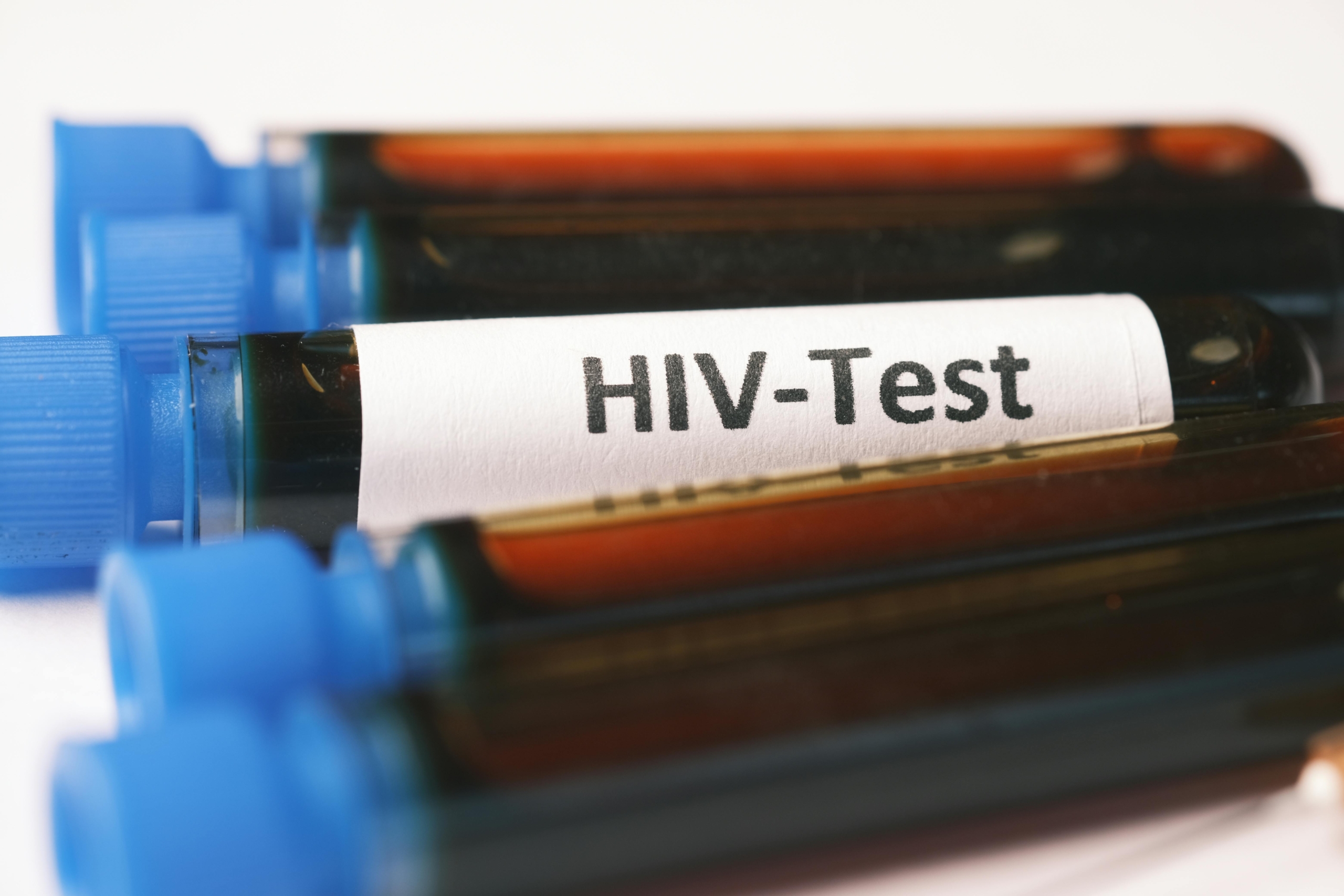 Human immunodeficiency virus (HIV) and its advanced stage, Acquired immunodeficiency syndrome (AIDS), are significant global public health issues. According to the World Health Organization (WHO), by the end of 2023, HIV had infected 39.9 million people. The virus targets white blood cells in the body, resulting in a weaker immune system and various complications. A case study conducted in Croatia and four other countries aims to track the virus and those it affects and make care more accessible for the well-being of their citizens.
HIV/AIDS in Croatia
Croatia, a country nestled between Slovenia and Bosnia and Herzegovina, launched a national response to the ongoing HIV/AIDS crisis within its borders. Starting in 1985, the surveillance of the virus gradually improved as testing and programs were established to combat its spread. Between 1985 and 2015, there were approximately 77 to 116 new cases reported annually. The majority of transmissions occurring through sexual contact in male-homosexual relationships.
The government’s response to HIV/AIDS in Croatia included implementing certain educational and health care pillars to maintain and promote the declining spread of the virus. The pillars of the program include easy access to care for people living with HIV/AIDS. Additionally, youth education is targeted, as well as introducing more protective behaviors in order to stay safe. Making sure that blood or blood-related products are clean and safe are also a key priority.
EmERGE
Part of the easy access to care included investigating the cost-effectiveness of a program called EmERGE, which offers support to those who are in a stable condition with the virus. This program has three primary goals:
- To gather insights into living with HIV and providing care for individuals with HIV.
- To determine which mHealth features are viewed as valuable in HIV care.
- To explore potential advantages and address concerns related to mHealth.
One of five clinics was opened in Zagreb, Croatia, where a study soon ensued with 309 initial participants, which later fell to 293 participants. The clinics collected outpatient data one year before and one year after the EmERGE program was implemented. The results of the case study were very promising, as outpatient visits declined by 17%. They led to decreases in all other areas, such as annual costs and costs related to anti-retroviral drugs.
The Future
Croatia’s response to HIV/AIDS has made great progress in making care more accessible. Results from the patients showed that they appreciated the autonomy that it gave them as well as reducing travel and waiting times. The only downside is the safety of the participants’ phones; should privacy not be protected, the information could leak. However, further efforts are being implemented to study and expand mHealth and EmERGE to cover a more broad range of needs.
The effort that has been put in to monitor and reduce HIV will save lives in the future. Croatia’s national plan will further the health and safety of its citizens and create new educated generations who will be less likely to contract the virus. Furthermore, with the success of Emerge, other countries may adopt a similar institution to combat the HIV/AIDS crisis. While the case study focused on five countries, Croatia’s success may inspire others to follow.
– Isabella Chavez
Isabella is based in Swampscott, MA, USA and focuses on Global Health for The Borgen Project.
Photo: Pexels
